Guide to Board and Batten Siding Options
Board and batten siding is an exceptional choice for homeowners looking to elevate their home’s exterior. This classic style offers dramatic vertical lines that enhance curb appeal while providing outstanding durability. Here is a quick breakdown of the top materials available for your home:
| Material | Key Benefits | Lifespan |
|---|---|---|
| Vinyl | Low maintenance, versatile colors | 20–40 years |
| LP SmartSide (Engineered Wood) | High strength, realistic wood texture | 20–30 years |
| Cedar (Natural Wood) | Warm aesthetic, natural insect resistance | 20–40 years |
| Fiber Cement (e.g., James Hardie) | Fire-resistant, unmatched durability | 30–50 years |
| Metal (Steel/Aluminum) | Weather-resistant, modern look | 40–60 years |
For a typical home, choosing the right material depends on your aesthetic preferences, maintenance expectations, and the local climate. Chicago-area homeowners, in particular, should factor in regional weather demands and the impact of Midwest freeze-thaw cycles on their material choice.
I’m Steve Mlynek, CEO and founder of HomeBuild Windows, Doors & Siding — with over 20 years helping Chicago-area homeowners navigate exterior remodeling decisions, including evaluating board and batten siding options across a wide range of materials and home types. In this guide, I’ll walk you through everything that drives the performance and value of this siding style so you can make a confident, informed decision.
Quick board and batten siding resources:
Understanding Board and Batten Siding Systems
Board and batten is a classic vertical cladding system that dates back to early American barns and European architecture. By placing wide vertical boards edge-to-edge and sealing the seams with narrow strips called “battens,” builders historically created a weather-tight seal that shed water beautifully. Today, this style has captured the hearts of homeowners looking to achieve the modern farmhouse look, offering dramatic vertical shadow lines that elevate a home’s curb appeal.
When evaluating your home exterior options, it is helpful to look at the siding investment per square foot to understand how different styles perform over time. Unlike horizontal lap siding, vertical siding requires specialized installation techniques. To ensure proper moisture management and structural integrity, we must install a high-quality weather-resistant barrier behind the cladding. This moisture barrier blocks liquid water from entering your home’s framing while allowing water vapor to escape, preventing mold and rot behind your walls.
For a deep dive into the engineering, dimensional proportions, and material properties of this system, you can explore Modern Mill’s guide to board and batten materials. Understanding how these systems are structured helps explain why they offer superior protection against the elements when installed by a professional team.
Key Factors Influencing Your Siding Investment
When planning a siding project in the Chicago area—whether you are in Arlington Heights, Schaumburg, Glenview, or Northbrook—several variables dictate the overall investment required.
- Home Height & Wall Area: Two-story or three-story homes require specialized scaffolding, safety rigging, and extra labor. Wall areas taller than nine feet typically see adjustments in installation time due to the complexity of handling long vertical panels safely.
- Architectural Complexity: Homes with intricate rooflines, multiple gables, bay windows, and built-in masonry require detailed flashing and custom trim work.
- Siding Removal & Substrate Prep: Before installing your new board and batten system, we must remove the existing siding and inspect the underlying wood sheathing. If we find hidden rot or water damage, repairing these structural components is vital to securing your home’s envelope.
- The Chicago Climate: The Midwest is famous for its brutal seasonal shifts. Between freezing winters and humid summers, our homes experience dramatic thermal expansion and contraction. Choosing durable materials that handle these freeze-thaw cycles and high wind loads off Lake Michigan is essential for long-term performance.
To learn more about what to expect during a full-scale renovation, you can read This Old House’s overview of board and batten siding or read our comprehensive guide on siding installation replacement.
Material Selection and Its Impact on Board and Batten Siding Performance
The material you select is the largest driver of both your initial investment and your home’s future maintenance requirements. Here is how the most popular options compare:
1. Vinyl Siding
Modern vinyl board and batten siding, such as premium options from Alside, offers a clean, low-maintenance aesthetic. It is highly resistant to moisture, never needs to be painted, and can be paired with insulated backings to improve your home’s thermal boundary. When installing vinyl, we must leave precise expansion gaps at all termination points to accommodate the material’s natural movement during temperature swings. To see how this material can lower your heating and cooling bills, check out how vinyl siding can make your home more energy efficient. However, be sure to plan carefully to avoid unexpected vinyl siding details.
2. Fiber Cement
Fiber cement—most notably manufactured by James Hardie—is the gold standard for durability and realism. Made from a blend of Portland cement, sand, and cellulose fibers, it perfectly mimics the deep grain of real wood while offering unmatched fire resistance and storm protection. It does not rot, warp, or attract wood-boring insects, making it an exceptional fit for the volatile Chicago climate. You can explore its benefits further in our article on fiber cement siding panels or read our Fiber Cement Siding Guide.
3. Engineered Wood
Engineered wood siding, like LP SmartSide, combines treated wood fibers with advanced resins and water-resistant waxes. It is incredibly strong, lightweight, and comes in long lengths that reduce the number of seams on your home. It provides the authentic look of real wood but with enhanced protection against fungal decay and termites.
4. Natural Cedar
Cedar is the traditional choice for homeowners seeking natural warmth and rustic charm. It contains natural oils that resist insects and decay. However, cedar requires a committed maintenance cycle, including staining or painting every three to five years to prevent graying and moisture damage. To see how modern alternatives compare, read why Cedar Impressions siding is making real wood jealous or learn about traditional techniques in the ultimate guide to cedar clapboard siding installation.
5. Steel & Metal Siding
For a sleek, contemporary, or industrial look, metal siding is highly durable and virtually maintenance-free. It stands up incredibly well to severe weather, hail, and high winds. To see why this option is growing in popularity, read about why metal siding contractors are steeling the spotlight.
How Installation Complexity Affects Board and Batten Siding Projects
Installing vertical siding is an art form. Unlike horizontal lap siding, where minor misalignments can sometimes go unnoticed, vertical lines must be perfectly plumb.
- Batten Spacing & Board Width: Traditional designs use wider boards (such as 10-inch or 12-inch widths) paired with narrow battens. If you opt for a contemporary look with narrower boards (like 6-inch or 8-inch widths), the installation requires more pieces, more fasteners, and significantly more labor.
- Alignment Around Openings: Our crews must pull precise measurements to the tops of windows and doors. This ensures that the vertical battens align symmetrically across your home’s facade rather than ending in awkward, off-center cuts.
- Furring and Flashing: To install vertical siding securely, we often install horizontal furring strips over the sheathing. This creates a solid nailing surface and establishes a ventilation cavity that allows moisture to drain away safely.
To learn more about the steps involved in a professional installation, read our guide on how to install home siding in 5 simple steps.
Comparing Board and Batten to Traditional Horizontal Lap Siding
Choosing between board and batten and traditional horizontal lap siding often comes down to your architectural goals and long-term design vision. Here is how they compare structurally and aesthetically:
| Feature | Board and Batten Siding | Horizontal Lap Siding |
|---|---|---|
| Visual Aesthetic | Modern farmhouse, rustic, bold vertical lines | Traditional, classic American, horizontal lines |
| Water Shedding | Excellent (sheds water vertically) | Good (requires proper overlapping) |
| Installation Complexity | High (requires precise plumb alignment) | Standard (faster, more straightforward) |
| Material Waste | Slightly higher due to custom vertical cuts | Minimal |
| Design Versatility | High (great for full coverage or gable accents) | High (classic look for any home style) |
Because vertical boards naturally direct water straight down, board and batten systems are incredibly efficient at shedding rainfall. However, they require meticulous flashing at the top and bottom of the runs to prevent water from pooling. Horizontal lap siding remains a beautiful, classic option that installs quickly. To learn more about traditional horizontal installations, check out our guide on cedar clapboard siding installation or read The Essential Guide to Board and Batten Siding – Betterbeth for design inspiration.
Frequently Asked Questions About Board and Batten Siding
How long does board and batten siding typically last?
The lifespan of your siding depends heavily on the material you select and the quality of the installation. Premium vinyl and engineered wood typically last between 20 and 40 years with minimal maintenance. Fiber cement systems can easily last 30 to 50 years, while high-grade metal siding can protect your home for up to 60 years.
To maximize this lifespan, professional installation is key. Proper flashing, a secure moisture barrier, and high-quality fasteners prevent water from sneaking behind the panels, protecting your home’s structural integrity for decades.
Can you mix board and batten with other siding styles?
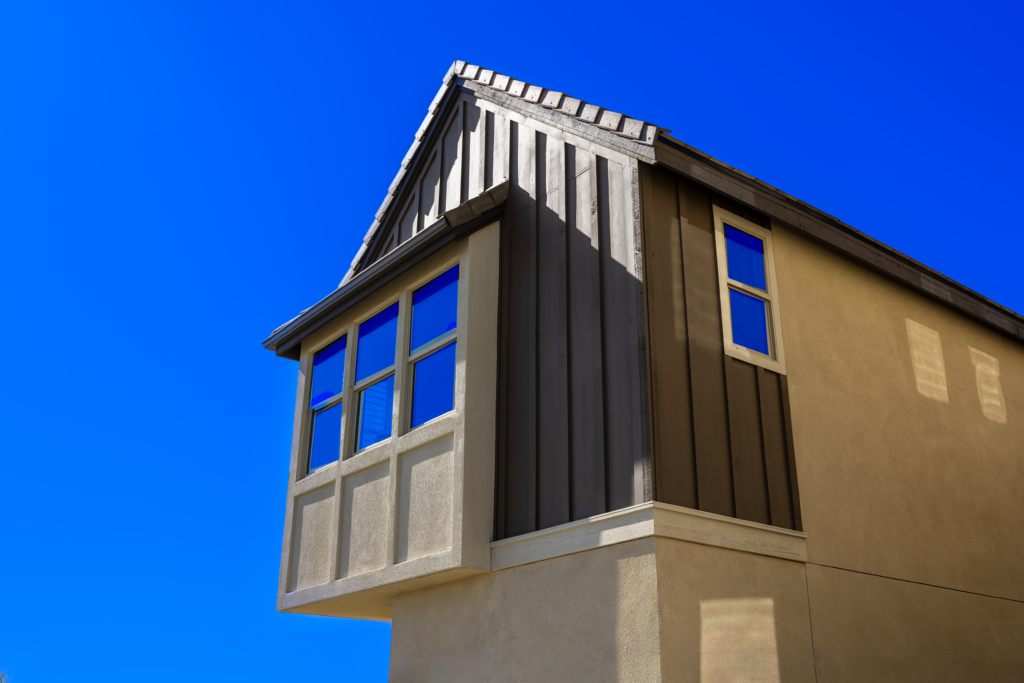
Absolutely! In fact, creating a hybrid design is one of the most popular exterior design trends in Chicagoland. Many homeowners choose to install board and batten as an accent on gable ends or front entryways while using traditional horizontal lap siding or stone veneer on the remaining walls.
This approach creates stunning visual depth, highlights your home’s architectural features, and adds immense curb appeal. When mixing styles, working with an experienced contractor ensures that the transitions between different cladding systems are fully flashed and watertight.
What are the signs that existing siding needs replacement?
If you are noticing any of the following signs, it is time to consider a professional siding replacement:
- Warping or Buckling: Siding panels that are pulling away from the wall or warping are no longer protecting your home’s sheathing.
- Rot and Soft Spots: On wood siding, soft areas indicate that moisture has penetrated the wood fibers, which can quickly lead to structural rot.
- Peeling Paint or Interior Water Stains: If your interior drywall is showing signs of moisture, your exterior siding may be failing to keep water out.
- Pest Activity: Wood-boring insects or woodpeckers targeting your siding are clear indicators that the material is decaying or compromised.
If you suspect your home’s exterior is reaching the end of its lifespan, read our helpful guide on when to consider siding replacement.
Conclusion
Upgrading your home with board and batten siding is an investment in beauty, weather protection, and long-term property value. Because vertical siding requires absolute precision to look and perform its best, partnering with a trusted, locally owned contractor is the most important decision you will make.
At HomeBuild Windows, Doors & Siding, we bring over 20 years of exterior remodeling experience to homeowners throughout Chicago and the surrounding northwest suburbs—including Arlington Heights, Schaumburg, Glenview, Palatine, Northbrook, and Elmhurst. Every project we undertake is owner-supervised, ensuring our high standards of craftsmanship and accountability are met from the first measurement to the final cleanup.
We are proud of our industry-leading credentials and community reputation:
- Elite Platinum Pella® Certified Contractor
- Andersen Premier Certified Contractor
- Angi Super Service Award winner
- Nextdoor Neighborhood Faves honoree
- 200+ positive Google reviews from your neighbors
- Fully licensed and insured for your peace of mind
Whether you are looking to replace drafty windows, upgrade to an energy-efficient entry door, or completely transform your home’s exterior with beautiful new siding, we work closely with you to deliver reliable, long-lasting solutions.
Ready to elevate your home’s curb appeal? Contact us today to schedule your free consultation with our expert team at Siding Installation Chicago.