What Does Vinyl Siding Installation Involve in 2026?
Understanding the details of a vinyl siding upgrade is the first step to planning your home’s exterior renovation with confidence. Here is a quick overview of how different siding grades compare in performance and installation requirements:
| Siding Type | Material Grade | Performance Level | Ideal Application |
|---|---|---|---|
| Builder-grade vinyl | Standard 0.040 inches | Basic protection | Essential exterior refreshes |
| Mid-grade vinyl | Residential 0.042-0.044 inches | Reliable durability | Standard family homes |
| Premium vinyl | Heavy-duty 0.046-0.052 inches | Superior wind resistance | Long-term durability |
| Insulated vinyl | Engineered foam-backed | Maximum energy efficiency | Cold Midwest climates |
Vinyl siding remains the most popular exterior cladding choice in America for good reason. It’s durable, low-maintenance, and highly resilient compared to natural wood. But many Chicago-area homeowners are surprised by the complexity of the installation process because the siding panels are only part of the story. Professional labor, old siding tear-off, wall preparation, and architectural complexity all play critical roles in ensuring a weather-tight finish.
This guide breaks down every installation factor clearly, so you know exactly what goes into a high-quality exterior transformation.
I’m Steve Mlynek, CEO and founder of HomeBuild Windows, Doors & Siding. With over 20 years of hands-on experience helping Chicago homeowners navigate exterior remodeling – from builder-grade installs to premium insulated systems – I’ve seen how proper installation techniques make all the difference. In the sections ahead, I’ll walk you through what actually drives a successful siding project and how to make sure your investment delivers lasting quality.
Vinyl siding resources:
Understanding the Value Factors of Vinyl Siding
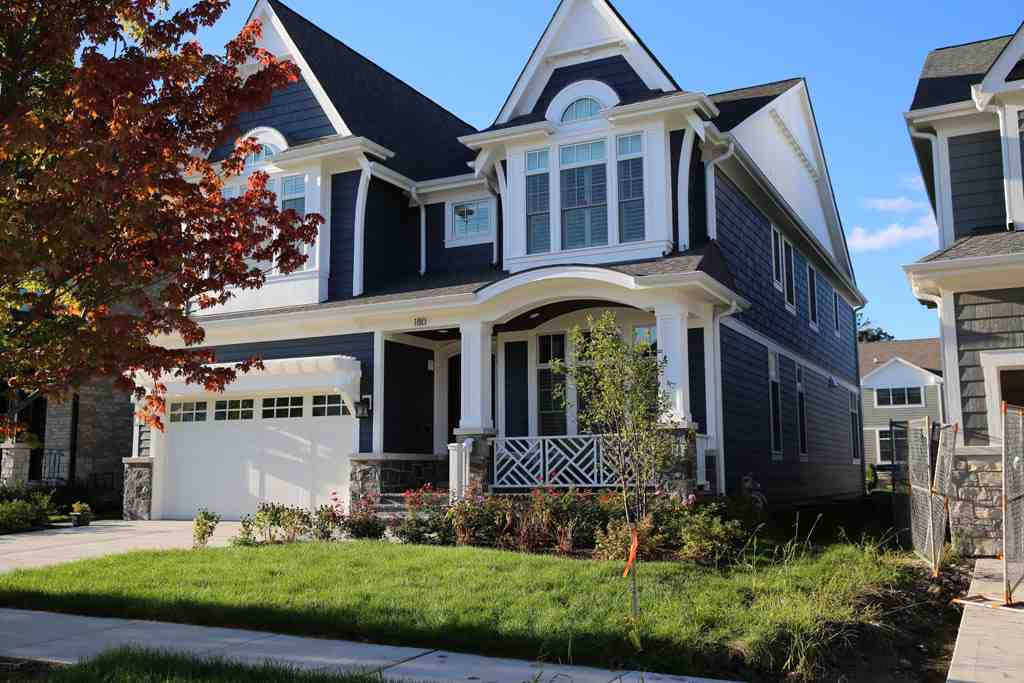
When planning an exterior renovation, looking solely at the base material can lead to inaccurate expectations. The overall value of your investment is determined by a combination of material quality, manufacturing standards, and structural design. Choosing the right products, such as those from trusted manufacturers like Alside, ensures that your home remains protected against severe weather while maintaining its beauty for decades. For a complete overview of the entire process, you can explore our Ultimate Guide to Siding Replacement.
Material Grades and Performance
The thickness of a vinyl panel is one of the most reliable indicators of its long-term durability, impact resistance, and overall performance. Vinyl siding is manufactured in several distinct grades:
- Builder-Grade (0.040 inches): This is the thinnest available option. While it provides a basic exterior barrier, it is more susceptible to sagging, cracking under extreme temperature shifts, and wind damage.
- Residential-Grade (0.042 to 0.044 inches): A standard choice for many homes, offering a reliable balance of durability and structural integrity.
- Premium-Grade (0.046 to 0.052+ inches): These heavy-duty panels offer superior rigidity, drape flatter against uneven walls, and provide exceptional wind load resistance. They are also formulated with advanced UV inhibitors to prevent fading.
Investing in a higher-grade vinyl panel directly translates to a longer lifespan, fewer repairs, and better protection against hail or stray yard debris.
Siding Profiles and Architectural Style
The style and shape of the siding panels—known as the profile—also play a significant role in the overall project scope. Different profiles require unique manufacturing processes and installation techniques:
- Horizontal Lap: The classic residential look. It is highly efficient to manufacture and install, making it a standard baseline option.
- Dutch Lap: Featuring a distinct groove at the top of each board that creates deep shadow lines, this profile offers a polished, traditional aesthetic.
- Board and Batten: A vertical profile that delivers a modern farmhouse look. Installing vertical panels requires specialized trim pieces and different framing preparation, which can influence the installation timeline.
- Cedar Shake Style: Designed to mimic natural split-wood shingles, these panels offer incredible rustic charm. For homeowners who love the look of real wood without the maintenance, learning Why Cedar Impressions Siding Is Making Real Wood Jealous highlights how modern polymer technology achieves this premium look.
Key Variables Influencing Your Siding Installation Investment
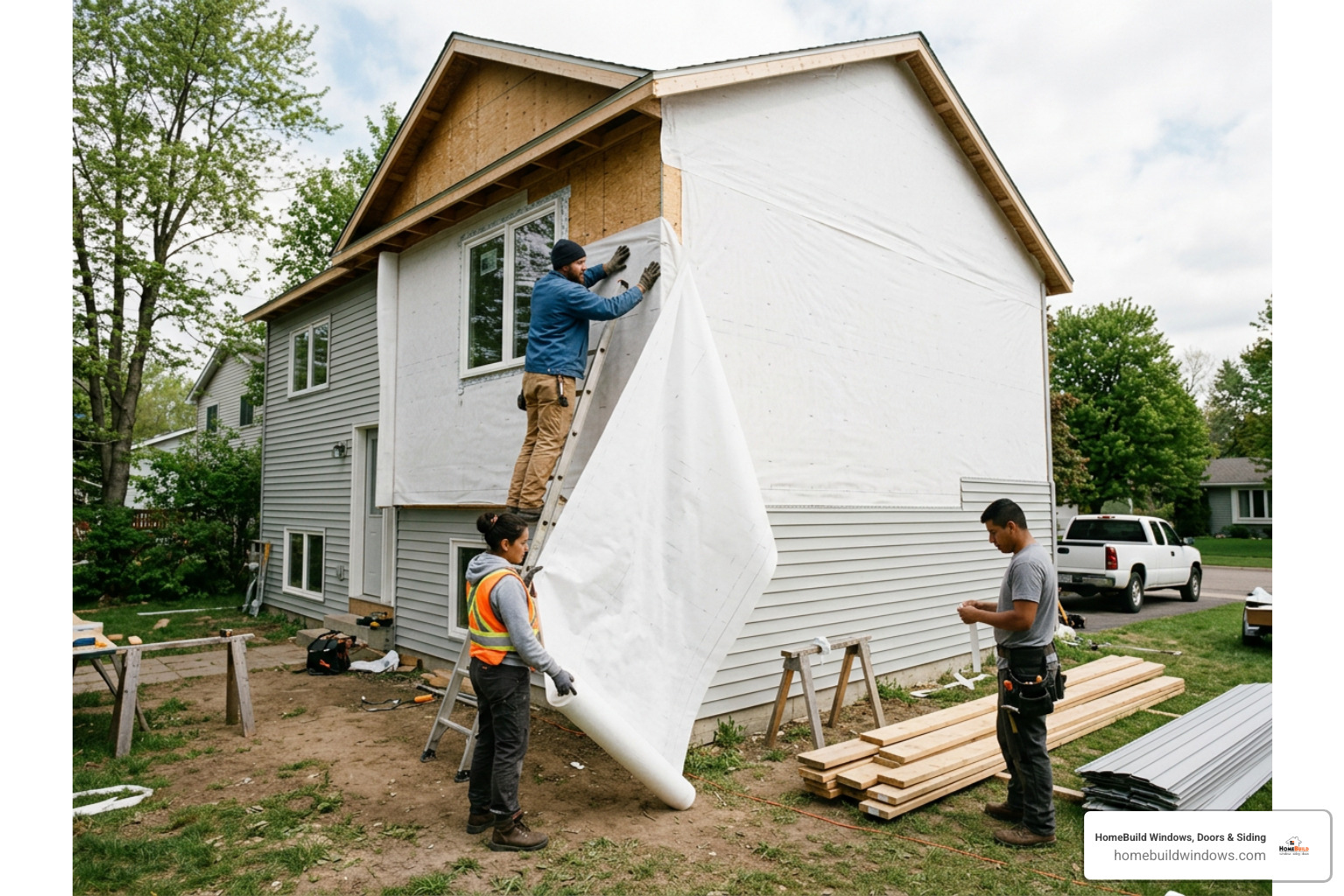
No two homes are identical, which is why a simple square-footage calculation rarely tells the whole story. The architectural design of your home, the number of stories, and the condition of the underlying walls all influence the final installation plan. Labor coordination and site preparation represent important parts of a durable, weather-ready siding system. For additional general guidance on vinyl siding products and installation practices, homeowners can review resources from the Vinyl Siding Institute. Working with an experienced local team is crucial to avoiding common pitfalls, as detailed in our guide on Don’t Get Sided: Choosing the Best Siding Contractor Near You.
Siding Removal and Wall Preparation
A high-quality siding job is only as good as the wall beneath it. Proper installation requires removing the existing, worn-out cladding to inspect the underlying wood sheathing.
- Tear-Off and Disposal: Removing old wood, aluminum, or damaged vinyl allows installers to inspect the home’s framing for hidden rot, pest damage, or structural issues.
- Sheathing Repairs: Any soft or rotted wood sheathing must be replaced to create a solid, flat fastening surface.
- Moisture Barriers and House Wrap: Installing a modern, breathable house wrap is a non-negotiable step. This layer acts as a protective shield, preventing liquid water from entering the wall cavity while allowing interior moisture vapor to escape, protecting your home from mold and rot.
Regional Weather and Seasonal Timing
Our local climate in Chicago and the surrounding North-West Suburbs – including areas like Arlington Heights, Barrington, Schaumburg, and Glenview – demands exterior materials that can withstand intense seasonal shifts. Our homes endure freezing winters, heavy snow, spring rains, and hot, humid summers.
Because vinyl naturally expands and contracts with these temperature swings, professional installers must leave precise gaps at the ends of panels and avoid nailing them too tightly to the wall. Installing siding during the moderate temperatures of spring or autumn is often ideal, though experienced crews can successfully complete installations year-round by adjusting their techniques to match the weather.
Comparing Vinyl Siding to Alternative Exterior Materials
Choosing the right material involves balancing long-term durability, maintenance requirements, and aesthetic goals. While vinyl is a versatile option, comparing it to other popular materials helps clarify which choice fits your home.
| Material | Expected Lifespan | Maintenance Requirements | Key Features |
|---|---|---|---|
| Vinyl Siding | 20–40 Years | Very Low (Occasional washing) | Rot-proof, insect-proof, never needs paint |
| Fiber Cement | 30–50+ Years | Moderate (Repainting every 15 years) | Class A fire-rated, authentic wood look |
| Engineered Wood | 20–30 Years | Moderate (Requires edge sealing) | High impact resistance, consistent texture |
Fiber Cement vs. Vinyl Siding
Fiber cement, notably manufactured by James Hardie, is composed of sand, cement, and cellulose fibers. It is incredibly heavy, rigid, and completely fire-resistant. Unlike vinyl, fiber cement requires painting, though modern factory-applied finishes can last up to 15 years before needing a refresh. While fiber cement provides unmatched structural durability and a highly realistic wood grain, vinyl remains a preferred choice for homeowners seeking a completely maintenance-free exterior that never requires painting or sealing.
Engineered Wood vs. Standard Vinyl
Engineered wood siding combines treated wood fibers with exterior-grade resins to create strong, impact-resistant planks. It offers the warmth of natural wood with fewer defects. However, engineered wood still requires careful moisture management, including sealing any cut edges during installation to prevent water absorption. Standard vinyl siding remains completely immune to moisture damage, warping, and rot, making it a highly reliable and worry-free alternative for wet Midwestern climates.
Maximizing Energy Efficiency and Long-Term Property Value
Modern siding does more than just make your home look beautiful; it plays a critical role in your home’s thermal envelope. To understand how these systems work together, read our article on How Can Vinyl Siding Make Your Home More Energy Efficient?.
The Role of Insulated Siding in Chicago Winters
Standard siding rests flat against the wood framing of your home. However, wood studs conduct heat out of your house through a process called thermal bridging. By upgrading to a premium insulated vinyl system, such as Alside Prodigy, you place a continuous blanket of rigid foam insulation around your home’s exterior.
- Higher R-Value: Insulated siding adds significant thermal resistance, keeping your home warmer in the winter and cooler in the summer.
- Eliminating Drafts: It seals gaps and reduces thermal bridging, helping to ease the load on your heating and cooling systems.
- Quieter Interiors: The dense foam backing acts as an excellent sound barrier, reducing outdoor street noise.
Long-Term Property Value and Curb Appeal
Upgrading your home’s exterior cladding is one of the most reliable ways to strengthen resale appeal and overall curb appeal. Because vinyl requires no painting, staining, or sealing, future buyers appreciate the reduced upkeep and dependable weather protection. A clean, modern exterior with crisp shadow lines and premium trim details makes an excellent first impression, helping protect your property’s value for years to come.
Frequently Asked Questions About Siding Upgrades
Should I install new siding over my old siding?
While some suggest installing new vinyl directly over old wood siding to reduce the project scope, we strongly advise against this. An overlay prevents installers from inspecting the underlying sheathing for water damage, rot, or insect activity. It can also trap existing moisture, leading to severe mold growth and structural decay over time. A complete tear-off is always the best practice to ensure a flat, stable, and healthy wall structure.
How long does a professional siding installation take?
A professional installation for a standard-sized home typically takes between 7 and 14 working days. The exact timeline depends on the size of the home, the complexity of the architecture, such as gables, dormers, and bay windows, and local weather conditions. Our experienced crews work efficiently to minimize disruption while maintaining the highest standards of craftsmanship.
What should be included in a professional siding project proposal?
A comprehensive, professional project proposal should be fully itemized and include:
- The exact brand, style, and grade of siding materials.
- Old siding removal and disposal details.
- Wall preparation, including sheathing replacement parameters and house wrap installation.
- All necessary trim, soffit, fascia, and flashing details.
- Required municipal permits.
- Cleanup expectations and job-site protection measures.
- A clear outline of workmanship and manufacturer warranties.
Partnering with a Trusted Chicago Siding Contractor
Your home is your most valuable asset, and protecting it requires working with a team you can trust. At HomeBuild Windows, Doors & Siding, we bring over 20 years of dedicated experience to every project across Chicago and the North-West Suburbs—serving communities from Barrington and Palatine to Schaumburg, Elmhurst, and Buffalo Grove.
Every single project we undertake is owner-supervised. This means direct accountability, meticulous attention to detail, and a commitment to keeping your job site clean and organized. Our industry credentials reflect our dedication to excellence:
- Elite Platinum Pella® Certified Contractor
- Andersen Premier Certified Contractor
- Angi Super Service Award Winner
- Nextdoor Neighborhood Faves Recognition
- 200+ Positive Google Reviews
- Fully Licensed and Insured
We work with industry-leading brands like ProVia to deliver beautiful, energy-efficient, and long-lasting results. Whether you are dealing with drafty walls, aging siding, or simply want to refresh your home’s curb appeal, we are here to guide you every step of the way.
Ready to transform your home’s exterior with confidence? Contact us today to schedule your free consultation and explore our professional Siding Installation Chicago services.