

Choose Windows That Fit Your Home, Climate, and Daily Needs
To choose new windows for your house, start with the opening itself: decide whether the existing frame is sound enough for a pocket insert or needs full-frame replacement. Then match each window’s style, frame material, glass package, and energy ratings to the room’s needs, your home’s architecture, and Chicago’s demanding weather.
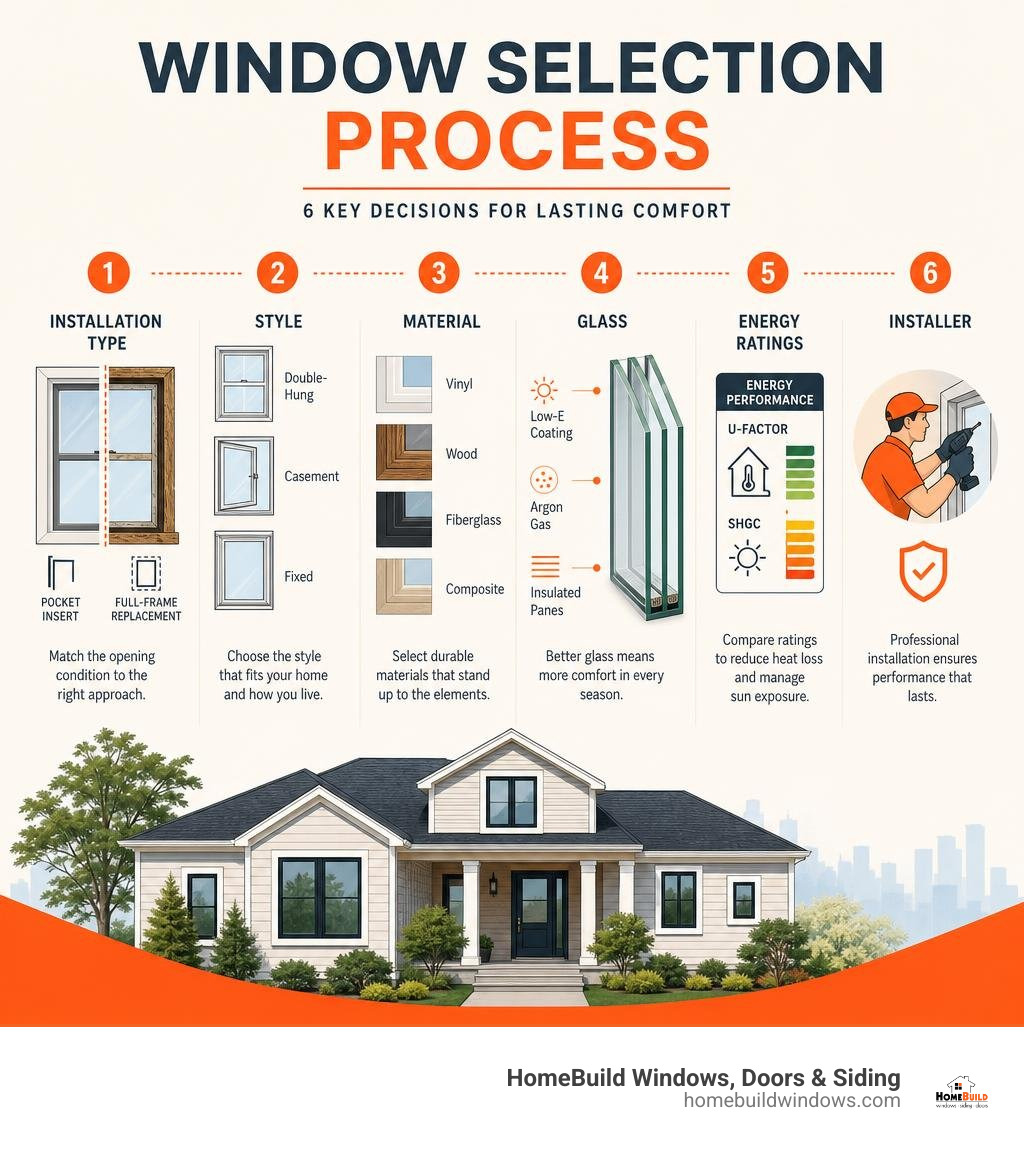
Focus on these five decisions:
- Installation type: Pocket inserts preserve a solid existing frame; full-frame replacement addresses rot, leaks, or damaged framing.
- Window function: Use double-hung windows for classic looks and easy cleaning, casements for a tighter seal and strong airflow, and fixed windows where views and daylight matter most.
- Energy performance: Compare NFRC labels. Lower U-factor reduces heat loss, while the right SHGC helps manage summer sun.
- Materials and glass: Consider durable vinyl, clad wood, fiberglass, or composite frames with Low-E glass, insulated panes, and argon gas.
- Professional installation: Even a high-performing window can leak or draft if it is measured, flashed, insulated, or sealed poorly.
The right choice can make rooms quieter, brighter, less drafty, and more comfortable through Chicago winters and humid summers. It should also look intentional: frame color, grid pattern, and proportions should fit the home’s style rather than follow a short-lived trend.
I am Steve Mlynek, founder of HomeBuild Windows, Doors & Siding, with more than 20 years of experience helping Chicago-area homeowners understand how to choose new windows for house projects. As a licensed and insured Elite Platinum Pella® Certified Contractor and Andersen Premier Certified Contractor, I have seen how the right product and careful installation work together to protect a home for years.
How to choose new windows for house definitions:
Window Replacement Installation Types: Pocket vs. Full-Frame
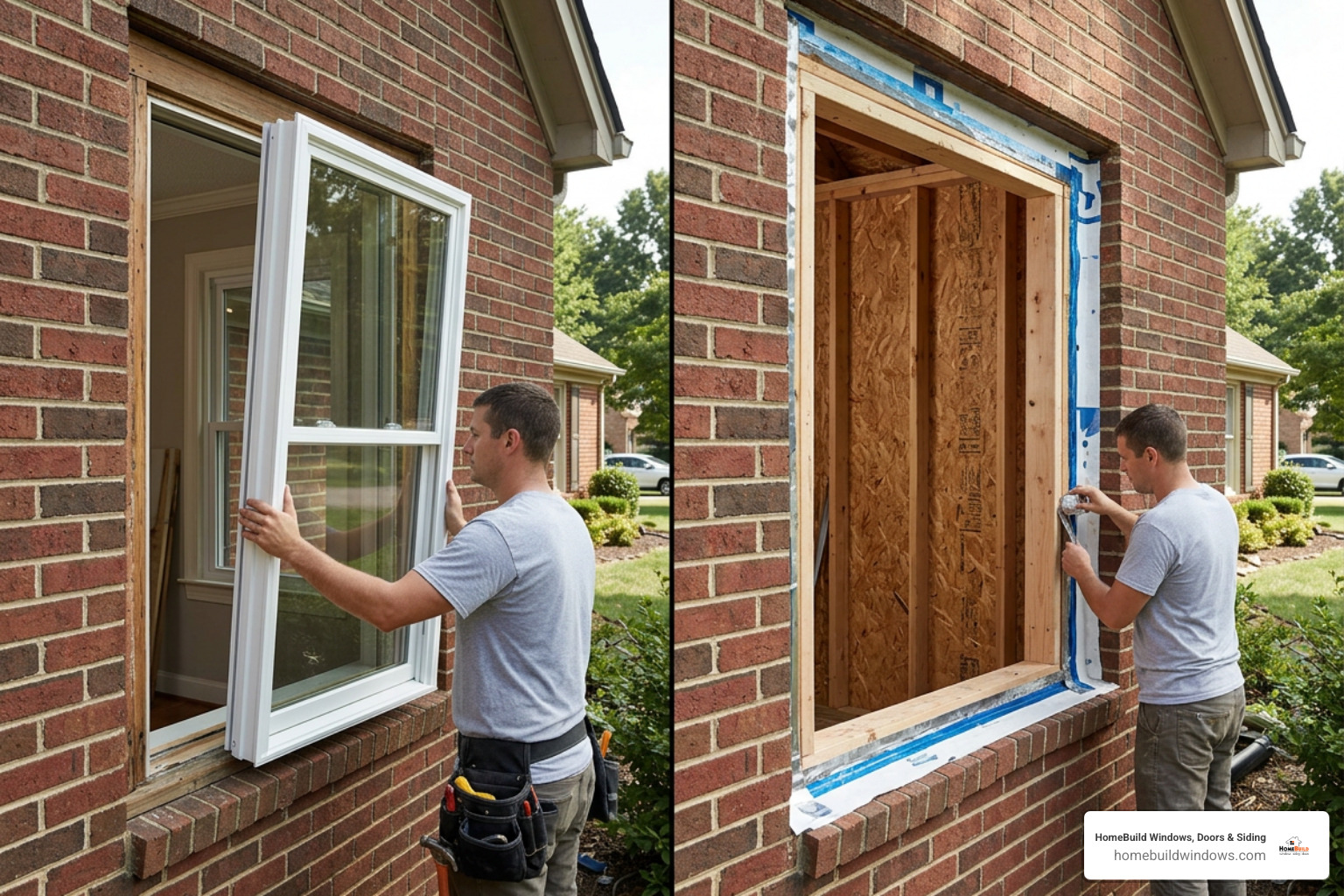
When planning your exterior remodel, the very first technical decision is determining how the new units will integrate into your home’s structure. As a locally owned contractor with over 20 years of experience across Chicagoland, we find that homeowners often overlook the condition of the surrounding opening.
To help navigate this decision, our replacement window buying guide breaks down the differences between insert and structural installations.
Selecting Pocket Window Inserts
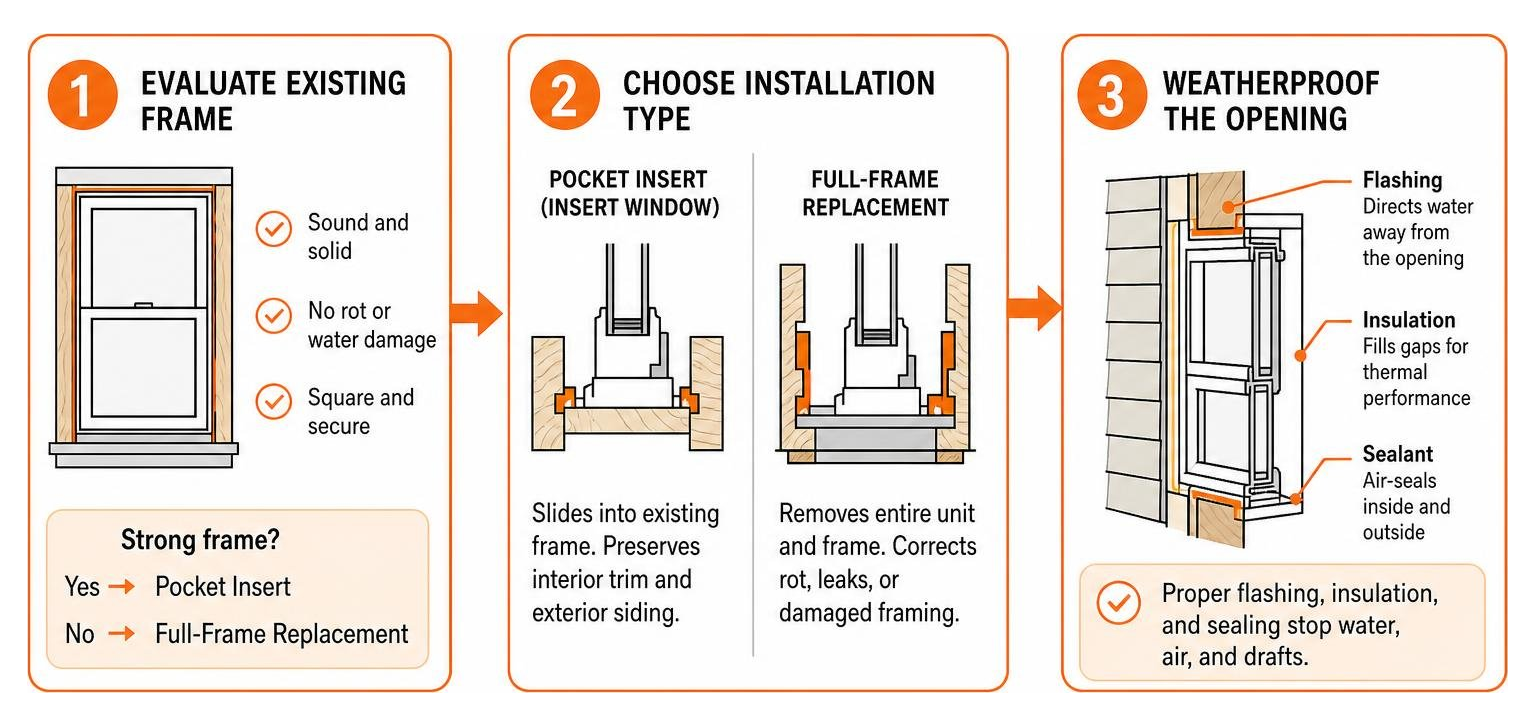
Pocket replacement windows—often referred to as insert windows—slide directly inside your existing wood or aluminum frame without disturbing the interior casing trim or exterior siding. This approach offers several benefits:
- Preserves Original Trim: If your home features historic interior wood moldings or custom exterior brick mould, pocket inserts leave these architectural elements untouched.
- Streamlined Timeline: Because the crew does not need to strip the wall down to the rough studs, installation is fast and minimally invasive.
- Requirements: Pocket inserts require that your existing frame, sill, and jambs are completely square, plumb, and free of moisture decay.
When Full-Frame Replacement Is Required
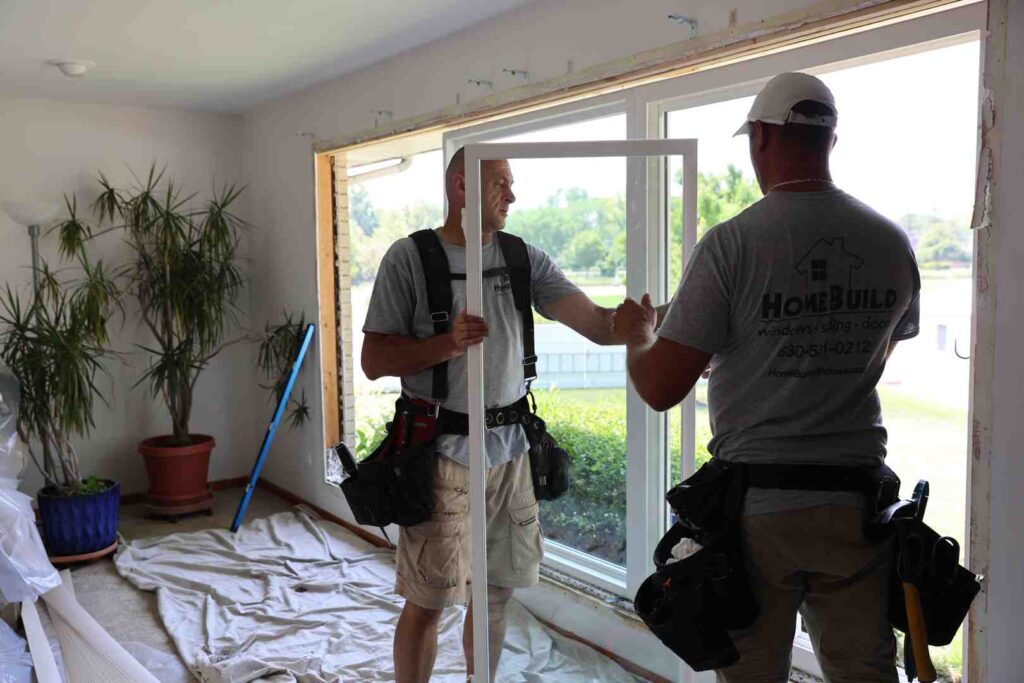
Full-frame replacement (similar to new construction installation) involves removing the entire sash, frame, sill, interior trim, and exterior casing down to the rough structural opening.
We recommend full-frame installation in these situations:
- Frame Decay and Hidden Rot: If past water intrusion has rotted the sill or sub-framing, installing a pocket unit only traps the damage.
- Maximizing Glass Area: Pocket units slightly reduce the total visible glass area because a new frame sits inside the old one. Full-frame replacements preserve or expand daylight openings.
- Comprehensive Weatherproofing: A full teardown allows our team to apply fresh perimeter flashing tape, inspect rough framing, and inject expanding closed-cell insulating foam directly between the studs and frame. This provides protection against severe Midwest winter winds.
Essential Factors in How to Choose New Windows for House Projects

Choosing the best frame material requires balancing durability, maintenance demands, insulation performance, and aesthetic alignment with trusted brands such as Pella, Marvin, and Alside.
| Frame Material | Thermal Insulation | Maintenance Level | Structural Rigidity | Ideal Architectural Match |
|---|---|---|---|---|
| High-Grade Vinyl | Excellent (Multi-chambered) | Low (Never needs paint) | Moderate | Contemporary, Ranch, Colonial |
| Clad Wood | Superior Natural Insulator | Low Exterior / Moderate Interior | High (Solid wood core) | Historic, Craftsman, Traditional |
| Fiberglass | Excellent (Low expansion) | Very Low (Baked-on finish) | Superior (9x stronger than vinyl) | Modern, Transitional, Large Openings |
| Composite (Fibrex®) | Excellent (Thermal stability) | Low (Rot & decay resistant) | High (Twice as strong as vinyl) | Universal / Architectural Upgrades |
Step-by-Step Guide on How to Choose New Windows for House Styles
Every room has distinct functional needs for ventilation, lighting, and safety. Selecting complementary styles across your facade enhances both exterior curb appeal and daily indoor comfort.
- Double-Hung Windows: Featuring upper and lower operating sashes that slide vertically, these are standard for traditional and colonial architecture. Modern versions tilt inward for easy cleaning from inside the house. Explore our comprehensive double hung windows guide for sizing and layout ideas.
- Casement Windows: Hinged at the side and operated by a fold-away hand crank, casement windows swing outward. They pull tightly against weatherstripping when locked, offering exceptional draft prevention. Review our guide on casement windows replacement to see how they perform in windy areas.
- Bay and Bow Windows: Extending outward from the exterior wall to create interior shelving and panoramic angles, bay configurations bring in natural light. Read the ultimate bay windows replacement guide to plan room projections.
- Awning and Hopper Windows: Awning units hinge at the top and open outward, deflecting rain while allowing fresh air into your home. Discover why awning windows are perfect for Chicago homes during wet spring and fall seasons.
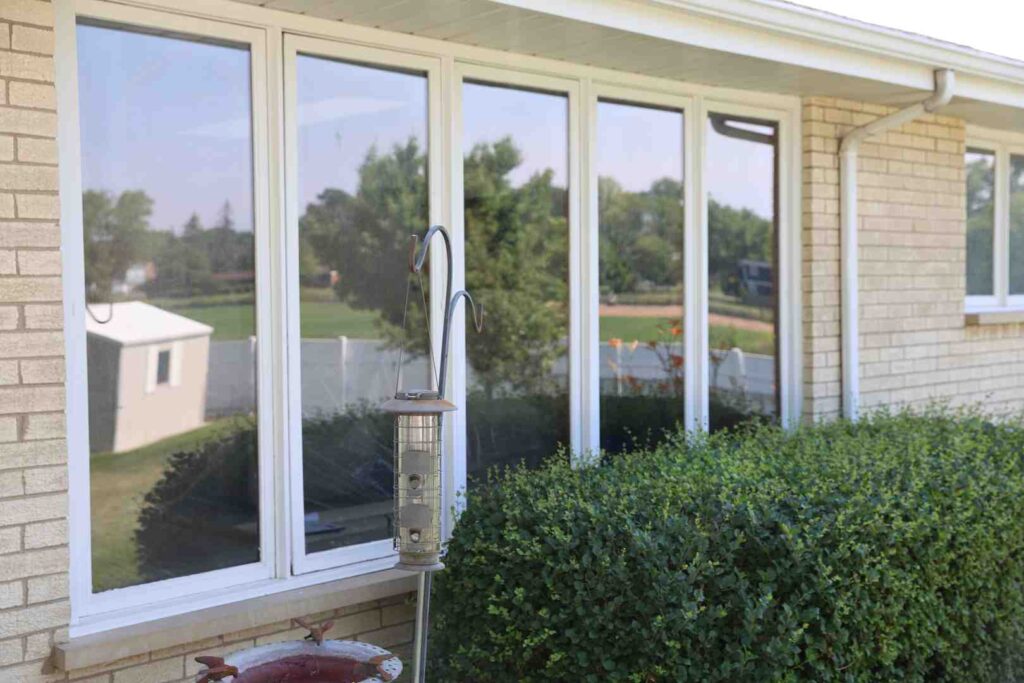
- Sliding and Fixed Picture Windows: Sliders glide horizontally and suit wide openings, while non-operable picture windows maximize natural light and outdoor views.
Technical Ratings: How to Choose New Windows for House Thermal Performance
When reviewing options, independent performance ratings eliminate guesswork. The National Fenestration Rating Council (NFRC) label provides objective measurements:
- U-Factor: Measures the rate of non-solar heat transfer through the entire window assembly. Lower numbers signify better insulation. For cold Midwest winters, look for a U-factor of 0.22 or lower.
- Solar Heat Gain Coefficient (SHGC): Measures how much solar radiation enters your home. In northern zones, a moderate SHGC helps capture beneficial solar warmth during freezing winter afternoons.
- Visible Transmittance (VT): Measures the amount of natural daylight passing through the glass on a scale from 0 to 1. Higher numbers mean brighter interior rooms.
- Air Leakage (AL): Indicates how many cubic feet of air infiltrate per minute through the window frame assembly. Look for ratings below 0.30 to prevent drafts.
For a deeper dive into these metrics, read our guide on energy efficient replacement windows and consult the performance evaluation buying guide to see how lab-tested units perform against wind-driven precipitation.
Glass Packages, Safety Features, and Grid Aesthetics
The glass package makes up over 80 percent of a window’s surface area, directly influencing your monthly heating and cooling comfort.
Advanced Insulating Glass and Safety Standards
Modern insulated glass units (IGUs) combine multiple technologies to maintain interior comfort:
- Low-E Coatings: Microscopically thin metallic layers applied to the glass surface reflect radiant interior heat back into your living space during winter while blocking solar infrared heat during summer.
- Argon Gas Fills: Denser than ambient air, non-toxic argon gas sealed between panes slows convective heat transfer.
- Double-Pane vs. Triple-Pane Units: High-performance double-pane windows satisfy most residential needs. However, triple-pane units—which add a third glass lite and a second gas-filled insulating chamber—provide enhanced thermal insulation and acoustic sound dampening along busy roads. Compare configurations in our window replacement guide double pane vs triple pane windows.
- Tempered Safety Glass: Building codes mandate tempered safety glass in specific high-risk locations, including sliding doors, bathroom wet zones, and windows placed near stairways or close to floor level. Tempered glass is heat-treated to be four times stronger than standard annealed glass, crumbling into rounded pebbles rather than sharp shards if impacted.
Review the official ENERGY STAR replacement window tips to align glass specifications with your regional climate.
Grids, Finishes, and Architectural Profiles
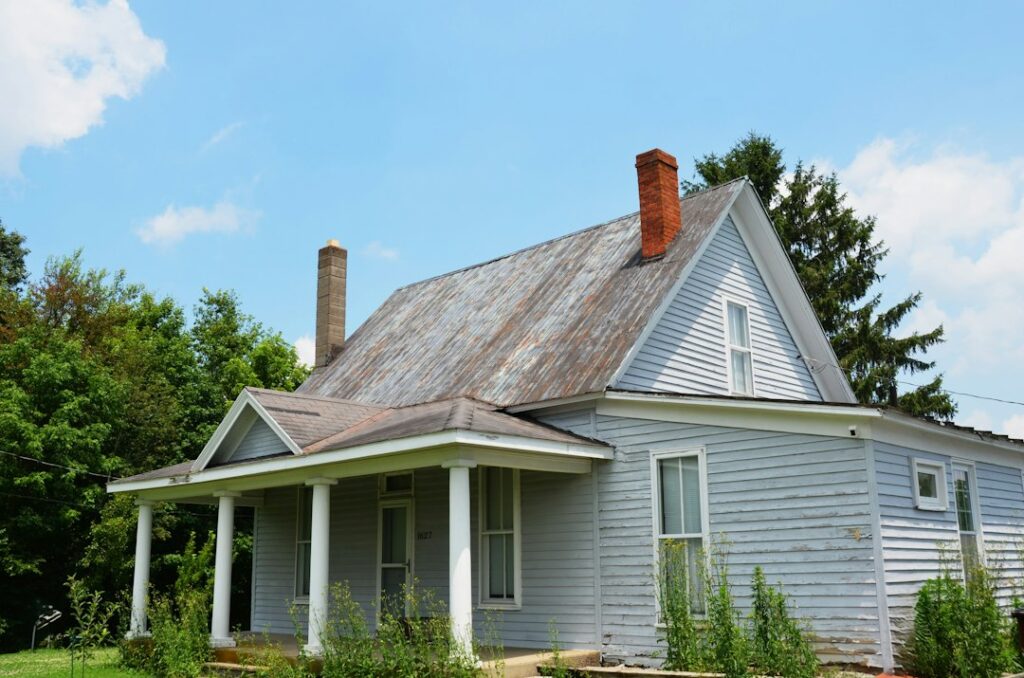
Window styling should complement your home’s character. Modern architectural styles often feature clean glass without grilles, while traditional Colonial, Prairie, and Craftsman homes benefit from defined grid patterns.
- Simulated Divided Lites (SDL): Grids are permanently adhered to both the interior and exterior glass surfaces with an internal shadow spacer, creating the appearance of authentic historic divided panes.
- Between-the-Glass Grilles: Grids are installed inside the sealed insulating glass unit, providing a classic profile with smooth, easy-to-clean glass surfaces.
- Color Schemes: Factory-applied finishes allow for modern exterior curb appeal—such as dark bronze or black frames—paired with neutral white or warm natural wood interior finishes.
Selecting Certified Installers and Evaluating Contracts
Even the most advanced window will fail prematurely if improperly installed. Choosing a contractor with proven local experience ensures your project meets manufacturer specifications and local building codes.
For local hiring guidance, read our advice on how to choose the best window companies in Chicago.
Verification Checklist for Window Installation Agreements
Before signing an installation agreement, verify that your contract includes the following protections:
- [ ] Exact Product Line Specifications: Explicitly lists the manufacturer (e.g., Pella, Marvin, Alside), model series, exact dimensions, frame material, and hardware finishes.
- [ ] NFRC & ENERGY STAR Ratings: Documents the target U-factor, SHGC, and climate-zone certification.
- [ ] Lead-Safe Protocols: Verifies EPA Lead-Safe certified containment procedures for homes built before 1978.
- [ ] Workmanship Warranty Coverage: Details installation labor coverage separate from the manufacturer’s product and glass seal warranties.
- [ ] Flashing and Insulation Details: Specifies the use of non-expanding window foam, flashing tape, and premium exterior sealant.
- [ ] Debris Removal & Site Cleanup: Confirms complete haul-away of old sashes, glass, and jobsite materials.
Frequently Asked Questions About Window Selection
What is the difference between U-factor and SHGC on an NFRC label?
U-factor measures how well a window prevents heat from escaping your home, where lower values indicate stronger insulation during cold winter weather. Solar Heat Gain Coefficient (SHGC) measures how much solar radiation enters through the glass. In cold northern climates, a moderate SHGC helps utilize natural solar warming, while lower values prevent excessive heat buildup during sunny summer days.
When is tempered safety glass mandatory for residential windows?
Building codes require tempered safety glass in areas where accidental impact is more likely. This includes glass within hazardous locations such as sliding and entry doors, windows within 24 inches of a door opening, windows situated less than 18 inches above finished floor level, and glass enclosures within bathrooms, showers, and stairways.
Which window operating styles provide the tightest air seal?
Casement and awning windows provide the tightest air seals. When closed, their multipoint locking mechanisms pull the sash directly against the weatherstripping around the perimeter of the frame, creating a continuous compression seal that resists wind-driven drafts and rain.
Conclusion
Choosing the right windows protects your home against seasonal weather, eliminates uncomfortable drafts, and enhances exterior curb appeal. At HomeBuild Windows, Doors & Siding, we bring more than 20 years of exterior remodeling experience to homeowners throughout Chicago and the surrounding northwest suburbs.
As an Elite Platinum Pella® Certified Contractor, Andersen Premier Certified Contractor, and recipient of the Angi Super Service Award and Nextdoor Neighborhood Faves recognition, our licensed and insured team is committed to delivering quality craftsmanship on every project. With more than 200 positive Google reviews, we ensure your window, door, siding, and roofing upgrades are completed with care and precision.
Ready to upgrade your home? Contact HomeBuild Windows, Doors & Siding today to schedule your free consultation, or review our comprehensive replacement window buying guide to explore the best options for your property.