
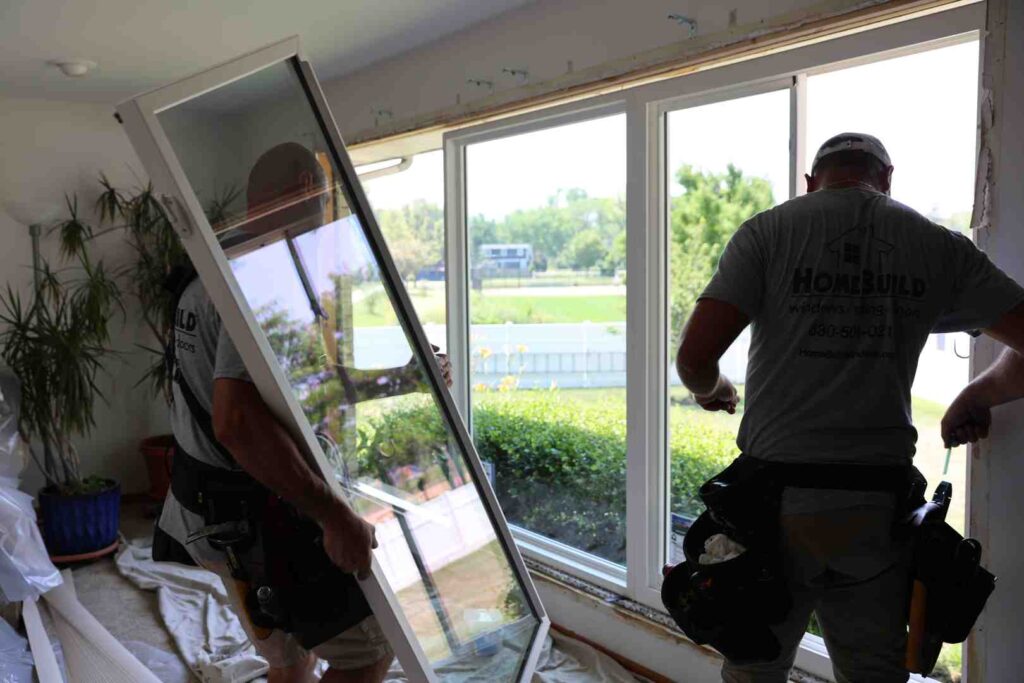
Why Window Replacement Guidelines Matter for Chicago-Area Homeowners
Window replacement guidelines can feel overwhelming — but here’s what you need to know right away:
Quick Answer: Key Window Replacement Rules
- A building permit is required for all window replacements in most municipalities, including Chicago and surrounding suburbs
- Historic district properties face stricter rules — materials, profiles, and operation type must often match the originals
- Replacement windows must meet egress requirements (minimum opening size) for bedrooms and certain other rooms
- Windows should be matched to the home’s architectural style in size, profile, and operation type
- Energy performance ratings (U-factor and SHGC) must meet local energy code minimums
- Full-frame replacement is generally recommended over pocket/insert installation for better air and water sealing
Windows do a lot more than let in light. They shape how your home looks, how comfortable it feels inside, and how much you spend on heating and cooling every month. In fact, heat gain and heat loss through windows account for 25–30% of residential heating and cooling energy use — a significant number for anyone dealing with Chicago’s brutal winters and humid summers.
Yet replacing windows is rarely as simple as pulling out the old ones and sliding in new ones. Local building codes, historic preservation rules, energy efficiency standards, and proper installation techniques all play a role. Get any of these wrong, and you could face permit violations, failed inspections, or windows that underperform from day one.
This guide walks you through everything — from pulling the right permits to choosing the right materials for a Midwest climate.
I’m Steve Mlynek, CEO and founder of HomeBuild Windows, Doors & Siding, and with over 20 years of hands-on experience helping Chicago-area homeowners navigate window replacement guidelines, I’ve seen how the right information upfront saves time, money, and headaches. Let’s make sure your project goes smoothly from start to finish.
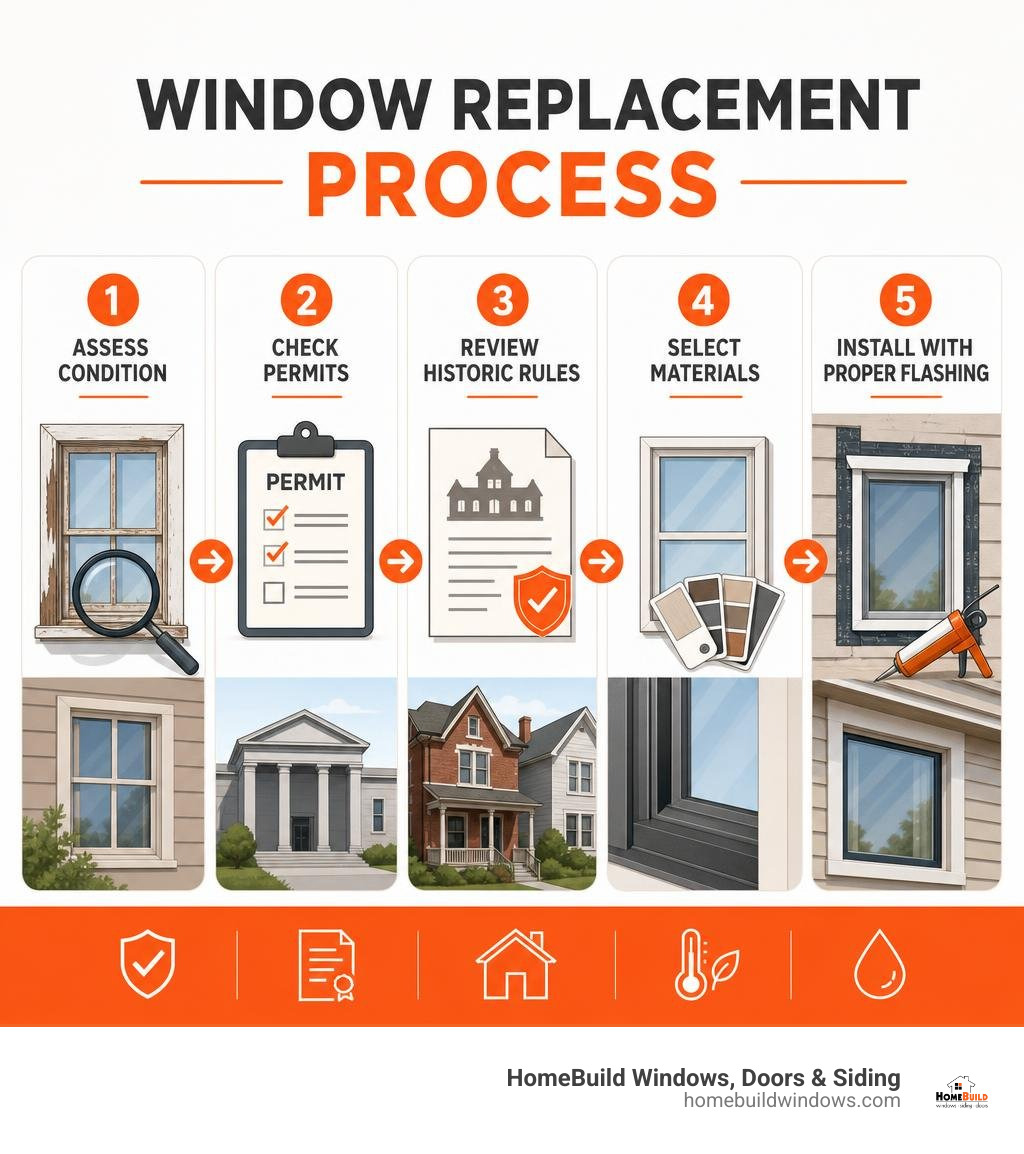
Discover more about window replacement guidelines:
Understanding Municipal Window Replacement Guidelines
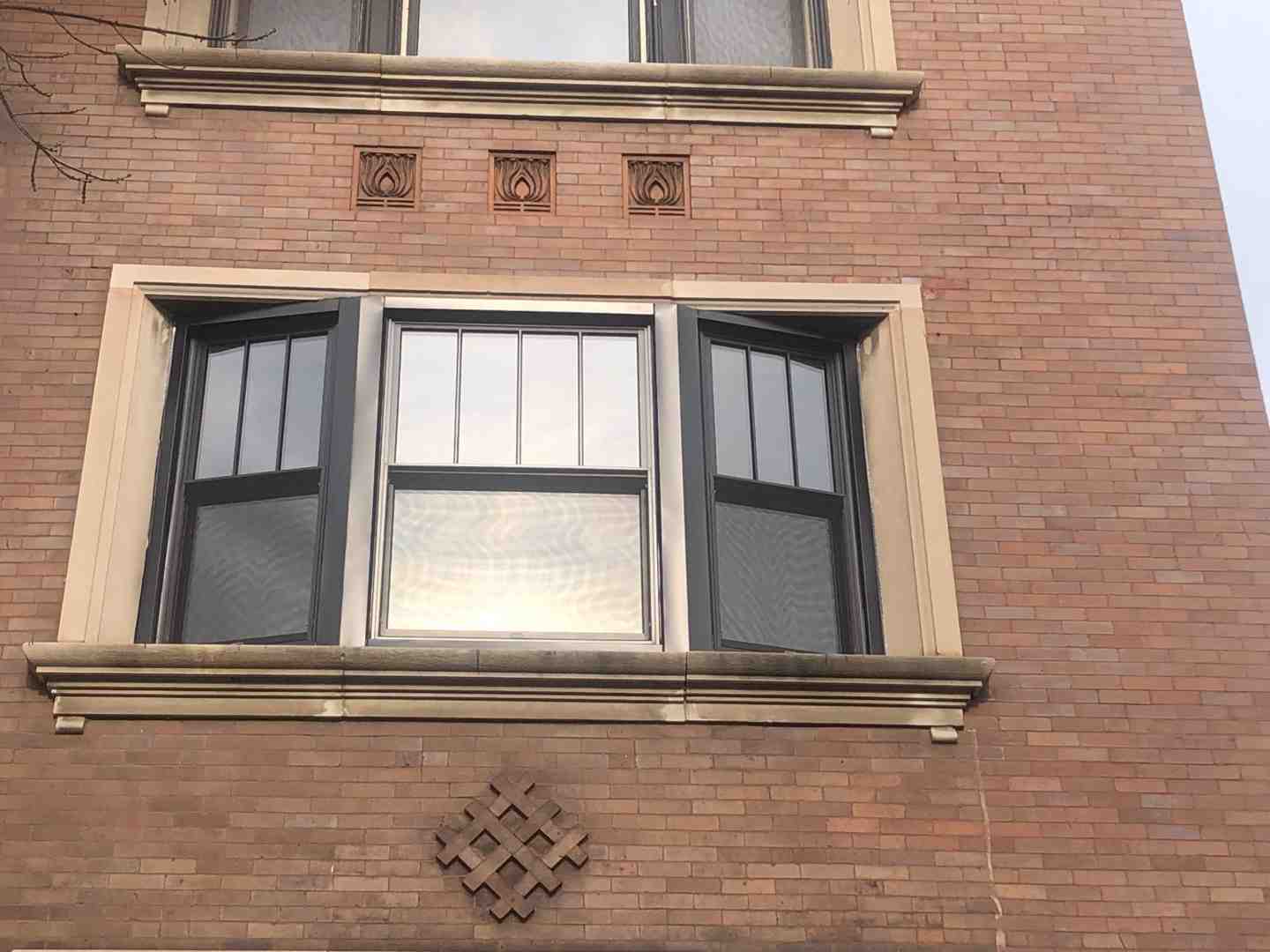
When we plan a home exterior remodeling project, we must look beyond the aesthetics. Every municipality across Chicagoland has established specific rules to protect the safety, structural integrity, and architectural heritage of its residential neighborhoods.
Old windows provide 5 to 10 times less thermal protection than an insulated wall. Because of this massive thermal performance gap, building departments regulate window replacements strictly. They want to ensure that new installations do not compromise the home’s structural framing or its thermal envelope.
Navigating municipal building codes requires understanding exactly what your local building department expects. For example, if you live within the city limits, you must adhere to the specific rules outlined in the Exterior Window or Door Replacement guidelines. If you are located in the northwest suburbs, you will need to consult local resources such as the Permits & Licenses – Welcome to Arlington Heights, IL portal to verify local amendments.
To get a comprehensive overview of how these local regulations impact your upcoming project, we recommend checking out our detailed Chicagoland Window Replacement Guide 2025.
Permitting Requirements and Exceptions under Local Window Replacement Guidelines
A common question we hear from homeowners is: Do I really need a building permit just to swap out my old windows?
In almost every Chicagoland community, the short answer is yes. Whether you are opting for retrofit (pocket) windows or full-frame new construction windows, municipal oversight ensures the work is completed safely and up to code.
However, the specific documentation and permit paths depend on the scope of your project:
- Like-for-Like Pocket Replacements: If we are installing insert windows within the existing wood frames without altering the surrounding trim, siding, or structural rough opening, the permitting process is usually straightforward. Many villages offer simplified, over-the-counter permits for these projects.
- Full-Frame New Construction: When we perform a full-frame replacement — which involves removing the entire original frame, sashes, and exterior brickmould to address hidden water damage — a standard building permit is mandatory.
- Structural Changes: If your project involves enlarging an existing window, converting a window into an exterior door, or cutting a brand-new opening into your siding and framing, you will need detailed architectural drawings. The building department must verify that the new header can support the structural load.
- Emergency Egress Compliance: If we replace windows in a bedroom, the new units must meet strict emergency escape and rescue opening (egress) standards. We cannot install a window style that reduces the existing opening size below the safety threshold.
Local rules vary slightly from one suburb to the next. For instance, homeowners in Barrington must comply with the guidelines set by the Building Permits & Inspections • Village of Barrington, Illinois department. Meanwhile, communities like Crystal Lake manage their applications through the Permits | Crystal Lake, IL portal, and Des Plaines residents must submit their plans via the Home | City of Des Plaines, IL website.
Historic Preservation and Design Review Standards
If you own a historic Chicago bungalow, a Victorian home in Elgin, or a property in a designated historic district, your window replacement guidelines include an extra layer of compliance: historic preservation review.
Historic preservation boards view windows as critical architectural features. The shape, muntin pattern, sash depth, and material of your windows define the historical character of your home. If your property is landmarked or sits within a historic district, you must follow the guidelines established by local landmark commissions, which are heavily based on the Replacement Windows that Meet the Standards – Historic Preservation Tax Incentives (U.S. National Park Service).
Under these preservation standards:
- Repair is Prioritized: Historic commissions prefer that you repair original old-growth wood windows rather than replace them, as old-growth wood is incredibly dense, rot-resistant, and highly restorable.
- In-Kind Replacement: If the original windows are deteriorated beyond reasonable repair, replacement windows must match the originals “in-kind.” This means matching the original material (typically wood), operation style (such as double-hung), overall dimensions, and historic profiles exactly.
- Material Restrictions: Alternative materials like vinyl are generally prohibited on primary, street-facing facades of historic homes because they cannot replicate the deep sash profiles and shadow lines of traditional wood. However, some commissions may approve high-quality aluminum-clad wood or fiberglass windows on secondary, non-visible elevations.
Technical Standards for Matching and Installing Replacement Windows
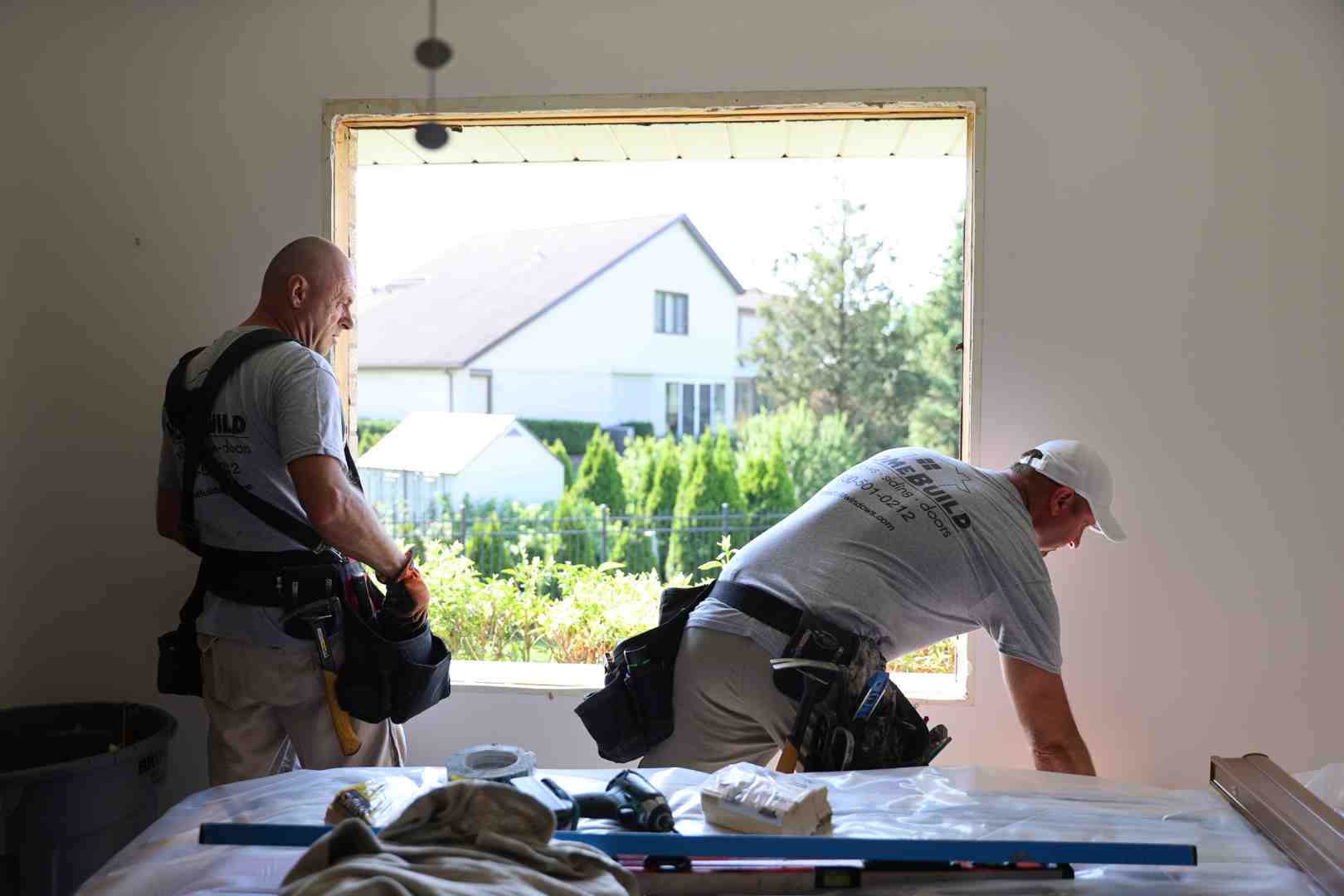
Achieving a high-performing, code-compliant window installation requires strict adherence to technical standards. Simply putting a new window into an opening and filling the gaps with expanding foam is a recipe for drafts, structural rot, and water intrusion.
To prevent these issues, we follow the industry-recognized Best Practices for Window and Door Replacement in Wood-Frame Buildings. These guidelines outline how to properly integrate the window’s flashing system with your home’s existing weather-resistant barrier (WRB).
Before our installation team arrives at your home, we recommend reviewing our step-by-step preparation resource: How to Prepare for a Window Installation.
Architectural Style and Aesthetic Window Replacement Guidelines
To preserve your home’s curb appeal and long-term property value, your replacement windows should maintain stylistic consistency with your home’s original architecture.
One of the most critical visual details is the window’s grid pattern, historically known as muntins. Modern replacement windows offer two primary options for replicating these grids:
- True Divided Lites (TDL): These feature individual, smaller panes of glass separated by physical structural muntin bars. While highly authentic for historic homes, TDL windows are less thermally efficient because every individual pane represents a potential spot for air leakage.
- Simulated Divided Lites (SDL): This is the modern, energy-efficient standard. SDL windows utilize a single, large double-pane or triple-pane insulated glass unit with grid bars permanently adhered to both the interior and exterior faces of the glass. An internal spacer bar is placed between the panes to mimic the shadow line of a traditional TDL window.
For a seamless aesthetic match, we work with industry-leading brands like Pella, Andersen and ProVia to select frame materials that align with your home’s style:
- Wood Windows: The gold standard for historic and high-end traditional homes, offering unmatched warmth and paintability.
- Aluminum-Clad Wood: Provides the beauty of a real wood interior with a durable, low-maintenance aluminum exterior shell that resists the harsh Midwest elements.
- Fiberglass Windows: Incredibly strong, stable in extreme temperature swings, and designed with slim profiles that mimic the clean lines of painted wood or steel windows.
Installation Methods: Full-Frame vs. Pocket Replacement
When replacing your windows, we must choose between two primary installation methods:
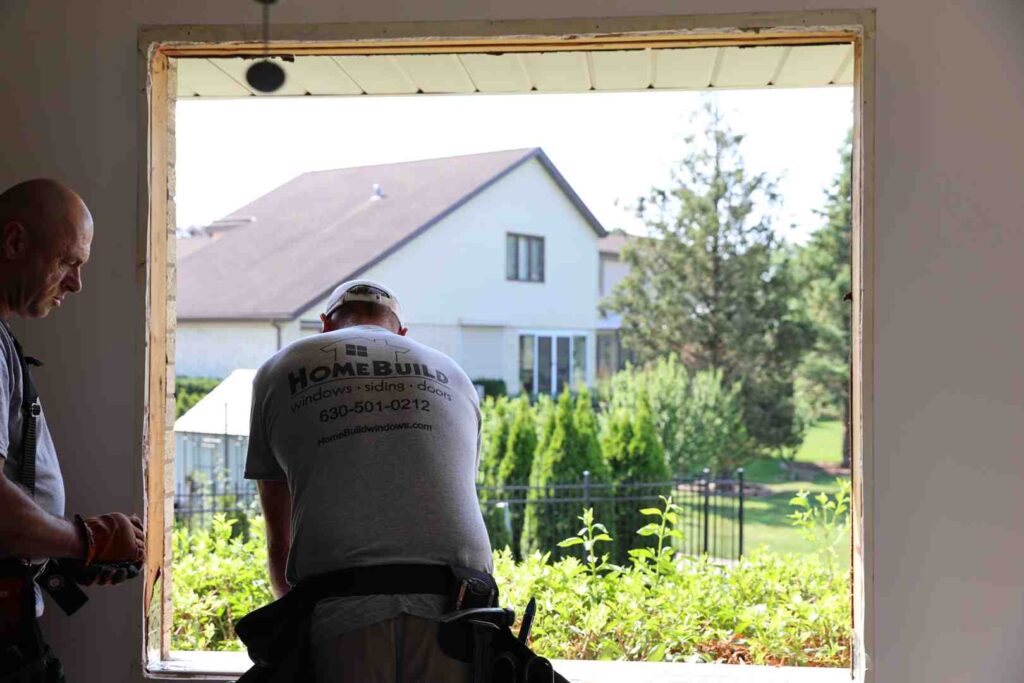
- Full-Frame Replacement (Recommended): This method involves stripping the window opening down to the original rough framing. We remove the old sashes, the window frame, the exterior brickmould, and the interior trim. This allows us to inspect the structural framing for hidden rot, insulate the old weight pockets, and install a modern, continuous sill pan flashing system.
- Pocket (Insert) Installation: In this application, the original wood window frame and exterior trim remain intact. We remove only the old sashes and track hardware, then slide a new, self-contained “pocket” window into the existing frame. While this preserves original interior woodwork, it slightly reduces your overall glass viewing area and does not allow us to address any hidden water damage or lack of insulation behind the original frame.
According to the Window Replacement | Building America Solution Center checklist, full-frame replacement is the superior choice for long-term durability. It is the only way to guarantee a continuous, weathertight air and moisture barrier between your new window and your home’s exterior cladding.
Energy Efficiency and Material Selection for Midwest Climates
Chicago weather demands a lot from a window. Our homes experience sub-zero winter winds and scorching, humid summer days. Selecting the right window frame material and glass package is essential to keeping your home comfortable and your utility bills manageable.
To help you compare your options, we have compiled a quick reference table evaluating the most common window frame materials:
| Material | Insulating Value | Maintenance Required | Durability & Lifespan | Best Suited For |
|---|---|---|---|---|
| Wood | Excellent | High (requires regular painting/staining) | Very High (if properly maintained) | Historic homes, traditional aesthetics |
| Fiberglass | Excellent | Very Low | Excellent (does not warp or expand) | Modern homes, extreme climates |
| Vinyl | Good | Very Low | High (quality vinyl resists fading) | All-around performance and value |
| Aluminum | Poor (conducts heat) | Low | High | Contemporary designs (rarely used in Midwest residential) |
To maximize your home’s thermal protection, we always look for the ENERGY STAR label and review the ratings certified by the National Fenestration Rating Council (NFRC). The two most critical metrics for Chicago homes are:
- U-Factor: Measures how well the window prevents heat from escaping your home. For our cold Northern climate, a lower U-factor (typically 0.27 or lower) is highly desirable.
- Solar Heat Gain Coefficient (SHGC): Measures how much solar radiation passes through the glass. In the Midwest, we want a balanced SHGC (around 0.25 to 0.30) to block intense summer heat while still allowing some natural solar warmth to help heat the home during the winter.
To learn more about selecting the right performance ratings for your home, read our guide on Energy Efficient Window Replacement.
Double-Pane vs. Triple-Pane Windows for Thermal Performance
When choosing your glass package, you will decide between double-pane and triple-pane insulated glass units (IGUs):
- Double-Pane Windows: Feature two panes of glass separated by a sealed space filled with an insulating gas, usually Argon. This is the modern standard and provides excellent energy efficiency for most residential applications.
- Triple-Pane Windows: Utilize three panes of glass, creating two separate insulating gas chambers. Triple-pane units offer the ultimate thermal performance, making them perfect for north-facing walls exposed to bitter winter winds.
In addition to superior insulation, triple-pane windows provide exceptional sound dampening, significantly reducing outdoor street noise. They also minimize the risk of interior condensation during cold winter months by keeping the interior glass temperature closer to your indoor room temperature.
For a deep dive into this topic, check out our comparison: Window Replacement Guide: Double Pane vs. Triple Pane Windows.
When to Repair vs. Replace Existing Windows
Before committing to a full replacement, it is worth assessing whether your original windows can be saved.
When to Choose Repair:
- The frames and sashes are structurally sound, made of old-growth wood, and free of rot.
- The issues are purely cosmetic, such as peeling paint or minor hardware stiffness.
- You want to preserve the absolute historic authenticity of a landmarked home.
- Solution: We can scrape, repaint, re-rope old sash weights, and install high-quality exterior storm windows to improve thermal performance.
When Replacement is Necessary:
- The wood frames are soft, crumbling, or showing signs of active rot.
- The insulated glass units have failed, characterized by permanent fogging or condensation trapped between the panes.
- The window frames have warped or settled, making them nearly impossible to open, close, or lock securely.
- The windows are drafty single-pane units that make your living spaces uncomfortable.
If you are experiencing any of these major issues, we outline the primary warning signs in our article: 4 Reasons Your Home Needs Window Replacement.
Frequently Asked Questions About Window Replacement
Is a building permit always required for window replacement in the Chicago area?
Yes, in almost all Chicagoland municipalities, a building permit is required for window replacements. While some villages do not require a permit for simple, non-structural “like-for-like” glass repairs, swapping out entire window units (sashes and frames) constitutes an alteration to the building envelope. This requires municipal oversight to ensure compliance with local energy and safety codes.
How do historic preservation guidelines affect my choice of window materials?
If your home is in a designated historic district, local preservation guidelines will heavily restrict your material choices. You will likely be required to use painted wood or high-quality aluminum-clad wood windows that match the historic profiles, muntin widths, and casing details of your home’s original windows. Vinyl and composite materials are typically restricted to rear elevations that are not visible from the public right-of-way.
What are the minimum egress window dimensions for bedrooms?
To comply with the International Residential Code (IRC) and local safety standards, any replacement window installed in a bedroom must meet minimum emergency egress requirements:
- Net Clear Opening: Minimum of 5.7 square feet (or 5.0 square feet for ground-floor windows).
- Minimum Opening Height: 24 inches.
- Minimum Opening Width: 20 inches.
- Maximum Sill Height: No more than 44 inches above the finished floor.
Note: Double-hung and casement windows operate differently, which affects their net clear opening. Our team will help you select the right style to ensure your bedrooms are fully code-compliant.
Conclusion
Navigating window replacement guidelines doesn’t have to be a stressful process. By partnering with an experienced, reputable local contractor, you can rest easy knowing that your project will be fully compliant, beautifully executed, and built to last.
At HomeBuild Windows, Doors & Siding, we are proud to be a trusted, locally owned contractor with over 20 years of experience serving Chicago and the surrounding northwest suburbs. We work closely with homeowners to deliver reliable, high-performance exterior remodeling solutions.
Our industry credentials include:
- Elite Platinum Pella® Certified Contractor
- Andersen Premier Certified Contractor
- Angi Super Service Award winner
- Nextdoor Neighborhood Faves honoree
- Over 200+ positive Google reviews
- Fully licensed, bonded, and insured
Every project we take on is owner-supervised, ensuring complete accountability, clear communication, and the highest standards of craftsmanship from start to finish. We work with the industry’s most trusted brands — including Pella, Andersen and ProVia — to bring you durable, energy-efficient solutions that enhance your home’s comfort and curb appeal.
Ready to upgrade your home’s exterior? Read our Replacement Window Buying Guide to explore your options, and contact us today to schedule your free consultation!