

When Your Roof Takes a Hit, Does Your Insurance Have You Covered?
Roof replacement insurance — meaning the portion of your homeowners policy that covers the cost to repair or replace your roof after a covered event — is something most Chicago homeowners don’t fully understand until they desperately need it.
Here’s the short answer:
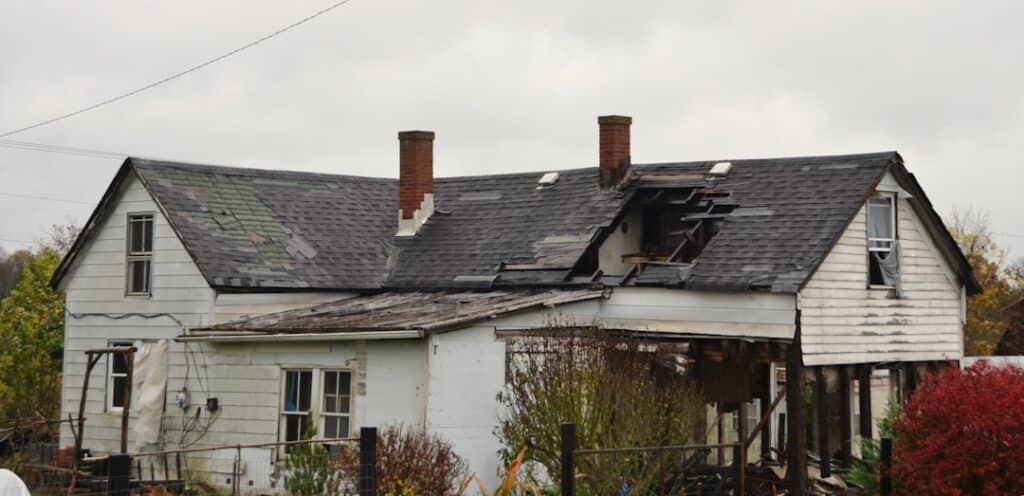
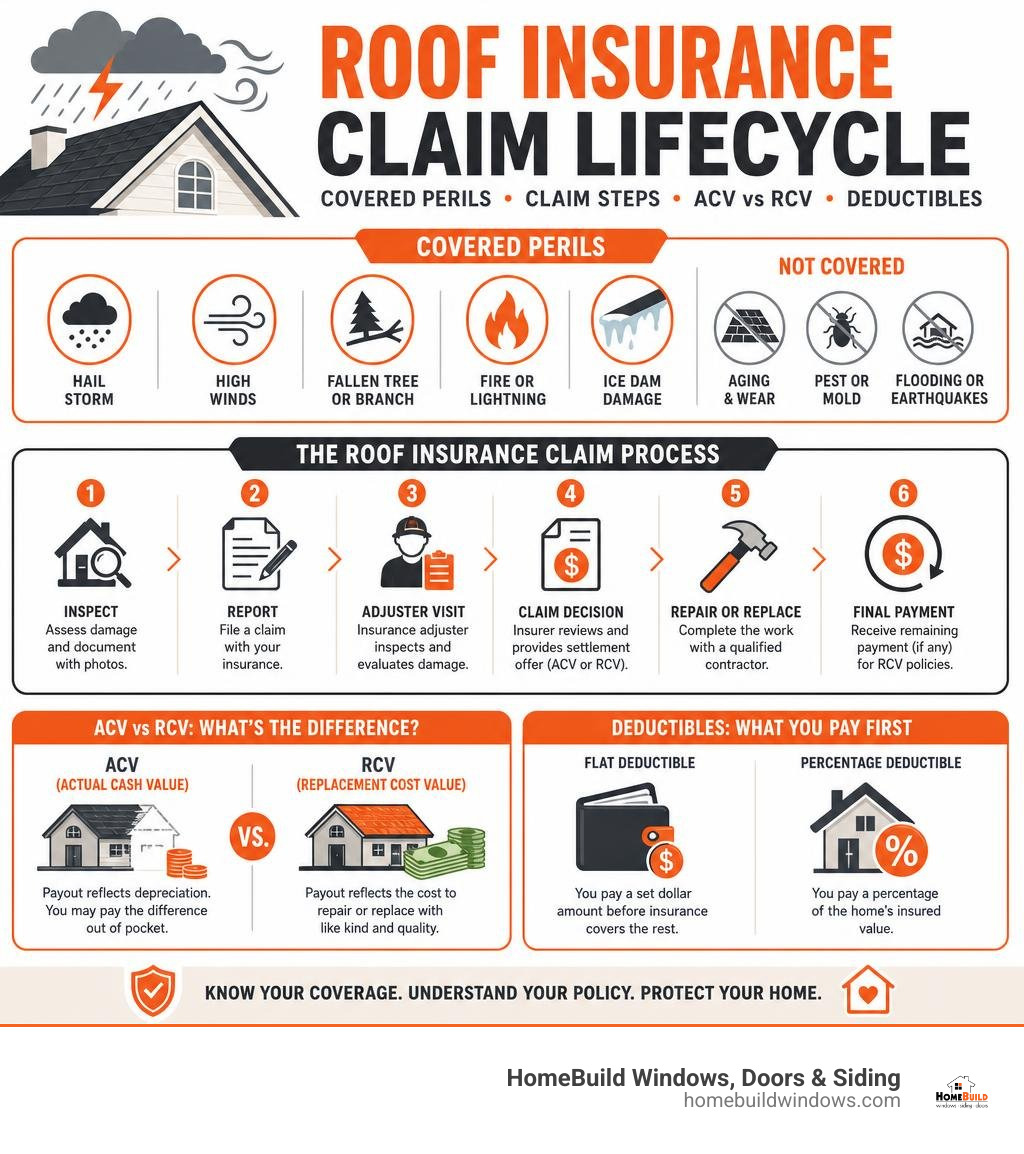
Homeowners insurance covers roof replacement when damage is caused by a sudden, unexpected event (like a hailstorm, high winds, fallen tree, fire, or lightning strike). It does not cover damage from aging, neglect, or normal wear and tear.
| Situation | Typically Covered? |
|---|---|
| Hail or wind storm damage | Yes |
| Fallen tree or branch | Yes |
| Fire or lightning strike | Yes |
| Ice dam damage | Often yes |
| Gradual aging or wear and tear | No |
| Pest or mold damage | No |
| Flooding or earthquakes | No (separate policy needed) |
| Improper installation | No |
What you actually receive from your insurer depends on two more things: your policy type (Replacement Cost Value vs. Actual Cash Value) and your deductible structure — both of which can dramatically change how much money ends up in your pocket after a claim.
Chicago and the surrounding northwest suburbs face some of the toughest roofing conditions in the country — brutal winters, spring hailstorms, and heavy wind events that can take years off a roof’s lifespan. Knowing how your policy works before a storm hits is the difference between a smooth claim and a costly surprise.
I’m Steve Mlynek, CEO and founder of HomeBuild Windows, Doors & Siding, and with over 20 years helping Chicago-area homeowners protect and restore their homes, I’ve seen how confusing roof replacement insurance can be — and how the right knowledge leads to far better outcomes. In this guide, I’ll walk you through everything you need to know to navigate your coverage with confidence.
Explore more about roof replacement insurance:
Understanding Your Roof Replacement Insurance Policy
To make sure you do not get soaked when filing a claim, you must first understand the anatomy of your homeowners insurance policy. Your roof is protected under the dwelling coverage (typically listed as Coverage A on your policy). This portion of your insurance is designed to protect the physical structure of your home, including the walls, foundation, and of course, the roof.
When you open your policy documents, your first stop should be the policy declarations page. This single-page summary acts as a cheat sheet for your coverage. It outlines your coverage limits, policy period, and your deductible structures.
In the Chicago area, where spring storms bring severe wind and hail, many policies include specific windstorm endorsements or separate deductibles. Standard policies often feature an “All Other Perils” (AOP) deductible for typical claims, but a separate, higher deductible specifically for wind and hail damage.
These wind and hail deductibles are frequently structured as a percentage of your home’s total insured value rather than a flat dollar amount. For example, if your dwelling coverage limit is set to a certain value, a 2% wind/hail deductible means you must cover a substantial portion of the project out of your own pocket before your insurance carrier contributes. Knowing these details ahead of time prevents unexpected financial strain when a storm rolls through your neighborhood.

Replacement Cost Value vs. Actual Cash Value in Roof Replacement Insurance
How your insurance carrier calculates your payout is determined by whether you have a Replacement Cost Value (RCV) or an Actual Cash Value (ACV) policy. This distinction is where many homeowners face unexpected shortfalls.
An RCV policy is the gold standard for home protection. Under an RCV policy, your insurer pays to replace your damaged roof with brand-new materials of like kind and quality at current market rates, minus your deductible. These policies typically pay out in two stages:
- The Initial Payout (ACV): The insurance company sends a check for the depreciated value of the roof.
- Recoverable Depreciation: Once the roof replacement is completed by a licensed contractor and a final invoice is submitted, the insurer releases the remaining funds (the “depreciation holdback”) to cover the full project.
An ACV policy, on the other hand, only pays what your roof is worth today, taking into account its age, wear, and tear. The insurer calculates the replacement value and then deducts a significant percentage for depreciation. This depreciation is non-recoverable, meaning you are solely responsible for covering the difference between the depreciated payout and the actual cost of installing a new roof.
| Policy Feature | Replacement Cost Value (RCV) | Actual Cash Value (ACV) |
|---|---|---|
| Payout Basis | Current market rates for new materials | Depreciated value based on roof age |
| Depreciation | Recoverable after project completion | Non-recoverable (permanent deduction) |
| Out-of-Pocket Burden | Only your designated deductible | Deductible + accumulated depreciation |
| Ideal For | Comprehensive protection and peace of mind | Older roofs where premium savings were prioritized |
Understanding these differences is crucial when reviewing your policy. For more detailed insights into the structural decisions behind a new roof, check out The Ultimate Guide to Roof Replacement: What Homeowners Need to Know.
How Roof Age and Condition Affect Roof Replacement Insurance
Your roof’s age and maintenance history play a massive role in how your insurance carrier treats your claim. Generally, roofs are categorized into three major age brackets by insurers:
- Under 10 Years Old: Roofs in this bracket receive the most favorable treatment. Insurers are highly likely to approve full RCV replacements for covered storm damage because the materials are well within their expected lifespan.
- 10 to 20 Years Old: This is the transition zone. Many insurance companies write clauses into their policies that automatically convert coverage from RCV to ACV once a roof reaches a certain age (often 15 years).
- Over 20 Years Old: At this stage, a roof is considered past its useful life. Insurers may refuse to cover the roof entirely, limit coverage strictly to ACV, or require a professional certification of its remaining useful life to maintain the policy.
Regular maintenance is your best defense against claim denials. If an adjuster inspects your roof and finds that a leak was caused by years of clogged gutters, neglected flashing, or missing shingles that were never repaired, they will deny the claim under the “wear and tear” exclusion.
In some cases, a neglected or aging roof can even lead to policy non-renewal. Insurance carriers routinely use aerial photography and drone technology to inspect properties. If they spot a roof with curling shingles, heavy moss growth, or sagging areas, they may issue a notice stating that your policy will not be renewed unless the roof is completely replaced.
Covered Perils vs. Excluded Damage: What Home Insurance Pays For
Standard homeowners policies (such as an HO-3 policy) operate on a “covered perils” basis for your dwelling. This means your roof is protected against sudden, accidental, and unpredictable events.
Common covered perils include:
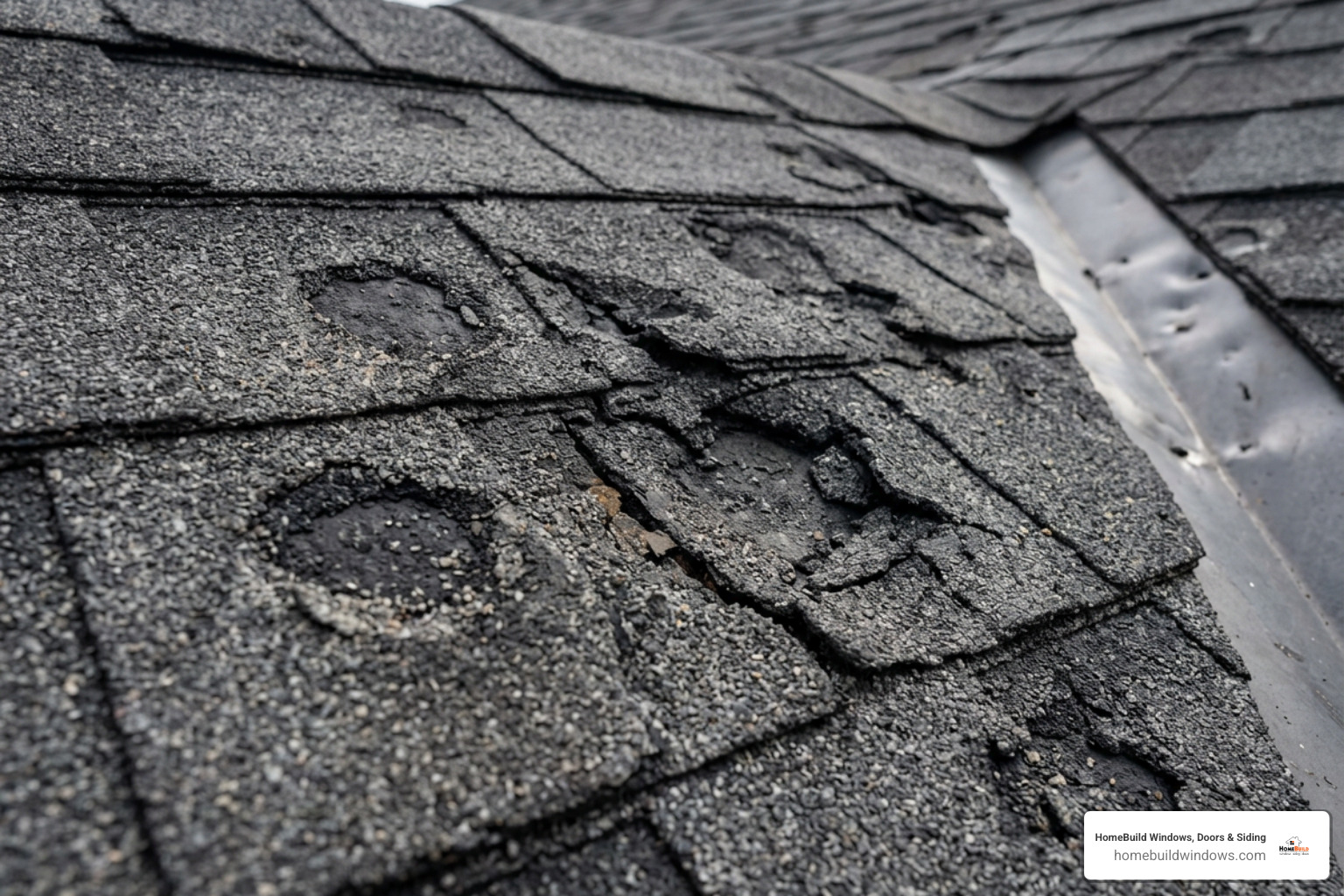
- Hail Damage: Hailstones can bruise shingles, fracture the underlying fiberglass mat, and knock away protective granules.
- Wind Damage: High gusts can tear shingles completely off, lift them and break their sealant strips, or damage crucial flashing and ridge caps.
- Fallen Trees: If a severe storm knocks a tree or heavy branch onto your roof, the structural damage is covered.
- Ice Dams: Heavy snow buildup can melt and refreeze at the eaves, forcing water backward under the shingles and causing interior leaks.
To learn more about how different types of storm damage affect your home, refer to this guide on Will Insurance Cover My Roof Replacement? – IKO North America.
Common Exclusions in Standard Homeowners Policies
While sudden storm damage is covered, predictable or gradual damage is explicitly excluded from standard homeowners insurance policies. Your insurer expects you to maintain your home’s exterior.
Key exclusions include:
- Normal Wear and Tear: As shingles age, they naturally lose granules, curl, and crack. This is considered a maintenance issue, not a sudden peril.
- Neglect and Lack of Maintenance: Failing to address minor leaks, allowing moss or algae to rot the decking, or ignoring clear structural issues will result in a denied claim.
- Pest and Animal Damage: Damage caused by raccoons, squirrels, birds, or insects chewing through your roof structure is considered preventable and is not covered.
- Improper Installation: If your previous roof was poorly installed by an unlicensed contractor, any subsequent failures or leaks are excluded from coverage.
- Cosmetic Damage Exclusions: Some modern policies include endorsements that exclude coverage for cosmetic damage. If hail dents your metal roof or bruises your shingles but does not affect the roof’s ability to shed water, the insurer may refuse to pay for a replacement.
Navigating the Claims Process for Storm and Hail Damage
Filing a claim for roof replacement insurance can feel overwhelming, but following a structured process helps ensure you receive the coverage you are entitled to. The process begins with documentation and moves through inspections and estimates before a settlement is reached.
Most insurance adjusters calculate the value of your claim using specialized estimating software called Xactimate. This program uses localized database pricing to determine the cost of materials and labor for every single line item of your repair.
However, adjusters working quickly after a major storm can easily miss crucial details in their initial Xactimate reports—such as the difficulty of a steep roof slope, the need for specialized flashing, or local building code requirements. This is why having a detailed, independent contractor estimate is vital to successful negotiations.
Steps to Take Immediately After a Storm
When a severe storm hits your portion of the Chicagoland area, acting quickly and methodically is key to protecting your property and securing your claim:
- Document the Damage Safely: As soon as it is safe to go outside, take clear, high-resolution photos and videos of your home’s exterior from the ground. Look for shingles in the yard, dented gutters, damaged siding, and fallen tree limbs.
- Inspect Your Interior: Check your attic and ceilings for active leaks, water stains, or damp drywall. Document these interior issues immediately.
- Perform Temporary Repairs: You are contractually obligated by your insurance policy to mitigate further damage. If you have an active leak, have a professional install temporary tarps to protect your home. Keep all receipts for these emergency services, as they are fully reimbursable.
- Notify Your Insurer: File your claim promptly. Most policies have strict deadlines for reporting storm damage, often ranging from one year to 18 months from the date of the storm.
For expert tips on handling urgent roof issues after a severe weather event, read our guide on Expert Storm Damage Roof Repair: Protecting Your Home This Season.
Avoiding Contractor Scams and Assignment of Benefits Pitfalls
After a major hailstorm in the northwest suburbs, out-of-state “storm chasers” often flood local neighborhoods. These door-to-door solicitors often use aggressive sales tactics, promising “free” upgrades or offering to waive your deductible.
Be aware: Waiving an insurance deductible is illegal and constitutes insurance fraud. A reputable contractor will never offer to cover your deductible.
Another major red flag is a contractor asking you to sign an Assignment of Benefits (AOB) agreement before they perform an inspection. An AOB signs over your insurance claim rights to the contractor, allowing them to file claims, negotiate payouts, and collect checks directly from your insurer without your involvement or consent. This can leave you trapped with subpar work, unresolved damage, or legal disputes.
To protect yourself:
- Only work with established, locally licensed, and fully insured contractors.
- Look for top-tier manufacturer certifications that prove the team’s training and expertise.
- Check local reviews and neighborhood recommendations to verify their reputation.
To learn more about vetting local professionals, explore our resource on Finding the Best Roofing Contractor for Your Home in 2026.
Supplemental Claims and Code Upgrades for Midwest Homes
The initial settlement offer from your insurance company is rarely the final word on your project. Once construction actually begins and the old roofing materials are torn away, hidden damage is frequently uncovered.
This is where the supplemental claims process comes into play. A supplement is a request sent to your insurance carrier for additional line items that were not included in the original adjuster’s estimate.
Common supplemental items include:
- Rotted Decking: Adjusters cannot see the condition of the plywood decking beneath your shingles during a visual inspection. If the wood is soft, rotted, or structurally compromised, it must be replaced before new shingles can be safely installed.
- Ice and Water Shield Requirements: Chicagoland winters are notorious for causing ice dams. Modern building codes require self-adhering ice and water shields to be installed along the eaves, valleys, and penetrations of your roof to prevent water intrusion. If your home did not previously have this protection, it must be added during a full replacement.
Ordinance or Law Coverage Explained
Building codes change over time to ensure homes are safer and more energy-efficient. If your roof was installed decades ago, it likely does not meet current local building regulations.
Ordinance or Law coverage is an essential policy endorsement that covers the additional cost of upgrading your roof to meet current building codes during a covered replacement. Without this coverage, your insurance carrier is only obligated to pay to replace your roof to its original, pre-loss condition, leaving you to cover the cost of required code upgrades out of pocket.
These upgrades can include:
- Installing modern roof ventilation systems.
- Upgrading to thicker, code-compliant decking plywood.
- Meeting local shingle-matching requirements when repairs are performed.
Frequently Asked Questions about Roof Replacement Insurance
Will filing a roof claim cause my insurance premiums to increase?
A single claim for sudden, catastrophic storm damage (such as a widespread hail event or a tornado) is unlikely to cause your individual rates to spike on its own. Insurance companies view storm damage as an act of nature rather than a failure of home maintenance. However, overall rates across your entire ZIP code may adjust after a major regional storm event to reflect the increased risk. Filing multiple non-storm claims within a short window, however, can impact your premiums.
What should I do if my insurance claim is denied or underpaid?
If your claim is denied or the payout falls short of what is required to complete the project, you have several options:
- Request a Detailed Written Explanation: The insurer must point to specific policy exclusions or findings.
- Request a Reinspection: If your contractor has documented clear storm damage that the adjuster missed, you can request a second inspection with a different adjuster. Have your contractor present to point out the damage in person.
- Invoke the Appraisal Clause: Most homeowners policies contain an appraisal clause. If you and your insurer disagree on the value of the loss, both parties hire independent appraisers to evaluate the damage and agree on a fair settlement.
- Consider a Public Adjuster: For highly complex or heavily disputed claims, a licensed public adjuster can advocate on your behalf, though they typically charge a percentage of the final settlement.
Can I replace my roof with different materials than what I currently have?
Yes. Your insurance company will write their settlement check based on the cost of replacing your existing materials (such as standard 3-tab asphalt shingles). However, you are under no obligation to install the exact same roof. You can use your insurance settlement as a foundation and pay the difference out of pocket to upgrade to highly durable architectural shingles, modern metal roofing, or advanced energy-efficient options that improve your home’s insulation and curb appeal.
Conclusion
Navigating the complexities of roof replacement insurance requires a clear understanding of your policy, diligent documentation, and a trustworthy partner by your side. At HomeBuild Windows, Doors & Siding, we have spent over 20 years helping homeowners throughout Chicago and the surrounding northwest suburbs protect their most valuable assets.
As a locally owned contractor, we supervise every project from start to finish, ensuring our high standards of quality, durability, and craftsmanship are met on every home. Our industry credibility is backed by our certifications and awards, including:
- Elite Platinum Pella® Certified Contractor
- Andersen Certified Contractor
- Angi Super Service Award
- Nextdoor Neighborhood Faves
- Over 200 positive Google reviews
- Fully licensed and insured
Whether your roof has suffered recent storm damage or you want a professional evaluation of your home’s exterior before the next severe weather season, our expert team is here to help. We work with trusted industry brands like James Hardie, Marvin, Pella, and Therma-Tru to deliver long-term property value, improved energy efficiency, and unmatched weather protection.
Keep your home safe, comfortable, and beautiful. Contact us today to schedule your free consultation.