


Why Replacing Windows in Your House Is One of the Best Upgrades You Can Make
Replacing windows in your house is one of the most impactful home improvement projects you can take on — especially in a city like Chicago, where brutal winters and hot summers put your windows to the test every single year.
Quick Answer: How Does Window Replacement Work?
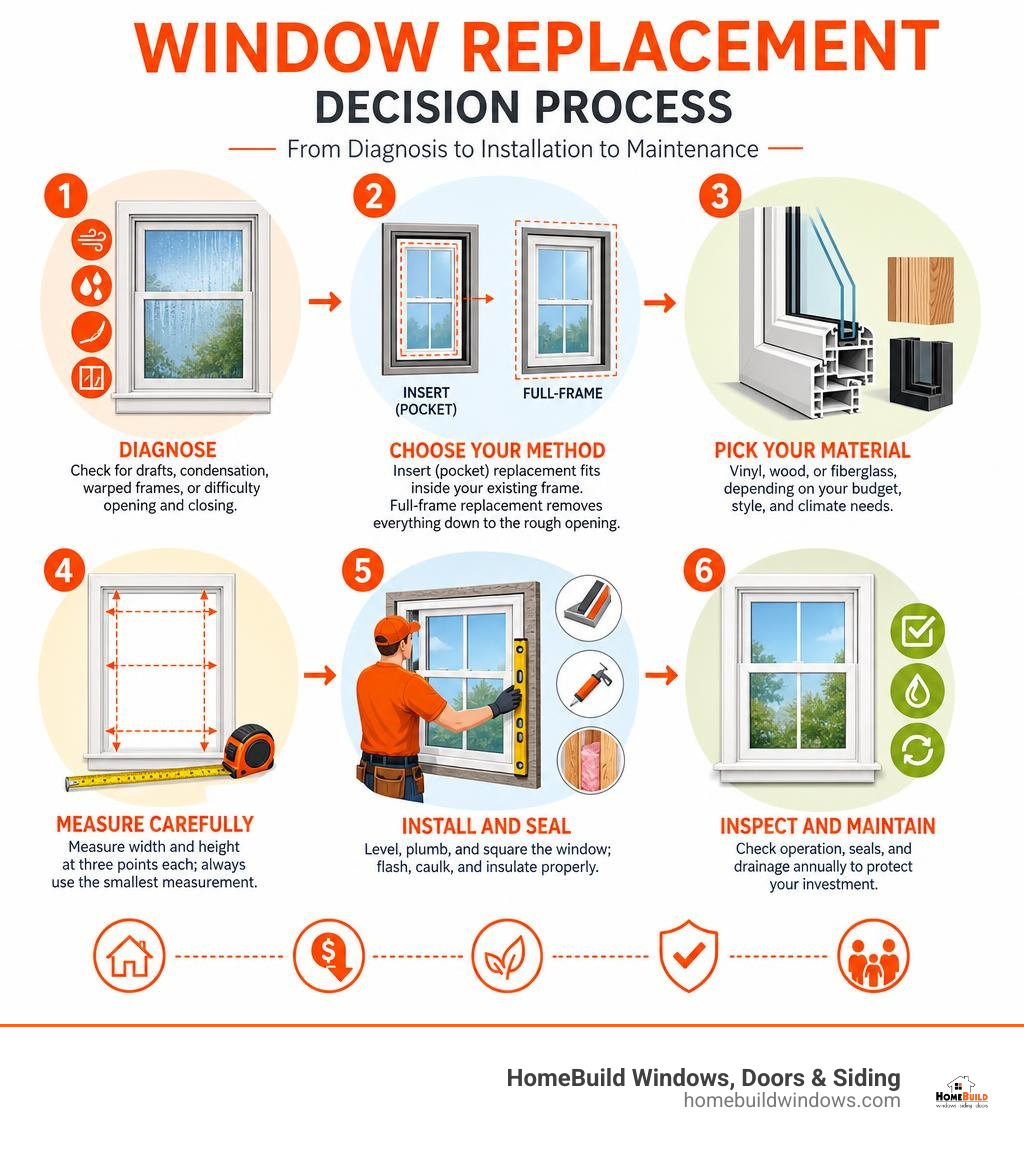
- Diagnose — Check for drafts, condensation between panes, warped frames, or difficulty opening and closing.
- Choose your method — Insert (pocket) replacement fits inside your existing frame. Full-frame replacement removes everything down to the rough opening.
- Pick your material — Vinyl, wood, or fiberglass, depending on your preferences, style, and climate needs.
- Measure carefully — Measure width and height at three points each; always use the smallest measurement.
- Install and seal — Level, plumb, and square the window; flash, caulk, and insulate properly.
- Inspect and maintain — Check operation, seals, and drainage annually to protect your investment.
If your windows are letting in cold air, fogging up between the panes, or simply looking tired, you’re not alone. Heat gain and heat loss through windows account for 25–30% of a home’s heating and cooling energy use — meaning old, inefficient windows could be quietly inflating your energy bills month after month.
The good news? Modern replacement windows are more durable, energy-efficient, and low-maintenance than ever before. Whether you’re dealing with a single problem window or planning a whole-home upgrade, understanding the process upfront saves you time, stress, and unnecessary mistakes.
I’m Steve Mlynek, CEO and founder of HomeBuild Windows, Doors & Siding, and I’ve spent over 20 years helping Chicago-area homeowners navigate replacing windows in their house — from single-window fixes in Wicker Park bungalows to full-home replacements in the northwest suburbs. In this guide, I’ll walk you through everything you need to know to make a confident, informed decision.
Replacing windows in house terms to remember:
The Ultimate Guide to Replacing Windows in Your House
When we look at the exterior of our homes, windows are often the unsung heroes. They define your home’s architectural style, flood your living spaces with warm natural light, and stand as the primary barrier between your cozy family room and the unpredictable elements of the Midwest. Upgrading these essential fixtures is a significant decision, but the long-term rewards are hard to beat.
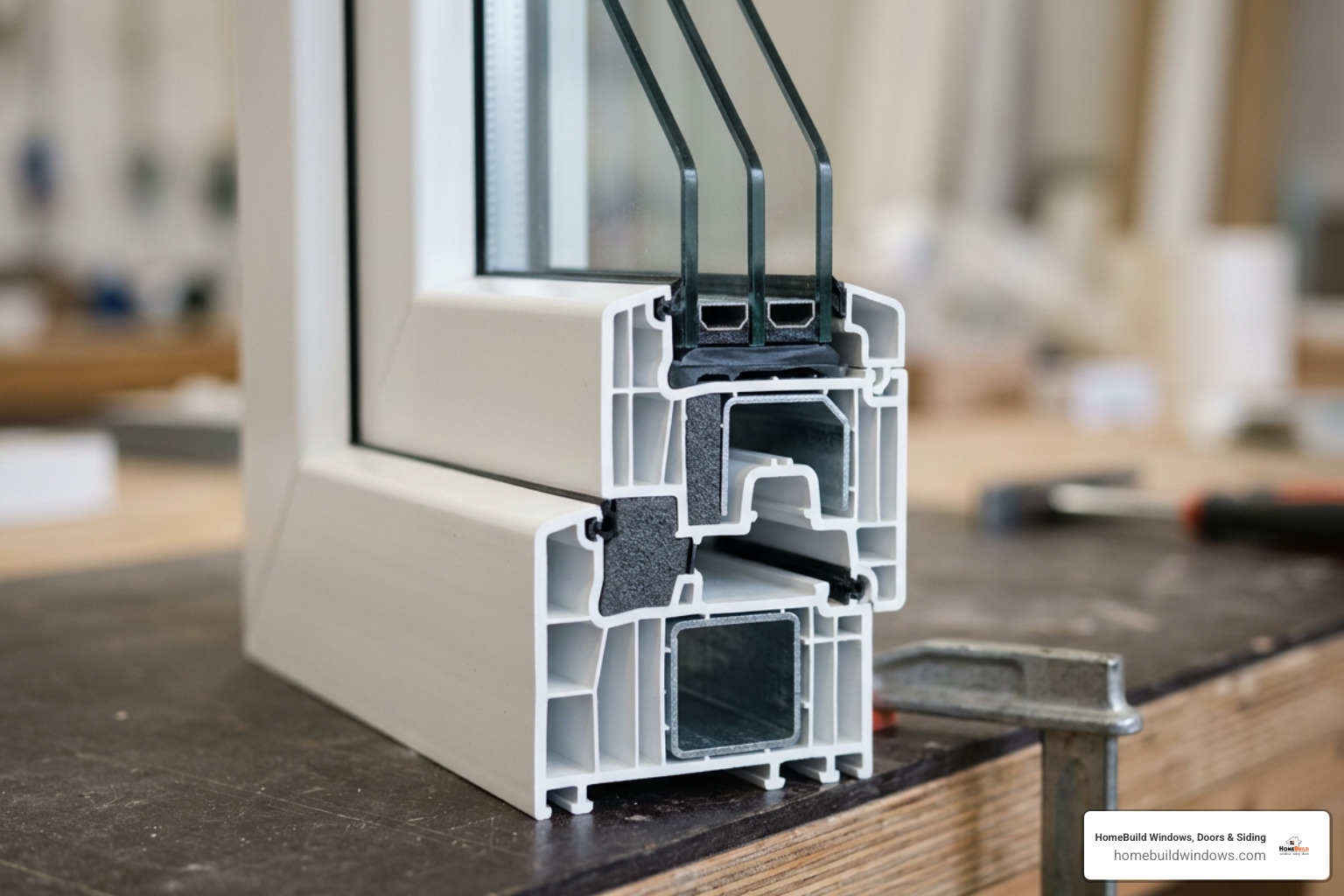
Investing in new windows directly enhances your daily living experience. Beyond simply looking beautiful, modern windows offer substantial benefits:
- Exceptional Energy Efficiency: Modern glazing technologies, advanced spacers, and insulating gas fills keep your indoor air exactly where it belongs. This decreases the workload on your heating and cooling systems during extreme seasonal shifts.
- Enhanced Curb Appeal: Fresh, clean window profiles instantly revitalize a tired exterior, making your home stand out in your neighborhood.
- Substantial Noise Reduction: Insulating frames and multi-pane glass packages work together to block out disruptive street traffic, barking dogs, and neighborhood lawnmowers.
- Upgraded Home Security: Modern locking mechanisms, reinforced frames, and impact-resistant glass provide robust protection and invaluable peace of mind.
- Increased Property Value: High-quality, professionally installed windows are a major selling point that adds tangible equity to your home.
To explore the vast array of styles, configurations, and features available for your home upgrade, take a look at our comprehensive Replacement Window Buying Guide.
Key Signs That Point to Replacing Windows in Your House
How do you know when it is truly time to move forward with a replacement project? Windows rarely fail overnight; instead, they leave a trail of subtle clues that indicate their lifespans are drawing to a close.
First, feel for persistent drafts. If you sit near a window on a windy winter day in Arlington Heights and feel a distinct chill, the weatherstripping or frame seals have likely degraded. This air leakage is a primary contributor to uncomfortable drafty rooms and fluctuating indoor temperatures.
Second, look for condensation or fogging between the glass panes. This visual symptom indicates a failed insulated glass unit (IGU) seal. Once the protective seal breaks, moist air enters the gap, rendering the insulating properties useless and leaving behind permanent mineral deposits. If you notice localized glass damage, temporary repairs in Barrington or Crystal Lake might offer a short-term fix, but a complete structural replacement is often the most reliable and energy-efficient solution.
Third, inspect the physical condition of the frames. Wooden frames that exhibit soft spots, peeling paint, or visible rot are structurally compromised. Similarly, warped vinyl or aluminum frames that make opening, closing, or locking a daily struggle present a clear safety and security hazard. Finally, if your home is constantly invaded by outdoor noise, upgrading to modern, sound-dampening windows will restore peace and quiet to your sanctuary. To understand how modern glass technology tackles these common issues, read our insights on Energy Efficient Window Replacement.
Choosing the Right Materials for Your Home
Selecting the ideal frame material is a pivotal step when replacing windows in your house. The material you choose dictates the window’s aesthetic appeal, structural durability, maintenance requirements, and overall performance in our cold winters and humid summers. We work with industry-leading brands like Pella, Marvin, and Alside to ensure you receive top-tier materials engineered to perform.
- Vinyl Windows: Vinyl remains the most popular choice for homeowners seeking high durability and low maintenance. Formulated from high-quality polyvinyl chloride (PVC) with UV stabilizers, modern vinyl frames resist rotting, warping, peeling, and fading. They feature multi-chambered designs that trap dead air to provide outstanding thermal insulation. Vinyl windows never require painting or staining, making them an incredibly easy-care option.
- Wood Windows: For historical authenticity, natural warmth, and unmatched design flexibility, wood is the gold standard. Wood frames offer natural insulating properties and can be painted or stained in any shade to match your interior decor. Premium wood windows, such as those from Pella’s custom lines, often feature exterior aluminum cladding to shield the wood from harsh weather while maintaining the rich, natural wood interior.
- Fiberglass Windows: Engineered to withstand extreme temperature swings without expanding or contracting, fiberglass is the strongest frame material available. It is virtually impervious to rot, rust, and corrosion. Because fiberglass is composed of glass fibers and resin, it expands and contracts at the exact same rate as the glass panes it holds, maintaining a perfect, airtight seal for decades.
Choosing the right material is only half the battle; pairing it with the correct glass package is what truly maximizes your comfort. For a deep dive into how glass configurations impact your home, consult our Window Replacement Guide Double Pane vs Triple Pane Windows.
Understanding Your Installation Options: Insert vs. Full-Frame
When planning your project, you must choose between two distinct installation methodologies: insert (pocket) installation or full-frame replacement. This decision depends heavily on the condition of your existing window frames and your long-term goals for your home’s exterior.
| Feature | Insert (Pocket) Installation | Full-Frame Replacement |
|---|---|---|
| Primary Scope | New window unit slides directly into the existing, structurally sound wooden frame. | The entire existing window, frame, interior trim, and exterior casing are completely removed. |
| When to Use | Existing wood frames are perfectly square, structurally sound, and free of rot. | Existing frames are rotted, out-of-square, or you wish to change the window’s size or style. |
| Glass Area Impact | Slightly reduces the visible glass area because a new frame sits inside the old one. | Preserves or expands the original glass area and allows for maximum daylighting. |
| Water Management | Relies on the integrity of the existing frame’s flashing and sill. | Allows for complete, modern flashing membranes and superior water management. |
| Structural Integrity | Does not address hidden structural rot or framing issues behind the trim. | Exposes the rough opening to repair hidden structural damage, rot, or pest issues. |
To understand the structural implications of a complete tear-out, you can read the comprehensive guidelines on Complete Window and Frame Replacement | Building America Solution Center.
How to Measure Windows for a Perfect Fit
Achieving a flawless installation starts with precise measurements. If you are opting for an insert replacement, you must measure the inside of the existing window frame, not the operable sashes themselves.
To measure correctly, grab a reliable tape measure and record the width and height at three distinct points:
- Width: Measure across the top, middle, and bottom of the window opening, from jamb to jamb.
- Height: Measure from the high point of the interior sill to the top header jamb at the left, middle, and right sides.
- Record the Smallest Measurement: Always use the smallest of the three measurements for both width and height. This ensures the new window unit will slide into the opening without binding.
Additionally, check the opening for squareness by measuring diagonally from corner to corner. If the two diagonal measurements differ by more than 1/4 inch, the opening is out-of-square, and a full-frame replacement is highly recommended to ensure proper operation. For a detailed walkthrough of this critical preparation phase, refer to our Window Installation Guide.
Step-by-Step Process for Replacing Windows in Your House
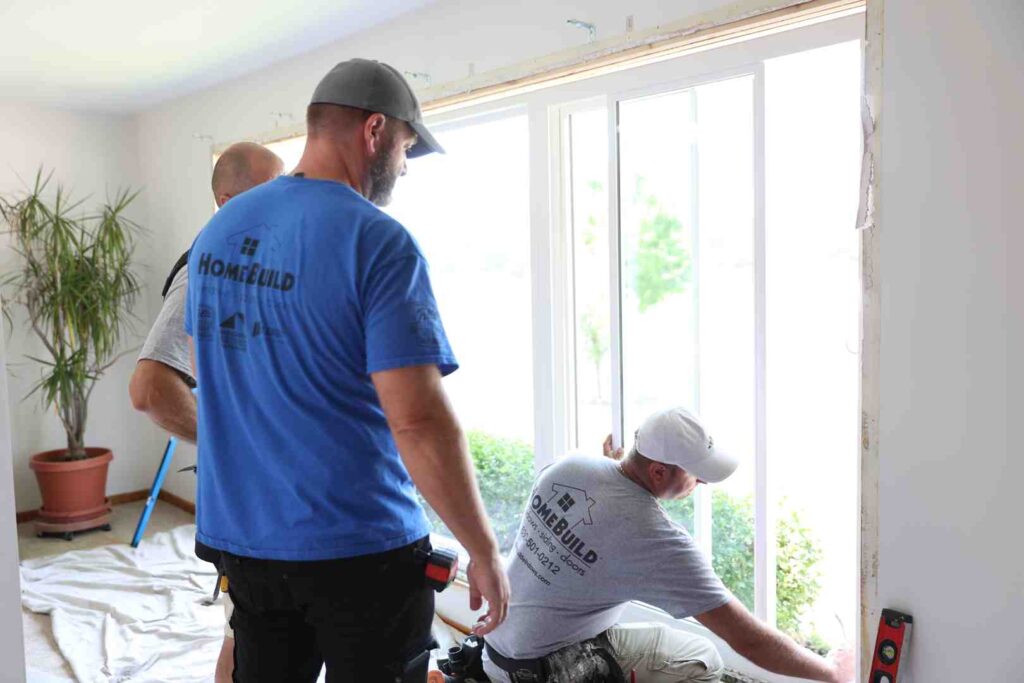
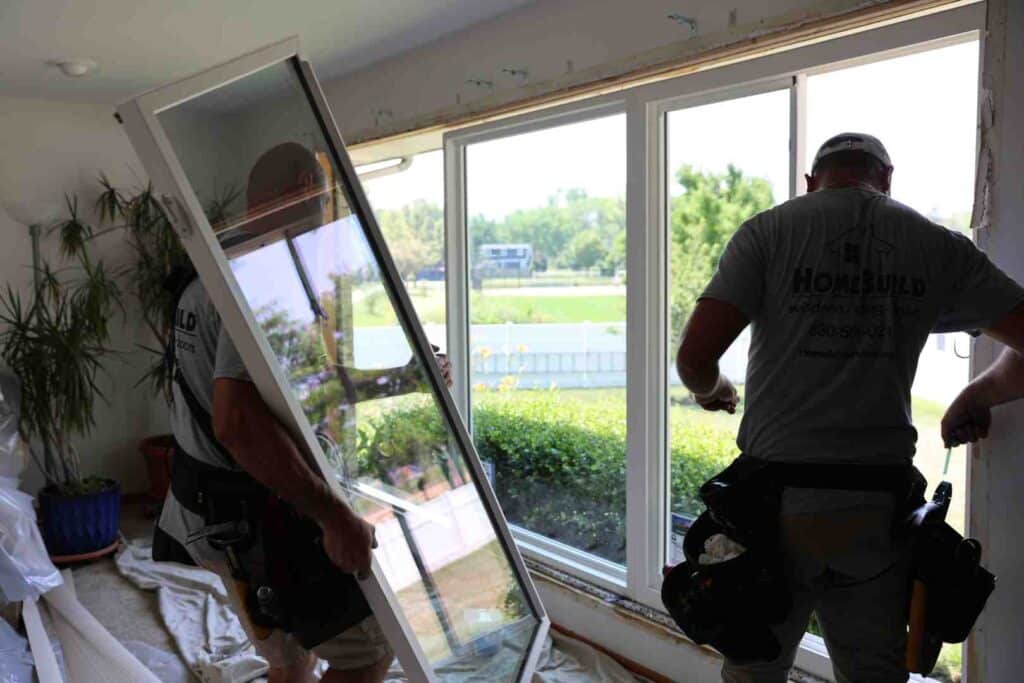
If you are curious about what happens on installation day, the process is highly systematic. A structured installation ensures the window operates smoothly and remains completely sealed against the elements.

Here is a look at the sequence of steps required for a successful insert window installation:
- Preparation and Safety: Lay down drop cloths inside and outside the work area. Ensure you have proper safety gear, including protective eyewear and heavy-duty gloves.
- Sash and Hardware Removal: Carefully remove the old operable sashes. Remove any balance hardware, sash weights, pulleys, or old spring systems from the existing frame.
- Frame Inspection and Cleaning: Thoroughly clean the remaining frame. Use an awl to inspect the wood sill and jambs for any signs of hidden rot. Vacuum away debris, old paint flakes, and dust.
- Weatherproofing and Flashing: Apply a high-quality flashing tape to the sill to prevent water intrusion. Apply a continuous bead of professional-grade exterior sealant along the inside of the exterior blind stops.
- Dry-Fitting and Shimming: Slide the new window unit into the opening to test the fit. Place shims at the screw locations to ensure the unit is perfectly level, plumb, and square.
- Securing the Window: Drive installation screws through the side jambs and shims into the rough framing. Be careful not to over-tighten, which can bow the window frame and impede operation.
- Insulating and Caulking: Fill the small gaps between the new window frame and the old jambs with low-expansion foam specifically formulated for windows and doors. Once cured, trim the excess foam and seal all interior and exterior joints with premium silicone caulk.
For a comprehensive, deep-dive breakdown of this entire physical process, explore our guide on How to Replace Windows in 7 Easy Steps.
DIY vs. Professional Installation: When to Call the Experts
The rise of online video tutorials has made many home improvement projects look deceptively simple. While handy homeowners can tackle a basic insert window replacement on a single-story home, window installation is a high-stakes task that requires advanced carpentry skills, specialized tools, and a deep understanding of building science.
A professional installation team brings precision and efficiency to the job site. A professional crew can completely install 10 to 15 windows in a single day, whereas a DIYer might spend several weekends struggling with just a few openings. Furthermore, small mistakes in flashing, leveling, or sealing can lead to hidden water leaks, structural wood rot, mold growth, and drafty rooms that completely negate your energy efficiency goals.
When you partner with a professional team like HomeBuild, you also protect your investment with robust warranty coverage. Many manufacturers will void their product warranties if the window is installed improperly. By choosing professional Window Replacement Service options, you ensure your windows perform flawlessly and remain fully protected under warranty for years to come.
Navigating Permits, Warranties, and Long-Term Maintenance
Before any tools touch your home, it is essential to understand the administrative side of home remodeling. In many municipalities throughout the Chicago area, including Des Plaines and Schaumburg, a building permit is required for window replacement projects, especially when structural changes are made to the rough openings. Working with a licensed and insured contractor ensures your project complies with all local building codes and energy standards.
Additionally, keep an eye out for valuable energy incentives. Modern, ENERGY STAR® certified windows often qualify for federal tax credits, which allow you to claim a percentage of your upgrade on your annual tax returns. Always keep your purchase receipts and NFRC (National Fenestration Rating Council) labels in a safe place to submit with your taxes.
Once your beautiful new windows are installed, keeping them in peak condition is remarkably simple. We recommend performing a basic maintenance check once or twice a year:
- Clean the Glass and Frames: Use a mild, non-abrasive soap and water mixture to clean vinyl or fiberglass frames. Avoid harsh chemicals or high-pressure washers, which can damage seals and finishes.
- Inspect the Seals: Check the exterior caulk lines and interior weatherstripping for any signs of cracking, peeling, or wear. Touch up sealant as needed to maintain a weather-tight barrier.
- Clear the Weep Holes: Modern windows feature small drainage paths called weep holes at the bottom of the exterior frame. Ensure these holes remain clear of dirt, leaves, and debris so water can drain freely away from your home.
- Lubricate the Hardware: Apply a dry silicone spray to tracks, hinges, and operator rollers to keep sashes gliding effortlessly.
For localized support, expert consultations, and code-compliant installations tailored to your neighborhood, explore our dedicated resources for Window Replacement Chicago.
Frequently Asked Questions About Window Replacement
Should I replace all my windows at once?
While you can certainly replace windows in phases, replacing them all at once is highly efficient. Committing to a whole-home project minimizes household disruption, as our professional installation crews can set up, execute, and clean up the entire job in a fraction of the time. It also ensures consistent aesthetic curb appeal across your entire home and provides immediate, uniform energy savings.
How do new windows improve home comfort in the Chicago climate?
Our local weather is notorious for extreme seasonal swings. New windows feature advanced low-emissivity (Low-E) coatings that reflect radiant heat. In the winter, they reflect heat back into your living spaces, eliminating drafty areas near glass. In the summer, they block solar heat gain, keeping your home cool and reducing the load on your air conditioning.
What is the difference between double-pane and triple-pane glass?
Double-pane windows feature two layers of glass with an insulating gas fill (like argon) in between, offering excellent thermal performance for most homes. Triple-pane windows add a third layer of glass and a second chamber of insulating gas. This design provides superior thermal performance, reduces condensation in extremely cold weather, and offers maximum sound dampening for homes near busy streets or train lines.
Conclusion
Replacing windows in your house is a significant step toward improving your home’s energy efficiency, security, comfort, and long-term property value. By choosing high-quality materials and prioritizing professional installation, you can transform your home into a beautiful, quiet, and draft-free sanctuary.
At HomeBuild Windows, Doors & Siding, we are proud to serve Chicago and the surrounding northwest suburbs as a trusted, locally owned contractor with over 20 years of experience. As an Elite Platinum Pella® Certified Contractor and an Andersen Certified Contractor, we maintain the highest standards of craftsmanship and product knowledge. Our dedication to excellence has earned us the Angi Super Service Award, the Nextdoor Neighborhood Faves distinction, and over 200 positive Google reviews.
Every single project we take on is owner-supervised, ensuring absolute accountability, open communication, and meticulous attention to detail from the initial consultation to the final cleanup. Whether you are in Arlington Heights, Barrington, Crystal Lake, or Chicago itself, we are here to help you navigate your remodeling journey with ease.
Are you ready to upgrade your home’s comfort and curb appeal? We invite you to contact us today to schedule your free estimate and consultation. Let us help you find the perfect solutions for your home by visiting our Window Replacement and Installation portal.