

When the weather turns rough, your roof takes a beating. Dealing with storm damage can be a real headache, but knowing what to do makes a big difference. This guide is here to help you figure out the best way to handle storm damage roof repair, keeping your home safe and sound.
Key Takeaways
- Regularly check your roof for signs of damage after a storm, like missing shingles or leaks.
- Fixing storm damage quickly is important to prevent bigger problems and costs down the line.
- When choosing a contractor for storm damage roof repair, look for experience, certifications, and clear pricing.
- Using high-quality materials, such as impact-resistant shingles, makes repairs last longer.
- After repairs, keep up with maintenance and understand your warranty to protect your roof’s lifespan.
Understanding Storm Damage Roof Repair
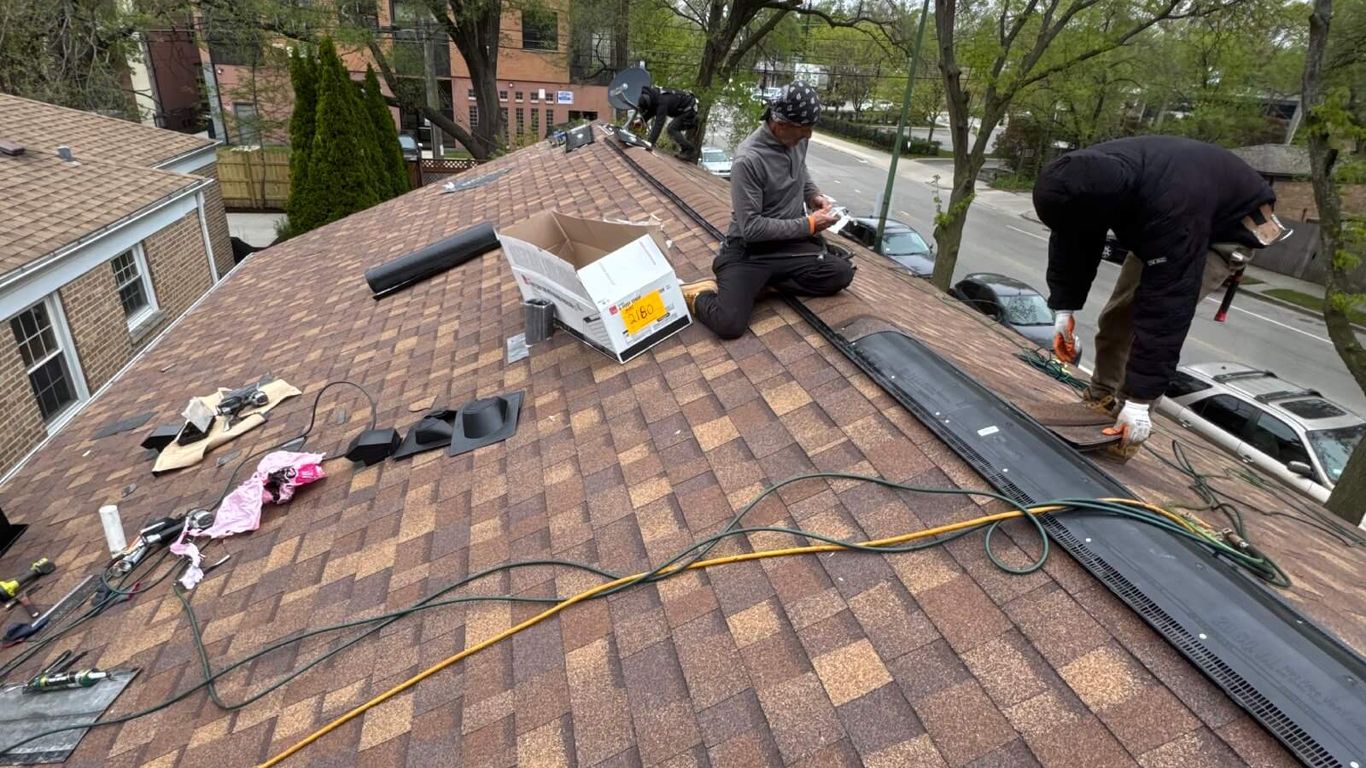
When severe weather hits, your roof takes a beating. High winds, heavy rain, hail – they can all leave their mark. It’s easy to overlook small issues after a storm, but ignoring storm damage can lead to bigger, more expensive problems down the line. Understanding what to look for and why acting fast is important can save you a lot of headaches. Whether you’re dealing with minor wear or significant damage, knowing the signs is the first step to protecting your home. This is especially true for homeowners in areas prone to harsh weather, like those looking for storm damage roof repair Chicago or storm damage roof repair Chicagoland.
Identifying Signs of Storm Damage
After a storm passes, it’s a good idea to get a closer look at your roof. Sometimes the damage isn’t obvious from the ground. Here are some things to keep an eye out for:
- Missing or Damaged Shingles: Look for shingles that are cracked, torn, curled, or completely missing. Wind can lift shingles, and hail can cause dents or cracks.
- Granule Loss: Shingles have small granules that protect them from the sun. If you find a lot of these granules in your gutters or downspouts, it means your shingles are wearing out faster than they should.
- Dents or Bruises on Shingles: Hail can leave behind small dents or bruises that might not break the shingle but can weaken it over time.
- Damage to Gutters and Downspouts: Bent or clogged gutters can indicate that something heavy hit your roof, like large hail or falling branches.
- Interior Water Stains: Check your attic and ceilings for any signs of water stains, damp spots, or mold. This is a clear sign that water is getting into your home.
The Importance of Prompt Repair
It might be tempting to put off roof repairs, especially if the damage seems minor. However, delaying can be a costly mistake. Small issues can quickly turn into major ones.
- Preventing Water Intrusion: Even a small crack or missing shingle can let water seep into your attic and walls, leading to rot, mold, and structural damage.
- Avoiding Further Damage: Wind can continue to lift weakened shingles, and subsequent storms can worsen existing damage.
- Maintaining Home Value: A well-maintained roof is a significant factor in your home’s overall value. Prompt repairs show potential buyers that you’ve taken good care of your property.
- Cost Savings: Addressing minor damage early is almost always cheaper than dealing with the extensive repairs needed after a small problem escalates.
Acting quickly after a storm is key. The longer you wait, the more opportunities water has to find its way into your home’s structure, causing damage that’s much harder and more expensive to fix.
When to Consider a Full Roof Replacement
While repairs can fix immediate storm damage, sometimes the best solution is a complete roof replacement. This is especially true if your roof is already old or has sustained significant damage. Here are some signs that it might be time for a new roof:
- Age of the Roof: Most asphalt shingle roofs have a lifespan of about 20-30 years. If yours is nearing or past that age, it’s more susceptible to damage and may be a good candidate for replacement.
- Widespread Damage: If a storm has damaged a large portion of your roof, or if multiple shingles are missing or severely damaged, a full replacement might be more cost-effective than trying to patch up too many areas.
- Curling or Buckling Shingles: This is a sign that the shingles are deteriorating and losing their protective qualities.
- Frequent Leaks: If you’ve had multiple leaks in different areas of your roof, it might indicate a systemic issue rather than isolated damage.
- Sagging Roof Deck: If you notice your roof deck sagging, it’s a serious structural problem that requires immediate attention and likely a full replacement.
If you’re unsure about the extent of the damage or whether a repair or replacement is needed, it’s always best to get a professional opinion. A qualified roofing contractor can inspect your roof and provide an honest assessment.
Comprehensive Storm Damage Roof Repair Services
When the weather takes a turn, your roof takes a hit. We get it. Dealing with storm damage can be stressful, but knowing what services are available can make a big difference. Our goal is to get your home protected again, quickly and effectively.
Emergency Roof Tarping and Temporary Fixes
Sometimes, the damage is immediate and needs attention right away. A storm can leave a hole in your roof, and that’s a fast track to water damage inside your home. That’s where emergency services come in. We can get a tarp up to cover the damaged area, stopping further leaks until we can do a proper repair. It’s not a permanent fix, but it’s a vital first step to prevent more problems.
- Rapid Response: We aim to get to you as soon as possible after a storm to assess the situation.
- Water Intrusion Prevention: Tarping shields your attic and interior from rain and wind.
- Securing the Area: We make sure the temporary fix is secure enough to withstand typical weather conditions.
Don’t underestimate the damage a small leak can cause. Water can spread through your attic and walls, leading to mold and structural issues if not addressed promptly. A temporary tarp is a smart move to buy time.
Shingle Replacement and Repair
Missing, cracked, or lifted shingles are common after a storm. We carefully inspect your roof to see which shingles need replacing. We don’t just slap on a new one; we make sure it matches your existing roof as closely as possible for a good look. If only a few are damaged, a targeted repair is often the best route. For example, shingles with SureNail® Technology are designed to hold up better against wind and impact, making them a solid choice for repairs.
Flashing and Ventilation System Checks
It’s not just about the shingles. The flashing around your chimney, vents, and skylights is critical for preventing leaks. Storms can dislodge or damage this flashing. We also check your attic’s ventilation system. Proper airflow is key to preventing moisture buildup, which can lead to rot and other issues over time. We’ll make sure everything is sealed up tight and airflow is good.
Choosing the Right Roofing Contractor
Credentials and Certifications
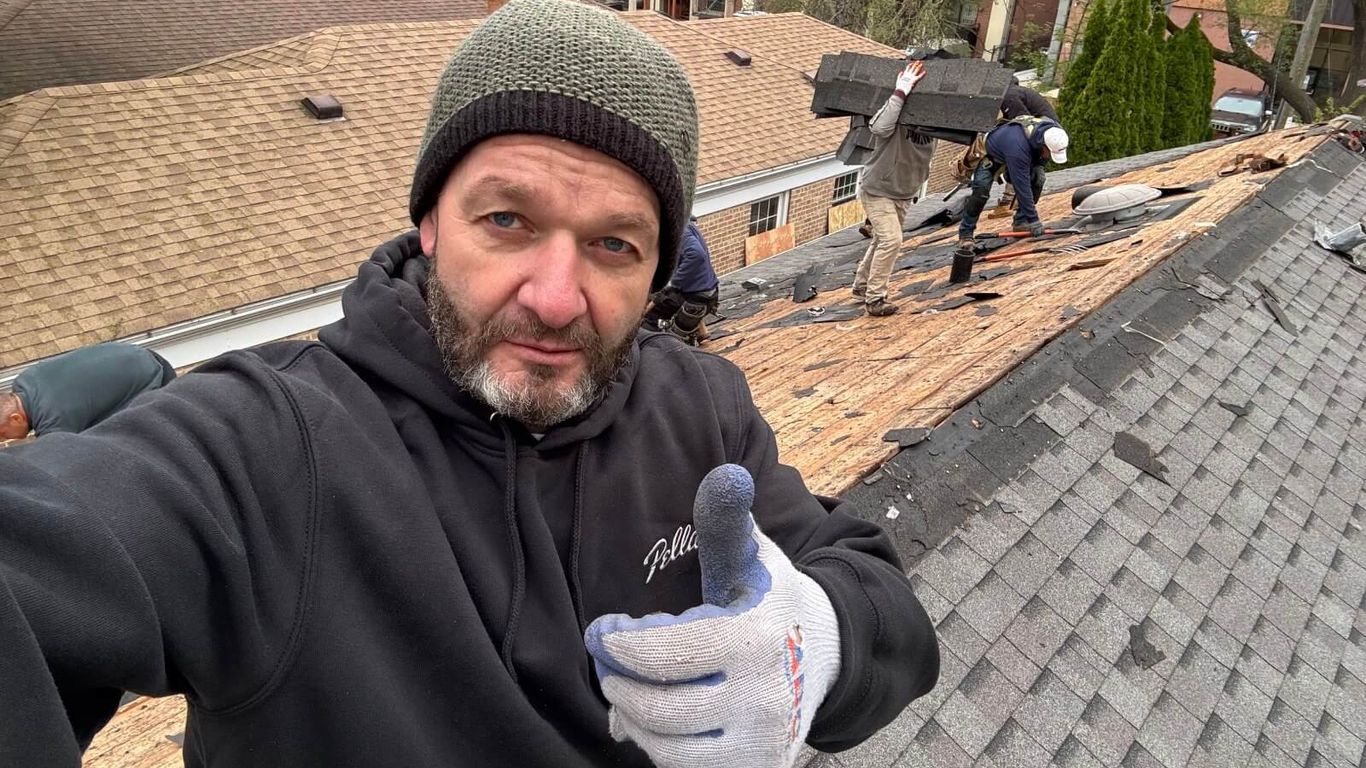
When a storm hits, you want a roofer who knows their stuff. It’s not just about slapping on some new shingles; it’s about making sure the job is done right, according to code, and with materials that will last. Look for contractors who are licensed, bonded, and insured. This protects you if something goes wrong. Also, check if they have certifications from major manufacturers like GAF or CertainTeed. These certifications mean they’ve had specific training on how to install those products correctly. It’s a good sign they’re serious about quality work.
Experience with Storm Damage Restoration
Not all roofing companies are equipped to handle storm damage. You need a team that has specific experience dealing with the aftermath of wind, hail, or heavy rain. Ask them how many storm damage jobs they’ve done recently. Do they have a process for emergency repairs, like temporary tarping if needed? A contractor who regularly deals with storm damage will be more efficient and know what to look for, like hidden issues that might not be obvious at first glance. You can often find reviews and see examples of their work on platforms like [Facebook](https://www.facebook.com/).
Transparent Estimates and Communication
This is a big one. You should get a detailed estimate that clearly outlines all the costs involved. No one likes surprises when it comes to paying for home repairs. A good contractor will explain the estimate to you, answer all your questions, and provide a clear timeline for the work. They should also be easy to get in touch with. If you can’t reach them before you sign a contract, imagine how hard it will be once the work is underway. Clear communication from the start builds trust and makes the whole process smoother. They should also be upfront about cleanup, making sure they leave your property looking better than they found it.
Here’s a quick checklist to help you evaluate potential contractors:
- Licensed, Bonded, and Insured: Verifies their legitimacy and protects you.
- Manufacturer Certifications: Shows specialized training and commitment to quality.
- Storm Damage Experience: Proven ability to handle emergency repairs and restoration.
- Detailed Written Estimates: Clear breakdown of costs and scope of work.
- Good Communication: Responsive and transparent throughout the process.
- Positive Reviews & References: Check online reviews and ask for references from past clients.
Choosing the right contractor is just as important as the repair itself. A good roofer will not only fix the damage but also provide peace of mind, knowing your home is protected for years to come. Don’t rush this decision; take the time to find a professional you can trust.
Materials and Techniques for Lasting Repairs
When it comes to fixing your roof after a storm, just slapping on some new shingles isn’t always enough. You want repairs that are going to last, right? That means using the right stuff and putting it on the right way. It’s not just about looking good; it’s about making sure your roof can handle the next gust of wind or downpour.
High-Impact Resistant Shingles
Not all shingles are created equal, especially when you’re talking about storm damage. We look for shingles that are built tough. Think about shingles with a high impact rating, like Class 3 or even Class 4. These are designed to take a hit, whether it’s from hail or flying debris, without cracking or breaking. For example, Owens Corning shingles with SureNail® Technology offer a wide nailing strip and triple-layer reinforcement. This helps them stay put, even in really strong winds, up to 130 MPH in some cases. Plus, many come with special granules that fight off algae, so they look good for a long time.
Durable Underlayment and Flashing
Underneath those shingles is where a lot of the real protection happens. A good quality underlayment acts as a secondary barrier against water. It’s like a waterproof shield that keeps moisture from getting through to your roof deck, especially in places where shingles might be damaged or missing. Then there’s flashing. This is usually metal and it’s used around areas where water might collect or try to sneak in, like around chimneys, vents, or in valleys. If the flashing is old, rusted, or installed poorly, it’s a weak spot. We make sure to check all of this and use durable, corrosion-resistant materials for any repairs or replacements.
Advanced Installation Methods
Even the best materials won’t do much good if they’re not installed correctly. We follow manufacturer guidelines and best practices for every repair. This includes things like:
- Proper nailing techniques to secure shingles without damaging them.
- Correctly overlapping underlayment and flashing to prevent water intrusion.
- Ensuring adequate attic ventilation, which helps prevent moisture buildup and extends the life of your roof.
- Using specialized sealants and adhesives where needed to create a watertight seal.
The way your roof is put together matters just as much as the materials used. A well-installed roof can withstand more abuse from the weather and will last longer.
We also pay attention to details like ice and water shield in vulnerable areas, especially in colder climates. This extra layer provides protection against ice dams that can form and push water up under your shingles. It’s these kinds of details that make a real difference in the long run. If you’re looking for a contractor who knows their stuff, check out their credentials and certifications to make sure they’re up to par.
Protecting Your Investment Post-Repair
So, your roof is all fixed up after that last storm. That’s great news! But the work doesn’t stop there, really. You’ve put in the effort and money to get it repaired, and now you want to make sure it stays that way. Think of it like getting your car fixed after a fender bender; you wouldn’t just forget about it, right? You’d want to keep it running smoothly.
Preventative Maintenance Strategies
Regular check-ups are key. It’s not about waiting for another storm to hit. It’s about staying ahead of things. Little issues can turn into big problems if you let them slide. So, what does this look like in practice?
- Scheduled Inspections: Aim for at least one professional roof inspection each year, and maybe another after any really severe weather event. This helps catch small things before they grow.
- Gutter Cleaning: Clogged gutters can cause water to back up under your shingles or damage your fascia. Cleaning them out a couple of times a year is usually enough.
- Tree Trimming: Keep branches from rubbing against your roof. Overhanging trees can shed debris and, in high winds, become a hazard themselves.
- Attic Checks: Sometimes, problems start from the inside. Make sure your attic is properly ventilated and insulated. Water stains or mold in the attic are big red flags.
Understanding Your Warranty
When you had your roof repaired or replaced, you likely got some kind of warranty. It’s super important to know what that warranty covers and for how long. Don’t just stuff it in a drawer and forget about it. Read through the paperwork. What kind of damage is excluded? Are there specific maintenance requirements you need to follow to keep the warranty valid? Knowing this can save you a lot of headaches and money down the road.
Maximizing Roof Lifespan
Ultimately, all these steps – prompt repairs, regular maintenance, and understanding your warranty – are about getting the most life out of your roof. A well-maintained roof doesn’t just protect your home; it also adds to its value. Think about the materials used in your repair. High-quality shingles, like those with SureNail® Technology, are designed to last longer and withstand more. Choosing durable materials from the start, and then taking care of them, is the best way to protect your home and your wallet.
Taking a proactive approach to roof care after repairs means you’re not just fixing damage; you’re investing in the long-term health and stability of your entire home. It’s about peace of mind, knowing that your roof is doing its job, season after season.
Keep your new windows looking great for years to come! Proper care after installation is key to protecting your investment. Simple cleaning and regular checks can make a big difference. Want to learn more about keeping your windows in top shape? Visit our website for detailed guides and tips.
Don’t Wait for Disaster
Look, storms happen, and sometimes they do a number on your roof. It’s easy to just ignore it and hope for the best, but that usually just makes things worse down the line. Taking care of your roof, whether it’s a small fix or a big replacement, is just part of owning a home. It keeps your family safe and your house in good shape. So, if you’ve noticed anything off, or even if you just want peace of mind, it’s probably a good idea to get it checked out. A little attention now can save you a lot of headaches later.
Frequently Asked Questions
How long does a typical roof repair take?
The time it takes to fix your roof really depends on how big the job is and what materials we’re using. A simple fix for a few shingles might only take a few hours. However, if there’s more damage or we need to replace a larger section, it could take a day or two. We’ll always give you a good idea of the timeline after we check out your roof.
What should I do if I think my roof has storm damage?
The best thing to do is call a professional roofer as soon as possible. We can come out and inspect your roof to see if there’s any damage from the storm. Catching problems early can prevent them from getting worse and causing more expensive issues later on.
How do I know if I need a full roof replacement instead of just repairs?
If your roof is old, has many damaged or missing shingles, or if you’re seeing leaks inside your home, it might be time for a full replacement. We can help you figure this out. Sometimes, a few repairs are enough, but other times, a new roof is a better long-term investment to keep your home protected.
What kind of materials do you use for storm damage repairs?
We use high-quality materials that are built to last and withstand tough weather. This includes strong shingles that can resist impacts from hail and high winds, durable underlayment, and reliable flashing to keep water out. We want to make sure your roof is strong and secure.
Will you clean up the mess after the repair is done?
Absolutely! We make sure to clean up everything thoroughly after we’re finished. This includes removing all old materials, nails, and debris from your yard and driveway. We want to leave your property looking as clean as, or even cleaner than, we found it.
Do I need to be home while you work on my roof?
While it’s helpful for us to be able to talk with you at the beginning and end of the job, you don’t necessarily need to be home the entire time. We’ll discuss access and any specific needs with you beforehand to make sure everything goes smoothly and your property is respected.