Finding the right roofing contractor can feel like a big task. You want someone you can trust to do a good job without breaking the bank. This guide is here to help you figure out what to look for, what questions to ask, and what services are out there. We’ll cover everything from picking the right shingles to understanding the whole process, making sure your home stays protected.
Key Takeaways
- When looking for a roofing contractor, check for certifications from brands like GAF and CertainTeed, and ensure they follow local building codes and safety standards.
- Consider Owens Corning shingles for their SureNail® Technology, strong wind resistance, impact protection, and variety of colors, plus algae-fighting granules.
- A roof replacement might be necessary if your roof is old, showing signs of wear like cracked or missing shingles, or if you’re noticing leaks and rising energy bills.
- For new construction or additions, a professional roof installation ensures structural integrity and proper insulation from the start.
- Regular roof repairs and maintenance, including leak detection and gutter cleaning, can extend your roof’s lifespan and prevent bigger problems down the line.
1. Owens Corning Shingles
When you’re looking for a new roof, Owens Corning shingles are a solid choice that many homeowners and contractors trust. They’re not just about looks, though they do come in a bunch of nice color blends that can really make your house pop. What’s really cool is their SureNail® Technology. It’s basically a wide strip on the shingle that helps installers nail them down just right, every time. This, along with triple-layer reinforcement, means these shingles can handle some serious wind, like up to 130 MPH. So, if you live in an area that gets a lot of storms, that’s a big plus.
Another thing to consider is their impact resistance. Owens Corning shingles have a Class 3 rating, which means they can take a hit from hail or falling branches without cracking. That’s good peace of mind, right? Plus, they’ve got these special granules mixed in that fight off algae. You know those ugly black streaks that can show up on roofs? These granules help prevent that, meaning less cleaning and a roof that looks better for longer. You can even check out some of their styles on places like Instagram to get ideas.
Here’s a quick look at some key features:
- SureNail® Technology: Ensures proper nailing for wind resistance.
- Wind Resistance: Rated for winds up to 130 MPH.
- Impact Resistance: Class 3 rating helps protect against hail.
- Algae Resistance: Copper-infused granules keep shingles looking clean.
- Color Options: Over a dozen fade-resistant blends available.
Choosing the right shingles is a big decision for your home’s protection and appearance. Owens Corning offers a blend of durability, weather resistance, and aesthetic appeal that makes them a popular option for many homeowners looking for a long-lasting roof.
2. Certainteed Shingles
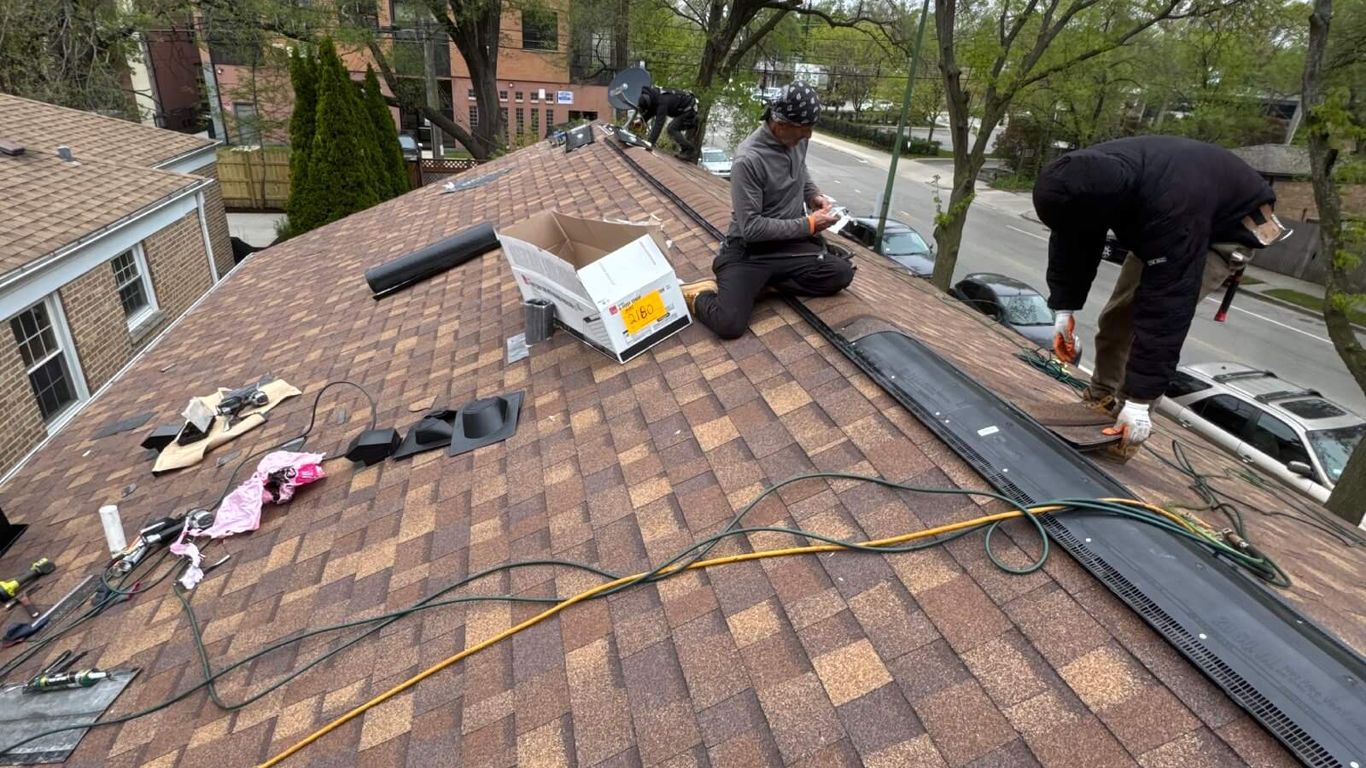
When you’re looking at roofing options, CertainTeed shingles are definitely worth a closer look. They’ve been around for a while and have a pretty solid reputation for quality and variety. It’s not just about slapping some shingles on your roof; CertainTeed offers a range of styles and performance levels to fit different needs and budgets.
One of the big pluses with CertainTeed is the sheer number of choices you have. Whether you’re going for a classic look or something a bit more modern, they’ve got options. Think about the different types:
- Architectural Shingles: These are super popular because they give you that dimensional look, kind of like natural wood shakes or slate, but without the high cost. They’re built to last and handle weather pretty well.
- 3-Tab Shingles: If you’re looking for a more budget-friendly option, these are a good way to go. They have a simpler, flatter appearance and are a reliable choice for many homes.
- Designer Shingles: For those who want a real standout roof, CertainTeed has some premium lines that mimic the look of natural materials like slate or wood in a really convincing way. These are definitely a higher-end choice.
Choosing the right CertainTeed shingle means considering both aesthetics and how well it will protect your home. You’ll want to think about the color blends, the texture, and how it all fits with your home’s overall style. It’s also important to know that CertainTeed shingles are known for their durability and resistance to things like wind and algae growth, which means less maintenance for you down the road.
When you’re talking to contractors, ask them about their experience with CertainTeed products. A good contractor will be able to walk you through the different lines, explain the warranties, and help you pick the best fit for your specific situation. Checking out reviews on platforms like [Google My Business](https://www.google.com/maps/search/roofing+contractor) can also give you a good idea of which contractors have a lot of happy customers who chose CertainTeed.
It’s easy to get caught up in just the price, but remember that your roof is a big investment. Looking at brands like CertainTeed, which offer a good balance of quality, style, and protection, is a smart move for the long haul. They’re a brand that many professional roofers trust, and for good reason.
3. Gaf Roofing Systems
When you’re looking into roofing options, GAF is a name that comes up a lot. They’ve been around for a while and have a pretty solid reputation in the industry. GAF shingles are known for their durability and the wide range of styles they offer, which is great because it means you can probably find something that fits your home’s look and your budget.
They offer a few different lines of shingles, each with its own set of features. For example, some are designed for extra wind resistance, which is a big deal if you live in an area that gets a lot of storms. Others have special granules that help fight off algae, keeping your roof looking cleaner for longer. It’s kind of like choosing a car – you can go for the basic model or the one with all the bells and whistles.
Here’s a quick look at some of the things GAF focuses on:
- Durability: Their shingles are built to last, with features like enhanced nailing strips and strong materials to withstand different weather conditions.
- Variety: You’ve got a lot of choices when it comes to color and style, so you’re not stuck with just one look.
- Warranties: GAF typically backs their products with pretty good warranties, which gives you some peace of mind after the installation.
- Innovation: They’re always working on new technologies to make their shingles perform better, like those algae-fighting granules.
It’s worth noting that GAF has programs aimed at helping homeowners, like their Community Contractor Program. This shows they’re not just about selling shingles, but also about providing reliable roofing solutions and supporting homeowners.
When you’re talking to contractors, ask them specifically about the GAF products they recommend and why. They should be able to explain the differences between the lines and help you pick the best fit for your home. It’s all about getting a roof that not only looks good but also protects your home effectively for years to come. Remember, GAF shingles have a long track record, so they’re a solid choice to consider.
4. Residential Roofing
When it comes to your home, the roof is a pretty big deal. It’s not just about keeping the rain out; it’s about protecting your family, your belongings, and the overall structure of your house. Choosing the right roofing for your home involves looking at a few key things.
We focus on providing residential roofing solutions that balance durability, energy efficiency, and curb appeal. This means we don’t just slap on any shingles. We consider the style of your home, the local climate, and your budget to recommend the best materials. Whether you’re looking at classic asphalt shingles, modern metal roofing, or something else entirely, we guide you through the options.
Here’s a quick look at what goes into a residential roofing project:
- Material Selection: From asphalt and metal to tile and wood shakes, each has its pros and cons regarding cost, lifespan, and maintenance. We help you understand these differences.
- Installation Quality: Proper installation is just as important as the materials. This includes correct ventilation, insulation, and drainage to prevent common issues like moisture buildup and ice dams.
- Aesthetics: Your roof is a significant part of your home’s appearance. We help you choose colors and styles that complement your home’s architecture.
Sometimes, you might see tutorials on YouTube about DIY roofing, but honestly, for most homeowners, it’s a job best left to the pros. The complexity of modern roofing systems, combined with safety concerns, means that hiring a qualified contractor is usually the smartest move. We make sure everything is installed to code and built to last.
A well-maintained and properly installed roof not only protects your home but can also significantly improve its energy efficiency and overall value. It’s an investment that pays off for years to come.
We’re proud to be recognized for our work, and we aim to make the entire process as smooth as possible for you. If you’re considering a new roof or need repairs, getting a professional opinion is the first step. You can find out more about our commitment to quality and see if we’re a good fit for your needs by checking out contractor recognition.
5. Commercial Roofing
When it comes to commercial roofing, things are a bit different than your average house. We’re talking about larger buildings, often with flat or low-slope roofs, and the materials and installation methods need to be up to par for that scale. Think TPO, EPDM, or modified bitumen – these are common choices for commercial spaces because they hold up well in those situations.
Finding the right contractor for a commercial project means looking for someone who understands the unique demands of business properties. This includes minimizing disruption to your operations, which often means working odd hours like nights or weekends. Safety is also a huge deal; commercial sites can be busy, and a good roofing crew will have strict protocols to keep everyone and everything safe.
Here’s what you should look for:
- Experience with Commercial Systems: Do they regularly install and repair flat or low-slope roofing? Ask about the specific materials they use.
- Minimizing Business Interruption: How do they plan to work around your business hours? Do they have experience with night or weekend work?
- Safety Compliance: What are their safety protocols? Are they properly licensed, bonded, and insured?
- Warranty and Maintenance: What kind of warranty do they offer on their commercial work, and do they provide maintenance plans?
The commercial roofing market can be a bit unpredictable year to year. While some sectors might be booming with new construction or data center projects, others might slow down. This means it’s extra important to find a contractor who knows the market and can adapt. They should be able to guide you through the best options for your specific building and budget, even when the overall economic picture is mixed. The commercial roofing sector anticipates a flat outlook for 2026, so planning ahead is key.
Ultimately, you want a commercial roofer who can deliver a durable, energy-efficient roof that doesn’t break the bank on maintenance and lasts for years. It’s a big investment, and getting it right from the start makes all the difference.
6. Roof Replacement
When your current roof has seen better days and repairs just aren’t cutting it anymore, it’s time to think about a full roof replacement. This is a pretty big job, no doubt about it, but getting a new roof can really make a difference in how your home looks and how well it’s protected from the weather. Think of it as a major upgrade that adds value and peace of mind.
So, how do you know it’s time? Usually, a roof that’s 20 to 30 years old is nearing the end of its life. You might also notice things like cracked or brittle shingles, water stains showing up inside your house, or even shingles that are starting to curl up at the edges. Sometimes, a roof that’s just not performing well can lead to higher energy bills because your home isn’t insulated properly anymore. Replacing your roof is a significant investment, but it’s one that pays off in the long run.
Here’s a general idea of what happens during a roof replacement:
- Inspection and Planning: First, a contractor will come out and take a good look at your current roof. They’ll check for any damage, assess the condition of the underlying structure, and talk with you about your options for new materials and colors. You’ll get a detailed quote and a timeline.
- Old Roof Removal: The old shingles and underlayment are carefully removed. This is usually done in sections to minimize disruption.
- Decking and Underlayment: The exposed roof deck is inspected for any rot or damage and repaired if needed. Then, a new protective underlayment is installed to act as a secondary barrier against water.
- New Shingle Installation: This is where the new roof goes on. High-quality shingles, like those from Owens Corning with SureNail® Technology, are installed with precision to ensure they can withstand strong winds and weather.
- Cleanup and Final Inspection: Once the new roof is on, the crew cleans up all debris, making sure your property is left tidy. A final walkthrough ensures everything looks good and is up to standard.
The cost of a new roof can vary quite a bit, but in 2026, you might expect to pay anywhere from $10,000 to $30,000 for a standard replacement. More complex or premium systems could push that price higher. It’s a good idea to get a few quotes to compare. You can often find local contractors through recommendations or even by checking out reviews on places like Facebook.
Choosing the right materials is important, too. Brands like Owens Corning and CertainTeed offer shingles with features like algae resistance, which helps keep your roof looking good for years without much fuss. They also come in a lot of different colors, so you can pick something that really suits your home’s style. Remember, a good roof isn’t just about looks; it’s about protecting your home and keeping your family safe and comfortable. If you’re looking for a new roof, consider checking out Owens Corning shingles for their durability and style options.
7. Roof Installation
Getting a new roof installed is a pretty big deal for any homeowner. It’s not just about slapping some shingles on; it’s about making sure your house is protected from the elements for years to come. When you’re looking for a contractor, you want someone who knows what they’re doing, plain and simple.
A proper roof installation involves several key steps to ensure longevity and performance. This isn’t a DIY weekend project for most people. It requires skill, the right tools, and a good understanding of building codes and best practices. You’re essentially putting a shield over your entire home, so it needs to be done right the first time.
Here’s a general idea of what goes into a professional roof installation:
- Preparation: This includes setting up safety measures, protecting your landscaping, and preparing the roof deck. Sometimes, old roofing material needs to be completely removed.
- Underlayment and Flashing: A protective layer is installed over the roof deck, followed by flashing in critical areas like valleys and around chimneys to prevent water intrusion.
- Shingle or Material Application: This is where the main roofing material is applied, following manufacturer guidelines precisely. For example, using techniques like Owens Corning’s SureNail® Technology helps ensure shingles are properly secured.
- Ventilation and Drainage: Proper attic ventilation and gutter systems are installed or checked to manage moisture and heat.
- Cleanup and Inspection: Once the new roof is on, the crew cleans up the entire work area, removing all debris, and then conducts a final inspection.
It’s important to find a contractor who is licensed, bonded, and insured. You can often find recommendations and check credentials on professional networking sites like [LinkedIn](https://foxhavenroof.com/roofing-in-floridas-august-heat-safety-tips-and-best-practices-for-2026/). They should also be able to provide clear timelines and explain their process. Don’t be afraid to ask questions; a good contractor will be happy to walk you through everything.
8. Roof Repairs And Maintenance
Taking care of your roof between major projects is super important. It’s not just about fixing things when they break, but also about keeping an eye on things so they don’t turn into big, expensive problems later on. Think of it like getting regular check-ups for your car – you want to catch small issues before they cause a breakdown.
Regular maintenance can really make your roof last longer. This includes things like cleaning out your gutters so water can flow away properly, and checking for any loose or damaged shingles after a big storm. Sometimes, you might notice small leaks or water stains starting to show up. Addressing these issues quickly is key to preventing more serious damage to your home’s structure.
Here are some common maintenance tasks:
- Gutter Cleaning: Keeping gutters clear of leaves and debris prevents water backup, which can damage your roof edge and foundation.
- Shingle Inspection: Look for missing, cracked, or curling shingles. These are weak spots where water can get in.
- Flashing Checks: The metal pieces around chimneys, vents, and skylights (called flashing) can wear out or get damaged. Keeping them in good shape is vital.
- Debris Removal: Large branches or other debris can damage shingles. Clearing them off promptly is a good idea.
Sometimes, you might need more than just a quick fix. For example, if you’re seeing signs of wear like faded or brittle shingles, or if your roof is getting up there in age (most last 20-30 years), it might be time to think about a roof replacement. Small leaks can also turn into big problems if left unchecked, potentially leading to rot and mold.
It’s easy to forget about your roof once it’s installed, but a little bit of attention goes a long way. Proactive care means fewer surprises and a healthier home overall. Don’t wait until you see water dripping inside to think about your roof’s condition.
If you’re not sure what to look for, or if you’re uncomfortable getting up on the roof yourself, that’s where a professional inspection comes in handy. They can spot things you might miss and give you a clear picture of your roof’s health. This can help you plan for future repairs or replacements before they become emergencies.
9. Roof Inspection
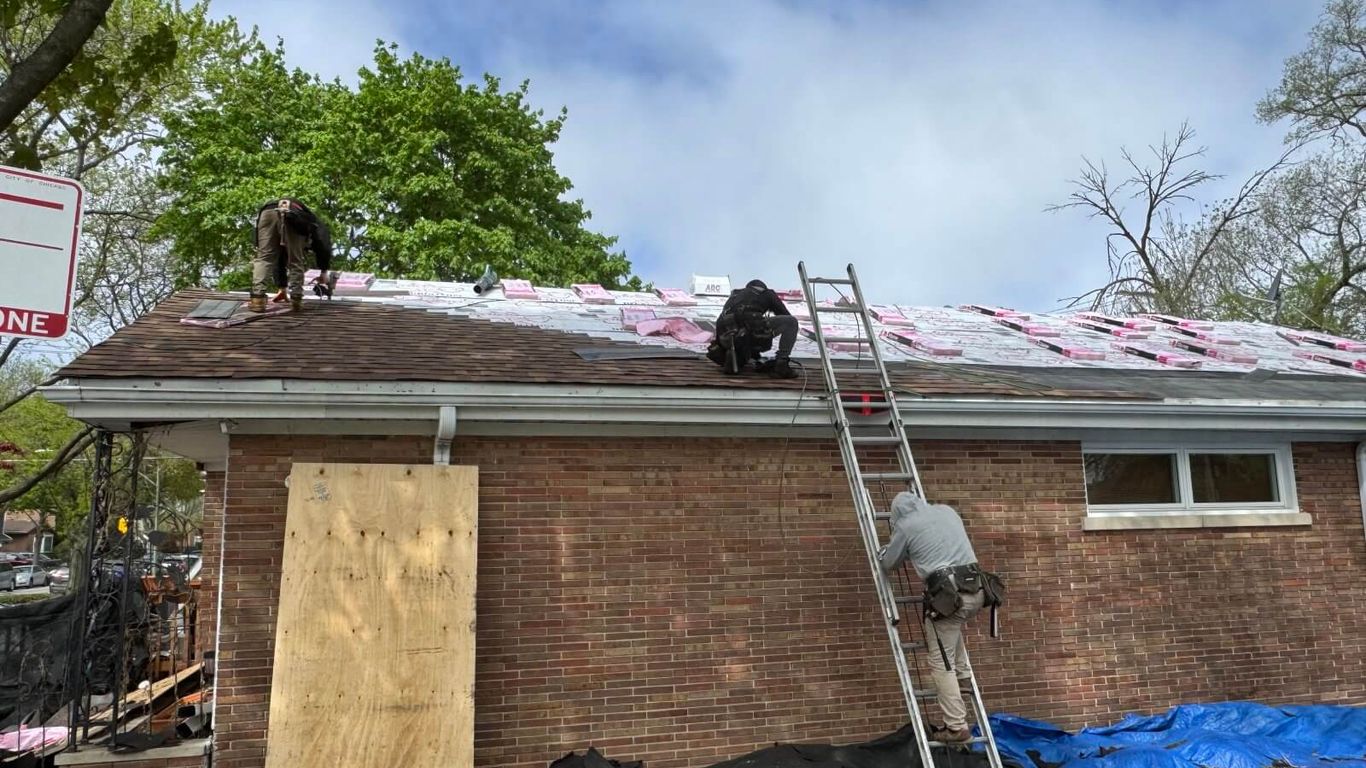
A roof inspection is a really important step, whether you’re thinking about buying a new home, selling your current one, or just want to make sure your existing roof is in good shape. It’s basically a thorough check-up for your roof, looking for any signs of trouble that might not be obvious from the ground.
Think of it like going to the doctor for a physical. You might feel fine, but a professional can spot things you’d miss. For your roof, this means checking things like:
- Shingle condition: Are they cracked, curling, or missing granules? Granule loss is a big indicator of wear.
- Flashing: This is the metal or material used to seal joints, like around chimneys or vents. If it’s damaged or loose, water can get in.
- Gutters and downspouts: Are they clear of debris? Clogged gutters can cause water to back up under your shingles.
- Roof penetrations: This includes vents, skylights, and chimneys. We check for any damage or signs of leaks around these areas.
- Attic ventilation: Proper airflow in your attic is key to preventing moisture buildup and extending your roof’s life.
A professional inspection can help you catch small problems before they turn into big, expensive ones. For instance, a few missing shingles might seem minor, but they can let water seep into your attic, leading to rot and mold. Catching this early means a simple repair instead of a full roof replacement.
We offer detailed roof inspections to identify wear, damage, or potential issues. This helps homeowners plan timely repairs or replacements. It’s a smart way to protect your investment and keep your home safe and dry. If you’re unsure about your roof’s condition, scheduling a free, no-obligation inspection is a great first step. We’ll give you a clear picture of your roof’s health and discuss any necessary next steps, without any pressure.
Regular check-ups are not just about fixing what’s broken; they’re about preventing future headaches. A well-maintained roof means a more comfortable home and fewer unexpected expenses down the line. It’s a proactive approach to homeownership that pays off.
10. Roofing Consultation
Before you even think about picking out shingle colors or signing any contracts, the first real step with a good roofing contractor is the consultation. This isn’t just a quick chat; it’s where you and the professional get on the same page about what your roof needs and what you expect.
Think of it as a diagnostic session for your house’s crown. A good consultation involves a few key things:
- Thorough Inspection: The contractor should physically get on your roof (weather permitting) or conduct a detailed virtual assessment. They’ll look for signs of wear, damage, or potential problems you might not even know exist. This includes checking flashing, vents, and even the attic for any moisture issues.
- Needs Assessment: Based on the inspection, they’ll explain exactly what’s going on. Is it a minor repair, or is a full replacement necessary? They should be able to point out specific issues and explain why they need attention.
- Material and Style Discussion: You’ll talk about different roofing materials, their pros and cons, and what fits your home’s style and your budget. This is where you learn about options like Owens Corning or Certainteed shingles and their specific benefits.
- Clear Cost and Timeline: A reputable roofing contractor will provide a detailed estimate that breaks down costs and a realistic timeline for the project. Transparency here is super important; no one likes surprises when it comes to big home projects.
A solid consultation sets the foundation for a successful project. It’s about building trust and making sure you understand the scope of work, the materials being used, and the expected outcome. Don’t hesitate to ask questions – this is your home, and you deserve to know exactly what’s happening.
When you’re looking for a "roofing contractor Chicago" or a "roofing contractor Chicagoland," remember that the consultation is your first chance to gauge their professionalism and communication style. A contractor who takes the time to explain things clearly and answers all your questions is usually a good sign. It’s also a good time to ask about their licensing, insurance, and any warranties they provide. This initial meeting is more than just a sales pitch; it’s the start of a working relationship that will protect your home for years to come. You can find more details on what to expect during a roof replacement process after you’ve had your initial consultation.
Thinking about a new roof? Our team is here to help you figure out the best options for your home. We’ll walk you through everything you need to know to make a smart choice. Ready to get started? Visit our website today to schedule your free consultation!
Wrapping It Up
So, finding the right roofer for your place in 2026 is a big deal, no doubt about it. It’s not just about slapping some shingles on; it’s about getting someone you can trust to do a solid job that lasts. Take your time, do your homework, and don’t be afraid to ask questions. A good contractor will be upfront about everything, from the materials they use to the final cost. When you find that right fit, you’ll just know. And hey, a good roof means a happy home, so it’s worth the effort.
Frequently Asked Questions
How long does a typical roof replacement take?
The time it takes to replace a roof really depends on a few things, like how big your house is, what kind of materials you choose, and even the weather. For a standard asphalt shingle roof on a smaller house, it might only take a day or two. But if your roof is bigger, has a steep slope, or a more complicated design, it could take longer. We’ll give you a better idea of the timeline after we check out your roof.
Will you clean up the old roofing materials after the job is done?
Absolutely! We make sure to clean up everything when we’re finished. This includes taking away all the old shingles, nails, and any other debris. We’ll leave your property looking neat and tidy, just like we found it.
Do I need to be home the entire time you’re working on my roof?
Not necessarily. We’ll talk with you beforehand about how to get access to your roof. We work efficiently to get the job done without causing too much disruption to your day.
What are the signs that I might need a new roof?
You should think about a new roof if it’s old (usually over 20-30 years), or if you see shingles that are cracked, brittle, or faded. Leaks, water stains on your ceiling, or peeling paint are also big signs. Missing or curling shingles, and even higher energy bills because your roof isn’t insulating well, can mean it’s time for a replacement.
What makes Owens Corning shingles a good choice?
Owens Corning shingles are built tough and look great. They have special technology that helps them stay on strong, even in high winds, and they can handle impacts like hail. Plus, they come in lots of nice colors that resist fading, and some even have special granules that help prevent ugly algae streaks, meaning less cleaning for you.
Why is it important to hire certified roofing contractors?
Hiring certified contractors means they’ve been trained and approved by top brands like GAF and CertainTeed. They know the best ways to install and repair roofs according to strict standards and safety rules. This gives you peace of mind knowing the job will be done right, using quality materials and techniques, which often leads to better warranties and a more durable roof.