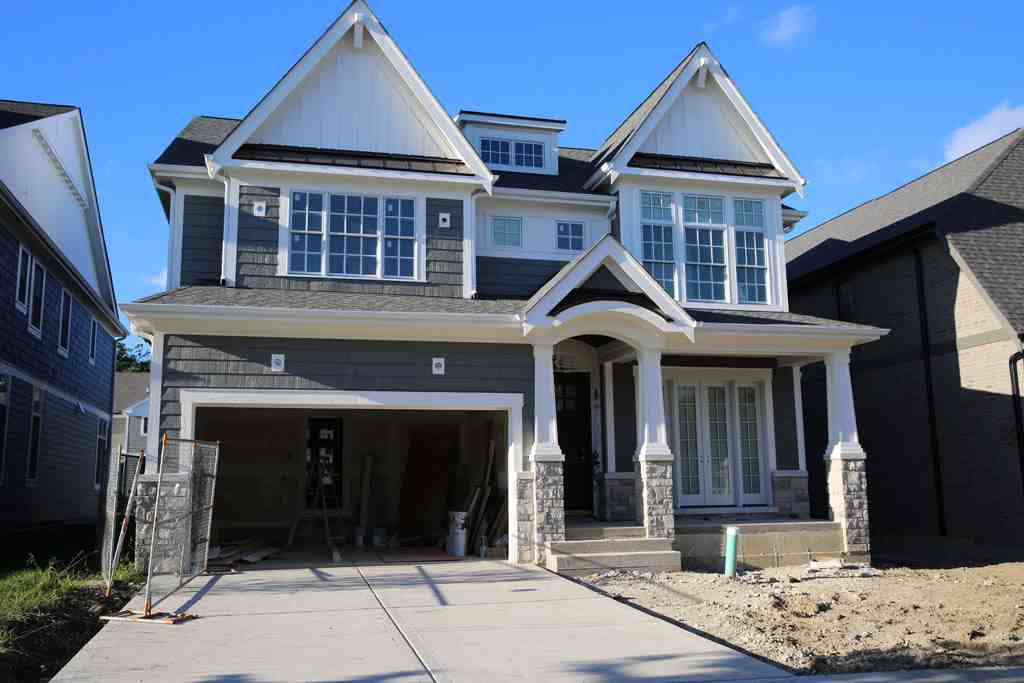
Choosing the Right Siding for Your Chicago Home
Selecting the right siding for your home is one of the most impactful exterior improvements you can make. The ideal material protects your home from the elements, enhances energy efficiency, and dramatically boosts curb appeal. Here is a look at the typical lifespans and performance of the most common siding materials:
| Siding Material | Performance Level | Typical Lifespan |
|---|---|---|
| Vinyl | Moderate to High | 20 – 40 years |
| Engineered Wood (LP SmartSide) | High | 25 – 50 years |
| Fiber Cement (James Hardie) | Excellent | 30 – 50 years |
| Cedar / Natural Wood | Moderate to High | 20 – 40 years |
| Metal (Steel/Aluminum) | Excellent | 40 – 70 years |
| Stucco | High | 50+ years |
| Brick Veneer | Outstanding | 75 – 100+ years |
| Stone Veneer | Outstanding | 75 – 100+ years |
For a typical Chicago-area home, a complete siding replacement is a significant upgrade that protects your property for decades. Quality installation involves not just the outer panels, but also old siding removal, sheathing repairs, and high-performance house wrap to ensure a weather-tight seal.
If you’re planning an exterior remodel in Chicago or the surrounding suburbs, understanding how different materials perform helps you make an informed decision. Chicago’s harsh winters, freeze-thaw cycles, and humid summers put real stress on exterior materials — so the right material and quality installation matter immensely.
I’m Steve Mlynek, CEO and founder of HomeBuild Windows, Doors & Siding. With over 20 years of experience helping Chicagoland homeowners select the perfect exterior solutions for their homes, I’ve seen how the right material choice and professional installation protect your home for decades. Let’s walk through everything you need to know to make a smart, informed decision for your home.
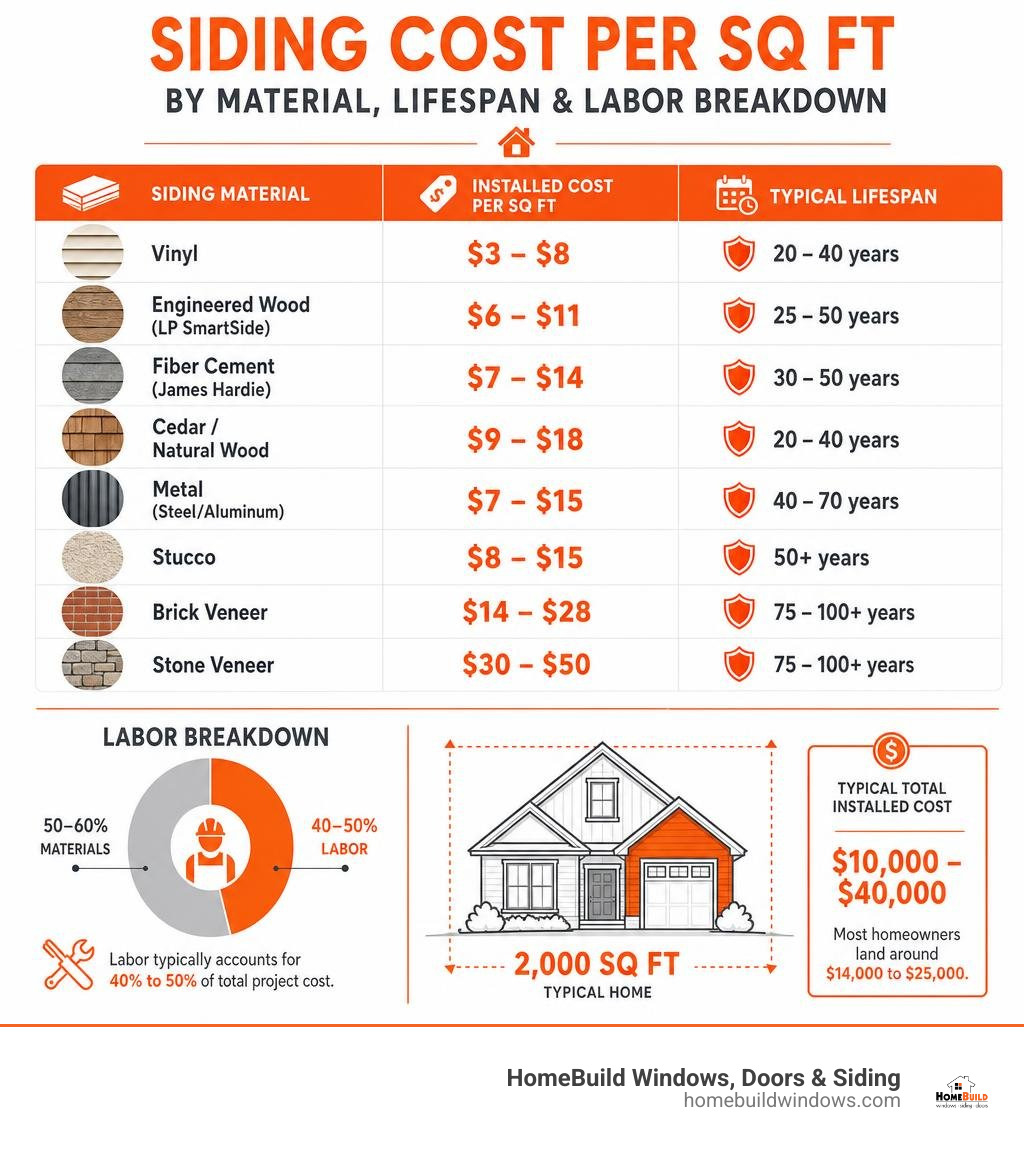
Siding selection and installation basics:
Key Factors That Influence Siding Performance and Installation

When evaluating options for your home exterior, it is essential to look beyond the surface level. The overall success of a project is dictated by several physical and environmental variables.
While material selection plays a massive role, local climate demands and home architecture are equally influential. In the Chicago metro area and surrounding North-West Suburbs like Arlington Heights, IL and Schaumburg, IL, professional installation requires a high level of specialized skill to install weather-resistant envelopes that survive extreme Midwestern freeze-thaw cycles. To get a closer look at how these dynamics play out across different regions, you can review the Siding Material Performance | FigureCalc resource.
How Home Size and Layout Affect Installation Complexity
A common misunderstanding among homeowners is assuming their home’s interior square footage matches their exterior wall surface area. In reality, your home’s footprint and layout dictate the actual material requirements.
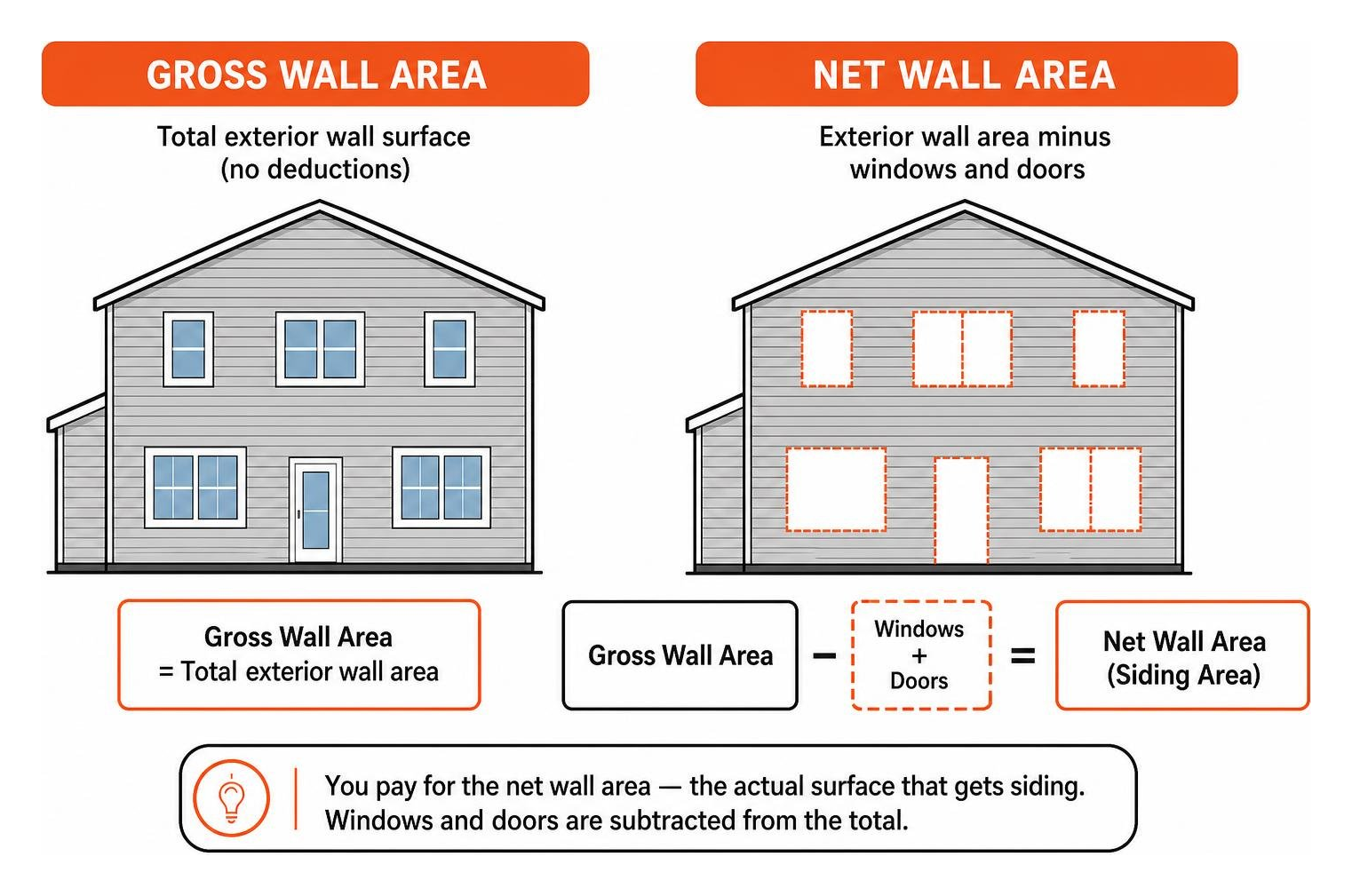
- Gross Wall Area vs. Net Wall Area: Gross wall area is the total exterior surface of your home. To find the net wall area, we must subtract large openings like windows and doors. For example, a double garage door or large patio doors can reduce the actual surface area that requires panels, though they require more intricate flashing and trim work around their perimeters.
- Architectural Complexity: Homes with multiple gables, dormers, bays, and complex rooflines require significantly more detailed cuts, specialized corner posts, and custom fitting. This complexity slows down the installation rate, requiring more meticulous labor hours.
- Number of Stories: Multi-story homes require advanced staging, scaffolding, and strict safety equipment. Transporting heavy materials like fiber cement up several stories increases the physical labor demands.
Hidden Project Scope and Necessary Structural Prep Work
A successful exterior remodel requires a flawless foundation. When replacing old, worn-out panels, we often find hidden issues that must be corrected before the new system is installed. Neglecting these steps can lead to moisture infiltration, mold, and structural failure down the road. For a comprehensive look at what to expect during this process, read our Ultimate guide to siding replacement.
- Sheathing Repair: Once the old materials are removed, the underlying wood sheathing (usually plywood or OSB) is fully exposed. In about a third of all replacement projects, we discover localized rot or water damage from past flashing failures. This damaged wood must be replaced to ensure a structurally sound nailing surface.
- Moisture Barriers and House Wrap: Modern building standards require a high-quality water-resistive barrier (WRB), such as Tyvek house wrap, with all seams meticulously taped. This layer acts as a one-way highway, allowing interior moisture vapor to escape while preventing exterior wind-driven rain from reaching your wall framing.
- Insulation Upgrades: Installing rigid foam insulation board directly beneath your new panels is an excellent way to eliminate thermal bridging—the transfer of heat through the wooden wall studs. This upgrade significantly boosts your home’s energy efficiency and overall comfort.
Siding Material Comparison: Durability and Long-Term Value
Selecting the right material requires balancing your immediate goals with long-term performance expectations. Each cladding material has unique physical properties, maintenance requirements, and lifespans. For additional baseline research on material performance, you can explore the House Siding Guide.
| Material | Durability | Maintenance Level | Expected Lifespan | Best Suited For |
|---|---|---|---|---|
| Vinyl | Moderate | Low (Wash with hose) | 20 – 40 Years | Practical, low maintenance |
| Engineered Wood | High | Medium (Paint every 10-15 yrs) | 25 – 50 Years | Natural wood look with enhanced durability |
| Fiber Cement | Excellent | Low to Medium (Very stable paint) | 30 – 50 Years | Maximum durability, fire resistance, premium look |
| Cedar Wood | Moderate | High (Stain/Paint every 3-5 yrs) | 20 – 40 Years | Historic preservation, high-end natural beauty |
| Metal (Steel) | Excellent | Low (Annual rinse) | 40 – 70 Years | Modern aesthetics, extreme hail/wind protection |
| Stone Veneer | Outstanding | Low (Inspect mortar joints) | 75 – 100+ Years | Premium accents, high resale value |
Analyzing the Benefits of Vinyl Siding
Vinyl siding remains the most popular exterior cladding choice in North America for several reasons. Manufactured from polyvinyl chloride (PVC), modern vinyl panels are engineered to resist fading, impact, and high winds.
We work with industry-leading brands like ProVia to offer homeowners a wide range of thickness grades and profiles. Standard builder-grade panels are typically thin and prone to cracking under impact, which is why we recommend premium-grade panels (typically 0.046 inches or thicker) for primary residences. These thicker panels lay flatter, resist warping in extreme summer heat, and offer superior wind-resistance ratings.
Furthermore, opting for insulated vinyl siding can dramatically improve your home’s thermal performance. To learn more about how this material keeps your living spaces comfortable, read about How can vinyl siding make your home more energy efficient?.
Evaluating Fiber Cement and Premium Materials
For homeowners looking for the ultimate combination of beauty, durability, and fire protection, premium materials are the gold standard.
- Fiber Cement (James Hardie): Made from a mixture of Portland cement, sand, cellulose fibers, and water, fiber cement is completely non-combustible, insect-proof, and rot-proof. As a certified installer of James Hardie products, we can provide homeowners with access to their advanced ColorPlus® Technology, which bakes the color directly into the boards for unmatched UV resistance. To dive deeper into this material’s pros and cons, check out The good the bad and the beautiful a deep dive into fiber cement siding panels.
- Engineered Wood (LP SmartSide): This material combines treated wood fibers with advanced resins and zinc borate to create panels that look like natural wood but resist fungal decay and termite damage. It is lighter and easier to install than fiber cement while offering exceptional impact resistance.
- Cedar Siding: Natural wood offers a timeless, high-end look. However, cedar requires regular painting or staining every few years to prevent rot and moisture damage, making its long-term upkeep higher than synthetic alternatives.
- Stone Veneer: Often used as a front-facade accent or on gable ends, manufactured stone veneer delivers incredible curb appeal and outstanding long-term value in the Chicago real estate market.
The Importance of Professional Installation and Full Tear-Off
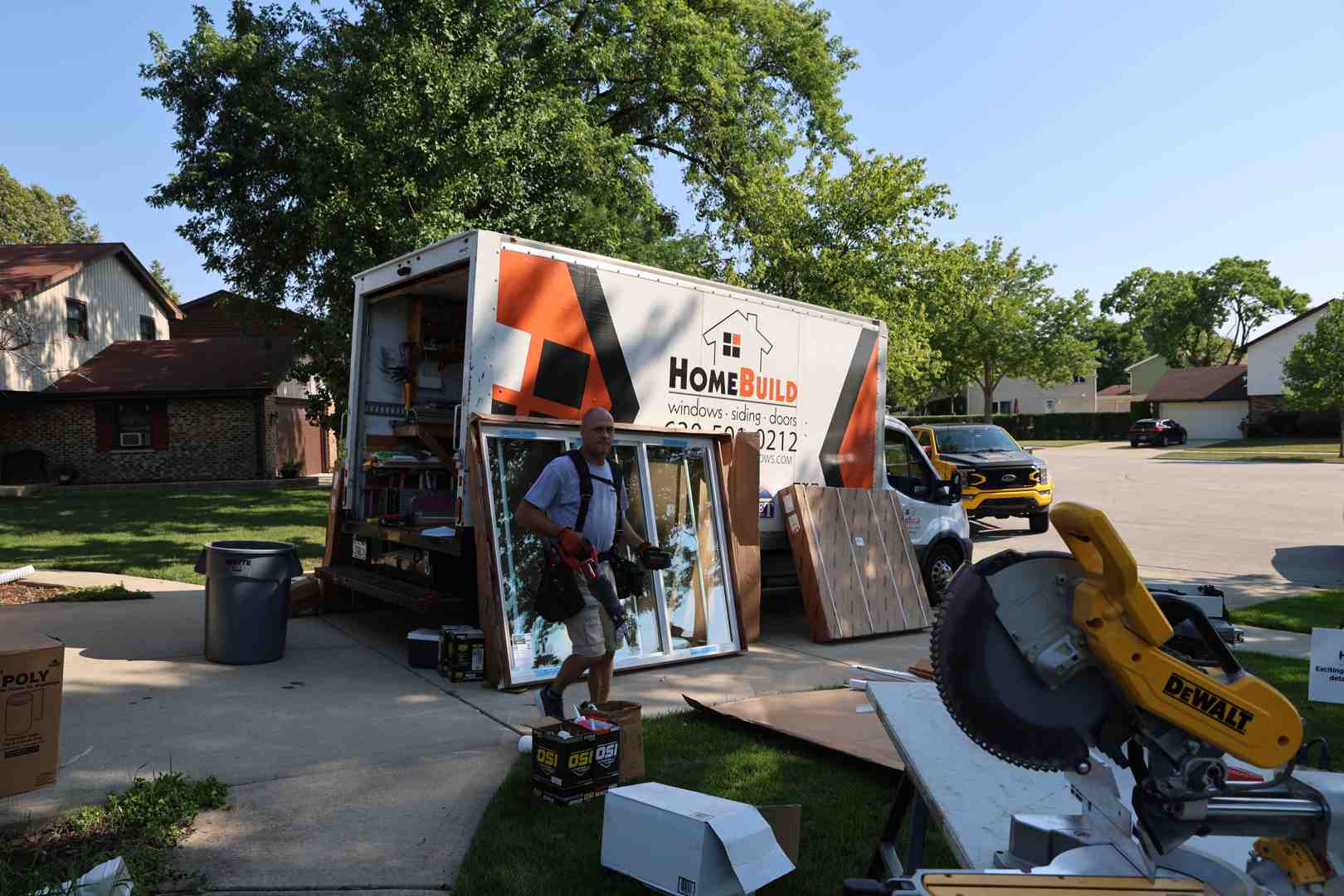
When upgrading your home’s exterior, the quality of the installation is just as critical as the quality of the materials. Siding acts as your home’s primary shield against rain, snow, wind, and temperature swings. Even the most expensive, high-grade panels will fail prematurely if they are not installed correctly.
At HomeBuild Windows, Doors & Siding, we strongly advise against “overlaying” or installing new panels directly over old wood or aluminum siding. While some contractors may suggest this to save time, it is a major red flag. Overlaying traps existing moisture, conceals underlying structural rot, prevents the installation of a modern house wrap, and almost always voids the manufacturer’s warranty.
A full tear-off allows our team to inspect the wood sheathing, repair any hidden water damage, and install a continuous, taped weather barrier. As an Elite Platinum Pella® Certified Contractor and Andersen Premier Certified Contractor, our crews are trained to the highest industry standards. Every project we undertake is owner-supervised, ensuring absolute accountability, professionalism, and attention to detail from start to finish. This commitment to quality is why we have earned the Angi Super Service Award, been named a Nextdoor Neighborhood Favorite, and maintain over 200 positive Google reviews.
Frequently Asked Questions About Siding Replacement
How does the Chicago climate affect siding durability?
The Chicago climate is notoriously brutal on home exteriors. Our region experiences dramatic temperature swings, from sub-zero winter temperatures to humid, 90-degree summer days. This causes constant thermal expansion and contraction in siding materials.
Vinyl must be hung loosely on specialized nailing slots to allow it to slide back and forth as temperatures change; nailing it too tight will cause it to buckle and warp. Additionally, heavy winter snow, ice buildup, and high winds require materials with high moisture resistance and excellent wind-load ratings to prevent water from backing up behind the panels.
Is it better to tear off old siding or install an overlay?
A full tear-off is always the superior choice. Removing the old material is the only way to inspect the structural integrity of your home’s sheathing and framing. It allows us to address pest infestations, repair rot, and install a brand-new, high-performance moisture barrier.
Furthermore, installing new cladding over old, uneven siding makes it incredibly difficult to achieve a flat, visually appealing finish, and it can void the warranties of premium manufacturers like James Hardie or Alside.
How does siding replacement improve home energy efficiency?
Siding replacement is one of the best opportunities to improve your home’s thermal envelope. By adding a layer of rigid foam insulation board beneath your new panels, you create a continuous thermal barrier that stops heat from escaping through your wall studs.
Combined with a taped house wrap, this system seals drafts, reduces the load on your HVAC system, and can significantly lower your monthly utility bills. For homeowners in older, drafty homes in suburbs like Glenview, IL or Naperville, this upgrade delivers a noticeable improvement in indoor comfort.
Conclusion
Your home’s siding is its first line of defense and its primary source of curb appeal. While understanding the factors that influence siding performance is an important part of planning your exterior remodel, focusing on material durability, energy efficiency, and installation quality ensures your home is protected for decades to follow.
At HomeBuild Windows, Doors & Siding, we bring over 20 years of local expertise to every project. Whether you are dealing with aging siding, drafty windows, or outdated entry doors, our owner-supervised teams are dedicated to delivering reliable, premium remodeling solutions throughout Chicago and the surrounding North-West Suburbs.
Ready to transform your home’s exterior with beautiful, weather-resistant siding? Contact us today to schedule your free estimate and experience the professional craftsmanship that has made us a trusted name across the Chicagoland area. Visit our Siding installation Chicago page to take the first step toward a more beautiful, durable, and energy-efficient home.