Understanding Vinyl Siding Options and Performance for Chicago Homes
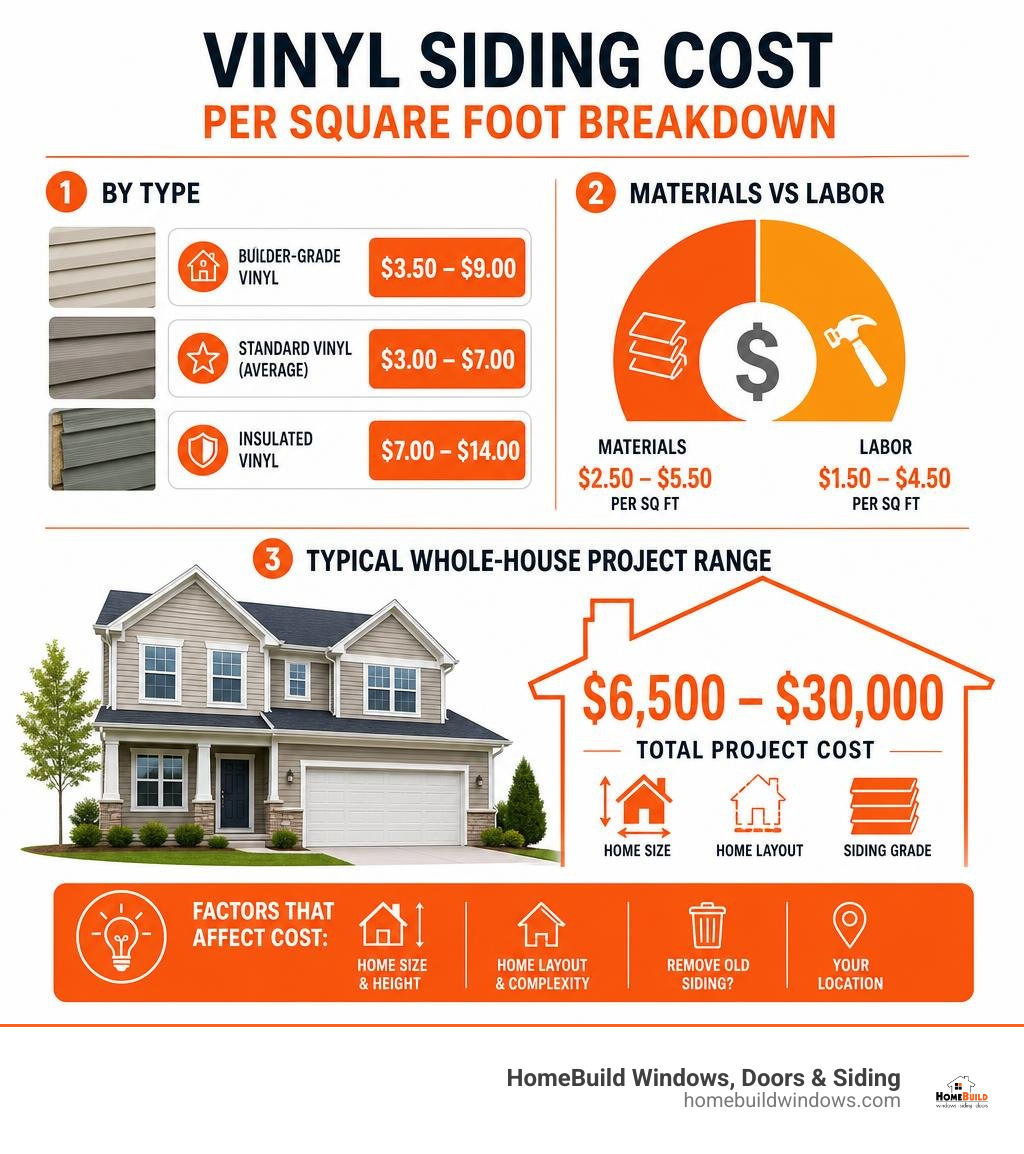
When planning a home exterior transformation, choosing the right vinyl siding style and quality tier is essential for long-term weather protection, thermal insulation, and elevated curb appeal:
| Vinyl Siding Type | Primary Performance Characteristics |
|---|---|
| Builder-grade vinyl | Basic weather protection, lightweight profile, entry-level cladding |
| Standard vinyl | Enhanced durability, medium panel thickness, versatile color selection |
| Insulated vinyl | Rigid foam backing, maximum energy efficiency, superior impact resistance |
For a complete exterior replacement, total project requirements depend on your home’s overall size, architectural layout, and the grade of siding you select.
Selecting high-performance materials is key to protecting your property against Midwest winters and severe weather. Exterior wall surface area, story height, old siding removal, and structural trim details all play an important role in project planning.
I’m Steve Mlynek, CEO and founder of HomeBuild Windows, Doors & Siding. With over 20 years of experience managing exterior remodeling projects across Chicago and the northwest suburbs, I’ve guided countless homeowners through choosing durable siding systems that withstand tough weather while increasing property value. Our owner-supervised installation process ensures every project meets strict quality and craftsmanship standards.
Discover more about siding solutions and installation quality:
Understanding Vinyl Siding Quality Tiers and Material Specifications
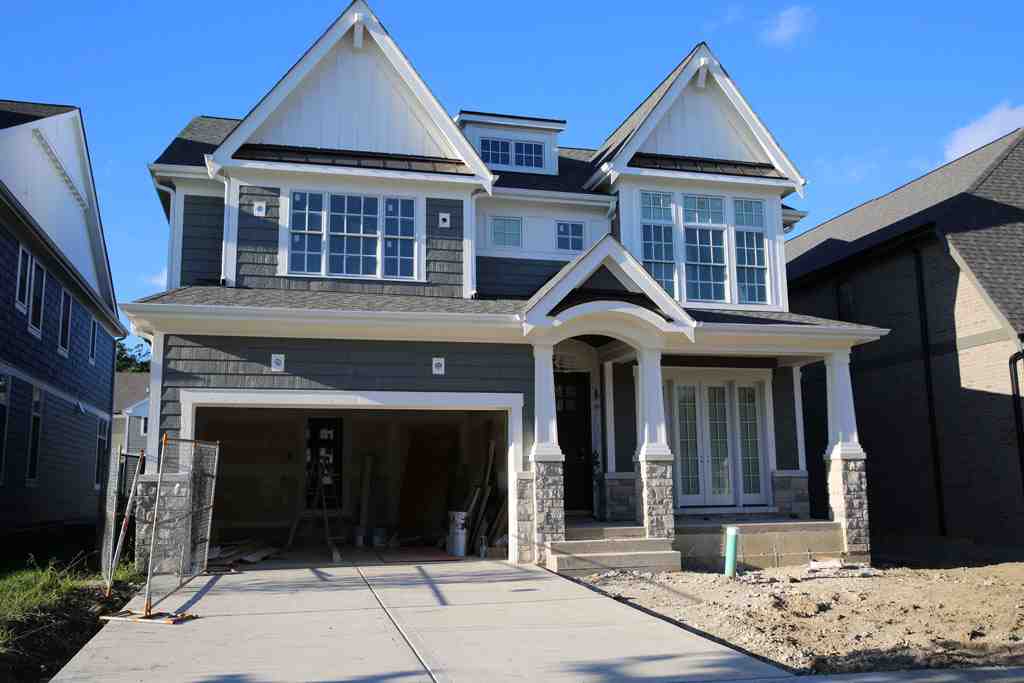
When evaluating vinyl siding options, it helps to realize that vinyl siding is not a single, uniform product. Material grade, panel thickness, profile design, and manufacturing technology play significant roles in determining long-term durability, visual depth, and structural performance.
Standard vinyl siding panels typically range in thickness from 0.040 inches to 0.046 inches. Entry-grade or builder-grade options sit at the lower end of this gauge spectrum. While lighter panels cover wall area effectively, thinner vinyl can be more flexible, making proper installation essential to prevent rattling during high winds or severe Midwest storm conditions.
Higher quality vinyl panels feature thicker profiles (0.044 to 0.048 inches) along with engineered enhancements such as reinforced nailing hems, deeper shadow lines, and advanced UV inhibitors. These features prevent panel sagging, extend color longevity, and enhance impact resistance against hail or blowing debris. Reviewing a complete siding installation guide clarifies how panel thickness translates directly to structural stability and curb appeal.
Insulated vs Premium Vinyl Siding Options
One of the most important decisions you will face is whether to install conventional vinyl panels or upgrade to insulated vinyl siding. Insulated vinyl features rigid foam backing (usually expanded polystyrene or EPS) fused directly behind the exterior panel.
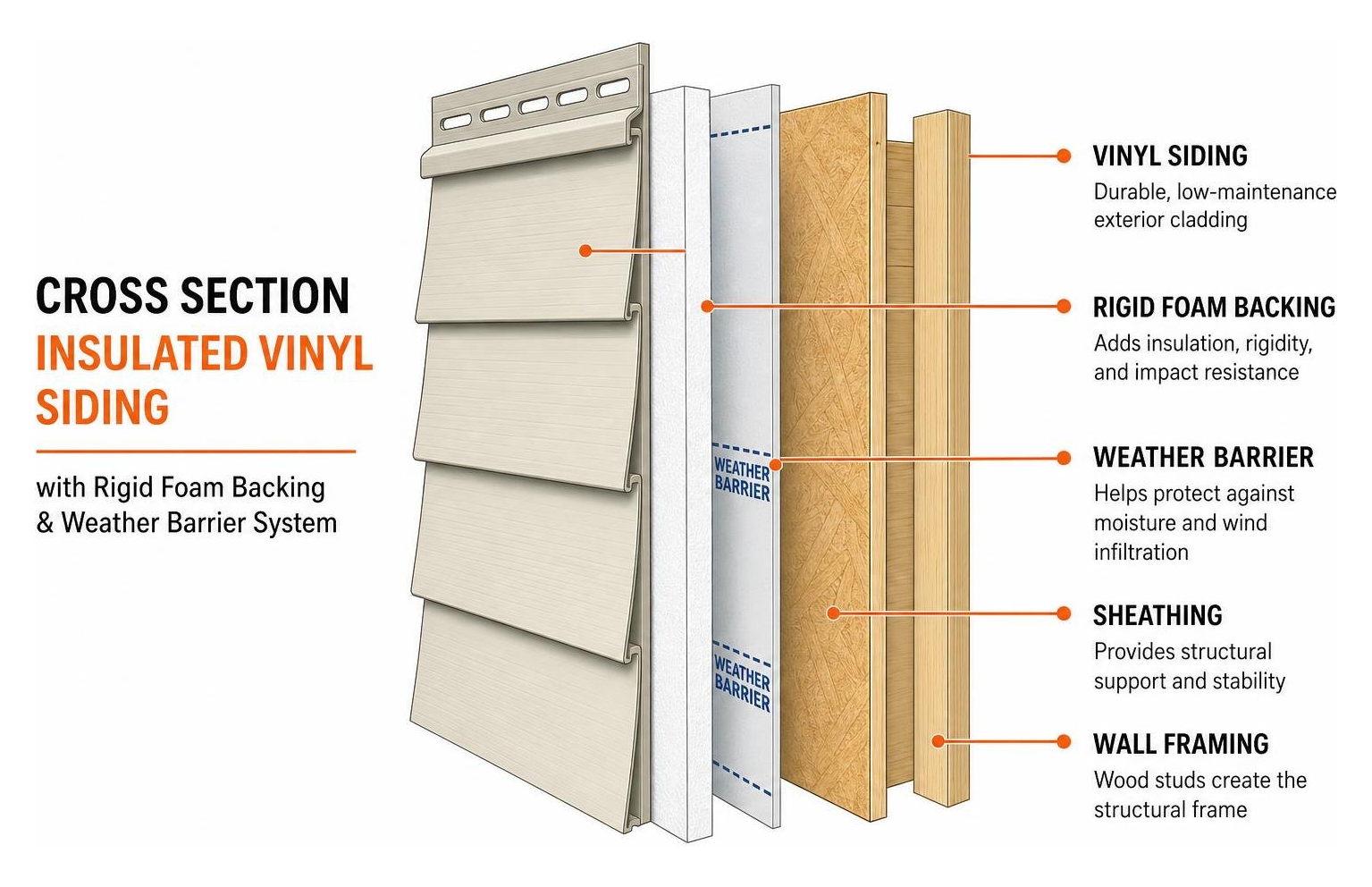
Here is how insulated vinyl compares to standard premium vinyl across key performance categories:
- Thermal Resistance: Standard vinyl siding sits against wall sheathing, creating small air gaps. Insulated vinyl provides continuous insulation over exterior wall framing, breaking thermal bridges and significantly increasing overall thermal resistance (R-value).
- Energy Efficiency: By wrapping exterior walls in an extra protective thermal blanket, insulated vinyl helps maintain interior home comfort during bitterly cold Chicagoland winters and humid summers, easing the burden on your heating and cooling systems. Explore how energy efficient vinyl siding enhances year-round insulation performance.
- Structural Rigidity: Rigid foam backing fills the hollow space behind classic vinyl cladding. This solid core gives panels a firmer feel, superior impact resistance against heavy weather, and crisp, straight sightlines across expansive wall surfaces.
Siding Squares and Calculating Net Wall Area
In exterior remodeling, siding materials and installation estimates are measured in standard industry units known as “squares.”
- 1 Siding Square = 100 square feet of wall coverage area.
Calculating the true square footage of siding required for a home involves measuring actual exterior wall surfaces rather than interior floor space. Interior floor area (such as a 2,000-square-foot home footprint) does not equal exterior wall area. A two-story home with a modest floor plan often has significantly more vertical wall area than a spreading single-story ranch.
To estimate wall area accurately:
- Gross Surface Area: Multiply the length by the height of each exterior wall section.
- Gable Ends: Calculate triangular gable sections by multiplying the height by half the base length.
- Openings Deduction: Subtract major window and exterior door openings (typically deducting 15 square feet per standard window and 40 square feet per patio door).
- Waste Factor: Always add a 10% waste allowance for standard straight lap siding (or 15% for complex layouts, dormers, or shake styles) to compensate for custom cutting, angle fitting, and overlap joining.
Key Factors Influencing Siding Installation Quality and Longevity

Understanding overall project scope requires looking beyond base panel materials. Exterior architecture, home height, site access, and existing structural conditions directly shape project timeline and installation requirements.
When evaluating overall project planning, keeping an eye on unexpected vinyl siding expenses helps homeowners anticipate site preparation needs, repair work, and specialized structural trim details before work begins.
Story Height, Layout Complexity, and Regional Labor
Working on a multi-story house presents different logistical demands than working on a single-story ranch home. Installing siding on second or third stories requires continuous scaffolding setups, safety harnesses, wall staging, and careful ladder positioning.
Key structural and environmental elements that influence project execution include:
- Architectural Details: Complex rooflines, multiple dormers, bay windows, and steep gables require custom panel cutting and intricate trim fitting.
- Regional Labor Demands: Regional climate requirements and professional installation standards reflect local building codes, contractor trade standards, and licensing expectations. In Chicagoland, skilled crews must handle extreme freeze-thaw expansion cycles properly.
- Seasonal Scheduling: Scheduling exterior updates during peak late-spring or summer seasons can mean tighter contractor timelines, whereas autumn or early spring scheduling often allows for smoother project coordination.
Old Siding Removal and Wall Preparation
A crucial step in a whole-house exterior update is deciding whether to perform a complete tear-off of existing siding or install new materials directly over existing cladding.
In most residential remodeling situations, a complete tear-off is recommended. Removing aging clapboard, aluminum, or deteriorating vinyl allows contractors to perform a thorough structural inspection of underlying wood sheathing. Moisture penetration, hidden rot, pest intrusion, or missing flashing can be corrected before applying new housewrap weather barriers and fresh vinyl cladding. Proper disposal management ensures all old materials are safely hauled away and recycled when possible.
Vinyl Siding vs Alternative Exterior Materials
Selecting the right exterior cladding for your home involves evaluating performance properties against long-term maintenance requirements, material longevity, and architectural styling.
| Material Type | Primary Advantages | Expected Lifespan | Maintenance Needs | Performance Rating |
|---|---|---|---|---|
| Vinyl Siding | Durable, moisture-resistant, lightweight, wide color selection | 20 – 60 Years | Very Low (occasional wash) | High |
| Fiber Cement | Fire-resistant, rot-resistant, authentic deep wood grain texture | 30 – 50 Years | Low to Medium (repainting 12-15 yrs) | High |
| Engineered Wood | Natural wood look, impact-resistant, lightweight panels | 25 – 50 Years | Medium (periodic painting/sealing) | Medium to High |
| Natural Cedar | Premium natural beauty, distinct aroma, classic character | 20 – 40 Years | High (frequent staining/sealing) | Premium |
For detailed cross-material comparisons and specifications, consult the comprehensive Siding Comparison Guide.
Vinyl Siding vs Fiber Cement, Engineered Wood, and Natural Cedar
When weighing vinyl siding against alternative exterior materials, each option presents distinct mechanical properties and maintenance profiles:
- Fiber Cement (James Hardie): Composed of sand, cement, and cellulose fibers, fiber cement delivers exceptional durability, fire resistance, and deep texture lines. However, panels are heavy, requiring specialized tools and experienced installation crews. Learn more about performance characteristics in our guide to fiber cement siding panel options.
- Engineered Wood (LP SmartSide): Combines wood fibers with exterior-grade resins and zinc borate treatments. It offers the warmth of real wood with improved resistance to fungal decay and insect damage, though periodic repainting remains necessary over its lifespan.
- Natural Cedar Siding: Offers timeless organic beauty and natural decay resistance. However, cedar requires ongoing surface care, including regular staining, painting, and caulking every few years to prevent moisture absorption and curling. Review installation steps in our overview of cedar clapboard siding installation.
For additional context on material selections and color choices, review the White Vinyl Siding Guide and general industry analysis at Siding Industry Overview.
Essential Accessories: Trim, Soffit, Fascia, and Window Wrapping
A complete exterior siding installation encompasses far more than just flat wall panels. Accent trim components and water-management accessories safeguard vulnerable wall penetrations and deliver a polished, custom aesthetic.
Key accessory components included in a comprehensive exterior system include:
- Corner Posts: Outside and inside corner posts create clean vertical edges, capping panel ends while providing dedicated channels to divert rainwater.
- J-Channel Trim: Specially shaped receiving channels installed around windows, doors, and eaves to secure panel edges firmly in place.
- Soffit and Fascia: Perforated or solid soffit panels installed beneath roof overhangs ensure crucial attic ventilation, preventing moisture buildup and ice dam formation. Matching aluminum or vinyl fascia covers preserve exterior roofline framing.
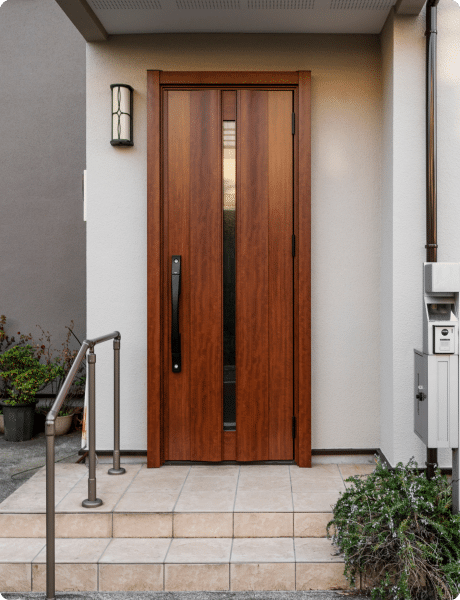
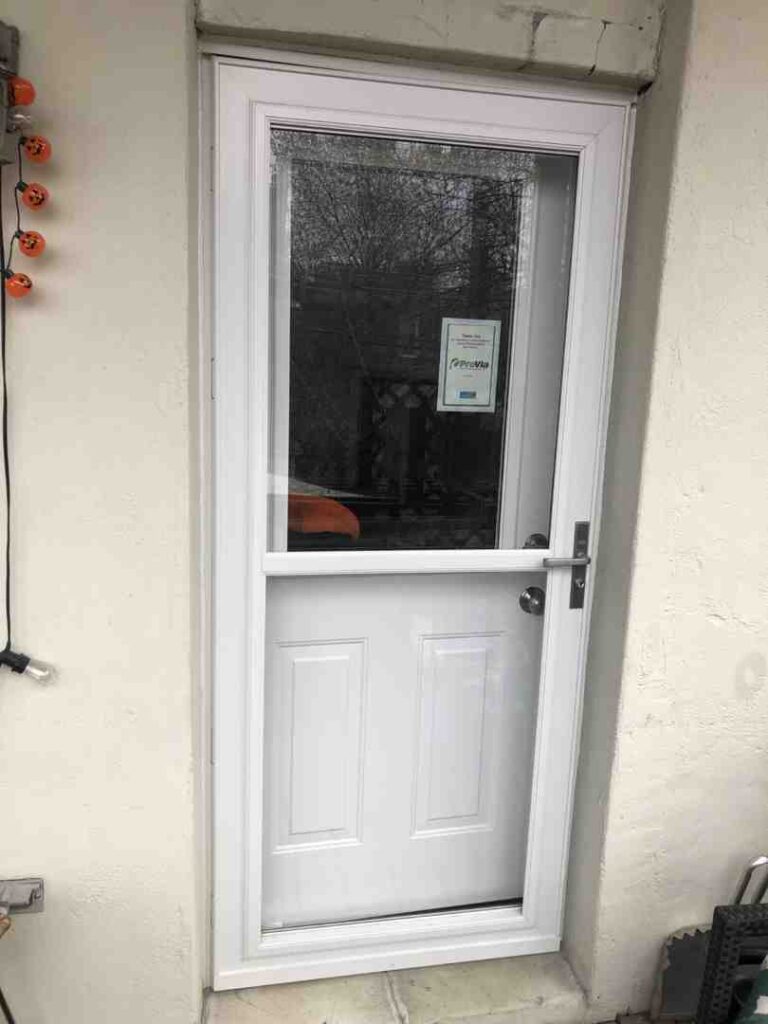
- Window and Door Capping: Custom-bent aluminum coil stock wrapped around wood window brickmoulds and entry door frames creates a low-maintenance, weather-tight protective barrier.
Professional Installation vs. DIY: Quality, Longevity, and Value
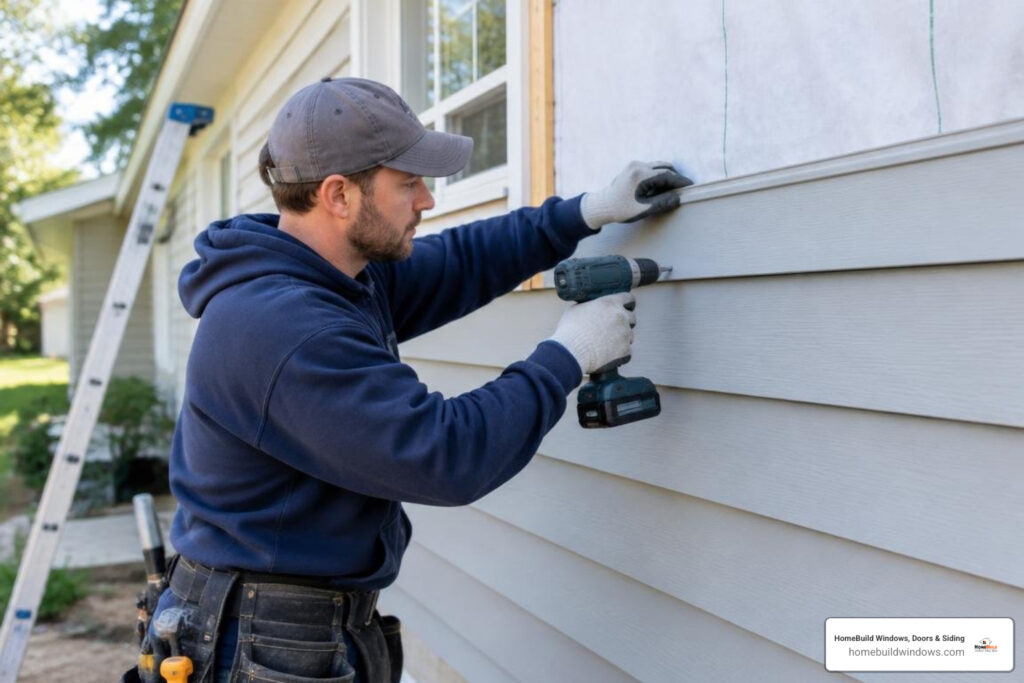
While some handy homeowners consider tackling vinyl siding as a self-directed DIY project, professional installation delivers critical advantages in weather resistance, thermal expansion management, and structural longevity.
Vinyl siding is unique because it must not be nailed tightly to exterior wall sheathing. Polyvinyl chloride (PVC) expands and contracts significantly as outdoor temperatures shift between freezing winter days and hot summer afternoons. Certified professional installers nail panels loosely through the center of factory-punched slots, leaving 1/16-inch clearance beneath fastener heads and proper end-gap clearances inside J-channels.
Improperly installed vinyl that is nailed too tightly will buckle, warp, and crack as temperatures fluctuate. Professional installation ensures complete warranty coverage, proper integration of housewrap barriers, and flawless flashing around window openings to protect your home’s structure for decades.
Frequently Asked Questions About Vinyl Siding
What is a siding square and how is net wall area calculated?
A siding square is a standard unit of measurement equal to 100 square feet of wall surface area. Net wall area is calculated by measuring gross exterior wall dimensions (including gables), subtracting window and door openings larger than 2 square feet, and adding a 10% to 15% waste allowance for cutting and fitting.
Is old siding tear-off necessary prior to installing new vinyl siding?
While installing vinyl over flat existing wood siding is mechanically possible, a full tear-off is recommended. Removing old materials allows installers to inspect underlying wall studs and sheathing for hidden rot, pest damage, or moisture intrusion, while creating a flat foundation for new housewrap moisture barriers and insulation panels.
How long does modern vinyl siding last and what maintenance is required?
High-quality modern vinyl siding can last between 30 and 60 years when installed correctly. Maintenance requirements are minimal: simple annual power washing or rinsing with mild detergent and water keeps panels free from dirt, pollen, and surface dust.
Conclusion
Upgrading your home’s exterior cladding is one of the most effective steps you can take to boost curb appeal, enhance energy efficiency, and protect your home against harsh Midwest weather. At HomeBuild Windows, Doors & Siding, our owner-supervised installation process ensures every panel, window, door, and roofing component meets exacting quality standards.
As a trusted, locally owned contractor with over 20 years of experience serving homeowners in Chicago and surrounding northwest suburbs, we are fully licensed and insured, holding premier industry credentials including:
- Elite Platinum Pella® Certified Contractor
- Andersen Certified Contractor
- Angi Super Service Award
- Nextdoor Neighborhood Faves
- 200+ positive Google reviews
Whether you are replacing worn exterior siding, resolving drafty window issues, installing modern entry doors, or addressing roof wear, our team works closely with you to deliver reliable, long-lasting exterior remodeling solutions. Contact HomeBuild Windows, Doors & Siding today to schedule a consultation or request a free estimate for premier Chicago siding installation.