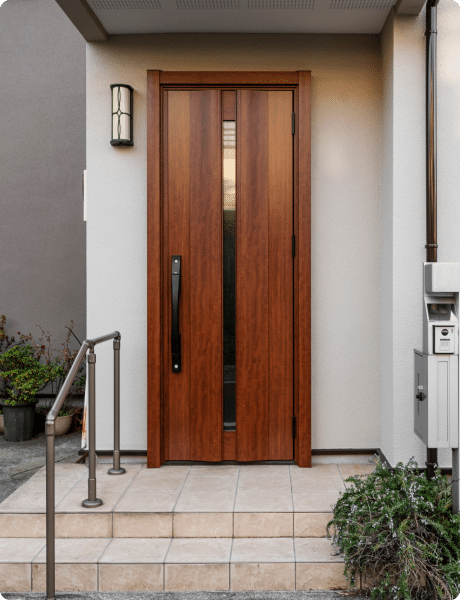

Your Front Door Is the Face of Your Home — Here’s How to Get It Right
Custom front door installation is one of the most impactful upgrades a Chicago-area homeowner can make. It improves curb appeal, boosts energy efficiency, and strengthens home security — all at once.
Here’s a quick overview of the custom front door installation process:
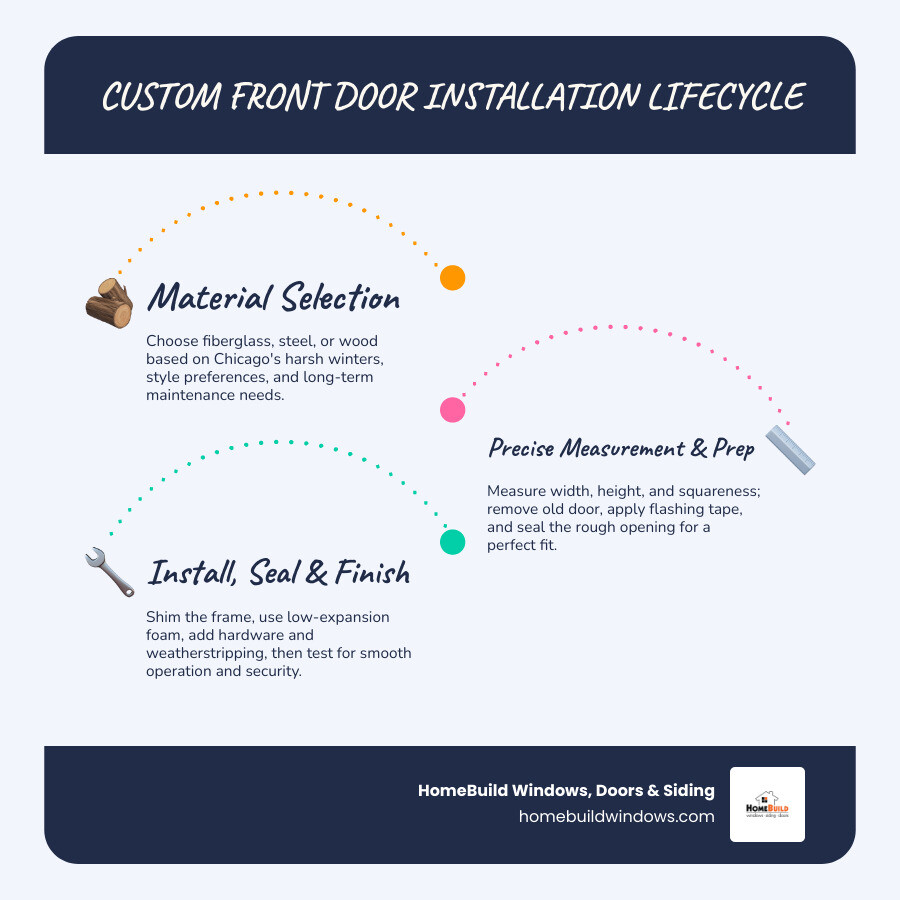
- Choose your material — fiberglass, steel, or wood based on your climate, style, and maintenance preferences
- Take precise measurements — measure width, height, and check for squareness in the rough opening
- Remove the old door and frame — inspect for rot, water damage, or structural issues
- Prepare the rough opening — apply flashing tape, sill sealant, and check for level and plumb
- Set and shim the new door unit — maintain a consistent 1/8″ gap and use low-expansion foam to seal
- Install hardware and weatherstripping — lockset, hinges, deadbolt, and compression seals
- Finish interior trim and test operation — confirm smooth movement, full weatherstrip contact, and proper locking
A well-installed entry door can last 30 years or more — but only if the installation is done right. As the saying goes, a door’s performance is only as good as the installation behind it.
I’m Steve Mlynek, CEO and founder of HomeBuild Windows, Doors & Siding, and I’ve spent over 20 years overseeing custom front door installation projects across Chicago and the surrounding northwest suburbs. In this guide, I’ll walk you through everything you need to know — from choosing the right material for Midwest winters to the final finishing touches that make a door last decades.
Similar topics to custom front door installation:
Benefits of Professional Custom Front Door Installation
When we talk about custom front door installation, we aren’t just talking about a functional slab of wood or metal. We’re talking about the “portal to the soul” of your home. A professional installation ensures that your door doesn’t just look good on day one, but continues to perform under the pressure of Lake Michigan winds and humid Illinois summers.
One of the most immediate advantages is the massive boost to curb appeal. A custom door acts as the centerpiece of your home’s exterior, setting the tone for the entire property. In fact, a professionally installed front door can increase a home’s resale value by up to 5.5%, making it one of the smartest investments you can make. Beyond aesthetics, you’re gaining a precision fit that off-the-shelf doors simply can’t match.
For those curious about the technical side of the journey, you can explore this guide for homeowners or dive into our entry door design ideas to spark some inspiration for your own project.
Enhancing Home Security
Your front door is your first line of defense. Professional custom front door installation allows for the integration of high-end security features that standard doors often lack. We frequently install multipoint locking systems, which secure the door at several contact points simultaneously rather than just at the deadbolt.
When combined with reinforced frames and smart home features—like integrated sensors that monitor the door’s status—you get peace of mind that is built directly into the structure of your entryway. Choosing door installation professionals ensures these complex systems are calibrated perfectly so they never stick or fail when you need them most.
Improving Energy Efficiency
In the Chicago area, energy efficiency isn’t a luxury—it’s a necessity. Our winters are brutal, and our summers are sweltering. A custom door is engineered to handle these temperature swings. Unlike older doors that may warp and create gaps, a modern new entry door installation utilizes advanced materials like thermally broken frames and magnetic or compression seals. These features work like a refrigerator door, creating an airtight seal that keeps your expensive climate-controlled air inside where it belongs.
Selecting Materials for Chicago Climates
Choosing the right material is the foundation of a successful custom front door installation. In the Midwest, we have to be picky. We work with industry-leading brands like Pella, Andersen and ProVia to provide materials that won’t just look beautiful but will stand the test of time.
| Feature | Fiberglass | Steel | Natural Wood |
|---|---|---|---|
| Durability | High (Dents/Scratch Resistant) | High (Maximum Security) | Moderate (Requires Protection) |
| Maintenance | Very Low | Low (Check for Scratches) | High (Refinishing Required) |
| Insulation | Excellent | Very Good | Good |
| Lifespan | 30-50 Years | 20-30 Years | 20-30+ Years (If Maintained) |
Custom front door installation with Fiberglass
Fiberglass is often our top recommendation for homeowners in suburbs like Arlington Heights or Palatine. Why? Because it offers the best of all worlds. It is naturally resistant to warping, rot, and insects. High-quality fiberglass doors can be molded with realistic wood-grain textures that are almost indistinguishable from real mahogany or oak, but without the high-maintenance upkeep. For a deeper dive into why this material excels, check out our custom entry door installation guide.
Steel and Wood Options
For those prioritizing maximum security, steel is the gold standard. Steel doors are incredibly strong, fire-rated, and often feature a foam-filled core for excellent soundproofing. They are perfect for homeowners who want a sleek, modern look with total privacy.
On the other hand, if you are looking for “old world” charm or architectural authenticity for a historic home in Barrington or Glenview, nothing beats natural wood. Brands like Simpson offer precision-engineered wood doors that use anti-warping lumber technology. While they require more maintenance, their character is unparalleled. As a trusted door supplier in chicago, we help you weigh these benefits against your lifestyle needs.
Step-by-Step Custom Front Door Installation Process
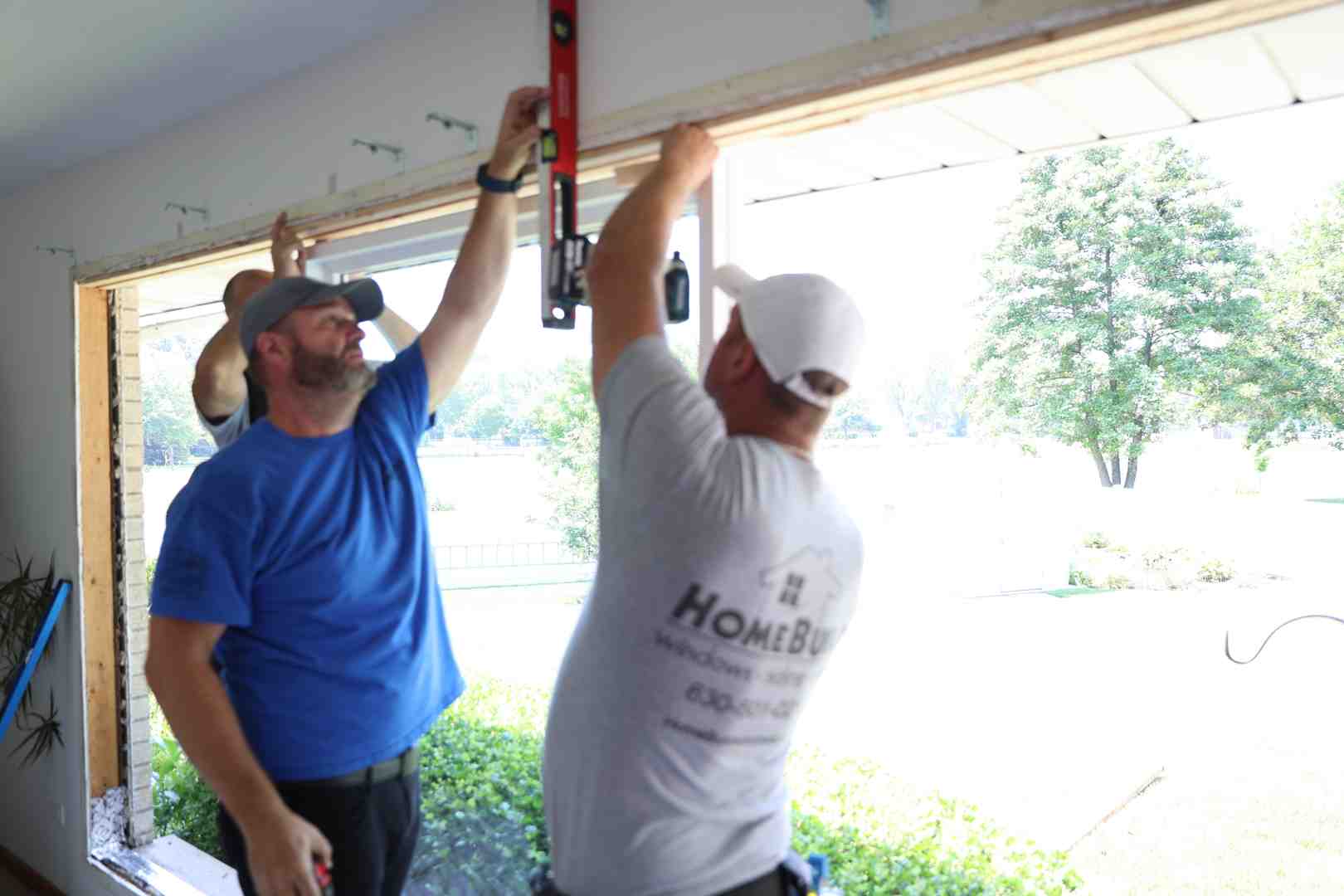
The physical process of custom front door installation is a blend of heavy lifting and surgical precision. Whether we are performing a full-frame replacement or hanging a new slab, the goal is a “square, level, and plumb” result.
Even for the most skilled DIYer, this is an advanced project. You can see the complexity in this This Old House guide or reference our exterior door installation diagram guide to see how many moving parts are involved.
Preparing the Opening and Frame
The first step is a clean break. We remove the old door, the frame, and the interior trim. This is the most critical time for inspection. We look for hidden rot in the subfloor or structural studs—issues that must be fixed before the new door goes in.
Once the “rough opening” is clear, we apply flashing tape and a high-quality sill sealer. This prevents water from seeping under the door during heavy Chicago rainstorms. For those interested in the specifics of pre-hung units, our guide on installing a prehung exterior door covers the preparation phase in detail.
Finalizing Your Custom Front Door Installation
Once the door is set and shimmed, we move to the finishing touches. This involves using low-expansion polyurethane foam to fill the gaps between the frame and the house. Standard foam can expand too much and actually bow the door frame, causing it to stick—so we use specialized products designed for doors and windows.
Finally, we install the hardware—or as we like to call it, “jewelry for your door.” We coordinate your handle sets, deadbolts, and hinges to match your home’s aesthetic. For a look at the latest trends and technical standards, see our front door installation guide 2025.
Maintenance and Longevity of Your New Entryway
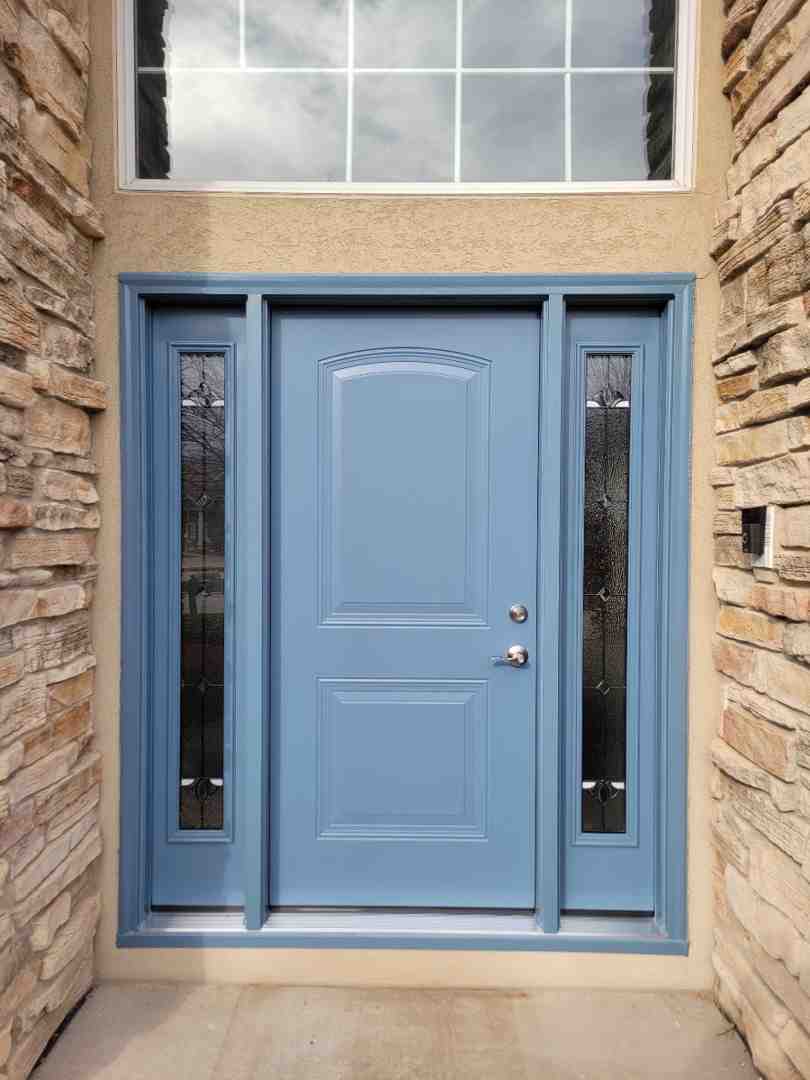
A custom front door installation is a long-term investment. With proper care, a fiberglass or steel door can easily exceed a 25 to 30-year lifespan. For wood doors, the secret is in the sealant. We recommend a new topcoat every 2 to 5 years depending on how much direct sunlight the door receives.
Annual inspections are key. We suggest checking your weatherstripping every fall. If you feel a draft or see light peeking through the edges, it’s time for a quick replacement to maintain that energy-efficient seal. Lubricating the hinges and locksets once a year with a silicone-based spray will also keep the operation smooth and silent. For more tips, read our door replacement service complete guide.
When to Replace Your Existing Door
How do you know if you actually need a new door, or just a repair? Look for these “red flags”:
- Drafts: If you can feel the wind inside, your seals have failed.
- Sticking: Difficulty opening or closing often means the frame has warped or the house has settled.
- Visible Rot: Soft wood in the frame or at the bottom of the door is a major structural concern.
- Condensation: Moisture between glass panes indicates a broken seal in the decorative glass.
- Outdated Style: Sometimes, you just need a change to bring your home into the modern era.
If you are dealing with any of these, it might be time to replace your front door and sidelights to restore your home’s protection.
Frequently Asked Questions about Custom Doors
Should I choose DIY or professional installation?
While a simple interior door might be a weekend DIY project, custom front door installation is a different beast. Professional installation ensures your warranty remains valid—many manufacturers will void a warranty if the door isn’t installed by a certified pro. Plus, pros have the tools to handle structural changes, like widening an opening for sidelights. Check our door replacement near me complete guide for more on why professional help pays off.
How do I accurately measure for a custom fit?
Measurement is where most DIY projects go wrong. You need to measure the width and height in three different places (top, middle, bottom) and check the diagonals to ensure the opening is square. If the diagonals don’t match, the opening is “racked,” and your door won’t close properly without expert shimming. Learn the basics in our exterior door installation 101 guide.
What customization options are available?
The sky is the limit! You can choose from frosted, fluted, or stained glass to balance light and privacy. You can add sidelights (the windows on the side) or a transom (the window above the door) to flood your foyer with natural light. Even the hardware comes in dozens of finishes, from oil-rubbed bronze to modern matte black. Explore more entry door design ideas to see what’s possible.
Conclusion
At HomeBuild Windows, Doors & Siding, we believe that a custom front door installation should be a seamless, stress-free experience. As an Elite Platinum Pella® Certified Contractor and an Andersen Premier Certified Contractor, we bring a level of expertise that has earned us over 200 positive Google reviews and the trust of homeowners throughout the Chicago area.
Every project we take on is owner-supervised, ensuring that our 20+ years of experience are reflected in every shim we place and every bead of sealant we apply. Whether you are in Schaumburg, Barrington, or the heart of Chicago, we are here to help you create a welcoming, secure, and efficient entrance to your home.
Ready to transform your entryway? Schedule a consultation for your custom front door installation with HomeBuild today and let’s give your home the face it deserves.