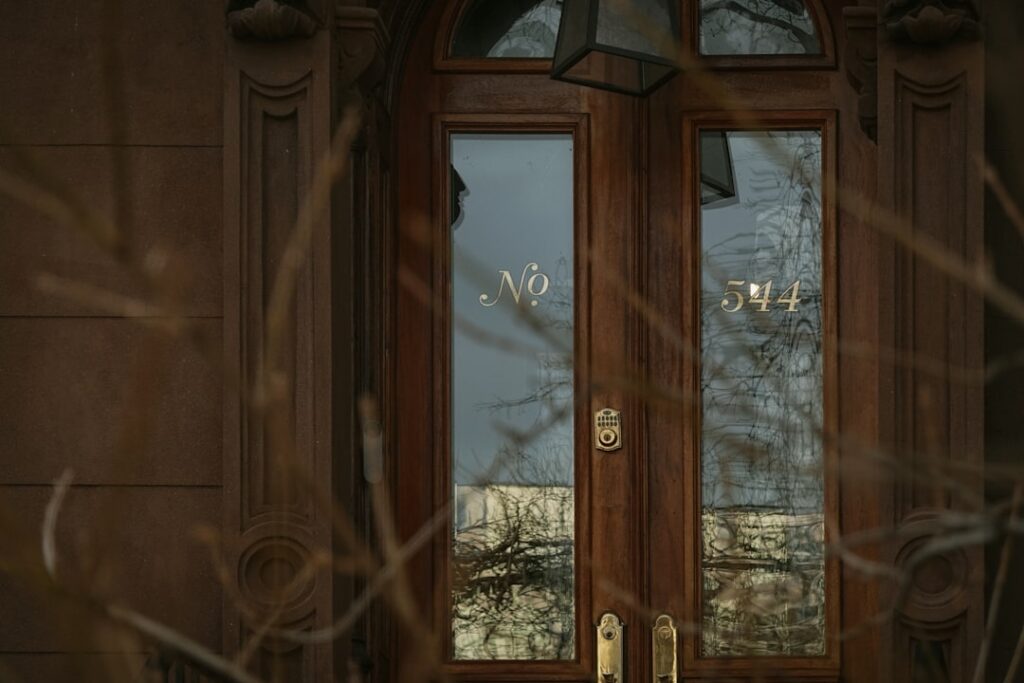
Key Elements of a Craftsman Front Door with Sidelites
The Craftsman style originated as part of the Arts and Crafts movement in response to the overly ornate, mass-produced designs of the Victorian era. The movement focused on simple geometry, visible structural details, and high-quality materials. When you look at a classic Craftsman door today, those same principles stand out immediately.
A true Craftsman entryway combines several signature features that set it apart from standard exterior doors:
- Clean Horizontal and Vertical Lines: Instead of complex scrollwork or dramatic curves, the design relies on square edges, flat panel profiles, and simple rectangular proportions.
- Upper Glass Lites: Glass is concentrated in the top portion (often the upper 1/4 or 1/3) of the door slab. This leaves the lower portion solid and secure while allowing daylight to stream into the foyer.
- True Divided Lites (TDL) or Authentic Grilles: Individual glass panes are framed by functional or decorative muntin bars (often in 3-lite or 6-lite layouts), creating grid patterns that echo early 20th-century architecture.
- Dentil Shelf: This decorative wooden or composite ledge sits directly beneath the upper glass section. While optional, a dentil shelf adds character and a historical nod to original Arts and Crafts entryways.
- Solid Lower Panels: Below the glass and shelf, Craftsman doors feature one, two, or three raised or flat Shaker-style panels that anchor the visual design.
When you add matching sidelites to this setup, the benefits multiply. Sidelites extend the horizontal footprint of your entrance, turning a standard 36-inch opening into a wide, architectural focal point. To explore broader layout options for your entrance, check out The Complete Guide to Front Doors Sidelights.
Adding narrow vertical windows on both sides establishes architectural symmetry, balancing the home’s facade while ensuring your front hallway receives balanced daylight throughout the day. Because the glass on a Craftsman door is positioned near the top of the frame, you maintain interior privacy at eye level while enjoying a brighter home.
Door Configurations, Materials, and Glass Styles

Choosing the right combination of materials, door configurations, and glass textures allows you to tailor your entry door to your home’s exterior aesthetic and local climate demands.
Material Options Comparison
| Material | Key Strengths | Maintenance Needs | Best For |
|---|---|---|---|
| Mahogany Hardwood | Dense, naturally stable, resists swelling and warping, rich wood grain. | Requires periodic staining and UV-sealing every 2 to 4 years. | Classic bungalow restoration and high-end natural finishes. |
| Knotty Alder | Rustic aesthetic, distinct natural knot patterns, takes warm stains beautifully. | Requires regular sealant applications; softer than mahogany. | Cottage-style, rustic, or craftsman-modern home designs. |
| Durable Fiberglass | Excellent thermal insulation, will not rot, dent, or split, high climate resistance. | Minimal; occasional wipe-down or paint touch-ups. | High-traffic Midwest entryways facing severe freeze-thaw cycles. |
| Insulated Steel | Maximum security, strong weather barrier, highly energy-efficient polyurethane core. | Low; paint protection required to prevent surface rust if scratched. | Security-conscious homeowners seeking durable weather protection. |
While solid wood species like rich mahogany offer authentic beauty, advanced fiberglass doors are an increasingly popular choice for Chicagoland homeowners. Modern fiberglass mimic natural wood grain while providing dense foam insulation that seals tightly against cold winter wind.
Sidelite Configurations for a Craftsman Front Door with Sidelites
Depending on your rough opening dimensions and natural lighting goals, several layout options are available:
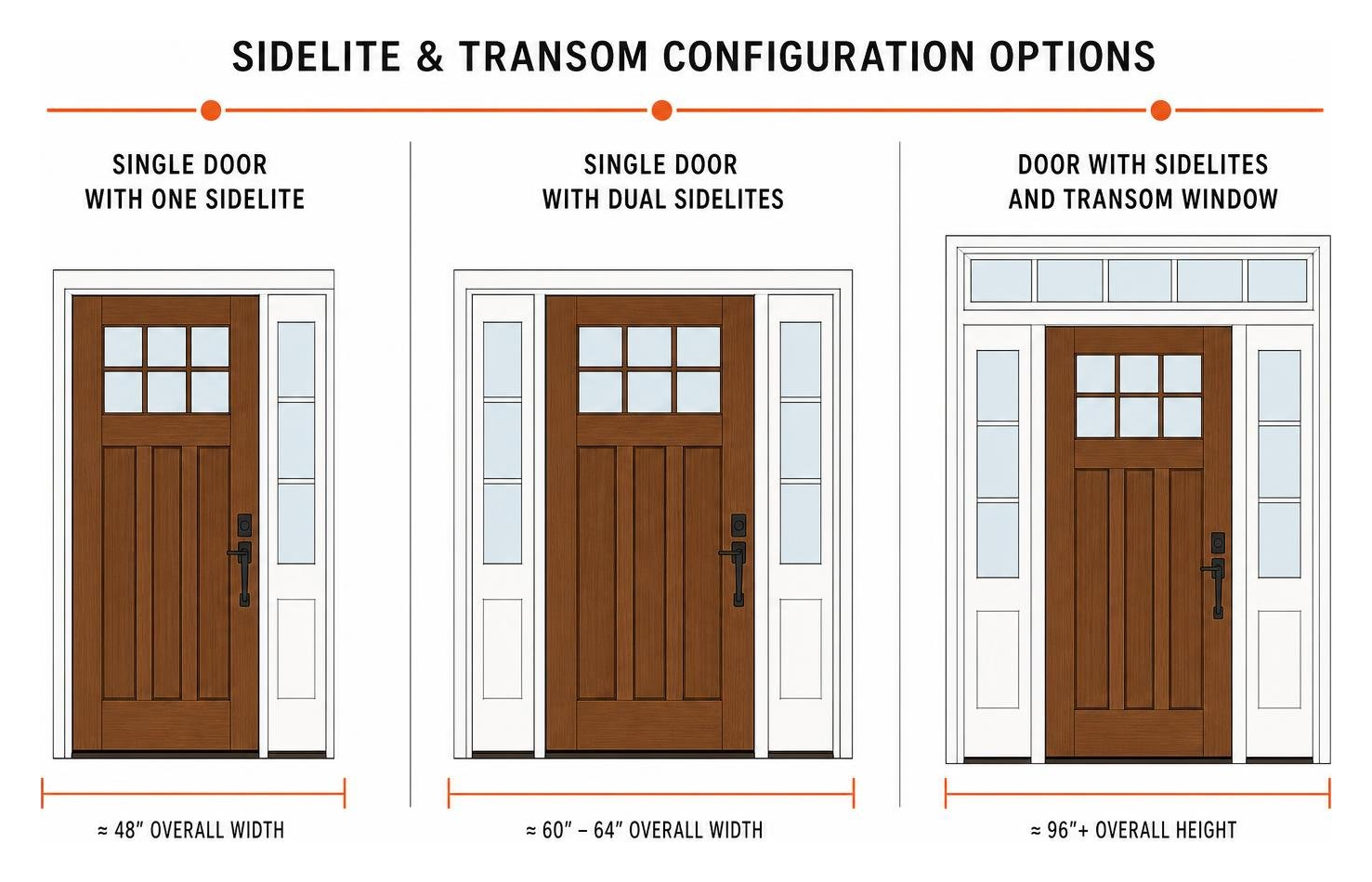
- Single Door with One Sidelite: Ideal for narrower entryways (around 48 inches wide overall) where space prohibits two glass panels but extra natural light is needed.
- Single Door with Dual Sidelites: The classic configuration for standard 60-inch to 64-inch openings, offering balance, symmetry, and double the daylight.
- Door with Sidelites and Transom Window: Designed for tall rough openings (96 inches or higher). A rectangular glass transom sits across the top of the door and sidelites, creating an expansive glass surround that floods long foyers with overhead light.
When choosing glass layouts for both the door and sidelites, you can opt for matching 3-lite or 6-lite patterns to keep the grilles visually aligned. Installing ENERGY STAR® certified unit assemblies with Low-E double or triple-pane insulated glass ensures that your extra window area keeps indoor temperatures comfortable year-round. Learn more about performance options in our guide to Energy Efficient Entry Doors.
Sizing Proportions for a Craftsman Front Door with Sidelites
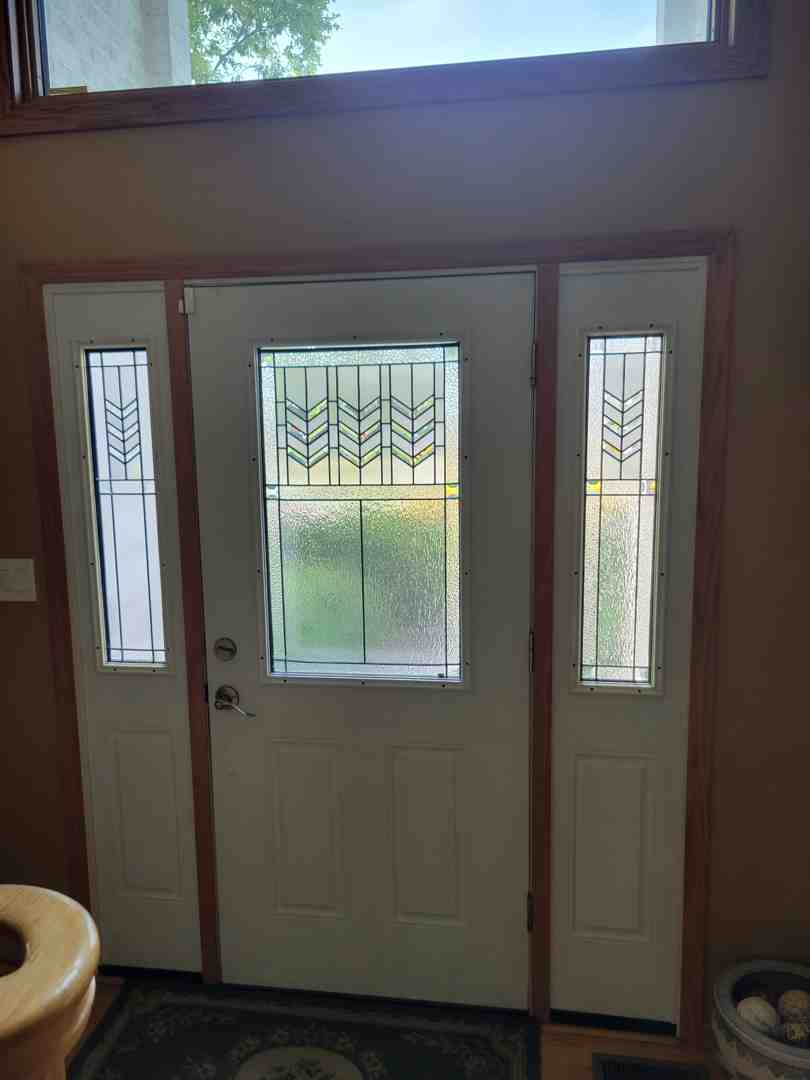
Getting the measurements right is essential for an airtight installation and clean visual proportions. Most residential entryways use standard door heights of 80 inches (6’8″) or 96 inches (8’0″) paired with standard 36-inch door slab widths.
When measuring a full prehung system with sidelites, common full-unit widths fall into these standard ranges:
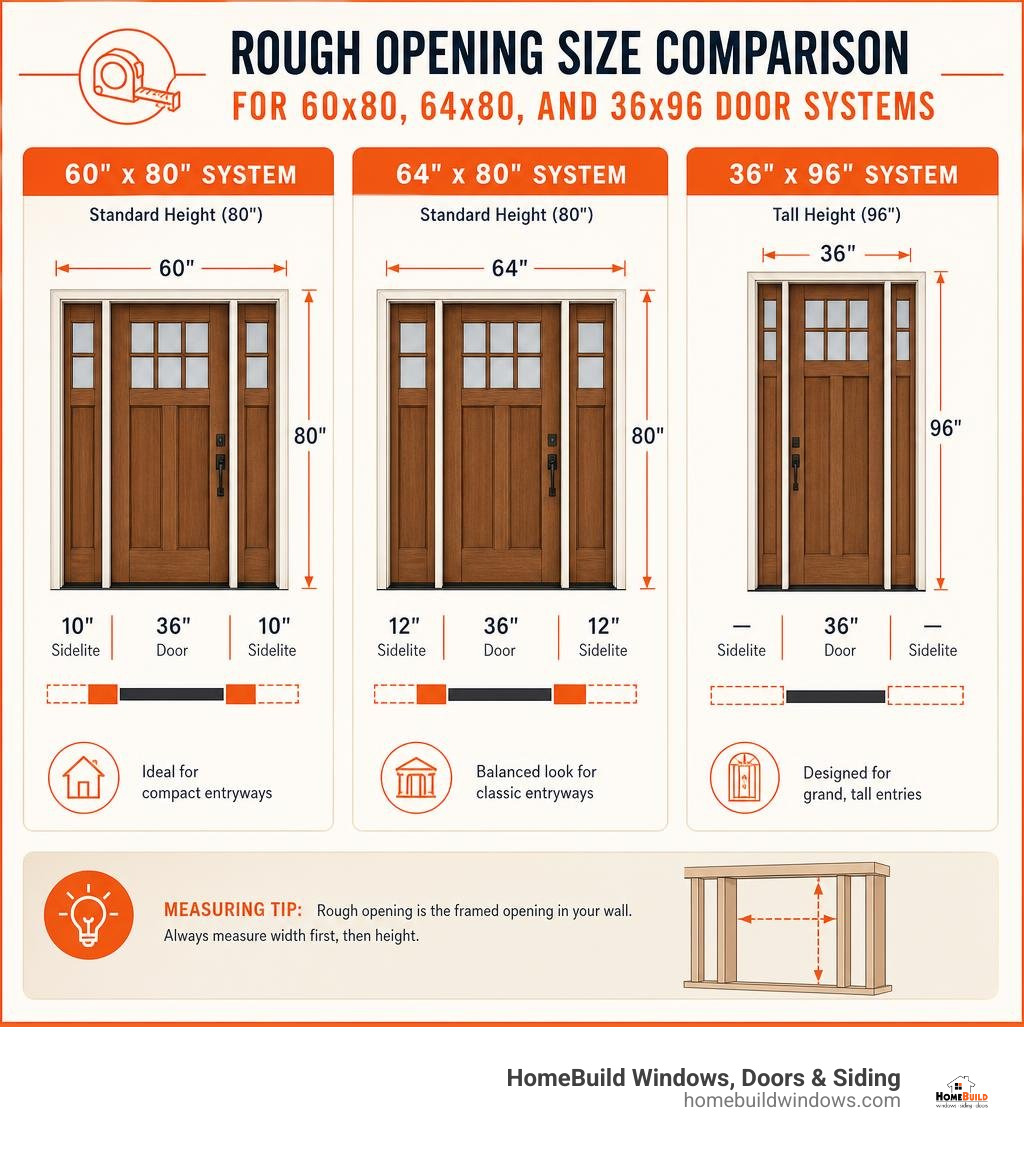
- 60″ x 80″ System: Fits a 36-inch main door paired with two narrow 10-inch sidelites. Ideal for compact entry frames.
- 64″ x 80″ System: Pairs a 36-inch main door with two standard 12-inch sidelites. This setup offers standard proportions for bungalow and suburban entryways.
- 72″ x 80″ or 74″ x 80″ System: Features a wider main door or wider 14-inch to 16-inch sidelites for larger front entrances.
- Tall Configurations (36″ x 96″): Designed for grand entryways with 9-foot or 10-foot ceilings.
To prevent drafty frames, prehung systems are installed directly into the wall framing. Rough opening dimensions typically need to be roughly 3/4 inch to 1 inch wider and taller than the actual prehung door frame size to allow for shimming, squaring, and low-expansion insulating foam sealants.
For custom privacy needs, sidelite glass can be specified in frosted, chorded, reed, hammered, or opal textures. These obscure light-diffusing glass types let in natural light while keeping interior spaces private from the front porch.
Architectural Design and Exterior Styling Tips

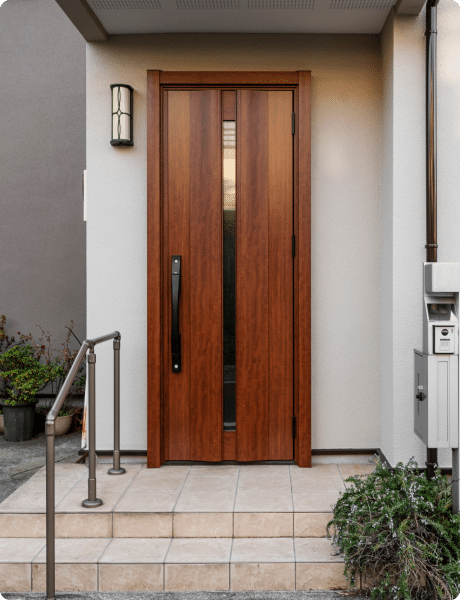
A craftsman front door with sidelites serves as a natural bridge between your interior living space and your home’s exterior curb appeal. Whether you own a historical Chicago bungalow, a prairie-style home, or a modern suburban property in the northwest suburbs, small styling details make a big impact.
Here are practical design techniques to help you coordinate your new entryway with your home’s architecture:
- Embrace Warm Earth Tones for Stained Wood: If you choose mahogany or knotty alder, use warm walnut, chestnut, or honey finishes. These rich wood tones accent natural stone, brickwork, and cedar siding.
- Use High-Contrast Paint Colors: Painting your door black, deep navy, forest green, or charcoal gray creates a strong focal point. High-contrast colors work well on white, gray, or neutral homes. Pairing a dark frame with light-colored trim makes decorative glass grilles pop.
- Match Window Grid Layouts: Align the divided lite patterns in your sidelites and door glass with the grid patterns on your surrounding windows. If your front windows feature 3-over-1 grilles, choosing a 3-lite door layout keeps your home’s architecture cohesive.
- Incorporate Authentic Hardware: Finish your entryway with oil-rubbed bronze, matte black, or antique brass hardware. Rectangular handlesets, heavy-duty deadbolts, and strap hinges enhance the Craftsman aesthetic.
- Protect Against Midwest Weather: In the Chicago area, entry doors face freeze-thaw cycles, driving rain, and winter winds. High-grade weather stripping, adjustable rot-resistant thresholds, and UV-resistant topcoats protect wood surfaces and prevent drafts.
For additional inspiration on matching exterior entryways with classic or contemporary homes, review our design guides on Entry Door Design Ideas and exploring options for High Quality Exterior Doors.
Frequently Asked Questions About Craftsman Entryways
Can a Craftsman entryway work on traditional or colonial home styles?
Yes, absolutely. While Craftsman doors were originally created for Arts and Crafts bungalows, their balanced lines work well with standard colonial, cape cod, and mid-century traditional homes.
When installing a Craftsman entry door on a traditional exterior, painting the unit a uniform color (such as crisp white, slate gray, black, or navy) helps blend the door with existing trim. Symmetrical sidelites create a classic layout that naturally complements traditional home facades.
How do sidelites balance natural light with foyer privacy?
Because glass in a Craftsman door is usually confined to the upper quarter or third of the slab, daylight enters above eye level. This brightens your foyer while blocking direct views into your home from the street.
For sidelites, you can balance light and privacy by choosing obscure glass textures. Options like rain, frosted, hammered, or bevel-cut privacy glass scatter light into the home while obscuring interior views from the porch.
What finish options best protect a Craftsman door in harsh winter climates?
In upper Midwest environments with freezing winters and hot summers, protection against moisture and temperature swings is critical:
- Factory Pre-Finished Fiberglass: Factory-applied finishes are cured under controlled conditions, producing a durable, weather-resistant layer that won’t crack, peel, or warp under extreme thermal stress.
- Marine-Grade Clear Topcoats for Wood: If you choose natural wood, use marine-grade spar varnishes containing clear UV blockers. These sealants shield natural wood stiles and rails from moisture damage, sun fading, and wood contraction.
- Composite Rot-Resistant Frames: Ensure your prehung door frame utilizes rot-resistant composite jamb bottoms and high-performance weatherstripping to block wind-driven rain and melting snow.
Conclusion: Transforming Your Entryway with Professional Installation
Upgrading your entryway with a craftsman front door with sidelites transforms your home’s exterior curb appeal while flooding dark front halls with natural daylight. However, even the highest quality wood or fiberglass entry system will underperform if it isn’t fitted and sealed correctly. Precise framing, plumb alignment, and airtight sealing are critical to preventing cold drafts, water leaks, and sticking door frames.
At HomeBuild Windows, Doors & Siding, we bring over 20 years of hands-on installation experience to homeowners across Chicago, Chicagoland, and the northwest suburbs — including communities like Schaumburg, Palatine, Arlington Heights, Glenview, and Des Plaines.
Here is why local homeowners choose HomeBuild for their exterior upgrades:
- Owner-Supervised Quality: Every project is directly supervised by our owner, ensuring close attention to detail, jobsite accountability, and high workmanship standards from measurement to final trim.
- Certified Installation Credentials: We are proud to be an Elite Platinum Pella® Certified Contractor and an Andersen Premier Certified Contractor.
- Proven Industry Excellence: Recognized with the Angi Super Service Award, named a Nextdoor Neighborhood Favorite, and backed by over 200 positive Google reviews from local homeowners.
- Full Licensing and Insurance: We are fully licensed, bonded, and insured, giving you total confidence and peace of mind through every phase of installation.
Whether you want to replace a drafty single door with an insulated fiberglass unit or craft a custom mahogany entrance with matching sidelites, our team is here to help you design and install the perfect fit.
For step-by-step guidance on replacement services, explore our Door Installation Chicago Complete Guide. Ready to transform your entrance? Contact us today to schedule your consultation and free estimate on our custom entry door solutions.