
What to Expect When Having Windows Installed in Chicago
Choosing the right windows for your Chicago-area home involves understanding materials, window types, and installation methods. Here’s a quick snapshot of what to consider for your home exterior upgrade:
| Feature | Key Considerations |
|---|---|
| Vinyl Windows | Low maintenance, excellent moisture resistance, and highly durable |
| Premium Fiberglass or Wood | Maximum structural strength, classic architectural appeal, and superior thermal performance |
| Installation Methods | Insert (retrofit) preserves existing trim; full-frame replaces the entire opening |
| Local Climate Demands | Chicago’s extreme seasonal temperature swings require high-performance glass packages |
Several factors influence the performance and longevity of your installation:
- Frame material — vinyl offers great durability; fiberglass and wood provide premium strength and aesthetics
- Glass package — double-pane Low-E with argon gas is standard; triple-pane offers maximum insulation
- Installation method — insert installation is ideal for preserving sound frames, while full-frame addresses underlying wear
- Project scope — replacing multiple windows or combining with siding and doors ensures cohesive curb appeal and efficiency
- Local expertise — Chicago’s weather demands professional, code-compliant installation
Selecting the right windows isn’t always straightforward—homeowners in the Chicago area need solutions tailored to our unique climate. I’m Steve Mlynek, CEO and founder of HomeBuild Windows, Doors & Siding. With over 20 years of hands-on experience managing window, door, siding, and roofing projects across Chicago and the surrounding suburbs, I’ve seen what makes an installation truly last. In this guide, I’ll walk you through every key factor so you can make an informed decision for your home.
Easy reference guide:
Key Factors That Influence Your Window Installation Project
When planning a home exterior upgrade, understanding what drives the total project scope is essential. Every home in the Chicagoland area has unique architectural needs, meaning there is no one-size-fits-all installation structure. The final project outcome is shaped by a combination of material choices, engineering standards, and physical labor requirements.
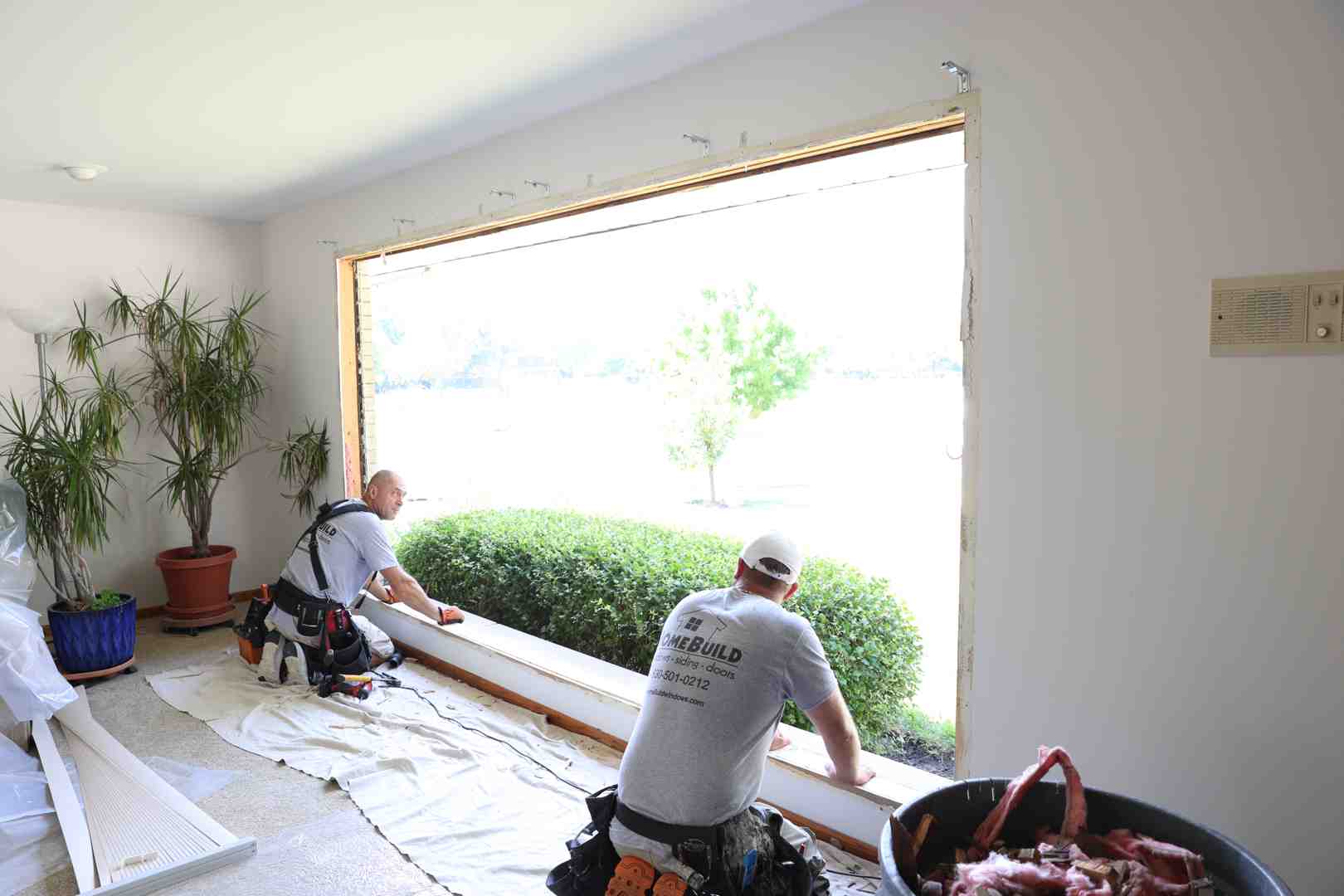
To get a clear picture of how these elements interact, we must look at the primary drivers of your window replacement project:
- Frame Engineering and Composition: The physical material that houses the glass panes plays a substantial role in the overall project scope.
- Glass Technology: Upgrading from basic dual-pane glass to advanced thermal barrier packages changes the performance and value of the unit.
- Structural Installation Style: Whether we can preserve your existing trim or must rebuild the entire opening impacts the physical hours needed on-site.
- Geographic and Regulatory Demands: Local building codes in the Chicago area, municipal permits, and structural wind-load requirements ensure your home remains safe during extreme Midwest weather.
To explore how these variables scale across different home designs, utilizing a resource like the Window Replacement Calculator | CostPrism can help you visualize the baseline metrics before consulting with our design team.
How Frame Materials Impact Window Performance and Durability
The frame material you select is one of the most significant factors in the durability, thermal performance, and overall value of your project. Each option has distinct physical properties that dictate how it handles the harsh freeze-and-thaw cycles of northern Illinois.
We work with industry-leading manufacturers like Pella, Marvin, and Alside to ensure that whatever material you select, the engineering is world-class.
- Vinyl Frames: Vinyl remains a highly popular choice for homeowners prioritizing moisture resistance and low maintenance. Modern vinyl windows from brands like Alside offer excellent multi-chambered insulation. They do not require painting or sealing, making them highly practical for busy households.
- Fiberglass Frames: If you are seeking maximum structural strength and minimal thermal movement, fiberglass is the premier solution. Sourced from leading brands like Pella and Marvin, fiberglass expands and contracts at virtually the exact same rate as glass. This prevents seal failures and preserves your home’s thermal barrier for decades.
- Wood Frames: For historic homes in areas like Barrington or Glenview, wood frames offer unmatched architectural beauty and classic curb appeal. While they require periodic exterior maintenance, modern wood windows feature advanced cladding options to protect the exterior while showcasing rich, natural wood grains on the interior.
Selecting the right frame material requires balancing long-term performance with your home’s architectural style. For a deeper dive into these material properties, refer to our Home Window Replacement Guide.
How Installation Methods Affect Your Window Installation
The physical method used to secure your new windows into your home’s wall structure directly affects both the labor timeline and the long-term structural integrity of the installation.
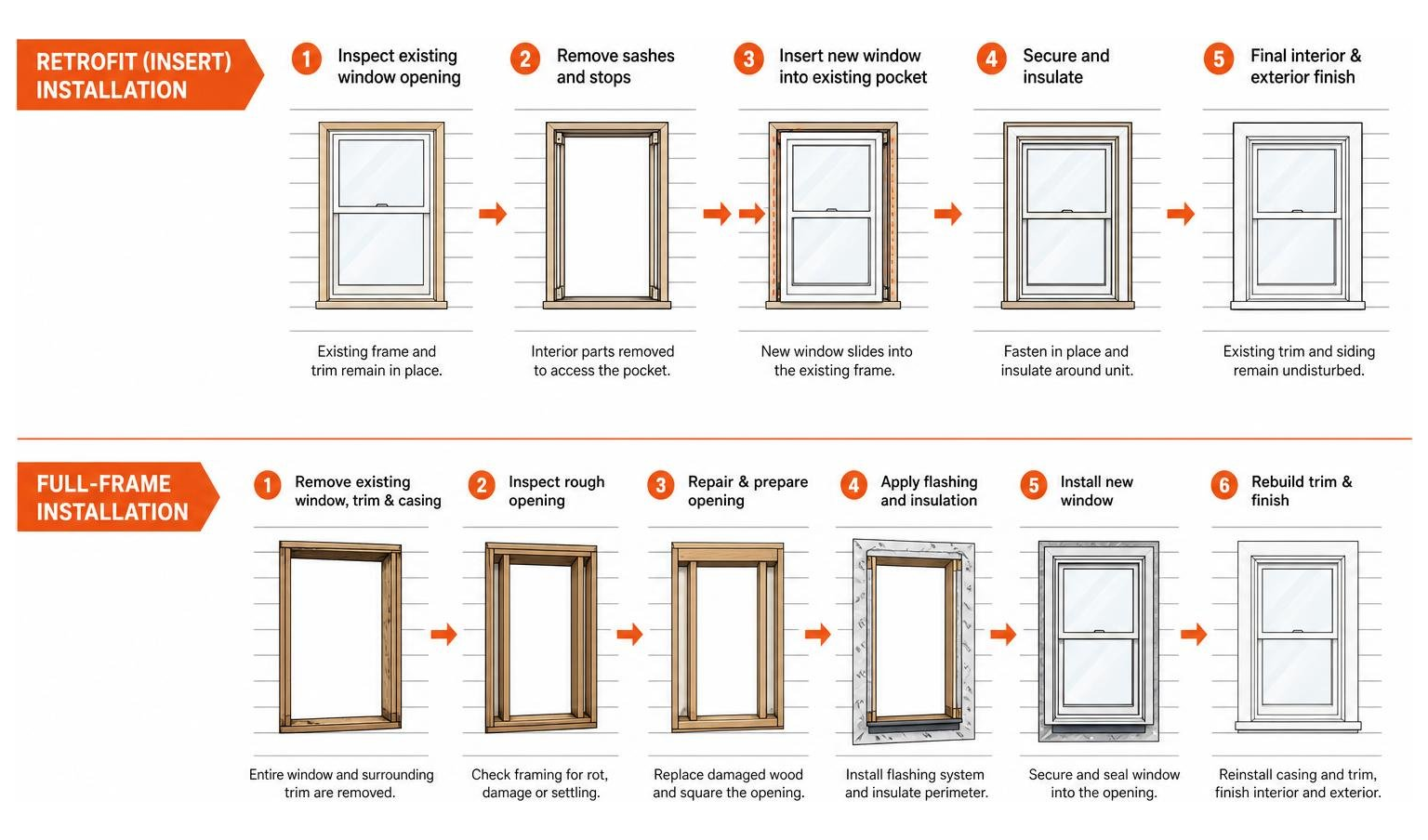
Retrofit (Insert) Installation
Also known as pocket or insert replacement, this method is utilized when your existing exterior trim, interior casing, and wood frames are structurally sound, square, and free of moisture damage. The new window unit is custom-manufactured to slide directly into the existing pocket. This method leaves your interior plaster, paint, and exterior siding completely undisturbed, resulting in a streamlined installation process.
Full-Frame Installation
This comprehensive method is required if your existing frames show signs of wood rot, water intrusion, or structural settling. During a full-frame installation, we remove the entire window, including the frame, casing, trim, and sill, down to the rough stud opening. This allows our team to inspect the underlying framing, replace any damaged wood, apply advanced flashing systems, and insulate the entire perimeter. While it requires more time and labor, it ensures the ultimate level of weather protection and structural longevity.
To understand how these physical labor steps translate to the actual time spent on your property, you can read our guide on Window Installation Labor.
Understanding Window Types and Glass Packages
The style of the window and the technology sealed between the glass panes are crucial for defining your home’s comfort, security, and energy performance. Standard window styles are engineered differently, which naturally impacts their manufacturing complexity.
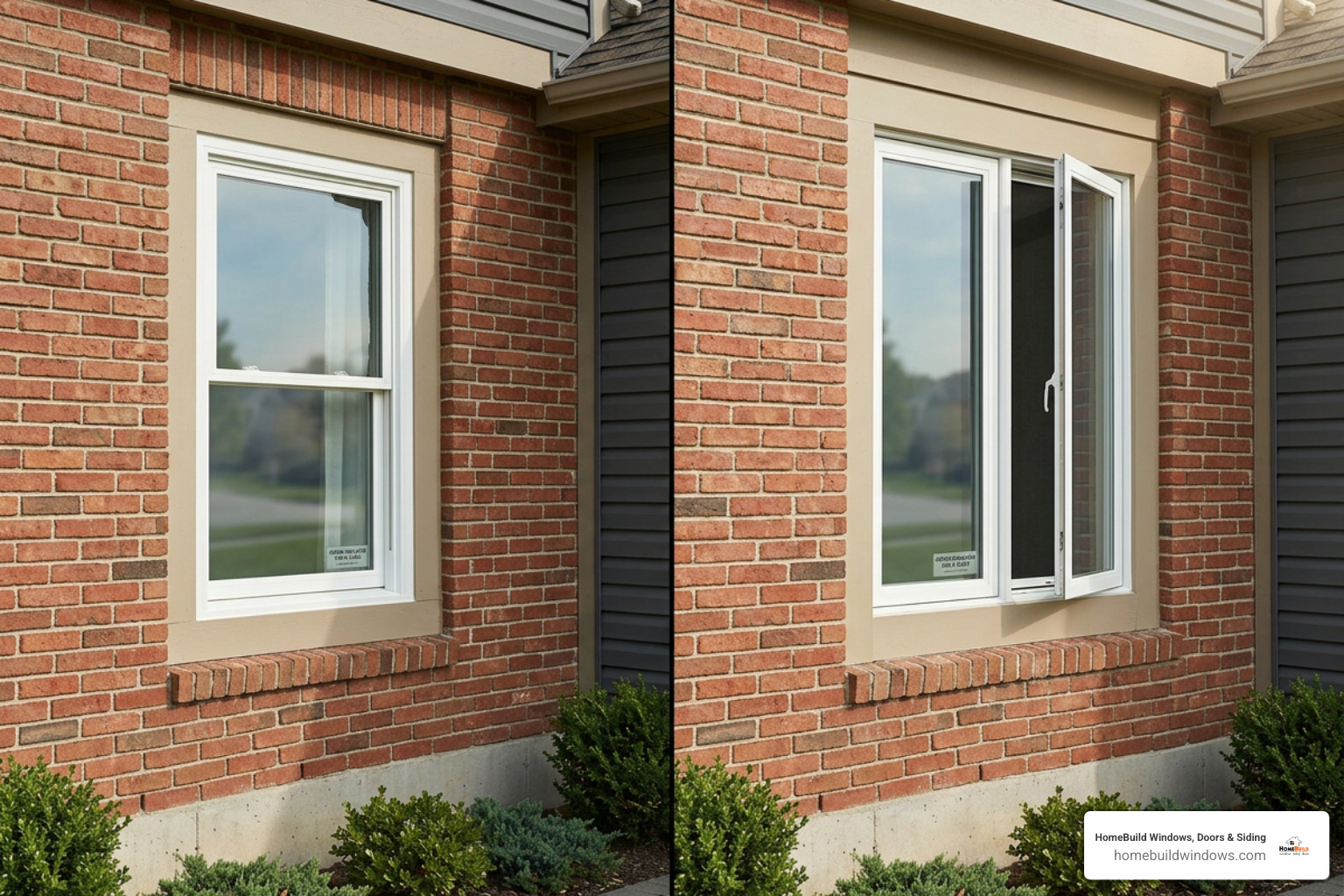
- Double-Hung Windows: A classic choice across Chicagoland, featuring two operable sashes that slide vertically. They offer excellent ventilation control and tilt inward for effortless cleaning from inside your home.
- Casement Windows: These units crank outward to open and feature a continuous compression seal around the perimeter. Because the wind pushes the sash tighter against the weatherstripping when closed, casements offer exceptional airtightness.
- Sliding Windows: Operating on a horizontal track, sliding windows are ideal for wide openings and offer clean, modern lines with maximized glass viewing areas.
Beyond the frame style, the glass package is your primary shield against extreme seasonal weather. Modern energy-efficient windows rely on multi-pane glass systems with advanced insulating features:
- Double-Pane vs. Triple-Pane Glass: Double-pane glass is the modern standard, but triple-pane systems add a third layer of glass and a second insulating chamber, which is highly beneficial for blocking out cold winter drafts and reducing outdoor noise pollution.
- Low-E (Low-Emissivity) Coatings: Microscopically thin metallic layers applied to the glass reflect infrared heat back to its source. In winter, this keeps your furnace’s heat inside; in summer, it reflects solar heat away from your home.
- Argon Gas Fills: Replacing the air between the glass panes with dense, non-toxic argon gas slows down thermal transfer, creating a highly effective barrier against the outdoor elements.
To learn more about how different window configurations perform under various seasonal conditions, check out the detailed breakdown in Window Replacement Performance Guide | GetWindowCost.
The Role of Professional Labor and Local Building Codes
Proper installation is just as critical as the window brand itself. Even the most advanced, high-performance fiberglass window will fail, draft, or leak if it is not installed square, plumb, and with proper flashing.
Our professional installation process ensures that every window is perfectly integrated into your home’s thermal envelope. We back our craftsmanship with a robust workmanship warranty, giving you complete peace of mind.
Furthermore, operating in Chicago and the surrounding suburbs means adhering strictly to local building codes. These regulations are designed to keep your family safe:
- Wind-Load Standards: Windows must be engineered to withstand high wind pressures, particularly in open suburban tracts or lakeside properties.
- Tempered Safety Glass: Specific areas of your home, such as windows near doors, stairwells, or close to the floor, require tempered glass by code to prevent injury in case of breakage.
- Egress Requirements: Replacement windows in bedrooms and basements must meet strict opening size requirements to ensure safe emergency escape routes.
When we manage your project, we handle all municipal permits and ensure complete compliance with local building codes, protecting your property value and insurance standing. For more details on what goes into a professional replacement, view our guide on the Guide to Replacing a Window.
Long-Term Value and Energy Efficiency Returns
Upgrading your home’s windows is an investment that yields consistent returns in daily comfort, lower utility bills, and increased resale value. According to industry remodeling reports, high-quality window replacements consistently return a significant percentage of their initial investment at home resale, while dramatically boosting your property’s curb appeal.
To help you compare the thermal performance benefits of modern glass systems, we have compiled the key metrics of standard configurations:
| Glass Package Type | U-Factor (Lower is Better) | Solar Heat Gain Coefficient (SHGC) | Best Suited For |
|---|---|---|---|
| Standard Double-Pane | 0.30 – 0.35 | 0.28 – 0.32 | Moderate climates, budget-conscious updates |
| Double-Pane Low-E + Argon | 0.24 – 0.28 | 0.22 – 0.25 | Standard Chicagoland homes seeking year-round balance |
| Triple-Pane Low-E + Argon | 0.18 – 0.22 | 0.18 – 0.22 | Extreme northern exposures, maximum noise reduction |
By choosing advanced glass packages, you minimize the workload on your HVAC system, ensuring your home remains warm during freezing January nights and cool during humid July afternoons.
Frequently Asked Questions about Window Installation
What are the signs that windows need to be replaced rather than repaired?
While minor issues like worn caulking or broken locks can often be repaired, certain symptoms indicate that your windows have reached the end of their functional lifespan. Look out for constant drafts, stubborn condensation trapped between the double-pane glass (indicating a failed seal), visible wood rot along the frame or sill, and extreme difficulty opening or locking the sashes. If your frames are structurally compromised, replacement is the only way to restore safety and efficiency.
Is it better to replace all windows at once or in phases?
Replacing all of your windows at once is generally the most efficient strategy. It allows our installation crews to mobilize once, securing design consistency across your entire home and completing the project with minimal disruption to your daily life. However, if you prefer to manage your project in phases, we can work with you to prioritize the rooms that need immediate attention first, such as south-facing rooms with high solar heat gain or drafty master bedrooms.
How does the Midwest climate affect the choice of window materials?
The Chicago region experiences extreme temperature swings, from sub-zero winters to scorching summer heat. This puts immense thermal stress on window frames. Fiberglass is highly recommended for our climate because of its incredible dimensional stability; it does not warp, crack, or pull away from the glass. High-quality vinyl is also excellent due to its superior moisture resistance, preventing issues related to snow buildup and spring rains.
Conclusion
Investing in new windows is one of the most impactful decisions you can make for your home’s comfort, protection, and long-term value. At HomeBuild Windows, Doors & Siding, we believe in delivering an exceptional remodeling experience from start to finish. As an Elite Platinum Pella® Certified Contractor and an Andersen Certified Contractor, we bring unmatched manufacturer expertise directly to your project.
Our projects are fully owner-supervised, ensuring our high standards of quality craftsmanship, professionalism, and attention to detail are met on every single opening. Backed by our Angi Super Service Award, Nextdoor Neighborhood Faves status, and over 200 positive Google reviews, we are proud to be the trusted local choice for homeowners throughout Chicago and the northwest suburbs.
If you are ready to eliminate drafts, improve your home’s insulation, and boost your property’s curb appeal, we invite you to explore our comprehensive Window Replacement Guide. Contact our team today to schedule your free consultation and design estimate!