
What Shapes a Vinyl Siding Installation Project?
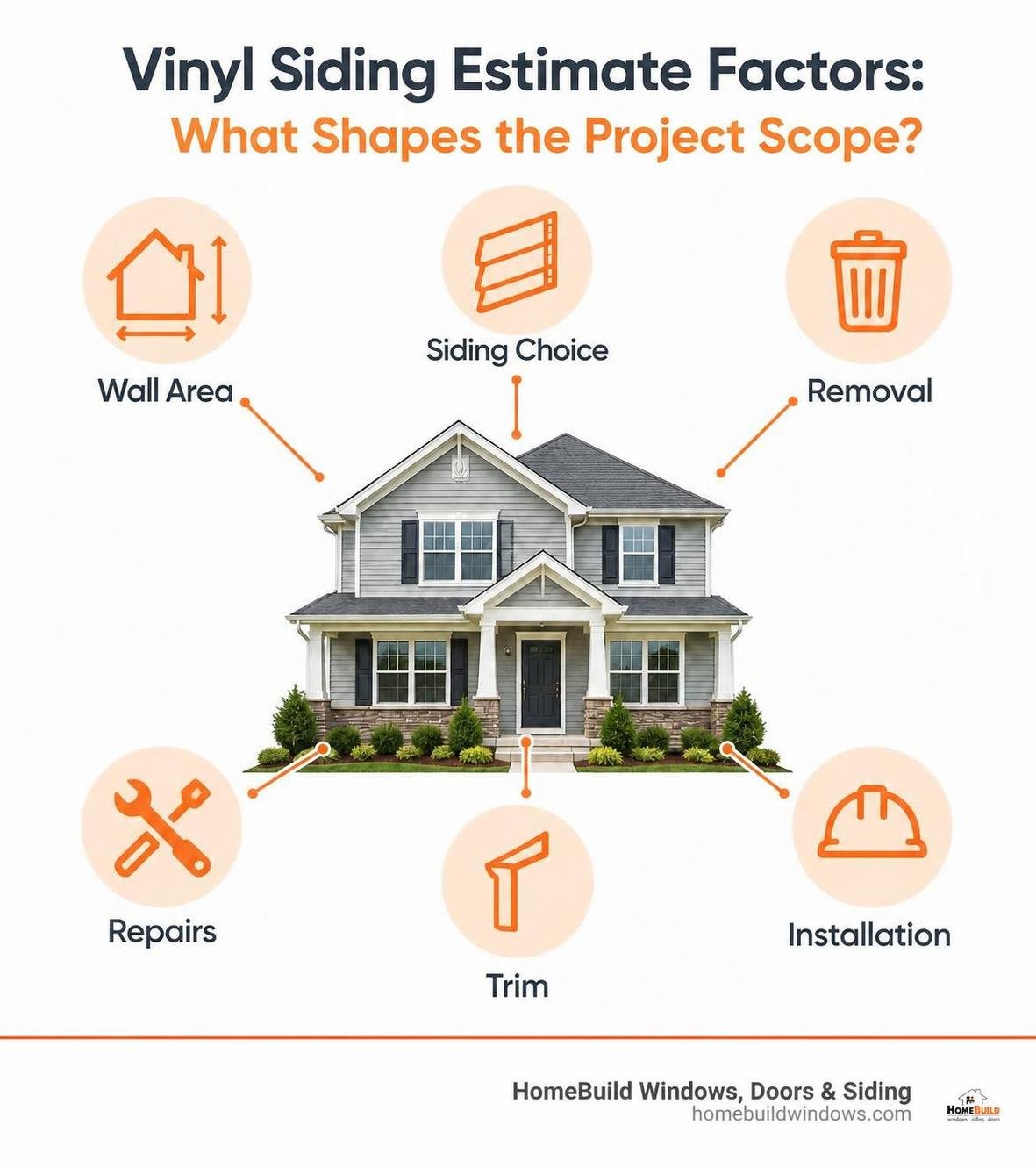
Planning a successful exterior siding replacement requires carefully evaluating your property’s total exterior wall area, the specific siding profile and material grade you select, and the necessary preparation beneath the surface. For an accurate Chicago-area project evaluation, homeowners should always request a comprehensive written assessment that details old cladding tear-off, underlying structural wall repairs, custom aluminum trim work, energy-efficient insulation, and professional installation.
I am Steve Mlynek, founder of HomeBuild Windows, Doors & Siding. We are a dedicated, locally owned exterior contractor proudly serving homeowners throughout the Chicago metropolitan area since 2004. With more than two decades of hands-on experience guiding exterior renovation projects across northern Illinois, I have seen how understanding these foundational components helps property owners make confident decisions when planning their exterior cladding upgrades to protect against harsh midwestern elements.
Review our helpful exterior renovation planning resources below to understand project scopes:
- Explore our overview covering vinyl siding project planning
- Review our detailed guide on preparing for a vinyl siding installation
- Read our complete breakdown regarding vinyl siding for your home
Understanding Vinyl Siding Installation
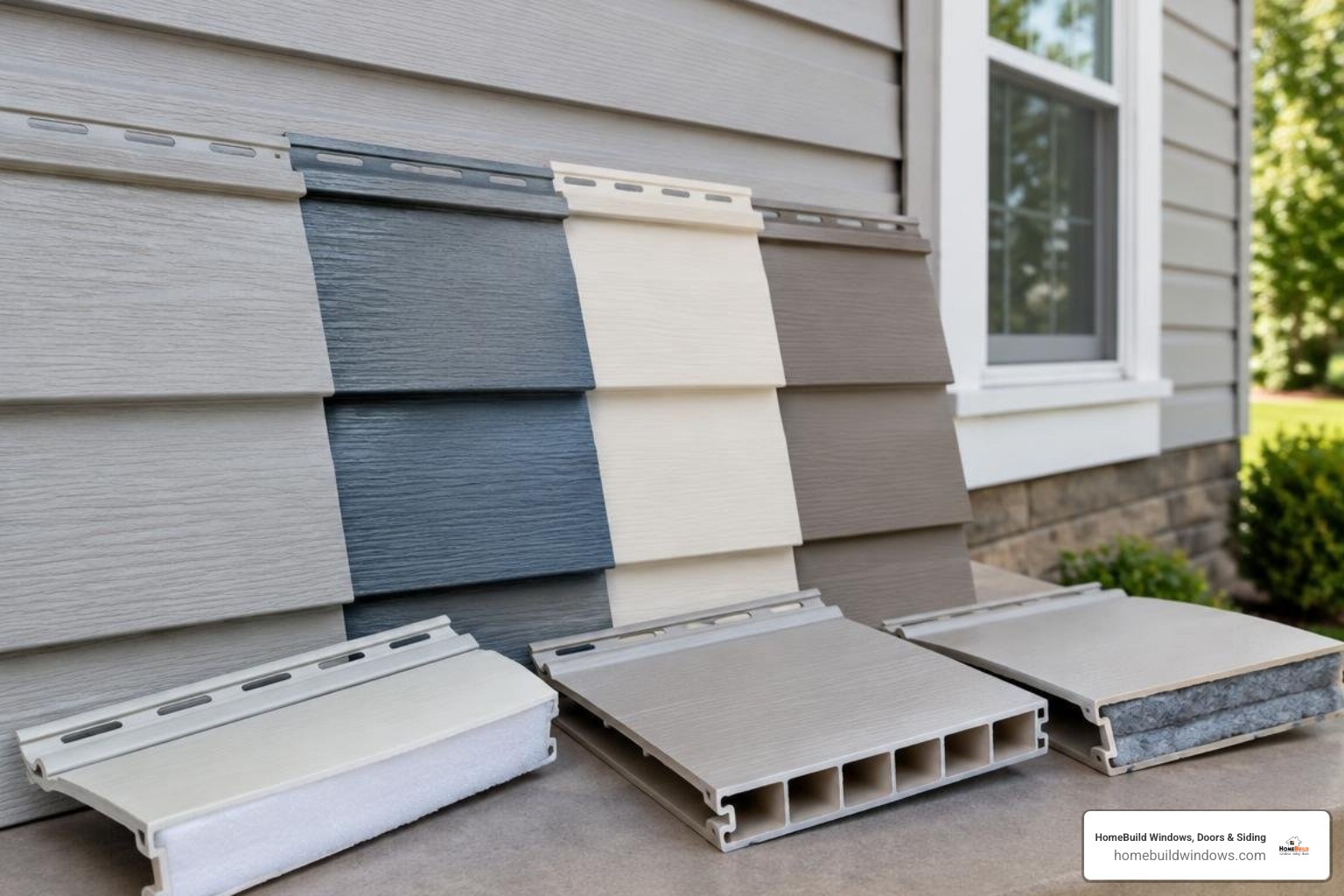
Upgrading your exterior cladding is one of the most effective ways to protect a home while dramatically elevating overall curb appeal. For a clear project assessment, calculating total exterior wall square footage rather than interior floor space is the foundation of an accurate evaluation. Many factors shape a vinyl siding installation project, and wall surface calculations account for overall exterior height, complex architectural cutouts, wall transitions, roof intersections, and window or door openings that require specialized trim integration, custom aluminum flashing, protective house wrap detailing, and meticulous moisture sealing to ensure the entire structural perimeter remains completely protected against harsh outdoor elements.
Panel thickness and material engineering also play a central role in long-term exterior performance and resilience. Standard residential vinyl panels offer reliable daily weather protection, while premium-gauge panels deliver enhanced rigidity, greater impact resistance against wind-driven hail or flying tree debris, and superior wind-load performance during intense midwestern storms. Furthermore, homeowners frequently evaluate the choice between traditional hollow-back panels and contoured foam-backed options, which add exceptional structural rigidity, improve sound deadening against loud outdoor street noise, eliminate panel rattling during high winds, and provide improved thermal protection to exterior walls by preventing energy loss across exterior framing.
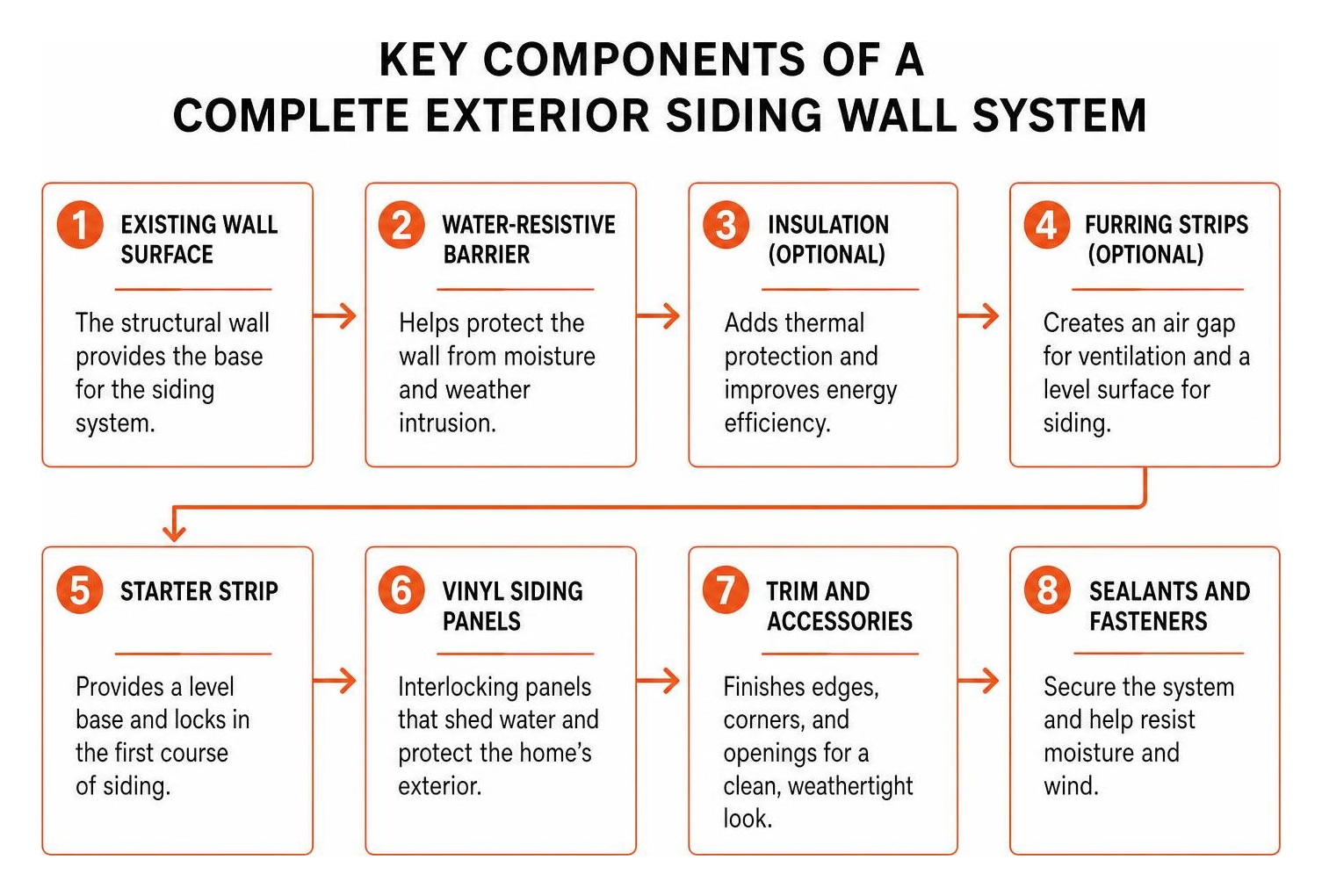
Primary Factors That Shape a Vinyl Siding Project
Every home presents a unique structural footprint that guides detailed installation planning and execution. For homeowners investing in expert siding installation in Chicago, variable weather patterns, fierce lake winds, sub-zero winter temperatures, heavy snow accumulation, and intense freeze-thaw cycles mean siding must be installed with careful attention to material expansion, continuous ventilation, and comprehensive moisture defense across the entire building envelope.
- Home Height and Stories: Multi-story properties, such as traditional Chicago two-flats or classic colonials in Northbrook and Glenview, require specialized staging, ladders, and scaffolding setups to access higher elevations safely and ensure uniform panel alignment across tall facades.
- Tear-Off Requirements: Removing aged claddings, such as deteriorating wood shake, damaged aluminum, or brittle vinyl, allows full access to the underlying wall assembly for a thorough, professional structural evaluation before new materials are applied.
- Substrate Repairs: Once old cladding is stripped away, inspecting the underlying wood sheathing ensures any hidden moisture damage, dry rot, pest intrusion, or structural settling is fully repaired before new siding panels go up.
- Insulation Upgrades: Adding continuous exterior insulation or opting for foam-backed panels provides a modern thermal break across the wall studs, significantly reducing interior drafts, lowering energy loss, and improving seasonal indoor comfort.
| Siding Characteristic | Standard Vinyl Siding | Insulated Vinyl Siding |
|---|---|---|
| Panel Thickness | 0.040 to 0.044 inches | 0.046 inches or thicker |
| Backing Type | Hollow back | Form-fitted rigid foam |
| Impact Resistance | Moderate | Superior |
| Thermal Protection | Basic moisture/wind deflection | Continuous thermal break |
| Acoustic Dampening | Standard | Noticeable sound dampening |
How Architectural Details Shape a Vinyl Siding Project
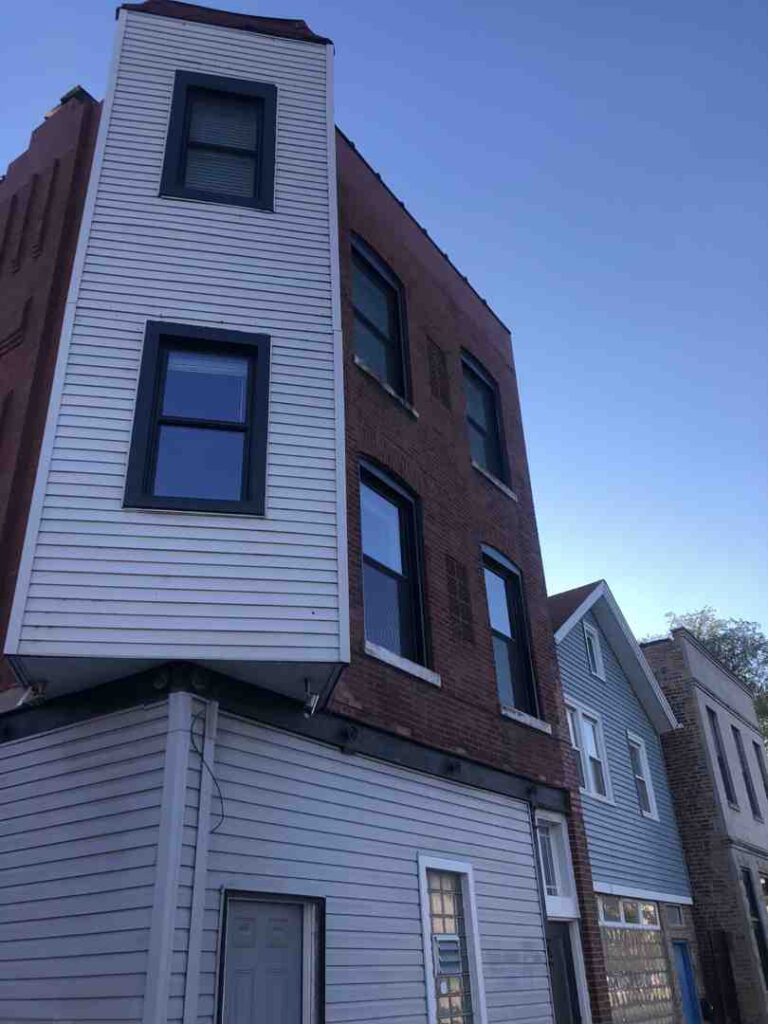
The architectural complexity of a residential structure directly guides the installation process, labor requirements, and overall project timeline. Historic brick-and-frame bungalows in Des Plaines, sprawling split-levels in Schaumburg, classic ranches in Arlington Heights, and multi-unit buildings across Chicago each feature distinct structural transitions, multi-angled rooflines, bay window bump-outs, and exterior wall intersections that require meticulous custom metal fabrication, precision corner posts, and detailed vinyl trim work to ensure complete weather protection.
Intricate architectural elements like steep gables, dormers, soffits, fascia, porch ceilings, and detailed window surrounds demand precise cutting, proper expansion spacing, integrated weep holes, and expertly integrated flashing systems. Ensuring moisture cannot penetrate these vulnerable junctions requires installing a premium weather-resistant barrier behind the cladding. Discover how vinyl siding can make your home more energy efficient by protecting wall cavities from air leakage and unwanted thermal exchange throughout every demanding Midwest season of the year.
Vinyl Siding Performance Across Chicago Seasons
Midwestern weather places demanding stress on residential building exteriors throughout every season of the year. Chicago winters bring sub-zero temperatures, intense freeze-thaw transitions, heavy snowfall, ice accumulation, and fierce lakefront winds, followed by hot, humid summer conditions. Modern vinyl siding is engineered to withstand these dynamic environmental swings while maintaining long-term structural integrity and attractive appearance.
- Thermal Flexibility: Polyvinyl chloride (PVC) formulations expand and contract smoothly across extreme seasonal temperature swings when hung with proper expansion clearances, preventing unsightly warping, buckling, cracking, or surface distortion.
- Moisture and Humidity Resistance: Unlike natural wood, vinyl does not absorb moisture, rot, swell, or peel, completely eliminating water infiltration risks and the ongoing chore of regular exterior scraping and repainting.
- Color Durability: High-grade panels feature advanced UV inhibitors baked directly into the material, preserving deep, rich colors even under sustained sun exposure and severe summer heat without fading.
- Wind Resistance: Premium interlocking panel systems anchor tightly against the exterior framing to resist buffeting storm gusts, high wind loads, and severe gale-force lakefront weather.
For homes facing harsh northern Illinois winters, exterior continuous insulation dramatically limits thermal bridging through wall studs. When uninsulated studs conduct cold air directly into exterior wall cavities, interior comfort drops and heating systems work harder. Comprehensive research from the Building America Case Study: Insulated Siding Retrofit in a Cold Climate demonstrates how combining durable exterior cladding with continuous foam backing improves the overall thermal envelope, eliminates cold exterior drafts, prevents condensation, and significantly enhances indoor comfort during severe winter months throughout the region.
Professional Installation: Why Expertise Matters
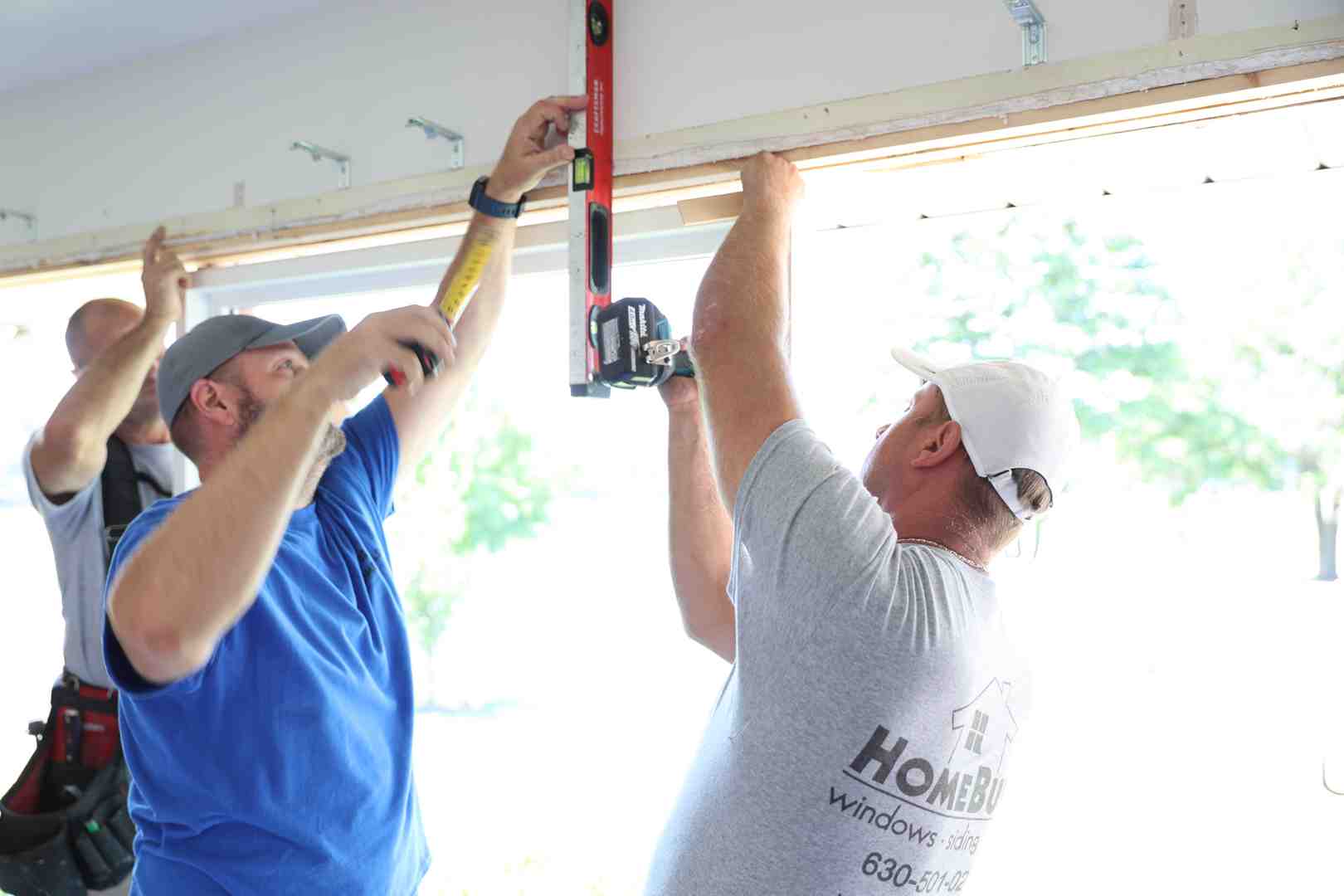
While premium siding materials provide dependable defense against the elements, a siding system is only as reliable as the quality of its installation. Vinyl siding must never be face-nailed or fastened tightly against the wood sheathing. Because panels naturally expand and contract across shifting seasonal temperatures, each fastener must be carefully centered inside the manufactured nailing slots with approximately 1/32-inch clearance. This precise spacing allows the panel to glide freely without warping, buckling, rippling, or pulling away from the wall assembly under severe midwestern weather conditions.
Professional installation ensures full compliance with local building codes, proper house wrap overlap, airtight flashing around entry doors, patio doors, and replacement windows, and correct J-channel integration around architectural corners. Skilled technicians know how to balance panel reveals, level starter courses, align corner posts, maintain expansion gaps, and integrate weep holes to keep moisture draining outwards. Learning how to navigate choosing a reliable siding contractor in Chicago helps ensure your home’s exterior envelope is built to last for decades without moisture infiltration, structural rot, or premature siding failure on your property.
Frequently Asked Questions About Siding Installation
How long does vinyl siding typically last on a home?
With professional installation and routine maintenance, quality vinyl siding can protect a home for 30 to 50 years or more. Modern PVC formulation resists cracking, warping, and insect damage, while baked-in color eliminates the need for painting, scraping, or staining. Occasional gentle washing with a standard garden hose and mild household detergent keeps the panels looking pristine, vibrant, and clean across decades of severe midwestern weather without peeling, maintaining fresh curb appeal.
What preparation is required before siding replacement begins?
A thorough replacement project begins by carefully stripping away old exterior cladding, followed by a comprehensive inspection of the underlying wood sheathing for hidden moisture damage, structural rot, or pest issues. Installers repair or replace damaged sheathing boards, install a high-performance breathable weather-resistant house wrap, tape all seams securely, and integrate moisture flashing around all window and door openings before mounting level starter strips and corner posts to establish a watertight structural base.
Can vinyl siding improve home energy efficiency?
Yes. When paired with contoured insulation backing or installed over continuous rigid foam insulation board, vinyl siding eliminates thermal bridging across exterior wall studs. This continuous thermal blanket prevents winter drafts, stops outdoor summer heat transfer, protects wall cavities from condensation, lowers HVAC workload, significantly reduces draftiness across living spaces and interior rooms, and helps maintain consistent, comfortable indoor room temperatures throughout every season of the year.
Conclusion
Upgrading your exterior siding protects your residence from harsh midwestern weather elements while providing lasting architectural beauty, improved thermal comfort, and enhanced curb appeal. Whether you own a classic Chicago bungalow, a multi-story two-flat, a ranch, or a suburban colonial, investing in quality cladding safeguards your building envelope against moisture damage and draftiness. HomeBuild Windows, Doors & Siding is a dedicated, locally owned contractor proudly serving homeowners throughout Chicago and the surrounding suburbs since 2004, bringing more than two decades of dedicated exterior craftsmanship to every neighborhood project.
We take tremendous pride in our workmanship, which is why every project is completed exclusively by our dedicated in-house crews, never subcontractors, and personally supervised on site by owner Steve Mlynek, who visits every job. Our steadfast commitment to quality and service has earned us recognition as an Elite Platinum Pella Certified Contractor, an Andersen Premier Certified Contractor, an Angi Super Service Award 2025 winner, a 2025 Nextdoor Neighborhood Faves Winner, and a 4.9-star rating across 220+ Google reviews. In addition to premium siding installations, we also install industry-leading entry and patio door products from ProVia.
Every complete installation includes our 10-year labor warranty along with a complimentary VIP Protection Plan (covering 1, 2, or 5 years depending on the project scope); review our complete warranty details to learn more about our comprehensive coverage. When you are ready to enhance your home’s exterior defense, energy performance, and architectural beauty, explore our dedicated professional services for siding installation in Chicago and contact HomeBuild today to schedule your free estimate with our experienced team.