
Is It Time for an Old Skylight Replacement? Here’s What You Need to Know
Old skylight replacement is one of the most impactful upgrades a Chicago-area homeowner can make — restoring natural light, stopping leaks, and cutting energy waste in one project.
If you’re trying to figure out whether you need to replace your skylight and where to start, here’s a quick overview:
When should you replace an old skylight?
- Your skylight is leaking or has caused water stains on the ceiling or walls
- You see condensation or fog between the glass panes
- The frame is warped, cracked, or showing signs of rot
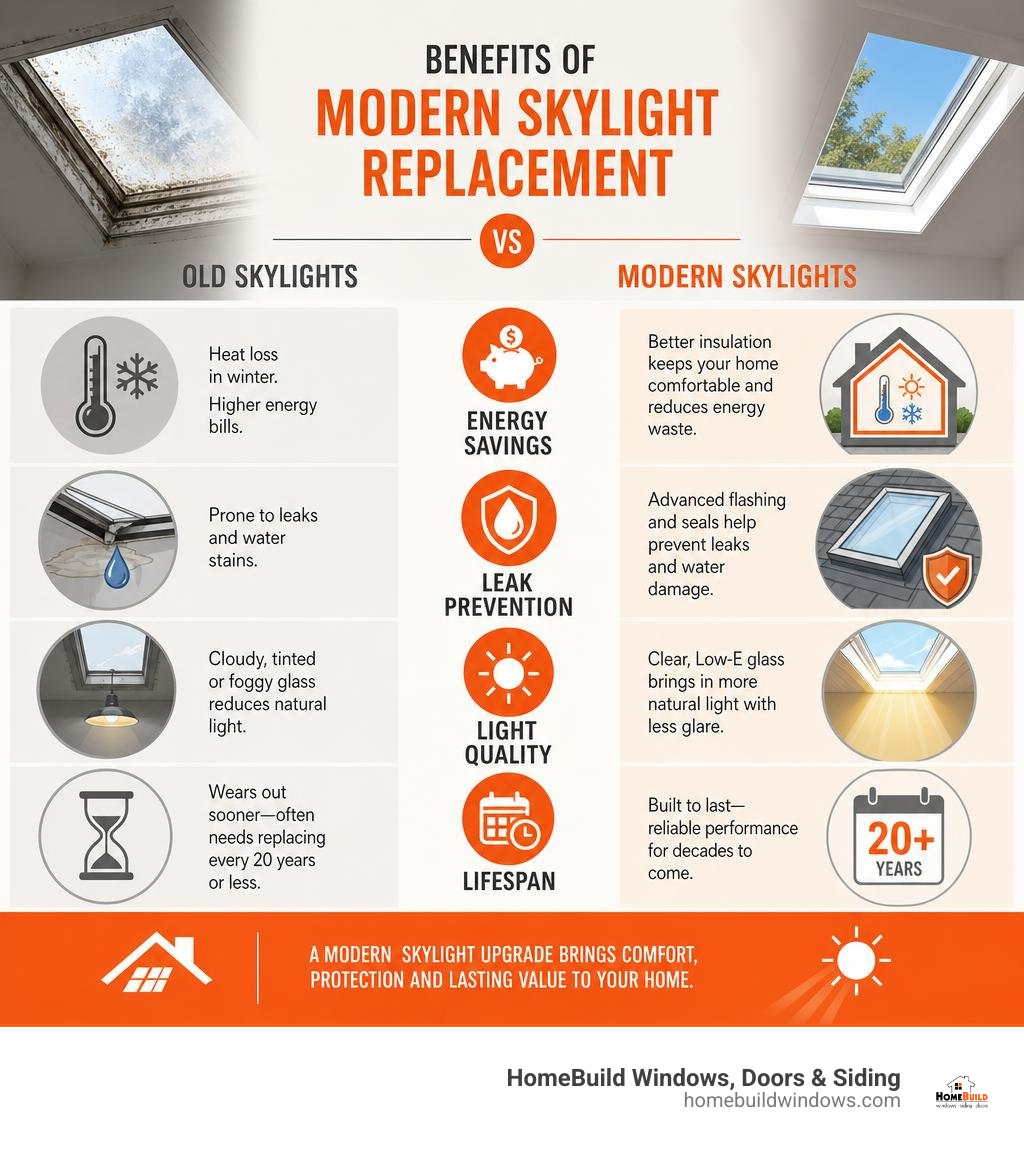
- Your skylight is 20+ years old and losing heat in winter
- You’re already replacing your roof (the ideal time to bundle both projects)
What does replacement involve?
- Identify the skylight type (deck-mounted or curb-mounted)
- Measure the existing opening carefully
- Choose a modern glass unit with Low-E coating and dual-pane insulation
- Replace flashing and seals at the same time
- Coordinate with your roofer to avoid disturbing new shingles later
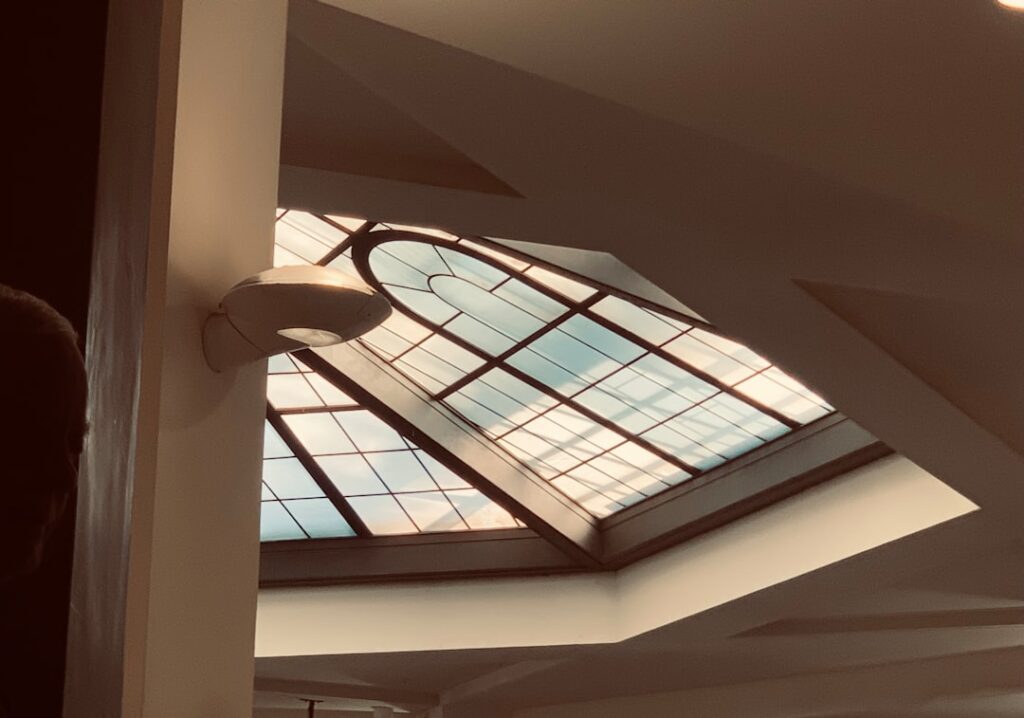
The average skylight lasts 20 to 30 years — about the same lifespan as a single roofing system. In Chicago’s climate, harsh winters and freeze-thaw cycles accelerate seal failure and frame degradation faster than in milder regions. One case study found that a historic skylight with built-in side vents was pushing a homeowner’s January heating bill to $400 — a powerful reminder of what an aging, inefficient unit can cost you every single month.
I’m Steve Mlynek, CEO and founder of HomeBuild Windows, Doors & Siding, and with over 20 years of experience helping Chicago-area homeowners tackle exterior upgrades — including old skylight replacement — I’ve seen how the right approach saves time, money, and headaches. In this guide, I’ll walk you through everything you need to make a confident, informed decision.
Old skylight replacement basics:
Key Signs Your Home Needs an Old Skylight Replacement
While a skylight is designed to bring the beauty of the outdoors inside, an aging or failing unit can quickly turn into a significant source of stress. Because skylights sit directly on your roof, they bear the full brunt of Northern Illinois weather—from heavy winter snow loads in Schaumburg to intense summer sun in Naperville. Over time, this constant exposure degrades even the highest-quality materials.
If you are noticing signs of wear, it is crucial to determine whether a simple repair will suffice or if a complete replacement is required. For minor glass issues, you can research hiring a local repair service for a cracked skylight, but more widespread systemic failures typically point to the need for a brand-new unit.
Identifying Active Leaks and Water Damage
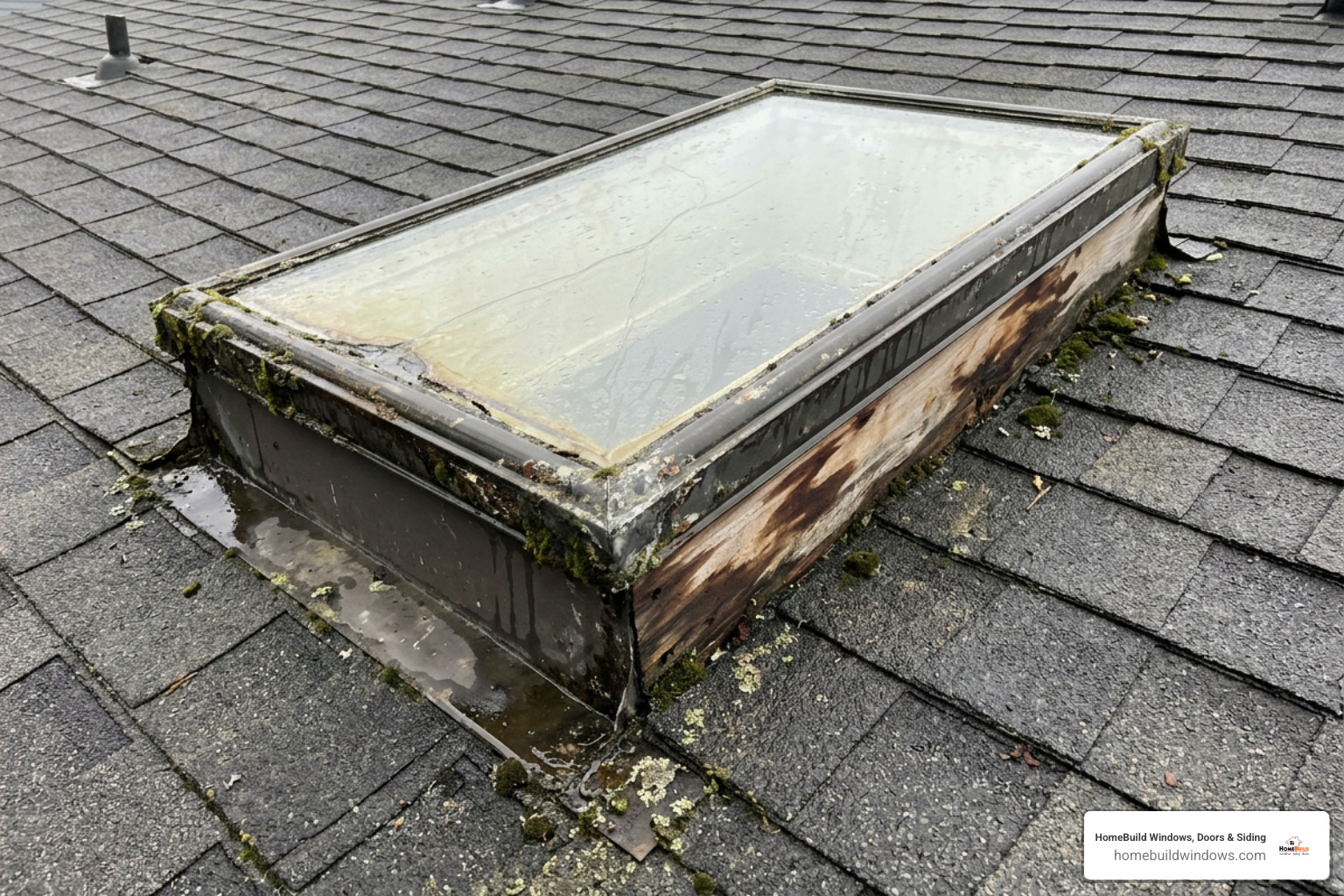
Active leaks are the most urgent sign that your skylight has failed. Water penetration rarely stays confined to the area directly under the glass. Instead, it seeps into your home’s structural framing, leading to:
- Ceiling and Wall Stains: Dark, ringed water stains on the drywall surrounding your skylight shaft.
- Drywall Damage: Cracking, bubbling, or peeling paint along the light well.
- Structural Rot: Water traveling down the rafters, compromising the roof deck and surrounding timber.
- Mold and Mildew Growth: Persistent moisture trapped behind drywall creates an ideal environment for mold, which can compromise your indoor air quality.
If you notice dripping water during a heavy rainstorm or after a rapid snowmelt, the flashing, underlayment, or frame seals have likely failed completely. Ignoring these signs will only lead to more extensive and costly structural damage to your roof deck.
Condensation, Foggy Glass, and Drafts
Not all signs of failure are as obvious as a dripping ceiling. Often, the first indicators of a compromised skylight are thermal and atmospheric:
- Internal Fogging: If you see moisture, condensation, or a cloudy film trapped between the double panes of glass, the perimeter seal has failed. Once this seal breaks, the insulating gas (such as argon) escapes, rendering the unit thermally inefficient.
- Drafts and Heat Loss: If the room beneath your skylight feels noticeably colder in the winter or uncomfortably hot in the summer, your old skylight is acting as a chimney, allowing conditioned air to escape.
- UV Discoloration: Older plastic dome skylights often turn a yellow, milky color after years of UV exposure, which severely limits the amount of natural light entering your home.
When seals fail and drafts take over, your home’s HVAC system has to work twice as hard to maintain a comfortable temperature. If you are experiencing similar draft issues with other openings in your home, it may be time to look into professional window repair in Chicago to restore your home’s overall thermal envelope.
The Strategic Advantage of Coordinating Skylight and Roof Replacement
If you are planning a roof replacement in the near future, it is highly recommended to coordinate your old skylight replacement to occur at the exact same time. The relationship between your roof and your skylight is deeply integrated; attempting to replace one without the other often leads to unnecessary complications.
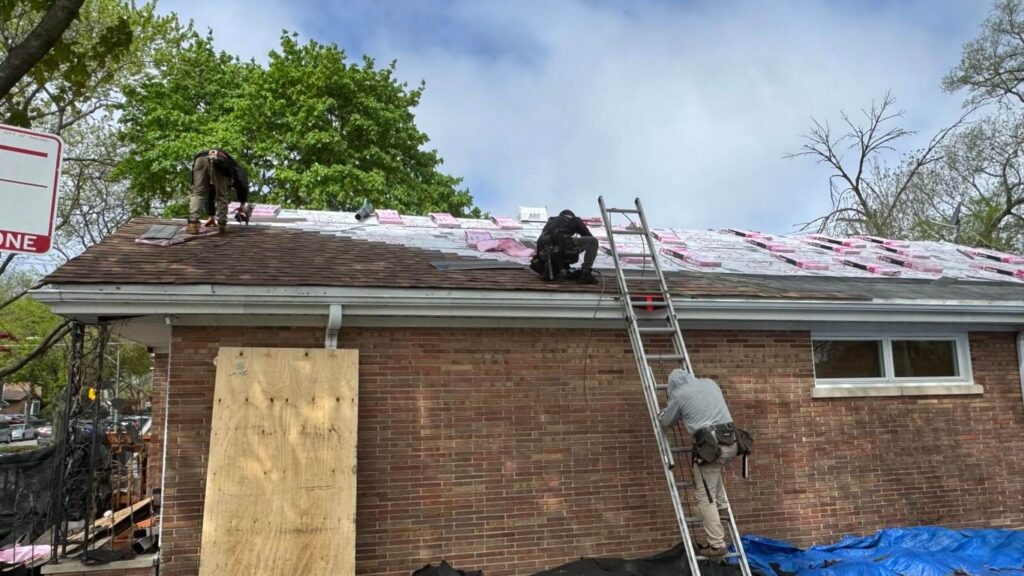
Why Reroofing is the Best Time for Old Skylight Replacement
When professional roofers tear off old shingles, the physical vibrations from hammering and pneumatic nail guns reverberate through your roof deck. For an older, brittle skylight, these intense vibrations can easily disrupt aging seals and gaskets, causing a unit that was previously watertight to begin leaking shortly after the new roof is installed.
By replacing the skylight concurrently with the roof, you gain several distinct advantages:
- Labor Efficiency: The roofing crew is already on your roof, has safety rigging in place, and is actively removing the surrounding shingles. This eliminates redundant labor.
- Seamless Flashing Integration: To properly flash a skylight, the surrounding shingles must be removed. Replacing the skylight during reroofing ensures that the new underlayment and step flashing are woven perfectly into the new shingle courses.
- Warranty Synchronization: Many premium manufacturers offer extended watertight warranties when their skylights and flashing kits are installed by certified professionals during a roof replacement.
Protecting Your New Roof Investment
Installing a brand-new roof while leaving a 20-year-old skylight in place is a major risk. If that old skylight fails a couple of years down the road, installers will have to tear up your newly laid shingles, disturb the water barrier, and potentially compromise your new roof’s warranty just to replace the frame.
Bundling these projects ensures that your entire roof system—from the shingles and underlayment to the skylight frames and flashing—is brand new, fully integrated, and protected by comprehensive warranties. This unified approach maximizes your home’s weather protection and preserves its long-term property value.
Technical Considerations: Deck-Mounted vs. Curb-Mounted Units
When planning an old skylight replacement, you must determine whether your existing unit is deck-mounted or curb-mounted. This technical distinction dictates how the unit attaches to your home and what replacement parts are required.
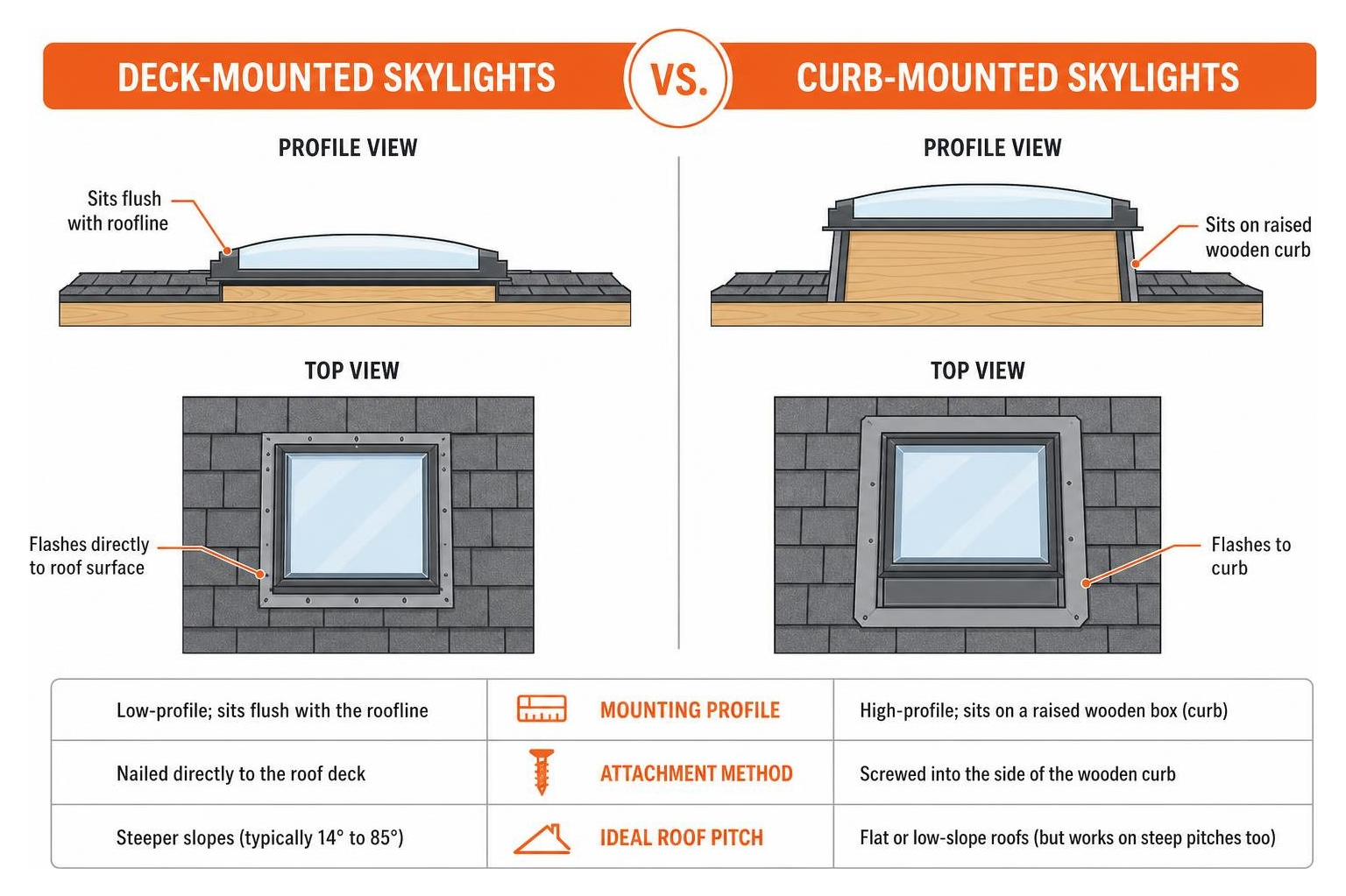
| Feature | Deck-Mounted Skylights | Curb-Mounted Skylights |
|---|---|---|
| Mounting Profile | Low-profile; sits flush with the roofline | High-profile; sits on a raised wooden box (curb) |
| Attachment Method | Nailed directly to the roof deck | Screwed into the side of the wooden curb |
| Ideal Roof Pitch | Steeper slopes (typically 14° to 85°) | Flat or low-slope roofs (but works on steep pitches too) |
| Common Roof Type | Modern plywood underlayment | Older skip sheathing or flat roof membranes |
| Aesthetics | Clean, streamlined, and visually integrated | Prominent, raised appearance |
Understanding Deck-Mounted Skylights
Deck-mounted skylights are engineered for modern residential construction. The frame of the skylight sits directly on the roof sheathing (plywood), creating a low-profile, streamlined aesthetic that blends seamlessly with your roofline.
These units come with a pre-attached gasket or deck seal that provides a continuous weather barrier. Because they sit flush with the roof, they are highly energy-efficient and are the preferred choice for newer homes in the Chicago suburbs that feature standard plywood roof decks.
Understanding Curb-Mounted Skylights
Curb-mounted skylights are the traditional choice and are highly versatile. Instead of sitting flush with the roof deck, these units are designed to mount onto a raised wooden frame (usually a 2×4 or 2×6 box) called a “curb.” The curb is built directly onto the roof deck, flashed, and then the skylight unit caps over the top of the curb like a shoebox lid.
Curb-mounted units are essential for:
- Low-Slope or Flat Roofs: Raising the glass above the roofline prevents standing water or heavy snow drifts from pooling against the seals.
- Older Homes with Skip Sheathing: If your home was built before modern plywood underlayment was standard, a curb-mounted system allows installers to build a secure, level base regardless of the underlying roof structure.
- Unique or Custom Sizes: Curb-mounted frames allow for more flexibility when dealing with non-standard roof openings.
Step-by-Step Guide to Measuring and Preparing for Your Upgrade
A flawless installation depends entirely on precise preparation. Because older skylights—particularly those installed in the 1980s or 1990s—often utilized dimensions that are now obsolete, you cannot simply order a standard modern unit without verifying your measurements first.
To get a sense of how professionals approach this process on-site, you can read the classic This Old House guide on replacing leaky skylights.
How to Measure an Existing Skylight
To ensure your replacement unit fits perfectly, you need to collect several key measurements. If your skylight is a premium brand like VELUX, you can often find a small metal product ID tag stamped with the exact model code on the inside frame. If that tag is missing or painted over, follow these measurement steps:
- Measure the Inside Opening (Drywall to Drywall): From inside your home, measure the width and height of the finished drywall opening at the top of the light shaft.
- Measure the Glass Size: Measure the visible glass pane from the inside edge of the cladding to the opposite edge.
- For Curb-Mounted Units (Measure the Outside Curb): Go up to the roof and measure the outer dimensions of the wooden curb, including any roofing membrane wrapped around it.
- Confirm the Roof Pitch: Use a pitch finder app on your phone to determine the angle of your roof, as some flashing kits are pitch-specific.
Addressing Size Mismatches and Interior Trim
What happens if your old 1980s skylight is an odd size, and the modern replacement unit is slightly larger?
If the new skylight is slightly wider than the original opening, a skilled roofing contractor can install it on a slightly larger curb over the existing roof sheathing. However, this can leave a small gap where the interior drywall meets the new, wider frame.
Instead of undertaking a costly, structurally invasive drywall reconstruction of your entire light shaft, you can use moisture-resistant interior trim (such as PVC or Azek casing) to bridge the gap. This elegant solution covers the exposed roof sheathing, accommodates any slight frame profile differences, and provides a clean, professional finish inside your home.
Dome vs. Glass: Choosing the Right Materials for Chicago Climates
If your home currently features older, plastic dome skylights, upgrading to modern glass is one of the most rewarding home improvements you can make. When deciding on materials, it is helpful to understand the fundamentals of choosing energy-efficient skylights that can withstand our local climate.
The Pros and Cons of Dome-Only Upgrades
Some homeowners opt for a partial restoration by replacing only the acrylic dome insert while keeping the existing metal frame.
Pros:
- It is a straightforward fix if the frame is in perfect condition and only the plastic has cracked due to hail.
- Polycarbonate domes offer excellent impact resistance against falling branches or hail.
Cons:
- Poor Thermal Performance: Plastic domes are notoriously bad at insulating. They allow significant heat loss in the winter and create a “greenhouse effect” in the summer.
- Noise: Rain and hail striking a plastic dome can be incredibly loud, creating a drum-like effect inside your home.
- Aesthetic Degradation: Over time, plastic will inevitably yellow, scratch, and lose its clarity due to UV exposure.
Upgrading to Modern Energy-Efficient Glass
Upgrading to a modern, dual-pane glass skylight completely transforms the comfort of your room. Modern glass units feature:
- Argon Gas Fill: The space between the two glass panes is filled with dense argon gas, which acts as a powerful thermal barrier.
- Low-E Coatings: Microscopically thin metal oxide coatings reflect infrared heat, keeping summer heat out and winter warmth in.
- Laminated Safety Glass: Building codes require laminated glass for overhead installations. If struck by a heavy object, laminated glass will hold together in the frame rather than shattering into dangerous shards.
- Noise Reduction: Modern laminated glass reduces outside noise by up to 50% compared to old plastic domes, keeping your home quiet during heavy Midwest thunderstorms.
If you are looking to maximize your home’s overall efficiency, combining your skylight upgrade with modern energy-efficient windows in Chicago will significantly stabilize your indoor temperatures and ease the load on your HVAC system.
Preserving Historic Aesthetics with Modern Performance
For homeowners with historic properties in areas like Elgin, Glenview, or Chicago’s historic districts, preserving architectural integrity is a top priority. Historic homes often feature unique, custom skylights with wire glass, steel frames, or detailed copper cladding that define the home’s character.
Fortunately, you do not have to choose between historic charm and modern performance. Homeowners have successfully navigated these challenges using creative preservation techniques, as detailed in real-world restoration stories like How We Saved Our Skylight — Howlett & Co and Skylights in Old Homes: Pros, Costs, and What We Did at the Hill House — The Grit and Polish.
Solutions for Historic Old Skylight Replacement
When dealing with landmark properties or delicate architectural features, several advanced solutions can replicate historic details while meeting modern energy and safety standards:
- The “Nesting Doll” Approach: For homes with gorgeous, original interior wire-glass skylights that are drafty but structurally beautiful, installers can clean and restore the historic unit from the inside, then install a larger, watertight commercial dome or flat glass skylight directly over it on the roof. This seals out the elements while keeping the original feature visible from below.
- Ceramic-Frit Patterns: Modern manufacturers can replicate the exact look of mid-century wire glass by applying a ceramic-frit pattern to the inner pane of an insulated glass unit, providing historic accuracy with modern safety.
- Custom Metal Cladding: New aluminum frames can be finished with custom anodized, painted, or copper cladding to perfectly match the weathered metal or copper trim of a historic home’s roofline.
To explore more about how these specialized historical restorations are engineered, you can review the technical standards of Historical Skylight Renovations – CS Glazing Innovations.
Frequently Asked Questions About Skylight Upgrades
Can a skylight replacement be a DIY project?
While a highly skilled homeowner with advanced carpentry and roofing experience can technically replace a skylight, professional installation is strongly recommended.
Working on a sloped roof requires specialized safety harnesses, ladders, and fall-protection gear. Furthermore, creating a 100% watertight seal requires flawless integration of the self-adhesive underlayment, step flashing, and shingles. A single minor mistake in the flashing order can lead to a hidden leak that slowly rots your roof deck over several years.
What warranties are available for new skylights?
When you choose premium skylights installed by a certified contractor, you gain access to some of the best warranties in the remodeling industry. For example, VELUX skylights typically carry:
- 20-Year Warranty on the glass seal.
- 10-Year Warranty on the product itself.
- 10-Year Installation Warranty (often called the “No Leak” warranty) when the skylight is installed with the manufacturer’s proprietary flashing kit.
- 5-Year Warranty on specialty components like integrated blinds and electronic controls.
To keep these warranties valid, the unit must be installed using the manufacturer-approved flashing system and according to their precise specifications.
How do modern skylights improve home energy efficiency?
Older skylights are essentially holes in your home’s insulation. Modern units, however, are engineered to drastically reduce thermal transfer.
By utilizing dual-pane glass, argon gas fills, and advanced Low-E coatings, modern skylights maintain a low U-factor (which measures heat transfer) and an optimized Solar Heat Gain Coefficient (SHGC). Homeowners who replace old, inefficient skylights with modern Energy Star-certified models typically see a 5% to 15% reduction in their monthly heating and cooling bills, making it an investment that pays dividends in home comfort.
Conclusion
Replacing an old skylight is about more than just preventing water damage; it is about reclaiming the comfort, beauty, and energy efficiency of your home. Whether you are dealing with a drafty 1980s unit, a yellowed plastic dome, or are proactively planning an upgrade alongside your next roofing project, the right materials and professional installation make all the difference.
At HomeBuild Windows, Doors & Siding, we bring over 20 years of local expertise to every remodeling project across Chicago and the northwest suburbs—including Arlington Heights, Barrington, Schaumburg, and beyond. Every project we undertake is owner-supervised, ensuring our high standards of craftsmanship and attention to detail are met on every single job.
As an Elite Platinum Pella® Certified Contractor and an Andersen Certified Contractor, we work with the industry’s finest materials to deliver lasting durability and improved curb appeal. Our dedication to our clients has earned us the Angi Super Service Award, the Nextdoor Neighborhood Faves distinction, and over 200+ positive Google reviews. We are fully licensed, insured, and ready to help you protect your home.
If you are ready to upgrade your home’s weather protection and bring clean, beautiful natural light back into your living space, contact us today for a free consultation. Explore our complete range of exterior remodeling solutions by visiting HomeBuild’s professional roofing and skylight services.