
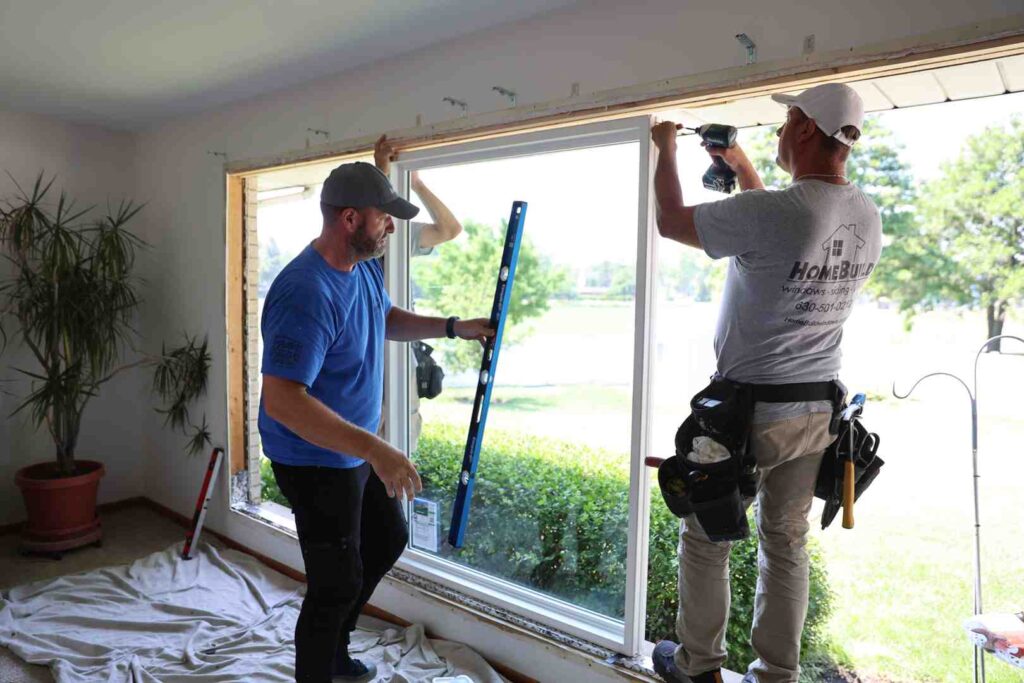
Compare Window Replacement Options That Protect Your Chicago Home
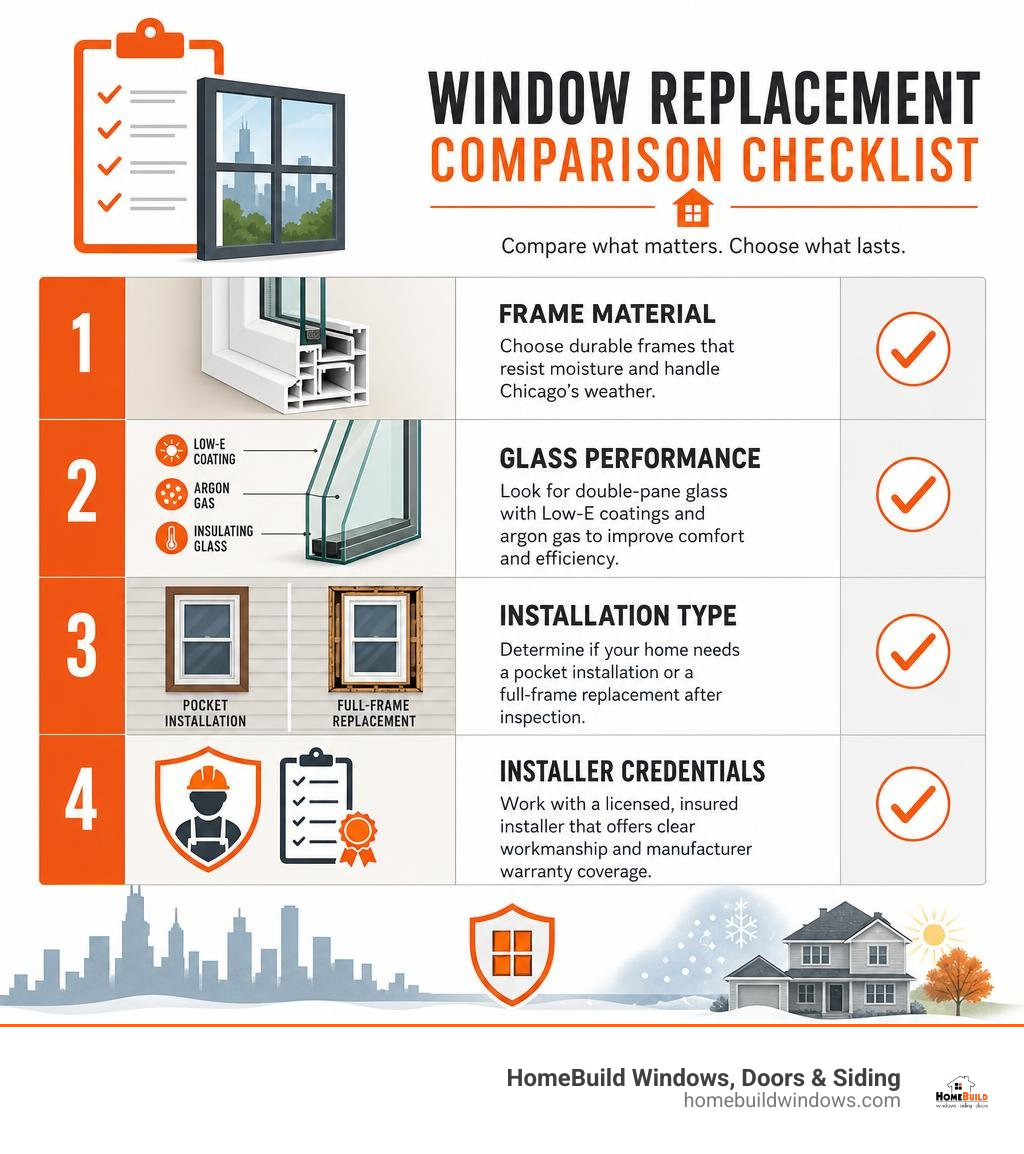
For a reliable window replacement, start by comparing the parts that affect comfort and long-term performance:
- Choose durable frames, such as vinyl or composite, that resist moisture and seasonal temperature swings.
- Look for double-pane glass with Low-E coatings and argon gas to limit drafts, heat loss, and UV fading.
- Ask whether your home needs a pocket installation or a full-frame replacement after the existing frame is inspected.
- Work with a licensed, insured installer that provides clear workmanship and manufacturer warranty coverage.
In Chicago’s changing climate, the right window is more than a glass upgrade. A properly fitted, energy-efficient replacement window can help reduce drafts, outside noise, condensation, and strain on your heating and cooling system.
I’m Steve Mlynek, founder of HomeBuild Windows, Doors & Siding, with more than 20 years of experience helping Chicago-area homeowners compare high-performing window replacement options without sacrificing proper installation, durability, or energy performance. The sections below explain how to assess frames, glass, installation methods, and installer credentials with confidence.
Relevant articles related to window replacement:
Comparing Frame Materials for Window Replacement Projects
Selecting the proper frame material is the foundation of any exterior upgrade. Your window frames must withstand biting winter winds, humid summer heatwaves, and driving seasonal rain across Chicagoland. As a trusted, locally owned contractor with over 20 years of experience, we work closely with homeowners throughout the northwest suburbs—from Arlington Heights and Schaumburg to Glenview and Des Plaines—to ensure their building envelope remains secure.
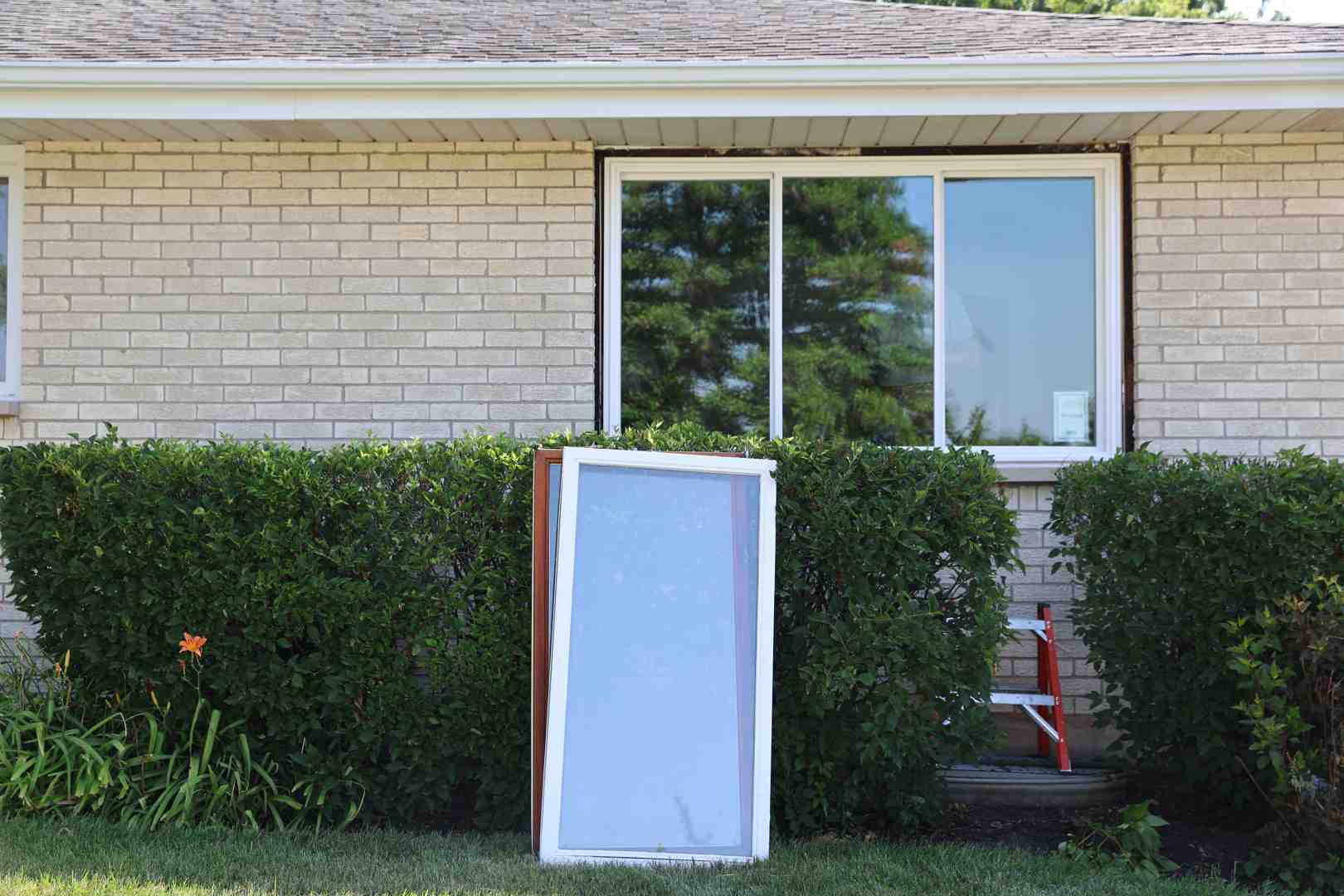
Frame materials differ significantly in structural rigidity, thermal resistance, and long-term maintenance requirements. Inefficient, aging frames allow heat transfer and air leaks that place excessive demand on residential HVAC systems.
| Frame Material | Thermal Performance | Weather Resistance | Maintenance Needs | Ideal Application |
|---|---|---|---|---|
| Premium Vinyl | High | Excellent (Moisture & Rot Proof) | Very Low (No Painting) | Versatile residential upgrades |
| Composite | Superior | Exceptional (Zero Warping) | Low (Factory Finishes) | High-exposure elevations |
| Clad Wood | High | Strong (Protected Exterior Shell) | Moderate (Interior Care) | Historic and traditional architecture |
| Fiberglass | Superior | Maximum (Minimal Expansion) | Very Low | Modern and large-span openings |
Vinyl Frames for Residential Window Replacement Projects
Vinyl window frames have evolved into a primary choice for residential remodels due to their multi-chambered internal design. These internal pockets trap insulating air, reducing thermal transfer during frigid Midwest winters. Manufactured using durable polyvinyl chloride (PVC), modern vinyl resists chipping, peeling, rotting, and corrosion without requiring regular repainting.
When researching options through a replacement window buying guide, homeowners often select high-grade vinyl from industry-leading manufacturers like Alside and Pella for exceptional energy efficiency and durability. Many homeowners also pair these projects with upgrades to 27.75 in. x 53.25 in. 70 Pro Series Low-E Argon Glass Double Hung White Vinyl Replacement Window, Screen Incl models or complementary exterior updates to ensure consistent thermal protection across all exterior openings.
Composite and Clad Framing Alternatives
For homeowners seeking the authentic look of interior wood with durable exterior protection, composite and aluminum-clad wood frames provide outstanding alternatives. Composite frames blend wood fibers and thermoplastic resins to create a dense, rigid profile that expands and contracts minimally under severe temperature fluctuations.
Clad wood options, such as those engineered by Marvin and Pella, feature furniture-grade interior woodwork protected by an extruded aluminum exterior shield. This exterior shield deflects moisture, hail, and UV exposure while matching James Hardie fiber cement siding and Therma-Tru entry door systems for complete architectural harmony.
Choosing Between Pocket and Full-Frame Installation Methods
Understanding the mechanical differences between installation methods ensures you select the correct approach for your property’s structural condition.
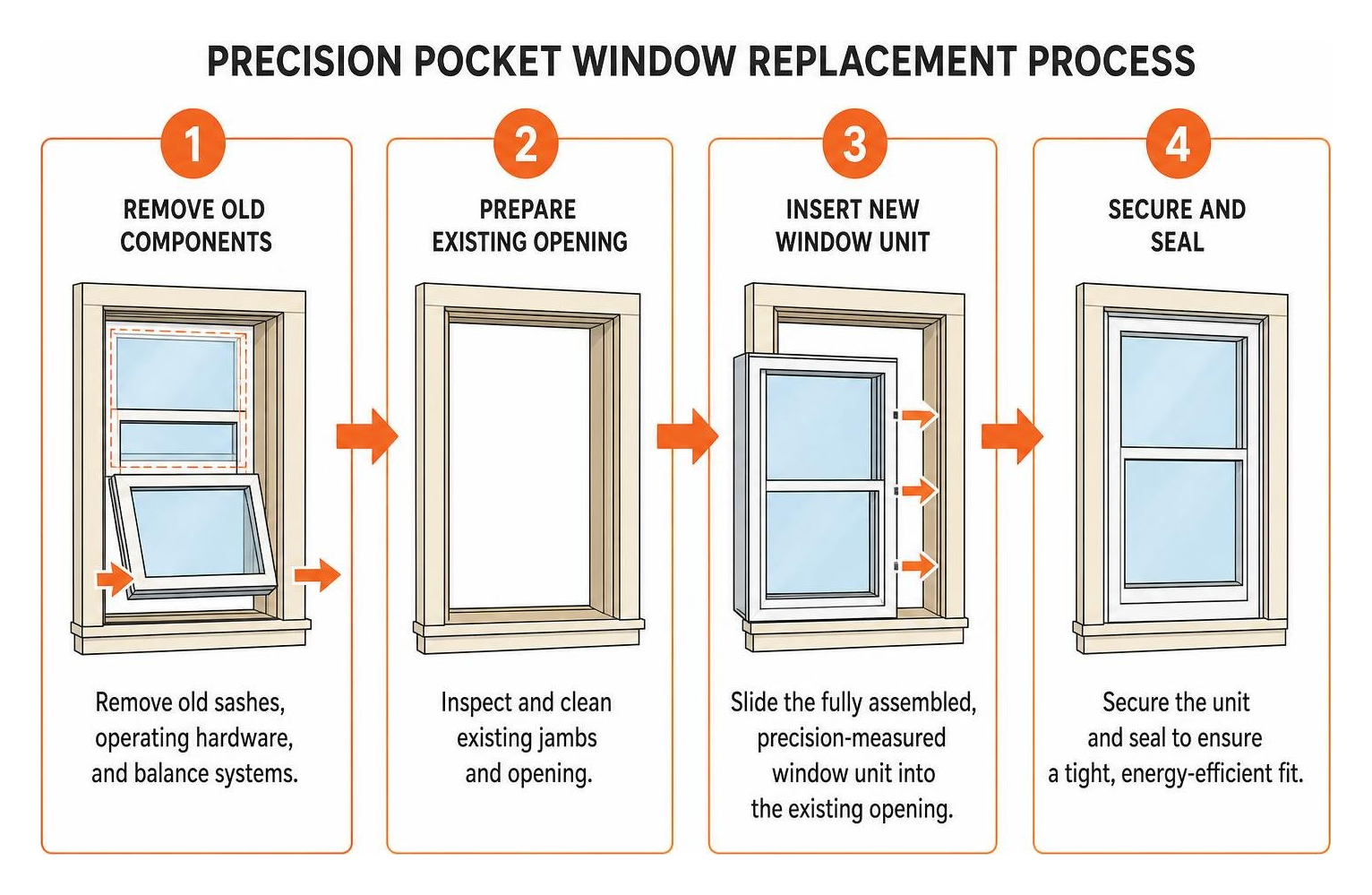
When reviewing energy efficient replacement windows everything you need to know, the distinction between insert techniques and full-frame replacements determines how thoroughly the surrounding wall cavity is insulated.
Maximizing Efficiency with Pocket Window Replacement
Pocket window replacement—also called insert replacement—preserves the existing structural jambs, exterior brick molding, and interior woodwork. Our installation technicians remove the old sashes, operating hardware, and balance systems, sliding a fully assembled, precision-measured window unit directly into the existing opening.
- Preserves Historic Trim: Keeps original interior casing and sill details undisturbed.
- Fast Turnaround: Minimizes room disruption, allowing multiple units to be installed in a single day.
- Efficient Weather Sealing: Tight perimeter insulation seals the gap between new and existing framework.
Pocket replacement works best when existing structural jambs are square, plumb, and completely free of water damage or wood rot.
When Full-Frame Replacement Is Necessary
Full-frame replacement involves removing the entire window assembly down to the rough structural wall studs. This includes tearing out the exterior casing, interior trim, sills, and balance pockets.
Full-frame installations become essential when:
- Existing window frames exhibit hidden rot, termite damage, or physical degradation.
- You want to expand the glass viewing area or change the operating style (e.g., converting double-hung windows to a large picture window or casement configuration).
- The original rough opening lacks sufficient perimeter insulation or modern water-resistive weather barriers.
Key Energy Efficiency Ratings to Evaluate for Chicago Homes
Evaluating certified performance ratings helps ensure your new windows will manage temperature swings in Northern Illinois. The Department of Energy estimates that roughly 30% of residential heating and cooling energy is lost through inefficient windows.
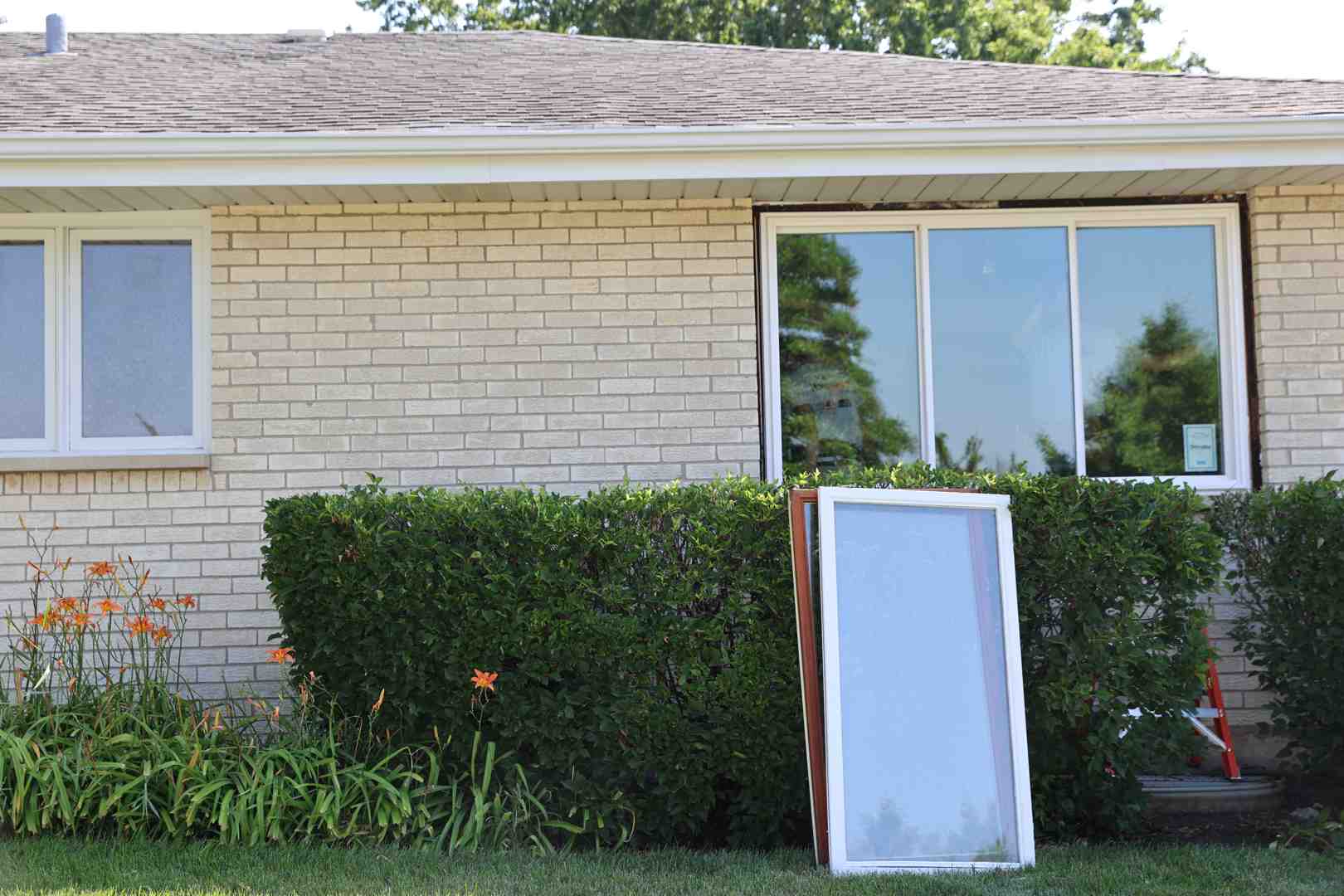
Homeowners planning window replacement chicago projects should look for National Fenestration Rating Council (NFRC) performance labels to verify real-world insulating power.
Glass Packages in Modern Window Replacement Solutions
Advanced glass packages utilize several combined technologies to maximize comfort:
- Low-E (Low-Emissivity) Coatings: Microscopic metallic oxide coatings applied to glass surfaces reflect radiant heat back toward its source—keeping furnace heat indoors during winter while reflecting solar heat away in summer.
- Argon Gas Fills: Dense, non-toxic argon gas sealed between panes slows convective air movement, delivering superior insulation compared to air-filled units.
- Warm-Edge Spacer Systems: Non-metallic or composite spacers separate panes, reducing thermal bridging and eliminating condensation along edge borders.
Climate-Specific Standards for Northern Climates
In cold northern zones, specific metrics determine building performance:
- U-Factor: Measures heat loss rate. Lower numbers indicate greater insulating efficiency. For Chicago winters, aim for a U-factor of 0.27 or lower.
- Solar Heat Gain Coefficient (SHGC): Measures solar radiation transmitted through the glass. Moderate SHGC values allow beneficial passive solar heat gain during winter months.
- Air Infiltration: Indicates how much outside air leaks through window joints under wind pressure. Lower values prevent cold drafts during gusty midwestern storms.
How to Select Certified Window Installers
Even the highest-rated window package will fail if installed improperly. Water leaks, drafts, and mechanical binding often stem from poor installation rather than product failure. Evaluating certified window replacement companies requires verifying licensing, insurance, manufacturer factory certifications, and local customer satisfaction.
Evaluating Installer Credentials and Experience
When searching for trusted window replacement near me in communities like Northbrook, Palatine, Buffalo Grove, or Elmhurst, verify that your contractor holds verified credentials:
- Direct Manufacturer Certification: Factory-trained status with brands like Pella and Andersen ensures adherence to precise fastening and flashing protocols.
- Comprehensive Insurance: Full general liability and worker’s compensation policies protect your property during construction.
- Established Track Record: Decades of continuous operation within the local community demonstrate dependable service and accountability.
Reviewing Comprehensive Warranty Protections
A complete warranty package protects both the product and the labor. Make sure your agreement includes:
- Manufacturer Warranty: Covers frame structural integrity, insulated glass seal failure, and mechanical operating hardware.
- Workmanship Guarantee: Contractor-backed coverage ensuring proper flashing, caulking, and weatherproofing against air and water infiltration.
Frequently Asked Questions About Window Replacement
How long does a typical window replacement project take?
For standard pocket window installations on single-family homes, an experienced professional crew installs approximately 10 to 15 windows per day. Most residential projects are completed within one to two business days, including site setup, trim reinstallation, exterior flashing, and complete cleanup.
What is the difference between double-pane and triple-pane glass?
Double-pane windows feature two glass sheets creating a single insulated gas chamber, offering strong thermal resistance and draft reduction for most homes. Triple-pane units introduce three glass sheets and two insulating gas chambers. Triple-pane packages provide enhanced noise reduction and superior thermal performance, which is particularly beneficial for north-facing walls or homes near busy expressways and commuter lines.
Can replacement windows be installed during the winter?
Yes. Professional crews utilize specialized cold-weather protocols, replacing one window at a time while sealing interior doorways. This room-by-room process minimizes indoor heat loss and prevents exposure to outdoor elements, allowing seamless installations year-round across Chicago and surrounding suburbs.
Conclusion
Upgrading your home’s exterior with precision-crafted replacement windows enhances indoor comfort, eliminates cold drafts, improves seasonal energy efficiency, and elevates overall curb appeal. At HomeBuild Windows, Doors & Siding, we take immense pride in delivering top-quality exterior remodeling services to homeowners throughout Chicago and the surrounding northwest suburbs.
As an Elite Platinum Pella® Certified Contractor, an Andersen Certified Contractor, an Angi Super Service Award recipient, and a Nextdoor Neighborhood Fave backed by more than 200 positive Google reviews, our fully licensed and insured team guarantees master-level craftsmanship on every project. Whether you need window upgrades, entry door replacements, siding installations, or residential roofing, we work closely with you to protect your home.
Contact our team today to schedule your consultation and explore our full range of window replacement and installation services.