

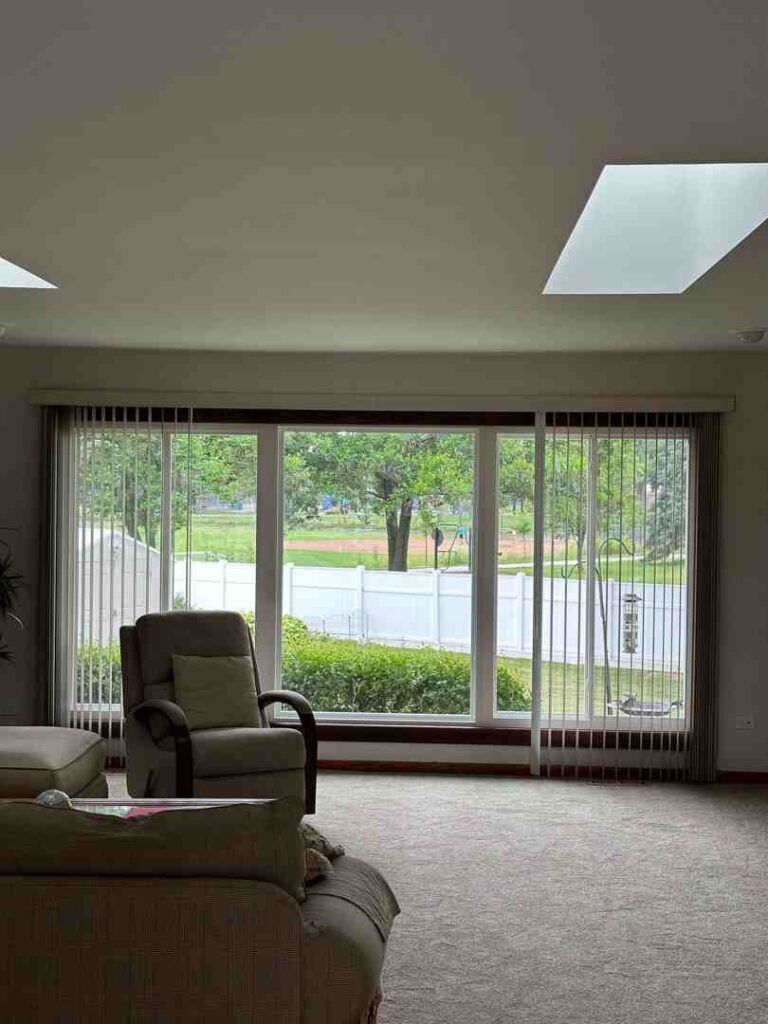
Are Skylights Really Energy Efficient? Here’s What You Need to Know
Energy efficient skylights can meaningfully reduce your reliance on artificial lighting and heating or cooling systems — but only when you choose the right product, size, and placement for your home.
Here’s a quick overview of what makes a skylight energy efficient:
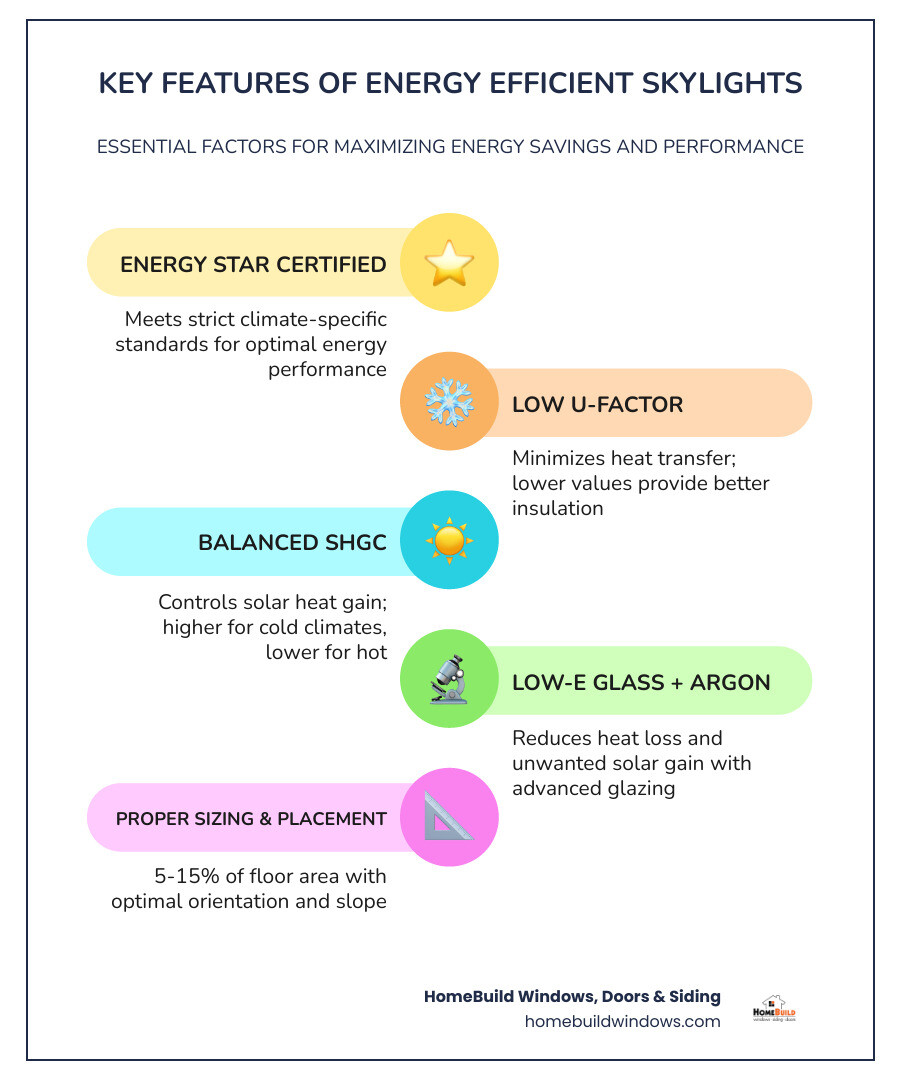
- ENERGY STAR certified – Look for the ENERGY STAR label, which confirms the skylight meets climate-specific performance standards
- Low U-factor – Measures heat transfer; lower is better for insulation
- Appropriate SHGC – Solar Heat Gain Coefficient should match your climate (higher for cold climates, lower for hot ones)
- Low-E glass with argon fill – Significantly reduces heat loss and unwanted solar gain
- Proper sizing – No more than 5–15% of the room’s floor area, depending on how many windows the room already has
- Correct placement and slope – Orientation and roof angle directly affect how much heat and light the skylight brings in
- Professional installation – Even the best skylight underperforms if it’s poorly sealed or flashed
According to ENERGY STAR, upgrading to energy-efficient windows and skylights can reduce utility bills by around 12%. And homeowners who install qualifying products may claim up to $600 in annual federal tax credits — with solar-powered skylights qualifying for a 30% federal tax credit on both the product and installation.
I’m Steve Mlynek, CEO and founder of HomeBuild Windows, Doors & Siding, and with over 20 years of experience helping Chicago-area homeowners improve their home’s energy performance, I’ve seen how the right energy efficient skylight — properly installed — can transform both comfort and energy costs. In this guide, I’ll walk you through everything you need to make a confident, informed decision.
Energy efficient skylight helpful reading:
Understanding Energy Performance Ratings for Skylights
When we talk to homeowners in Arlington Heights or Barrington about adding a skylight, the conversation usually starts with aesthetics. While the light is beautiful, the technical specs are what keep your home comfortable during a Lake Zurich winter or a humid Chicago summer. To find a truly energy efficient skylight, we have to look past the glass and into the data.
The most critical metrics are provided by the National Fenestration Rating Council (NFRC). Their labels provide a reliable way to compare how different products will perform in our specific Midwest climate.
U-factor
The U-factor measures the rate of non-solar heat loss. In simpler terms, it tells us how well the skylight keeps the heat inside your home during the winter. For those of us in the Chicago area, a lower U-factor is non-negotiable. The lower the number, the better the skylight is at insulating your home against the freezing temperatures we see in January.
Solar Heat Gain Coefficient (SHGC)
SHGC measures how much solar radiation enters through the skylight and releases heat into your room. In warmer climates, you want a very low SHGC to keep the sun from baking your interior. In Chicago, we often look for a balanced SHGC. We want some “passive solar gain” to help warm the house in the winter, but not so much that your AC has to work overtime in July.
Visible Transmittance (VT)
This rating tells you how much visible light comes through. A high VT means more natural light, which is the whole point of a skylight! The goal is to maximize VT while keeping the U-factor and SHGC at optimal levels.
To get a better grasp of these numbers, the US Department of Energy recommends understanding the energy performance ratings of skylights before making a purchase.
The Importance of ENERGY STAR Certification
You’ve likely seen the ENERGY STAR logo on your refrigerator or dishwasher, but it is just as vital for your roof. For a product to be ENERGY STAR certified, it must meet strict energy efficiency guidelines set by the EPA.
In our region, ENERGY STAR criteria are tailored to the Northern and North-Central climate zones. Choosing a certified energy efficient skylight ensures that the unit has been tested to withstand our local weather extremes. We always recommend looking for the ENERGY STAR or NFRC label on your skylight to guarantee you are getting a product that will actually lower your utility bills.
Choosing the Right Skylight Type for Your Home
Not all skylights are created equal. The design of the unit itself plays a massive role in how much energy you save (or lose).
Fixed Skylights
Fixed skylights are the most common choice for many residential projects. Because they do not open, they are inherently more airtight than venting models. They are fantastic for providing natural light in areas where ventilation isn’t a primary concern. When properly sealed, a fixed energy efficient skylight acts as a permanent part of your building envelope, offering excellent insulation.
Manual and Solar-Powered Venting Skylights
Venting skylights can be opened to allow fresh air in and stale, hot air out. This is known as “passive ventilation” or the “stack effect.” Since heat rises, opening a skylight in the summer allows the hottest air in your home to escape, reducing the load on your HVAC system.
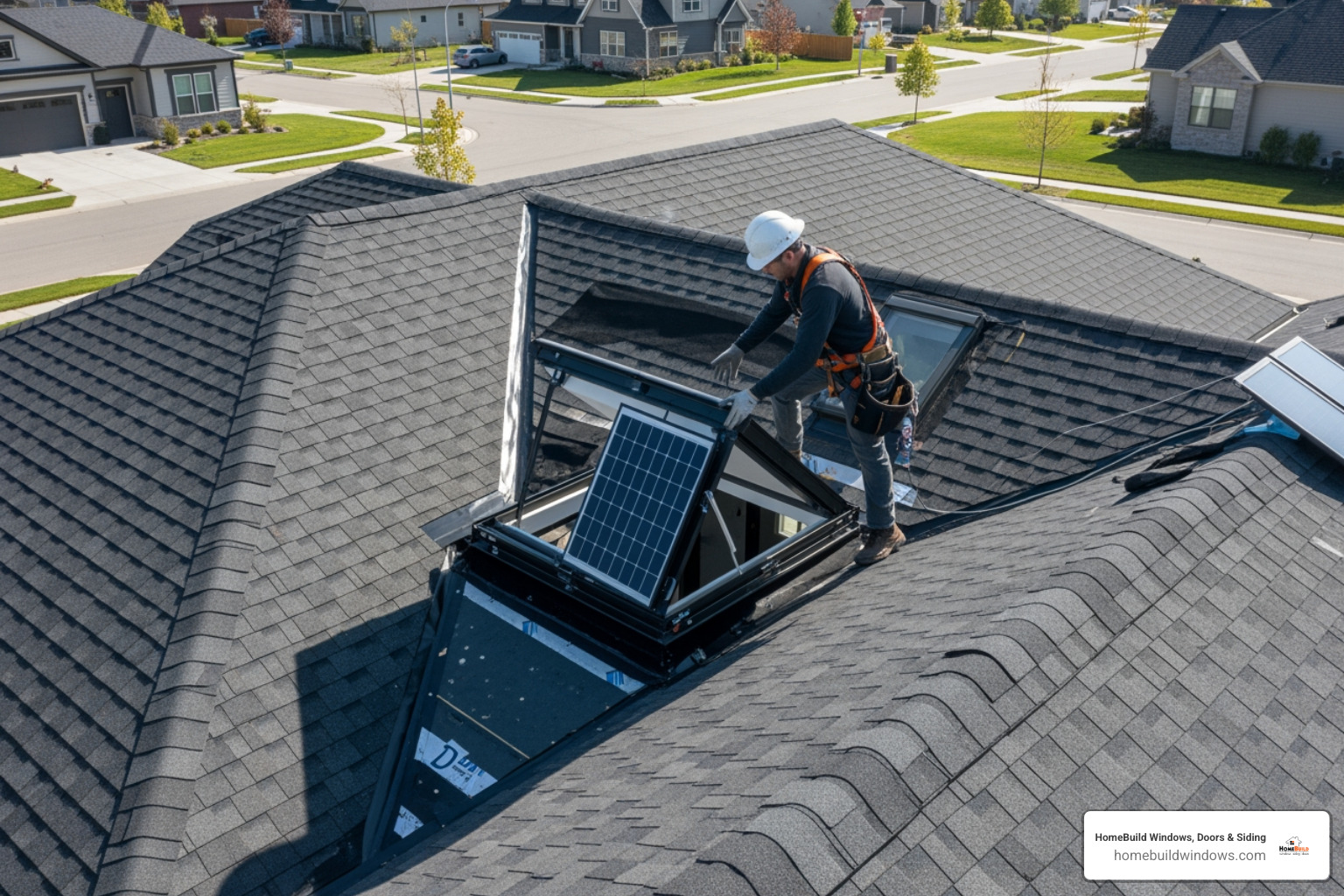
While manual versions exist, solar-powered venting skylights are the gold standard. They use a small solar panel to charge an internal battery, allowing you to open and close them with a remote or smartphone app. The best part? They require no electrical wiring, which simplifies the installation process significantly.
Tubular Daylighting Devices (TDDs)
If you have a small space like a hallway, closet, or bathroom where a traditional skylight won’t fit, a tubular skylight is a great alternative. These consist of a roof-mounted dome that captures light and sends it down a highly reflective tube into the room below. Because they have a smaller surface area than traditional skylights, they minimize thermal impact, meaning less heat loss in winter and less heat gain in summer.
For more on how different glass types affect these units, check out our guide on energy-efficient-glazing.
Selecting an energy efficient skylight by Design
The materials used in the construction of the skylight are just as important as the type. Modern units often feature:
- Low-E Glass: This microscopic coating reflects infrared light (heat) while letting visible light through.
- Argon Gas Fill: Inserting argon gas between the glass panes provides better insulation than plain air.
- Triple-Pane Glazing: While double-pane is standard, triple-pane glass can be significantly more efficient. For example, Pella triple-pane windows are 62% more energy efficient than single-pane windows on average, and that same logic applies to high-end skylights.
Smart Automation and Rain Sensors
One of the biggest fears homeowners in Schaumburg or Glenview have about venting skylights is forgetting to close them before a thunderstorm rolls in. Modern technology has solved this.
High-end models, such as those compatible with VELUX ACTIVE with NETATMO, include acoustic rain sensors. These sensors detect the sound of rain and automatically close the skylight at the first sign of a downpour. Furthermore, these smart systems can monitor indoor CO2 levels, humidity, and temperature, automatically opening the skylight to improve indoor air quality without you having to lift a finger.
Strategic Placement and Sizing for Midwest Climates
In the home improvement world, we have a saying: “Location is everything.” This is especially true for an energy efficient skylight. If you put a massive skylight on a south-facing roof without proper shading, you might turn your living room into a greenhouse.
The 5% to 15% Rule
To maintain thermal balance, we follow a simple rule of thumb for sizing. A skylight should be no more than 5% of the floor area in rooms with many windows. In spaces with few windows, you can go up to 15% of the room’s total floor area. This ensures you get plenty of light without creating a “thermal hole” in your roof.
Optimizing Your energy efficient skylight Orientation
The direction your roof faces determines how much solar heat gain you’ll experience:
- North-facing: Provides a consistent, cool, and soft “artistic” light throughout the day. It minimizes unwanted heat gain in the summer but offers less supplemental heat in the winter.
- South-facing: Offers the most potential for winter solar heat gain. However, in the summer, these can become heat magnets. We often recommend using shades or specialized Low-E coatings for south-facing installations to keep things comfortable.
- East-facing: Provides maximum light and solar heat in the morning—perfect for kitchens or breakfast nooks.
- West-facing: Provides afternoon light and can be prone to significant heat buildup in the late day.
When designing the home to take advantage of the sun, we also consider external factors. For instance, a landscape that reduces energy bills might include deciduous trees. These trees provide shade for your skylight in the summer but drop their leaves in the winter, allowing that much-needed sunlight to reach your roof.
Calculating the Ideal Skylight Slope
The angle of your roof also affects energy performance. To maximize solar heat gain in the winter and minimize it in the summer, a common recommendation is to set the slope of the skylight equal to your geographical latitude plus 5 to 15 degrees.
For our neighbors in Chicago (which sits at roughly 41° latitude), an ideal slope for winter performance would be between 46° and 56°. While you are often limited by your existing roof pitch, we can use “curb mounting” to adjust the angle of the skylight for better performance and moisture shedding.
The Role of Professional Installation in Maintaining an energy efficient skylight
You could buy the most expensive, high-tech energy efficient skylight on the market, but if it’s installed incorrectly, it will be a liability. Poor installation leads to air leaks, water damage, and significant energy loss.
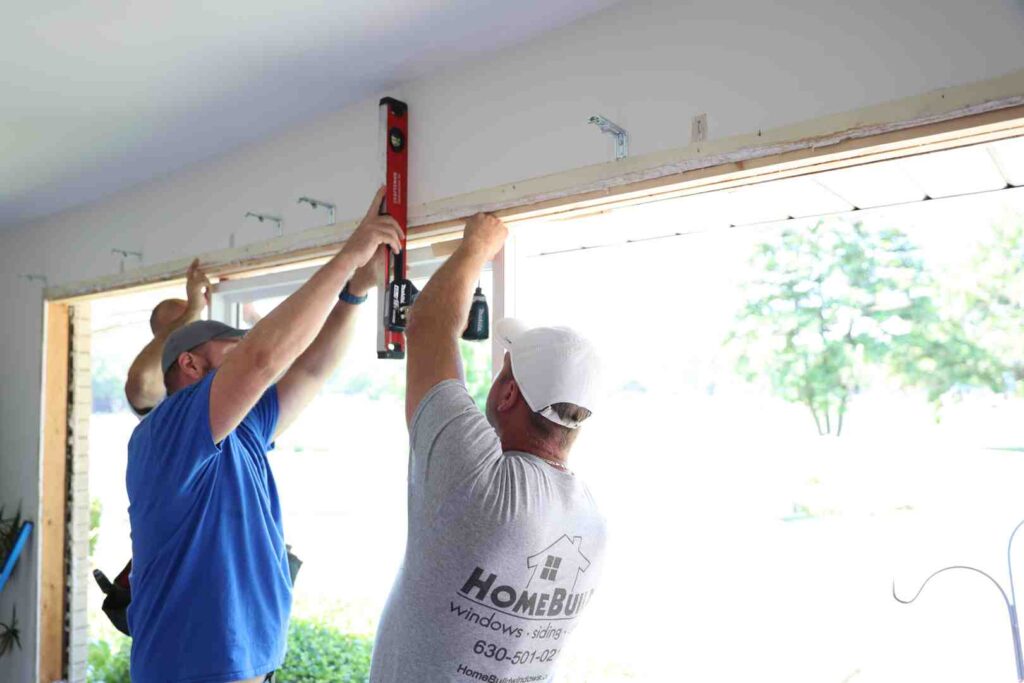
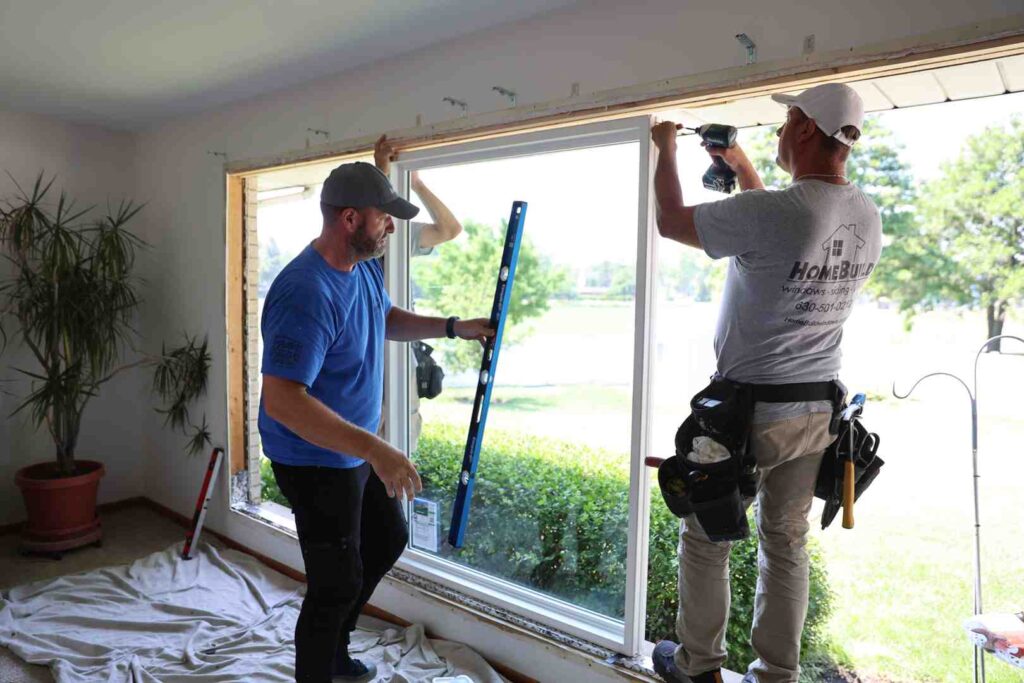
At HomeBuild, we believe that professional installation is the only way to ensure long-term performance. A “Grade A” installer will focus on:
- Flashing Systems: This is the material that directs water away from the skylight. Using a manufacturer-integrated flashing system is essential for a watertight seal.
- Air Leak Prevention: Hidden air leaks around a poorly installed skylight can be equivalent to leaving a window wide open. We use specialized sealants and insulation techniques to ensure the unit is airtight.
- Structural Integrity: Cutting into a roof requires an understanding of rafters and load-bearing structures. We ensure your roof remains strong and safe.
Before hiring anyone, it’s a good idea to check the Federal Trade Commission website for advice on hiring contractors and avoiding scams.
Preventing Condensation and Drafts
In the Midwest, the temperature difference between the inside and outside of your home can be 80 degrees or more. This is a recipe for condensation. A high-quality energy efficient skylight with warm-edge spacers and insulated frames helps prevent this.
Furthermore, if your home was built before 1978, it may contain lead-based paint. It is vital to work with a contractor who follows lead-safe practices to protect your family. You can learn more about these risks at www.epa.gov/lead.
To give our customers peace of mind, we often work with brands that offer a No Leak Warranty. This ensures that if the product is installed with the correct flashing, you are protected against water intrusion for years to come.
Financial Incentives and Long-Term Savings
While the primary goal of an energy efficient skylight is comfort, the financial benefits are substantial.
- Utility Savings: ENERGY STAR estimates that homeowners can reduce their utility bills by 12% by upgrading to energy-efficient windows and doors.
- Property Value: According to the Remodeling 2023 Cost vs. Value Report, homeowners who install energy-efficient windows can recoup over 60% of the project cost upon resale.
- Noise Reduction: High-quality skylights with laminated glass can reduce outside noise by up to 25% compared to standard double-pane glass, and up to 50% compared to plastic units.
Federal Tax Credits for Solar Skylights
One of the most compelling reasons to choose a solar-powered venting skylight is the federal tax credit. Currently, homeowners can claim a 30% federal tax credit on both the product and the installation costs of solar-powered skylights.
Additionally, homeowners who install qualifying ENERGY STAR certified products can often claim tax credits of up to $600 annually for general energy improvements. When you combine these incentives, the “green” choice often becomes the most financially sound choice as well.
Frequently Asked Questions about Skylights
How large should a skylight be relative to the room?
As we mentioned, the 5% to 15% rule is the best guideline. If your room is 200 square feet and has plenty of windows, your skylight should be around 10 square feet. If the room is dark with no windows, you could safely go up to 30 square feet of skylight area.
Do venting skylights leak during rain?
Not if they are modern units with rain sensors! Today’s venting skylights are designed with advanced gaskets and sensors that close the unit automatically. When installed by professionals with a proper flashing system, they are just as watertight as fixed units.
Can I get a tax credit for installing energy-efficient skylights?
Yes! Solar-powered models qualify for a 30% federal tax credit. Standard ENERGY STAR models may also qualify for credits up to $600 under current energy efficiency incentive programs.
Conclusion
Choosing an energy efficient skylight is one of the best ways to brighten your home while lowering your carbon footprint and your monthly bills. From understanding NFRC ratings to selecting the right orientation for the Chicago sun, every detail matters.
At HomeBuild Windows, Doors & Siding, we’ve spent over 20 years helping homeowners in Chicago, Arlington Heights, Schaumburg, and the surrounding suburbs navigate these choices. As an Elite Platinum Pella® Certified Contractor and an Andersen Certified Contractor, we pride ourselves on providing owner-supervised projects that meet the highest standards of quality.
Whether you’re dealing with drafty old windows or looking to add a stunning new solar-powered skylight, we are here to help. Our commitment to professionalism has earned us the Angi Super Service Award and a spot as a Nextdoor Neighborhood Fave, backed by over 200 positive Google reviews.
Ready to transform your home with natural light? Explore our guide on energy-efficient-windows-chicago or contact us today for a consultation. We’ll help you choose the perfect energy efficient skylight that will stand up to the Midwest weather and keep your home beautiful for decades to come.