

What Shapes Window Replacement in 2026
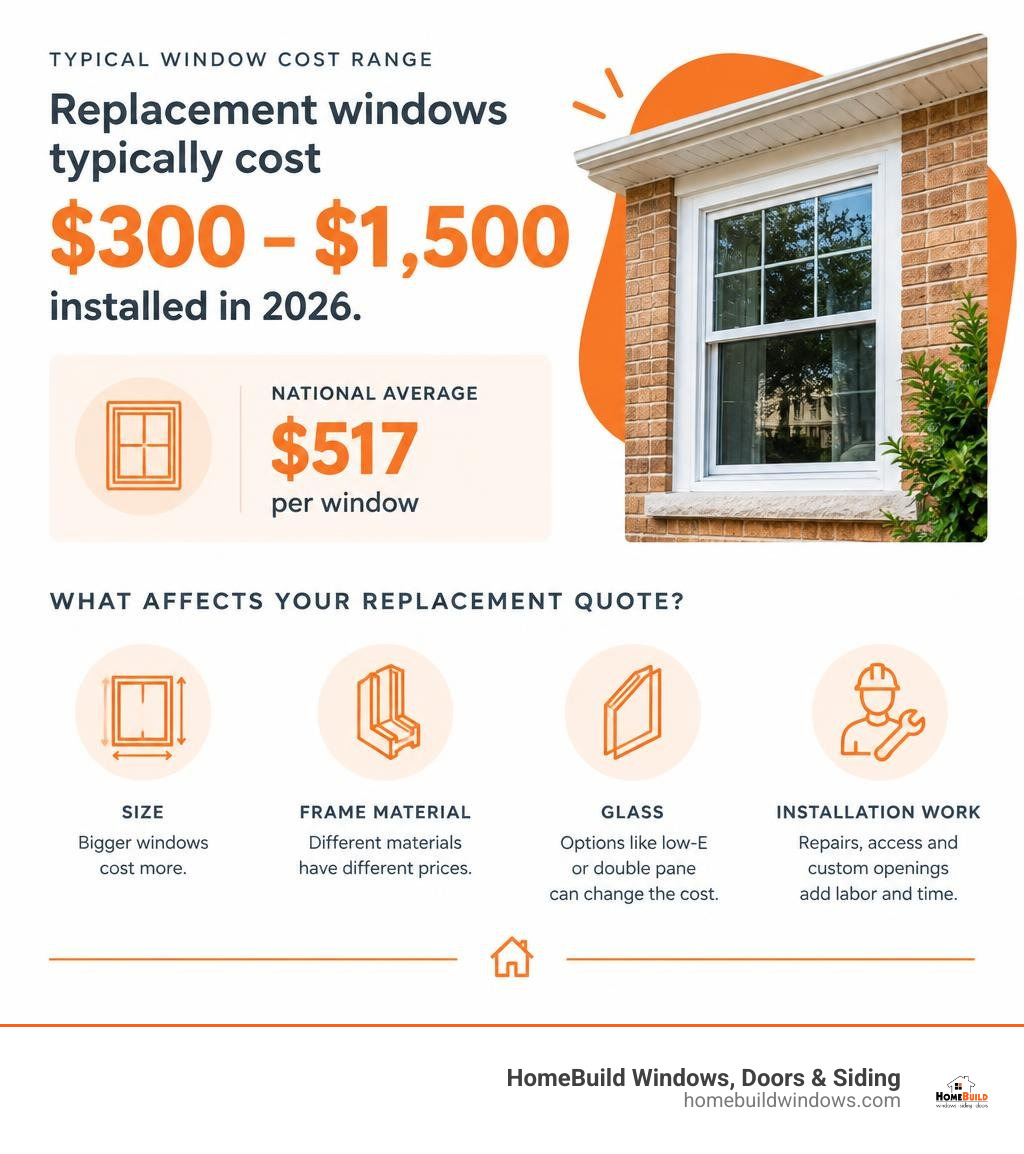
Window replacement specifications vary widely from one Chicago-area home to the next. When homeowners research the average cost of windows, they quickly discover that each project reflects a specific set of home conditions. Size, frame material, glass packages, and the work needed to fit and seal the unit all shape the overall project scope.
In Chicago and the surrounding suburbs, a sound existing frame may allow a simpler insert replacement. Rot, difficult access, or a custom opening can add preparation and finishing steps. That is why two windows that look alike can result in very different installation scopes.
I’m Steve Mlynek, founder of HomeBuild Windows, Doors & Siding, and I’ve overseen Chicago-area window projects for more than 20 years. I’ll help you understand the specifications and installation details that go into a clear, accurate project plan.
What Determines Window Replacement Scope in Chicago?
The window itself is only part of a replacement project. The opening’s dimensions, the condition of the existing frame, the glass package, and the installation approach all affect the work involved. A straightforward replacement in a sound opening is different from rebuilding a damaged frame or changing a custom opening.
Many Chicago-area homes, including bungalows, two-flats, ranches, and colonials, have older openings that may not match current standard sizes. The installer also needs to consider siding or masonry details, interior trim, and access to the window. Upper floors, narrow side yards, and landscaping can affect how the crew safely removes and installs a unit.
An insert replacement fits a new window within an existing frame that is still sound. A full-frame replacement removes more of the existing assembly, allowing the installer to address concealed damage and properly integrate the new window with the opening. Our window replacement service can assess which approach suits the home’s condition.
Chicago’s cold winters, lake wind, humid summers, and freeze-thaw cycles make careful sealing and weatherproofing especially important. A window that is poorly fitted can allow drafts or moisture into the opening. For a broader national overview of factors that shape replacement projects, see this 2026 window replacement guide.
How frame material affects replacement projects
Frame material affects upkeep, insulation, appearance, and how well a window suits the home’s exposure. No material is automatically best for every house. Consider maintenance needs and the condition of nearby trim, siding, and masonry as well as the product’s performance.
- Vinyl: A low-maintenance option that does not need routine painting. Product quality and installation matter, particularly where windows face strong sun or seasonal temperature changes.
- Wood: Offers a traditional appearance that can work well in older homes. Wood needs periodic maintenance to help protect it from moisture and deterioration.
- Fiberglass: Resists common expansion and contraction issues and generally needs little upkeep. Its appearance and finish options may suit homeowners seeking a durable frame.
- Composite: Combines materials to balance appearance and performance. Options differ by product, so review the specifications and maintenance instructions.
- Aluminum: Strong and slim, but it can transfer heat more readily than some other frame materials. Check the thermal performance of the specific window.
For Chicago homes, look beyond the frame alone. A well-sealed installation, suitable glass, and correct flashing help protect the opening through wind, rain, and freeze-thaw conditions.
How window style and glass affect replacement projects
Style affects how a window opens, how much hardware it needs, and how complex the opening may be. Double-hung windows open from the top or bottom and suit many traditional homes. Casement windows swing outward and can provide a tight seal when closed. Sliding windows move horizontally, while picture windows are fixed and do not open.
Bay windows extend outward from the wall and may require additional structural support. Their size, shape, and connection to the home can make installation more involved than replacing a standard unit in an existing opening.
Glass also influences comfort and energy performance. Double-pane glass is a common choice; triple-pane glass adds another insulating layer and may be worth considering for especially exposed rooms. Low-E coatings help manage heat transfer, and gas fills between panes can improve insulation. Choose based on the window’s orientation, comfort concerns, and the home’s overall performance.
| Option | Upkeep | Operation | Typical application |
|---|---|---|---|
| Vinyl frame | Low; usually no painting | Depends on style | General-purpose replacement |
| Wood frame | Periodic maintenance | Depends on style | Traditional homes and wood interiors |
| Fiberglass frame | Low | Depends on style | Durable, low-maintenance applications |
| Composite frame | Varies by product | Depends on style | Homeowners comparing appearance and performance |
| Aluminum frame | Low | Depends on style | Slim-frame designs |
| Double-hung style | Clean tracks and hardware | Sashes move vertically | Bungalows, colonials, and many standard openings |
| Casement style | Maintain hinges and operators | Sash swings outward | Ventilation and hard-to-reach areas |
| Sliding style | Keep tracks clear | Sash moves horizontally | Wider openings |
| Picture style | Clean fixed glass | Does not open | Views and daylight |
| Bay style | Maintain multiple units and joints | Usually combines operating and fixed sections | A projecting window area |
The ENERGY STAR program provides guidance on choosing efficient windows for a home’s climate and location. Look at the certified product details, including U-factor and solar heat gain coefficient, rather than relying on a general label alone.
How Installation Work and Project Details Shape the Final Result
Installation requires more than placing a new unit in an opening. The crew must check the opening, remove the old window without unnecessary damage, fit and secure the replacement, and seal the assembly against air and water. Interior trim, exterior siding, flashing, and insulation may also need attention.
Homes with older trim or masonry can require careful coordination to preserve surrounding materials. A clear written scope should explain what work is included and what may be handled separately if hidden damage appears.
What labor involves and what can make installation more complex
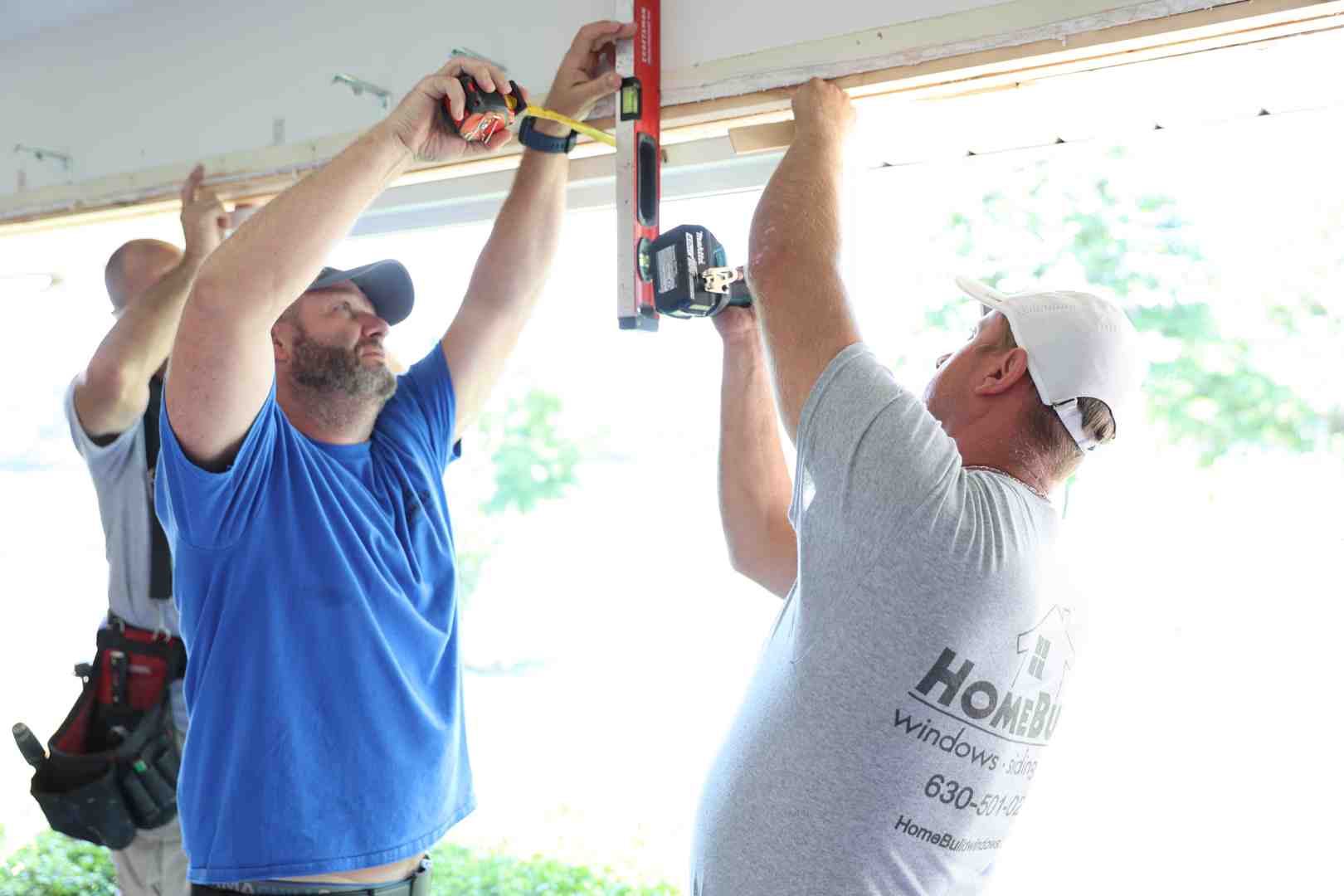
A professional installation typically involves measuring the opening, confirming the unit fits, preparing the work area, and checking that the window is level and square. Relying on professional window replacement ensures the crew secures the unit, insulates and seals the perimeter, and connects the assembly to the surrounding weather barrier. Proper flashing and finishing help direct water away from the opening.
The existing frame’s condition is a major factor. Rot, water damage, or an opening that is out of square may call for additional repair. Siding or masonry can also make removal and finishing more involved. Upper-floor windows, restricted access, and large or unusual units require additional planning and safe handling.
Additional work homeowners should ask about
Before approving a project, ask whether the written scope includes removal of old windows, debris disposal, flashing, insulation, trim work, and cleanup. Confirm how the contractor will document and discuss concealed damage, such as rotted framing or water-damaged trim, if it is found after removal begins.
Older or historically significant homes may have requirements for window appearance or materials. Local permit and inspection rules can vary with the scope of work and the property. Check applicable requirements before work starts, and ask the installer who is responsible for permit coordination.
When Replacement Makes Sense—and How to Plan for Long-Term Performance
Windows often last around 15 to 30 years, but condition matters more than age alone. Chicago weather can put stress on seals, frames, and exterior finishes. Drafts during windy winter weather, fog between panes, or water near a sill may indicate a problem that needs evaluation.
Repair may be suitable when the issue is limited, such as worn hardware or a localized seal problem. Replacement is worth considering when frames are deteriorated, glass is damaged, windows no longer operate safely, or several units contribute to ongoing discomfort. A professional inspection can help distinguish a repairable issue from a wider failure.
Replacing all windows during one project can simplify scheduling and create a consistent appearance. Replacing in stages may make sense when only a few windows are failing or the work needs to be spread over time.
| Planning factor | Whole-home replacement | Phased replacement |
|---|---|---|
| Project coordination | One coordinated installation period | Scheduling and site preparation recur |
| Appearance | Easier to keep styles and finishes consistent | Later selections may need careful matching |
| Urgency | Addresses multiple problem windows together | Allows the most damaged windows to be prioritized |
| Disruption | More work happening during one period | Smaller work periods, spread out over time |
| Planning | Requires decisions about the full set at once | Requires a clear plan for later phases |
Energy efficiency, comfort, and home performance
Efficient windows can help reduce unwanted heat transfer, improve room comfort, and limit drafts. Homeowners may also notice less outside noise, especially when the window assembly and installation address air gaps. Replacing older, inefficient windows may lower heating and cooling demand, although actual energy efficiency gains depend on the home, existing windows, weather, and household energy use.
When comparing products, review the U-factor, which indicates how well a window limits heat transfer, and the solar heat gain coefficient, which describes how much solar heat passes through the glass. The right combination depends on orientation and comfort goals. In Chicago, the cold season and lake wind make insulation and airtight installation important; humid summers also make dependable sealing valuable.
New windows can improve curb appeal and may be attractive to future buyers, though market appeal varies by home and neighborhood.
Tax credits and incentives to check before choosing windows
Federal tax incentives depend on current law, the tax year, and whether the specific products and installation meet the applicable requirements. Do not assume that a window qualifies based only on its description as energy efficient. Review the current ENERGY STAR federal tax-credit guidance before purchasing, and keep product certification details, receipts, and other required records.
State, local, or utility programs may also be available and can have separate eligibility rules. Check the program terms before signing a contract or starting work.
Frequently Asked Questions About Window Replacement
What are the clearest signs that a window needs replacement?
Persistent drafts, fog between panes, broken glass, water intrusion, decayed frames, and windows that stick or will not lock are common warning signs. A single issue may be repairable, but repeated problems or damage across multiple parts of the window may indicate replacement is the better long-term solution.
Is it better to replace every window at once or in stages?
It depends on the windows’ condition, project coordination, and your plans for the home. Replacing several at once can make it easier to coordinate the work and maintain a consistent appearance. If one window is broken or letting in water, addressing it promptly may be more important than waiting to replace all the others. A phased plan should account for matching styles and finishes later.
Do energy-efficient windows increase comfort and home value?
They can improve comfort by reducing drafts and unwanted heat transfer, and some homeowners also appreciate reduced outside noise. Efficient windows may support resale appeal, but the effect on home value varies. Product performance, installation quality, and the home’s overall condition all matter.
What affects the labor involved in window replacement?
The opening’s condition, window size and style, access, and surrounding siding or masonry all affect the work. Removal, weatherproofing, insulation, and finishing are also part of a complete installation. Ask for a written description of the work and how unexpected repairs will be handled.
Do replacement windows require permits?
Requirements depend on the property and the scope of work. Ask your installer and check with the relevant local authority before the project begins, especially if the opening, structure, or exterior appearance will change.
Conclusion
To compare proposals, look at the window specifications, installation scope, and warranty coverage together. Choose products and glass suited to Chicago winters, lake wind, and humid summers, and make sure the installation plan addresses the condition of the existing opening.
HomeBuild Windows, Doors & Siding is locally owned and has served the Chicago area since 2004. Our in-house crews complete every installation, with owner Steve Mlynek supervising on site. We are an Elite Platinum Pella Certified Contractor and an Andersen Premier Certified Contractor. Each installation includes a 10-year labor warranty and a complimentary VIP Protection Plan, with coverage options based on project size. See our warranty information.
What should you do next? Schedule a free estimate to discuss your windows and project needs with our team.