
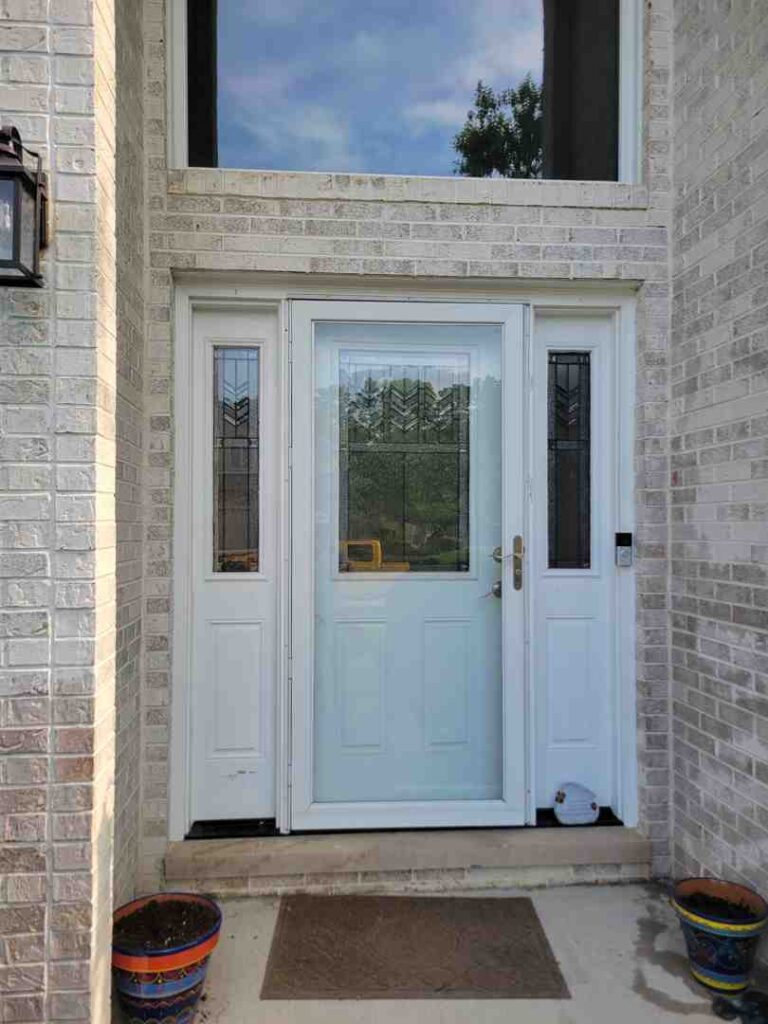
Professional Front Door Replacement for Chicago Homes
Selecting a front door replacement is one of the most important decisions Chicago homeowners make for their property’s exterior — and the right choice depends on several key factors.
Key considerations for your project:
- Material — steel, fiberglass, or wood each offer different performance characteristics and aesthetic appeal
- Configuration — sidelights, transoms, and double doors create a grand entrance
- Installation quality — professional fitting ensures structural integrity and weather protection
- Size — custom sizing ensures a perfect fit for unique architectural openings
For Chicago-area homeowners, a quality, energy-efficient door is essential for withstanding harsh Midwest winters. Your front door is more than an entrance — it’s a vital component of your home’s insulation and security. Selecting the right components before you start ensures a smooth project and long-term satisfaction.
I’m Steve Mlynek, CEO and founder of HomeBuild Windows, Doors & Siding. With over 20 years of installing entry doors across Chicago and the northwest suburbs, I’ve seen how material choice and installation standards impact a home’s comfort, appearance, and long-term value. In this guide, I’ll walk you through everything you need to make a confident, informed decision.

Essential resources:
Factors That Influence Front Door System Performance
When evaluating the level of front door quality you need, it is essential to look at the door as a complete system rather than just a slab of material. In the Chicago area, where we experience everything from humid summers to sub-zero winters, the value of an entry door is measured by its ability to protect your home while looking great for decades.

A high-quality New Entry Door Installation involves several components that influence the total performance. These include the door slab itself, the frame (jambs), the threshold, weatherstripping, and the hardware. Material durability is the primary driver of performance; for example, a door that resists warping and denting will provide a much higher return on investment over twenty years than an alternative that requires frequent repairs.
Security is another critical factor. Modern doors often feature reinforced strike plates and multi-point locking systems that extend deadbolts deep into the frame. Furthermore, energy efficiency is built into the system through thermal breaks—non-conductive materials placed within the door to stop heat from escaping—and high-performance weatherstripping that creates an airtight seal.
Evaluating Front Door Insulation for Your Home
In the Midwest climate, insulation isn’t just a luxury; it’s a necessity for managing energy efficiency. When we talk about the level of front door insulation required, we look at the R-value, which measures thermal resistance. The higher the R-value, the better the door is at keeping the cold air out during a January blizzard in Arlington Heights or Schaumburg.
Energy Efficient Entry Doors often feature polyurethane foam cores, which provide significantly higher insulation than traditional solid wood. If your door includes glass, opting for Low-E (low-emissivity) coatings is vital. Low-E glass reflects infrared light, keeping heat inside during the winter and outside during the summer, potentially improving your home’s thermal efficiency by up to 10%.
Determining Front Door Maintenance Requirements by Material
Homeowners often underestimate the long-term commitment required by certain materials. Determining the level of maintenance you are willing to perform is a key part of the selection process.
For instance, high quality exterior doors made of solid wood offer unmatched beauty but require refinishing every one to two years if they are exposed to direct sunlight or moisture. Without this care, they can succumb to rot or warping. In contrast, fiberglass and steel options are engineered for rot resistance and long-term durability, often requiring nothing more than an occasional wipe-down with a damp cloth to maintain their appearance.
Comparing Entry Door Materials for the Midwest Climate
Choosing the right material is the biggest decision you’ll make. Each material performs differently under the stress of Chicago’s seasonal shifts.
| Feature | Steel Doors | Fiberglass-Composite | Solid Wood |
|---|---|---|---|
| Durability | High (but prone to dents) | Very High | Moderate |
| Maintenance | Low | Very Low | High |
| Insulation | Good | Excellent | Moderate |
| Curb Appeal | Modern/Simple | Realistic Wood Grain | Premium/Luxury |
Steel doors are a popular choice for those prioritizing security and durability. While they are fireproof and feature foam-filled cores for energy efficiency, they can be prone to scratches or dents over time. There are many advantages and disadvantages of steel replacement doors to consider, but their strength remains a top selling point.
Fiberglass-composite doors, such as those from Therma-Tru or Pella, are often considered the “gold standard” for the Midwest. They mimic the look of real wood grain so effectively that it’s hard to tell the difference from the sidewalk, yet they won’t rot, warp, or rust. Solid wood doors remain the pinnacle of luxury, offering a heavy, substantial feel and custom craftsmanship, though they are best suited for covered entryways that protect them from the elements.
Material Performance in Chicago Winters
Winter is the ultimate test for any entryway. Our Door Installation Chicago Complete Guide highlights that thermal expansion is a major concern. Materials like wood can expand and contract significantly as temperatures fluctuate, leading to sticking or gaps that let in drafts.
Fiberglass is particularly stable in these conditions, maintaining its shape and seal regardless of the thermometer reading. Moisture resistance is also crucial; as snow piles up against the threshold, you need a door and frame system that won’t absorb water and lead to structural damage.
Enhancing Curb Appeal with Custom Configurations
If you want to make a statement, standard sizes are just the beginning. The configuration of your entryway—how the door sits within the wall—drastically changes the “wow factor” of your home.
A custom entry door installation guide usually highlights three main upgrades:
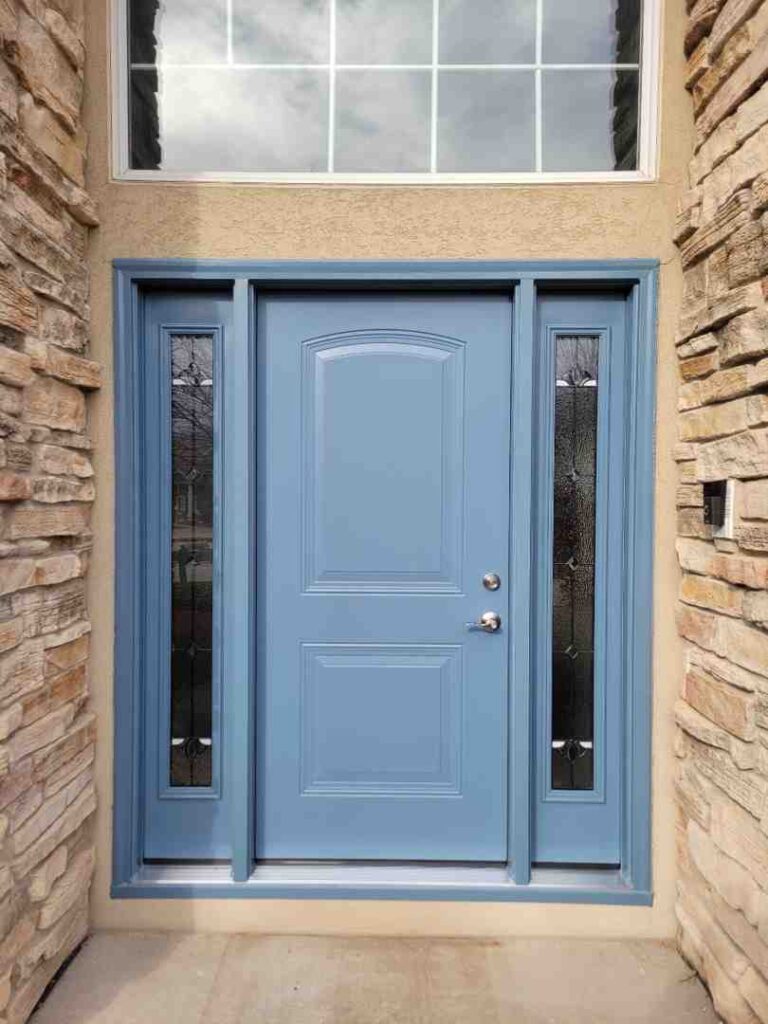
- Sidelights: Vertical glass panels on one or both sides of the door that flood your foyer with natural light.
- Transoms: Horizontal glass panels located above the door frame that add architectural height.
- Double Doors: Two doors that open from the center, creating a wide, grand entrance.
Adding decorative glass, such as frosted, beveled, or Flemish glass, provides privacy while still allowing light to enter. Hardware finishes like oil-rubbed bronze, brushed nickel, or matte black serve as the “jewelry” for your door, tying the whole look together.
Accessibility and Building Regulations
When planning a grand entrance, don’t forget about functionality and local codes. The ADA recommends that entry doors provide a clear width of at least 32 inches when the door is open at a 90-degree angle. This ensures that everyone, including those using mobility aids, can comfortably enter.
Furthermore, you should enhance your home by discovering the charm of doors with side panels, but ensure the threshold remains low. A smooth transition with a threshold no higher than a half-inch is safer and more accessible for all guests.
The Importance of Expert Installation in Chicago
Even the most high-quality door will fail if it isn’t installed correctly. In the Chicago suburbs, “settling” homes and extreme weather mean that precision is everything.
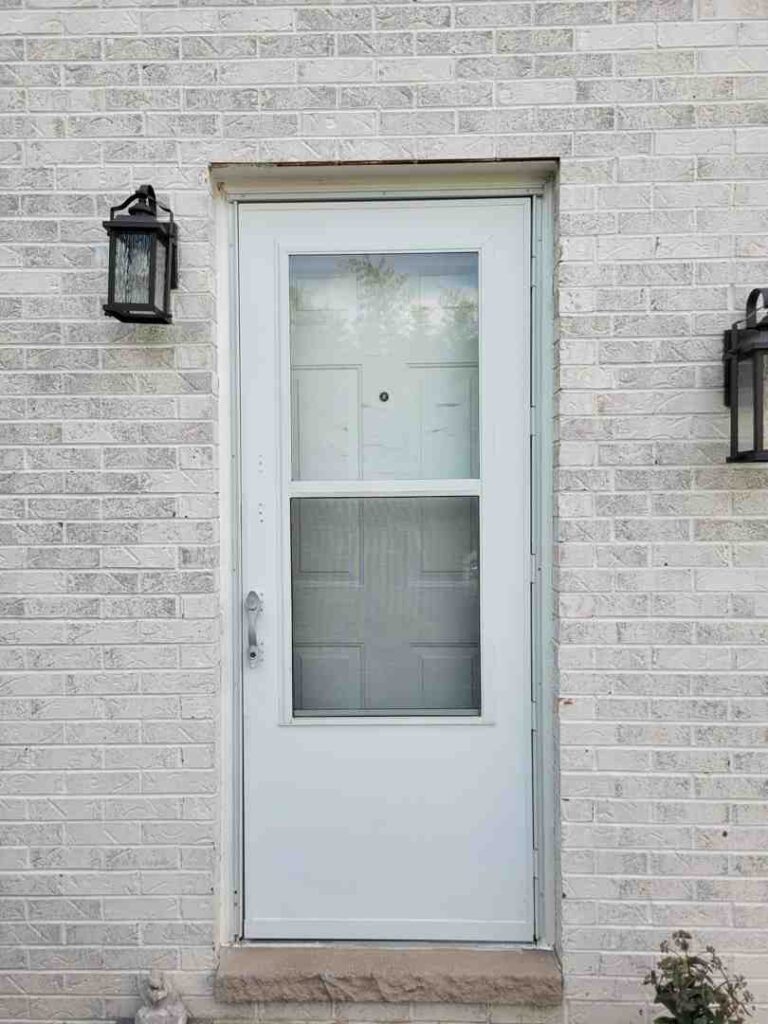
When installing a prehung exterior door, we ensure the entire unit—door and frame—is perfectly level, square, and plumb. This is much more effective than “slab-only” replacements, where a new door is hung in an old, potentially warped frame. A pre-hung unit allows for superior air sealing and structural integrity.
Our team also looks for “hidden” issues like rot in the subfloor or wall studs. Ignoring these problems during installation is like building a house on sand. Proper flashing and caulking are the final steps that ensure water stays outside where it belongs.
Why Professional Standards Dictate Front Door Security
Peace of mind is paramount. Door installation professionals understand that security is about more than just a lock. It’s about how the door interacts with the house. We use long, three-inch screws that go through the hinges and strike plates directly into the home’s framing. This makes it incredibly difficult for an intruder to kick the door in. Combined with tamper-proof hinges and high-quality locksets from brands like Andersen or Pella, your front door becomes a formidable barrier.
Frequently Asked Questions
How long does a professional front door installation typically take?
For a standard replacement where the opening is already the correct size, a professional crew can typically complete the installation in 3 to 5 hours. This includes removing the old door, prepping the opening, installing the new pre-hung unit, and finishing the interior and exterior trim. Custom configurations with sidelights or transoms may take a full day (6 to 8 hours).
Can I replace a front door without replacing the frame?
While it is possible to replace just the “slab” (the door itself), we rarely recommend it for exterior entries. Old frames are often out of square or have hidden water damage. Replacing the entire system with a pre-hung unit ensures that the weatherstripping lines up perfectly, providing the best possible seal against Chicago’s wind and snow.
What are the benefits of ENERGY STAR certified doors for Midwest homes?
ENERGY STAR certified doors are tested to meet strict energy efficiency guidelines. For Midwest homeowners, this means better insulation, fewer drafts, and a more comfortable home year-round. These doors often feature multiple panes of glass with gas fills (like Argon) and superior core materials that improve your home’s energy efficiency and comfort.
Conclusion
Upgrading to a new front door is one of the most impactful upgrades you can make to your home. Whether you are looking for the sleek security of steel, the low-maintenance beauty of fiberglass, or the timeless luxury of wood, the key to a successful project is choosing the right partner.
At HomeBuild Windows, Doors & Siding, we take pride in being a locally owned contractor with over 20 years of experience serving Chicago and the surrounding suburbs. As an Elite Platinum Pella® Certified Contractor and an Andersen Certified Contractor, we bring industry-leading expertise to every doorstep. Our projects are owner-supervised to ensure that every detail—from the air sealing to the hardware finish—meets our high standards.
With over 200 positive Google reviews and accolades like the Angi Super Service Award and Nextdoor Neighborhood Faves, we are dedicated to helping you find the perfect entryway for your home. Ready to transform your home’s entrance? Contact us today for an Entry Door Replacement consultation.