

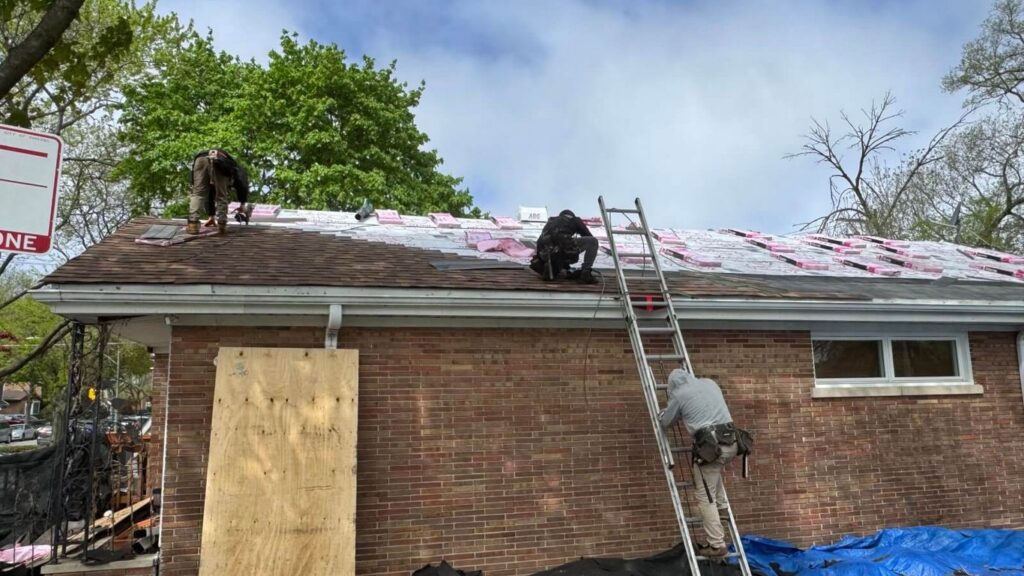
A leaky roof might not seem like a big deal at first, maybe just a small drip here and there. But letting it go can turn into a real headache. Water can do a lot of damage to your home, from the attic down to the foundation. That’s why knowing when and how to get roof leak repair done is super important. We’ll walk through what to look for and why acting fast makes all the difference.
Key Takeaways
- Watch for early signs like water spots or peeling paint on your ceiling; these indicate a roof leak that needs prompt attention.
- Ignoring roof leaks can lead to serious water damage, including mold growth, damaged insulation, and structural problems.
- Professional roof inspections are vital for finding leaks, especially hidden moisture, and pinpointing their exact source.
- Common repair methods involve fixing or replacing shingles, sealing flashing, and addressing ventilation issues to stop leaks.
- Regular maintenance, like cleaning gutters and scheduling inspections, is the best way to prevent future roof leaks and protect your home.
Understanding the Urgency of Roof Leak Repair
A leaky roof might not seem like a big deal at first, maybe just a small drip or a damp spot. But honestly, ignoring it is like playing with fire. What starts as a minor issue can quickly turn into a major headache, causing damage that costs a fortune to fix. The longer you wait, the worse it gets.
Signs of a Developing Roof Leak
Sometimes, the signs are obvious, like a visible water stain on your ceiling or walls. Other times, it’s more subtle. Keep an eye out for these common indicators:
- Water spots or stains: These can appear on ceilings, walls, or even around light fixtures.
- Peeling paint or wallpaper: Moisture trapped behind paint or wallpaper can cause it to bubble and peel.
- Musty odors: A persistent damp smell, especially in the attic, can signal hidden moisture.
- Mold or mildew growth: These thrive in damp environments and can indicate a leak.
- Sagging ceiling areas: This is a serious sign that water has saturated the insulation and drywall.
- Drips from the ceiling or walls: The most direct sign that water is getting in.
The Cascade of Water Damage
When water finds its way into your home, it doesn’t just stop at the surface. It can seep into insulation, damage wooden structures like rafters and joists, and even affect your electrical systems. This can lead to:
- Structural rot: Wood can weaken and decay over time, compromising the integrity of your roof and home.
- Electrical hazards: Water near wiring can cause short circuits and pose a fire risk.
- Mold and mildew: Beyond being unsightly, mold can cause respiratory problems and allergies.
- Damage to belongings: Furniture, carpets, and personal items can be ruined by water intrusion.
- Increased energy costs: Damaged insulation loses its effectiveness, making your home harder to heat and cool.
Ignoring a small roof leak is a gamble. The potential costs of structural damage, mold remediation, and ruined possessions far outweigh the expense of a timely repair. It’s always better to address the problem head-on before it escalates.
Preventing Further Damage with Timely Repair
Getting a roof leak fixed promptly is key to protecting your home. A small repair now can save you from extensive and costly damage down the line. Think of it as preventative maintenance for your biggest investment. Addressing leaks quickly helps maintain your home’s structural integrity and prevents secondary issues like mold growth. If you suspect a leak, it’s best to get a professional roof inspection services to pinpoint the exact source and get it fixed right away.
Comprehensive Roof Leak Detection Services
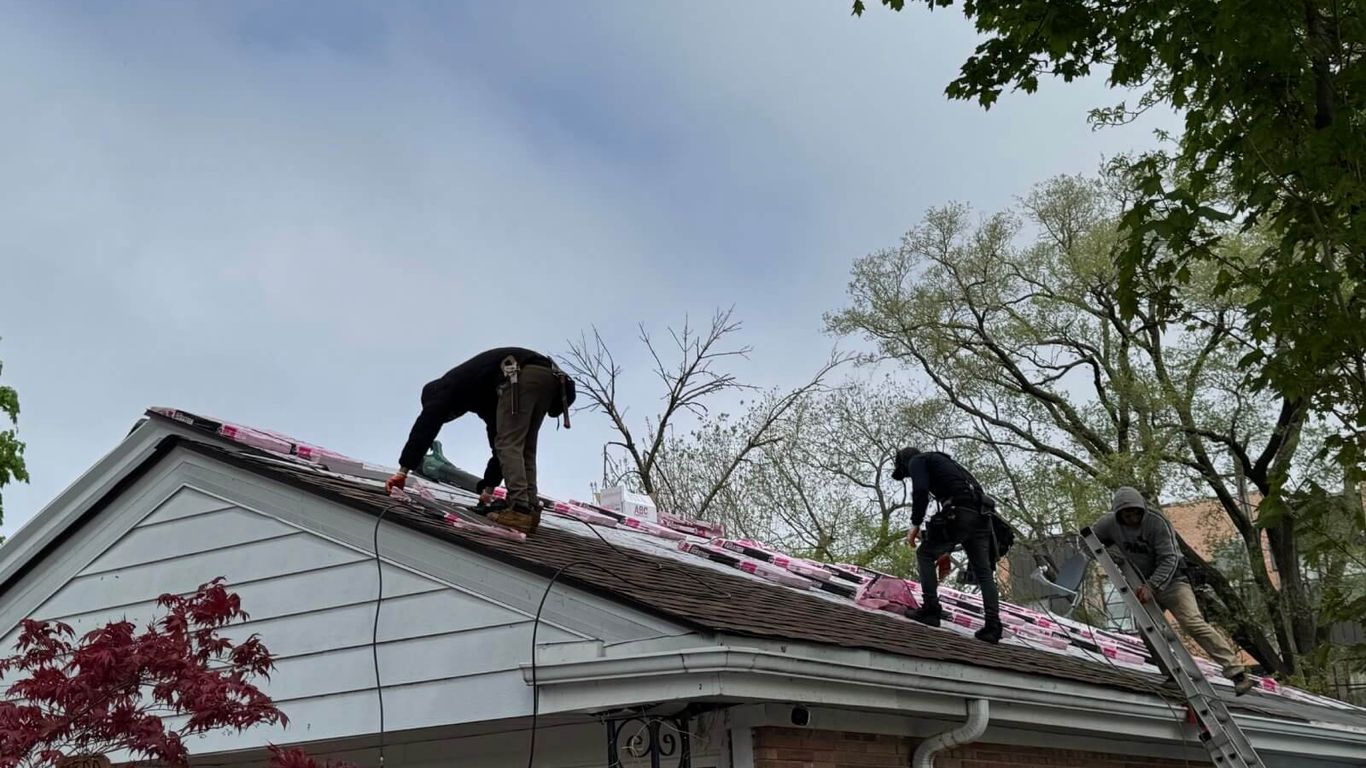
Finding a roof leak isn’t always as simple as spotting a water stain. Sometimes, the problem is hiding, slowly causing damage you can’t see. That’s where professional detection services come in. We go beyond just looking for drips; we use specialized methods to pinpoint the exact source of the problem before it gets worse.
Professional Roof Inspections
Think of a professional roof inspection as a full check-up for your home’s most important shield. We don’t just glance at the shingles from the ground. Our team gets up on the roof, looking closely at every part that keeps water out. This includes checking the condition of your shingles, looking for any signs of wear or damage, and making sure the flashing around chimneys, vents, and skylights is still doing its job. We also inspect gutters and downspouts to make sure they’re clear and directing water away from your foundation. A thorough inspection is the first and most important step in catching potential problems early.
Identifying Hidden Moisture Intrusion
Leaks don’t always show up as a big puddle. Often, water finds its way into your attic or walls, hiding behind insulation or under drywall. This hidden moisture can lead to mold growth, wood rot, and structural damage over time. We use tools like moisture meters and infrared cameras to detect these hidden damp spots that aren’t visible to the naked eye. Finding this moisture early can save you a lot of headaches and expensive repairs down the road. It’s about being proactive, not just reactive.
Pinpointing the Source of the Leak
Once we’ve identified a potential issue, the next step is finding the exact spot where the water is getting in. This can be tricky because water can travel. A leak that shows up in your ceiling might have started much higher up on the roof, or even in a different spot altogether. We use a combination of visual inspection, water testing (if needed), and our experience to trace the path of the water back to its origin. This accuracy is key to making the right repairs. If you’re looking for specialized leak detection, you can find services like American Leak Detection of Connecticut that focus on this.
Sometimes, the smallest issues can lead to big problems if left unchecked. Here’s a quick look at what we check for:
- Shingle Condition: Looking for cracks, curling, missing pieces, or granule loss.
- Flashing Integrity: Checking seals around roof penetrations like vents, chimneys, and skylights.
- Gutter and Drainage: Ensuring water flows away from the house, not pooling near the foundation.
- Attic Ventilation: Making sure air can circulate properly to prevent moisture buildup.
Don’t wait until you see a drip. Regular, professional inspections are the best way to catch small problems before they turn into costly disasters. It’s an investment in protecting your home.
Expert Roof Leak Repair Techniques
When you’ve got a roof leak, it’s not just about a drip in the ceiling. It’s about stopping the problem before it gets worse. We tackle roof leak repair in Chicago and the surrounding areas with a focus on getting it right the first time. Our team uses proven methods to fix your roof and keep your home dry.
Shingle Replacement and Repair
Sometimes, a few bad shingles are the culprit. We carefully remove damaged or missing shingles and replace them with matching ones. This isn’t just about looks; it’s about restoring the protective layer of your roof. We pay attention to how the new shingles overlap with the old ones to prevent any water from getting underneath. Proper shingle repair is key to preventing small issues from becoming big problems.
Flashing Repair and Sealing
Flashing is that metal material found around chimneys, vents, and in valleys where roof sections meet. It’s designed to direct water away. If flashing is damaged, loose, or improperly installed, it’s a common spot for leaks. We inspect all flashing, repair any cracks or rust, and seal it securely. This step is really important for areas where water tends to collect. For more on how flashing works, you can check out details on flashing installation.
Addressing Ventilation Issues
Believe it or not, your roof’s ventilation system can play a role in leaks. Poor attic ventilation can lead to moisture buildup, which can damage shingles and decking over time. We check your attic’s airflow and make sure vents aren’t blocked. Proper ventilation helps regulate temperature and moisture, keeping your roof in better shape.
Fixing a roof leak involves more than just patching a hole. It requires understanding how water moves across your roof and where it can find entry points. Our goal is to address the root cause, not just the symptom, to provide lasting protection for your home.
When to Consider a Full Roof Replacement
Sometimes, patching up a leaky roof just isn’t enough. If your roof is showing its age or has suffered significant damage, it might be time to think about a complete replacement. It might seem like a big job, and it is, but it’s often the most sensible and cost-effective solution in the long run.
Signs of Significant Roof Deterioration
Your roof is constantly battling the elements, and over time, this takes a toll. You might notice a few things that tell you it’s time for a change. Keep an eye out for these common signs:
- Sagging or Uneven Areas: If parts of your roof look like they’re drooping or have wavy sections, that’s a big red flag. It means the underlying structure might be compromised.
- Cracked, Brittle, or Missing Shingles: Shingles that are curling, breaking easily when touched, or are simply gone leave your home exposed. You might find a surprising number of them in your gutters or yard after a storm.
- Granule Loss: Asphalt shingles shed granules over their lifespan, but excessive amounts in your gutters or downspouts indicate they’re wearing out faster than they should.
- Visible Damage After Storms: High winds can lift shingles, and hail can cause dents or cracks. If you’re seeing more damage after each severe weather event, it’s a sign the roof can’t handle it anymore.
- Daylight Through the Roof: If you can see light peeking through your attic ceiling or between the roof rafters, it’s a clear sign that your roof is severely damaged and needs immediate attention. Seeing daylight is never a good sign for your roof’s integrity.
Age and Lifespan of Your Roofing System
Roofs don’t last forever. The typical lifespan for most asphalt shingle roofs is around 20 to 30 years, though this can vary based on the quality of the materials, installation, and local climate. Metal roofs and other materials might last longer, but they also have a finite life. If your roof is approaching or has passed its expected lifespan, even if it’s not showing obvious signs of failure yet, it’s wise to start planning for a replacement. Think of it like an old car – it might still run, but you know a breakdown could be just around the corner. Proactive replacement avoids the emergency situation that a sudden failure can cause.
The Benefits of a New Roof Installation
While a full roof replacement is an investment, the benefits can be substantial. A new roof doesn’t just fix leaks; it can:
- Improve Energy Efficiency: Modern roofing materials and proper installation techniques can help insulate your home better, reducing heating and cooling costs. This is especially true if your old roof has poor ventilation or is letting in drafts.
- Increase Home Value: A new roof is a major selling point for potential buyers and can significantly boost your home’s curb appeal and overall market value. It shows you’ve taken care of a critical part of the home.
- Provide Enhanced Protection: Newer roofing systems are designed with advanced technology to better withstand harsh weather, UV rays, and other environmental factors, offering superior protection for your home and family.
- Reduce Future Maintenance Costs: While you’ll have the initial cost of replacement, a new roof typically requires less frequent and less costly repairs compared to an aging one. You can often get comprehensive warranties on new installations, giving you peace of mind.
Deciding between repairing a leak and replacing the entire roof can be tough. If you’re facing recurring issues, widespread damage, or a roof that’s simply past its prime, a full replacement is often the more reliable and cost-effective choice. It’s about protecting your home’s structure and your family’s comfort for years to come.
Choosing the Right Roofing Contractor
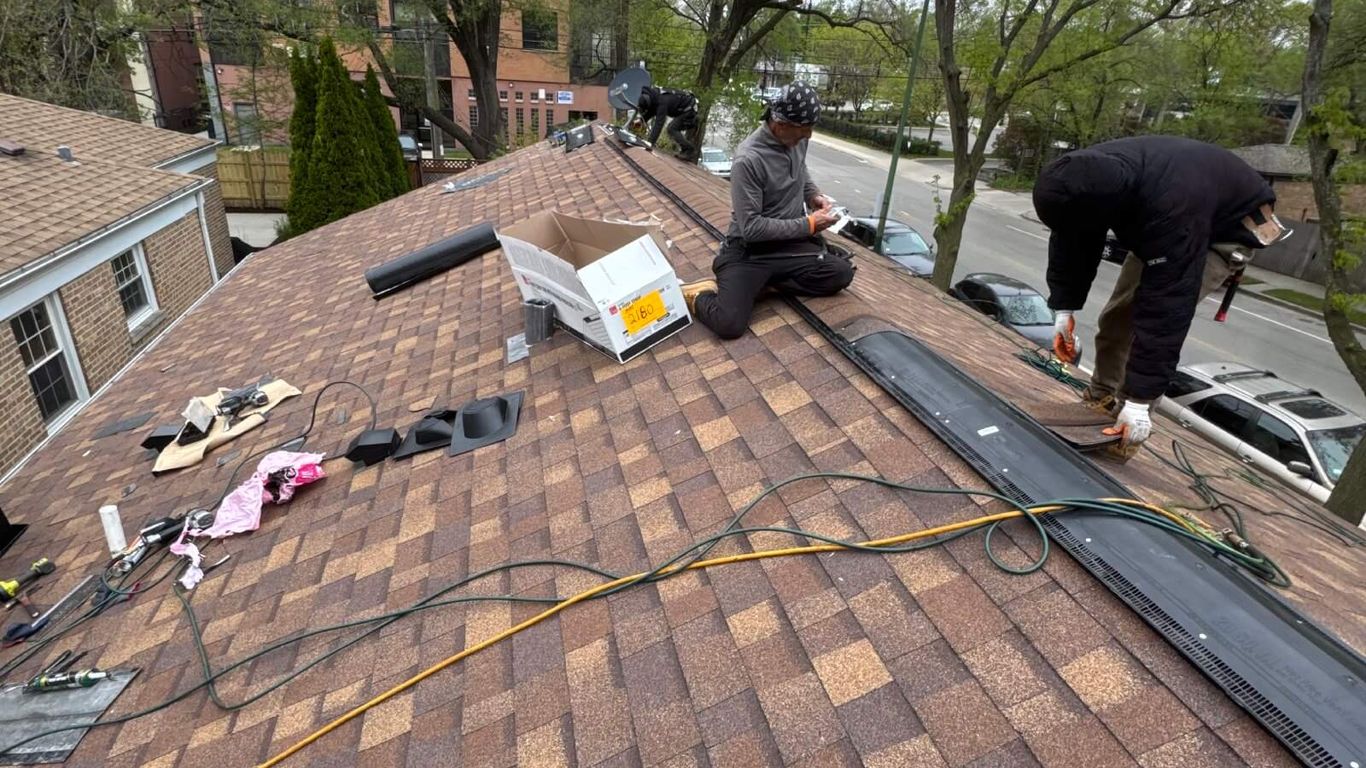
Picking someone to fix your roof isn’t just searching "roofers near me" and dialing the first number. There’s real peace of mind in getting a crew that shows up when they say, knows what they’re doing, and stands by their work. Here’s how to zero in on the right roofing contractor for leak repairs—or any job that keeps your home dry.
Credentials and Certifications
Always check if a roofing company is licensed, bonded, and insured. This means they’re operating above board. Certification from shingle and roofing material brands—like GAF® or CertainTeed—shows extra training and skill. Some will even let you see their insurance proof and licenses on request. Here’s a quick table to keep track:
| Requirement | Why It Matters |
|---|---|
| License | Legal operation, meets state/local standards |
| Insurance | Protects your property from damage or accidents |
| Bonding | Covers you if the contractor skips town |
| Manufacturer Cert. | Shows advanced product knowledge |
Don’t skip this—if a contractor hems and haws when you ask, that’s a red flag.
Experience with Roof Leak Repair
Not all roofers are created equal. Some tackle only big replacements; others are seasoned at tracking down every leak. Here’s what to ask:
- How many leak repairs have you completed in the past year?
- Do you have before-and-after photos or references from leak jobs?
- What’s your process for finding a hidden leak?
(You’d be surprised—some people solve leaks by slapping on caulk and calling it a day. Quality work means thorough inspection, not just surface patching.)
Sometimes, companies that do both windows and roofs bring extra insight, as experience in sectors like professional window installation in Chicago means they understand water damage issues from top to bottom.
Customer Reviews and Testimonials
A few good reviews are nice, but crowd feedback reveals the real story. Don’t just skim Google or Yelp—look at their Facebook page for recent comments, tagged photos, and how they handle customer complaints. It’s easy to spot patterns:
- Do people mention honest estimates and clear communication?
- Are there repeated gripes about schedule delays?
- How does the contractor respond when something goes wrong?
Blockquote:
If customers keep saying "these guys answer calls every time," or "they left our yard cleaner than before," that’s a sign of a company that cares. Consistency in reviews beats a few flashy testimonials.
Social proof matters; real people sharing their (good or bad) experiences could save you headaches down the line. If a company is dodging Facebook reviews or their testimonials sound generic, be cautious.
Deciding on the right contractor takes a bit more effort upfront but protects your home—and your wallet—in the long run. Get three quotes, ask your questions, and trust your gut when you talk to their team.
Proactive Maintenance for Long-Term Protection
Taking care of your roof doesn’t stop once it’s installed or repaired. Regular upkeep is key to making sure it lasts as long as possible and keeps doing its job of protecting your home. Think of it like getting regular check-ups for your car; it prevents bigger, more expensive problems down the road.
Routine Roof Inspections
It’s a good idea to have your roof checked out by a professional at least once a year, and also after any major storm. These inspections aren’t just about looking for leaks. A good inspection will cover:
- Shingles: Checking for any that are cracked, curled, or missing.
- Flashing: Making sure the metal pieces around chimneys, vents, and valleys are sealed tight and not damaged.
- Gutters and Downspouts: Ensuring they’re clear of debris and draining water away from the foundation.
- Attic Ventilation: Looking for signs of moisture or poor airflow, which can affect the roof’s lifespan.
Catching small issues early, like a few loose shingles or some debris buildup in the gutters, can save you a lot of headaches and money later on. It’s much easier and cheaper to fix a small problem than to deal with water damage that spreads through your attic and walls.
Gutter Cleaning and Maintenance
Your gutters and downspouts are super important for directing water away from your home’s foundation. When they get clogged with leaves, twigs, and other gunk, water can back up and overflow. This can lead to:
- Water seeping into your basement or crawl space.
- Damage to your landscaping and garden beds.
- Ice dams forming in the winter, which can damage shingles and fascia.
Cleaning your gutters a couple of times a year, especially in the fall after leaves have dropped, is a simple task that makes a big difference. If you have a lot of trees around your house, you might need to do it more often. Making sure downspouts are clear and directing water at least a few feet away from your house is also a good practice.
Seasonal Roof Care
Different seasons bring different challenges for your roof. Paying attention to these can help prevent damage:
- Spring: After winter’s snow and ice, check for any damage that might have occurred. Clear any debris that accumulated.
- Summer: Keep an eye out for potential storm damage and ensure your attic ventilation is working well to prevent heat buildup.
- Fall: This is prime time for gutter cleaning. Also, trim any tree branches that hang too close to your roof, as they can cause damage during storms or shed excessive debris.
- Winter: While you don’t want to be on the roof in bad weather, be aware of potential ice dams. If you notice snow piling up excessively or ice forming along the eaves, it might be time to call a professional for an inspection. Routine roof inspections are a smart way to stay ahead of potential issues.
Taking care of your home now means fewer problems later. Regular check-ups and small fixes can stop big issues from popping up, keeping your house safe and sound for years to come. Want to learn more about how to keep your home protected? Visit our website today for tips and services!
Don’t Let Leaks Ruin Your Home
Dealing with a leaky roof can be a real headache, but ignoring it is way worse. Water damage can sneak up on you, causing all sorts of problems down the line, from mold to structural issues. That’s why it’s super important to get those leaks fixed fast. Regular check-ups and taking care of small problems before they get big can save you a ton of trouble and money. If you’re not sure what’s going on up there, or if you’ve got a leak that just won’t quit, it’s always best to call in the pros. They know what to look for and how to fix it right, so you can get back to enjoying your home without worrying about what the next rainstorm might bring.
Frequently Asked Questions
How can I tell if my roof has a leak?
Look for water stains on your ceiling, peeling paint, or spots where the walls feel damp. You might also see mold, notice missing shingles, or find water dripping in your attic after it rains.
Can a small roof leak cause serious damage?
Yes, even a tiny leak can lead to big problems over time. Water can rot wood, damage insulation, and cause mold to grow. If you ignore a leak, the repairs can get much more expensive.
How do professionals find hidden roof leaks?
Roofing experts use tools like moisture meters and thermal cameras to spot wet spots you can’t see. They also check flashing, vents, and gutters to find where water might be sneaking in.
What are the most common roof repairs for leaks?
Most leaks are fixed by replacing broken or missing shingles, sealing around vents and chimneys, or fixing metal flashing. Sometimes, clogged gutters or poor attic ventilation can also cause leaks.
When should I replace my whole roof instead of repairing it?
If your roof is over 20 years old, has lots of missing or curling shingles, or keeps leaking even after repairs, it might be time for a new roof. A full replacement is often safer and saves money in the long run.
How can I keep my roof in good shape and avoid leaks?
Have your roof checked by a pro every year, clean your gutters often, and trim any tree branches that hang over your house. Fix small problems quickly so they don’t turn into bigger ones.