Picking the right roofing company can feel like a big task. It’s not just about getting a new roof; it’s about making sure it’s done right, lasts a long time, and doesn’t break the bank. This guide is here to help you figure out what you need and how to find a good roofing company that fits the bill. We’ll go over what to look for, what services they usually do, and how to make sure you’re getting a fair deal.
Key Takeaways
- Know what your roof needs before you start looking for a roofing company. Check for damage and think about whether a repair or a full replacement is best.
- A good roofing company will be licensed, insured, and have plenty of local experience. Don’t be afraid to ask for proof and check their past work.
- Understand the different services a roofing company provides, from full replacements and installations to smaller repairs and regular upkeep.
- Talk about the materials they use and what kind of warranties are offered. This can save you a lot of headaches down the road.
- Make sure you get a clear plan for the project, including the timeline and cost, and understand how you’ll pay for it before any work begins.
Understanding Your Roofing Needs
Before you even start looking for a roofing company, it’s super important to get a handle on what your house actually needs. It’s not always obvious, and sometimes what looks like a small issue can be a sign of something bigger going on. Thinking about your roof’s condition now can save you a lot of headaches and money down the road.
When to Consider a Roof Replacement
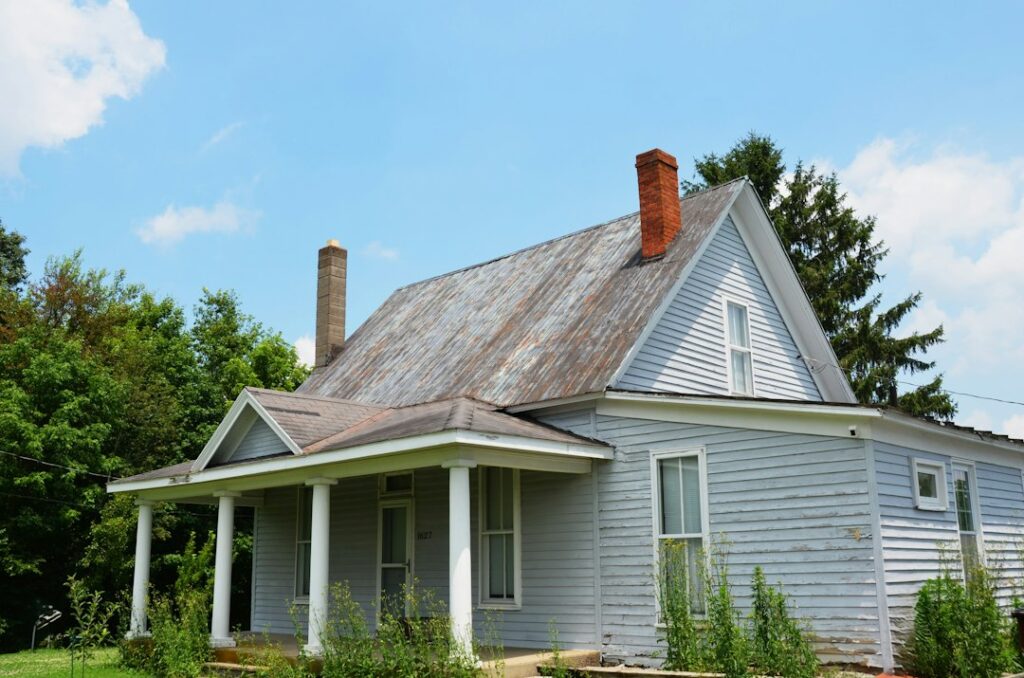
Your roof is like the shield for your entire house. It takes a beating from the sun, rain, snow, and wind, year after year. Eventually, even the best roofs wear out. Most asphalt shingle roofs are designed to last between 20 to 30 years. If your roof is getting up there in age, or if you’re noticing shingles that look cracked, brittle, or faded, it might be time to start thinking about a full replacement. Ignoring an aging roof can lead to leaks and more serious structural problems. It’s often more cost-effective to replace a roof before it starts failing completely.
Identifying Signs of Roof Damage
Sometimes, the signs of roof trouble aren’t immediately apparent. You might see water stains appearing on your ceilings or walls, or notice paint peeling around the roofline. These are clear indicators that water is getting where it shouldn’t be. Other signs include:
- Missing or Curling Shingles: If you see shingles that have blown off or the edges are curling up, it’s a problem. Missing shingles leave your roof deck exposed, and curling ones can let water seep underneath.
- Granule Loss: Asphalt shingles shed granules over time, but if you’re seeing a lot of them in your gutters or downspouts, it means the shingles are wearing out.
- Sagging Roof Deck: If parts of your roof look like they’re dipping or sagging, this could indicate structural issues or water damage underneath the shingles.
- Increased Energy Bills: A damaged or old roof can also lead to poor insulation and ventilation, making your heating and cooling systems work harder, which drives up your energy costs.
The Importance of Regular Roof Inspections
Honestly, the best way to stay ahead of potential problems is to get your roof checked out regularly. Think of it like taking your car in for an oil change. A professional inspection can spot issues you might miss, like problems with flashing around chimneys or vents, or poor attic ventilation. Catching these things early means you can often fix them with minor repairs instead of needing a whole new roof. Many companies offer free inspections, which is a great way to get a professional opinion on your roof’s health without any commitment. You can even find some companies sharing tips on social media, like on Instagram, about what to look for, but a pro’s eye is always best.
Regular check-ups are key. They help you understand the true condition of your roof and plan for the future, whether that’s a simple repair or a full replacement down the line. It’s about protecting your investment and your home’s integrity.
Here’s a quick look at common roof issues:
| Issue | What to Look For |
|---|---|
| Age | Roof is 20+ years old, shingles are brittle/cracked. |
| Leaks/Stains | Water stains on ceilings, mold, peeling paint. |
| Shingle Condition | Missing, cracked, or curling shingles. |
| Granule Loss | Excessive shingle granules in gutters. |
| Energy Efficiency | Rising heating/cooling bills, drafts. |
Getting a professional inspection is a smart first step. It helps you understand exactly what your roof needs, so you can make informed decisions when you’re ready to choose a contractor. A professional inspection can catch hidden problems before they become major headaches.
Choosing a Reputable Roofing Company
Finding the right roofing company is a big deal. It’s not just about getting a new roof; it’s about making sure the job is done right, the materials are good, and you’re not left with a mess or unexpected costs. You want a company that knows what they’re doing, especially when it comes to the specific weather patterns in places like Chicagoland. A good roofing company in Chicago will have a solid track record and be upfront about everything.
Verifying Licensing, Insurance, and Bonding
This is non-negotiable. Before you even think about signing anything, you need to confirm a few things. First, are they properly licensed to operate in your area? This shows they’ve met the state and local requirements. Second, are they insured? This is super important. It means if something goes wrong on your property – like accidental damage to your landscaping or even a worker getting hurt – their insurance covers it, not you. You don’t want to be on the hook for that. Finally, are they bonded? A bond is like a guarantee that the company will complete the job as agreed. It offers an extra layer of financial protection for you.
- License: Confirms they meet legal operating standards.
- Insurance: Protects you from liability in case of accidents or damage.
- Bonding: Provides financial security for project completion.
Don’t be shy about asking for proof of these. A legitimate company will have no problem showing you their credentials.
Assessing Experience and Local Expertise
Experience matters. A company that’s been around for a while, especially one that focuses on the Chicagoland area, understands the local climate and building codes. They’ve likely seen it all – from harsh winters to humid summers – and know how to build roofs that can handle it. Look for a roofing company Chicago residents trust, one that has a history of successful projects in your specific neighborhood. This local knowledge means they’ll recommend materials and installation methods that are best suited for your home and the regional weather.
Reading Reviews and Seeking References
Word-of-mouth is powerful, and so are online reviews. Before you commit, take some time to see what past clients have said. Check out review sites like Google, Yelp, or even platforms like Facebook and LinkedIn where people often share their experiences. Look for patterns in the reviews – are customers consistently happy with the quality of work, communication, and cleanup? Don’t just look at the star rating; read the actual comments. It’s also a great idea to ask the company for references from recent projects in your area. Talking to a few past clients can give you a real feel for what it’s like to work with them. Ask about their experience with communication, the timeline, and if they were satisfied with the final result.
Services Offered by a Roofing Company
A good roofing company does more than just slap on some shingles. They offer a range of services designed to protect your home, improve its look, and keep you comfortable. Think of them as your home’s shield against the elements. When you’re looking for a roofer, it’s important to know what services they actually provide. This isn’t just about fixing leaks; it’s about a whole system that keeps your house safe and sound.
Comprehensive Roof Replacement
When your current roof has seen better days and repairs just won’t cut it anymore, a full replacement is the way to go. This involves removing all the old layers of your roof, checking the underlying structure for any damage or rot, and then installing a completely new roofing system. It’s a big job, but it means you’ll have a roof that’s built to last for decades. We make sure to use quality materials and proper installation techniques, so you don’t have to worry about it for a long, long time. It’s a significant investment, but it pays off in peace of mind and long-term protection.
Professional Roof Installation
Whether you’re building a new home or adding an extension, getting the roof installed correctly from the start is super important. This service covers everything from the initial framing and sheathing to the final layer of shingles or metal. A professional installation means the roof is properly ventilated, insulated, and sealed against water. It’s about building a strong foundation for your roof that works with the rest of your house. We coordinate with builders and make sure everything meets local building codes, so you get a great-looking roof that performs well.
Essential Roof Repairs and Maintenance
Sometimes, a full replacement isn’t needed. That’s where repairs and maintenance come in. This can include fixing leaks, replacing damaged or missing shingles, repairing flashing around chimneys or vents, and cleaning out gutters. Regular maintenance can catch small problems before they turn into big, expensive ones. Think of it like taking your car in for regular oil changes; it keeps things running smoothly and prevents major breakdowns. Proactive care can really extend the life of your existing roof and save you money in the long run. You can even find helpful videos on YouTube that show common issues, but it’s always best to have a pro take a look.
Here’s a quick look at common repair and maintenance tasks:
- Leak Detection and Repair: Finding and fixing the source of water intrusion.
- Shingle Replacement: Swapping out cracked, curled, or missing shingles.
- Gutter Cleaning: Removing debris to ensure proper water drainage away from your home.
- Flashing Repair: Ensuring seals around roof penetrations are watertight.
Regular inspections are key. They help identify potential issues early, saving you from costly emergency repairs down the line. A professional can spot problems you might miss, like subtle signs of wear or damage from recent storms.
Evaluating Roofing Materials and Warranties
Exploring Premium Roofing Materials
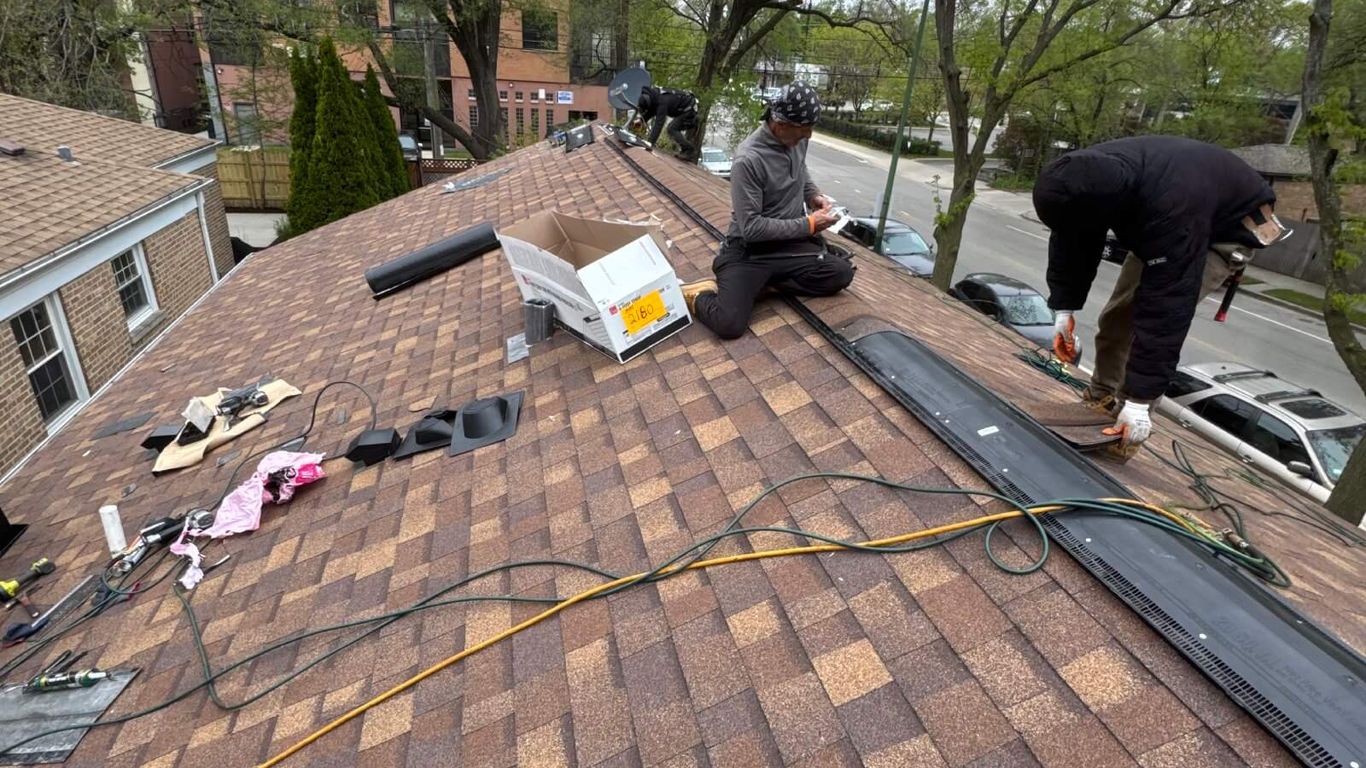
When it comes to your roof, you don’t want to skimp on materials. Think of it like buying shoes – you can get the cheapest pair, but they probably won’t last long or feel great. The same goes for your roof. We’re talking about serious protection from rain, sun, wind, and everything else Mother Nature throws your way. That’s why we focus on using top-notch stuff, like Owens Corning shingles. They’ve got this cool SureNail® Technology, which is basically a wider nailing strip that helps installers get the shingles on just right. Plus, it’s got triple-layer reinforcement, so they stay locked down, even when it’s super windy. They’re also built tough to handle hail without cracking, which is a big plus around here.
We also like that these shingles come in a bunch of different colors that look natural, like wood or stone, and they resist fading. And get this – they have granules infused with copper that fight off algae. No more ugly black streaks on your roof, and less cleaning for you. It’s all about getting a roof that looks good and performs even better for years to come.
Understanding Manufacturer Certifications
It’s not just about the shingles themselves; it’s also about who’s installing them and if they’re certified by the people who make the materials. Companies that are certified by manufacturers, like GAF or CertainTeed, have gone through specific training. This means they know the exact right way to install those products so they work as intended. It’s like having a chef who’s trained at a fancy culinary school versus someone who just watches cooking shows. You want the pro who knows all the ins and outs.
These certifications are a good sign that the company is serious about quality and follows the manufacturer’s guidelines. It often means they have access to better warranty options too, which is a win-win for you. You can usually find this information on the manufacturer’s website or by asking the roofing company directly. Checking their [Google My Business](https://roofflowai.app/blog/mastering-your-next-project-a-comprehensive-guide-on-how-to-write-a-roofing-esti) profile might also give you clues about their certifications or awards.
Deciphering Warranty Coverage
Okay, so you’ve picked out some great materials and a certified installer. Now, let’s talk about warranties. This is super important because it’s your safety net. You’ll usually see two main types of warranties:
- Manufacturer Warranty: This covers defects in the materials themselves. Think of it like a warranty on a new appliance. It’s important to know what it covers (like material failure) and what it doesn’t (like damage from poor installation or extreme weather).
- Workmanship Warranty: This is from the roofing company and covers their installation work. If they messed something up during the installation and it causes a problem, this warranty should cover the fix.
Here’s a quick rundown of what to look for:
| Warranty Type | What it Covers | What to Watch For |
|---|---|---|
| Manufacturer | Defects in shingles, underlayment, etc. | Prorated vs. non-prorated coverage, length of coverage, specific exclusions. |
| Workmanship | Installation errors, leaks due to installation | Length of coverage, what specific issues are covered, transferability to new owners. |
Always read the fine print. Sometimes, a "lifetime" warranty only lasts for a certain number of years, or it might be prorated, meaning you get less coverage as time goes on. A company that offers a solid, non-prorated workmanship warranty for a good number of years is usually a sign they stand behind their work. Don’t be afraid to ask questions until you’re completely comfortable with what’s covered and for how long.
The Roofing Project Process
So, you’ve picked a roofing company. Now what? It’s good to know what to expect from start to finish. This isn’t just about slapping on some shingles; it’s a whole process designed to protect your home. We break it down so you’re not left guessing.
Initial Consultation and Assessment
This is where it all begins. A specialist from the company will come out to your place. They’ll get up on the roof (safely, of course) and really look at what’s going on. They’re checking for everything – worn-out shingles, damaged flashing, issues with ventilation, and any signs of leaks you might not even see from the ground. This isn’t a quick once-over; it’s a detailed check to figure out exactly what needs to be done. They’ll talk with you about what they find, answer your questions, and start thinking about the best way forward for your specific situation. It’s a good time to ask about their roof inspection process and what they look for.
Transparent Proposals and Timelines
Once they know what your roof needs, you’ll get a proposal. This should be super clear. It needs to lay out exactly what work will be done, what materials will be used (like those tough Owens Corning shingles we talked about), and the total cost. No surprises here. Along with the proposal, you should get a projected timeline. This tells you when they plan to start, how long they expect it to take, and when the project should wrap up. Knowing the schedule helps you plan your own life around the work being done. It’s also a good point to discuss planning a roofing project and how the costs break down.
Seamless Installation and Final Walkthrough
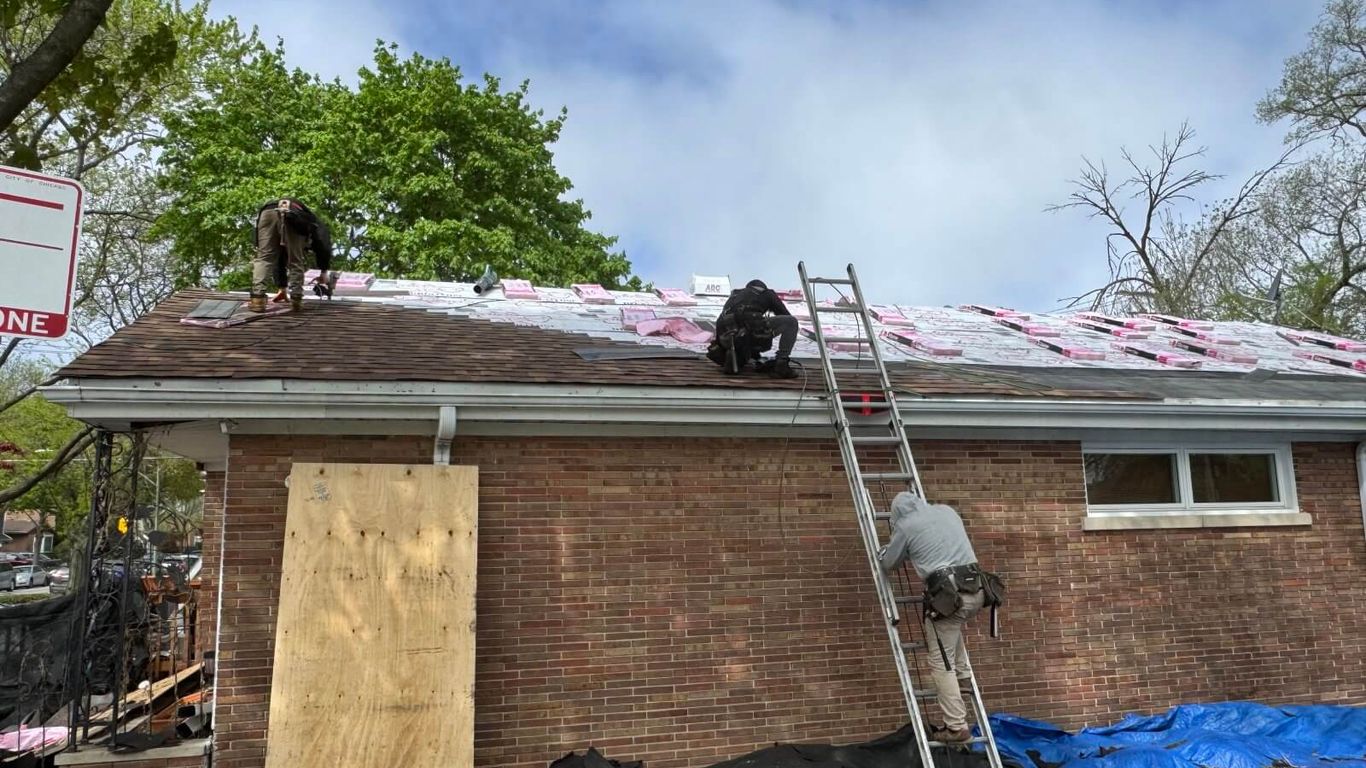
This is the main event – the actual work. The crew will show up, protect your property, and get to work removing the old roof and installing the new one. They’ll be careful to follow all the right steps, from the underlayment to the final shingles. Once they’re done, they don’t just pack up and leave. There’s a final walkthrough. This is your chance to walk around the property with the project manager. They’ll point out the finished work, explain the warranties, and make sure you’re happy with everything. They should also clean up thoroughly, leaving your yard and driveway clear of any debris.
A good roofing company makes the whole process feel manageable. They communicate clearly, do quality work, and leave your property looking great. It’s about more than just a new roof; it’s about peace of mind.
Here’s a quick look at what happens:
- Initial Assessment: A specialist inspects your roof thoroughly.
- Proposal & Timeline: You receive a clear breakdown of costs, materials, and schedule.
- Installation: The crew performs the work with attention to detail.
- Cleanup: All debris is removed, leaving your property tidy.
- Final Walkthrough: You review the completed work and warranties with the team.
Financing Your Roofing Project
A new roof is a big deal, and let’s be honest, it’s usually not cheap. But don’t let the sticker shock stop you from getting the protection your home needs. Most reputable roofing companies understand this and offer ways to make the payment process easier. It’s all about finding a plan that works for your budget.
Exploring Customized Payment Plans
When you’re getting quotes, don’t be shy about asking about payment options. Good companies will have a few different ways you can pay. Some might offer plans where you pay a portion upfront, another chunk during the project, and the rest when it’s all done. Others might have partnerships with financing companies that can offer longer-term loans with fixed monthly payments. It really depends on the company and what they can arrange. The key is to find a structure that doesn’t strain your finances too much.
Understanding Adjustable Payment Schedules
Beyond just standard payment plans, some companies offer more flexibility. This could mean adjustable schedules where you might be able to align payments with certain milestones or even adjust the frequency of payments if your financial situation changes. It’s worth asking if they have options that can adapt to your needs. This kind of flexibility can be a lifesaver, especially for larger projects.
Streamlined Financing Process
Getting financing shouldn’t feel like a chore. The best companies make it simple. They’ll usually have a straightforward application process, whether it’s in-house or through a third-party lender. They should be able to explain all the terms clearly, so you know exactly what you’re signing up for. Think about asking if they have any special offers, like 0% interest for a certain period. This can really help spread out the cost without adding extra interest charges. A smooth financing process means you can focus on the actual roof work, not the paperwork.
Getting a new roof is an investment in your home’s safety and longevity. Don’t let immediate costs deter you. Explore the financing options available, and find a solution that allows you to secure a quality roof without undue financial stress. A little research upfront can save you a lot of worry down the road.
Here are some common payment structures you might encounter:
- Upfront Deposit: Typically 10-30% of the total cost to secure materials and schedule your project.
- Progress Payments: Payments made at specific stages of the project, like after old roofing is removed or when new materials are installed.
- Final Payment: Due upon completion and your satisfaction with the finished roof.
- Financing Partner Loans: Longer-term loans with monthly payments, sometimes with promotional 0% interest periods. You can often get a quote for a roof replacement and then discuss payment options.
Thinking about a new roof? We know that paying for a big project like this can be a worry. That’s why we offer different ways to help you manage the cost. Explore your choices and find a plan that works for your budget. Visit our website today to learn more about your financing options!
Wrapping It Up
So, picking the right roofing company can feel like a big deal, and honestly, it is. You’re investing in your home’s protection, after all. We’ve gone over a lot of things to look out for, from checking their background to making sure they communicate clearly. Don’t just go with the first name you see. Take your time, ask questions, and trust your gut. A good company will make the whole process feel less stressful and more like a partnership. Your roof is important, so make sure you choose a team that treats it that way.
Frequently Asked Questions
How long does a roof replacement usually take?
The time it takes to replace a roof depends on a few things, like how big your house is, the type of materials used, and the weather. A simple roof on a small house might be done in a day or two. Bigger or more complicated roofs could take a bit longer. We’ll give you a better idea of the timeline after we check out your roof.
Will the roofing company clean up the mess?
Absolutely! A good roofing company will clean up everything after the job is done. This means they’ll haul away all the old shingles, nails, and other debris. They’ll make sure your yard and driveway are clean and tidy before they leave.
Do I need to be home the whole time the roof is being replaced?
Not necessarily. We’ll talk to you beforehand about how we’ll get access to your property. Our teams work efficiently, and we’ll do our best to complete the work without causing too much disruption to your day.
What should I do if I think my roof is leaking?
If you suspect a leak, it’s important to act fast. Look for water stains on your ceiling or walls, or any signs of mold. Even small leaks can cause big problems over time. Contacting a roofing company for an inspection right away is the best step.
How do I know if I need a new roof or just repairs?
Several things can tell you. If your roof is old (20 years or more), or if you see shingles that are cracked, curling, or missing, it might be time for a replacement. Also, if you notice leaks or water stains inside your home, or if your energy bills are suddenly much higher, it could mean your roof isn’t working as well as it should.
What makes a roofing company ‘reputable’?
A reputable company is one that is properly licensed, insured, and bonded. They should have plenty of experience, especially in your local area. Reading reviews from other customers and asking for references are also great ways to see if they do good work and treat their customers well.