


Sliding Secondary Glazing: What Homeowners Should Know
Sliding secondary glazing selection varies because each system is made to fit the existing window, opening style, glass choice, and installation conditions. For Chicago-area homeowners, the key comparison is whether a sliding panel improves comfort, cuts drafts and outside noise, preserves the original window, and still allows easy access for cleaning and ventilation.
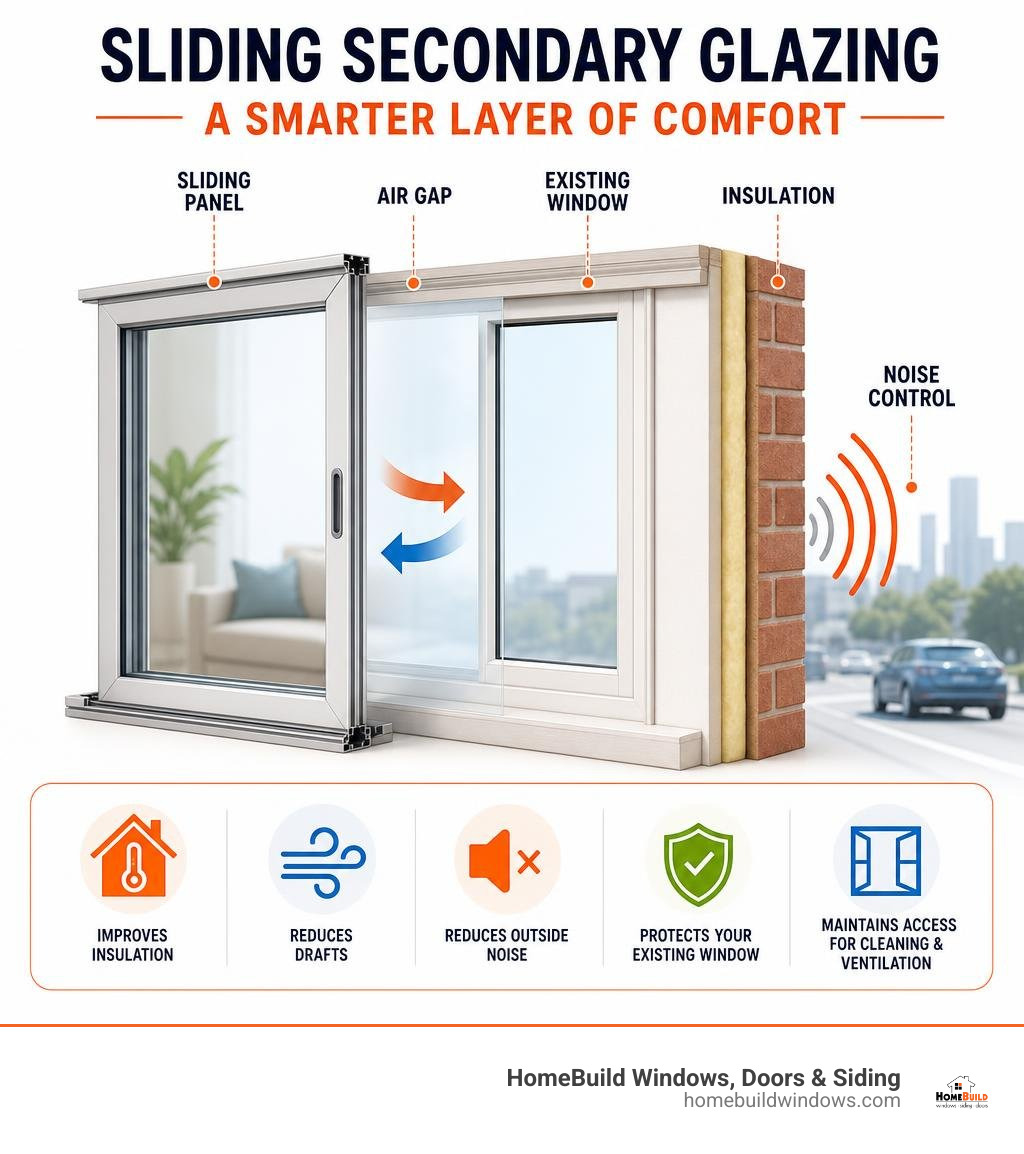
Sliding secondary glazing adds an independent inner panel and an insulating air space behind your existing glass. It can be a practical option for older windows where full replacement is not the preferred route, especially when professional measurement, tight seals, and smooth-operating tracks are priorities.
I am Steve Mlynek, founder of HomeBuild Windows, Doors & Siding, with more than 20 years of experience helping Chicagoland homeowners evaluate window performance and installation options. My perspective on sliding secondary glazing options comes from working with homeowners who need clear answers about durability, energy efficiency, and quality workmanship before improving their windows.
Sliding secondary glazing glossary:
Factors Influencing Sliding Secondary Glazing Selection
When evaluating secondary glazing options for your property, understanding what shapes system performance and longevity helps narrow down the right configuration. Every window opening presents unique dimensions, structural requirements, and architectural character. Whether you are dealing with traditional wood double-hung sashes in historic homes across Park Ridge and Evanston or expansive picture windows in Schaumburg, tailored specifications ensure that the added secondary layer functions seamlessly with your existing window units.
Several key variables dictate how well a sliding secondary glazing system integrates into your home:
- Window Dimensions and Square Footage: Larger window reveals require sturdier framing profiles and thicker glass panels to prevent flexing under operation or air pressure shifts.
- Glass Specification and Weight: Upgrading from standard float glass to acoustic laminated glass or Low-E thermal coatings alters panel weight, requiring heavy-duty roller assemblies.
- Frame Material and Profile: Durable aluminum tracks provide slim sightlines and smooth gliding action, while timber sub-frames help square up irregular masonry openings.
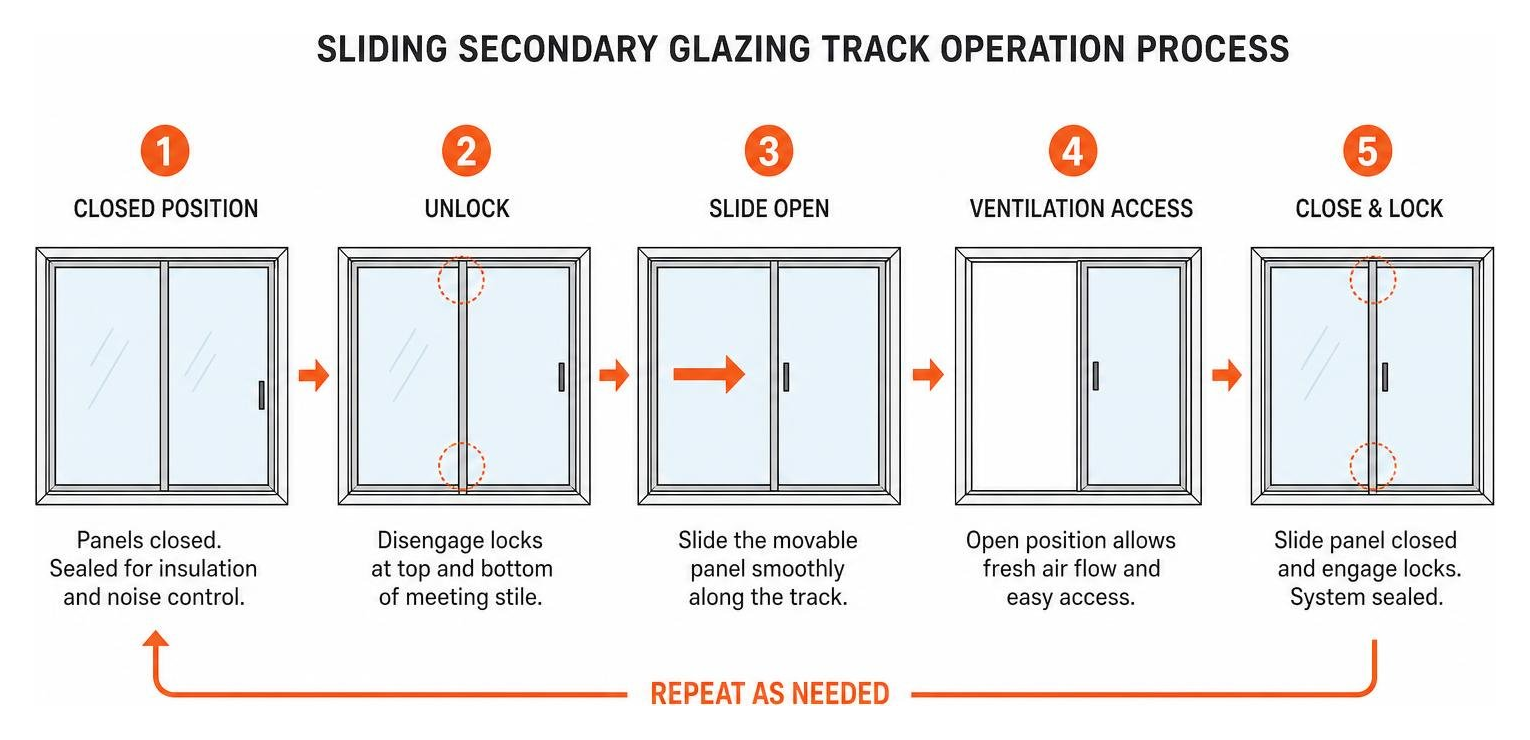
- Number of Sliding Panels: Multi-panel configurations—such as two-panel, three-panel, or four-panel horizontal sliders—allow full alignment with the meeting stiles of primary windows behind them.
- Installation Complexity: Mounting frames into deep window reveals, working around interior trim, or custom-scribing to uneven historic window surrounds impacts installation precision.
Material Selections for Sliding Secondary Glazing
The individual components chosen for secondary glazing directly dictate thermal performance, sound attenuation, and long-term operating feel. Selecting the right combination of frame profiles and glass types guarantees that your window retrofits deliver lasting value through Midwest freeze-thaw cycles and severe weather.
1. Frame Profile Options
Slim-profile aluminum frames are the industry standard for sliding secondary units. Aluminum offers exceptional structural rigidity while maintaining remarkably thin profiles, ensuring that your view outside remains unobstructed. Powder-coated aluminum finishes resist oxidation, moisture, and UV exposure, making them ideal for Chicagoland homes subjected to wide seasonal temperature swings. For heritage properties, custom timber sub-frames can be paired with interior track channels to blend seamlessly with existing interior window casing.
2. Polycarbonate vs. Acrylic vs. Toughened Glass
- Polycarbonate and Acrylic: Lightweight sheet materials are sometimes considered for basic DIY kits. However, flexible plastic sheets taller than 3 feet tend to bow under their own weight or thermal expansion, creating air gaps at panel overlaps that compromise seal integrity.
- Toughened Safety Glass: High-strength tempered glass is standard for most residential sliding secondary applications. It remains perfectly rigid, ensuring airtight compression seals along meeting stiles and track channels.
- Laminated and Acoustic Glass: Incorporating a sound-dampening polyvinyl butyral (PVB) interlayer between two glass sheets provides maximum acoustic dampening, making it preferred for homes near busy roadways or train lines.
3. Low-E Thermal Coatings
Adding a Low-Emissivity (Low-E) microscopic metallic coating to the secondary glass surface reflects long-wave radiant heat back into your living room during harsh Chicago winters, drastically reducing heat loss through single-pane glass.
Installation Factors for Sliding Secondary Glazing
Precision installation plays an essential role in securing energy efficiency and draught protection. Even high-grade secondary glazing panels fail to deliver expected acoustic and thermal benefits if gaps exist around the perimeter tracks.
Professional installers begin by inspecting the existing primary window reveal. Cavities must be carefully measured and checked for squareness. If historic window reveals have settled over time, timber conversion angles or sub-frames are fitted to create a perfectly plumb and level mounting surface. This ensures horizontal sliding panels slide effortlessly without sticking or binding along the tracks.
A critical installation detail involves fitting continuous bristle seals and wool-pile draught excluders along every edge and panel overlap. These pile seals block air infiltration while permitting smooth panel movement. For comprehensive insights into professional installation standards and labor expectations, review our guide on Window Installation Labor Details.
Whole-home projects benefit from standardized panel sizing and grouped installation schedules, which ensure consistent aesthetic alignment across all rooms. Custom bespoke sizing guarantees that secondary slider meeting stiles align directly behind existing primary sash dividers, preserving original exterior sightlines.
Secondary Glazing Systems Compared to Full Replacement
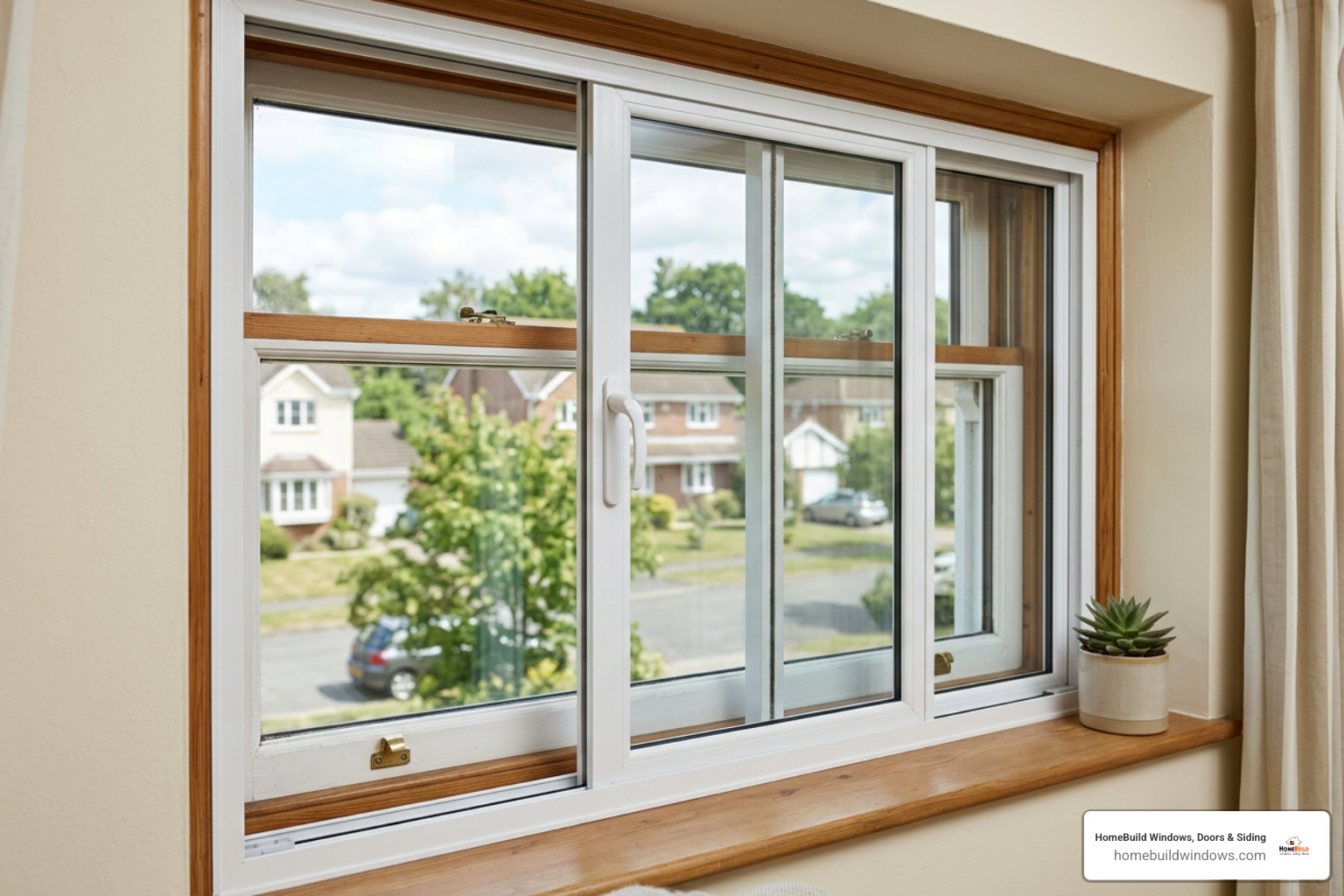
Homeowners considering window improvements often evaluate secondary glazing against complete window removal and replacement. Both approaches enhance thermal insulation and home comfort, but they serve distinct structural and architectural purposes depending on property conditions.
Secondary glazing operates as a non-invasive interior overlay system. It mounts directly inside the interior window reveal without disturbing external masonry, brickwork, or historic exterior siding. In contrast, full replacement involves removing original sashes and frame jambs to install fully integrated modern window units.
Sliding vs Other Secondary Glazing Types
Secondary glazing comes in several mechanical configurations. Choosing the appropriate opening mechanism depends on how frequently you open the primary window for fresh air or cleaning access.
| Secondary Glazing Type | Primary Opening Mechanism | Ideal Application | Acoustic Insulation Performance | Access to Outer Window |
|---|---|---|---|---|
| Horizontal Sliding | Glides side-to-side on twin or multi-track runners | Side-sliding, double-hung, or large picture windows | High (continuous pile weatherstripping) | Quick slide-open access for cleaning & ventilation |
| Vertical Sliding | Smooth vertical movement supported by spring balances | Traditional double-hung sashes | Excellent (matches original sash lines) | Full access matching upper/lower sashes |
| Fixed Panels | Rigidly mounted perimeter frame | Non-opening accent windows or transom lights | Maximum (static perimeter seal) | Requires panel unmounting for cleaning |
| Lift-Out Units | Removable panels held in sub-frame | Windows requiring seasonal removal | Moderate to High | Panel must be lifted completely out |
| Hinged Units | Swings open inward on durable side hinges | Inward-swinging casements or patio doors | High (compression gasket seals) | Full inward swing requiring room clearance |
| Magnetic Panels | Flexible acrylic attached via magnetic strips | Temporary DIY applications | Moderate (susceptible to thermal expansion gaps) | Peels off perimeter magnetic strip |
Horizontal sliding units are widely favored for their versatile balance of convenience, durability, and sealing capabilities. Twin-track mechanisms allow independent sliding panels to pass over each other, giving immediate access to exterior sashes without requiring interior clearance space in front of the window sill.
Secondary Glazing vs Double Glazing Replacement
Understanding structural differences helps determine whether retrofitting secondary glazing or replacing entire window frames offers the best path forward for your home:
- Building Regulations and Historic Compliance: In historic districts across Chicago, Winnetka, or Evanston, municipal guidelines often mandate preserving original single-glazed timber sashes. Secondary glazing installs entirely indoors without altering external building facades, making it ideal for historic compliance.
- Installation Disruption: Full window replacement requires removing interior trim casing, exterior brick-mould, and original jambs, requiring touch-up painting and drywall repairs. Secondary glazing attaches cleanly inside the existing reveal, keeping interior living areas clean and usable during installation.
- Primary Frame Condition: Secondary glazing relies on the structural integrity of the existing window outer frame. If primary timber frames suffer from severe rot, water damage, or structural sagging, a full replacement—such as modern Double Pane Window Replacement—is necessary to resolve underlying issues.
Energy Efficiency and Long-Term Value
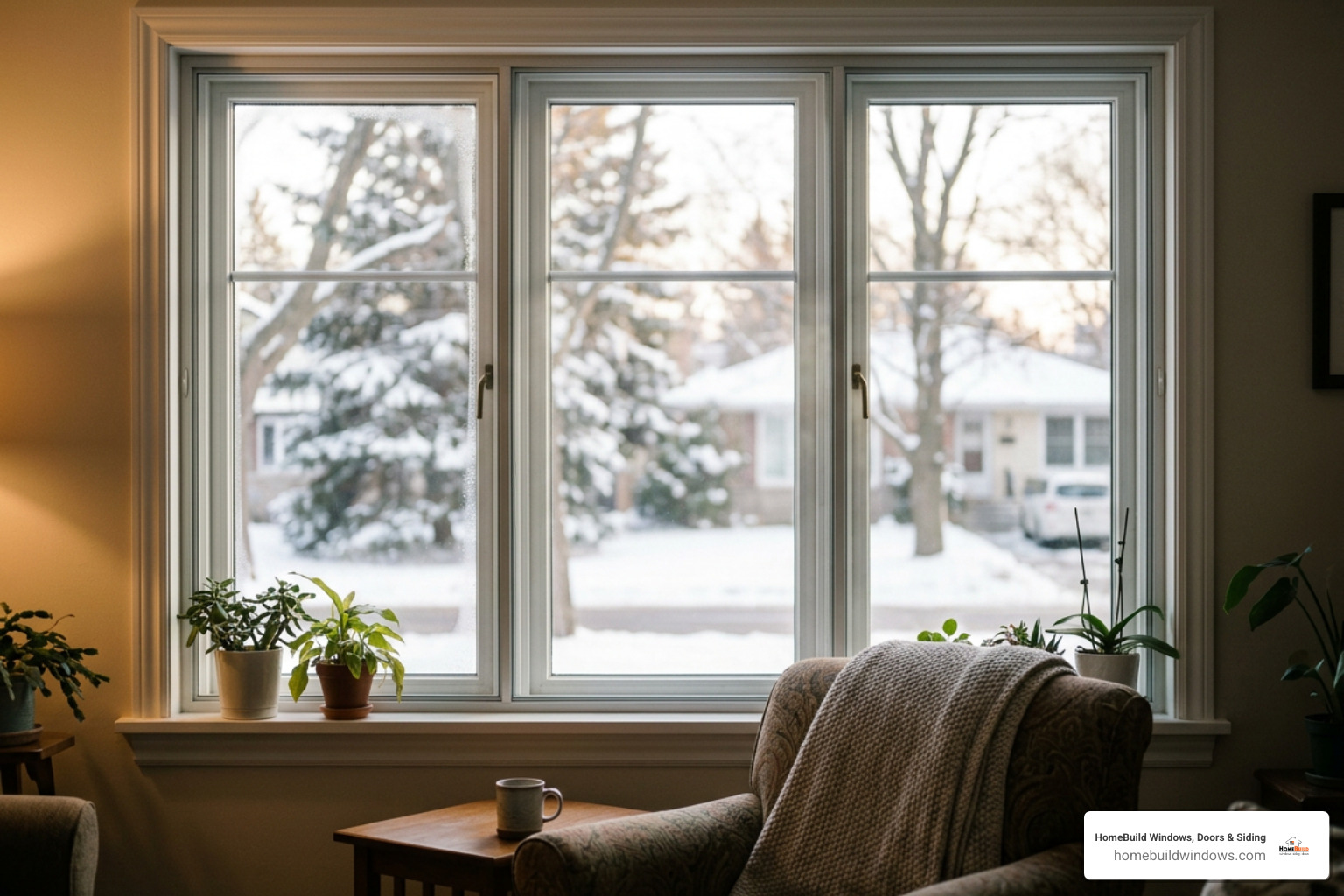
Upgrading residential window performance significantly impacts interior home comfort and heating requirements. In upper Midwest climates, single-pane glass acts as a major thermal bridge, allowing interior room heat to rapidly radiate outward during sub-zero winter spells while letting summer humidity push indoor cooling systems to their limits.
Secondary glazing establishes a stationary air cushion between the primary glass pane and the inner secondary panel. This trapped air cavity functions as an insulating thermal buffer, dramatically cutting convective cold currents and eliminating chilly window drafts.
Thermal Performance and Savings
The thermal insulation effectiveness of any window system is measured by its U-value, which quantifies heat transfer rate. Lower U-values signify superior insulating properties:
- Single-Glazed Original Windows: Typical U-value of roughly 4.8 to 5.7 W/m²K.
- Secondary Glazing Added over Single Glass: Reduces effective U-value down to approximately 1.8 to 2.8 W/m²K (a thermal improvement of up to 60%).
- Low-E Glass Secondary Glazing: Achieves further thermal resistance, matching or exceeding many standard double-glazed replacement units.
Maintaining an optimal air cavity depth is vital. For maximum thermal retention, an air gap between 2 inches and 3.2 inches (50mm to 80mm) between primary and secondary panes is ideal. Minimizing draft infiltration through single-glazed windows keeps home heating systems from running continuously, resulting in noticeable energy bill savings throughout winter months. For deeper research into energy-saving glass technologies, explore our resource on Energy Efficient Glazing.
Acoustic Insulation Benefits
In addition to thermal insulation, sliding secondary glazing serves as an exceptional acoustic barrier. Outdoor noise pollutants—such as traffic along major thoroughfares, overhead air traffic near O’Hare, or passing commuter rail lines—travel via low-frequency sound waves that penetrate thin single-pane windows easily.
By separating inner and outer glass panels with a wider air cavity, secondary glazing disrupts sound wave resonance far more effectively than standard double-glazed sealed units with narrow air gaps.
Key soundproofing features that maximize noise reduction include:
- Expanded Air Gap Cavities: Maintaining a cavity depth of 4 inches to 8 inches (100mm to 200mm) between original glass and secondary units provides maximum decibel attenuation.
- Asymmetric Glass Thickness: Combining different glass panel thicknesses (such as a 1/8-inch original glass pane paired with a 1/4-inch acoustic laminated secondary panel) prevents sympathetic vibration frequency transmission.
- Acoustic Laminated Glass Interlayers: PVB interlayers absorb acoustic vibration energy, cutting external noise levels by up to 80% (yielding sound level reductions of 45dB to 53dB).
- Continuous Perimeter Weather-Stripping: High-density pile seals stop airborne sound transmission around track perimeters and overlapping panel stiles.
Frequently Asked Questions About Sliding Secondary Glazing
Is secondary glazing suitable for historic or listed properties?
Yes, sliding secondary glazing is widely accepted as one of the best retrofitting options for historic, landmarked, or listed properties. Because the secondary frame installs entirely within the interior window reveal and requires no structural alterations to original exterior sashes or brickwork, it preserves historic architectural character. Municipal historic preservation commissions routinely approve internal secondary systems where external window replacement is prohibited.
Can sliding secondary glazing be installed on existing windows?
Sliding secondary glazing can be fitted to almost any existing window type, provided there is adequate reveal depth inside the interior casing to house the track system (typically requiring 2 to 3 inches of flat mounting space). Installers mount secondary horizontal sliders over wood double-hung, steel-framed, or aluminum primary sashes. Custom frame conversion angles are used to square up out-of-plumb historic window reveals, ensuring smooth horizontal gliding without damaging existing window surrounds.
What maintenance is required for sliding secondary glazing tracks?
Sliding secondary glazing requires minimal ongoing maintenance to ensure long-term smooth operation:
- Track Cleaning: Vacuum bottom aluminum tracks regularly using a soft brush attachment to remove dust, grit, and pet hair that could restrict roller movement.
- Bristle Seal Care: Wipe down perimeter wool-pile seals with a damp microfibre cloth to clean off airborne particles and preserve seal springiness.
- Lubrication: Periodically apply a tiny amount of dry silicone spray along sliding tracks to maintain quiet, effortless glide action. Avoid oil-based lubricants that attract dust.
- Glass Cleaning: Slide panels open to clean inside glass surfaces using standard non-ammonia glass cleaner and lint-free cloths.
Conclusion
Evaluating sliding secondary glazing involves weighing immediate home comfort goals against overall structural needs and architectural aesthetics. Sliding secondary systems provide impressive thermal heat retention, outstanding acoustic soundproofing against urban noise, and non-invasive preservation of original sashes. However, if your existing primary window frames suffer from severe frame rot, structural bowing, or failed seals, investing in complete high-performance replacement windows often provides superior long-term durability, structural integrity, and property value enhancement.
At HomeBuild Windows, Doors & Siding, we bring over 20 years of trusted local expertise to homeowners across Chicago and the surrounding northwest suburbs. As a locally owned contractor, our focus is helping you select the best exterior remodeling solutions for your home’s unique architectural character and Midwest weather challenges.
Whether you need energy-efficient replacement windows, modern exterior entry doors, premium siding, or complete roofing upgrades, our experienced installation team handles every project with meticulous craft and detail. Our commitment to excellence is proven by our strong local reputation and professional standards:
- Manufacturer-Certified Installation Expertise
- Experienced Window, Door, Siding, and Roofing Professionals
- Recognized for Reliable Local Home Improvement Service
- 200+ Positive Google Reviews from Local Homeowners
- Fully Licensed and Insured
Ready to explore high-performance window upgrades for your home? Explore our comprehensive Replacement Window Buying Guide to evaluate your options, or contact our expert team today to schedule your free estimate and consultation.