
What Chicago Homeowners Need to Know About Budget Window Replacement
Budget window replacement is one of the most common home improvement projects for Chicago-area homeowners — and one of the most misunderstood when it comes to planning and execution.
Here’s a quick snapshot of what to expect before you begin your project:
| Factor | What to Know |
|---|---|
| Best Material for Value | Vinyl double-pane with Low-E argon glass |
| Most Efficient Install Method | Insert (pocket) replacement — preserves existing trim |
| When Full-Frame is Needed | Rotted frames, structural damage, or size changes |
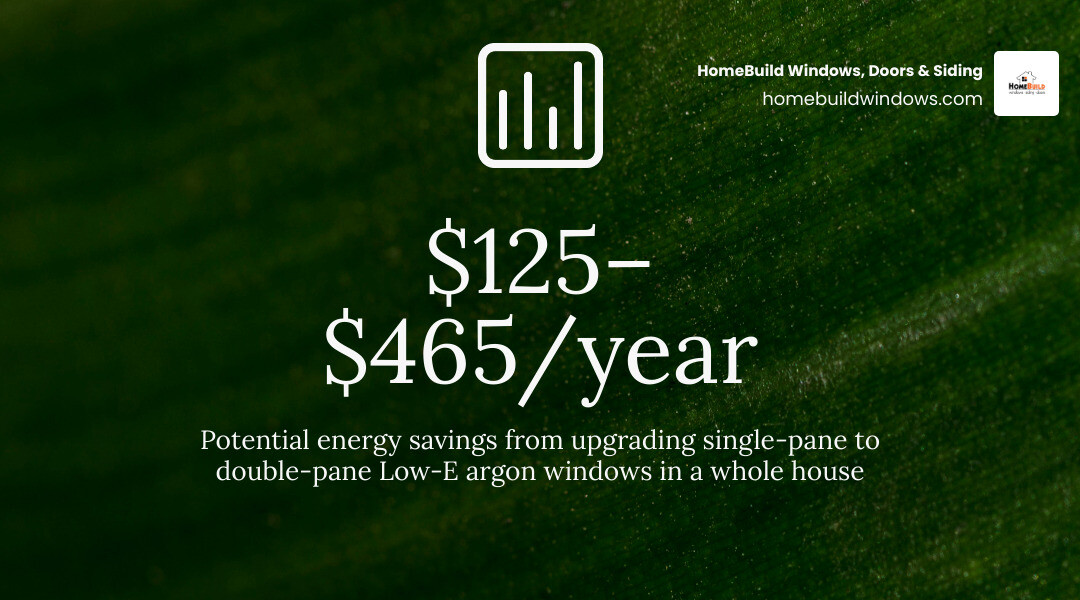
| Energy Efficiency | Upgrading from single-pane significantly reduces energy loss |
| Key Considerations | Frame rot, trim repair, permits, and proper sealing |
| Best Time for Installation | Spring or autumn for ideal weather conditions |
Whether your windows are letting in cold drafts, driving up your energy bills, or simply past their prime, the decisions you make upfront — material, style, installation method — have a big impact on the final result.
High performance doesn’t require overcomplicating your project. Lab testing from Consumer Reports shows that high-quality vinyl windows can outperform pricier wood windows in wind and rain resistance. Knowing which features to prioritize is the key.
I’m Steve Mlynek, CEO and founder of HomeBuild Windows, Doors & Siding, and with over 20 years of helping Chicago homeowners navigate budget window replacement projects, I’ve seen what works — and what ensures long-term durability. Let’s walk through everything you need to plan your project with confidence.
Quick budget window replacement terms:
Planning Your Project: Insert vs. Full-Frame Installation
When organizing a budget window replacement project, one of the most critical decisions is selecting the correct installation method. Homeowners must choose between an insert (pocket) installation and a full-frame replacement. This structural choice directly impacts how your new windows perform, how much of your home’s original character is preserved, and how well the units withstand the demanding weather patterns of the Midwest.
Choosing Insert Windows for a Streamlined Upgrade
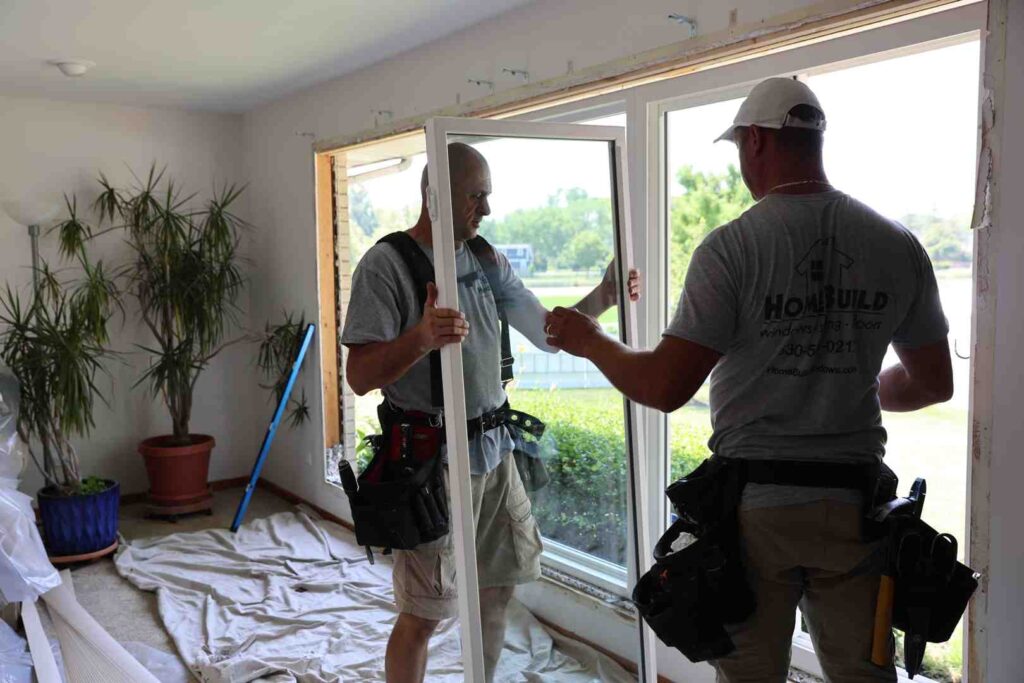
Insert window installation, commonly referred to as pocket installation, is a highly efficient retrofit method. In this process, the installer slides a new, fully assembled window unit directly into the existing wood frame. This creates a “frame-within-a-frame” configuration.
The primary appeal of insert windows is preservation. If your home features historic interior moldings, custom woodwork, or unique exterior trim, pocket installations allow you to upgrade your glass performance without disturbing these beautiful architectural elements. Because the existing frame, exterior trim, and interior casing remain untouched, the installation process is exceptionally clean, fast, and minimally disruptive to your daily life.
However, insert windows have a structural trade-off. Because you are placing a new frame inside your old one, the overall glass surface area is slightly reduced. This results in a minor reduction in the amount of natural daylight that enters the room. Furthermore, pocket installations are only an option if your existing window frames are structurally sound, completely level, and perfectly square. If you want to explore the various styles available for this method, you can review our window replacement options to find a style that matches your home’s aesthetic.
When Full-Frame Replacement is Necessary for Midwest Homes
While pocket installations are convenient, they are not a universal cure-all. In the Chicago area, where freezing winters and humid summers place intense physical stress on residential exteriors, old frames often harbor hidden damage. If your existing window frames suffer from moisture infiltration, mold, or wood rot, inserting a new window into a failing frame will only mask a serious structural issue.
During our comprehensive professional inspections, we perform a physical “press test” on the lower corners of the window frame and sill. If the wood feels soft, spongy, or yields under pressure, moisture has compromised the material. In these instances, a full-frame replacement is required.
A full-frame installation involves the complete removal of the old window sash, frame, sill, and casing, exposing the raw rough opening. This thorough method allows our experienced crews to inspect the underlying wall cavity, repair any rotted studs, and install modern flashing tapes and high-performance insulation. This complete structural update eliminates drafts, prevents future leaks, and maximizes the thermal efficiency of your home. For a complete look at when this comprehensive upgrade is necessary, you can read our replacing windows guide or use an online Window Replacement Planning Tool 2026 to help plan your project.
Selecting Materials for Your Budget Window Replacement
The material you select for your window frames directly influences your home’s insulation, curb appeal, and long-term maintenance requirements. For homeowners looking to maximize their investment, comparing how different frame materials handle Chicago’s extreme seasonal temperature swings is essential.
To help you compare your options, here is how the primary frame materials stack up:
| Frame Material | Durability | Maintenance Required | Weather Resistance | Thermal Performance |
|---|---|---|---|---|
| Vinyl | High | Extremely Low | Excellent | High (with multi-chambered frames) |
| Aluminum | High | Low | Moderate | Low (without specialized thermal breaks) |
| Fiberglass | Maximum | Low | Superior | Outstanding |
| Wood | Moderate | High | High (if painted/stained regularly) | Excellent |
Vinyl and Aluminum Options for Budget Window Replacement
Vinyl is the most popular residential frame material on the market for several reasons. Modern vinyl windows are virtually maintenance-free, never require painting, and are completely impervious to moisture, rot, and insect damage. When selecting a value-focused product, options like the American Craftsman 70 Pro Series Double Hung Vinyl Window demonstrate that you can secure advanced features — such as double-pane Low-E glass and insulating argon gas — in a highly dependable, durable package.
Aluminum frames are valued for their exceptional structural strength and slim profiles, but they present challenges in colder climates. Aluminum conducts heat roughly 1,000 times more efficiently than vinyl. Without a specialized, built-in thermal break, an aluminum frame will allow cold winter air to transfer directly into your home, resulting in heavy condensation, frost buildup, and energy loss. For Midwest homes, vinyl remains the superior, highly insulating choice.
Comparing Vinyl to Premium Wood and Fiberglass
While vinyl provides exceptional day-to-day performance, premium materials offer distinct benefits for specific architectural needs. Fiberglass is incredibly strong — up to eight times stronger than vinyl — meaning it experiences almost zero expansion or contraction during extreme temperature swings. This structural rigidity makes fiberglass the premier choice for expansive, oversized window walls. Wood windows offer unmatched classic charm and historic authenticity, but they demand rigorous ongoing maintenance to protect the wood from the elements.
At HomeBuild Windows, Doors & Siding, we believe that high-quality materials are the foundation of a successful project. We work closely with industry-leading manufacturers like Pella, Marvin, and Alside to provide our clients with durable, weather-resistant products that deliver long-term value. To learn more about selecting the right material for your home, explore our window replacement guide.
Maximizing Energy Efficiency and Installation Quality
Upgrading your windows is one of the most effective ways to improve your home’s comfort, stabilize indoor temperatures, and reduce the strain on your heating and cooling systems. The glass package you choose is the single most important factor in your new window’s thermal performance.
Long-Term Value of a Budget Window Replacement
To achieve maximum thermal performance, we highly recommend selecting double-pane glass systems that feature Low-E (low-emissivity) coatings and argon gas fills. Low-E is a microscopically thin, transparent metallic layer applied to the glass surface. This coating acts as a thermal mirror, reflecting indoor heat back into your living space during the winter while blocking harsh solar heat from entering your home during the summer.
Argon gas is an odorless, non-toxic gas injected between the glass panes. Because argon is denser than normal air, it significantly slows down heat transfer through the glass unit. These technologies work in tandem to minimize drafts, lower your monthly energy consumption, and make your living spaces far more comfortable.
To explore how these energy-efficient components interact to improve your home’s thermal boundary, you can consult the Window Replacement Planning Tool (2026) | ConstructlyTools. You can also read our guide on how to get new windows to discover how modern glass technologies provide long-term property value.
Professional Installation vs. DIY Risks
With many home improvement projects, a DIY approach can seem like an attractive option. However, window installation requires specialized tools, precise measurements, and advanced sealing techniques.
If a replacement window is installed even slightly out of plumb, level, or square, the sashes will not align correctly. This leads to operational issues, failed locks, and gaps in the weatherstripping. Furthermore, improper DIY flashing and caulking can allow water to leak behind your siding, causing hidden structural rot and mold inside your walls.
Perhaps most importantly, almost all major window manufacturers will void their product warranties if the units are not installed by a certified professional. Working with an experienced, licensed, and insured contractor ensures your windows are perfectly integrated into your home’s moisture barrier and backed by a robust workmanship warranty. If you are ready to find a trusted local installation team, check out our guide on finding local window professionals to ensure your project is completed to the highest standards.
Frequently Asked Questions About Window Upgrades
What is the difference between double-pane and triple-pane windows?
Double-pane windows consist of two layers of glass separated by an insulating gas-filled space. They are the modern standard for residential homes, offering excellent insulation, lightweight operation, and superb versatility. Triple-pane windows add a third layer of glass and a second insulating gas chamber. While triple-pane units provide up to 40% more thermal resistance, they are also significantly heavier and require highly robust frame structures. For the majority of homes in the Chicago area, double-pane Low-E windows with argon gas represent the ideal balance of high energy efficiency and everyday performance.
Are there tax credits or rebates available for energy-efficient windows in 2026?
Yes! Homeowners who upgrade to energy-efficient windows can take advantage of the Federal Energy Efficient Home Improvement Credit (Section 25C). This program allows you to claim a federal tax credit for a portion of the window material expenditures for units that meet strict Energy Star efficiency criteria. Additionally, local utility companies in Illinois frequently offer specialized rebates for home sealing and energy upgrades. Be sure to request the official manufacturer’s certification statement from your contractor to submit with your tax documents.
How do I know if my window frames have structural rot?
The most reliable DIY method to detect rot is the physical “press test.” Take a flathead screwdriver or a firm wooden tool and press firmly along the exterior window sills, the lower corners of the frame, and the wood casing. If the wood feels soft, spongy, or crumbles under moderate pressure, moisture has penetrated the wood fibers and caused structural decay. When rot is present, an insert window cannot be safely installed. A full-frame replacement is required to cut away the damaged wood, rebuild the rough opening, and restore the structural integrity of your wall. For homeowners in our local service areas, you can read our guide on Elk Grove window replacements to see how we address local weatherproofing and structural frame repairs.
Conclusion
Your home’s windows are its primary defense against the Midwest’s unpredictable weather. Upgrading your windows is a powerful way to eliminate drafts, enhance indoor comfort, and boost your property’s curb appeal.
At HomeBuild Windows, Doors & Siding, we have spent over 20 years helping homeowners across Chicago and the North-West Suburbs select and install high-performance exterior solutions. As an Elite Platinum Pella® Certified Contractor and an Andersen Certified Contractor, we are dedicated to providing superior craftsmanship, professional installation, and exceptional customer service. Every project we undertake is owner-supervised, ensuring our rigorous standards of quality and attention to detail are maintained from start to finish.
Whether you are dealing with drafty windows, aging siding, or outdated doors, our licensed and insured team is here to help you find the perfect solution for your home. Our commitment to excellence has earned us the Angi Super Service Award, the Nextdoor Neighborhood Faves recognition, and over 200 positive Google reviews from your neighbors throughout the Chicagoland area.
If you are ready to improve your home’s comfort, energy efficiency, and weather protection, we invite you to contact us today to schedule your free consultation. For more information on choosing the best designs and materials for your property, explore our comprehensive replacement window buying guide. Let’s work together to build a more beautiful, comfortable, and energy-efficient home.