
Why Doors with Side Panels Transform Your Home’s Entryway
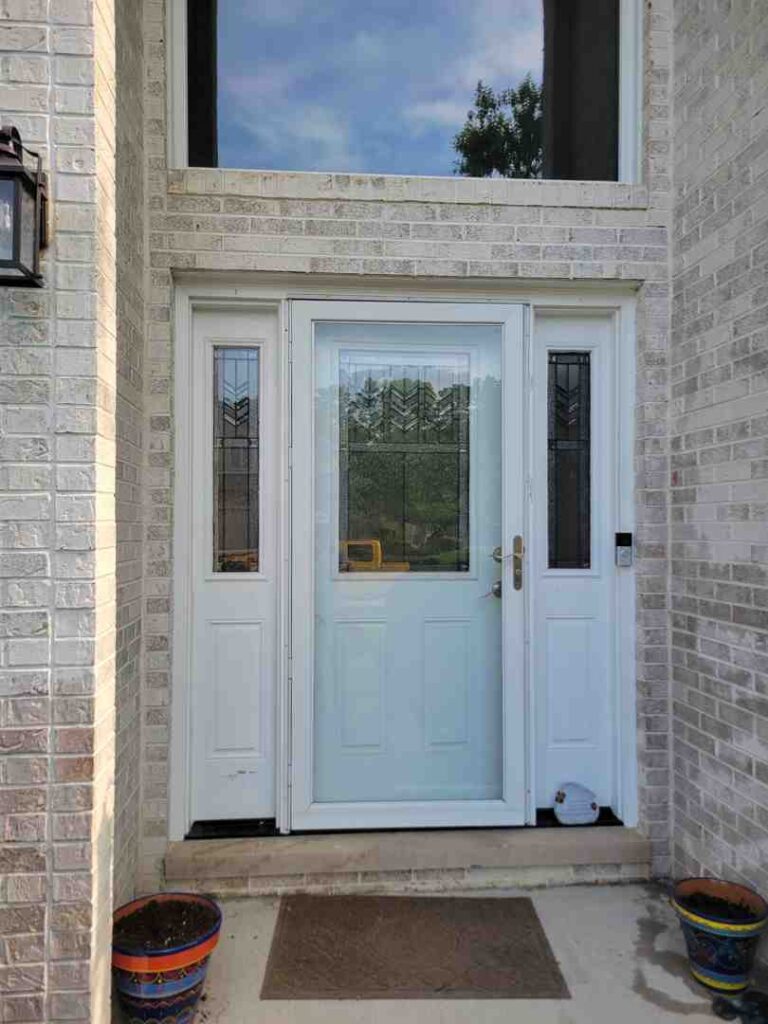
Doors with side panel, also known as sidelights, are narrow vertical windows installed alongside your main entry door. They increase natural light, improve curb appeal, and create a welcoming entrance while maintaining security.
Key benefits:
- Natural Light: Floods your foyer without compromising wall space.
- Improved Appearance: Creates a grander entrance.
- Better Views: Allows you to see visitors easily.
- Energy Efficiency: Modern designs feature insulated glass.
- Customization: Available in various materials and glass types.
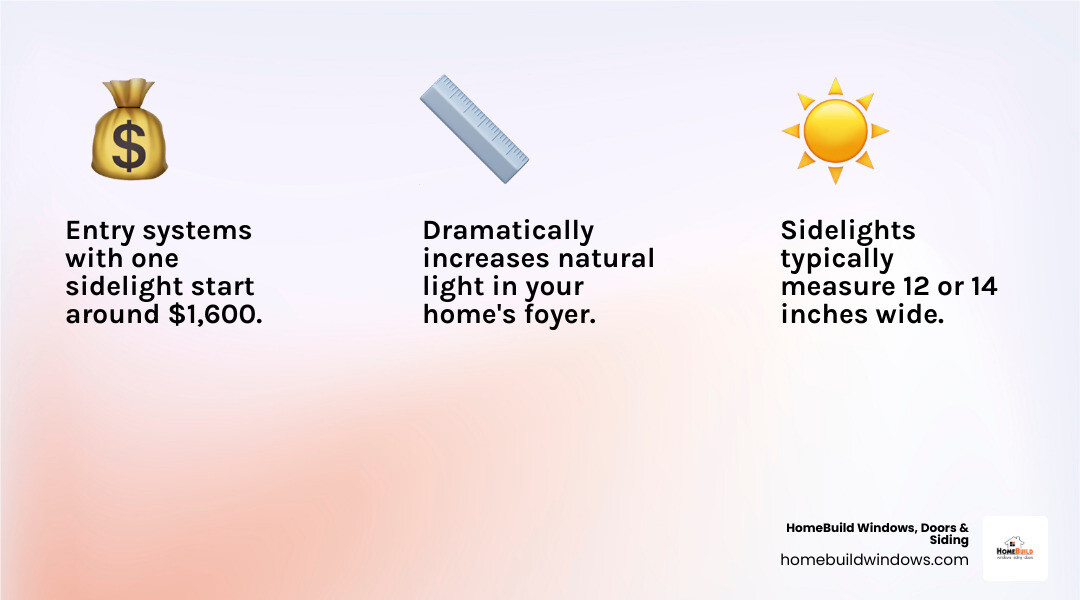
Research shows a door with one sidelight typically costs around $1,600, while double sidelight configurations range from $2,500 to $10,000. Standard widths are 12 or 14 inches. In Chicago, maximizing natural light during winter is a significant benefit. Modern sidelights offer privacy through frosted or decorative glass.
I’m Steve Mlynek, and with 20 years at HomeBuild, I’ve helped thousands of Chicago-area homeowners balance beauty and security with the right entry configurations.
Why Homeowners Choose Doors with Side Panel
Choosing doors with side panel for your Chicago home is an investment in comfort, day-to-day convenience, and curb appeal. These additions can transform an entryway from purely functional to a true focal point, and they can also influence how the space feels inside your home.
Sidelights act as extra light sources, brightening interiors without sacrificing wall space. This matters in Chicagoland, where shorter winter days can make foyers and front halls feel dark. With the right glass, you can enjoy more daylight while still controlling privacy and heat loss.

Beyond light, these doors improve curb appeal by making the entrance appear wider and more balanced. Homeowners in Arlington Heights and Barrington often choose sidelights during entry upgrades because they make an older facade feel instantly more modern. Functionally, sidelights also let you see who is at the door before opening it, which is helpful for everyday deliveries and added peace of mind.
In some entry systems, sidelights can be operable (venting). That can be a great option when you want seasonal fresh air without swinging the main door open wide. For example, homeowners with pets or small children often appreciate controlled ventilation that still keeps the entry secure.
If you want help selecting an entry configuration and matching it to your home style, learn more about our entry door services.
Popular Configurations
- Single Sidelight: A practical choice for tighter porches or narrower front elevations.
- Double Sidelights: Creates a symmetrical, grand appearance and is common on larger homes.
- Transoms: Windows placed above the door for extra light and a taller-looking entry.
- Double Doors with Sidelights: For expansive, high-impact entryways where the opening allows.
For planning tips (including what to expect during installation day), see our Front Door Installation Guide 2025.
Enhancing Views and Connectivity
Side panels strengthen the connection between indoor and outdoor spaces. In areas like Long Grove and Kildeer, where front landscaping and lot views are often a big part of the home experience, sidelights can make the foyer feel less closed off.
A few practical ways homeowners use sidelights to improve daily living include:
- Better sightlines to the outside: Helpful when kids are playing in the yard or when you want to check weather conditions before heading out.
- A brighter transition space: A naturally lit foyer feels more welcoming and can reduce the need for daytime lighting.
- Optional ventilation (when available): Operable sidelights can introduce fresh air in milder months while keeping the main door closed.
Whether your goal is more light, a more impressive entry, or an upgraded, modern look, doors with side panels offer a high-visibility improvement that you notice every day.
Material and Glass Options for Maximum Impact
Material and glass choices dictate the durability, appearance, and efficiency of your entry system. At HomeBuild, we help Chicago-area homeowners select options that fit both their style and our local climate, where freeze-thaw cycles, wind, and seasonal temperature swings can challenge older entry doors.
Choosing the Right Material
- Fiberglass: A top choice in Palatine and Mount Prospect. It resists warping, rotting, and denting while mimicking wood texture. Many homeowners like fiberglass because it delivers a wood-look entry without the same maintenance demands.
- Wood: Offers classic elegance (such as mahogany or knotty alder) and can be a great match for traditional architecture. Because wood is more sensitive to moisture, it typically requires regular maintenance to help prevent swelling, finish wear, and rot over time.
- Steel: Known for strength and security; often budget-friendly. Steel doors can be a smart pick for homeowners prioritizing durability, though they can be susceptible to dents and need proper finishing to help prevent corrosion.
When planning a full entry system, it helps to view the door and sidelights as one unit: the frame, glass, and weather seals work together. Explore options on our Single door with Sidelites page.
Decorative and Privacy Glass
Glass selection is where most homeowners fine-tune the balance between light, privacy, and style. Common choices include:
- Clear Glass: Maximum light and visibility. Ideal when your entry faces a private area or you prefer an open view.
- Frosted/Textured: Provides privacy while letting light filter through. This is a popular solution for front doors closer to sidewalks or neighboring homes.
- Decorative Glass: Includes stained glass or wrought iron inserts for a more distinctive look.
- Low-E Coatings: Helps regulate heat transfer, a practical benefit for Chicago winters and summer sun.
- Tempered Safety Glass: Stronger glass that shatters into blunt pieces for improved safety.
For homeowners updating older entry systems, glass condition matters just as much as the frame. For glass replacement details and what to expect during an update, visit Changing Glass on Front Door.
Maintenance Tips
Keeping your door and sidelights performing well comes down to a few routine checks:
- Fiberglass: Low maintenance; clean occasionally with mild soap and water.
- Wood: Inspect for soft spots or finish failure, and reapply sealants or paint as needed to help protect from moisture.
- Weatherstripping: Check annually and replace if worn to prevent drafts and rattles.
- Seal Integrity: Inspect caulking around glass inserts and exterior trim to maintain a watertight seal.
- Hardware care: Periodically tighten screws and lubricate moving parts as needed so locks and handles operate smoothly.
For more care and installation considerations, see our Exterior Door Installation 101.
Practical Considerations for Security and Efficiency
Security and energy efficiency are critical for Chicagoland homes. Modern entry systems make it possible to add light and style without sacrificing safety or comfort, especially when the door, sidelights, frame, and hardware are selected as a coordinated package.
Advanced Locking Systems
Today, many high-performing entry systems focus on resisting forced entry at the frame and lock points (not just the door slab). Options often include:
- Multi-Point Locking: Engages at multiple points for superior resistance compared with a single latch point.
- Shoot Bolts: Heavy-duty pins extending into the frame for added stability.
- Impact-Resistant Glass: Laminated safety glass helps prevent easy access even if the glass is broken.
- Concealed Hinges: Reduces a potential attack point and can contribute to a cleaner look.
If privacy is a concern, pairing these hardware upgrades with the right glass type (such as textured or decorative) can help limit visibility while still bringing in daylight.
Energy Efficiency Standards
We prioritize products meeting Energy Star standards. Key performance metrics include:
- U-Factor: Measures heat escape; lower values are typically better for winter.
- SHGC: Measures solar heat gain; lower values can help keep homes cooler in summer.
- RSI: Higher values indicate better insulation.
To optimize efficiency, many modern systems use double or triple glazing, argon gas filling, and non-conductive (warm-edge) spacers to reduce heat transfer at the glass perimeter. Insulated cores in fiberglass and steel doors also help block drafts and moisture.
Because sidelights add glass area, installation quality is especially important. Proper squaring, shimming, and sealing help prevent air leaks and water intrusion around the entire unit so the system performs as intended in Chicago weather.
Measuring and Budgeting for Your New Entryway
Accurate planning ensures a perfect fit and helps prevent surprises during installation. Because doors with side panel configurations are wider than a standard single entry door, measuring and budgeting should account for the full door system (door slab, sidelights, frame, and trim).
How to Measure
- Rough Opening Width: Measure stud to stud. Account for the door, sidelights, and mull posts.
- Rough Opening Height: Measure from the finished floor to the header.
- Trim Allowance: Add ~3 inches for the casing.
- Wall Thickness: Determines the correct jamb depth.
Most sidelights are commonly available in standard widths such as 12 or 14 inches, but overall sizing still depends on your home, existing framing, and the style of trim. If your current opening is narrow, expanding it may require additional carpentry and can affect cost.
How Much Do Doors with Side Panel Cost?
| Configuration | Estimated Cost (Installed) | Key Factors |
|---|---|---|
| Door without Sidelight | $4,500 – $6,000 | Material, basic glass |
| Door with One Sidelight | $1,600 – $7,000 | Glass type, custom size |
| Door with Two Sidelights | $2,500 – $10,000+ | Premium materials, security features |
Costs are influenced by material (fiberglass/wood are pricier than steel), glass type (decorative/Low-E), and installation complexity.
Other common cost drivers include:
- Custom glass patterns or specialty privacy glass
- Frame and sill condition (especially if water damage is found during removal)
- Structural adjustments to widen the opening or address header requirements
- Hardware upgrades such as multi-point locking systems
Professional vs. DIY Installation
Professional installation is paramount for:
- Precision: Ensures proper leveling, shimming, and sealing.
- Efficiency: Helps the door system deliver the U-Factor and SHGC performance you are paying for.
- Structural Integrity: Safely handles header modifications if the opening needs to be resized.
- Warranty: DIY installation often voids manufacturer warranties.
If you’re looking for Who Installs Exterior Doors Near Me?, HomeBuild serves Chicago, Des Plaines, and surrounding suburbs.
Frequently Asked Questions about Entry Systems
Can I add side panels to an existing door?
Usually, this requires replacing the entire door unit with a pre-hung system. The rough opening must be wide enough for the door and sidelights. Our experts can assess if your framing needs widening.
Are operable side panels secure?
Yes. Their narrow width (12-14 inches) makes entry difficult. They feature robust locking mechanisms and tempered or laminated safety glass, providing ventilation without compromising safety.
What is the best material for low maintenance?
Fiberglass is the best for Chicago weather. It resists rot, warping, and denting. Unlike wood, it only needs occasional cleaning with soap and water to maintain its appearance.
Conclusion
Doors with side panel impact your home’s appearance, comfort, and security. At HomeBuild Windows, Doors & Siding, we bring two decades of experience to Chicago, Arlington Heights, and surrounding suburbs. We are committed to quality craftsmanship and energy-efficient solutions.
Ready to revitalize your entryway? Explore our full range of Entry Doors and let us help you create a welcoming, secure home.