
Why Finding the Right Mobile Home Roofers Near Me Matters
Mobile home roofers near me are specialized contractors who understand the unique challenges of manufactured home roofing systems. Finding the right professional can mean the difference between a quick fix and a long-lasting solution that protects your investment.
Quick Answer: How to Find Mobile Home Roofers Near Me
- Search online for contractors with mobile home roofing experience in your area
- Verify licensing and insurance – check state requirements and coverage
- Look for specialization – mobile homes require different techniques than traditional homes
- Read reviews – focus on mobile home-specific projects and customer satisfaction
- Get multiple quotes – expect $800-$2,000 for reroofing, depending on materials and size
- Check warranties – ask about both labor (typically 5-25 years) and material guarantees
Mobile home roofs face unique challenges that traditional residential roofs don’t. Lower slopes mean water can pool instead of draining properly. Specialized engineering is required because of how manufactured homes are built. And not every roofing contractor knows how to work with these differences.
The good news? There are qualified professionals who specialize in this exact work. They understand that your mobile home needs materials like TPO membrane, metal roofing, or specialized coatings that prevent leaks and improve energy efficiency. They know how to handle flat or low-slope installations. And they can spot the warning signs of damage before small problems become expensive disasters.
Regular maintenance isn’t just a nice-to-have – it’s essential. According to industry experts, mobile homes with flat roofs require more frequent upkeep because debris and water collect more easily. Annual inspections, prompt repairs, and keeping gutters clean can save you thousands of dollars down the road.
I’m Steve Mlynek, and with over 20 years in the home improvement industry serving Chicagoland, I’ve seen how critical it is to find experienced mobile home roofers near me who understand manufactured homes’ specific structural needs. Whether you’re dealing with a leak, planning a replacement, or just want peace of mind, this guide will walk you through everything you need to know.
Mobile home roofers near me further reading:
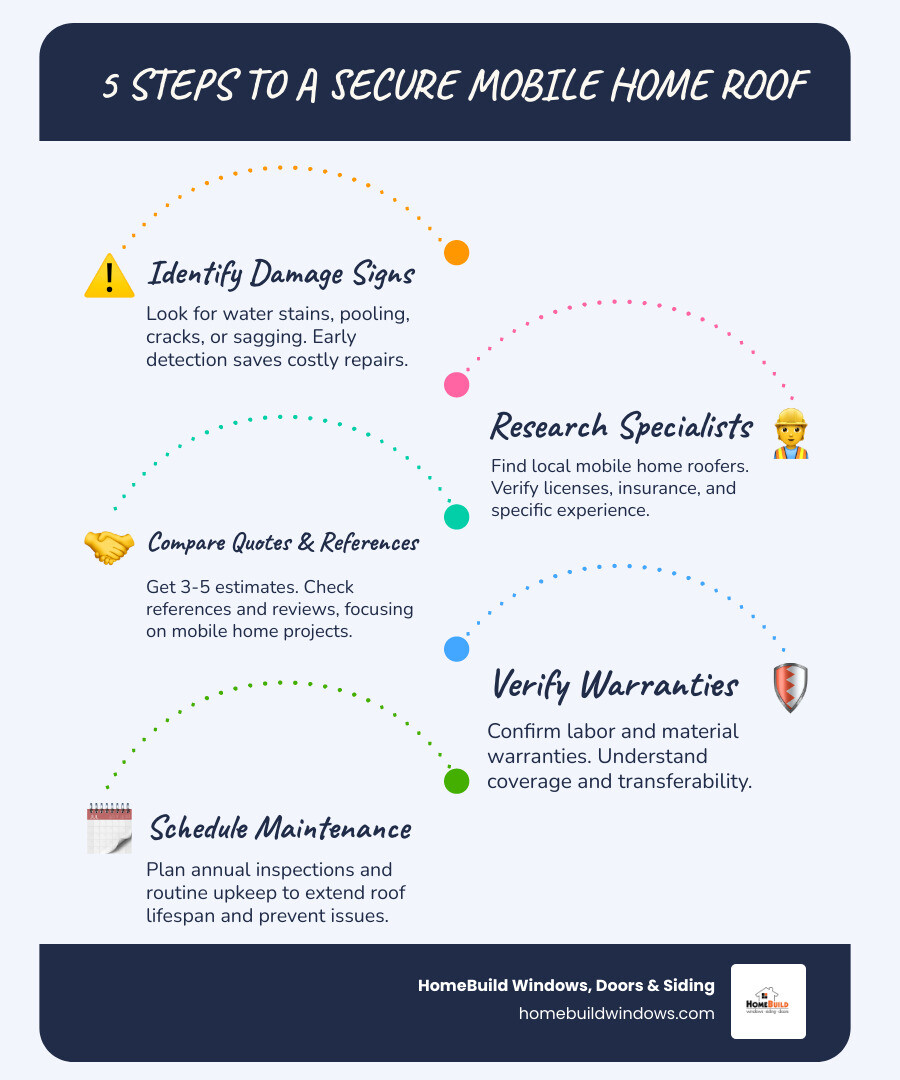
Is Your Roof Crying for Help? 7 Telltale Signs
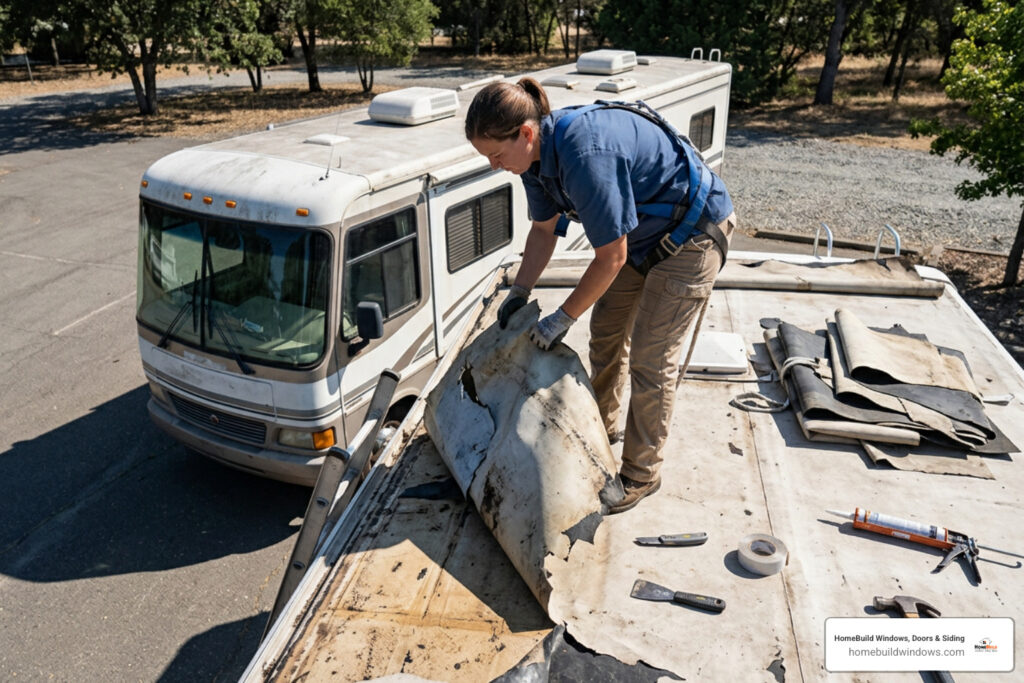
A mobile home’s roof is its first line of defense against Chicagoland weather. Ignoring early warning signs can lead to costly structural damage, poor energy efficiency, and lower home value. When you see signs of wear, it’s about more than aesthetics; it’s about your home’s integrity. Water damage can spread quickly, weakening the structure and fostering mold, so prompt action is crucial.
Interior Warning Signs
Sometimes, the first indications of a roofing problem appear inside your home. These clues are critical indicators that you need to investigate your roof’s condition.
- Water stains on ceiling: Discolored patches, often yellowish or brownish, on your ceiling are a clear indication that water is penetrating your roof. Don’t dismiss them as old age; they’re a direct result of a leak.
- Sagging ceiling or walls: If water has been pooling, it can saturate drywall or ceiling panels, causing them to sag. This is an advanced sign of water damage that requires immediate attention to prevent collapse.
- Mold or mildew spots: Moisture creates a perfect breeding ground for mold. If you notice fuzzy patches on your ceiling or walls, especially in bathrooms or kitchens, it could be due to a hidden roof leak.
- Musty odors: A persistent musty or damp smell, even without visible mold, can point to hidden moisture from a long-standing leak that needs to be addressed.
Exterior Warning Signs
While interior signs are unmistakable, exterior checks can often catch problems before they even reach the inside of your mobile home. A proactive approach to your roof’s exterior can extend its life significantly.
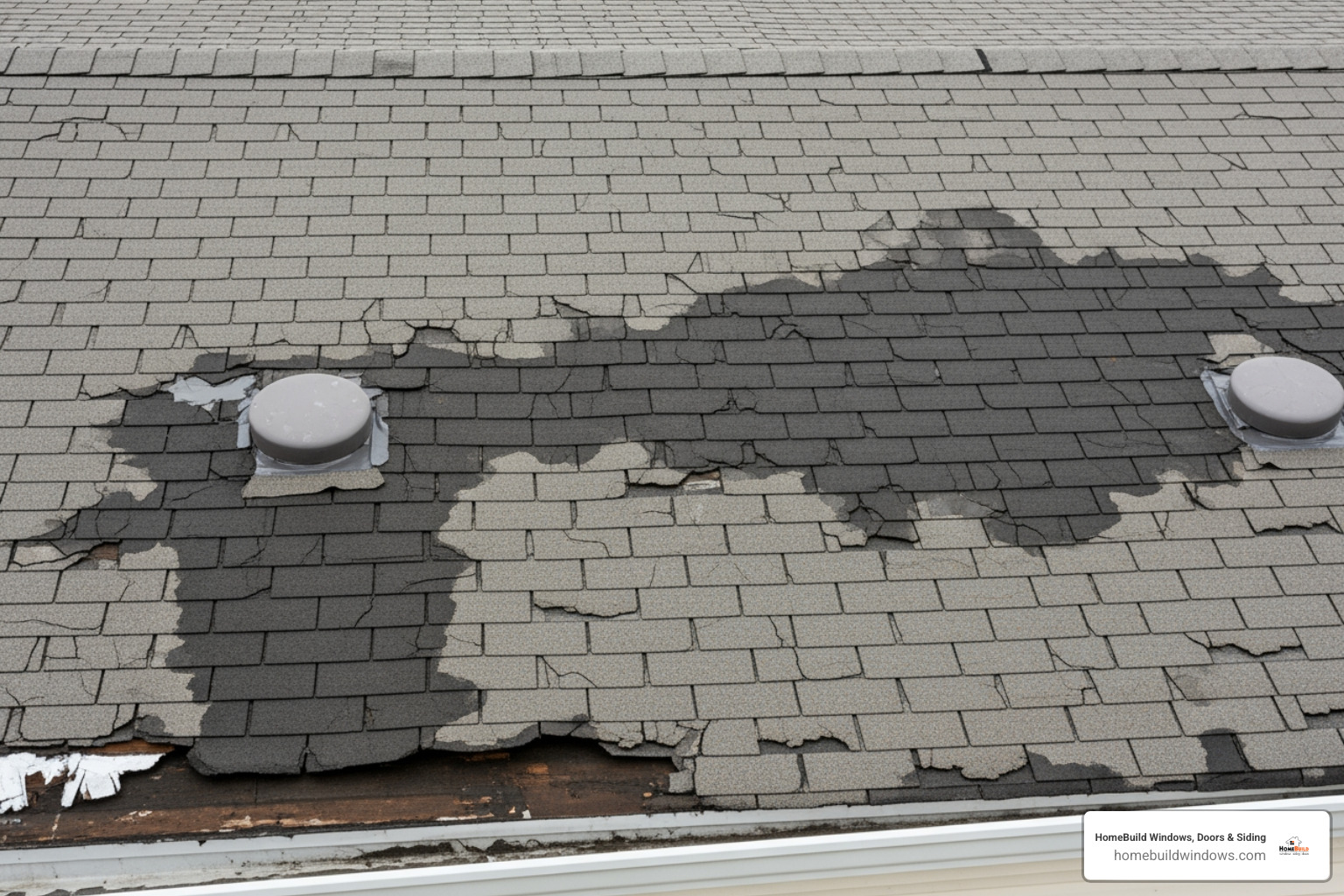
- Cracked or curling materials: Whether you have asphalt shingles, metal, or a membrane roof, visible cracks, tears, or curling indicate material fatigue and exposure to the elements. For shingles, this often means they’re losing their protective granules and are no longer effectively shedding water.
- Missing shingles or fasteners: High winds, common in our region, can easily lift and tear away shingles or loosen fasteners on metal roofs. Any missing material leaves your roof deck exposed to moisture, making it vulnerable to leaks. It’s like a missing puzzle piece in your home’s defense!
- Rust spots on metal roofs: While metal roofs are known for their durability, they are not impervious to corrosion. Rust spots indicate that the protective coating has worn away, and the metal is oxidizing, potentially leading to pinhole leaks over time.
- Pooling water: Mobile home roofs, especially flat or low-sloped ones, are particularly susceptible to water pooling. If you see standing water on your roof hours after rainfall, it indicates poor drainage. This stagnant water can degrade roofing materials, lead to leaks, and put undue stress on your roof’s structure.
- Debris accumulation: Leaves, twigs, and other organic debris can collect on your roof, especially on flat sections or near gutters. This debris traps moisture against the roofing material, promoting mold and mildew growth, and accelerating degradation. It can also clog gutters, leading to overflow and water damage to fascia and siding.
Understanding Your Mobile Home’s Crown: Materials & Maintenance
Mobile homes have unique roofing needs. Many feature low-slope or flat designs, unlike traditional homes, which dictates the best materials and maintenance. Choosing the right material and committing to regular upkeep are paramount for a long-lasting, leak-free mobile home roof.
Common Mobile Home Roofing Materials
Choosing the right material for your mobile home’s roof is a critical decision that balances cost, durability, and energy efficiency. Here’s a look at the most popular options we encounter:
| Roofing Material | Cost (Avg. per sq. ft.) | Lifespan (Years) | Pros | Cons |
|---|---|---|---|---|
| Metal Roofing | $6 – $12 | 40-70+ | Durable, energy-efficient (reflects heat), low maintenance, fire-resistant, can be installed over existing roof | Higher upfront cost, can be noisy during rain/hail, specialized installation |
| TPO Membrane | $5 – $9 | 15-30 | Affordable, energy-efficient, excellent leak resistance, lightweight, easy to install on flat roofs | Less aesthetic appeal, prone to punctures, requires professional installation of seams |
| Asphalt Shingles | $3 – $7 | 15-25 | Widely available, familiar look, relatively inexpensive, easy to repair | Not ideal for low slopes (prone to water pooling), shorter lifespan on mobile homes, less energy-efficient |
| Elastomeric Coatings | $1 – $3 | 5-15 | Cost-effective, extends roof life, seals minor leaks, improves energy efficiency, DIY-friendly options | Requires reapplication, not a structural repair, limited color options |
Note: Costs are estimates and can vary based on location, contractor, and specific product quality.
- Metal roofing: A popular choice for its durability, energy efficiency, and low maintenance. Metal roofs reflect solar heat, reducing cooling costs in hot Illinois summers. While the upfront cost is higher, their long lifespan and weather resilience make them a wise investment.
- TPO membrane: TPO is a fantastic option for low-slope or flat roofs, offering energy efficiency and leak resistance. This lightweight, durable material has a white surface that reflects sunlight, lowering energy bills. Professional installation is key to ensure proper seam welding and prevent leaks.
- Asphalt shingles: Common on traditional homes, asphalt shingles can be used on mobile homes with a sufficient roof pitch. However, they are less ideal for the typical low slopes, as they are more prone to water pooling. If you choose shingles, proper underlayment and ventilation are crucial.
- Elastomeric roof coatings: These liquid-applied coatings are an excellent way to extend the life of an existing roof. They create a seamless, waterproof membrane that protects against UV rays and minor leaks, while also improving energy efficiency by reflecting sunlight.
- Sealing services: Often done as a standalone maintenance step, professional sealing focuses on critical areas like seams, vents, and flashing. This is vital for mobile homes, where aging sealants are common entry points for water. Timely sealing prevents small vulnerabilities from becoming major leaks.
The Importance of Regular Roof Maintenance
Regular roof maintenance is crucial for preventing problems, not just fixing them.
- Prevent costly repairs: Addressing roof damage or leaks promptly prevents minor issues from escalating into major, expensive disasters. A small repair today can save you thousands tomorrow.
- Improve energy efficiency: A well-maintained roof with reflective materials (TPO, metal, coatings) reduces heat absorption, so your HVAC system works less, saving you money.
- Maintain structural integrity: A leaky roof leads to moisture penetration, wood rot, and weakened framing. Regular maintenance protects your home’s structural integrity.
- Annual inspections: We recommend a professional roof inspection at least once a year and after any significant weather event. Experts can spot subtle signs of wear that an untrained eye might miss.
- Debris removal: Flat mobile home roofs collect debris, which traps moisture and leads to degradation, mold, and leaks. Keeping your roof clear is essential for it to function as intended.
- Gutter cleaning: Clogged gutters cause water to back up onto the roof and overflow, damaging fascia, siding, and leading to leaks. Clean gutters are essential for proper roof drainage.
The Ultimate Checklist for Finding Mobile Home Roofers Near Me
Finding the right contractor for your mobile home’s roof is a critical step towards protecting your investment. It’s not just about getting the job done; it’s about getting it done right by someone who understands the unique aspects of manufactured home construction. We know you want peace of mind, and that comes from vetting contractors thoroughly, ensuring they have local expertise, and proven experience with mobile homes.
Step 1: How to Find Qualified Mobile Home Roofers Near Me
Starting your search can feel overwhelming, but with a clear strategy, you can quickly narrow down the best mobile home roofers near me in the Chicagoland area.
- Local online search: Begin with a simple search for “mobile home roofers Chicago,” “mobile home roofing Des Plaines,” or “manufactured home roof repair Arlington Heights.” This will give you a list of local companies that explicitly mention mobile home services.
- Word-of-mouth referrals: Ask friends, family, or neighbors in your mobile home community if they’ve had positive experiences with local roofers. Personal recommendations are invaluable and often lead to trusted professionals.
- Checking online reviews: Platforms like Thumbtack allow you to compare prices side-by-side and access over 1 million customer reviews. Look for contractors with high ratings and specific mentions of mobile home roofing projects. Reading detailed reviews can give you insights into a contractor’s communication, professionalism, and quality of work.
- Community forums: Check local online community groups or forums for recommendations. Residents often share their experiences with local service providers, offering a candid perspective on who to trust (and who to avoid!). For broader insights and shared experiences, you can also Read about other homeowners’ experiences on larger platforms.
- Our expertise in Des Plaines: As a company deeply rooted in the Chicagoland area, we understand the local market. For those specifically in Des Plaines, IL, we recommend exploring our insights on Des Plaines Roofers to get a sense of what quality local service looks like.
Step 2: What to Look for in Mobile Home Roofers Near Me
Once you have a list of potential contractors, it’s time to dig deeper. Not all roofers are created equal, especially when it comes to the specialized needs of mobile homes.
- State licensing: Always verify that any contractor you consider holds the necessary state and local licenses. This ensures they meet professional standards and are legally permitted to operate in Illinois. We always emphasize that homeowners should verify that the hired contractor furnishes the necessary license required for the work being performed.
- Liability insurance: This is non-negotiable. Reputable contractors carry liability insurance to protect you from financial responsibility in case of accidental damage to your property during the roofing project.
- Workers’ compensation: If the contractor has employees, they should carry workers’ compensation insurance. This protects you from being held liable if a worker is injured on your property. Don’t be shy about asking for proof of both insurance types.
- Specialization in mobile homes: This is perhaps the most crucial factor. Mobile home roofs often have lower slopes, requiring specialized engineering and installation techniques that differ from traditional residential roofs. A contractor with experience in mobile homes will understand these nuances, whether it’s working with specific materials like TPO membrane or metal, or addressing unique structural considerations. Some companies pride themselves on decades of experience in the mobile/manufactured home industry, bringing invaluable expertise to your project.
- Local references: Ask for references from past mobile home roofing clients in your area. Contact these references to inquire about their experience with the contractor’s communication, timeliness, adherence to budget, and quality of work.
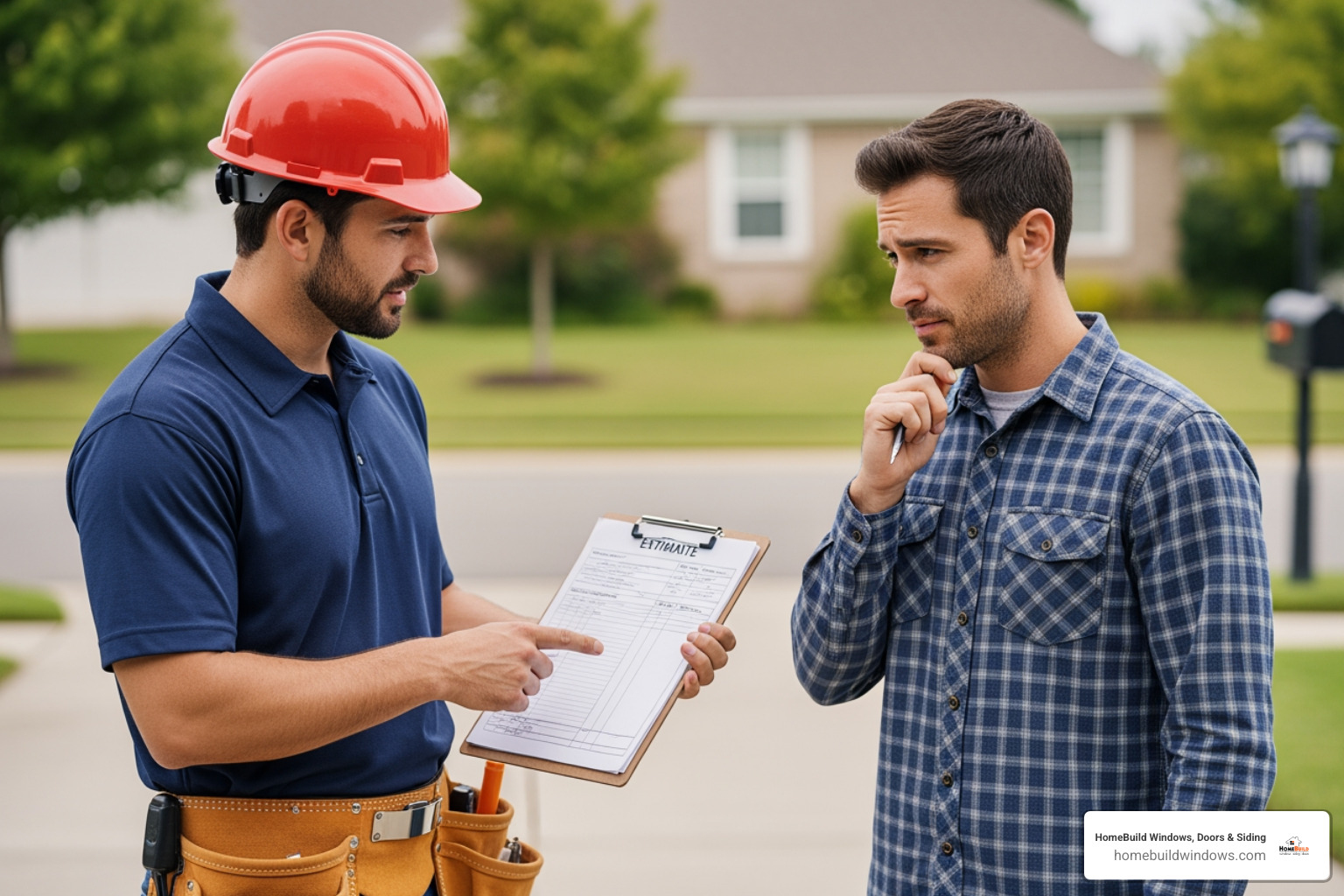
- Written estimates: Always insist on a detailed, written estimate that clearly outlines the scope of work, materials to be used, project timeline, payment schedule, and total cost. This prevents misunderstandings and unexpected charges down the road.
Step 3: Understanding Warranties and Guarantees
A strong warranty is your assurance of quality and protection for your investment. Don’t overlook this vital aspect when selecting your mobile home roofer.
- Manufacturer’s warranty: This covers the roofing materials themselves against defects. High-quality materials like certain metal panels or TPO membranes often come with robust manufacturer warranties, sometimes extending 50 years or more for parts. A reputable contractor will use products backed by strong warranties.
- Workmanship guarantee: This warranty covers the contractor’s installation. Even the best materials won’t perform if installed incorrectly. Look for contractors who offer a substantial workmanship guarantee, typically ranging from 5 to 25 years. Some companies, for instance, offer a 25-year craftsmanship guarantee on certain high-end installations. This demonstrates their confidence in their team’s skills.
- Labor coverage: Clarify what aspects of labor are covered and for how long. Some warranties might offer a 5-year labor warranty on all roof replacements, providing peace of mind should any installation-related issues arise.
- Material defects: Understand what constitutes a material defect under the warranty. This usually covers issues like premature cracking, blistering, or delamination that are not caused by external factors like severe weather or improper maintenance.
- Transferable warranties: If you plan to sell your mobile home in the future, a transferable warranty can be a significant selling point. It assures the new owner that the roof is protected, adding value to your property.
Budgeting for Your Project: Mobile Home Roofing Costs
When it comes to mobile home roofing, one of the first questions homeowners ask is, “How much will this cost?” It’s a fair question, and while we can’t give you an exact figure without seeing your specific situation, we can provide you with a clear understanding of what to expect. Our research indicates that the average cost to reroof a mobile home ranges from $800 to $2,000. This is a broad range because many factors play into the final price.
Deciding between a repair and a full replacement also significantly impacts your budget. A small leak might be a simple patch job, but widespread damage or an aging roof often warrants a complete overhaul. Getting multiple quotes from qualified mobile home roofers near me is always our top recommendation to ensure you’re getting a fair price for the scope of work needed.
Factors That Influence the Final Price
Several key elements contribute to the overall cost of your mobile home roofing project. Understanding these can help you budget effectively and have informed conversations with contractors.
- Home size (single-wide vs double-wide): This is one of the most straightforward factors. Larger mobile homes, such as double-wides, will naturally require more materials and labor than a single-wide, leading to a higher overall cost. The square footage of your roof is a primary driver of material quantity.
- Roofing material choice: As discussed earlier, different materials come with different price tags. Metal roofing and TPO membranes, while durable and energy-efficient, might have a higher upfront cost per square foot compared to basic asphalt shingles or elastomeric coatings. Your choice will directly impact the material portion of the total cost.
- Extent of existing damage: If your current roof has significant water damage, rot in the decking, or structural issues, these problems must be addressed before new roofing material can be installed. Such repairs add to the labor and material costs. The more extensive the damage, the higher the repair cost will be.
- Labor rates: Labor costs vary based on your geographic location within Chicagoland, the complexity of the job, and the specific contractor’s rates. Highly experienced and specialized mobile home roofers near me might charge a bit more, but their expertise often translates into a higher quality, longer-lasting roof.
- Full tear-off vs roof-over: A full tear-off involves removing all existing roofing materials down to the deck before installing the new roof. This is more labor-intensive and generates disposal costs, making it more expensive. A roof-over, where new materials are installed directly over the existing roof, can be a quicker and more affordable option, provided the existing roof is structurally sound and local codes allow it.
Frequently Asked Questions About Mobile Home Roofing
We often get a lot of questions about mobile home roofing, and it’s understandable! These homes have unique needs. Here are some of the most common questions we hear, along with our expert answers.
What’s the difference between a roof-over and a full replacement?
This is a common point of confusion. A roof-over involves installing a new roof system directly over your existing one, without removing the old materials. This can be a faster and generally more affordable option, as it saves on labor for tear-off and disposal costs. It can also add an extra layer of insulation. However, it’s only suitable if your existing roof deck is in good condition and can support the added weight, and if there isn’t significant pre-existing water damage or mold underneath.
A full replacement, on the other hand, involves tearing off all the old roofing materials down to the bare roof deck. This allows for a thorough inspection of the underlying structure, identification and repair of any damaged decking or framing, and ensures a completely clean slate for the new roof. While more expensive and time-consuming, a full replacement often provides a longer-term solution, addresses underlying issues, and ensures the new roof is installed on a solid foundation. For mobile homes with extensive damage or very old roofs, a full replacement is usually the recommended course of action.
How often should I have my mobile home roof inspected?
We strongly recommend having your mobile home roof professionally inspected at least once a year. This annual check-up allows experienced mobile home roofers near me to catch potential issues like loose seams, minor cracks, or early signs of material degradation before they turn into major leaks.
Additionally, it’s crucial to schedule an inspection after any significant weather event, such as a severe hailstorm, heavy snowfall, or high winds, which are not uncommon in our Chicagoland region. These events can cause immediate damage that might not be visible from the ground but can compromise your roof’s integrity. Regular inspections are a proactive measure that saves you money and stress in the long run.
Are there specific challenges or considerations when repairing or replacing a mobile home roof compared to a traditional home?
Absolutely, yes! Mobile home roofs present several unique challenges that differentiate them from traditional residential roofing projects.
- Lower slopes or flat roofs: Many mobile homes feature very low-sloped or completely flat roofs. This design characteristic means water doesn’t drain as quickly as it would on a steep pitch, making these roofs more susceptible to water pooling and the risks of leaks. Specialized materials like TPO membrane, metal panels, or elastomeric coatings are often necessary to effectively waterproof these low-slope designs.
- Specialized engineering and structure: Mobile homes are built differently. Their lightweight construction and often modular design require roofers who understand the unique load-bearing capacities and attachment points. Using materials that are too heavy or employing incorrect installation techniques can compromise the structural integrity of the entire home.
- Material compatibility: Not all roofing materials are suitable for mobile homes. For instance, traditional asphalt shingles, while common, can struggle on very low slopes. Mobile home roofers need expertise in selecting and installing materials specifically designed for manufactured housing.
- Accessibility: Depending on the mobile home’s location and surrounding landscaping, access for roofing equipment and materials can sometimes be more challenging than for a traditional site-built home.
- Vents and protrusions: Mobile home roofs often have numerous vents for plumbing, heating, and cooling systems. Properly sealing around these penetrations is critical to prevent leaks, and this requires meticulous attention to detail and specialized flashing techniques.
These considerations underscore why it’s so important to seek out mobile home roofers near me who specifically advertise and demonstrate experience with manufactured homes. Their specialized knowledge ensures the job is done correctly, providing you with a durable, leak-free roof for years to come.
Your Next Steps to a Secure and Safe Roof
We’ve covered a lot of ground today, from identifying the subtle cries for help from your roof to understanding the best materials and the crucial steps in finding qualified mobile home roofers near me. The key takeaways are clear: vigilance, informed decision-making, and partnering with experienced professionals are your best defense against roofing woes.
Investing in your mobile home’s roof is not just a repair; it’s a long-term investment in your comfort, safety, and the value of your property. Neglecting your roof can lead to a cascade of problems, impacting everything from your energy bills to your home’s structural integrity. By choosing the right contractor, understanding your warranty, and committing to regular maintenance, you’re ensuring your mobile home remains a secure and happy place for years to come.
While you’re upgrading your home’s exterior, a complete solution often involves more than just the roof. Companies like HomeBuild Windows, Doors & Siding can help ensure your entire home envelope is secure and energy-efficient. From new windows that boost insulation to durable siding that protects against the elements, we offer comprehensive exterior solutions right here in Chicagoland.
Ready to explore your options? Learn more about professional Roofing solutions and protect your investment today.