
Why Finding the Right Local Flat Roofers Matters
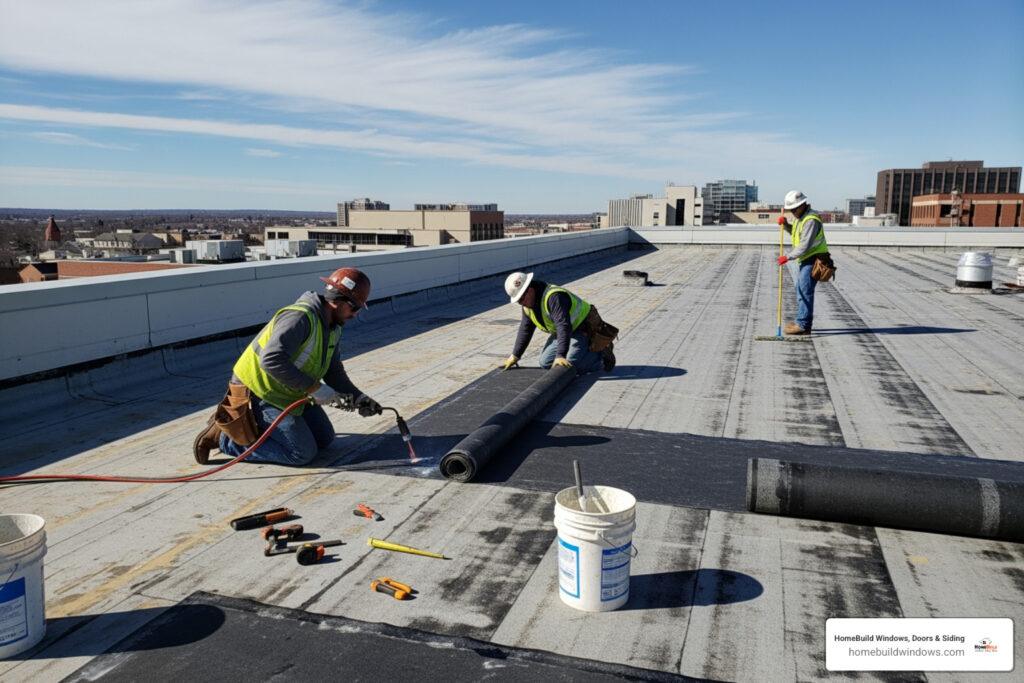
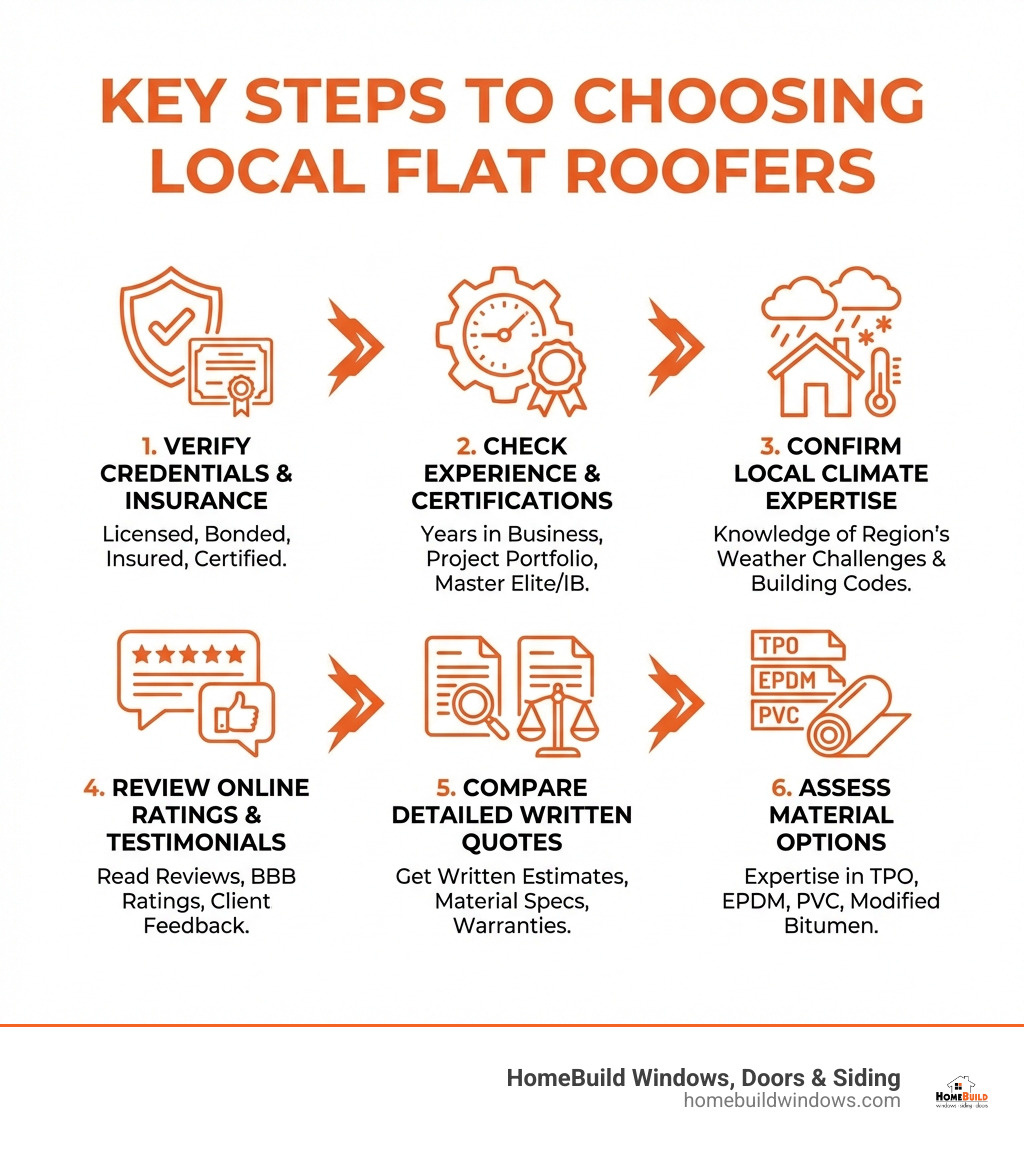
Local flat roofers are specialists who install, repair, and maintain flat or low-slope roofing systems for residential and commercial properties. When searching for qualified professionals in your area, focus on these key factors:
- Verify credentials: Licensed, insured, and certified (e.g., GAF Master Elite, IB Roof Systems)
- Check experience: Years in business, portfolio of completed flat roof projects
- Confirm local expertise: Knowledge of Chicago-area climate challenges and building codes
- Review reputation: Online reviews, BBB ratings, customer testimonials
- Compare quotes: Detailed, written estimates with material specifications and warranties
- Assess materials: TPO, EPDM, PVC, or Modified Bitumen expertise
Flat roofs are different from standard roofs and require specialized knowledge in drainage, waterproofing, and insulation. Whether you’re dealing with a leak, pooling water, or planning a complete replacement, choosing the wrong contractor can lead to costly repairs down the line.
Chicago’s harsh winters put unique stress on flat roofing systems. A local specialist understands these challenges and can recommend energy-efficient, climate-appropriate solutions that protect your home year-round.
I’m Steve Mlynek, CEO and founder of HomeBuild, with over 20 years of experience helping Chicago-area homeowners with their exterior projects. While our specialty is windows and doors, we’ve worked alongside local flat roofers on countless projects and understand what makes a great contractor in this region.
Related content about local flat roofers:
Understanding Flat Roof Essentials: Services and Materials
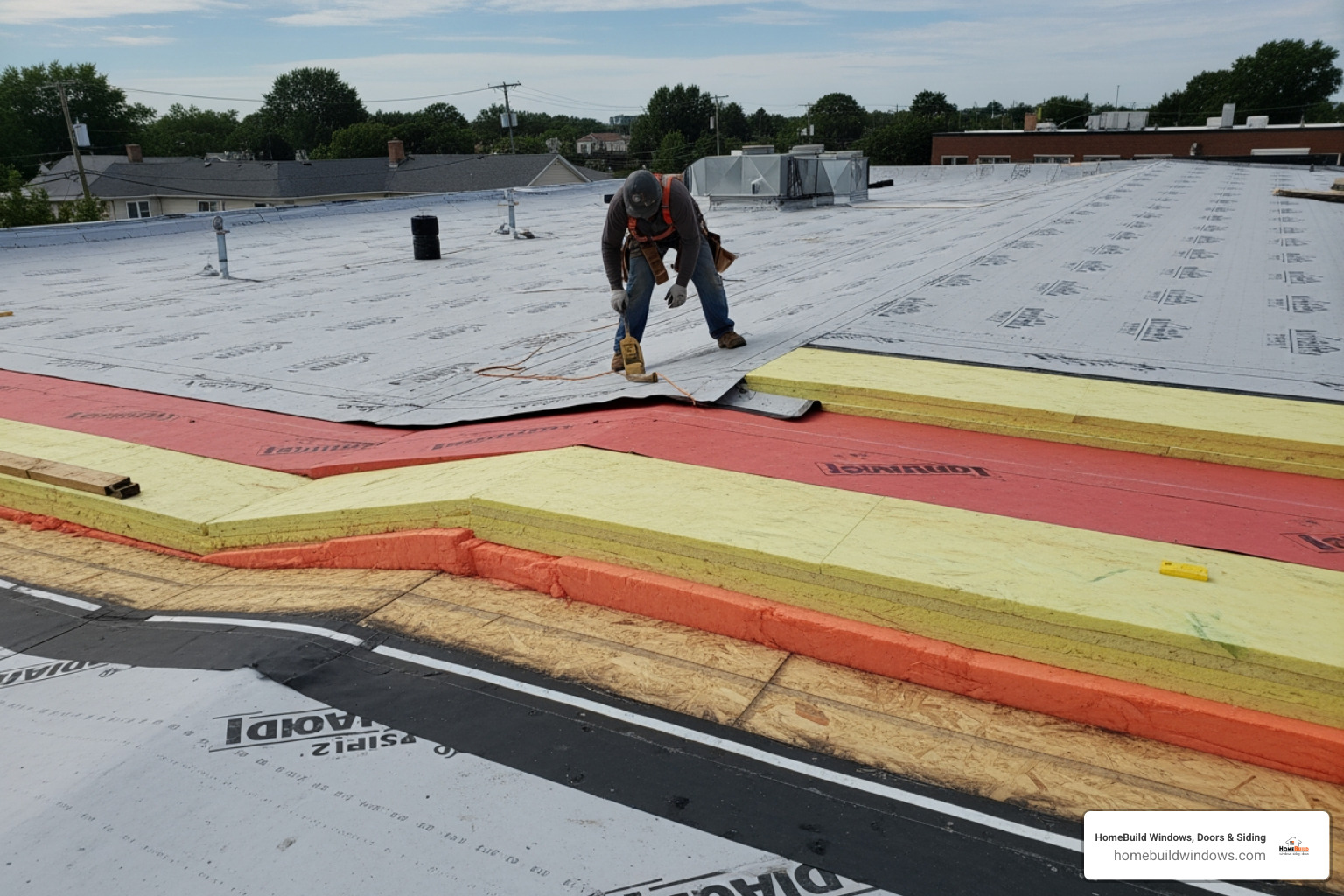
Before you can hire the right pro, it’s important to understand what they do and the materials they work with. A flat roof isn’t just a flat surface; it’s a complex system that requires specialized knowledge for waterproofing and drainage. It’s a modern and practical choice for many properties, offering energy efficiency and a sleek design that can even be used for additional outdoor living spaces or solar panels.
Core Services Offered
When you engage with local flat roofers, you’re tapping into a specific skill set designed to handle the unique demands of flat roofing systems. Here are the primary services they offer:
- Installation: Whether for a new build or a replacement in the Chicago area, professional flat roof installation ensures a watertight, durable system. A properly installed roof provides long-lasting protection, especially with high-quality, commercial-grade materials.
- Repair: From minor leaks to storm damage, prompt, professional repairs are essential for flat roofs. Addressing small leaks quickly prevents significant structural damage. Expert local flat roofers use modern tools and proven methods for durable solutions that meet the highest industry standards.
- Maintenance: Regular maintenance is like a health check-up for your roof. It prevents wear and tear, extends its lifespan, and improves energy efficiency. Routine plans, which include cleaning debris and checking drainage, are crucial for avoiding expensive problems.
- Leak Sealing: This specialized repair focuses on stopping water infiltration. Precision is key, as finding the actual cause of a flat roof leak can be difficult. Professional local flat roofers offer precise and reliable leak-sealing solutions to protect your property from water damage.
- Roof Inspections: A thorough inspection is the first step in any good roofing service. Experts conduct comprehensive assessments to identify the root cause of roofing issues, even those not immediately visible. Many reputable contractors offer free roof inspections to help homeowners and business owners understand their roof’s condition and potential needs.
- Waterproofing: This is fundamental to flat roofing. Specialists employ advanced techniques and materials to ensure a seamless, watertight seal over the entire roof surface. For example, some systems use fusion-welded seams for permanent watertightness, while others involve cold-applied liquid systems to create an impenetrable barrier.
Common Flat Roofing Materials
Local flat roofers in the Chicago area work with a variety of materials, each with its own advantages suited to different needs and budgets. Here are some of the most common types:
- TPO (Thermoplastic Olefin): A popular single-ply roofing membrane known for its durability, energy efficiency, and resistance to UV radiation and chemicals. TPO roofs are often light-colored, making them highly reflective and contributing to cooler building interiors, which is a great benefit during Chicago’s hot summers.
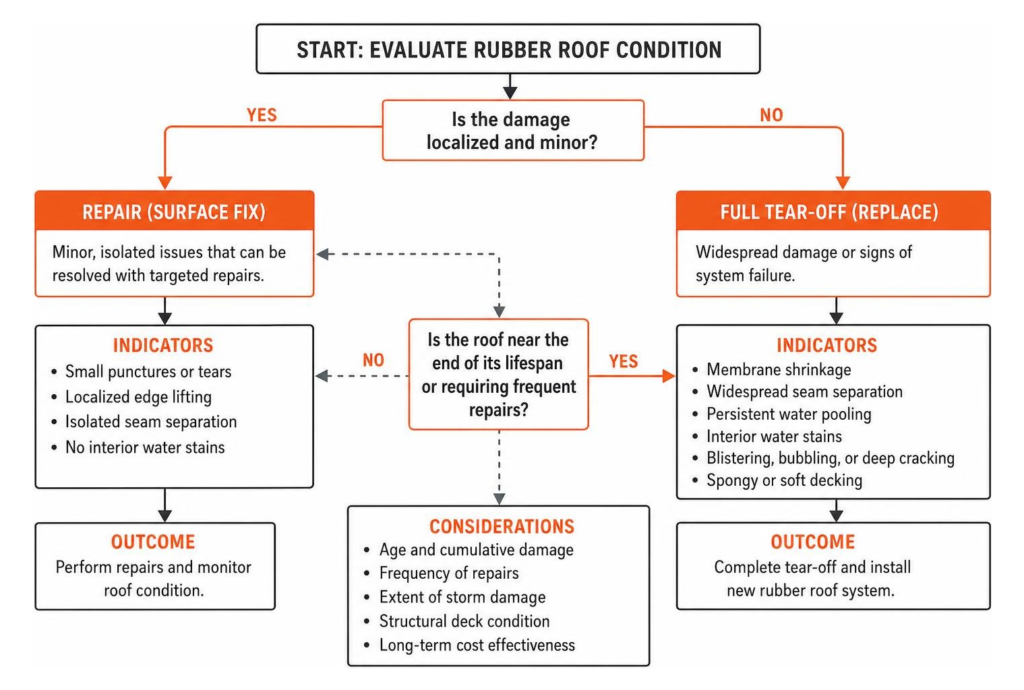
- EPDM (Ethylene Propylene Diene Monomer): Often referred to as “rubber roofing,” EPDM is a durable synthetic rubber roofing membrane widely used for low-slope buildings. It’s known for its longevity, flexibility, and resistance to extreme weather conditions, including the freeze-thaw cycles common in the Midwest.
- PVC (Polyvinyl Chloride): Another single-ply membrane, PVC is praised for its strength, durability, and robust, fusion-welded seams that provide excellent watertightness. Materials like IB Cool Flat Roofs, a PVC single-ply membrane, are specifically designed for long-lasting and energy-efficient solutions, making them ideal for both residential and commercial applications.
- Modified Bitumen: This asphalt-based roofing system is a modern evolution of traditional built-up roofs. It’s typically installed in rolls and can be applied using torch-down, self-adhesive, or hot-asphalt methods. Modified bitumen offers excellent waterproofing and flexibility, making it a reliable choice for flat roofs.
- Built-Up Roof (BUR): A traditional flat roofing system, often called “tar and gravel” roofs. BURs are constructed with multiple layers of roofing felts alternated with hot asphalt or coal tar, topped with a layer of gravel. This multi-layered approach provides robust protection and is known for its durability.
- Liquid-Applied Membranes: These fluid-applied systems create a seamless, waterproof seal over an existing, qualified substrate. They are multi-layered and can often eliminate the need for costly roofing tear-off and replacement. Products like Sika Liquid Plastics offer seamless, cold-applied liquid systems for waterproofing, providing a flexible and long-lasting solution.
Why You Need Specialized Local Flat Roofers

Not all roofing contractors are created equal. While a general roofer might handle a simple shingle job, flat roofs present unique challenges that demand a specialist’s touch. Choosing an expert ensures your roof is built to last and performs as it should. We believe your home deserves a roof that combines functionality, style, and durability, and that comes from specialized expertise.
Specialist vs. General Contractor
Choosing a specialist for your flat roof isn’t just a preference; it’s a necessity. Here’s why:
- Specialized knowledge: Flat roofs require specialized knowledge in drainage, waterproofing, and insulation that differs from sloped roofs. A general contractor may lack this specific expertise, as flat roofs are a different beast entirely.
- Drainage expertise: A challenge for flat roofs is proper drainage. Without it, water can pool, leading to leaks and structural damage. Specialists understand how to design and implement effective drainage systems, including tapered insulation and internal drains, to prevent standing water.
- Waterproofing techniques: Flat roofs rely on a completely watertight membrane. Specialists are experts in applying and sealing these membranes, often using fusion-welded seams for permanent watertightness. They understand material nuances to ensure an impenetrable barrier.
- Material-specific tools: Different flat roofing materials require specific tools and application methods. A general contractor might not have the specialized equipment or training needed for, say, a PVC membrane installation or a modified bitumen torch-down application.
- Understanding building codes: Building codes often have specific regulations regarding flat roof maintenance and repair. A specialist will be intimately familiar with Chicago’s local codes, ensuring that your flat roof project is not only high-quality but also compliant, saving you from future headaches and potential fines.
Key Differences: Commercial vs. Residential Projects
While both commercial and residential flat roofs share the fundamental need for waterproofing and durability, there are distinct differences in their services and considerations:
- Project scale: Commercial flat roofing projects are typically much larger in area and complexity. They often cover vast expanses, such as warehouses, retail centers, or multi-story apartment buildings, compared to a residential garage or a low-slope addition to a home.
- Material grades: Commercial properties often require heavier-duty, commercial-grade materials designed for higher traffic, more extreme conditions, and longer lifespans. These materials are chosen to ensure protection and investment security for businesses. Residential projects might use lighter-duty, though still high-quality, options.
- Structural load requirements: Commercial flat roofs frequently need to support heavy equipment like HVAC units, solar panels, and sometimes even rooftop gardens or patios. This means the underlying structure and the roofing system itself must be designed to handle significant loads, which isn’t typically a concern for most residential flat roofs.
- Building code complexity: Commercial building codes are often more stringent and complex than residential codes, especially concerning fire ratings, insulation values, and drainage requirements. A commercial flat roofer must have an in-depth understanding of these regulations.
- Maintenance schedules: Due to their larger size and critical role in business operations, commercial flat roofs often adhere to more rigorous and proactive maintenance schedules. This helps prevent costly downtime and protects valuable assets inside.
The Advantage of Hiring Local Flat Roofers
When it comes to flat roofing in the Chicago area, choosing local flat roofers offers distinct advantages that can significantly impact the success and longevity of your roofing project.
- Understanding local climate: Chicago’s climate, with its harsh winters and hot summers, puts a severe strain on roofs. Local roofers understand these weather challenges. They know which materials perform best in freeze-thaw cycles, how to design for snow load, and what solutions mitigate UV damage. This local knowledge is crucial for designing durable roofing systems.
- Familiarity with local building codes: Navigating Chicago’s building codes and permit requirements can be tricky. Local contractors are intimately familiar with these regulations, ensuring that your project is compliant from start to finish. This prevents delays, costly rework, and potential legal issues.
- Faster response times: In the event of an emergency—a sudden leak during a torrential downpour or damage from a severe storm—a local company can offer prompt and dependable emergency repairs. Their proximity means they can reach your property quickly, minimizing potential damage.
- Community reputation: Local businesses often thrive on their reputation within the community. They are more accountable to their clients because their livelihood depends on positive word-of-mouth and strong local reviews. This often translates to a higher level of customer service, quality craftsmanship, and a genuine commitment to customer satisfaction. We’ve seen how important this is for our own business in Chicago, and it’s equally true for the best local flat roofers.
Flat Roofs in the Midwest: Climate Challenges & Solutions
A flat roof in Chicago faces a unique set of weather-related challenges, from heavy snow and ice dams in the winter to intense heat and UV exposure in the summer. A knowledgeable local roofer will use specific materials and techniques to combat these issues. We ensure our residential and commercial clients are equipped with roofs offering durability, efficiency, and aesthetic appeal, all designed to combat our local climate.
Impact of Local Weather
Chicago’s weather patterns present several specific challenges for flat roofs:
- Heavy snowfall: Our winters can bring significant snow accumulation. Flat roofs must be designed to handle heavy snow loads without structural compromise. Prolonged snow cover can also lead to ponding water once it melts.
- Ice dams: As snow melts and refreezes at the roof’s edge, ice dams can form, preventing proper drainage and forcing water under the roofing membrane, leading to leaks. While more common on sloped roofs, inadequate drainage on flat roofs can exacerbate this issue.
- Freeze-thaw cycles: The frequent fluctuation between freezing and thawing temperatures in spring and fall can cause materials to expand and contract repeatedly. Over time, this stress can lead to cracks, splits, and delamination in roofing membranes.
- Ponding water: This is a perennial flat roof problem, where water collects in depressions and doesn’t drain properly. In Chicago, ponding water can freeze, expanding and contracting, putting immense stress on the membrane and increasing the risk of leaks. It also accelerates material degradation.
- High winds: Lake Michigan’s winds can be fierce. High winds can lift, tear, or peel back roofing membranes, especially at edges and penetrations, compromising the roof’s integrity.
- Summer heat: Chicago’s summers can be hot, exposing flat roofs to intense UV radiation. This can cause materials to degrade, become brittle, and lose their flexibility, reducing their lifespan. Darker roofs can also absorb significant heat, contributing to higher cooling costs indoors.
Modern Roofing Solutions
Fortunately, modern roofing technology and expert installation by local flat roofers offer robust solutions to these climate challenges:
- Cool roof technology: A game-changer for combating summer heat, cool roofs use highly reflective surfaces to reflect sunlight and release absorbed heat. Materials like light-colored TPO or PVC membranes are excellent examples. According to ENERGY STAR’s cool roof guidelines, these roofs can lower surface temperatures significantly, reducing indoor temperatures and air conditioning demand. This can lead to meaningful energy savings and lower utility costs.
- Improved insulation: Proper insulation under the flat roof membrane is critical. It helps regulate indoor temperatures, keeping heat in during winter and out during summer. This not only makes your home more comfortable but also dramatically reduces heating and cooling costs. The potential for improved insulation in flat roofs is a key benefit for energy efficiency.
- Proper drainage systems: Expert local flat roofers design and install effective drainage solutions to prevent ponding water. This might involve tapered insulation systems that create a slight slope, strategically placed internal drains, or scuppers at the roof’s edge. Regular maintenance also includes ensuring these systems remain clear and functional.
- Durable, reflective materials: Using top-grade materials designed to withstand local weather conditions is paramount. This includes membranes that are highly reflective, resistant to chemicals, fire, and high winds. Materials from reputable manufacturers like GAF or IB Roof Systems are often chosen for their proven performance in challenging climates.
- UV-resistant coatings: To combat the damaging effects of summer sun, many modern flat roofing systems incorporate UV-resistant coatings or are inherently UV-stable. Some fluid-applied systems, for example, offer a “UV Solar Shield” which acts as a protective barrier against sun degradation, extending the roof’s lifespan.
Your Guide to Flat Roof Installation, Repair, and Warranties
Knowing how to spot trouble and understanding the process for a repair or replacement can save you time, money, and stress. Here’s what every homeowner should know about their flat roof, whether it’s for a residential property or a small commercial building in the Chicago area.
Identifying Common Problems
Your flat roof works hard to protect your property, but like any component of your home, it can develop issues. Early detection is key to preventing minor problems from escalating into costly disasters. Here are some common flat roof problems to watch out for:
- Pooling or ponding water: This is perhaps the most tell-tale sign of trouble. If water remains on your flat roof for more than 48 hours after a rain, it’s considered ponding. This standing water puts extra weight on the roof, can accelerate membrane degradation, and is a prime source of leaks.
- Blistering or bubbling: These raised areas on the roof’s surface often indicate trapped moisture or air beneath the membrane. As the sun heats the roof, this moisture expands, creating blisters that can eventually rupture, leading to leaks.
- Cracks and tears in the membrane: Visible cracks, splits, or tears in the roofing material are direct pathways for water to enter your building. These can be caused by aging, thermal expansion and contraction, or physical damage.
- Leaks and water stains: Obvious signs of water infiltration inside your home or business, such as water spots on ceilings or walls, are clear indicators that your roof is failing. Addressing these small leaks quickly can prevent significant structural damage and mold growth.
- Damaged flashing: Flashing—the material used to seal around roof penetrations (like vents, pipes, skylights) and at edges or where the roof meets a wall—is a critical waterproofing element. If the flashing is cracked, loose, or improperly installed, it becomes a weak point for water entry.
If you notice any of these issues, it’s time to call in professional local flat roofers for an assessment.
The Typical Installation & Repair Process
Whether you need a new flat roof or a critical repair, understanding the process helps you manage expectations and ensures a smooth project:
- Initial inspection and consultation: The process always begins with a thorough assessment. A qualified flat roofer will inspect your roof’s current condition, identify the root cause of any problems, and discuss your needs and budget. This often includes a free roof inspection and consultation to assess the best course of action.
- Detailed quote: Following the inspection, you should receive a comprehensive, itemized quote. This estimate should clearly outline the scope of work, specified materials to be used (e.g., TPO, EPDM, PVC), labor costs, project timeline, and payment schedule. Transparency here is crucial.
- Material selection: With expert guidance from your contractor, you’ll choose the best flat roofing material for your property, considering factors like durability, energy efficiency, local climate impact, and aesthetic preferences.
- Site preparation: Before any work begins, the site will be prepared. For repairs, this means cleaning the affected area. For installations or replacements, it involves clearing debris, and potentially removing the old roof (though some fluid-applied systems can go over existing qualified substrates, eliminating costly tear-off).
- Installation or repair: This is where the magic happens. Experienced local flat roofers will use modern tools and proven methods for durable and effective repairs or professional installation. They’ll ensure the work is done right the first time, adhering to manufacturer specifications and industry best practices.
- Final inspection and cleanup: Once the work is complete, a final inspection is conducted to ensure everything meets the highest industry standards. The site will also be thoroughly cleaned, leaving your property spotless.
Understanding Warranties and Guarantees
A good warranty is your peace of mind, protecting your investment for years to come. When discussing your flat roof project, always clarify the warranties and guarantees offered:
- Material warranties: These are provided by the roofing material manufacturer and cover defects in the product itself. Depending on the material, you might see material warranties ranging from 15 to 30 years. High-quality systems from manufacturers like GAF or IB Roof Systems often come with robust material warranties.
- Workmanship guarantees: This warranty is provided by the roofing contractor and covers the quality of their installation or repair work. It ensures that if issues arise due to faulty installation, the contractor will rectify them. Reputable local flat roofers stand behind their expert workmanship.
- Manufacturer certifications (e.g., GAF, IB Roof Systems): Contractors who are certified by specific manufacturers, like GAF Master Elite Contractors, can often offer improved warranties that are not available through uncertified roofers. For example, GAF Master Elite certified contractors can offer the Golden Pledge Warranty, which includes 25-year transferable craftsmanship and 50-year parts coverage. This means the manufacturer itself backs the contractor’s work, providing an extra layer of security.
- Transferable warranties: Some warranties are transferable to a new homeowner if you sell your property. This can be a significant selling point and adds to your home’s value. Always inquire if the warranty is transferable.
How to Choose the Best Local Flat Roofers for Your Home
Finding a trustworthy and skilled contractor is crucial. Use this checklist to vet potential candidates and make an informed decision that protects your property and your wallet. We believe in empowering our clients with information, so you can make the best choice for your Chicago home.
Verify Experience and Credentials
This is your first and most important step. Don’t just take a contractor’s word for it; ask for proof.
- Years in business: Look for companies with a long track record. Over 15 years in business, or even over 30 years in the roofing business, indicates stability and experience. Such longevity often means they’ve seen and solved a wide range of flat roof problems.
- Proof of license and insurance: Ensure they are a licensed, insured, and certified roofing company. This protects you from liability in case of accidents or damage during the project. Professional certified roofers with proper insurance coverage are non-negotiable.
- Certifications (e.g., GAF Master Elite): Certifications from major manufacturers like GAF Master Elite Certified Roofing Contractor or being certified with GAF Commercial (or similar for other systems like IB Roof Systems) demonstrate that the contractor has met rigorous standards set by the industry’s leading material providers. This often means they have specialized training and can offer superior warranties.
- Portfolio of past projects: Ask to see examples of their completed roofing projects, especially flat roofs similar to yours in size and material. This gives you a visual representation of their quality of work and experience.
Check Reviews and Reputation
A company’s online reputation speaks volumes.
- Online reviews (Google, BBB): Check platforms like Google, Yelp, and the Better Business Bureau (BBB). Look for a consistent 5-star rating on Google and BBB accreditation. Read through reviews to understand common themes about their professionalism, quality, and customer service.
- Customer testimonials: Many companies feature customer testimonials on their websites. While these are curated, they can offer insights into customer satisfaction. Look for specific examples of positive experiences.
- Local references: Ask the contractor for local references—customers they’ve served in the Chicago area. This allows you to speak directly with past clients about their experience and view their finished roofs.
Get Detailed, Written Quotes
Never settle for a verbal estimate. A detailed, written quote is a non-negotiable part of the process.
- Itemized estimates: Your quote should be comprehensive and itemized, breaking down costs for materials, labor, permits, and any other associated expenses. This transparency helps you understand exactly what you’re paying for.
- Specified materials: The quote should clearly state the type and brand of flat roofing materials to be used (e.g., specific mil thickness of TPO, brand of PVC membrane). This ensures there are no surprises and that you’re getting the quality you expect.
- Project timeline: A reputable contractor will provide an estimated project timeline, including start and completion dates. This helps you plan and minimizes disruption to your home or business.
- Payment schedule: The quote should also detail the payment schedule, including any upfront deposits and subsequent payments upon project milestones. Be wary of contractors demanding full payment upfront.
- Comparing multiple quotes: We always recommend getting at least three quotes from different local flat roofers. This allows you to compare pricing, services, and contractor professionalism. While we believe in competitive pricing, the cheapest quote isn’t always the best value. Focus on “like for like quotations” to accurately compare.
Conclusion
Choosing the right local flat roofer is the best way to ensure your roof is durable, weather-resistant, and adds value to your home. By focusing on specialists with proven local experience, checking for proper credentials, and understanding the materials and warranties involved, you can confidently protect your investment. For a trusted partner in the Chicago area with a reputation for quality and professionalism in all exterior projects, consider the experts at HomeBuild Windows, Doors & Siding. We’re here to help you steer your home improvement needs with expertise and care.
Ready to protect your home with a high-quality roof? Contact us today for a comprehensive consultation on your roofing needs!