

How to Replace Patio Screen Door Rollers
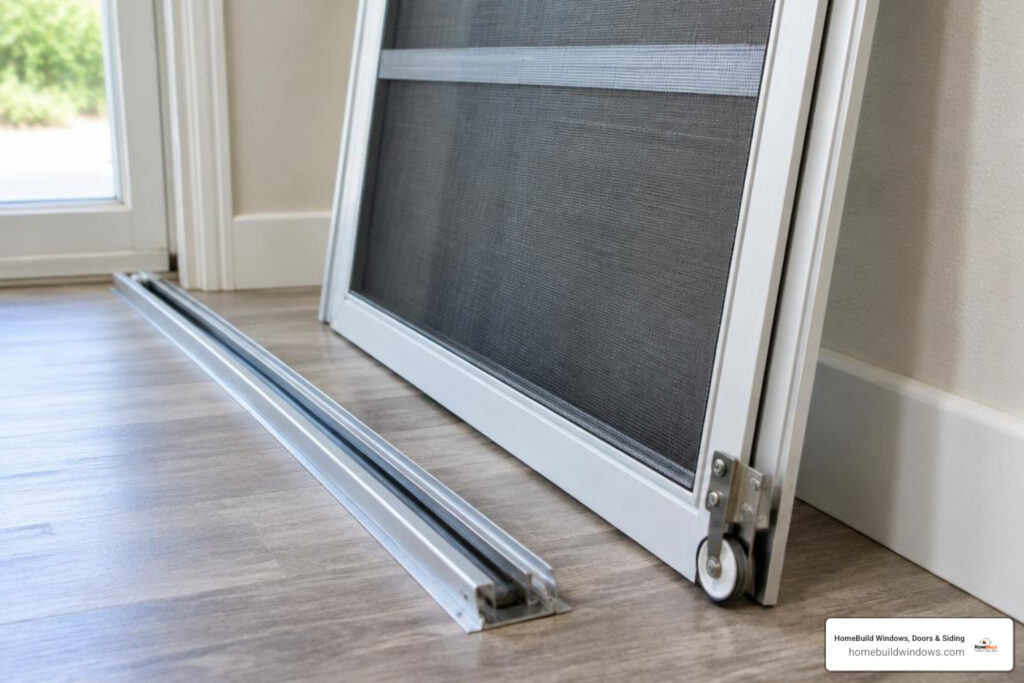
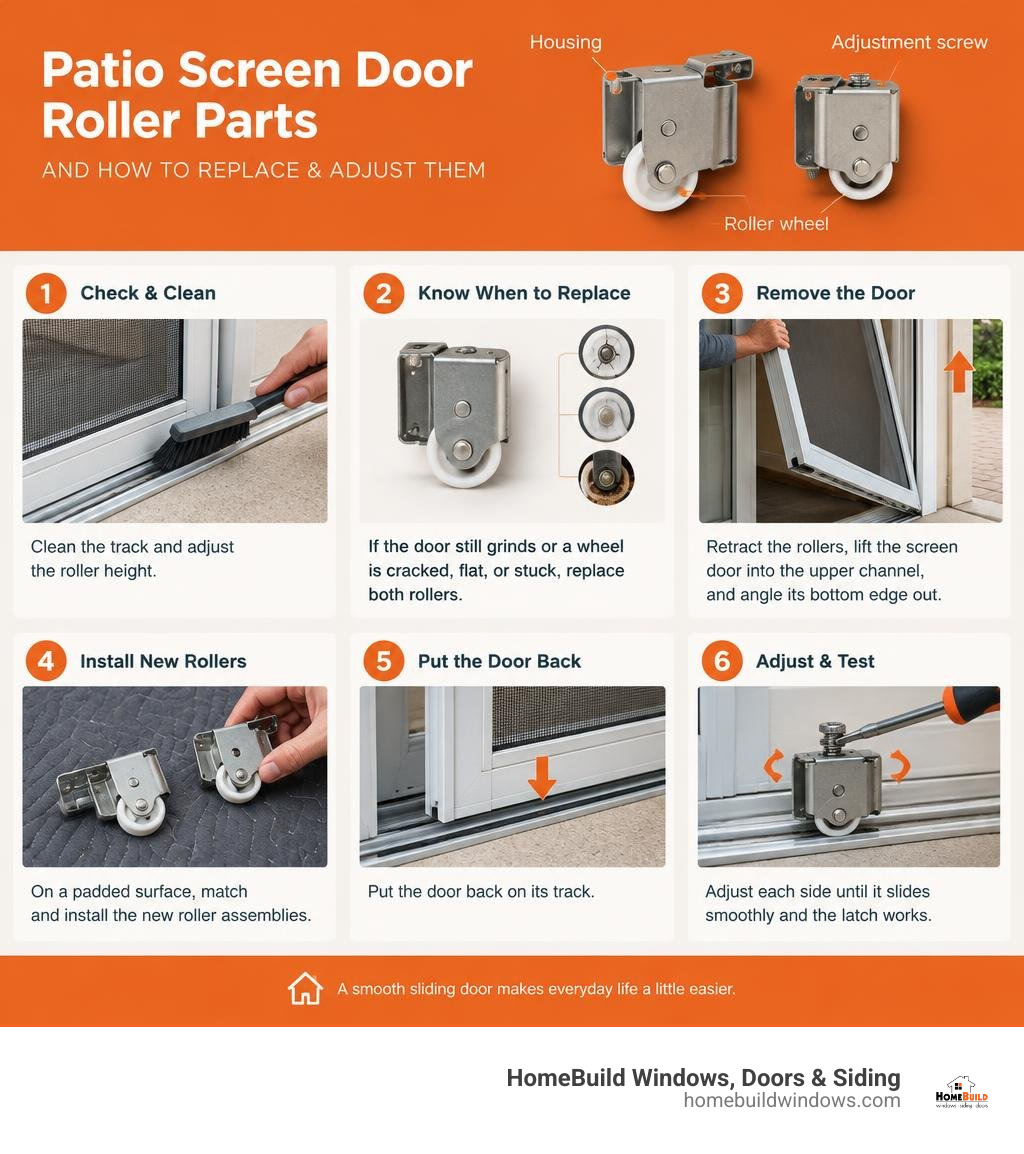
Start with a quick check: Clean the track and adjust the roller height. If the door still grinds or a wheel is cracked, flat, or stuck, both rollers likely need replacement. A professional will retract the rollers, lift the screen door into the upper channel, and angle its bottom edge out. On a padded surface, the technician matches and installs the new roller assemblies, then puts the door back on its track and adjusts each side until it slides smoothly and the latch works.
I’m Steve Mlynek, founder of HomeBuild Windows, Doors & Siding, and I’ve worked in Chicago-area window and door replacement for over 20 years. I’ll walk you through what’s involved in replacing patio screen door rollers, including how to spot a problem that calls for more than new wheels.
Signs Your Screen Door Needs Roller Adjustment or Replacement
Living in the Chicagoland area means our homes endure dramatic weather shifts. Between sub-zero winter freezes, fierce winds off Lake Michigan, humid summer afternoons, and frequent spring freeze-thaw cycles, patio door hardware takes a beating. Screen doors on suburban ranches in Arlington Heights or classic brick bungalows in Chicago often begin sticking after seasons of heavy seasonal use and dirt accumulation.
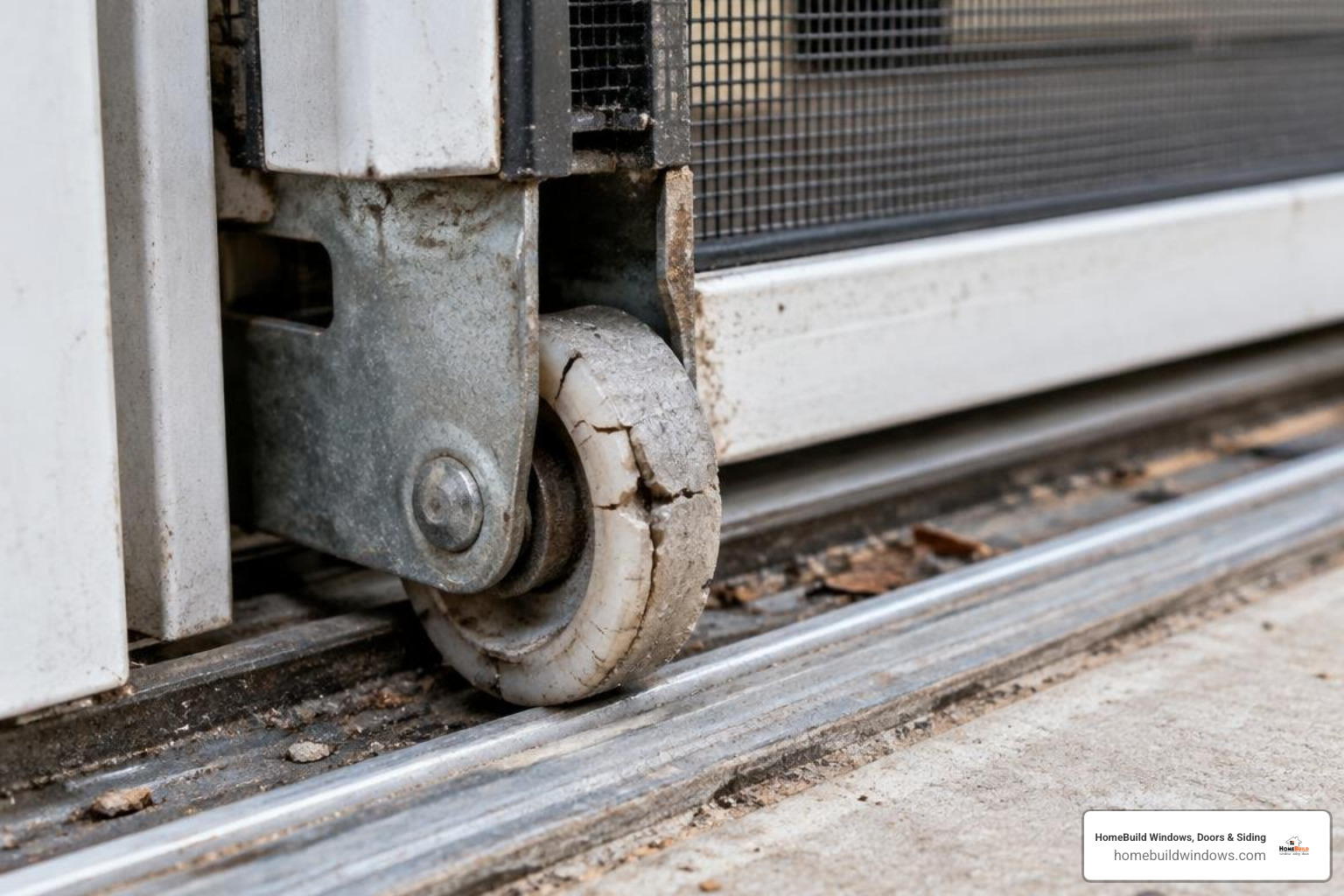
When a patio screen door stops gliding smoothly, homeowners often assume the entire frame is warped. However, approximately 40% of dragging screen door issues stem from improper alignment rather than complete mechanical failure. Reviewing professional tips for aligning and installing patio door screens can help determine whether a simple turn of a screw will fix the issue or if the hardware has reached the end of its lifespan.
Watch for these primary warning signs that point to roller trouble:
- Grinding or scraping sounds: A loud metal-on-metal or grating plastic noise indicates the roller has flat spots or the frame is dragging directly on the bottom rail.
- Door jumping off track: When roller assemblies lose tension or internal springs break, the door pops out of the channel under light pressure.
- Physical resistance: Needing two hands to force open a lightweight screen door signals seized internal ball bearings.
- Uneven gaps along the frame: If daylight appears unevenly between the door edge and the side jamb, the roller height has slipped.
Evaluating Wheel Wear and Track Alignment
To evaluate your rollers, examine both the bottom track and the roller adjustment screws located at the lower corners of the door. Use a screwdriver to test whether adjusting the tension screw raises or lowers the door frame. If turning the screw fails to move the wheel, the internal housing or tension spring has failed.
Inspect the wheels directly using a flashlight. Rollers that have developed flat spots from being dragged across grit will no longer spin freely. In our northern Illinois climate, dirt, road salt residue, and outdoor debris settle directly into sliding door channels. When wheels roll over compacted debris, the plastic or metal develops gouges that prevent fluid motion.
Choosing the Right Replacement Hardware
Sliding screen door rollers are not universal. Manufacturers design doors with specific roller diameters, housing depths, and spring configurations. When selecting replacement hardware, choosing between nylon and steel wheels depends on your door’s frame material, weight, and local exposure.
| Roller Feature | Nylon Rollers | Steel Ball-Bearing Rollers |
|---|---|---|
| Best Suited For | Standard residential screen doors | Heavy-duty screens and high-wind areas |
| Operation Noise | Whisper-quiet operation | Smooth glide, slight metallic sound |
| Track Wear | Gentle on aluminum tracks | Can wear aluminum tracks if misaligned |
| Corrosion Resistance | Immune to rust | Requires stainless steel in humid environments |
| Lifespan | Long-lasting for normal daily use | Maximum durability under heavy traffic |
For most standard sliding patio screens, nylon wheels provide quiet, dependable operation. However, for oversized doors or homes facing open lake winds in areas like Evanston or Winnetka, stainless steel ball-bearing rollers offer extra rigidity and strength against wind-induced track derailment. If the frame or track is too far gone for a roller fix, our sliding patio door installation service can restore smooth, draft-free operation.
Step-by-Step Guide to Replacing Patio Screen Door Rollers
Replacing patio screen door rollers is a precise maintenance task that restores effortless operation to your outdoor living space. When tackling this project, taking care to protect the aluminum door frame from twisting or bending is essential to avoid compromising the structural integrity of the entire sliding screen assembly.
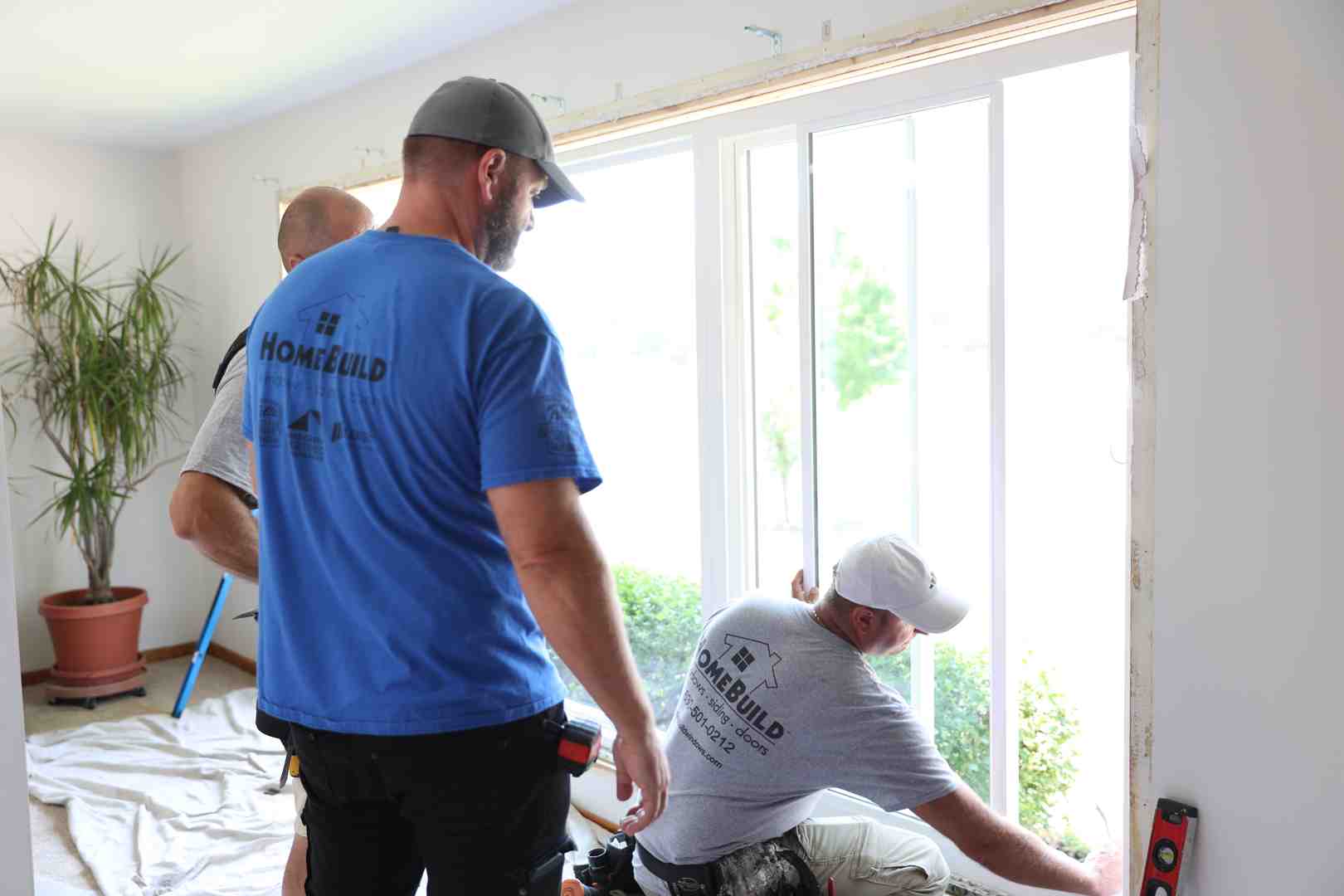
What Professional Roller Replacement Involves
A proper roller replacement starts with retracting the old wheels so the door can be lifted out of its track without forcing or bending the delicate frame extrusions. The technician then extracts the worn roller assemblies from the bottom rail, thoroughly clears accumulated grit from the corner cavities, and seats the new matched hardware so the adjustment mechanisms line up accurately. Finally, the door is reset on its track and balanced to ensure square alignment and fluid movement.
Essential Tools and Equipment for the Job
Professional technicians utilize specialized hand tools and protective equipment to ensure the repair is completed without scratching finishes or damaging thin aluminum channels:
- Precision screwdrivers: Flathead and Phillips drivers to depress spring clips, remove corner mounting fasteners, and adjust tension springs.
- Protective safety gear: Gloves and eye protection to safeguard against sharp metal edges and sudden spring tension release.
- Padded work surfaces: Drop cloths or dedicated support stands to protect the frame and screen mesh from bending or gouging during corner bracket service, in accordance with established manufacturer handling guidelines.
Professional Removal and Hardware Extraction
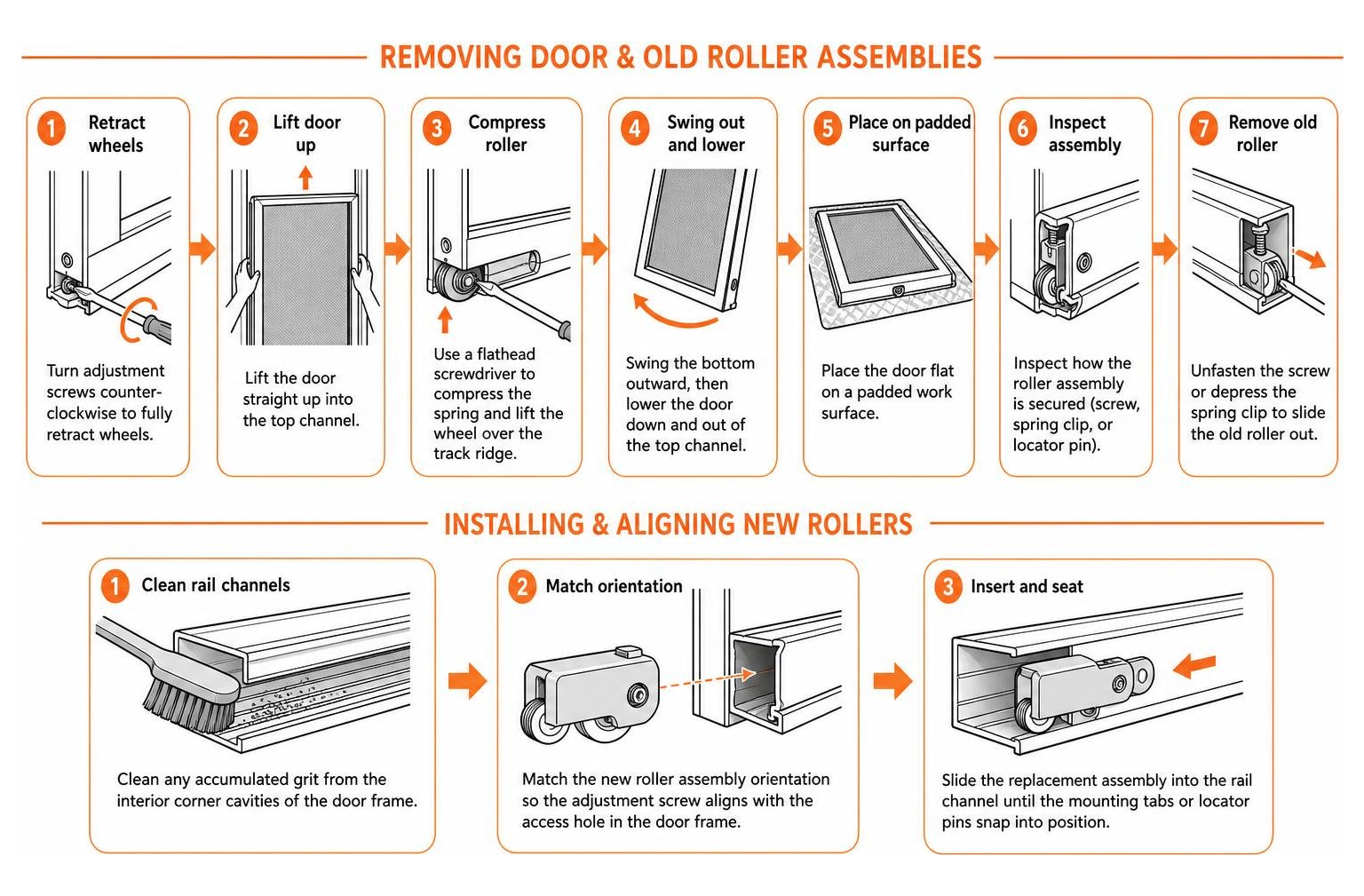
During removal, the technician turns the corner adjustment screws counter-clockwise to retract the wheels fully within the housing. Lifting the frame straight into the upper header channel creates clearance to compress the lower springs, safely easing the wheels over the track threshold without warping the aluminum. Once placed on a flat, padded workstation, the corner mounting screws, locator pins, or tension clips are released to slide the damaged roller assembly out of the bottom rail, following manufacturer technical specifications for the hardware involved.
Installing and Securing New Assemblies
Before new hardware is seated, the technician cleans internal corner cavities to prevent foreign particles from binding the mechanism. The replacement assembly is aligned with the frame’s factory access ports, snapped into the rail channel tabs, and secured snugly without over-torquing the delicate aluminum fastener threads. The wheels are kept fully retracted during this stage to allow easy re-entry into the door frame.
Reinstalling and Fine-Tuning the Screen Door
Proper reinstallation ensures the door glides smoothly without jumping its track or rattling during gusty Midwestern afternoons. Once the panel is seated, the locking hardware must be checked to confirm that the latch aligns perfectly with the strike plate on the jamb.
Setting Roller Height and Squaring the Frame
During professional reinstallation, the technician carefully guides the upper frame into the top channel against the spring guides before easing the bottom rollers onto the raised track rail. Using precision corner adjustments, the technician turns the tension screws in quarter-turn increments to raise the door frame until the new wheels carry the weight evenly across the threshold. The vertical reveals along the side jambs are checked independently to ensure the door sits completely plumb and square, enabling smooth fingertip gliding and secure latch engagement.
Common Pitfalls Avoided by Professional Installation
- Track bending and frame warping: Forcing a door off its track without fully retracting spring tension can bend the bottom rail or crack corner mending brackets.
- Mismatched hardware: Installing generic rollers with incorrect wheel diameters or housing depths causes binding and prevents proper height calibration.
- Stripped tension housings: Over-tightening height screws can crush tension springs, strip thin aluminum threads, and cause the top edge of the frame to bind in the upper channel.
- Neglecting track preparation: Placing new rollers onto grit-filled tracks causes premature wheel wear and bearing failure.
Track Maintenance and Proper Roller Care
A clean, well-maintained track is essential for the smooth operation of your screen door. When a track becomes warped or severely corroded from years of harsh winter weather, complete sliding patio door installation may be necessary to restore full energy efficiency, draft prevention, and smooth sliding functionality to your home.
Clean tracks can extend the life of new wheels by up to 50%. A brief seasonal cleaning each spring and autumn keeps your patio doors operating effortlessly year-round.
Best Lubrication Practices for Screen Rollers
Proper lubrication requires using the right product. Applying standard wet household oils or thick automotive grease inside outdoor door tracks attracts dust, pet hair, and airborne soil. Over time, this mixture turns into an abrasive paste that grinds down roller bearings and jams wheels.
- Use dry silicone spray: A light coat of dry silicone spray or PTFE lubricant repels moisture and provides smooth motion without attracting dirt.
- Factory-sealed bearings: Most high-grade replacement rollers come pre-greased from the factory within sealed internal bearings and require no additional heavy lubricants.
- Track cleaning routine: Vacuum the bottom track channel using a brush attachment to remove loose dirt, leaves, and salt residue. Wipe the channel with a damp microfiber cloth and let it dry before applying a light mist of dry lubricant along the center glide ridge.
Recognizing Damaged Tracks and Broken Corners
Sometimes, roller replacement alone cannot solve sliding issues. In older homes across Chicagoland, years of heavy foot traffic and freeze-thaw cycles can crush or bend the raised aluminum track rail.
If the bottom track is severely dented, cracked, or worn flat, new rollers will continue to bump and catch. Additionally, if the corner joints of the screen door frame are cracked or separated, the frame will sag out of square regardless of roller adjustments. In these cases, installing a replacement track cap, replacing the corner mending brackets, or upgrading to a durable patio door system is the most effective long-term solution. For a broader look at how professional replacement can improve comfort and energy efficiency, see our window and door replacement in Chicago service.
Frequently Asked Questions About Screen Door Rollers
How do I know if my rollers need replacement or just adjustment?
If your screen door is crooked or catches slightly but the wheels spin freely and show no visible damage, adjusting the corner height screws and vacuuming the track often restores smooth movement. However, if you hear grinding noises, see flat spots or cracks on the wheels, or find that the adjustment screws spin freely without lifting the frame, the roller assemblies have failed mechanically and need replacement.
Should I apply grease or lubricant to brand-new screen door rollers?
No, you should never apply heavy grease or oil to new rollers. Quality replacement roller assemblies come pre-lubricated from the factory. Adding wet lubricants like standard WD-40 or grease to the track or roller wheels attracts dirt, dust, and pet hair, forming a sludgy paste that causes premature wheel wear. If lubrication is needed on the track, use only a light, dry silicone spray.
How do I identify the exact replacement roller model for my door?
Because roller dimensions vary across manufacturers, remove one of the existing bottom rollers to use as a reference. Measure the wheel diameter, the width and depth of the metal housing, and note the shape of the tension spring or mounting tabs. Many patio doors feature top-tier components engineered by manufacturers like Andersen, Pella, or ProVia, which have distinct roller housing designs.
When should I call a professional instead of replacing the rollers myself?
If the door frame is bent, the track is dented or corroded, or the corner joints are cracked, new rollers alone may not restore smooth operation. A professional can assess whether the screen door needs roller replacement, track repair, or a full sliding patio door installation to address structural wear and improve long-term performance.
Conclusion
Restoring smooth operation to a sticky sliding screen door is one of the most satisfying home improvements. By identifying worn hardware, choosing durable replacement rollers, and keeping your tracks clear of seasonal debris, you can enjoy fresh outdoor breezes and effortless patio access all season long.
When older patio doors suffer from structural drafts, seal failures, rotted jambs, or severely damaged frames that go beyond a simple roller fix, investing in professional window and door replacement in Chicago delivers lasting comfort, beauty, and energy efficiency. HomeBuild Windows, Doors & Siding is a locally owned, licensed, and insured exterior contractor proudly serving homeowners throughout Chicago and the surrounding suburbs since 2004. With over 20 years of dedicated experience, every project is owner-supervised by Steve Mlynek to ensure meticulous craftsmanship and complete customer satisfaction.
As an Elite Platinum Pella Certified Contractor and an Andersen Premier Certified Contractor, we also install premium ProVia door systems engineered to endure demanding Midwestern weather. Our dedication to quality has earned us the Angi Super Service Award 2025, recognition as a 2025 Nextdoor Neighborhood Faves Winner, and a 4.9-star rating from more than 200 Google reviews.
Whether you live in a classic city residence or a suburban home in Naperville, Schaumburg, or Northbrook, our team is ready to help you upgrade your home’s entryways and patio spaces. Contact our team at our Chicago office at 1830 N Winchester Ave, Chicago, IL 60622 to discuss your project, or schedule a free estimate online today.