

When you’re building or renovating, getting the window openings just right is a big deal. It’s not just about how the window looks, but how it works for years to come. We’re talking about the rough window opening sizes here, which is basically the hole you cut in the wall for the window. It sounds simple, but there’s a bit more to it than just making a hole. Getting these sizes wrong can lead to all sorts of headaches down the road, from drafts to windows that don’t seal right. So, let’s break down what you need to know about rough window opening sizes so your projects go smoothly.
Key Takeaways
- The rough window opening is the framed space in the wall, larger than the actual window, to allow for installation adjustments like shimming and insulation.
- Properly sized rough window openings are vital for a good seal, preventing drafts and improving energy efficiency, with industry standards suggesting a gap of about 1/4 to 3/4 inch larger than the window.
- Always refer to the specific manufacturer’s guidelines for rough window opening sizes, as these can vary by window type and model.
- Accurate measurement of the rough opening involves taking multiple width and height readings at different points and using the smallest measurement, while also checking for squareness.
- Common mistakes include ordering windows that are too large for the opening, not accounting for the necessary gap, and ignoring manufacturer specifications, all of which can lead to installation problems and poor performance.
Understanding Rough Window Opening Sizes
Defining the Rough Opening
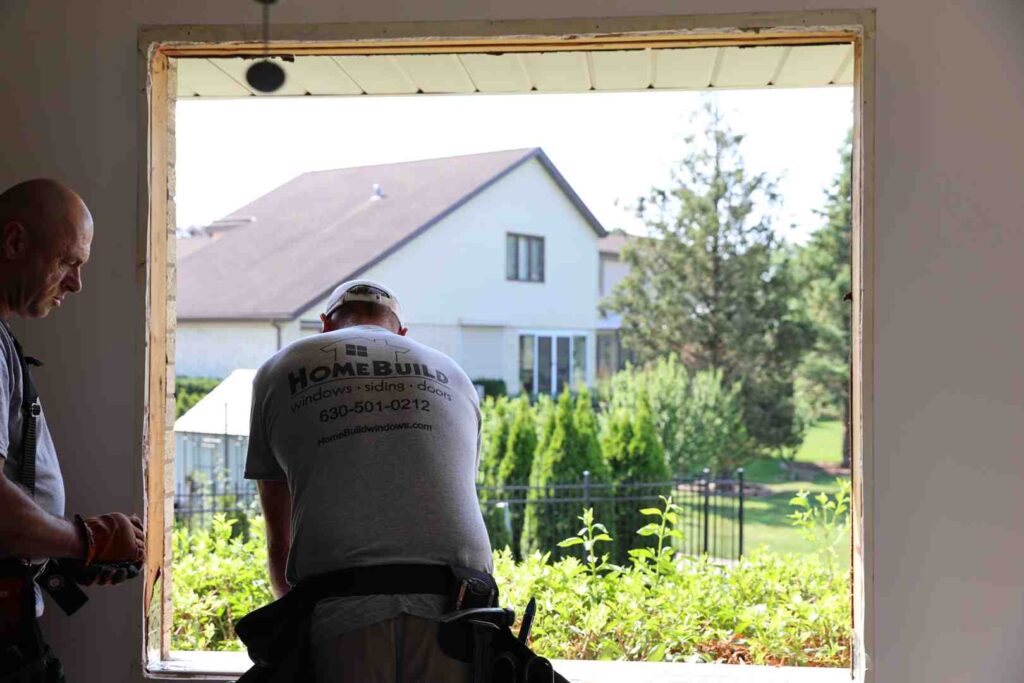
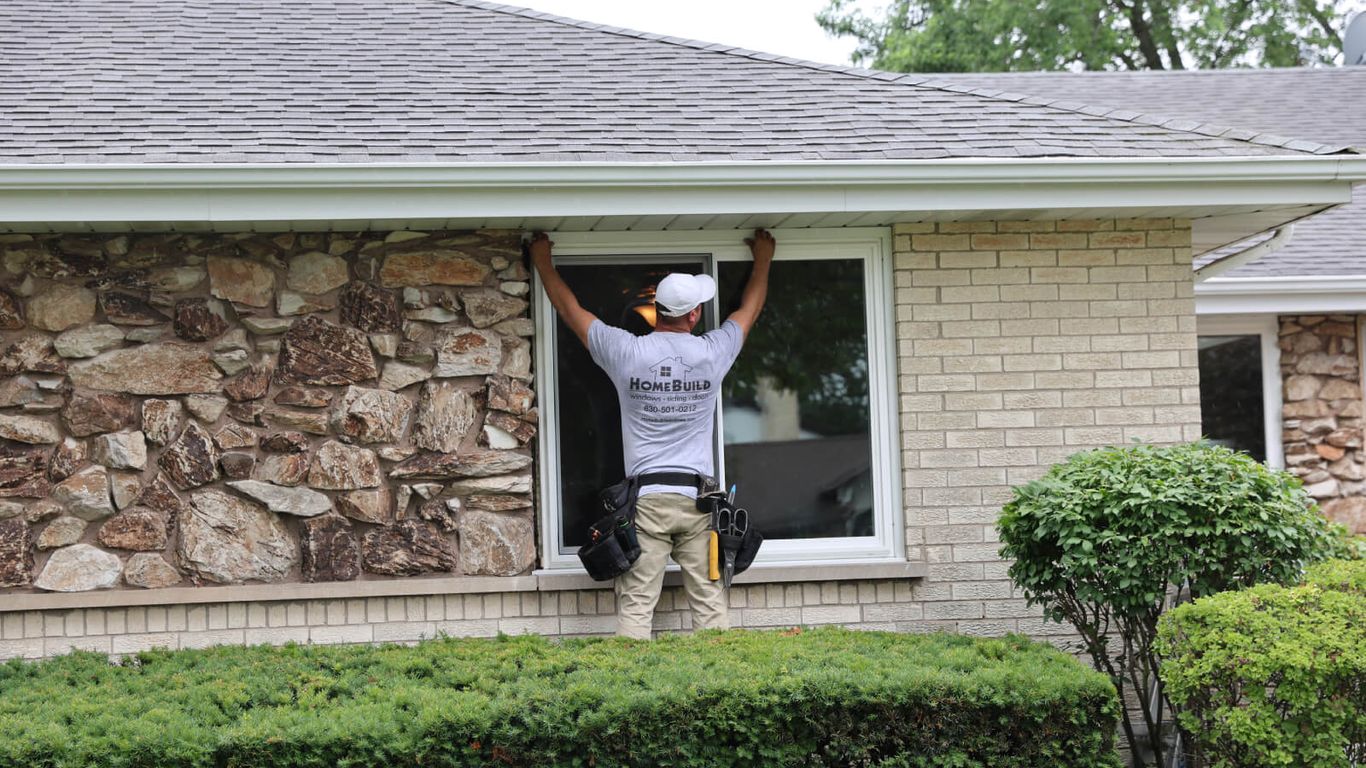
The rough opening is basically the hole in your wall where the window is going to go. It’s not the window itself, but the space framed out by the carpenters before the window installer even shows up. This space needs to be a bit bigger than the actual window. Why? Well, it needs to account for the window frame, plus some extra room for shims, insulation, and maybe even some flashing to keep water out. Think of it as the window’s ‘nest’ – it needs to be just right, not too tight and not too loose.
Why Rough Opening Size Matters
Getting the rough opening size right is super important for a few reasons. First off, it makes the actual installation way easier. That little bit of extra space allows the installer to get the window perfectly level and plumb. If the opening is too small, it’s a struggle to fit the window, and you might end up with a crooked installation. Too big, and you’ll have a hard time sealing it up properly. Plus, proper sizing helps with energy efficiency. A well-sealed window means less air infiltration, which can save you money on heating and cooling bills. It’s like making sure your Google My Business listing is accurate; the details matter for the overall function and appearance.
Rough Opening vs. Actual Window Size
This is where people sometimes get confused. The rough opening is always larger than the actual window unit. The difference, often around 1/4 to 1/2 inch in width and height, is called the ‘gap’ or ‘allowance’. This gap is where the magic happens during installation – shimming to get it level, adding insulation to seal out drafts, and making sure everything is snug and secure. So, when you’re looking at window specs, remember that the ‘rough opening’ is the space you need to frame, and the ‘actual window size’ is the unit that will fit inside that space, with room to spare.
Key Considerations for Rough Openings
The Importance of the Gap
When you’re framing out a space for a new window, it’s not just about making it the exact size of the window itself. You actually need to leave a little extra room. This gap, typically around 1/4 to 1/2 inch on all sides, is super important. It’s what allows the window to be installed plumb and level, which is pretty much essential for it to work right and last a long time. Without this wiggle room, you’d be fighting to get the window set perfectly, and that can lead to all sorts of problems down the road, like drafts or even the window not sealing properly. It’s the difference between a window that fits snugly and one that’s just jammed in there.
Impact of Improper Sizing
Getting the rough opening size wrong can really mess things up. If the opening is too small, you’ll struggle to fit the window, and you might end up damaging the frame or the surrounding wall. This can lead to costly repairs before you even get the window installed. On the flip side, if the opening is too big, you might have trouble securing the window properly, and you’ll likely end up with gaps that are hard to seal. These gaps are a direct invitation for air leaks and moisture problems, which can affect your home’s energy efficiency and even lead to rot or mold over time. Proper sizing is key to a weather-tight and energy-efficient home.
Manufacturer Guidelines Are Key
Every window is a little different, and the company that made it knows best how it should be installed. That’s why you absolutely have to check the manufacturer’s instructions. They’ll tell you exactly what size rough opening their specific window needs. Sometimes, standard guidelines are a good starting point, but custom windows or windows with unique features might have very specific requirements. Ignoring these can void warranties or lead to installation headaches. It’s always better to consult the documentation that comes with your window. You can often find detailed installation instructions for specific window systems online, which is a lifesaver when you’re in the middle of a project. Check manufacturer installation instructions for your specific window model to avoid common mistakes.
Here’s a quick look at how rough openings typically compare to actual window sizes:
| Window Type | Actual Window Size | Recommended Rough Opening |
|---|---|---|
| Standard Vinyl Window | 36" x 48" | 36 ½" x 48 ½" |
| Double-Hung Window | 30" x 40" | 30 ½" x 40 ½" |
| Casement Window | 24" x 36" | 24 ¼" x 36 ¼" |
Remember, these are just examples, and you should always refer to the manufacturer’s specifications for the most accurate measurements. You can find charts of standard residential window sizes that often include rough opening recommendations.
Standard Window Opening Measurements
When you’re planning a window installation, understanding standard measurements is a good starting point. While every home is a bit different, knowing the typical sizes can help you frame your rough openings correctly. This avoids a lot of headaches down the line.
Common Residential Window Sizes
Most homes use a variety of window styles, and their rough opening sizes vary accordingly. Here’s a general idea of what you might encounter:
- Double-Hung Windows: These are super common. You’ll often see them in widths ranging from 24 to 48 inches, and heights from 36 to 72 inches. They offer good flexibility for ventilation.
- Casement Windows: These crank open, usually from the side. Standard widths can be anywhere from 17 to 41 inches, and they come in various heights.
- Picture Windows: These are fixed windows meant for views. Common sizes might be around 3 feet wide by 2 feet tall, or larger ones like 5 feet wide by 3 feet tall. They’re great for letting in light.
Egress Requirements for Bedrooms
Safety is a big deal, especially in bedrooms. Building codes require windows in bedrooms to meet certain "egress" standards. This means the window needs to be large enough for someone to climb out of in an emergency. Generally, this means the opening needs to be at least 5.7 square feet. The minimum width is usually 20 inches, and the minimum height is 24 inches. Always check your local building codes for the exact requirements in your area.
Standard Measurements for Different Window Types
Different window styles have different needs for their rough openings. It’s not just about the window’s actual size; you need that extra space for installation.
- Double-Hung: For a standard double-hung window, the rough opening is typically about 1/2 to 3/4 inch wider and taller than the actual window size. This gap is where shims and insulation go.
- Casement: Similar to double-hung, casement windows need that bit of extra room. The manufacturer’s guidelines are your best bet here, as crank mechanisms can affect the exact space needed.
- Picture Windows: Since these are fixed, the gap is mainly for squaring up the frame and sealing. You still need that buffer space.
Always remember that the rough opening size is always larger than the actual window unit. This space is not wasted; it’s for proper installation, leveling, and sealing. Ignoring this can lead to drafts and operational issues later on. You can find more details on framing for doors and windows on sites like [LinkedIn](https://homebuildwindows.com/a-step-by-step-guide-on-how-to-install-a-door-where-there-is-no-door/).
It’s always a good idea to check the specific manufacturer’s recommendations for each window you plan to install. They’ll provide the exact rough opening dimensions needed for their products. This helps avoid costly mistakes and ensures a good fit. You can often find this information on their website or in product brochures. Sharing this information on platforms like LinkedIn can also help other builders stay informed.
Measuring and Framing for Installation
Getting the measurements right for your window openings is super important. It’s not just about making sure the window fits, but also about how it’ll perform over time. Mess this part up, and you could be dealing with drafts, leaks, or a window that just doesn’t work right. So, let’s break down how to measure and frame properly.
Essential Tools for Accurate Measurement
Before you even think about measuring, make sure you have the right gear. It makes a huge difference. You don’t need anything too fancy, just the basics:
- Tape Measure: A good quality, sturdy tape measure is your best friend here. Make sure it’s long enough for your openings.
- Pencil: For marking measurements directly on the framing.
- Level: A carpenter’s level (4-foot is a good size) to check if things are plumb and level.
- Framing Square: Helps ensure your corners are nice and square.
- Moisture Meter (Optional but Recommended): Especially for older homes, this can tell you if the framing is dry and solid before you start.
Step-by-Step Measuring Process
Measuring the rough opening isn’t complicated, but you need to be thorough. Always take multiple measurements and use the smallest one to ensure the window will fit. Here’s how to do it:
- Measure Width: Take three width measurements: one at the top, one in the middle, and one at the bottom of the opening. Write them all down.
- Measure Height: Do the same for height. Measure from left to right, center, and right to left. Record these three measurements.
- Check for Squareness: Measure the diagonals of the opening. The two diagonal measurements should be very close, if not exactly the same. If they’re off, the opening isn’t square, and you’ll need to adjust the framing before proceeding.
- Measure Depth: Check the depth of the opening from the interior framing to the exterior sheathing. Most windows need at least 3 1/4 inches, but always check your specific window’s requirements.
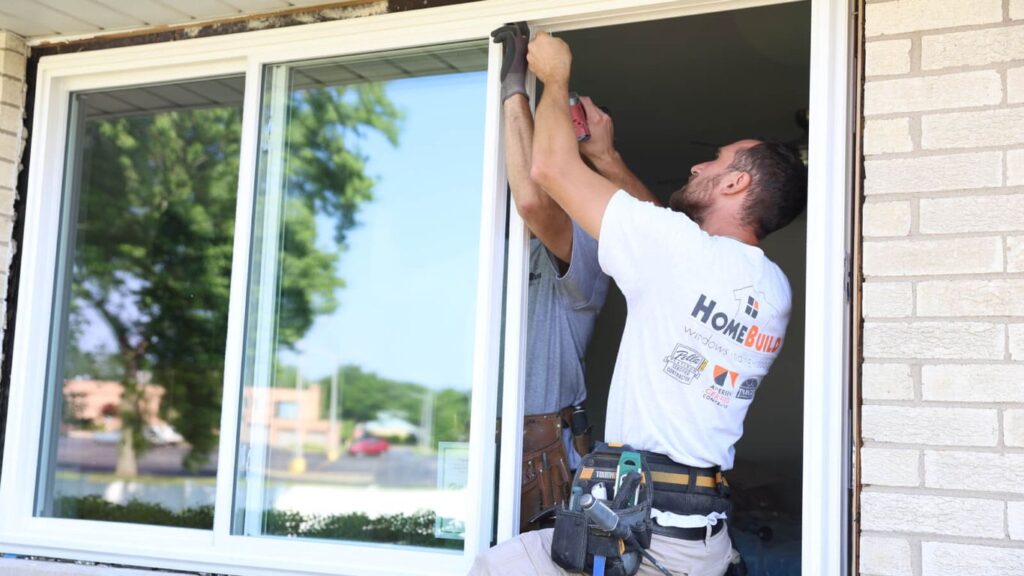
Remember, the rough opening needs to be slightly larger than the actual window unit. This extra space, usually about 1/4 to 1/2 inch on each side, is where you’ll use shims to get the window perfectly level and plumb, and where insulation and sealing materials will go. It’s not just dead space; it’s functional space for a proper installation.
Framing Techniques for Window Installation
Once you have your measurements and confirmed the opening is square and plumb, it’s time to think about framing. This is what the window unit will actually sit in and be secured to. If you’re building new, you’ll frame to the rough opening size. If you’re replacing, you might need to adjust existing framing.
- Header: A properly sized header is critical to support the load above the window opening. The size of the header depends on the span of the opening and local building codes.
- Sill: The bottom of the rough opening needs to be level and sturdy to support the weight of the window.
- Jambs: The sides of the opening need to be plumb and securely attached to the framing.
- Rough Opening Size: As mentioned, the rough opening should be about 1/4 to 1/2 inch larger in both width and height than the window unit itself. This gap is vital for shimming and insulation. Always refer to the window manufacturer’s specifications for their recommended rough opening sizes, as these can vary. You can find helpful installation guides and videos on platforms like YouTube that demonstrate these techniques.
Getting these measurements and framing details right from the start saves a lot of headaches down the road. It’s the foundation for a window that looks good, seals well, and lasts for years. If you’re unsure about any of these steps, it’s always best to consult with a professional or refer to detailed installation guides like this one.
Common Mistakes in Window Sizing
Even seasoned builders can stumble when it comes to getting window sizes just right. It’s easy to overlook the details, but a small miscalculation can lead to big headaches down the road. Let’s talk about some of the most frequent slip-ups and how you can steer clear of them.
Ignoring the Rough Opening Gap
One of the most common errors is ordering a window that’s the exact same size as the rough opening. You need space! This gap is where you’ll fit shims for leveling, insulation to stop drafts, and sometimes even a bit of caulk for sealing. If you don’t leave this wiggle room, you’re setting yourself up for a tough installation and a window that might not perform as it should. Always check the manufacturer’s recommendations for the ideal rough opening size, which is typically a bit larger than the window itself.
Inaccurate Measurement Practices
Walls and openings aren’t always perfectly square, especially in older homes. Just measuring the width and height in one spot can be misleading. You might end up with a window that’s too big for one side or too small for another. Always take multiple measurements – at the top, middle, and bottom for width, and left, center, and right for height. Use the smallest measurement you get for each dimension to make sure the window will actually fit.
Overlooking Manufacturer Specifications
Every window manufacturer has its own guidelines for rough openings and installation. These aren’t just suggestions; they’re based on how the window is designed to perform and be installed correctly. Ignoring these specs can void warranties or lead to performance issues. It’s like trying to assemble furniture without the instructions – you might get it together, but it probably won’t be right. Before you order, take a moment to read through the manufacturer’s installation manual. You can often find this information on their website or even on a quick search on platforms like Instagram if you’re looking for visual guides.
Here’s a quick rundown of what to look out for:
- Rough Opening vs. Window Size: Manufacturers usually specify a rough opening that’s slightly larger than the actual window unit. This accounts for the necessary gaps.
- Depth Requirements: Make sure the rough opening is deep enough to accommodate the window frame and any necessary insulation or flashing.
- Specific Installation Notes: Some windows might have unique requirements for flashing, sealing, or support that need to be addressed during framing.
Don’t assume all windows are the same. Different styles and brands have different needs. What works for a double-hung might not be ideal for a casement. Always refer to the specific product’s documentation.
Window Types and Their Rough Opening Needs
Casement Window Rough Opening Sizes
Casement windows are hinged on the side and swing outward, which is great for ventilation. Because they open this way, they often have a slightly different rough opening requirement than other types. Standard widths can range from 16 inches to 48 inches, with common heights from 24 inches to 84 inches. Always check the manufacturer’s specs, but generally, you’ll want the rough opening to be about 1/2 inch wider and taller than the actual window size to allow for the crank mechanism and proper sealing. This extra space is key for a good fit.
Double-Hung Window Rough Opening Sizes
Double-hung windows are super common, and their rough openings are pretty straightforward. You’ve got two sashes that move up and down, giving you good airflow. Standard widths usually fall between 24 and 48 inches, and heights can go from 36 to 72 inches. For these, the rough opening is typically about 1/2 inch wider and taller than the window itself. This gap is important for shimming and leveling, making sure everything sits just right. It’s a good idea to look at standard window sizes to get a feel for what’s out there.
Picture Window Rough Opening Sizes
Picture windows are all about the view and letting in light. Since they’re usually fixed and don’t open, their installation is a bit different. They don’t need as much wiggle room for operation, but precision is still vital. Common sizes might be 3 feet wide by 2 feet tall, or even up to 6 feet wide by 4 feet tall. The rough opening for a picture window is often just slightly larger than the window itself, maybe 1/4 to 1/2 inch in both width and height. The main goal here is a snug fit to prevent drafts and ensure the large glass panel is well-supported.
Awning Window Rough Opening Sizes
Awning windows open outward from the top, which is handy for letting in air even when it’s raining. Their rough opening needs are similar to casement windows in that they need space for the mechanism and a good seal. Standard widths are often between 2 feet and 3.5 feet, with heights from 1.5 feet to 3 feet. You’ll generally want the rough opening to be about 1/2 inch wider and taller than the window unit. This allows for proper installation and weatherproofing, which is especially important since these are often used in places like bathrooms or basements where moisture can be a concern. Getting the window installation right from the start makes all the difference.
When you’re planning to install new windows, knowing the right size for the opening is super important. Different window styles need different amounts of space around them to fit just right. We’ve got all the details on what size opening you’ll need for each type of window. Want to learn more about picking the perfect window and making sure it fits perfectly? Visit our website today for all the answers!
Wrapping It Up
So, we’ve gone over a lot about window openings, and yeah, it might seem like a lot of detail at first. But honestly, getting these measurements right from the start is a big deal. It’s not just about making sure the window fits; it’s about how it performs later on, how well it keeps the weather out, and how much energy you save. Think of it like building anything else – the foundation has to be solid. Taking the time to understand rough openings and actual window sizes means fewer headaches down the road and a better-looking, more comfortable home. It’s worth the effort, trust me.
Frequently Asked Questions
What is a rough opening and why is it important?
A rough opening is basically the hole framed out in your wall where a window will go. It’s a little bigger than the window itself. This extra space is super important because it gives installers room to make sure the window is perfectly straight, add insulation, and seal everything up tight. Getting this right means your window will work well and keep the weather out.
How much bigger should the rough opening be than the window?
Generally, the rough opening should be about a half-inch to three-quarters of an inch larger than the window’s actual size, both in width and height. This small gap is key for adding things like shims to make it level and insulation to keep your home warm or cool. Always check the window maker’s instructions, though, as some windows might need slightly different measurements.
What’s the difference between rough opening size and actual window size?
Think of the rough opening as the ‘frame’ for the window, and the actual window size as the window unit itself. The rough opening is the space the builders create in the wall, and it’s always a bit larger to allow for easy installation and sealing. The actual window size is what you order, and it needs to be smaller than the rough opening to fit inside it properly.
Can I just use the old window’s measurements for the new rough opening?
It’s best not to assume the old measurements will work perfectly. Homes can settle, and previous installations might not have been exact. Always measure the existing rough opening yourself, or if you’re ordering a new window, rely on the manufacturer’s recommended rough opening size for that specific window model. This ensures a much better fit.
What happens if the rough opening is too small or too big?
If the rough opening is too small, you’ll have a really hard time getting the window in, and it might end up being forced, which can damage it. If it’s too big, you’ll have large gaps that are hard to fill properly, leading to drafts, leaks, and poor insulation. It can also make the window unstable.
Do different types of windows need different rough opening sizes?
Yes, they can! While the general principle of having a slightly larger rough opening applies to most windows, specific types like casement, double-hung, or picture windows might have slightly different recommended gaps or installation needs. It’s always best to check the manufacturer’s guide for the exact window you’re installing.