
Why Finding Reliable Siding Contractors in My Area Matters More Than You Think
Siding contractors in my area can vary widely in quality, price, and reliability — so knowing where to start makes all the difference.
Here are the top ways to find and evaluate local siding contractors quickly:
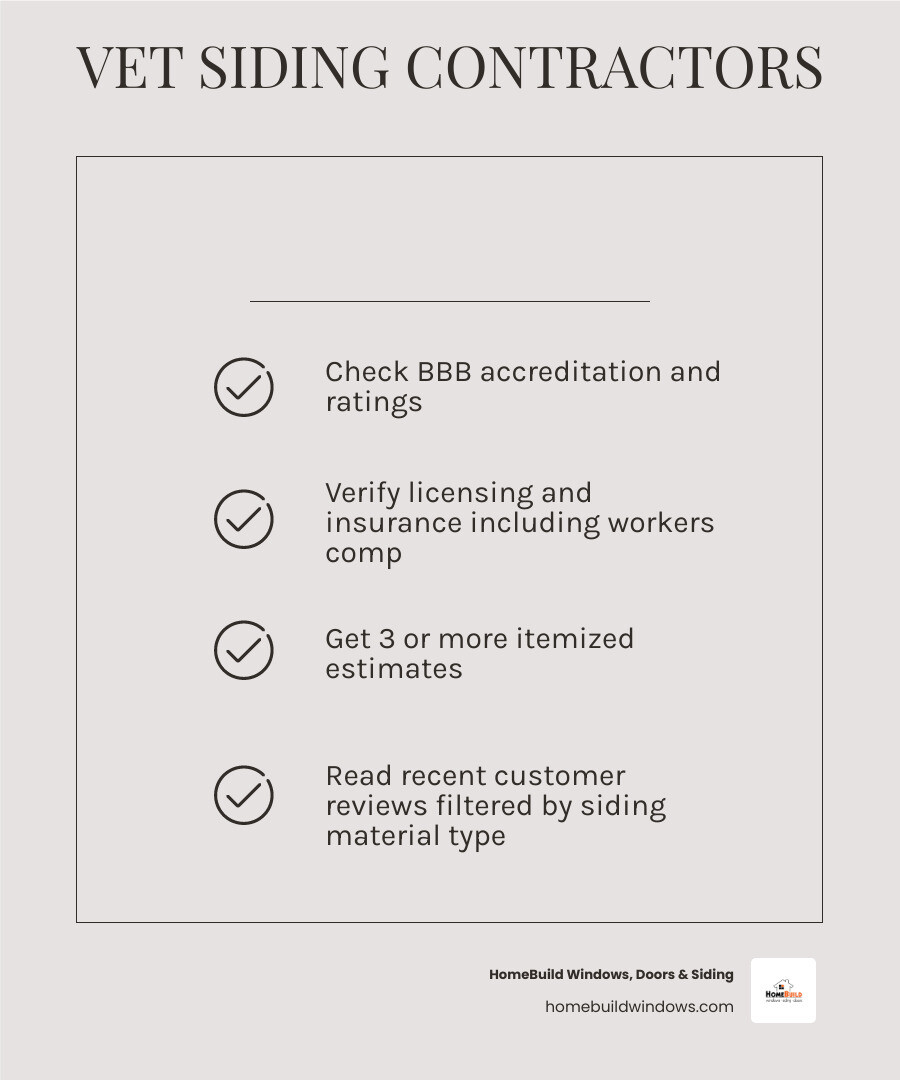
- Check BBB listings — Look for A or A+ rated, accredited contractors in your county
- Verify licensing and insurance — Confirm liability, property damage, and workers’ comp coverage
- Get at least 3 estimates — Compare itemized bids, not just bottom-line prices
- Read recent reviews — Focus on reviews that mention your specific siding material
- Ask about warranties — Both manufacturer and labor warranties matter
- Never pay 100% upfront — A reasonable deposit is up to 50%, with the rest tied to milestones
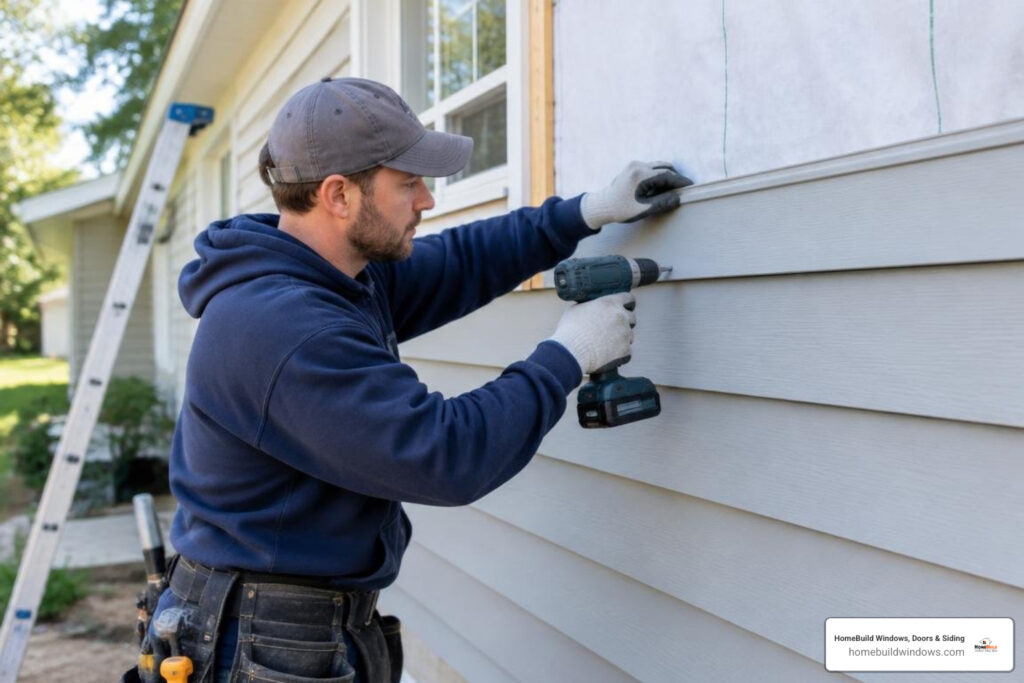
New siding is one of the biggest investments you can make in your home. It protects against weather, pests, and moisture — and it directly impacts your energy bills and curb appeal. But the wrong contractor can void your warranty, cut corners on materials, or leave your home vulnerable to water damage.
The stakes are high. And with so many options out there, it’s easy to feel overwhelmed before the project even begins.
I’m Steve Mlynek, CEO and founder of HomeBuild Windows, Doors & Siding, with over 20 years of experience helping homeowners navigate exactly this challenge — from evaluating siding contractors in my area to overseeing installations that hold up for decades. In this guide, I’ll walk you through everything you need to know to hire with confidence.
How to Find the Best Siding Contractors in My Area
When you start searching for siding contractors in my area, the sheer volume of results can be dizzying. Platforms like Houzz host over 7,000 siding professionals, and millions of homeowners rely on these directories to narrow down their choices. However, a fancy profile doesn’t always equal a quality installation.
To find the cream of the crop in the Chicago area—from Arlington Heights and Barrington down to the city neighborhoods—we recommend starting with the Better Business Bureau (BBB). The BBB is a gold mine for vetting because it filters for BBB Accreditation and letter grades. An A+ rating isn’t just a badge; it means the company has a proven track record of resolving customer complaints and following strict ethical standards.
Local reputation is everything. Whether you are in Des Plaines, Schaumburg, or Lake Zurich, your neighbors’ experiences are your best guide. We always suggest looking for a window and siding contractor who understands the specific architectural styles and weather patterns of the North-West Suburbs. A contractor with deep local roots is more likely to stand behind their work because their reputation in the community is on the line.
Vetting Siding Contractors in My Area for Quality
Once you have a shortlist, it’s time to put on your detective hat. Quality isn’t just about the final look; it’s about the legal and safety protections in place while the work is happening.
- Licensing: Never hire a contractor who isn’t licensed. In Illinois, specific municipalities often require their own permits. A licensed contractor knows how to secure these permits, ensuring your home stays up to code.
- Insurance: This is non-negotiable. You need to see proof of general liability insurance and property damage coverage. If a ladder falls through your neighbor’s window in Elk Grove Village, you don’t want to be the one paying for it.
- Workers’ Compensation: This protects you if a worker is injured on your property. Without it, you could be held liable for medical bills.
- Commercial Experience: Even for residential jobs, hiring a company that understands commercial siding services can be a plus. It often means they have the equipment and manpower to handle complex structural challenges that smaller “Chuck-in-a-truck” operations might miss.
Top-Rated Siding Materials for Local Climates
Choosing the right material is the biggest decision you’ll make after picking your contractor. In the Chicagoland area, our siding has to survive “The Big Chill” in the winter and humid, stormy summers.
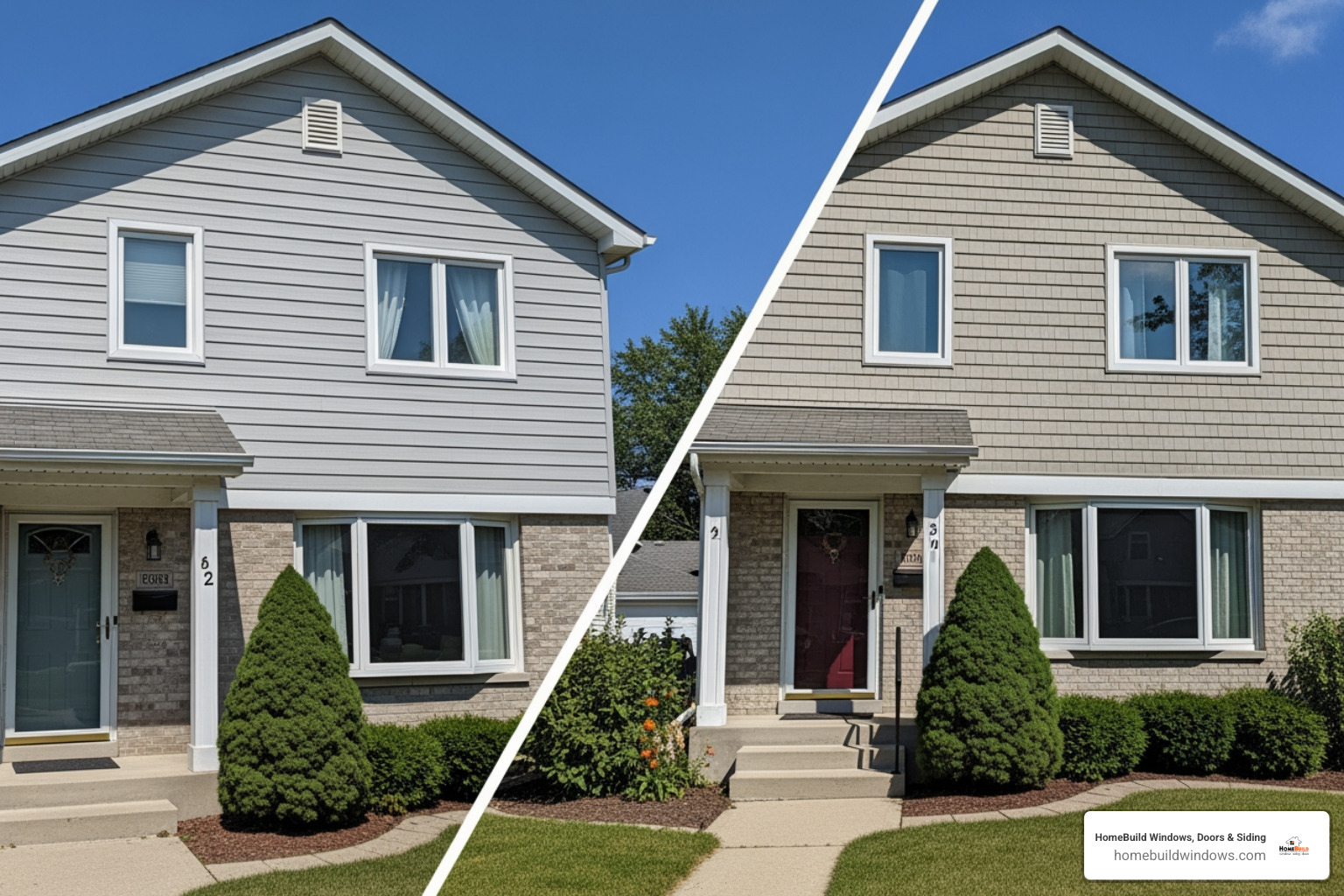
- Vinyl Siding: This remains the most popular choice for a reason. It is cost-effective, incredibly low maintenance, and resists rot and insects. Modern vinyl can even mimic the look of cedar shingles. Plus, vinyl siding improves energy efficiency by adding an extra layer of insulation to your home’s envelope.
- Fiber Cement: If you want the look of real wood with the durability of concrete, fiber cement is the way to go. It is fire-resistant and stands up beautifully to the heavy winds we see in places like Palatine and Buffalo Grove.
- Composite Siding: A newer player in the market, composite offers extreme resistance to moisture and impact. It’s perfect for homeowners who want a “set it and forget it” solution.
Regardless of the material, proper moisture resistance and pest protection depend entirely on the installation. Even the most expensive fiber cement will fail if the flashing isn’t installed correctly.
Understanding the Cost of Siding Installation and Replacement
Let’s talk numbers. Siding isn’t cheap, but it offers one of the best returns on investment (ROI) of any home improvement project.
The average cost to replace siding on a standard home is approximately $11,450, but this can scale up to $40,000 or more for premium materials or larger estates. For a typical 2,000-square-foot house in the Chicago suburbs, here is a general breakdown:
| Material Type | Estimated Cost (2,000 sq. ft. home) | Lifespan |
|---|---|---|
| Vinyl Siding | $9,000 – $14,000 | 20–40 Years |
| Wood Siding | $16,000 – $26,000 | 20–50 Years (with Maint.) |
| Fiber Cement | $15,000 – $25,000 | 50+ Years |
| Brick/Stone | $18,000 – $100,000 | 100+ Years |
Labor rates in the Chicago area are competitive, but the “cheapest” bid often ends up being the most expensive. A low-ball quote might mean the contractor is skimping on insurance or using sub-par accessories like cheap house wrap or low-grade caulking. When you invest in siding installation and replacement, you are paying for the peace of mind that your walls won’t rot out in five years.
Vetting and Interviewing Siding Contractors
Before you sign on the dotted line, you need to conduct a thorough interview. We recommend checking the top siding contractors on Houzz and then calling at least three for in-person estimates.
Here are the critical questions to ask:
- How long have you been in business? Experience matters when dealing with Chicago’s unique climate.
- Can I see a portfolio of recent work? Look for homes in your specific area, like Hoffman Estates or Mount Prospect.
- Do you provide an itemized bid? You should see exactly what you are paying for—materials, labor, permit fees, and debris removal.
- What is the project timeline? A good contractor will give you a start date and an estimated completion date (weather permitting).
- Who handles the cleanup? You don’t want to be picking up nails in your driveway for the next three months.
Knowing when to consider siding replacement is also key. If you see warping, mold, or your energy bills are skyrocketing, it’s time to start these interviews sooner rather than later.
Comparing Siding Contractors in My Area by Service
Not all contractors are created equal. Some specialize in “slap-and-track” vinyl jobs, while others are craftsmen who understand historical restoration.
- Specialty Training: Look for manufacturers’ certifications (like James Hardie Preferred Contractors). This often means the crew has received specific training on how to install those products to maintain the warranty.
- Cleanup Protocols: Ask if they use magnetic sweeps to find dropped nails. It’s a small detail that shows they care about your property.
- Communication: Do they answer their phone? If they are hard to reach during the sales process, they will be impossible to find once the job starts.
Frequently Asked Questions about Siding Contractors in My Area
What type of siding has the longest lifespan?
If longevity is your primary goal, brick, stone, and stucco are the champions, often lasting 100 years or more. However, in terms of modern panel siding, fiber cement is the winner with a 50+ year lifespan. Vinyl is no slouch either, typically lasting 20 to 40 years, though it can fade or become brittle over decades of UV exposure.
Can you replace just a few pieces of siding?
Yes, you can, but it’s tricky. The biggest hurdle is color matching. Siding—especially vinyl—fades over time due to sun exposure. If we install a brand-new “Pacific Blue” panel next to one that has sat in the Glenview sun for ten years, it will stand out like a sore thumb. For a uniform appearance, many homeowners choose to replace an entire wall or the whole house.
Why do you need siding?
Siding is your home’s skin. It’s the first line of defense against:
- Moisture: Prevents wood rot and mold inside your walls.
- Pests: Keeps termites and carpenter ants from treating your studs like a buffet.
- Energy Loss: Modern siding with a proper house wrap acts as a thermal bridge, keeping your heat in during winter and the AC in during summer.
- UV Protection: Shields your home’s structural components from the damaging effects of the sun.
Conclusion
At HomeBuild Windows, Doors & Siding, we know that your home is your most valuable asset. Hiring siding contractors in my area shouldn’t feel like a gamble. By focusing on BBB ratings, verifying insurance, and choosing materials suited for the Chicago climate, you can ensure your home stays protected and beautiful for a lifetime.
We pride ourselves on professionalism, attention to detail, and an installation process that never leaves you hanging. From the first consultation to the final inspection, our goal is your total satisfaction.
Ready to transform your home’s exterior? Contact our siding installation specialists today for a free, no-obligation estimate. Let’s build something great together.