
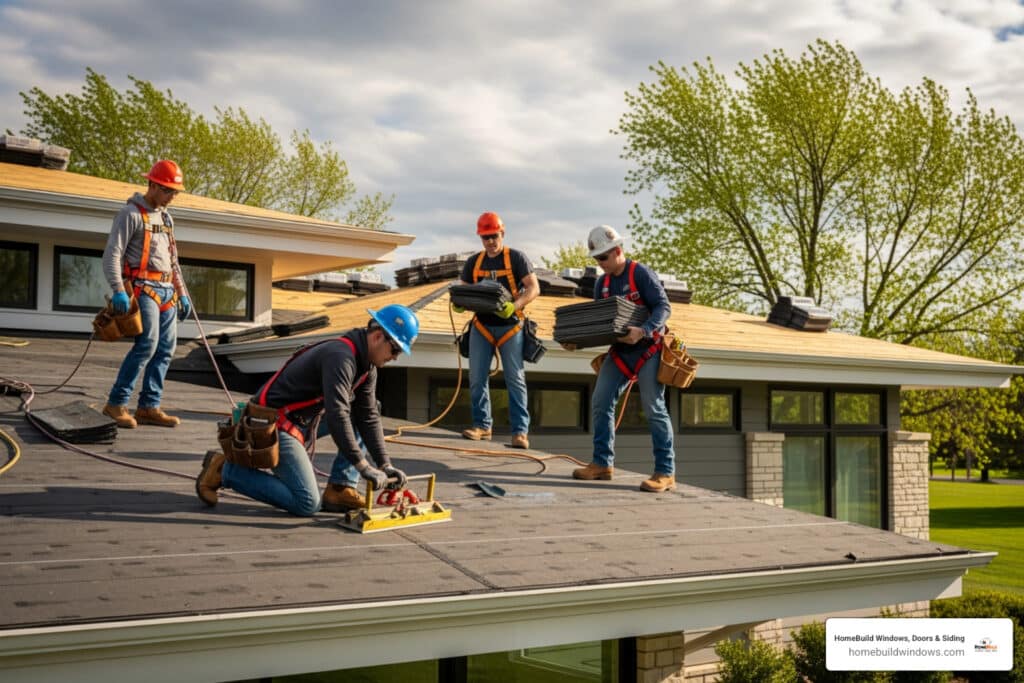
Why Finding Trustworthy Residential Roofers in My Area Matters
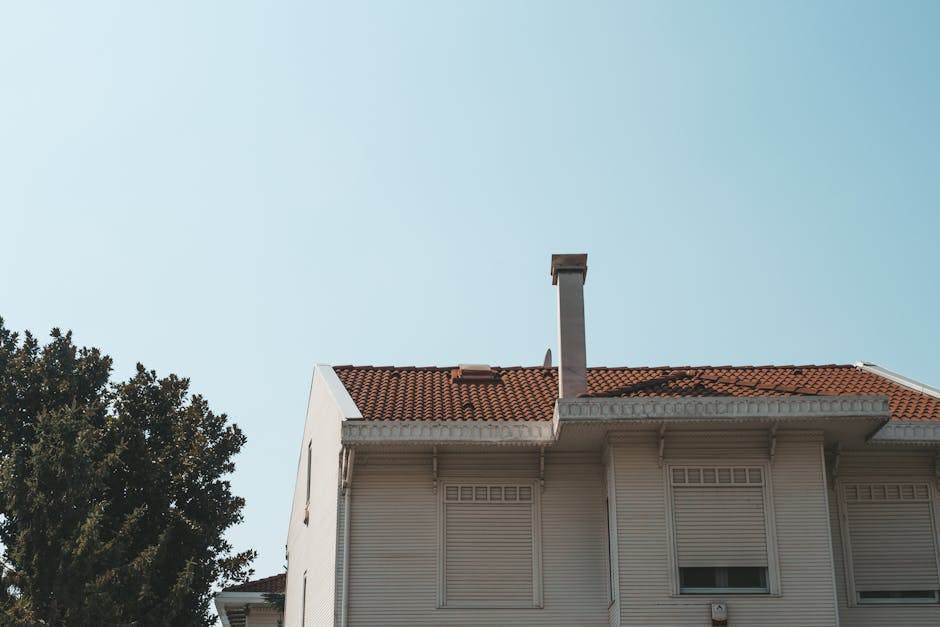
Residential roofers in my area are easier to find than to trust. If you’re a Chicago-area homeowner seeing water stains on your ceiling or finding shingles in your yard, you need help fast. Choosing the wrong contractor can cost you thousands in shoddy work or voided warranties.
Quick Answer: How to Find Reliable Residential Roofers Near You
- Verify licensing and insurance – Confirm active credentials before signing anything
- Check manufacturer certifications – Look for GAF Master Elite or similar credentials
- Read recent online reviews – Use Yelp, Google, and the Better Business Bureau
- Get multiple written estimates – Compare detailed quotes from at least 3 contractors
- Ask about warranties – Ensure both material (50 years) and labor (25+ years) coverage
- Confirm local experience – Choose roofers familiar with Chicago weather and building codes
Your roof protects everything inside your home. According to GAF, North America’s largest roofing manufacturer, certified contractors are trusted to offer the strongest warranties, but less than 3% of roofing contractors qualify for their top-tier Master Elite certification.
The stakes are high. A quality roof replacement can last 50+ years and boost your home’s value. A rushed job by an unqualified contractor can lead to leaks and structural damage within months.
This guide covers the warning signs, material options, and how to separate professionals from the fly-by-night operators who disappear after cashing your check.
I’m Steve Mlynek, and with over 20 years in the home improvement industry, I’ve seen countless homeowners struggle to find reliable residential roofers in my area. While HomeBuild specializes in windows, doors, and siding, I’ve worked alongside top roofing professionals throughout Chicagoland and learned what separates exceptional contractors from the rest.
Know When to Call: Signs You Need Roof Repair or Replacement
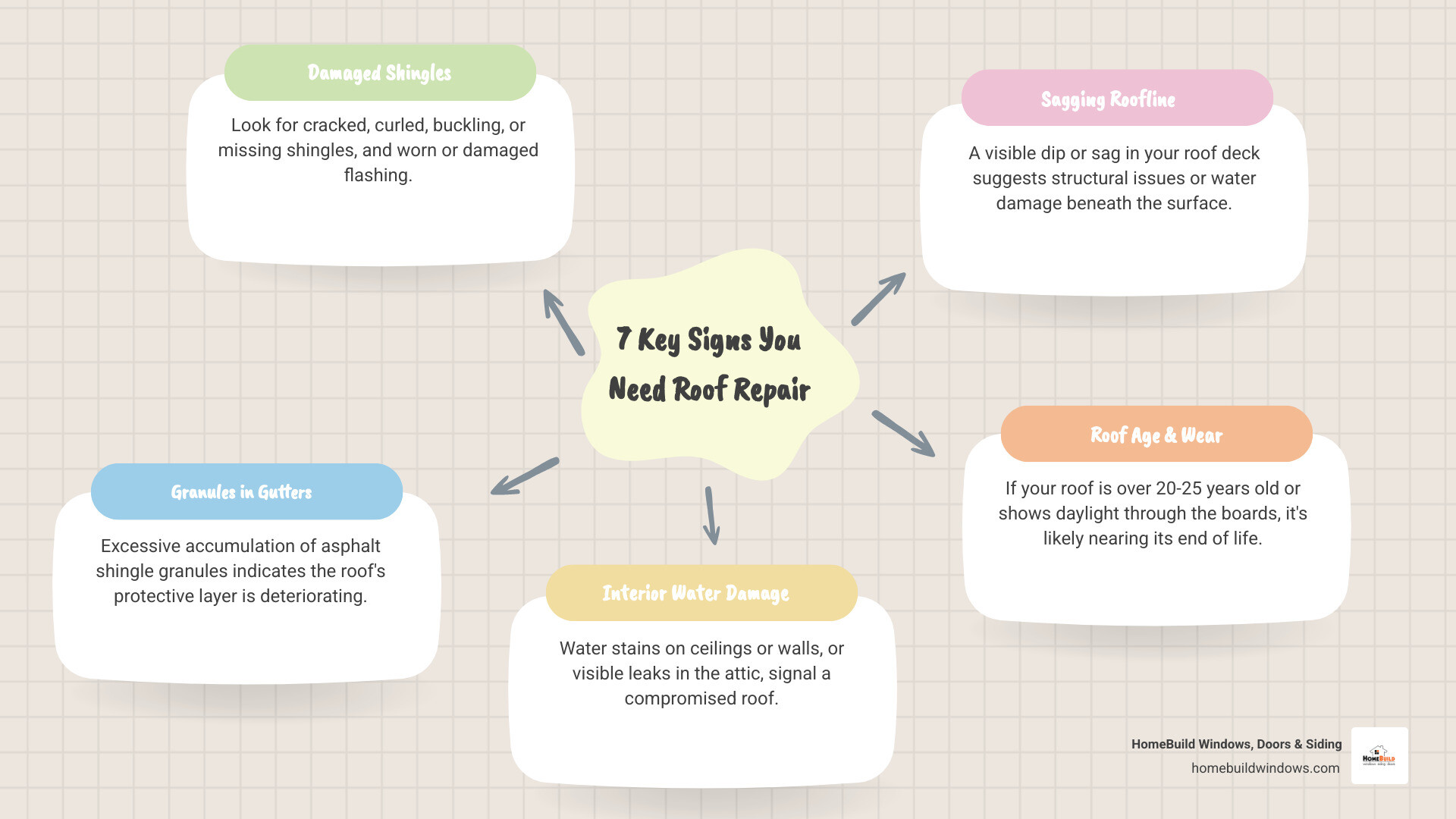
Knowing when to call residential roofers in your area can save you headaches and money. Many Chicagoland homeowners wait until a major leak occurs, but your roof provides warning signs long before that. Ignoring them can lead to extensive and costly damage. Keeping an eye on these indicators is crucial for homeowners throughout the Chicago area. Here are the key signs it’s time for a repair or replacement.
Common Interior Warning Signs
The inside of your home can be the first place to reveal roof distress, even before you notice anything outside. These cues are your home’s way of telling you that water is getting in.
- Water Damage and Stains: Obvious water spots, streaks, or discoloration on ceilings or walls are clear signs of a leak. Even small stains can indicate a persistent problem needing immediate attention.
- Peeling Paint: Peeling or bubbling interior paint can also signal moisture from a leaky roof, which compromises the paint’s adhesion.
- Light from the Attic: If you see daylight through your roof boards from the attic, it’s a direct path for water and pests into your home, indicating gaps or damage.
- Musty Odors: A musty smell in your attic or upper floors can signal hidden moisture and mold from a roof leak, even without visible water.
Obvious Exterior Red Flags
While interior signs often appear first, a quick look at your roof from the ground can reveal many problems. These exterior indicators are direct evidence of wear, tear, or damage.
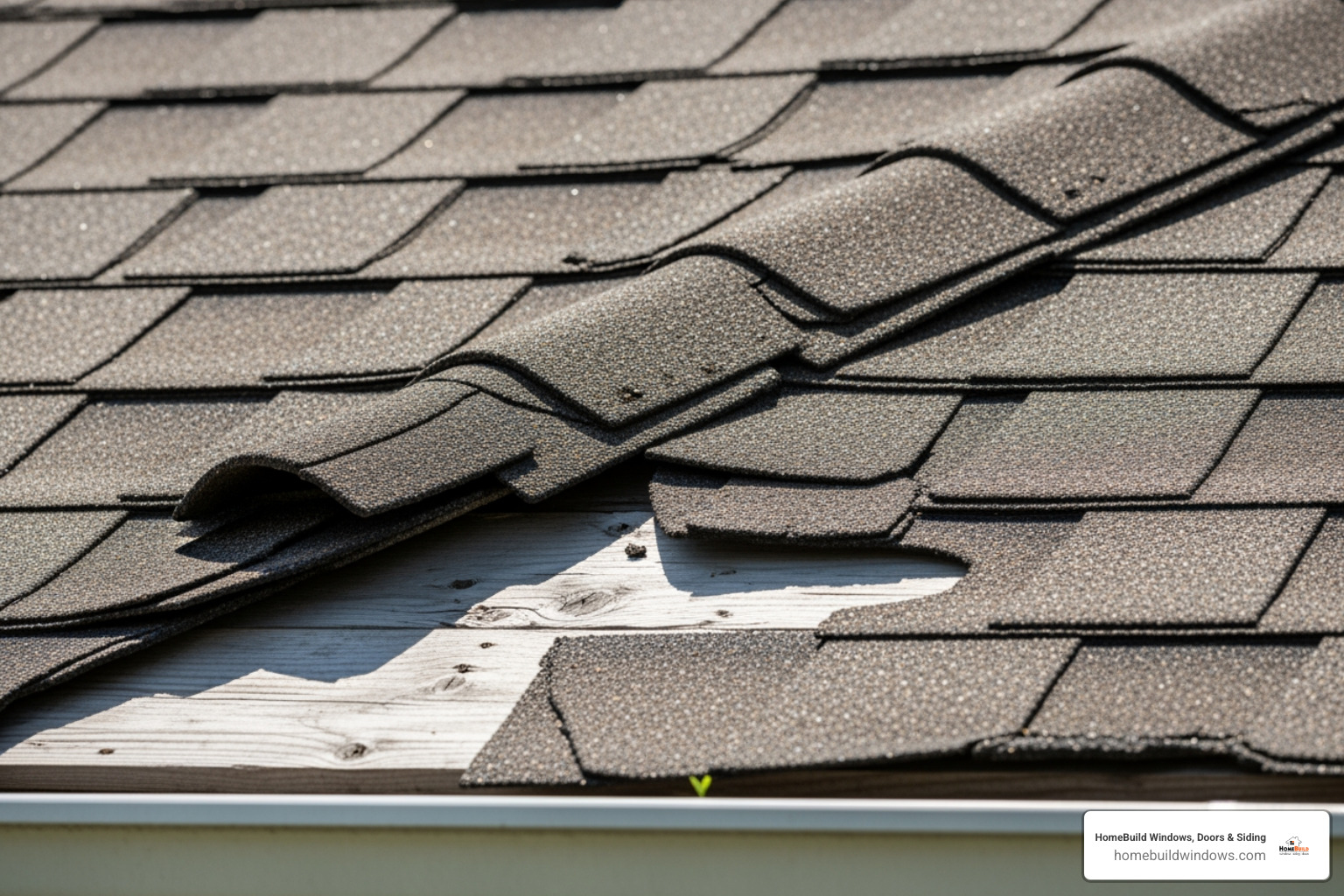
- Missing or Damaged Shingles: After a strong windstorm, it’s not unusual to find shingles in your yard. Missing shingles leave your roof exposed. Shingles that are cracked, broken, or look “bald” from losing their protective granules are no longer effective.
- Curled or Cracked Shingles: As asphalt shingles age, they can curl at the edges or crack. This signals that the shingles are drying out, becoming brittle, and losing their ability to shed water.
- Granules in Gutters: Those sand-like particles in your gutters are the protective granules from your asphalt shingles. A significant accumulation in your gutters is a strong sign that your roof is deteriorating.
- Worn-Out Flashing: Flashing is the thin material, usually metal, installed around chimneys, skylights, and vent pipes. If it’s rusted, cracked, or loose, it creates an easy entry point for water.
- Sagging Roof Deck: If your roof looks like it’s dipping or sagging, this is a serious structural issue. It could indicate damaged roof decking or problems with the underlying rafters and requires immediate attention from qualified residential roofers in your area.
- Moss or Algae Growth: While not always a sign of immediate failure, extensive moss or algae growth can indicate moisture retention. Moss traps water against the shingles, causing them to deteriorate faster.
A Homeowner’s Guide to Residential Roofing Materials
When it’s time for a new roof, choosing the right material is a key decision. The best choice for your Chicago-area home depends on a balance of durability, cost, aesthetics, and how well it stands up to our local climate. We want a roof that looks great and provides robust protection against harsh winters, humid summers, and sudden storms.
Classic and Cost-Effective: Asphalt Shingles
Asphalt shingles are North America’s most popular residential roofing material, combining affordability with a wide range of aesthetic options.
- Cost-Effectiveness: Asphalt shingles offer an excellent balance of performance and price, making them accessible for most budgets.
- Variety in Aesthetics: They come in a vast array of colors and styles, from traditional 3-tab shingles to architectural shingles that mimic the look of wood or slate.
- GAF’s Timberline HDZ: GAF, North America’s largest roofing manufacturer, produces Timberline HDZ, their #1-selling shingle. These are known for their dimensional appearance, offering a premium look without the premium price tag of more specialized materials.
Durable and Modern: Metal Roofing
Metal roofing has moved beyond commercial buildings to become a stylish and highly durable option for homes.
- Longevity: Metal roofs are renowned for their exceptional lifespan, often lasting 40-70 years or longer.
- Energy Efficiency: A key benefit is metal’s ability to reflect solar radiant heat, which can help reduce cooling costs in hot Chicago summers.
- Higher Initial Cost: While the upfront investment is higher than asphalt, its extended lifespan and energy savings can lead to lower lifetime costs.
Specialized and High-End Roofing Systems
For unique aesthetics or specific performance needs, specialized roofing systems offer distinct advantages.
- Slate Roofs: Offering unparalleled sophistication and longevity, slate roofs are a premium choice. They are incredibly durable, fire-resistant, and can last for over a century.
- Cedar Shakes: Cedar roofing provides a beautiful, natural aesthetic. It offers natural resistance to insects and decay and provides effective insulation.
- FORTIFIED Roof™: This is a standard of roofing designed to help homes withstand severe weather. Based on research from the Insurance Institute for Business & Home Safety, a FORTIFIED Roof™ is installed by certified contractors to improve a roof’s resilience against high winds, hail, and heavy rain.
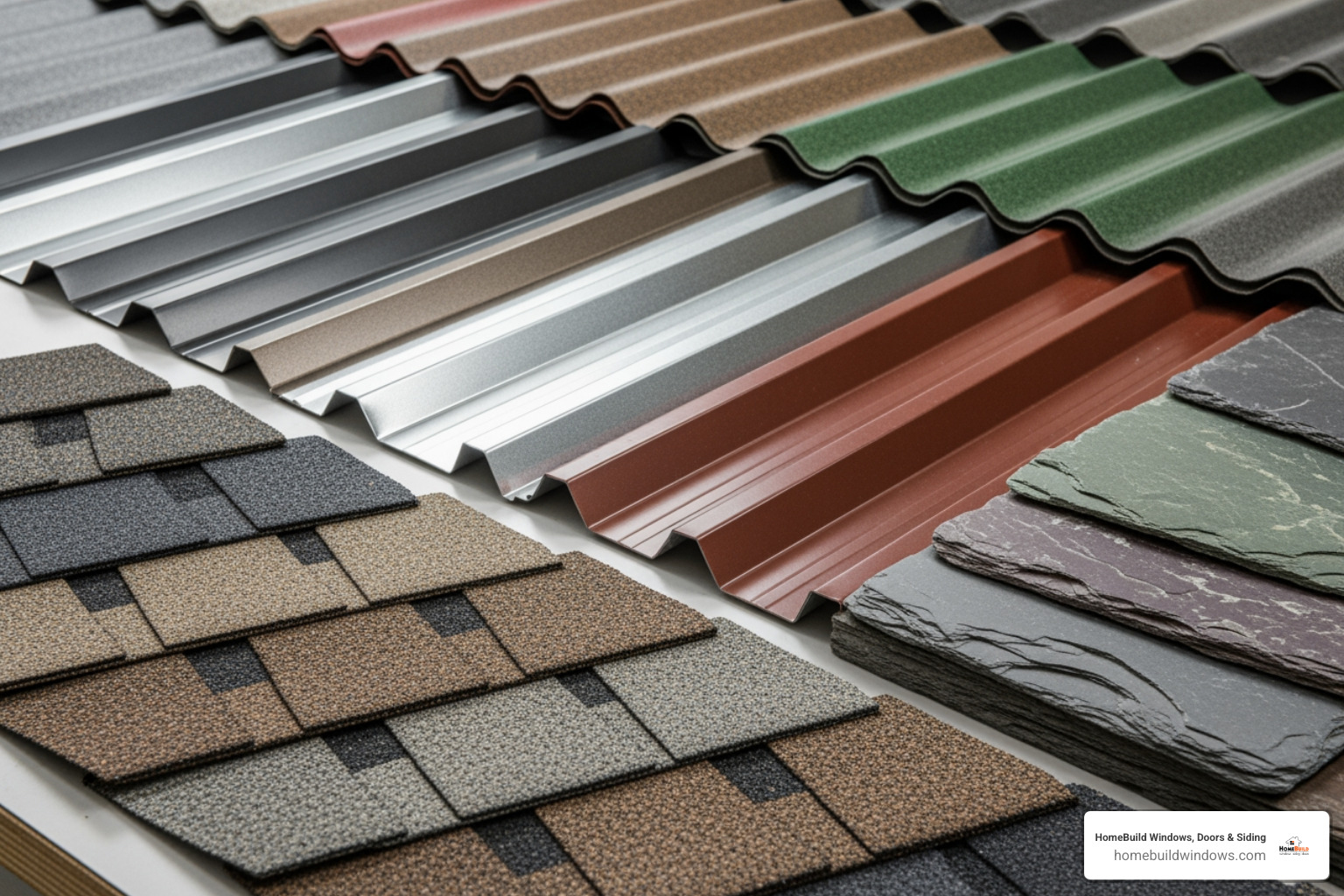
Here’s a quick comparison of these popular residential roofing materials:
| Material | Initial Cost | Lifespan (Years) | Pros | Cons |
|---|---|---|---|---|
| Asphalt Shingles | Low to Medium | 20-30 | – Most affordable option – Wide range of colors and styles – Easy to install and repair – Good weather resistance |
– Shorter lifespan compared to other materials – Can be damaged by high winds and hail – Granule loss over time – Less energy-efficient than metal |
| Metal Roofing | Medium to High | 40-70+ | – Exceptional longevity – Highly durable and resistant to fire, wind, and impact – Excellent energy efficiency (reflects solar heat) – Recyclable and sustainable – Low maintenance |
– Higher initial cost – Can be noisy during rain/hail (though insulation helps) – Requires specialized installation – Dents possible from heavy impact |
| Slate Roofing | Very High | 100+ | – Best longevity and durability – Superior aesthetic appeal – Fire and weather resistant – Low maintenance (once installed) – Eco-friendly (natural material) |
– Very high initial cost – Heavy, may require structural reinforcement – Brittle, can break if walked on improperly – Requires highly specialized installation and repair – Limited color options (natural slate colors) |
| Cedar Shakes | High | 30-50 | – Natural, rustic aesthetic – Good insulation properties – Resistant to insects and decay (naturally) – Environmentally friendly |
– Higher initial cost – Requires more maintenance (cleaning, treatments) – Fire risk (unless treated) – Can be prone to moss/algae in damp conditions – Can split or warp over time |
| FORTIFIED Roof™ | Varies (adds to base material cost) | Extends lifespan of base material | – Improved protection against severe weather (wind, hail, rain) – May qualify for insurance discounts – Installed by certified contractors – Increased home resilience |
– Adds to the overall cost of the roof – Requires specific installation techniques and materials – Not a material itself, but a construction standard applied to other materials (often asphalt or metal) |
How to Vet and Choose the Best Residential Roofers in My Area
Choosing the right residential roofers in your area is the most critical step in any roofing project. It’s about protecting your biggest investment with confidence. We help Chicagoland homeowners steer the market, make an informed decision, and avoid unreliable operators and “storm chasers.”
Key Factors for Choosing Residential Roofers in My Area
When seeking a reliable roofer, these foundational criteria are non-negotiable for safeguarding your home and wallet.
- Licensing and Insurance Verification: First, ensure any contractor is fully licensed and insured. A license proves they meet Illinois requirements, and proper insurance (liability and worker’s compensation) protects you from financial liability for accidents. Ask for proof and verify it.
- Local Experience: Choosing residential roofers in your area with a long-standing presence in Chicagoland (e.g., Des Plaines, Crystal Lake, Schaumburg) is invaluable. They understand local building codes, weather patterns, and common roofing issues. For instance, a contractor familiar with Des Plaines roofers will know the best materials for our climate.
- Written Estimates and Contracts: Always get a detailed written estimate breaking down all costs: materials, labor, permits, and cleanup. A reputable roofer provides a comprehensive contract outlining the work scope, timeline, payment schedule, and warranty. Beware of vague estimates or pressure to sign immediately.
- References and Portfolios: Ask for references from recent customers and look at examples of their past work. A strong portfolio gives you a good sense of their craftsmanship.
We also have a dedicated page for Des Plaines Roofers that offers more specific insights for homeowners in that area.
The Importance of Manufacturer Certifications
Beyond basic licensing, manufacturer certifications indicate a roofer’s commitment to quality and training. GAF, as North America’s largest roofing manufacturer, offers certification tiers that provide significant benefits to homeowners.
- GAF Certification Levels:
- GAF Certified™ contractors can offer GAF’s System Plus Limited Warranty.
- GAF Certified Plus™ contractors can offer the System Plus and Silver Pledge™ limited warranties.
- GAF Master Elite contractors are the top tier, with less than 3% of U.S. roofers achieving this status. They can offer the Golden Pledge Limited Warranty, which provides superior coverage.
- Improved Warranties: These certifications translate to better protection. The GAF Golden Pledge Warranty provides 50-year material coverage and 25-year labor coverage, a level of security you can’t get from uncertified contractors. GAF stands behind both the materials and the installation.
- Installation Quality: To earn these certifications, contractors must undergo rigorous training on installing GAF products to the manufacturer’s specifications, maximizing your roof’s lifespan and performance.
- How to Verify Certification: If a contractor claims to be GAF certified, you can easily verify their status on the GAF website. This simple step confirms their credentials.
Finding Reputable Residential Roofers in My Area Online
Online resources are incredibly helpful for finding and vetting residential roofers in your area. We encourage you to leverage these tools to gather insights from other homeowners.
- Online Reviews (Yelp, Google): Websites like Yelp and Google Reviews are treasure troves of real-world experiences from other homeowners. When searching for “roofers in Chicago, IL,” you can find customer feedback for numerous local companies. These reviews often highlight a company’s professionalism, efficiency, and pricing. Pay attention to both the overall rating and the content of recent individual reviews to get a complete picture.
- Checking the Better Business Bureau (BBB): The BBB provides valuable information on a company’s business practices, complaint history, and accreditation. We recommend checking a contractor’s rating on the BBB website. You can find accredited residential roofers in your area by visiting the Better Business Bureau for Roofing Contractors near Crystal Lake, IL and other Chicagoland locations.
- Portfolio of Work: Many reputable roofers showcase completed projects on their websites or social media. This allows you to see the quality of their work and if their style aligns with your preferences.
Understanding the Process, Quotes, and Warranties
Starting a roof replacement can feel daunting, but understanding the process, how to get an accurate quote, and what warranties protect you can provide significant peace of mind. We believe in empowering Chicagoland homeowners with clear expectations.
What to Expect During a Roof Replacement
A professional roof replacement is a multi-step process designed for durability. Here’s what to anticipate when our trusted residential roofers in your area begin your project:
- Inspection and Planning: A thorough inspection of your roof and attic confirms the scope of work, identifies underlying issues, and finalizes material choices.
- Permit Acquisition: Reputable contractors handle obtaining all necessary local permits, ensuring your new roof complies with building codes.
- Site Preparation: The crew protects your property by covering landscaping, driveways, and other features with tarps to catch debris.
- Tear-Off: All existing roofing materials are removed down to the roof deck, allowing for a full inspection of the underlying structure.
- Decking Check: The roof deck (usually plywood) is inspected for rot or water damage. Any damaged sections are repaired or replaced to ensure a solid foundation.
- New Material Installation: Your new roof takes shape with the installation of underlayment, drip edge, flashing, and your chosen roofing material, following manufacturer specifications.
- Ventilation and Accessories: Proper attic ventilation is installed or upgraded to extend your roof’s life and improve energy efficiency. Other accessories like ridge caps are also installed.
- Site Cleanup: A professional crew performs a meticulous cleanup, removing all debris and nails (often using magnetic sweeps), leaving your property tidy.
- Final Walkthrough: A project manager will conduct a final walkthrough with you to ensure your satisfaction. A city or county inspection may also be required.
How to Get an Accurate Roofing Quote
Getting a precise, transparent quote is essential for budgeting and comparing residential roofers in your area. Follow these steps for a fair and accurate estimate:
- Schedule an On-Site Inspection: An accurate quote requires a physical inspection to measure the roof, assess its condition, and identify potential issues. Beware of quotes offered sight unseen.
- Request Free Estimates: Most reputable roofing companies offer free, no-obligation estimates. Get quotes from at least three different contractors.
- Demand a Detailed Breakdown: Your quote should itemize all costs, including materials (brand, type), labor, permit fees, and waste disposal.
- Understand No-Pressure Sales: A professional contractor will present the estimate, explain it thoroughly, and give you time to decide without high-pressure tactics. Feeling rushed is a red flag.
- Use Online Tools (with caution): Tools like GAF’s roof cost estimator can give you a preliminary idea of project expenses, but always follow up with a professional inspection for a firm price.
Decoding Roofing Warranties and Guarantees
Warranties are your long-term protection. Understanding their coverage is crucial when selecting residential roofers in your area.
- Material Warranty: This comes from the manufacturer (e.g., GAF) and covers defects in the roofing materials. For asphalt shingles, this can be a “lifetime” warranty, which often means 50 years for the original homeowner.
- Workmanship Warranty: This comes from the contractor and covers installation quality. Standard warranties might be 2-5 years, but top-tier contractors offer much longer coverage.
- Manufacturer-Backed Warranties (Improved Warranties): This is where certifications become valuable. GAF offers improved warranties through its certified contractors:
- System Plus Limited Warranty: Offered by GAF Certified™ and Certified Plus™ contractors, this covers the entire GAF roofing system.
- Silver Pledge™ Limited Warranty: Available through GAF Certified Plus™ contractors, offering improved coverage.
- Golden Pledge Limited Warranty: The strongest warranty, exclusively from GAF Master Elite contractors. It provides 50-year material coverage and a 25-year labor warranty backed by GAF.
- Lifetime Warranty: For roofing materials, “lifetime” typically refers to the product’s lifespan for the original homeowner, often 50 years for GAF products, and may be prorated over time.
- Transferable Warranties: Some warranties, like the GAF Golden Pledge, are transferable to a new homeowner within a certain period, which can be a significant selling point.
Conclusion: Protecting Your Home with the Right Partner
Finding residential roofers in my area is simpler when you understand the warning signs, material options, and vetting process. A quality roof offers decades of protection and boosts curb appeal. Your roof is a complete system protecting your home and family.
Here are our key takeaways:
- Be Proactive: Don’t wait for a major leak. Regularly inspect your roof for interior and exterior red flags.
- Choose Wisely: Prioritize licensed, insured, local contractors. Get detailed written estimates and check references.
- Value Certifications: Manufacturer certifications like GAF Master Elite indicate quality workmanship and provide superior warranty protection.
- Understand Your Options: From cost-effective asphalt shingles like GAF Timberline HDZ to durable metal, there’s a material for your needs and budget.
- Protect Your Investment: A comprehensive warranty covering both materials and labor is your assurance of long-term peace of mind.
While HomeBuild Windows, Doors & Siding specializes in enhancing your home’s exterior with top-quality windows, doors, and siding, we understand that a strong, reliable roof is the foundation of a protected home. We believe in providing exceptional customer service and expert solutions for your entire home envelope.
When it’s time to find the right residential roofers in your area for your project, remember these steps. Investing in a quality roof means investing in your home’s future.