


How to Estimate Your Full Roof Replacement Cost
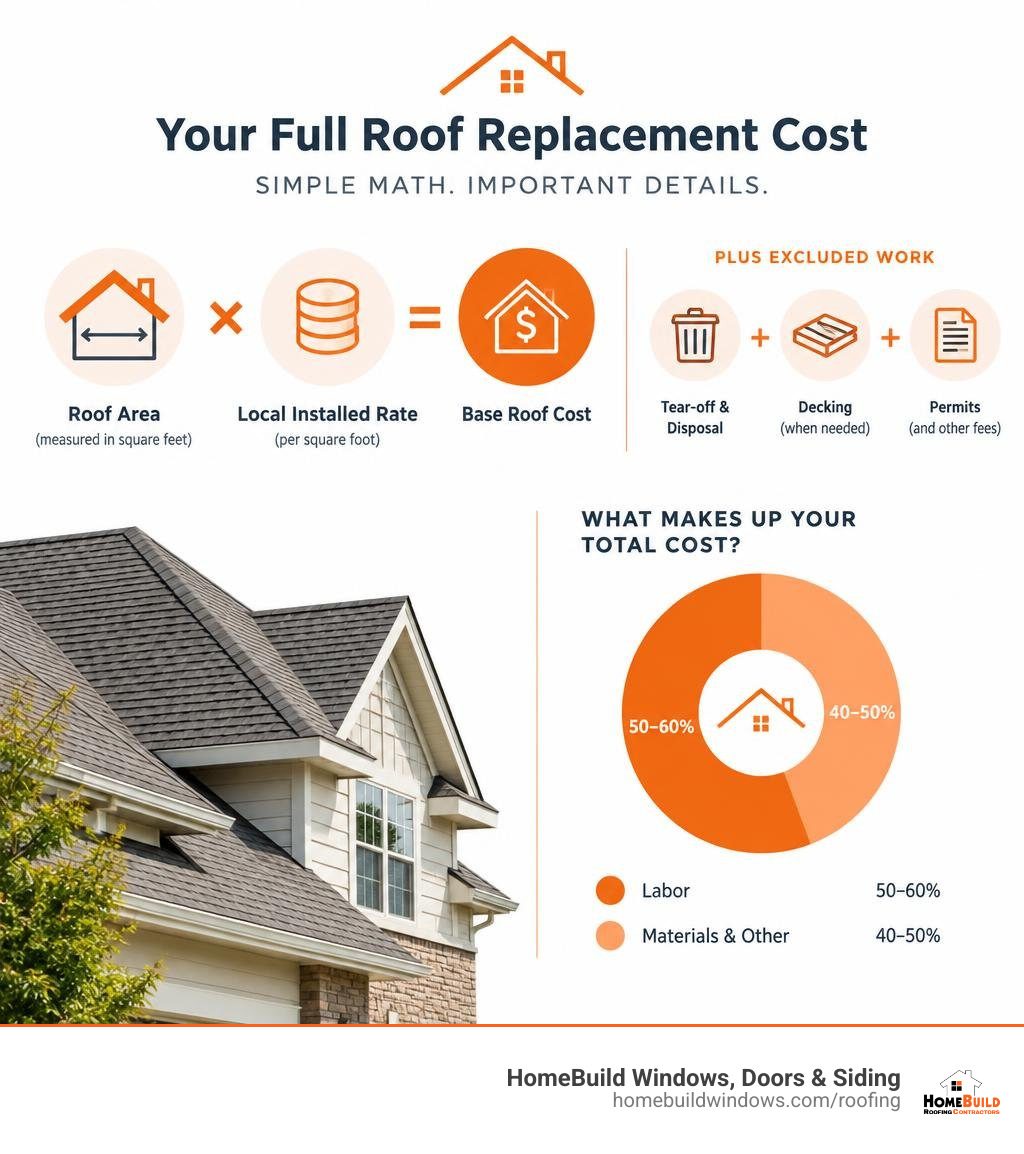
Estimate your full roof replacement cost by multiplying your roof’s measured area by a local installed rate. Then check whether that rate includes tear-off, disposal, permits, and weather protection. Ask how the contractor prices hidden decking damage.
In Chicago and the Northwest and West suburbs, steep slopes and ice-dam protection can change the final bill. Freeze-thaw cycles crack old shingles, and spring storms expose weak flashing. This guide will help you compare bids, spot extra costs, and understand insurance and financing options.
I’m Steve Mlynek, HomeBuild’s founder. After 20 years leading home exterior projects, I now help homeowners understand full roof replacement cost. HomeBuild is an Owens Corning Certified contractor, and our licensed, insured roofing projects are owner-supervised.
Understanding Your Full Roof Replacement Cost Breakdown in 2026
Planning a major exterior renovation requires clear numbers. In 2026, the national average cost to replace a roof sits around $9,500, with whole-home projects spanning from $5,800 to $46,000. For a standard 2,300-square-foot roof with architectural shingles, homeowners typically invest between $11,500 and $20,500.
Labor accounts for roughly 50% to 60% of your total invoice. Roofing crews face demanding, dangerous work in shifting weather. The rest of your budget goes toward shingles, underlayment, fasteners, and disposal fees.
Local building departments in Cook County and DuPage County require permits before any work starts. These municipal fees usually add $100 to $500 depending on your town. Contractors also factor in a 10% to 15% material waste allowance for cuts along hips and valleys. Complex Chicagoland roof profiles with multiple gables require extra starter shingles and hip caps. Industry data from the 2026 Roofing Cost Report: National + Regional Data highlights that material supply prices and labor rates continue to drive overall project budgets across the Midwest.
Calculating Full Roof Replacement Cost by Roofing Material
Your choice of roofing material directly dictates system longevity and price. Here is a breakdown of how the most common residential options compare in 2026:
| Roofing Material | Cost per Sq. Ft. Installed | Typical Lifespan | Chicagoland Weather Durability | Maintenance Level |
|---|---|---|---|---|
| 3-Tab Asphalt Shingles | $3.50 – $5.50 | 15 – 20 Years | Moderate (Vulnerable to high winds) | Low |
| Architectural Shingles | $5.00 – $9.00 | 25 – 30 Years | High (Excellent wind and snow resistance) | Low |
| Class 4 Impact Shingles | $6.00 – $11.00 | 30 – 50 Years | Superior (Withstands heavy hail) | Very Low |
| Standing Seam Metal | $10.00 – $18.00 | 40 – 70 Years | Extreme (Sheds heavy snow easily) | Low |
| Concrete Tile | $10.00 – $20.00 | 40 – 50 Years | High (Heavy load capacity required) | Moderate |
| Natural Slate | $15.00 – $30.00+ | 75 – 100+ Years | Extreme (Requires reinforced framing) | Low |
| Cedar Shake | $12.00 – $22.00 | 20 – 40 Years | Good (Requires moisture treatments) | High |
Architectural asphalt shingles protect roughly 80% of homes across Schaumburg and Hoffman Estates. They deliver reliable durability against severe freeze-thaw cycles without breaking the bank. Reviewing everything you need to know before replacing your asphalt shingles can help you select the right shingle grade.
How House Size and Pitch Affect Full Roof Replacement Cost
Roofing contractors price jobs by the “square.” One roofing square equals exactly 100 square feet of roof surface. Because of pitch and overhangs, your roof area is always larger than your interior living space.
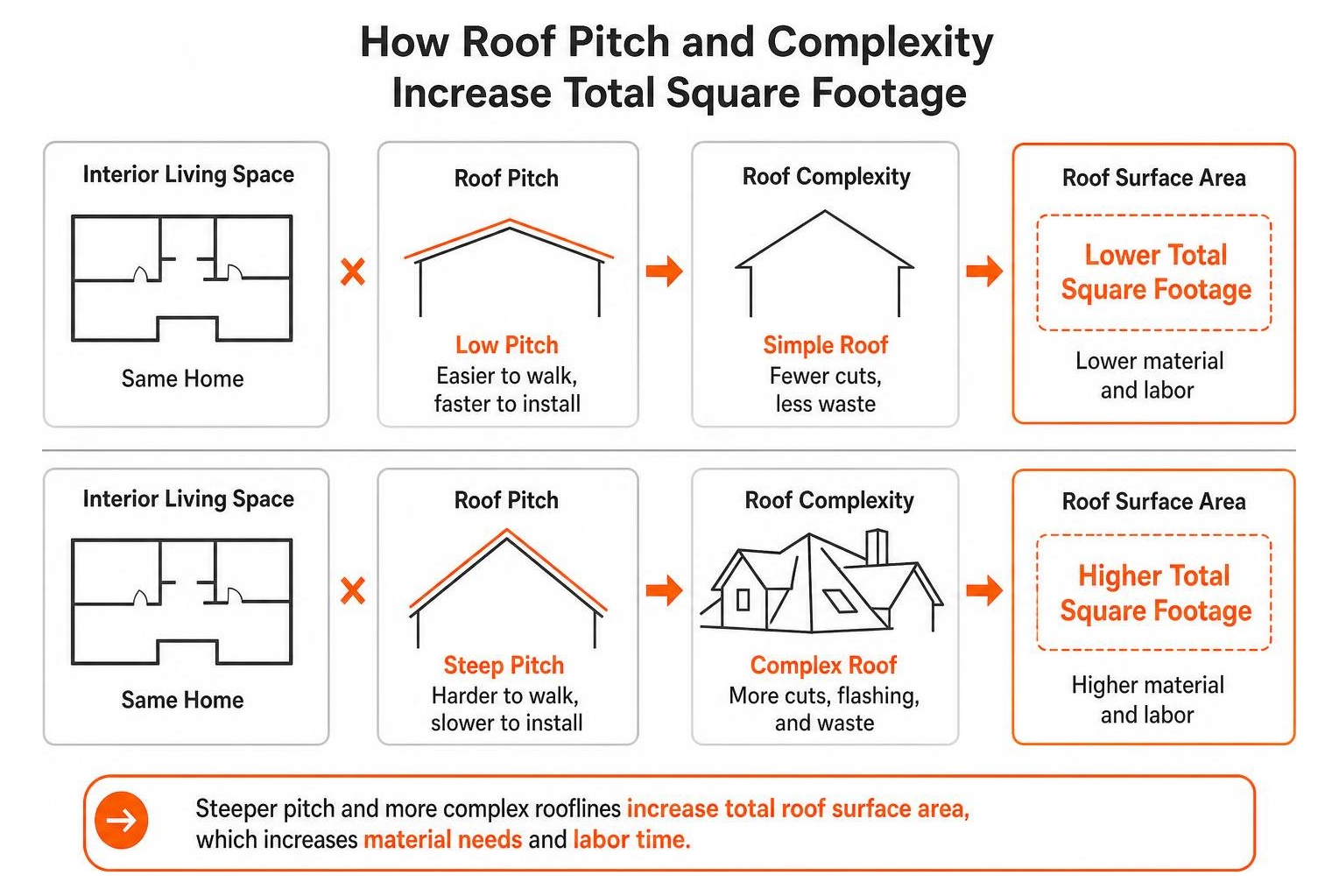
Roof pitch describes how steeply your roof slopes. A flat or low-pitch roof allows crews to walk freely. A steep roof, such as an 8:12 or 9:12 pitch, requires safety harnesses, roof jacks, and staging planks. In towns like Elmhurst and Naperville, many classic homes feature multi-pitch roofs that demand specialized rigging.
Steep slopes slow down installation and increase labor costs by 20% to 40%. Complex rooflines with multiple dormers, deep valleys, and skylights require extra metal flashing and detailed custom cuts. You can track area trends in the Cook County Roofing Costs & Prices report to see how architectural styles influence regional estimates.
Hidden Roofing Costs: Tear-Off, Decking, and Weather Shield Upgrades
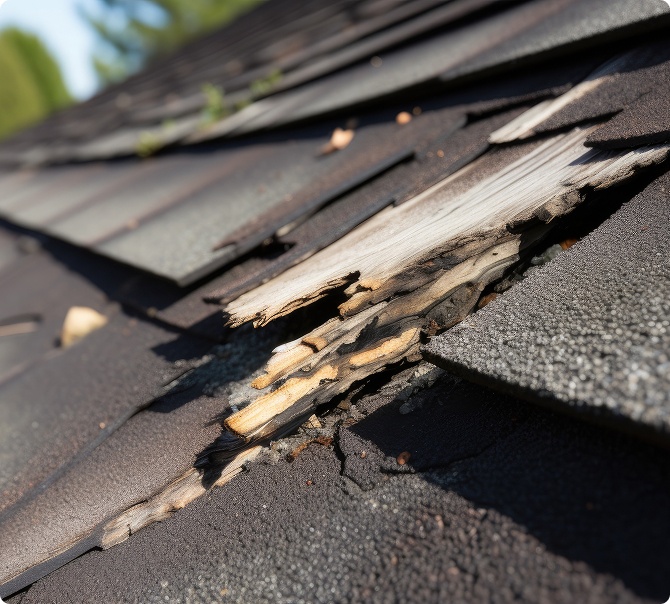
Surprise fees often occur after the old shingles come off. Removing an existing single layer of shingles costs between $1.00 and $2.00 per square foot. If your roof has two layers, labor and disposal dumpsters will double.
Once the crew exposes the bare wood deck, they inspect every board. Rotted or soft OSB decking cannot hold nails securely. Chronic attic condensation and roof leaks rot plywood over time. Replacing damaged plywood runs between $65 and $120 per sheet, including labor and materials.
Chicagoland winters bring severe ice dams that push water backward under shingles. We install self-adhering ice and water shield along all eaves, valleys, and chimneys. Balanced intake and exhaust ventilation keeps the roof deck cool to stop ice buildup. Installing ridge vents and replacing corroded chimney flashing adds $300 to $1,200. Avoiding short-sighted estimates protects you when budgeting for your suburban Chicago roof repair costs.
Making the Call: Repair vs. Full Replacement
Homeowners often ask whether patching a roof makes more sense than paying for a total replacement. We follow straightforward industry guidelines:
- The 20-Year Rule: Asphalt shingles past 20 years lose their protective granules and turn brittle.
- The 50% Threshold: If a repair estimate exceeds 50% of the replacement cost, install a new system.
- Widespread Storm Damage: When hail or wind bruises more than 25% of the roof, spot repairs fail.
- Chronic Attic Leaks: Multiple active leaks point to system-wide underlayment failure.
High winds from severe Midwest storms frequently lift older shingles across Cook County and DuPage County. If your roof suffered sudden wind damage in Arlington Heights, our dedicated residential roof repair services can secure your home. For older roofs showing widespread granule loss, scheduling professional roof inspections will help you confirm structural health.
Paying for Your New Roof: Insurance Claims, Financing, and Bids

Severe Midwest summer thunderstorms bring large hail and high winds. Homeowners insurance often covers storm-related replacements, but policy details matter.
A Replacement Cost Value (RCV) policy pays the full cost to restore your roof minus your deductible. An Actual Cash Value (ACV) policy deducts depreciation based on roof age, leaving you with higher out-of-pocket costs. Illinois law requires homeowners to pay their full deductible on insurance repairs. Homeowners seeking guidance can consult our guide on navigating roof insurance claims.
When comparing contractor bids, use a 4-Layer Bid Audit:
- Scope: Does the bid itemize tear-off, disposal, permits, and flashing?
- Materials: Are specific shingle brands, synthetic underlayments, and ice guards named?
- Labor & Protection: Does the estimate include an owner-supervised crew and full liability insurance?
- Warranty: Does the contractor offer long-term manufacturer and workmanship coverage?
We offer flexible roof financing plans to help homeowners manage replacement budgets comfortably. Reviewing our comprehensive roofing warranty coverage ensures your home remains protected for decades.
Frequently Asked Questions About Roof Replacement
How much does a roof replacement cost on average in 2026?
Most homeowners pay between $9,500 and $16,500 for a standard 2,000-to-2,500-square-foot home using architectural asphalt shingles. Exact prices depend on roof pitch, decking condition, and tear-off layers.
Will homeowners insurance cover my roof replacement?
Insurance covers sudden, accidental damage caused by severe wind, hail, or falling tree limbs. Policies do not cover normal wear, aging materials, or neglected maintenance.
How long does a full roof replacement take to complete?
A standard residential roof replacement takes one to two days. Homes with steep pitches, custom metalwork, or unexpected deck rot can take three to four days.
What hidden costs should I expect during a roof replacement?
Rotted decking, extra tear-off layers, and chimney flashing repairs are the most common surprises. Ask your contractor to itemize these line items before work begins.
Do I need a permit for a roof replacement in Cook County or DuPage County?
Yes. Most municipalities in Cook County and DuPage County require a building permit before roof work starts. Permit fees typically range from $100 to $500 depending on your town.
Conclusion
A new roof protects your home, your family, and your equity. Choosing the right contractor ensures quality materials, correct weatherproofing, and honest pricing from start to finish.
Steve Mlynek founded HomeBuild Roofing in 2004 to deliver high-quality exterior remodeling across Villa Park, Schaumburg, and surrounding communities. Every project is owner-sold, owner-supervised, and owner-approved. We never hand off your roof to subcontractors or distant middlemen.
Our commitment to craftsmanship is backed by a 4.9-star Google rating across 180+ reviews, the Angi Super Service Award 2025, and Nextdoor Neighborhood Faves 2025. We are fully licensed and insured for your peace of mind. Schedule your Chicagoland roof replacement estimate with our experienced local team today.