


When to File a Roof Repair Insurance Claim — And How to Do It Right
Filing a roof repair insurance claim after storm damage can feel overwhelming — especially when you’re dealing with adjusters, deadlines, and confusing policy terms all at once. Here’s the short answer most homeowners need first:
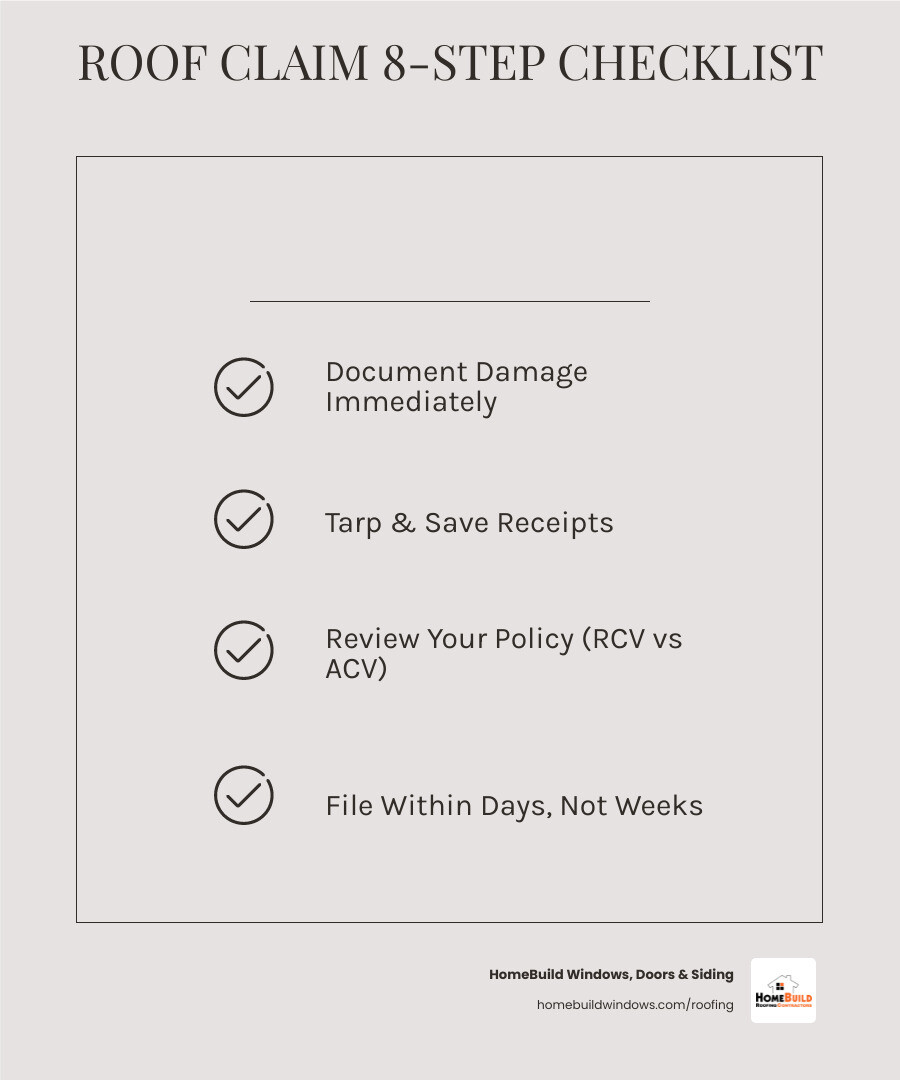
How to file a roof insurance claim (quick steps):
- Document the damage — Take timestamped photos and videos immediately after the storm
- Make temporary repairs — Tarp exposed areas to prevent further damage; save all receipts
- Review your policy — Check your deductible type, and whether you have RCV or ACV coverage
- File promptly — Notify your insurer within days, not weeks; Illinois policies vary on deadlines
- Get a contractor inspection — Have a licensed roofer assess damage before the adjuster arrives
- Meet the adjuster with your contractor present — This protects you from overlooked damage
- Review the estimate — Don’t accept the first offer; supplements can recover thousands in missed items
- Collect recoverable depreciation — Submit proof of completed repairs to unlock withheld funds
That moment you walk outside after a Chicago hailstorm and spot shingles scattered across your yard — your stomach drops. You know what’s coming. And in Chicagoland, where freeze-thaw cycles, heavy snow loads, and severe spring hail storms are a fact of life, roof damage claims are more common than most homeowners expect.
The problem isn’t just the roof damage itself. It’s navigating an insurance process designed for people who already know the rules — while the clock is ticking on filing deadlines, and your insurer’s adjuster is working to settle your claim at the lowest defensible amount.
This guide breaks down every step clearly, so you get a fair payout and avoid the most common — and costly — mistakes.
I’m Steve Mlynek, founder of HomeBuild Windows, Doors & Siding, an Owens Corning Certified roofing contractor serving Chicago and the Northwest and West suburbs. Over two decades of hands-on experience — including guiding Chicagoland homeowners through the roof repair insurance claim process after severe weather — shapes every piece of advice in this guide. Let’s walk through it together.
Understanding Your Policy: Covered Damage vs. Exclusions
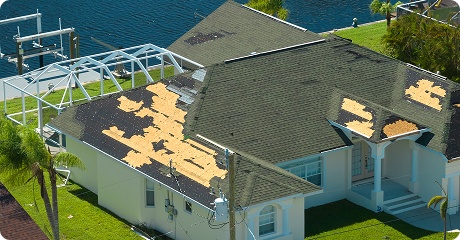
Before you file a roof insurance claim, you must understand what your policy covers. Standard homeowners insurance policies protect against sudden, accidental events. They do not cover issues caused by neglect or age.
This means you must prove a specific storm caused the damage. To learn more about standard policy structures, read this comprehensive Roof Insurance Claim Guide.
What Is Covered Under a Roof Repair Insurance Claim?
Insurance covers sudden, accidental damage from specific weather events. In the Chicago area, our roofs face severe weather challenges all year.
We frequently handle claims for:
- Hail damage: Hail bruises shingle mats and knocks away protective granules.
- Wind damage: Strong winds lift, crack, or tear shingles completely off the roof deck.
- Snow load: Heavy winter snow can crack rafters or compromise structural integrity.
- Ice dams: Freeze-thaw cycles create ice dams that force water under your shingles.
If a storm compromises your roof, we can help with storm damage roofing in chicagoland. We identify the exact damage and link it directly to the weather event.
Common Exclusions and State-Specific Rules
Insurers exclude general wear and tear, rot, and mold caused by poor maintenance. If your roof leaks because it is simply old, your insurer will deny the claim.
State laws also change how claims work. For example, some states have unique rules that do not apply in Illinois.
Consider these state-specific examples:
- Florida: The state historically used a 25% rule for roof replacements. Learn more in this guide on Filing a Roof Insurance Claim in Florida.
- Texas: State laws strictly regulate how deductibles are paid. Learn more in this resource on How to Get Insurance to Pay for Roof Replacement in Texas.
In Illinois, we do not have a mandatory “25% rule” like Florida. However, we must follow local municipal building codes. If a storm damages part of your roof, local codes may require a full roof replacement to meet modern safety standards.
RCV vs. ACV: How Payouts Are Calculated
How your insurer calculates your payout depends entirely on your policy type. This is the difference between getting a fully funded roof or paying thousands out of pocket.
Replacement Cost Value vs. Actual Cash Value
A Replacement Cost Value (RCV) policy covers the actual cost to repair or replace your roof today. The insurer does not subtract money for the age of your shingles.
An Actual Cash Value (ACV) policy operates differently. The insurer calculates the replacement cost and then subtracts depreciation based on the roof’s age. If you have a 15-year-old roof under an ACV policy, your payout will be very low.
| Feature | Replacement Cost Value (RCV) | Actual Cash Value (ACV) |
|---|---|---|
| Depreciation Deducted? | No (fully recoverable) | Yes (permanent deduction) |
| Out-of-Pocket Costs | Just your deductible | Deductible + depreciated value |
| Payout Structure | Two separate checks | One single, lower check |
If you need a new roof, check your policy declarations page to see which coverage you have.
How to Collect Recoverable Depreciation After Repairs
Under an RCV policy, your insurer splits your payout into two checks. The first check is the ACV payment. This is the depreciated value of your roof.
The insurer holds back the remaining money. This withheld money is called recoverable depreciation.
To collect this money, you must:
- Complete the roof repair or replacement.
- Gather proof of completion, including before-and-after photos.
- Submit the final contractor invoice to your insurer.
The insurer will then release the second check. For a step-by-step breakdown of this process, read this guide on How to Collect Recoverable Depreciation.
Step-by-Step Guide to Filing a Roof Repair Insurance Claim
Filing a claim requires speed and organization. If you delay, the insurer can claim your roof issues came from neglect.
Immediate Steps and Documenting the Damage
Your safety comes first. Do not climb onto a damaged roof yourself.
Take these steps immediately after a storm:
- Inspect from the ground: Take photos of fallen shingles, dented gutters, and broken tree limbs.
- Check the interior: Photograph water stains on your ceilings or walls.
- Make temporary repairs: If you have active leaks, you must prevent further damage.
Save all receipts for temporary tarps or patches. If you need immediate help, contact us for emergency roof repair in chicagoland.
Filing Deadlines and Timelines in Illinois
Do not wait to file your claim. Most insurance policies require “prompt notice” of damage. This window is often 30 to 60 days, though some policies allow up to one year.
In Illinois, the statute of limitations for property damage contracts is typically longer. However, your policy language can legally shorten this window. Filing close to the storm date makes it much easier to prove the weather caused the damage. For regional timeline expectations, check this Roof Insurance Claims Guide.
The Adjuster Inspection and the Supplement Process
Once you file, the insurance company will send an adjuster to inspect your property. This inspection determines your initial payout.
Why You Need a Contractor Present for the Adjuster Inspection
Insurance adjusters work for the insurance company. Their job is to settle claims for the lowest defensible amount. They often miss hidden structural damage, especially after heavy snow loads or freeze-thaw cycles.
You should have your own contractor present during the inspection. We meet the adjuster on-site at your home in Schaumburg, Hoffman Estates, or surrounding suburbs. We point out missed storm damage, code-required upgrades, and ice dam issues.
We write our estimates using Xactimate. This is the same software insurance companies use. This ensures our pricing matches the industry standard. Schedule one of our professional roof inspections before your adjuster arrives.
Handling a Denied or Underpaid Roof Repair Insurance Claim
If your insurer denies or underpays your claim, you have options. Do not accept a low initial offer.
You can take these steps:
- Request a re-inspection: Ask for a different adjuster to look at the roof with your contractor.
- Invoke the appraisal clause: This is a formal dispute process using independent appraisers.
- Hire a public adjuster: They can negotiate on your behalf for a percentage of the payout.
If you need to move forward with repairs during a dispute, we offer flexible financing options to help keep your home safe.
Frequently Asked Questions About Roof Claims
Navigating a roof repair insurance claim brings up many questions. Here are the answers to the most common questions we hear from local homeowners.
Can a contractor waive my insurance deductible?
No. It is illegal for a contractor to waive, absorb, or rebate your insurance deductible. In many states, doing so is classifed as insurance fraud. Legitimate contractors will always require you to pay your deductible out of pocket. If a contractor offers to waive your deductible, view it as a major red flag.
Will filing a roof claim raise my homeowners insurance premiums?
A single claim for weather-related storm damage rarely raises your rates on its own. These storms are classified as acts of nature. However, if your entire zip code experiences severe hail, regional rates may rise overall.
Does insurance cover a roof that is simply old?
No. Insurance does not cover normal wear and tear or a roof that has reached the end of its useful life. It only covers sudden, accidental damage. If your roof is old but undamaged by storms, you must pay for the replacement yourself. A new roof replacement will often come with a manufacturer warranty to protect your investment.
Conclusion
Filing a roof repair insurance claim does not have to be a stressful experience. With the right documentation, a clear understanding of your policy, and an experienced contractor by your side, you can secure the payout you deserve.
At HomeBuild Roofing, we make the process simple and transparent. Founded by Steve Mlynek in 2004, we serve Chicago and the Northwest and West suburbs — including Villa Park, St. Charles, Deerfield, and Wood Dale.
Every project we handle is owner-sold, owner-supervised, and owner-approved. We never use subcontractors or middlemen. We hold a 4.9-star Google rating across 180+ reviews, won the Angi Super Service Award 2025, and were named Nextdoor Neighborhood Faves 2025.
If your roof took a hit from a recent storm, do not wait. Contact us today. Schedule a free roof inspection with Steve, and let us protect your home.