

Putting in new windows can seem like a big job, and getting the measurements right is a huge part of that. If you’re wondering how to measure a rough opening for a window, you’ve come to the right place. It’s not as complicated as it sounds, and getting it done right means your new windows will fit perfectly and work like they should. We’ll walk you through what you need to know, step by step.
Key Takeaways
- Always measure the rough opening, not the old window frame. This is the space between the wall studs where the new window will go.
- Take three width measurements (top, middle, bottom) and three height measurements (left, center, right) to account for any unevenness in the wall.
- Use the smallest measurement from your three width and three height readings. This ensures the new window will fit properly without being too large.
- Consider the type of window you’re installing, as different styles like double-hung, casement, or sliding windows might have slightly different rough opening requirements.
- Double-check all your measurements before ordering. It’s better to measure twice and order once to avoid costly mistakes and ensure a smooth installation.
Understanding Window Rough Openings
Before you even think about picking out a new window, you need to get familiar with something called the ‘rough opening.’ This is basically the hole in your wall that the window will eventually sit in. It’s not just a random gap; it’s a carefully framed space that needs to be just right. Getting the rough opening sized correctly is probably the most important step in the whole window installation process. If it’s too small, the window won’t fit. If it’s too big, you’ll have a heck of a time sealing it up properly, and that can lead to drafts and energy loss.
What Constitutes a Window Rough Opening?
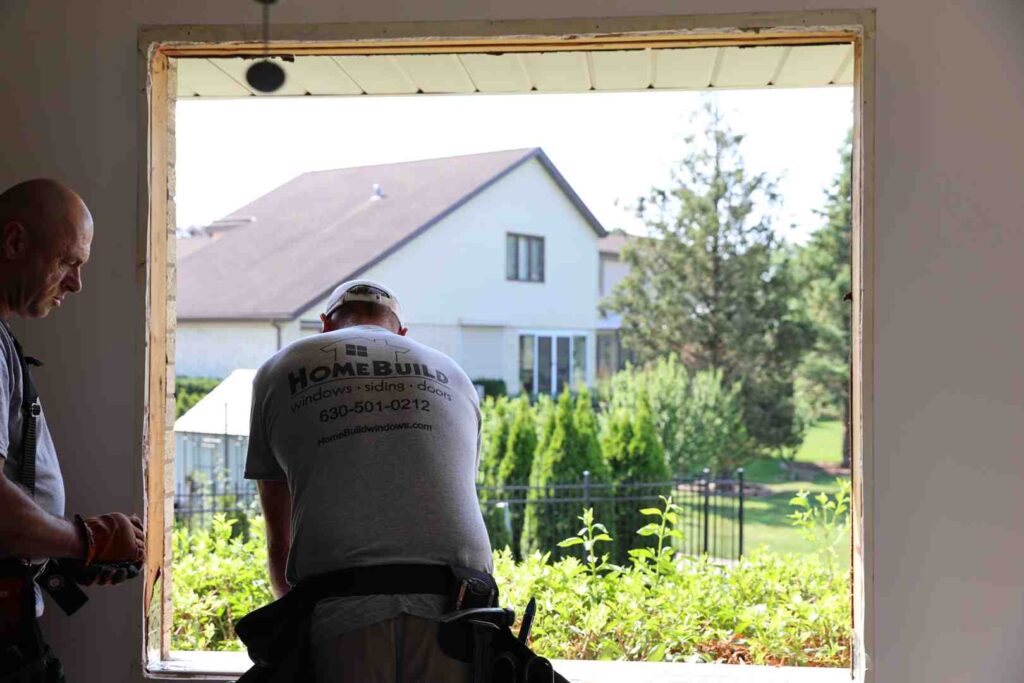
A window rough opening is the framed space in your wall where the window unit will be installed. It’s typically constructed using lumber, like 2x4s or 2x6s, and it needs to be slightly larger than the actual window itself. This extra space is super important because it gives you room to work with.
Here’s why that extra space matters:
- Shimming and Leveling: You need room to insert shims to make sure the window is perfectly level and plumb (straight up and down). Even the straightest walls can have slight imperfections.
- Insulation: There’s a gap between the window frame and the wall framing. This gap needs to be filled with insulation to prevent air leaks and keep your home comfortable.
- Sealing: You’ll need space to apply sealant or flashing tape to create a weather-tight barrier, protecting your home from water and drafts.
The Critical Importance of Proper Sizing
Think of the rough opening as the foundation for your window. If the foundation isn’t right, nothing built on top will be stable or perform well. A rough opening that’s too small can mean forcing the window in, which can damage the frame or the surrounding wall. On the other hand, an opening that’s too large can lead to:
- Air Leaks: Gaps that are too big are hard to seal completely, letting cold air in during the winter and warm air in during the summer.
- Water Intrusion: Improper sealing can allow rain or melting snow to seep into your wall cavity, leading to rot and mold.
- Structural Issues: If the opening is excessively large, it can compromise the structural integrity of the wall itself.
The rough opening dimensions are not the same as the window dimensions. Always account for the manufacturer’s recommended rough opening size, which is usually a bit larger than the window itself to accommodate installation needs.
Navigating Building Codes for Rough Openings
While manufacturers provide guidelines, it’s also a good idea to be aware of local building codes. These codes are in place to ensure safety and performance standards are met. They might specify certain requirements for framing, insulation, or even the type of materials you can use around the opening. Checking with your local building department or consulting with a professional installer can help you stay compliant and avoid potential issues down the line. This is especially important if you’re dealing with unique window types or structural modifications. For more on window installation best practices, you can check out this guide on replacing windows.
Essential Tools for Accurate Measurements
Alright, let’s talk about what you’ll need to get those measurements right. You don’t need a whole toolbox full of fancy gadgets, but having the right stuff makes a huge difference. It’s like trying to bake a cake without measuring cups – you might end up with something edible, but it’s probably not going to be great.
Gathering Your Measuring Toolkit
First things first, you need a good tape measure. I’m talking about a sturdy steel one, not one of those flimsy cloth ones that stretch out. A 25-foot tape measure is usually a good bet. You want something that stays straight when you extend it. This is probably the most important tool you’ll use, so don’t skimp here.
Next, grab a pencil and some paper, or if you’re more of a digital person, a notepad app on your phone works too. The key is to write down every number you get, right away. Don’t try to remember it; trust me, your brain will play tricks on you. A quick sketch of the opening can also be super helpful to keep track of which measurement is which.
And don’t forget a level. You’ll use this to check if the existing frame is sitting square. Sometimes, especially in older houses, things can get a little wonky over time, and knowing that upfront is important. Just place it on the sill and then check the sides.
The Value of a Partner and a Level
Speaking of levels, having a partner can really make things easier, especially for bigger windows. They can help hold the end of the tape measure steady, making sure it’s not sagging in the middle. A sagging tape can throw off your measurements, and we’re trying to avoid that.
A partner can also help you double-check your readings, making sure you’re both getting the same numbers. It’s a simple step that adds a layer of accuracy.
Pro Tip: Measure Twice, Order Once
This one’s a classic for a reason. Before you even think about ordering a window, measure everything up. Then, measure it all again. Seriously. It might feel like a pain, but it’s way better than ordering the wrong size and having to deal with returns or, worse, a window that just doesn’t fit right. It’s a small effort that saves a lot of headaches down the road. You can find some helpful tools like the T1 tool that simplifies this process by measuring from the back of its tape for faster, easier measurements.
Here’s a quick rundown of your must-have tools:
- Steel Tape Measure: For accurate length and width readings.
- Pencil and Paper/Notepad: To record all your measurements immediately.
- Level: To check if the opening is plumb and square.
- A Helper: To hold the tape steady and double-check your work.
Mastering Width and Height Measurements
Alright, let’s get down to the nitty-gritty: taking the actual measurements. This is where things can go sideways if you’re not careful, but honestly, it’s not rocket science. We’re not measuring your old window frame; we’re measuring the rough opening, which is the hole in your wall where the new window will go. Getting these numbers right is super important for a good fit.
Capturing Precise Width Dimensions
Most window openings aren’t perfectly square, especially in older houses. So, you can’t just measure once and call it good. You need to take three separate width measurements.
- Measure the distance from the inside of the left stud to the inside of the right stud at the very top of the opening.
- Do the same thing in the middle of the opening.
- Finally, measure the width at the very bottom of the opening.
Write down all three numbers. Don’t be surprised if they’re a little different. It’s totally normal.
Ensuring Accurate Height Readings
We’re going to use the exact same three-point method for the height. This catches any wonkiness going up and down.
- Measure from the inside of the top of the opening (the head jamb area) down to the inside of the bottom (the sill area) on the left side.
- Measure straight down the center of the opening.
- Measure from the top to the bottom on the right side.
Again, jot down all three measurements. This gives you a clear picture of the opening’s actual dimensions.
The Golden Rule: Using the Smallest Measurement
Here’s the most important part: Always use the smallest measurement you took for both width and height. Why? Because your new window needs to fit into the opening. If you order a window based on a larger measurement, it might not fit at all.
Let’s say your width measurements were 35 7/8″, 36″, and 35 3/4″. You’d use 35 3/4″ for your order. For height, if you got 71 1/2″, 71 3/4″, and 71 5/8″, you’d go with 71 1/2″. This simple rule helps avoid ordering mistakes and makes installation way smoother.
It’s a good idea to check your diagonal measurements too, just to make sure the opening is reasonably square. If the difference between the two diagonal measurements is more than about 1/4 inch, you might have a framing issue that needs addressing before you order your window.
Accounting for Different Window Types
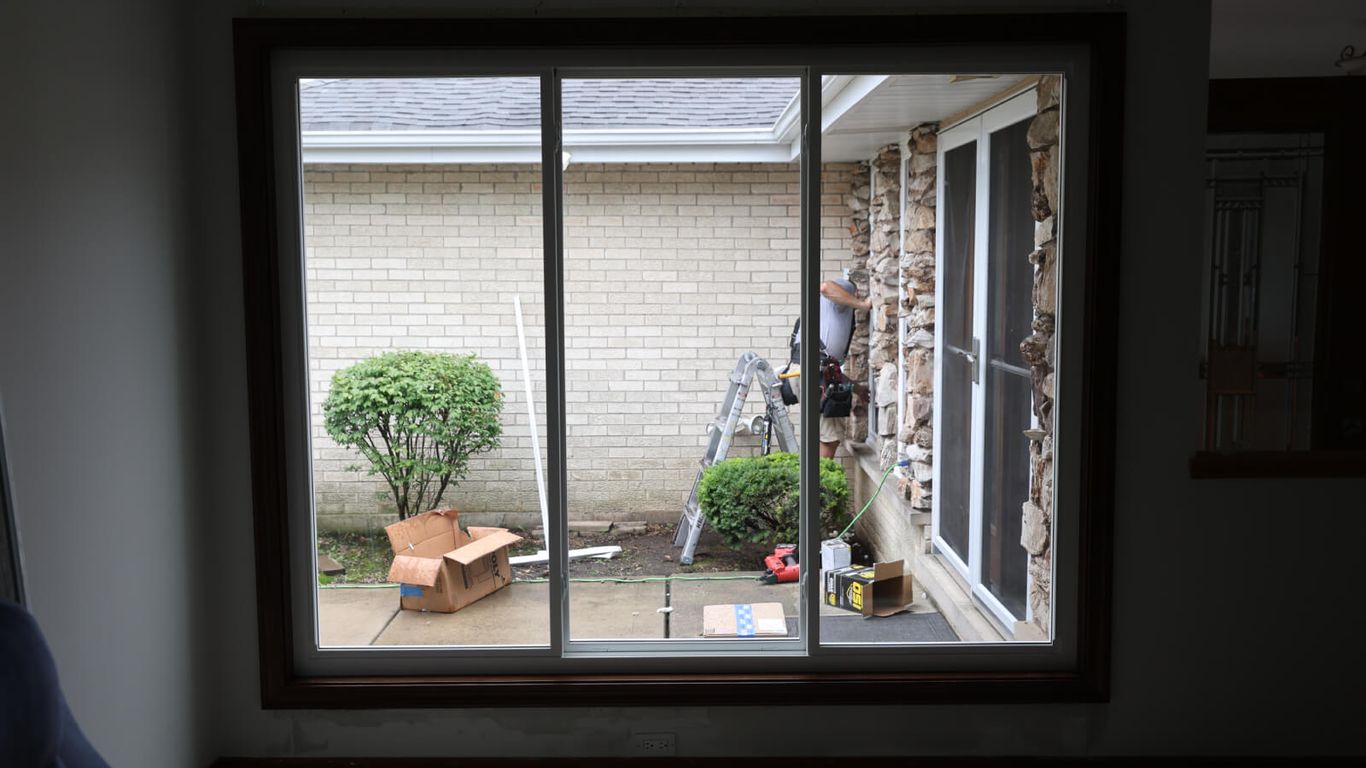
Not all windows are created equal, and neither are their rough openings. You’ve got to think about the specific type of window you’re installing because it can change how you measure and what you need to account for. It’s not just a simple rectangle for every single window out there.
Considerations for Double-Hung Windows
Double-hung windows are super common. They have two sashes that both move up and down. This design is great for airflow, letting you open the top, the bottom, or both. When measuring for these, you’ll want to get the width and height measurements. Standard double-hung windows usually fall within a certain range, like 24 to 48 inches wide and 36 to 72 inches tall, but always measure your specific opening. It’s important to remember that even windows that look the same can have slightly different rough opening dimensions due to how the house was built or settled over time. So, don’t assume anything; measure each one.
Specific Needs for Casement and Awning Windows
Casement windows are hinged on one side and crank open, usually outward. They offer great ventilation and a clean look. For casement windows, you’ll need to measure the width and height, but also consider the space needed for the crank mechanism and any hardware. Standard casement windows can range from about 16 inches wide to 48 inches wide, and 24 inches tall to 84 inches tall. Awning windows, which hinge at the top and open outward, are fantastic for keeping rain out while still letting in air. They’re often used in kitchens or bathrooms. Their typical sizes are a bit smaller, often between 2 to 3.5 feet wide and 1.5 to 3 feet tall. Again, these are just general guidelines; your rough opening is king.
Adjustments for Sliding and Specialty Windows
Sliding windows are pretty straightforward – they slide open horizontally. You’ll measure the width and height of the rough opening, making sure there’s enough clearance for the sashes to slide smoothly. Specialty windows, like bay or bow windows, or even custom-shaped ones, require a bit more attention. Bay and bow windows extend outward and need careful measurement of each section, plus the overall projection. Custom windows, well, they’re custom for a reason. You’ll likely need to work closely with the manufacturer to get the exact rough opening dimensions right. It’s always a good idea to check out some videos on YouTube for visual guides on measuring these more complex types. Remember, a little extra care here prevents big headaches later. You can find charts that help with standard window rough opening dimensions to compare against your measurements.
Framing and Preparing the Rough Opening
Alright, so you’ve got your measurements down pat. Now comes the part where we actually build the hole for the window. This is where things get real, and a solid frame is super important. Think of it as the foundation for your new window. If this part is shaky, the whole window installation can go sideways, and nobody wants that.
Key Steps in Framing the Rough Opening
Framing the rough opening is all about creating a sturdy, square box within your wall. Here’s a breakdown of what’s involved:
- King Studs: These are the full-height studs on either side of the opening. They provide the main vertical support.
- Jack Studs (or Trimmer Studs): These shorter studs sit next to the king studs and support the header. They carry the weight from above.
- Header: This is a strong horizontal beam that sits on top of the jack studs, spanning the width of the opening. Its job is to carry the load from the wall above the window down to the jack studs.
- Sill Plate (for the bottom): While not always part of the initial framing discussion, a solid bottom plate or sill is needed to support the window from below.
Getting the framing right means the window will sit level and plumb, which is key for its operation and longevity. It’s not just about making a hole; it’s about making the right hole.
Integrating Insulation and Weatherproofing
Once the frame is up, don’t just slap the window in there. We need to think about keeping the elements out and the comfort in. This is where insulation and weatherproofing come into play.
- Insulation: The small gap between the window frame and the rough opening is your chance to add insulation. This could be spray foam or fiberglass batts. It stops drafts and helps your home keep its temperature, saving you money on heating and cooling.
- Weatherproofing: Before the window goes in, you’ll want to apply a good quality house wrap or flashing tape around the perimeter of the rough opening. This is your first line of defense against water getting into your walls. It’s a step that’s easy to overlook, but it’s a big deal for preventing future problems.
Proper sealing and insulation around the rough opening are critical for energy efficiency and preventing moisture damage. Don’t skimp on these steps; they pay off in the long run with a more comfortable and durable home.
Final Adjustments for a Perfect Fit
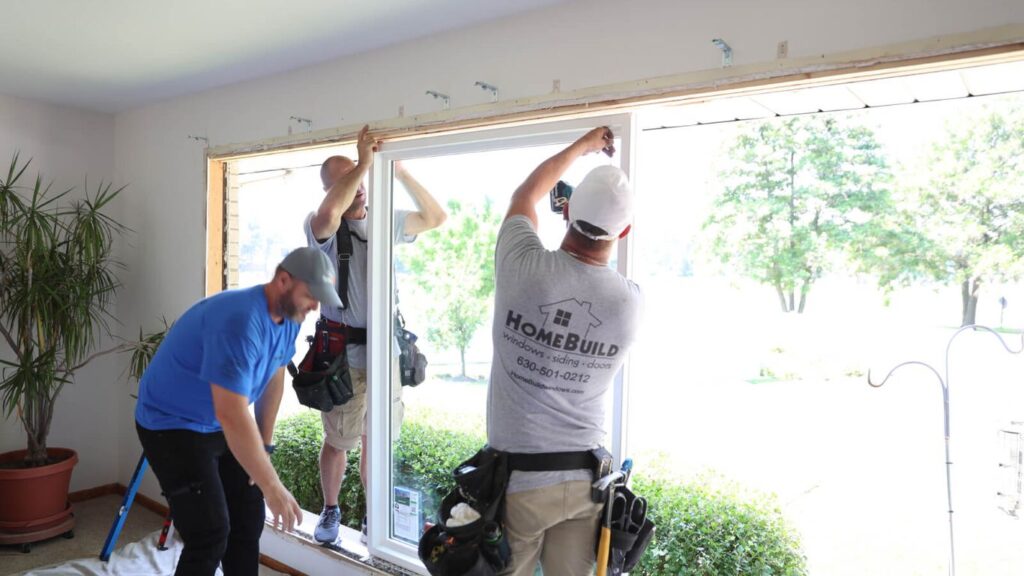
Even with careful framing, walls aren’t always perfectly straight. That’s where shims come in. These thin pieces of wood are used to make tiny adjustments, ensuring the window is perfectly level and plumb within the opening. You’ll use them between the window frame and the rough opening studs. It’s a bit like fine-tuning a musical instrument – small adjustments make a big difference in the final sound, or in this case, the window’s fit and function. If you’re working with a professional installer, they’ll have this down to an art. You can often find great advice and services from companies that specialize in window installation, like those you might see advertised on platforms like LinkedIn.
Remember, the goal is a snug, secure fit. This prevents the window from rattling, keeps it operating smoothly, and makes sure it seals properly against the weather. It’s the final polish that makes all the difference.
Troubleshooting Common Measurement Challenges
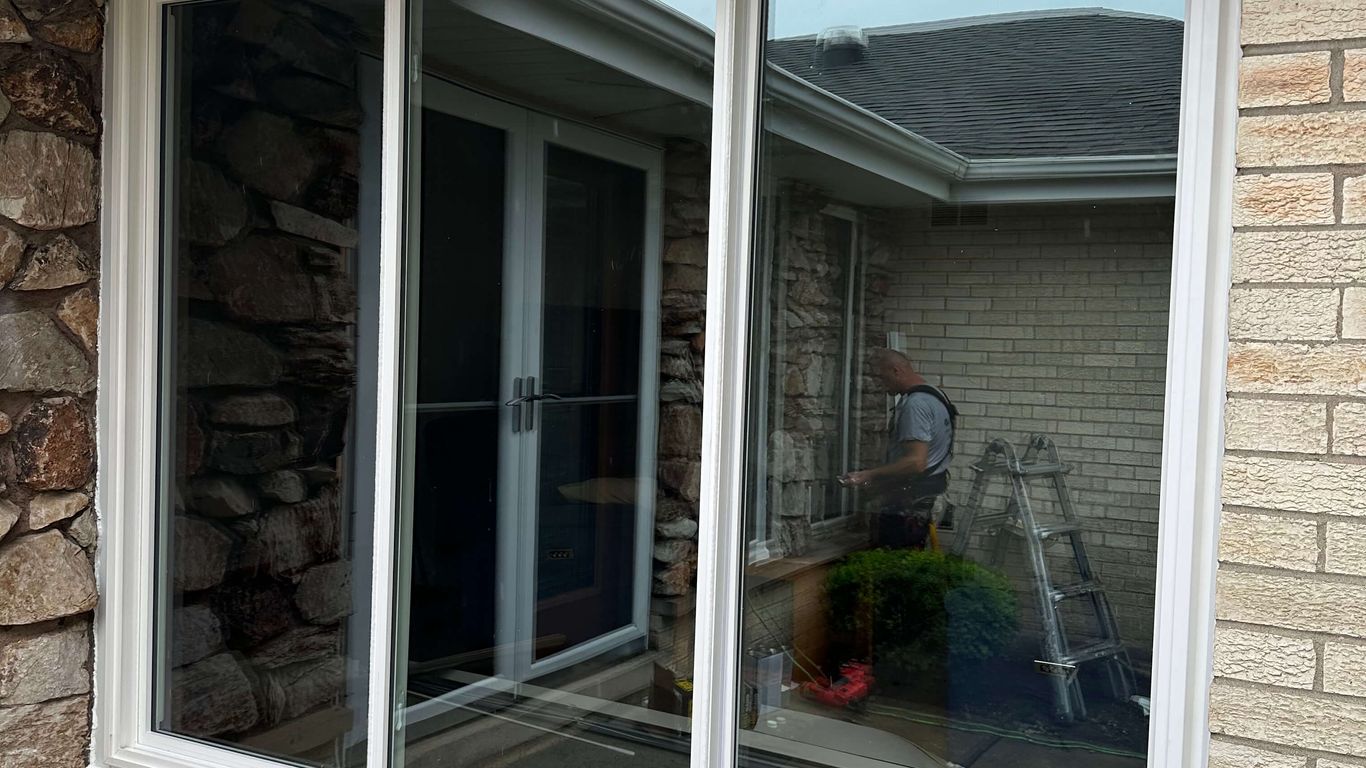
Sometimes, the opening where your window needs to go isn’t perfectly square or plumb. It happens, especially in older homes. Don’t let a wonky opening throw you off; there are ways to handle it.
Addressing Uneven Walls and Framing
If your walls or the framing around the opening are a bit off, it can make getting accurate measurements tricky. The key is to remember that you’re measuring the actual space the window will occupy, not just what looks right at first glance. Houses settle over time, and framing can shift. This is why taking multiple measurements is so important.
- Width: Measure across the top, middle, and bottom of the opening. Always use the smallest of these three numbers for your order. This gives you wiggle room to shim and adjust.
- Height: Measure down the left side, the center, and the right side. Again, use the smallest measurement. This ensures the window will fit.
- Depth: Check the depth of the opening. If it’s too shallow, you might need a special window or a different installation method. If it’s too deep, you might need to add blocking.
Resolving Misaligned Openings
When an opening isn’t perfectly square, it means the corners aren’t 90 degrees. This is where a good level and a tape measure are your best friends. You’ll want to measure diagonally from corner to corner. If the two diagonal measurements are different, the opening is not square. The difference between these diagonal measurements tells you how out-of-square the opening is. While you can’t change the opening itself without major work, knowing this helps when ordering and installing. A window that’s slightly too small for an out-of-square opening is usually easier to work with than one that’s too big.
When Standard Sizes Don’t Apply
Sometimes, you’ll run into openings that are just plain weird. Maybe they’re unusually wide, super tall, or have a strange shape. In these cases, standard window sizes just won’t cut it. You’ll need to look into custom-sized windows. It might sound more complicated, but many companies can make windows to your exact specifications. It’s always better to get a custom size than to try and force a standard window into an opening where it doesn’t belong. This is where custom windows can be a lifesaver, ensuring a perfect fit and look for your unique space.
Remember, the goal is to get a window that fits snugly and operates smoothly. Don’t be afraid to take your time and double-check everything. A little extra effort upfront saves a lot of headaches down the road, especially when it comes to ensuring a weathertight seal and proper operation.
Dealing with tricky measurement problems can be tough. Sometimes, things just don’t add up right, and it’s frustrating. But don’t worry, we’ve got your back! If you’re running into measurement snags, check out our website for helpful tips and solutions. We can help you get accurate readings every time.
Wrapping Up Your Window Measurements
So, you’ve gone through the steps to measure your rough opening. It might seem like a lot of detail, but getting these numbers right is super important for a smooth window installation. Taking your time now means fewer headaches later. Whether you’re a DIYer or getting ready to hire someone, having these accurate measurements is the first big win. It sets you up for success, making sure your new windows fit just right and work like they should for years to come.
Frequently Asked Questions
What exactly is a window rough opening?
A window rough opening is basically the hole framed out in your wall where the new window will eventually go. It’s built a little bit bigger than the window itself to give installers room to make sure it’s perfectly straight and sealed up tight.
Why is it so important to measure the rough opening and not just the old window?
You need to measure the rough opening because that’s the actual space the new window has to fit into. Old windows might have been installed a bit crooked, or the framing around them might not be perfectly square. Measuring the rough opening ensures your new window will be installed correctly and seal out drafts.
How many times should I measure the width and height?
It’s best to measure the width in three spots: top, middle, and bottom. Do the same for the height: left side, center, and right side. This helps you find the smallest measurement, which is the one you should use to order your window. It’s like the saying, ‘measure twice, cut once’ – but for windows, it’s ‘measure three times, order once’ to be safe!
What’s the ‘golden rule’ for using my measurements?
The golden rule is to always use the smallest measurement you get for both width and height. If your measurements are a little different in different spots, using the smallest one guarantees that the window will actually fit into the opening without being too big.
Do different types of windows need different measurements?
Yes, they can! While the basic idea of measuring the rough opening is the same, some windows, like casement windows that crank out, might need a bit more wiggle room. Always check the manufacturer’s specific guidelines for the type of window you’re installing.
What if my walls or framing aren’t perfectly straight?
That’s why measuring in multiple spots is so important! If you find your walls are uneven or the framing isn’t square, you’ll know by comparing your measurements. You’ll need to use the smallest measurement and then use shims during installation to make sure the new window is perfectly level and plumb (straight up and down).