


Introduction: Your Home’s First Line of Defense
Gutter replacement and repair are essential services that protect your home from costly water damage. Here’s what you need to know:
Quick Decision Guide:
- Choose Repair for minor leaks, small cracks, or a few loose fasteners.
- Choose Replacement for widespread rust, large holes, severe sagging, or separated seams.
- Typical Repair Costs: $100-$500 for localized fixes.
- Typical Replacement Costs: $1,000-$2,500 for a new system.
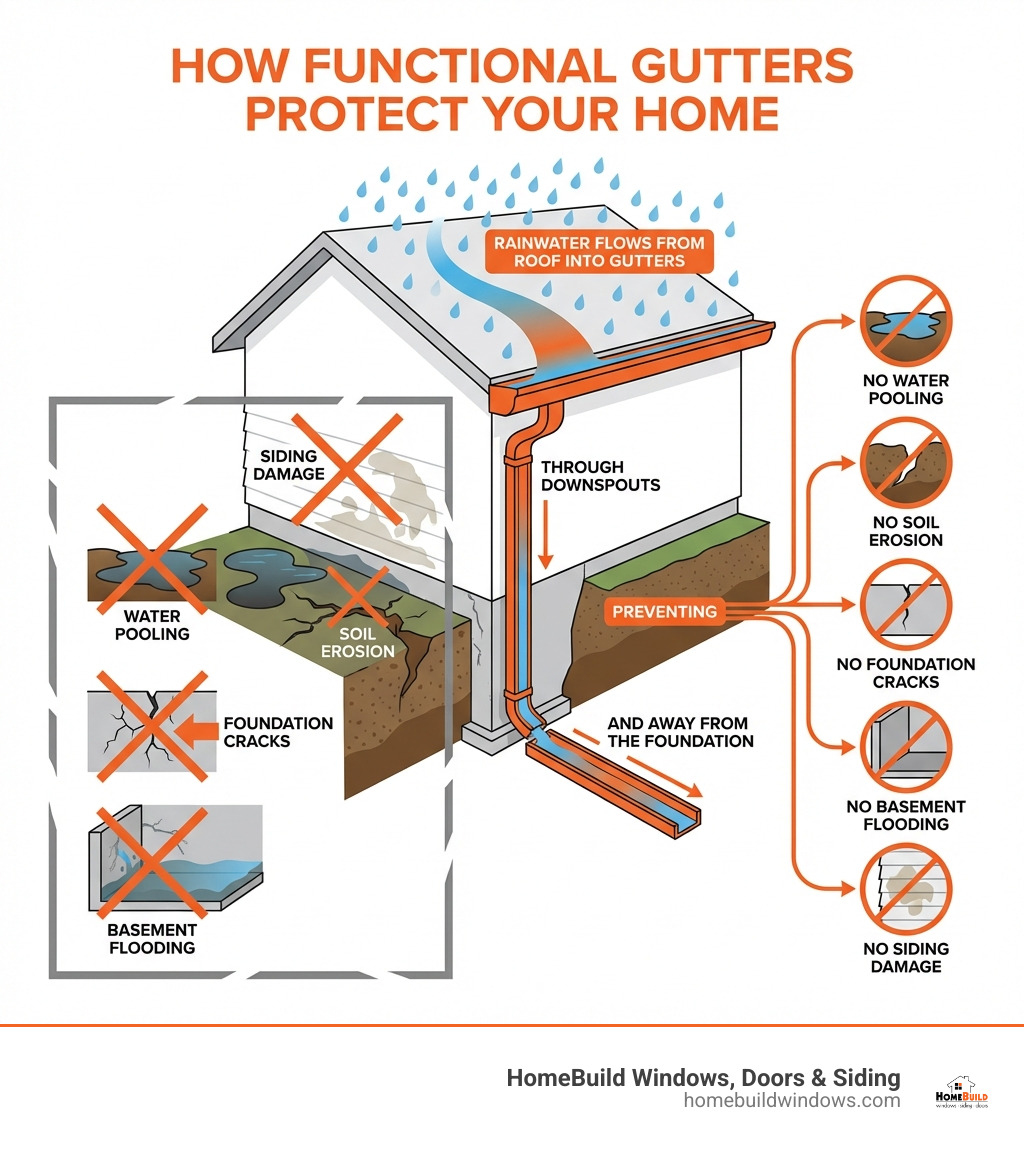
Your gutters are your home’s primary defense against foundation damage, basement flooding, and structural problems. They collect rainwater and direct it safely away from your foundation, preventing soil erosion and leaks.
The stakes are high. Foundation repair can cost $5,000 to $15,000, while a new gutter system is a fraction of that price. This makes timely gutter maintenance one of the smartest investments you can make. But how do you know when to repair versus replace? Warning signs like standing water, sagging sections, or rust demand attention.
I’m Steve Mlynek, CEO and founder of HomeBuild. With over 20 years in the home improvement industry, I’ve helped countless Chicago-area homeowners with their gutter replacement and repair choices. This guide will help you make the right decision for your home.
Gutter replacement and repair vocab explained:
Spotting the Signs: When Do Gutters Need Attention?
Even the best gutter systems wear down over time, especially with Chicago’s harsh weather. Recognizing early warning signs is key to preventing minor issues from becoming major home damage.
Here are common indicators that you need gutter replacement and repair:
- Visible Cracks, Holes, and Fractures: Even small cracks lead to leaks that can damage your foundation or siding and will worsen over time.
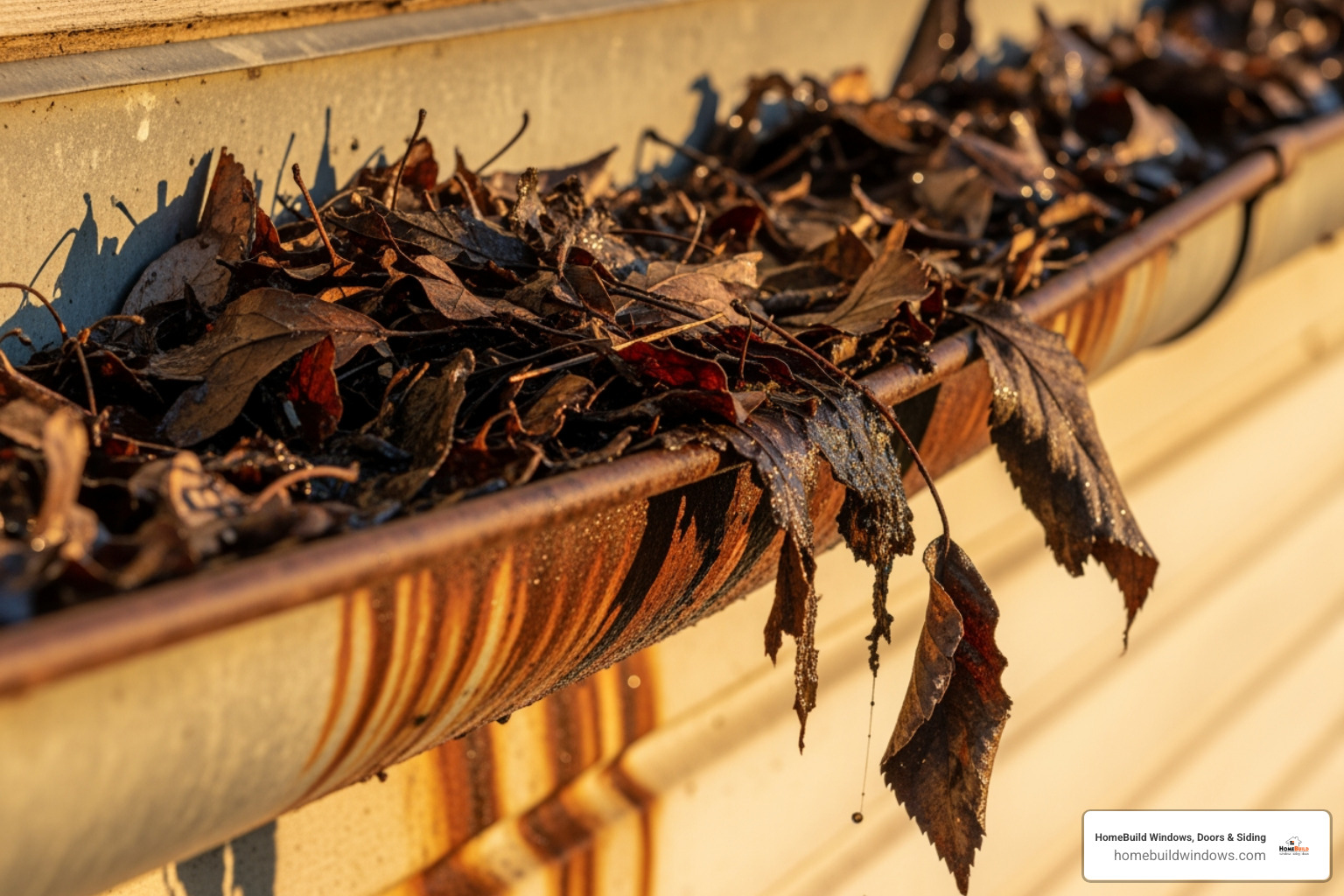
- Rust Spots or Corrosion: Rust on metal gutters indicates the protective coating has failed, weakening the material and leading to leaks.
- Peeling Paint or Water Stains on Siding: Water stains or peeling paint on exterior walls or fascia boards are strong signs that your gutters are overflowing or leaking.
- Sagging or Pulling Away from the Roofline: Gutters that bend, sag, or detach are likely clogged with heavy debris or have failing hangers, preventing proper drainage.
- Broken or Loose Fasteners: If the spikes or screws securing your gutters are broken or pulling out, the system will lose stability and proper alignment.
- Water Overflowing During Rain: Water cascading over the sides during moderate rain indicates a blockage or an undersized system.
- Pooling Water Around the Foundation: Puddles forming at the base of your home after rain are a critical sign that gutters are failing to direct water away, threatening your foundation.
- Mildew Growth or Wood Rot: Persistent moisture from leaking gutters can cause mildew and rot on your fascia, soffits, and siding.
Addressing these signs promptly can save you significant expense.
How Damaged Gutters Can Wreck Your Foundation
The link between a faulty gutter and a damaged foundation is direct and serious. When gutters fail, they allow water to pool around your home’s base. This saturates the soil, causing it to expand and contract, which puts immense pressure on your foundation walls. This pressure leads to cracks, which can cause basement flooding, mold growth, and even structural damage to your home’s framework.
Foundation repair can cost anywhere from $5,000 to $15,000. Compared to the $1,000 to $2,500 cost of a new gutter system, investing in proper gutter replacement and repair is a smart, preventative measure that protects your entire home from far more expensive damage.
Repair vs. Replacement: Making the Right Call
Deciding between repair and replacement involves balancing immediate cost with long-term durability. At HomeBuild, we help Chicago homeowners make the most cost-effective choice by assessing the damage, system age, and your budget.
Scenarios for Gutter Repair
Repair is often the right solution when issues are localized and the overall system is still in good shape. It’s quicker, less invasive, and more budget-friendly. Consider repair for:
- Minor Leaks: A small drip at a seam can often be fixed with sealant.
- Small Cracks or Pinholes: Isolated cracks can be patched effectively.
- A Few Loose Fasteners: Re-securing a few hangers can fix minor sagging.
- Leaking Seams: If only a few seams are leaking, they can be resealed.
- Localized Damage: A single damaged section from a storm or falling branch can often be replaced without redoing the whole system.
However, if you’re constantly patching new leaks, it’s time to consider a more permanent solution.
When to Choose Full Gutter Replacement
Full gutter replacement is necessary when damage is widespread or the system is past its prime. While the initial cost is higher, it’s often more economical long-term. Choose replacement if you see:
- Widespread Rust or Corrosion: Systemic rust indicates material failure, making repairs a temporary fix.
- Multiple Large Holes or Cracks: Numerous large holes compromise the gutter’s structural integrity.
- Severe Sagging Throughout: If most of your gutters are sagging or pulling away, it points to a systemic failure.
- Separated Seams Across the System: When most seams in a sectional system are failing, a new seamless system is a better investment.
- Outdated or Inefficient System: Older, undersized systems may not handle heavy rain. A new system offers better design and efficiency.
- Upgrading Materials: A full replacement is the perfect time to upgrade from vinyl to more durable aluminum or aesthetically pleasing copper.
New gutters also improve curb appeal, increase home value, and come with the peace of mind of a warranty.
Navigating the Gutter Replacement and Repair Process
Understanding the professional process for gutter replacement and repair helps you make informed decisions. We focus on transparent communication and expert execution for every Chicago-area project.

The typical process includes:
- Inspection: We evaluate your gutters, fascia, and soffits to recommend repair or replacement.
- Material Selection: If replacing, we help you choose the right material, style, and color. We often recommend seamless gutters, which are fabricated on-site for a custom fit with fewer leak points.
- Removal: We carefully remove and responsibly dispose of your old gutter system.
- Fascia/Soffit Prep: We repair any rotted or damaged fascia boards before installation to ensure a solid foundation for the new gutters.
- Installation: Our experts install the new gutters and downspouts with the correct slope for optimal water flow.
- Finishing Touches: We install add-ons like gutter guards and conduct a final inspection.
Our professional installation includes a labor warranty for your peace of mind.
Choosing Your Gutter Material
Your choice of material impacts durability, cost, and appearance. For Chicago’s climate, we help you select the best fit.
Here’s a comparison of common gutter materials:
| Material | Pros | Cons | Average Cost Per Linear Foot | Typical Lifespan |
|---|---|---|---|---|
| Aluminum | Affordable, lightweight, rust-proof, many colors, seamless options. | Can dent, expands/contracts with temperature. | $3 to $15 | 20-30 years |
| Vinyl (PVC) | Most affordable, lightweight, won’t rust or corrode. | Can crack in extreme temperatures, becomes brittle, limited colors, many seams can lead to leaks. | $3 to $7 | 10-20 years |
| Galvanized Steel | Durable, strong, dent-resistant, good for snow and ice. | Heavy, can rust if coating is scratched, fewer color options. | $5 to $20 | 15-20 years |
| Copper | Extremely durable, long-lasting, high aesthetic appeal, won’t rust. | Most expensive, requires specialized installation. | $15 to $40 | 50-100+ years |
| Zinc | Very durable, long-lasting, rust-proof, self-healing scratches. | Expensive, requires specialized installation. | $15 to $30 | 80+ years |
| Wood | Rustic, traditional aesthetic for historic homes. | Very expensive, prone to rot, requires frequent maintenance. | $20 to $32 | 15-25 years |
For most Chicago homeowners, aluminum offers the best balance of cost and durability. Copper and zinc are excellent premium options for unique curb appeal.
Understanding the Costs of Gutter Replacement and Repair
While national averages provide a baseline, the cost of gutter replacement and repair in Chicago depends on several factors:
- Home Size: Larger homes require more material and labor.
- Material Choice: Costs vary significantly between vinyl, aluminum, and premium metals like copper.
- Labor Costs: Reflects the expertise needed for a quality installation in the Chicago area.
- Fascia and Soffit Condition: Repairing underlying rot or damage adds to the cost.
- Complexity: Intricate rooflines require more time and specialized work.
- System Type: Seamless gutters may cost more upfront but offer better long-term value.
- Add-ons: Features like gutter guards increase the total price.
We provide transparent quotes so you understand your investment. For more on costs, see resources like Cost to Install or Replace Gutters in 2026: Is It Worth It?.
DIY vs. Professional Installation
While DIY can seem tempting for saving money, we strongly recommend professional installation for gutter replacement and repair.
Here’s why:
- Safety: Working on ladders at roof height is dangerous. Professionals have the right safety gear and training.
- Proper Tools: Professionals use specialized equipment, especially for fabricating seamless gutters on-site.
- Correct Slope: Gutters require a precise slope for proper drainage. An incorrect slope leads to standing water and clogs.
- Experience & Warranty: Professionals understand Chicago’s climate challenges and provide a warranty on labor and materials, protecting your investment.
Mistakes in DIY installation can lead to costly damage to your roof, fascia, and foundation. For anything beyond minor cleaning, professional expertise is worth the cost. Always check a contractor’s license to ensure you’re hiring a qualified team.
Maximizing Performance: Maintenance and Improvements
Once your new gutters are installed, ongoing maintenance is key to ensuring they last. Regular cleaning is fundamental, as debris like leaves, twigs, and shingle grit can cause clogs, leading to overflows and water damage. Proactive maintenance ensures your system’s longevity and prevents future gutter replacement and repair needs.
Gutter Guards: A Smart Upgrade to Prevent Clogs
For homeowners in wooded Chicago suburbs, gutter guards are a smart upgrade. These protective covers sit over your gutters to block leaves and debris while allowing water to flow freely. The benefits include:
- Preventing Clogs: Keeps debris out of the gutter trough.
- Minimizing Maintenance: Reduces the time you spend on a ladder cleaning gutters.
- Deterring Pests: Prevents birds and rodents from nesting.
- Ensuring Water Flow: Keeps water moving away from your foundation.
We can help you choose the right type of guard (e.g., micro-mesh, screens) for your home and budget.
Essential Add-Ons for Your Gutter System
Several add-ons can further improve your system’s performance:
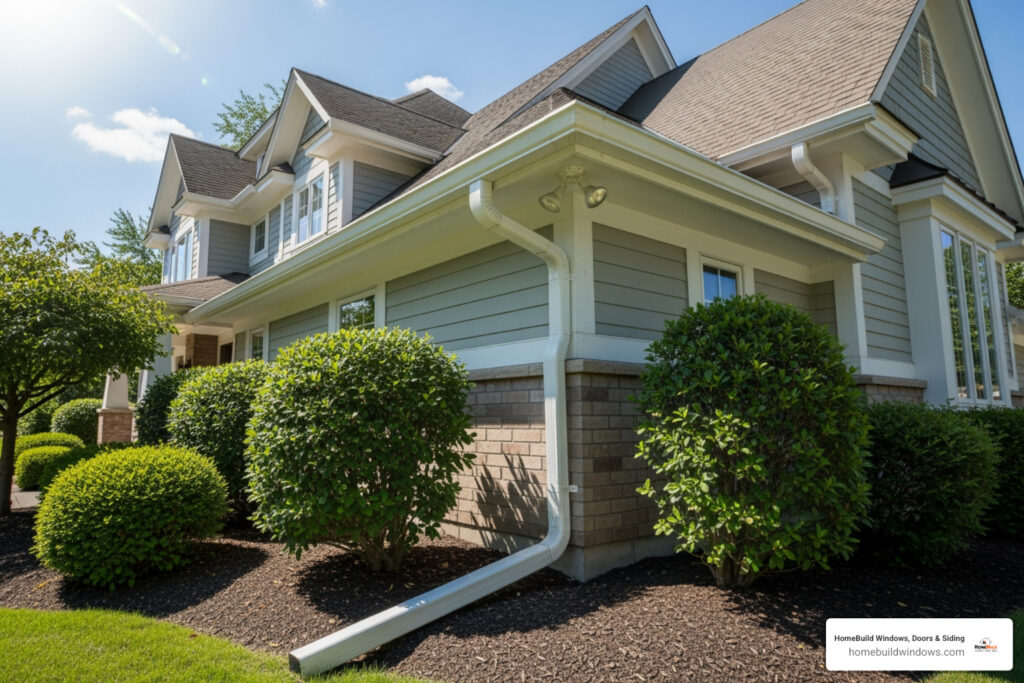
- Downspout Extensions: Crucial for carrying water several feet away from your foundation to prevent pooling.
- Splash Blocks: Placed under downspouts, these concrete or plastic blocks disperse water and prevent soil erosion.
- Rain Barrels: An eco-friendly option to collect and reuse rainwater for gardening.
- Rain Chains: A decorative alternative to downspouts that guide water down a chain of cups or links.
- Leader Heads: Decorative funnels at the top of a downspout that improve water collection and add architectural detail.
These features can turn a good gutter system into a great one, offering superior protection and character for your Chicago home.
Frequently Asked Questions about Gutter Systems
Here are answers to common questions we receive from Chicago-area homeowners about gutter replacement and repair.
How often should I clean my gutters?
We recommend cleaning your gutters at least twice a year: once in the spring to clear winter debris and again in the fall to remove leaves before the first freeze. If your home is in a heavily wooded area, more frequent cleanings may be necessary to prevent clogs and prolong the life of your system.
What is the average lifespan of a gutter system?
Lifespan depends heavily on the material, installation quality, and maintenance. Here are typical estimates:
- Vinyl: 10-20 years
- Galvanized Steel: 15-20 years
- Aluminum: 20-30 years
- Wood: 15-25 years (with high maintenance)
- Copper: 50-100+ years
- Zinc: 80+ years
Regular cleaning and prompt gutter replacement and repair for minor issues can extend the life of any system.
Can new gutters increase my home’s value?
Yes. New gutters are a smart investment that can increase your home’s value. They instantly boost curb appeal by replacing old, rusty, or sagging gutters with a clean, new system. More importantly, they signal to potential buyers that the home is well-maintained and protected from costly water damage to the foundation, roof, and siding. This provides peace of mind and makes your property more attractive on the market.
Your Next Step to a Healthier Home
We hope this guide has clarified the importance of your gutters and when to consider gutter replacement and repair. Gutter health is home health, and proactive maintenance is a vital step in protecting your most significant investment.
Ignoring gutter problems leads to expensive issues like foundation cracks and water damage. By understanding the warning signs and investing in quality materials and professional installation, you safeguard your home against the elements.
For homeowners in the Chicago area seeking expert advice, the team at HomeBuild Windows, Doors & Siding provides top-quality solutions to protect your property. We assess your needs, offer transparent recommendations, and deliver exceptional service to keep your home safe and beautiful.
Learn more about our exterior home services and let us help you keep your home in top shape.