

Your Front Door’s Hidden Impact on Energy Bills
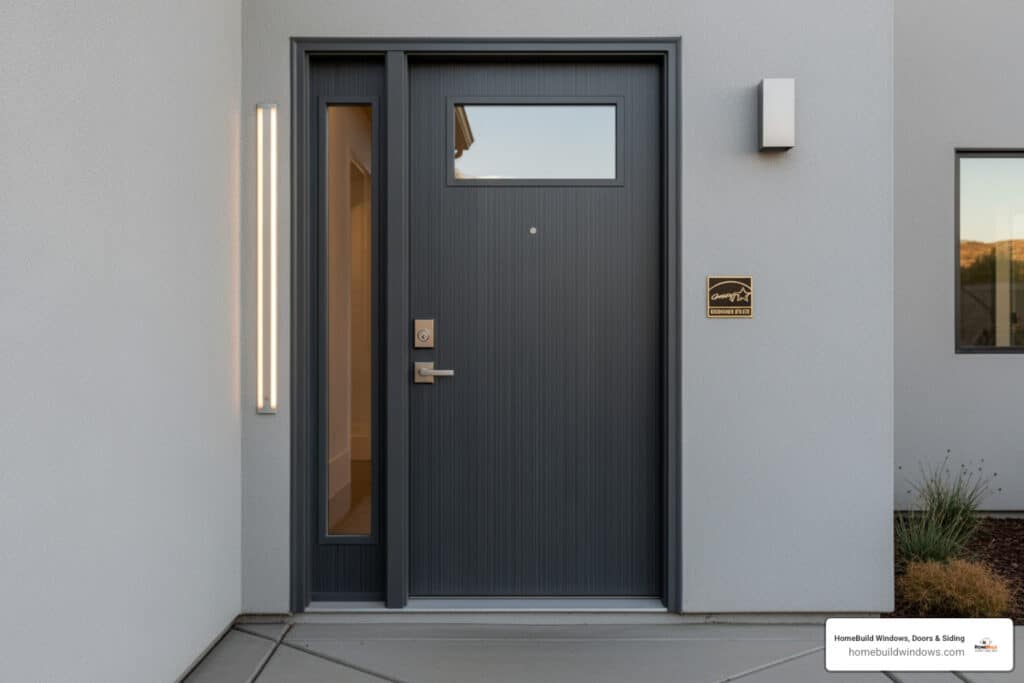
Energy efficient entry doors are specially designed exterior doors that minimize heat transfer between your home’s interior and the outside environment. They feature insulated cores (typically polyurethane foam), weatherstripping, quality thresholds, and often include energy-efficient glass with Low-E coatings—all working together to reduce air leakage and improve your home’s thermal performance.
Key features that make entry doors energy-efficient:
- Insulated core materials (polyurethane foam with R-values of R-5 to R-6 or higher)
- Quality weatherstripping and door sweeps to prevent air leakage
- Low U-Factor (0.17 or lower for opaque doors, indicating better insulation)
- Low-E glass coatings and multiple panes for doors with windows
- ENERGY STAR certification meeting EPA standards for your climate zone
- Proper installation with sealed frames and flashing
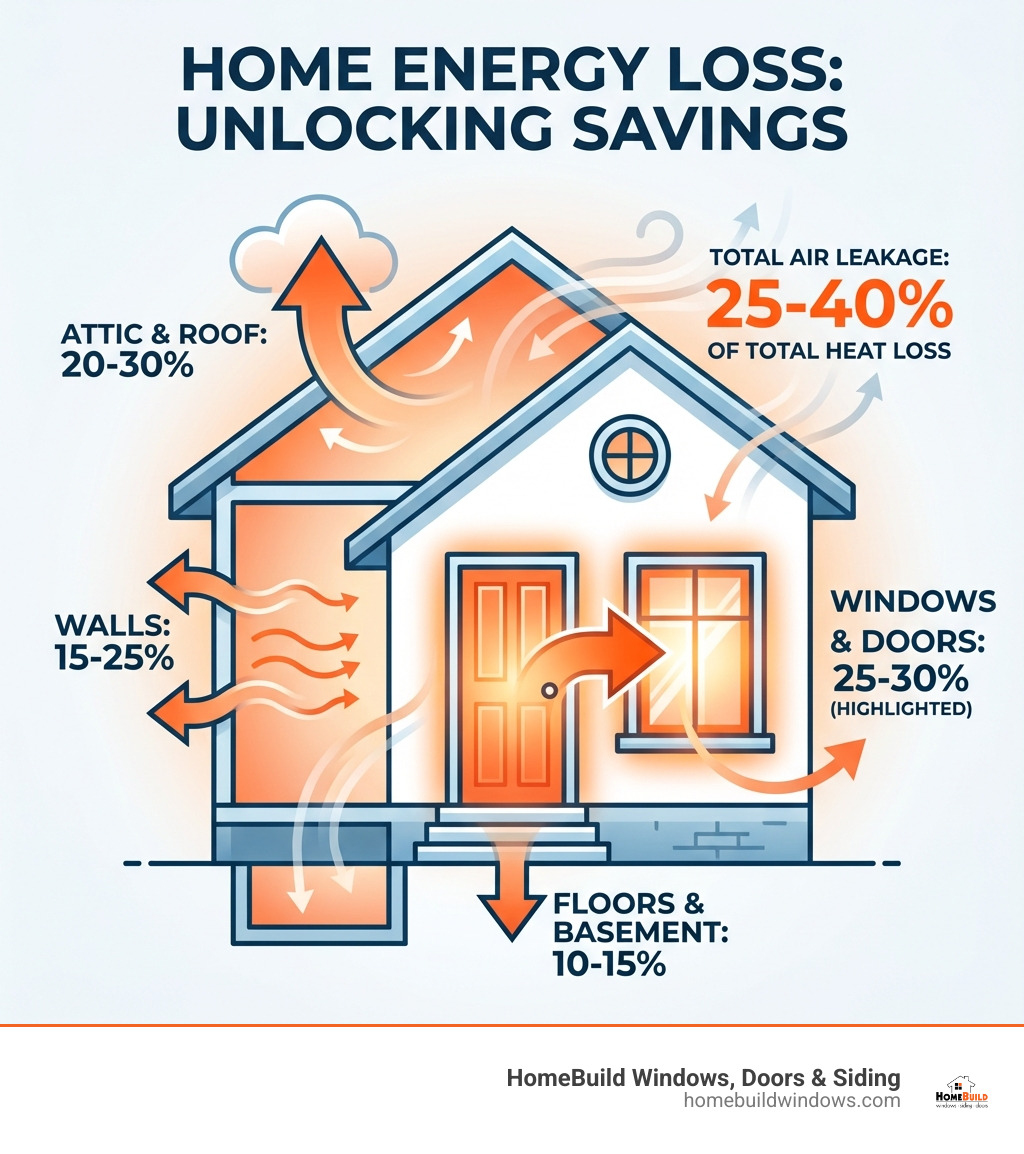
Your front door is more than just curb appeal and first impressions. It’s a significant energy loss culprit that directly impacts your heating and cooling costs. According to the U.S. Department of Energy, exterior doors can contribute significantly to air leakage and waste energy through conduction—especially if they’re old, uninsulated, or improperly installed. In fact, insulated steel and fiberglass doors can offer more than five times the insulating value of a solid wood door of the same size.
For Chicago-area homeowners, where temperatures can linger in the 20s during winter and soar in summer, an energy-efficient entry door isn’t a luxury—it’s a necessity. The right door can trim your heating and cooling costs while improving home comfort and reducing your carbon footprint.
I’m Steve Mlynek, and with over 20 years of experience in the window and door industry, I’ve helped countless Chicago homeowners select and install Energy efficient entry doors that deliver real savings and lasting comfort. At HomeBuild, we’ve seen how the right door—properly installed—can transform both a home’s energy bills and its overall comfort level.
What Makes an Entry Door Energy-Efficient?
Imagine your home as a cozy, warm blanket in the harsh Chicago winter, or a refreshing cool oasis during a sweltering summer. An energy-efficient entry door acts as a crucial seam in that blanket, preventing precious conditioned air from slipping away. So, what exactly gives these doors their superpowers? It comes down to smart design and advanced materials working in harmony.
At its core, an Energy efficient entry door is engineered to minimize heat transfer. This begins with the core materials. Many top-performing doors, particularly fiberglass and steel options, feature a dense polyurethane foam core. This foam is an exceptional insulator, far surpassing the insulating value of solid wood. For instance, the Embarq fiberglass entry door from ProVia boasts an impressive U-Factor of 0.09, demonstrating superior thermal performance. A thicker door, such as one that is 2.5 inches thick (43% thicker than typical fiberglass doors), can accommodate more of this insulating foam, further enhancing its efficiency.
Beyond the core, energy efficiency is heavily reliant on preventing air leakage. Think of it this way: even the best-insulated door will let energy escape if it’s not sealed tightly. This is where components like high-quality weatherstripping, robust door sweeps, and insulated thresholds come into play. These elements create a tight seal around the door frame, effectively closing the gaps where drafts love to sneak in. A dual perimeter seal and a custom-designed door sweep, for example, work together to form a superior thermal barrier. Some advanced steel doors even use magnetic weatherstripping, similar to your refrigerator door, for an exceptionally tight seal.
When we talk about making a home more energy-efficient, the entry door is a significant player. It’s one of the most impactful Energy Efficient Home Upgrades you can make, directly contributing to a more comfortable living environment and noticeable savings on your utility bills.

Key Features of Energy Efficient Entry Doors
To truly understand what makes a door energy-efficient, let’s look at its essential components:
- Insulated Core: As mentioned, a dense foam core, typically polyurethane, is paramount. This core provides the bulk of the door’s thermal resistance, preventing heat from passing through the door slab itself. Fiberglass doors, for instance, owe their high efficiency to this core.
- Multiple Glass Panes: For doors incorporating glass, multiple layers of glass (double or triple-pane) with insulating spaces between them are crucial. These spaces often contain inert gases like argon or krypton to further reduce heat transfer.
- Low-E Glass Coatings: Low-emissivity (Low-E) coatings are microscopic, transparent metallic layers applied to the glass. They reflect radiant heat, keeping your home warmer in winter by reflecting indoor heat back inside and cooler in summer by reflecting solar heat away.
- High-Performance Frame: The door frame itself plays a role. Materials like vinyl, thermally broken aluminum, or fiberglass are excellent choices as they don’t conduct heat as readily as some other materials.
- Complete Door Systems: The best energy-efficient doors are designed as complete systems. This means the door slab, frame, weatherstripping, and glass are all engineered to work seamlessly together, ensuring optimal performance and minimal air leakage.
The Importance of Glass and Glazing
For entry doors with glass, the glazing technology is just as vital as the door’s core. Glass can be a major source of heat loss or gain if not properly designed. Here’s how advanced glazing contributes to energy efficiency:
- Double-pane glass: Two panes of glass separated by a sealed air or gas-filled space.
- Triple-pane glass: Three panes of glass, offering even better insulation due to two sealed spaces. We often recommend triple-pane options for homeowners in our colder Chicago climate.
- Argon or Krypton gas fills: These inert gases are denser than air and are sealed between the glass panes. They slow down heat transfer by conduction and convection, improving the U-Factor.
- Low-E coatings: These microscopic coatings reflect infrared light, dramatically reducing heat transfer while allowing visible light to pass through. This means your home stays brighter without sacrificing thermal performance.
These advanced glazing technologies significantly impact the door’s U-Factor, which we’ll discuss next. For a deeper dive into the science behind keeping your home sealed and comfortable, explore our guide on Energy Efficient Glazing.
Decoding Performance: U-Factor, SHGC, and ENERGY STAR
Choosing an Energy efficient entry door can sometimes feel like deciphering a secret code. But with a little knowledge, you’ll be able to understand the labels and make informed choices that truly benefit your Chicago home. The key to comparing products objectively lies in understanding specific performance ratings and certifications. The National Fenestration Rating Council (NFRC) label is your go-to resource, providing clear, factual ratings for energy performance across different products. These ratings include U-factor, Solar Heat Gain Coefficient (SHGC), visible light transmittance (VT), air leakage (AL), and condensation resistance (CR). To learn more about how these ratings are determined, we encourage you to review Energy Performance Ratings for Windows, Doors, and Skylights.
What are U-Factor and SHGC?
These two metrics are fundamental to understanding a door’s energy efficiency:
- U-Factor: This measures the rate at which heat flows through a door. In simpler terms, it tells you how well a door insulates and keeps heat inside your home during winter or outside during summer. A lower U-Factor indicates better insulation and less heat loss. For opaque doors (those without glass), an ENERGY STAR qualified door typically needs a U-Factor of 0.17 or lower.
- SHGC (Solar Heat Gain Coefficient): This measures how much heat from the sun is transmitted through the glass portion of a door. A lower SHGC means less solar heat enters your home. In our Chicago climate, where we experience cold winters, a low U-Factor is generally more critical. However, for doors with large glass areas, SHGC still plays a role, especially on south-facing doors where passive solar heating can be beneficial in winter, but unwanted in summer. You can find these ratings clearly displayed on the NFRC label.
Why ENERGY STAR Certification Matters
When you see the familiar blue ENERGY STAR label on a product, it’s more than just a sticker; it’s a promise. ENERGY STAR is a government-backed program, administered by the EPA and U.S. Department of Energy, designed to help consumers identify products that meet strict energy efficiency guidelines.
- Independent Certification: Products earning the ENERGY STAR label are independently certified to meet rigorous standards for energy efficiency. This means the doors have been tested and verified by third parties, giving you peace of mind that their performance claims are credible.
- Guaranteed Performance: For us at HomeBuild, recommending ENERGY STAR certified doors means we’re offering products that are proven to help reduce energy consumption and protect the environment. This directly translates to lower heating and cooling costs for you.
- Ease of Choice: The certification simplifies your decision-making process. If a door is ENERGY STAR certified for your climate zone, you know it’s a strong contender for energy savings. It’s no wonder that a significant portion of door and glass options on the market qualify for this program.
For a comprehensive understanding of what this certification means for your home, take a moment to learn more: What Does ENERGY STAR Compliance Mean?.
The Best Materials for Energy Efficient Entry Doors
The choice of material for your entry door goes far beyond aesthetics; it profoundly impacts its energy efficiency, durability, and maintenance requirements. While many materials can be used, some stand out for their superior insulating properties and ability to withstand the demanding Chicago weather.
Here’s a comparison of the most common door materials:
| Material | Energy Efficiency (R-Value) | Durability | Maintenance | Cost |
|---|---|---|---|---|
| Fiberglass | High (R-5 to R-6+, 4x wood) | Excellent (resists dents, rust, rot, warp) | Low | Moderate-High |
| Steel | High (R-5 to R-6+) | Very Good (strong, secure, resists fire) | Low (can dent) | Low-Moderate |
| Wood | Low (R-1 to R-3) | Moderate (prone to rot, warp, twist) | High (paint/stain) | High |
Fiberglass Doors: The Top Performer
For many Chicago homeowners, fiberglass doors are the sweet spot of energy efficiency, durability, and aesthetic versatility. Their secret weapon is a dense polyurethane foam core, which provides exceptional insulation. In fact, fiberglass doors are often lauded for offering four times the insulating value of a typical wood door. This foam core is among the most energy-efficient door materials available today.
Beyond insulation, fiberglass doors are incredibly resilient. They won’t rot, warp, twist, or bow like wood, and they resist dents and rust better than steel. This makes them a low-maintenance option that stands up well to our diverse climate. Plus, modern fiberglass technology allows these doors to beautifully mimic the look and texture of real wood grains, offering the classic charm without the energy drawbacks or upkeep. If you’re exploring options for your home, our Entry Doors selection includes many high-performance fiberglass models.
Steel Doors: Security and Efficiency
Steel doors are another excellent choice for Energy efficient entry doors, especially if security and robust durability are high on your list. Like their fiberglass counterparts, steel doors typically feature a thick foam core for insulation, contributing to impressive R-values. This makes them highly effective at preventing heat transfer.
Their steel construction makes them inherently strong and durable, offering improved security for your home. Many steel doors also come with advanced sealing features, such as magnetic weatherstripping, which ensures an exceptionally tight seal against drafts. While highly durable, one consideration for steel is its susceptibility to denting, which can be a drawback compared to fiberglass. However, for a cost-effective and secure energy-efficient option, steel remains a popular choice. Learn more about the specific benefits and considerations in our guide on the Advantages and Disadvantages of Steel Replacement Doors.
Wood Doors: Classic but Less Efficient
There’s no denying the timeless beauty and classic appeal of a solid wood entry door. For homes with a specific architectural style where authenticity is paramount, wood can be a stunning choice. However, when it comes to energy efficiency, wood doors generally lag behind modern fiberglass and steel options.
Solid wood, by its nature, has a lower insulating value (R-value) compared to the foam cores found in fiberglass and steel doors. A 1-1/2 inch thick solid wood door, for instance, offers significantly less insulating value than an insulated steel or fiberglass door of the same size. Furthermore, wood requires more maintenance. It’s prone to warping, rotting, swelling, and twisting when exposed to the elements, especially in climates with fluctuating humidity and temperatures like Chicago. This can lead to air leaks and reduced energy performance over time if not regularly maintained with painting or staining. While beautiful, a wood door may not be the most practical choice for homeowners prioritizing maximum energy savings.
Choosing the Right Door for Your Home & Climate
Selecting the perfect Energy efficient entry door for your home is a balance of science and style. You want a door that performs exceptionally well in our Chicago climate, keeps your energy bills low, and perfectly complements your home’s unique aesthetic. It’s about personalization, understanding your home’s style, and addressing climate-specific needs while balancing aesthetics and performance.
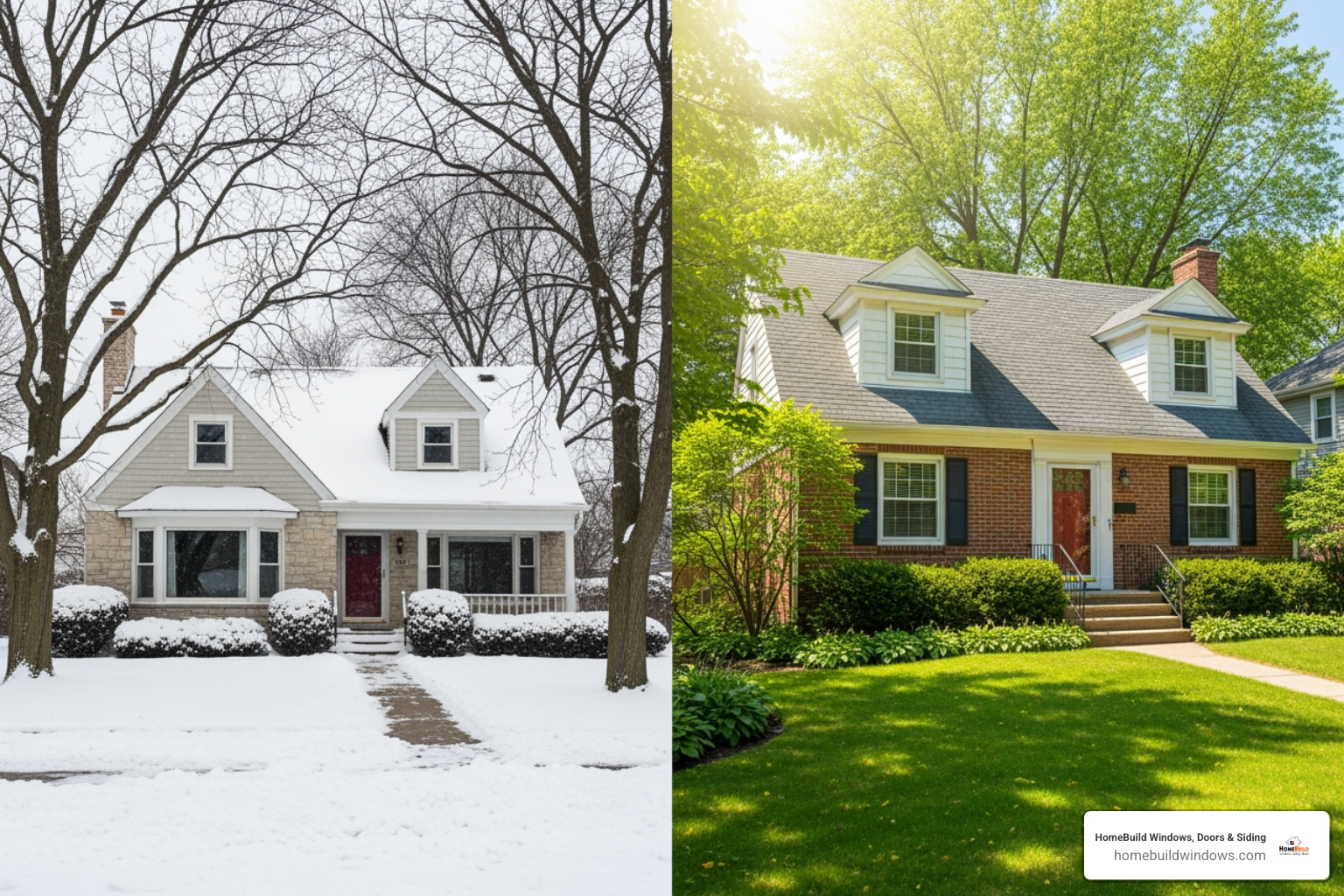
How to Choose the Right Energy Efficient Entry Doors for Your Climate
Our location in the Chicago area means we experience significant temperature swings, from cold winters to warm, humid summers. This makes a low U-Factor (for heat retention) a top priority for our entry doors, especially during the heating season. For doors with larger glass areas, the Solar Heat Gain Coefficient (SHGC) also becomes a factor.
- Northern Climates (like Chicago): In heating-dominated climates, the primary goal is to keep heat inside during the winter. Therefore, a low U-Factor is paramount. While a higher SHGC might allow for some passive solar heating in winter, for entry doors, a focus on minimizing overall heat loss through a low U-Factor is usually most beneficial.
- Southern Climates: In cooling-dominated climates, the focus shifts to preventing solar heat gain. Here, a low SHGC is crucial to keep unwanted heat out during the summer.
To ensure your door meets the specific energy performance criteria for our region, we always recommend checking the ENERGY STAR Climate Zone Finder. This tool helps you understand the specific U-Factor and SHGC requirements that apply to your exact location, guiding you toward the most efficient choice for your home. You can find your specific climate zone and its requirements using the ENERGY STAR Climate Zone Finder.
Matching Your Door to Your Home’s Style
An Energy efficient entry door doesn’t mean sacrificing style. Modern doors offer an incredible array of designs to match any architectural aesthetic, from historic Chicago bungalows to sleek contemporary homes.
- Curb Appeal: Your entry door is a focal point. It can improve your home’s curb appeal and make a lasting first impression.
- Architectural Styles: Whether your home is a Craftsman, modern, traditional, or something else, there’s an energy-efficient door to match. Fiberglass doors, for example, can be molded to mimic various wood grains and panel configurations, offering design flexibility.
- Glass and Panel Configurations: Consider the balance of solid panels and glass inserts. Decorative glass, privacy glass, and various grid patterns allow for customization that reflects your personal taste while maintaining energy efficiency. For inspiration on how design elements can transform your home, explore our options for Custom Window Designs.
The Crucial Role of Professional Installation
You’ve done your homework, selected the perfect Energy efficient entry door with all the right ratings and features for your Chicago home. Now, here’s the absolute truth: a great door is only as good as its installation. Even the most advanced, high-performance door can become an energy sieve if it’s poorly installed. We’ve seen it time and again – gaps, improper sealing, and misalignment can turn a potential energy saver into a source of drafts and wasted money.
Why Proper Installation is Non-Negotiable
Poor installation can compromise your door’s energy efficiency in several critical ways:
- Air Leakage: This is the most common culprit. Gaps around the door frame allow conditioned air to escape and unconditioned air to enter, undoing all the benefits of your insulated door. The combined total of hidden air leaks in a home can equal a hole the size of an open window!
- Moisture Damage: Improper flashing and sealing can allow water to penetrate around the frame, leading to rot, mold, and structural damage over time.
- Voided Warranties: Many manufacturers explicitly state that their warranties can be voided if the door is not installed according to their specifications. This means your investment might not be protected.
- Maximizing Energy Savings: To truly open up the savings an energy-efficient door promises, a perfect, airtight seal is essential. This requires precise measurements, proper framing, and expert application of insulation, flashing, and sealants. Expanding foam caulking, for instance, is crucial for sealing the new doorframe to the rough opening and threshold, preventing air infiltration.
For a detailed walkthrough of the process, our Exterior Door Installation 101 guide offers valuable insights.
Finding a Qualified Installer
Finding the right installer is just as important as choosing the right door. Here’s how to ensure you’re working with professionals who prioritize energy efficiency:
- Vetting Contractors: Don’t just pick the first name you find. Interview candidates, ask detailed questions about their installation process for energy-efficient doors, and inquire about their experience with specific door materials.
- Checking References: Always ask for references from previous clients and follow up on them. Hearing about others’ experiences can provide invaluable insight into a contractor’s professionalism and quality of work.
- Lead-Safe Practices for Older Homes: If your home was built before 1978, it likely contains lead-based paint. Disturbing this paint during installation can create hazardous lead dust. Ensure your chosen installer is certified in lead-safe work practices as required by EPA rules. We take this very seriously at HomeBuild to protect your family’s health. The Federal Trade Commission offers excellent consumer advice on hiring contractors and home improvement projects.
- Local Expertise: Look for installers with a strong local presence and reputation in the Chicago area. They’ll be familiar with local building codes and climate-specific best practices. If you’re wondering Who Installs Exterior Doors Near Me, we’re here to help.
Financial Incentives: Tax Credits and Rebates
Investing in an Energy efficient entry door is a smart move for your home’s comfort and your wallet. Beyond the long-term savings on heating and cooling bills, there are often financial incentives that can make your upgrade even more affordable, providing significant savings upfront and improving your long-term return on investment (ROI).
Federal Tax Credits for Your New Door
The U.S. government encourages homeowners to make energy-efficient improvements through tax credits. One of the most relevant for doors is the Energy Efficient Home Improvement Credit, often referred to as the 25C tax credit.
- Significant Savings: This credit allows you to claim 30% of the cost of eligible energy-efficient home improvements, including qualifying exterior doors. The maximum annual credit for doors is $500 ($250 per door), with an overall annual aggregate limit of $3,200 for efficiency tax credits. This credit is effective for products purchased and installed between January 1, 2023, and December 31, 2025.
- Eligibility Requirements: To qualify, your new exterior door must be ENERGY STAR certified for your specific climate zone. This means it needs to meet the U-Factor and SHGC requirements applicable to your Chicago-area home.
- Keeping Records: It’s crucial to keep all purchase and installation documentation, including the manufacturer’s certification statement, to claim the credit. You’ll claim these credits using IRS Form 5695 when you file your federal income tax return. Our team can help ensure you have the necessary documentation for your HomeBuild door.
Local Rebates and Other Savings
Beyond federal tax credits, you might find additional savings opportunities:
- Utility Company Programs: Many local utility companies in the Chicagoland area offer rebates or incentives for installing energy-efficient products. It’s always worth checking with your specific provider (e.g., ComEd, Peoples Gas) to see what programs are currently available.
- State Incentives: While Illinois may not have specific state-wide door rebates, it’s good practice to stay informed about any potential future programs.
- Potential Insurance Discounts: While less common for standard entry doors in our region, it’s worth noting that installing impact-rated windows and doors can, in some areas, reduce the windstorm coverage portion of a homeowner’s home insurance by up to 45%. While windstorms might not be our primary concern in Chicago, any potential discount is a welcome one.
Always explore all available options to maximize your savings when upgrading to an energy-efficient entry door.
Conclusion: Upgrade Your Door, Upgrade Your Home
Choosing an Energy efficient entry door for your Chicago home is one of the smartest investments you can make. It’s a decision that pays dividends in multiple ways:
- Lower Energy Bills: By minimizing heat transfer and air leakage, you’ll see a noticeable reduction in your heating and cooling costs, putting more money back in your pocket each month.
- Increased Comfort: Say goodbye to drafts and uneven temperatures. A high-performance door creates a more stable, comfortable indoor environment year-round.
- Improved Curb Appeal: With countless styles, materials, and finishes available, an energy-efficient door improves your home’s aesthetic, boosting its curb appeal and potentially its resale value.
- Environmental Impact: Reducing your energy consumption also means lowering your home’s carbon footprint, contributing to a healthier planet.
- Financial Incentives: Federal tax credits and potential local rebates further sweeten the deal, making the initial investment even more attractive.
At HomeBuild Windows, Doors & Siding, we’re dedicated to helping our Chicago-area neighbors make informed decisions that improve their homes and their lives. With our expert guidance, top-quality products, and professional installation, we ensure your new Energy efficient entry door delivers on every promise. Don’t let your front door be an energy drain any longer. It’s time to upgrade your door, and upgrade your home.
Ready to explore the possibilities for your home in Chicago, Arlington Heights, Barrington, or any of our other service areas? Schedule your professional door installation in Chicago today and let us help you open up significant savings and lasting comfort!