


Start Your Patio Door Renovation With the Right Upgrade
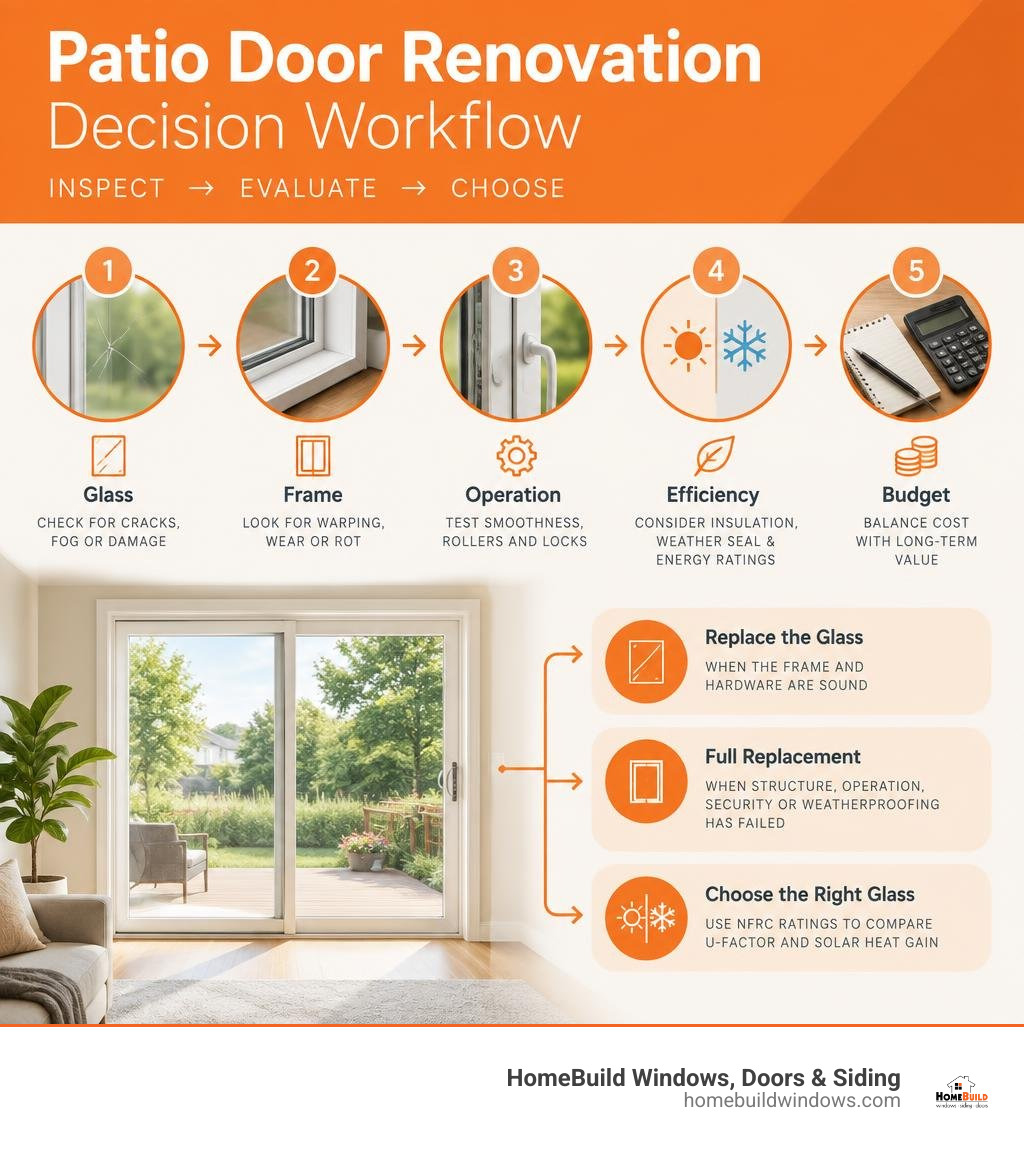
A smart patio door renovation starts with an inspection. If the frame, track, rollers, and locks still work well, replacing failed or cracked insulated glass may restore comfort while preserving the existing structure. If the door is hard to operate, leaks air or water, has a warped frame, or no longer locks securely, a full replacement is usually the better long-term choice.
For Chicago-area homes, prioritize a tight weather seal and energy-efficient glass. Double-pane Low-E glass with argon gas can help reduce drafts, outdoor noise, and heat loss during cold Midwest winters. Choose a sliding door when floor space is limited, or consider French doors for a classic look and a wider clear opening.
A successful upgrade comes down to three decisions:
- Keep the existing door and replace the glass when the frame and hardware are sound.
- Replace the complete unit when structure, operation, security, or weatherproofing has failed.
- Choose the glass package for your climate, using NFRC ratings to compare U-factor and solar heat gain.
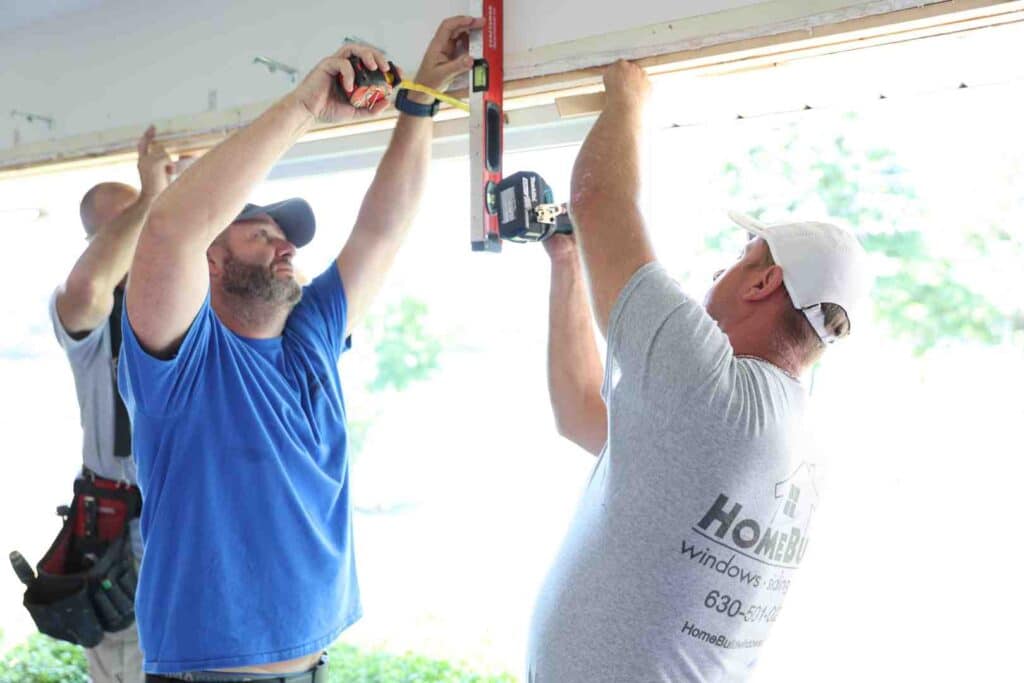
I am Steve Mlynek, founder of HomeBuild Windows, Doors & Siding, with more than 20 years of experience helping Chicagoland homeowners plan patio door renovation projects that balance performance, appearance, and lasting value. The next sections explain how to tell whether your door needs new glass or a full upgrade.
Patio door renovation vocab explained:
Assessing Your Entryway: Glass Replacement vs. Full Door Upgrades
When planning your entryway refresh, determining whether to tackle a glass-only fix or replace the entire system is the first critical step. Patio doors endure significant daily wear and tear alongside the demanding swings of local weather. Over time, heavy glass panels and shifting temperatures test the integrity of both the frame and the thermal seals.
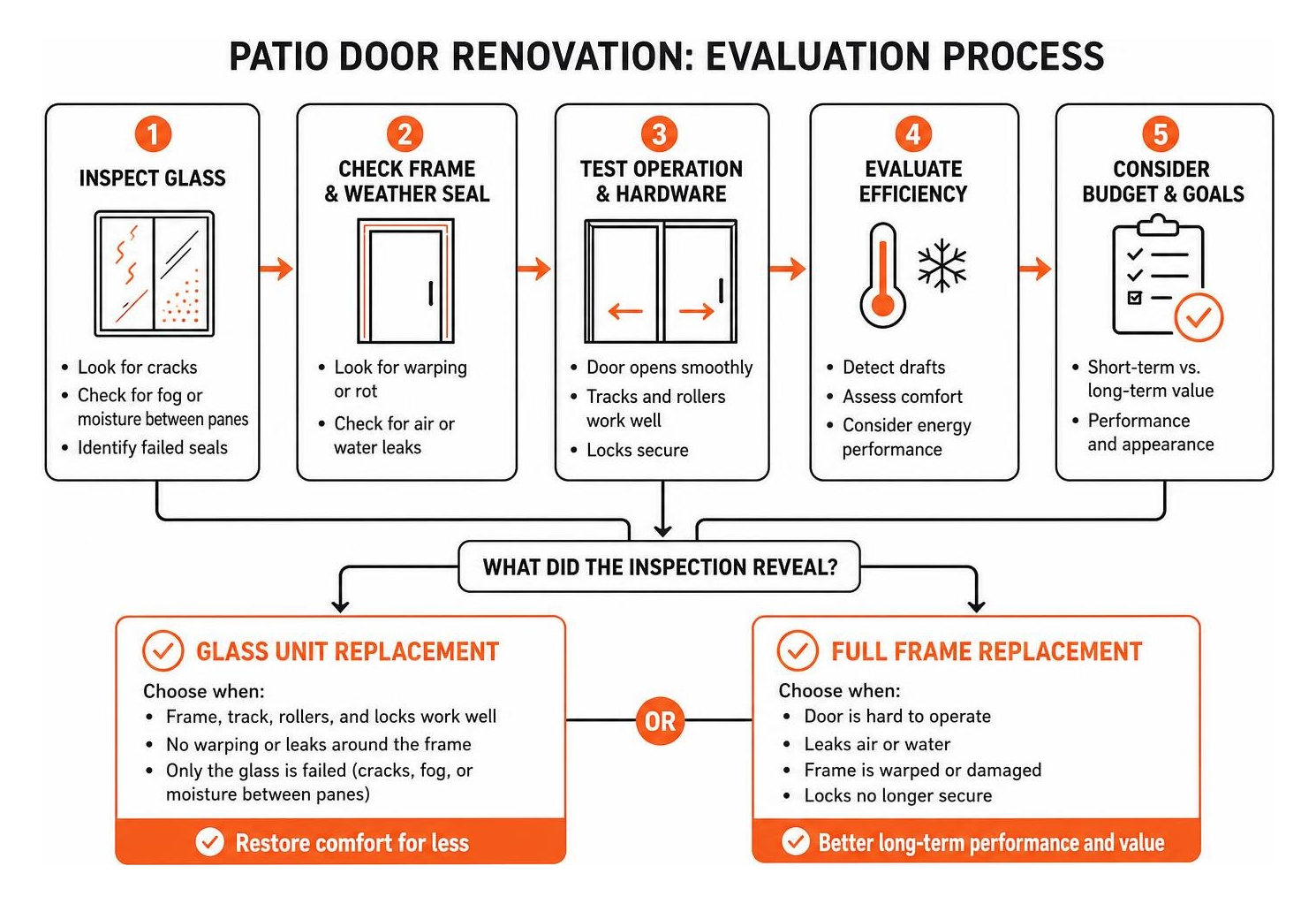
If the door’s framework remains square and operates smoothly, you can often leave the structural components intact. However, recurring condensation between the panes, stubborn air drafts, or visible alignment issues indicate deeper problems. Reviewing your patio door glass options can help you weigh whether targeted repairs or a comprehensive overhaul will provide lasting performance.
Identifying Signs for Glass-Only Patio Door Renovation
When the surrounding jambs, tracks, and hardware remain in prime condition, you can focus strictly on the insulated glass unit (IGU). Modern patio door panels use sealed double-pane or triple-pane units. A failed perimeter seal allows moisture-laden air to seep inside, resulting in permanent fogginess, haze, or mineral deposits between the lites.
Key indicators that your door is an ideal candidate for glass-only replacement include:
- Surface scratches, hairline cracks, or impact chips on an otherwise stable panel
- Condensation or fog trapped between double panes that cannot be wiped away from either side
- A structurally sound frame that opens, closes, and locks effortlessly without sticking or dragging
- Intact weatherstripping around the perimeter of the operating sash
In these situations, swapping out the sealed glass unit revitalizes natural light and thermal performance without disturbing your interior trim, drywall, or exterior siding.
Recognizing Frame Failure and Structural Damage
A new glass unit cannot fix a compromised framework. When structural components degrade, air and water easily bypass the system, leading to uncomfortable drafts and potential moisture damage inside your walls.
Look out for the following severe signs that call for a complete unit replacement:
- Warped, cracked, or out-of-square door jambs that prevent a tight closure
- Soft, spongy, or rotting wood sills caused by hidden water penetration
- Severely worn, corroded, or bent bottom tracks that cause rollers to grind and derail
- Failed locking points or misaligned latches that compromise home security
- Visible daylight around the edges of the closed door panel
When the perimeter framing fails, consulting a comprehensive guide to replacing patio doors ensures you choose a durable, fully integrated replacement unit that protects your home for decades.
Choosing Upgrades for Your Patio Door Renovation
Modern replacement systems offer substantial improvements in insulation, security, and operation compared to doors manufactured decades ago. High-performance vinyl frames provide exceptional thermal insulation and virtually maintenance-free durability against harsh winter weather. Fiberglass offers extreme structural strength and resists expansion during severe seasonal temperature swings, while wood frames with exterior cladding deliver unmatched warmth and architectural character.

When upgrading, ensure your selection includes heavy-duty stainless steel or nylon tandem rollers, corrosion-resistant tracks, and multi-point locking systems that secure the door at multiple points along the jamb for superior security and weather resistance.
Sliding vs. French Patio Door Configurations
Choosing the right door style shapes your room layout, usable floor space, and indoor-outdoor flow:
- Sliding Patio Doors: Ideal for rooms where space is at a premium. Because the panels slide horizontally along a track, they require zero swing clearance, making them perfect for kitchens, dining areas, and balconies. Modern sliding systems maximize daylight with expansive glass areas. For proper setup, explore professional sliding patio door installation methods to ensure effortless gliding.
- French (Hinged) Patio Doors: Offer timeless elegance and create a wide, open pathway between your living space and the outdoors. Whether swinging inward or outward, they provide a dramatic entryway. Proper patio French door installation ensures these substantial hinged doors seal tightly against wind-driven precipitation.
High-Efficiency Glass Packages and Energy Star Incentives
Glass accounts for up to 90% of a patio door’s surface area, making your choice of glass package vital for year-round energy efficiency. In climates with freezing winters and humid summers, modern insulated glass units utilize advanced Low-Emissivity (Low-E) coatings. These microscopic metallic layers reflect interior heating back inside during winter while deflecting harsh solar heat during summer months.
Filling the space between glass panes with non-toxic, dense argon gas significantly reduces convective heat transfer compared to ordinary air. Upgrading to ENERGY STAR-certified doors ensures strict compliance with regional U-factor and Solar Heat Gain Coefficient (SHGC) standards, keeping your living spaces comfortable through every season while minimizing utility strain.
Step-by-Step Process: How to Renovate or Replace Patio Doors
A dependable installation requires precision, level foundations, and layered weatherproofing to ensure lasting operation and draft-free living.
Essential tools and materials required for a complete door replacement include:
- 4-foot and 6-foot spirit levels
- Heavy-duty pry bar and reciprocating saw
- Cordless drill and driver bits
- High-grade, flexible flashing tape
- Rigid sill pan flashing with back dam
- Composite leveling shims
- Advanced, non-expanding window and door insulating foam
- High-performance exterior polyurethane sealant
Planning a DIY vs. Professional Patio Door Renovation
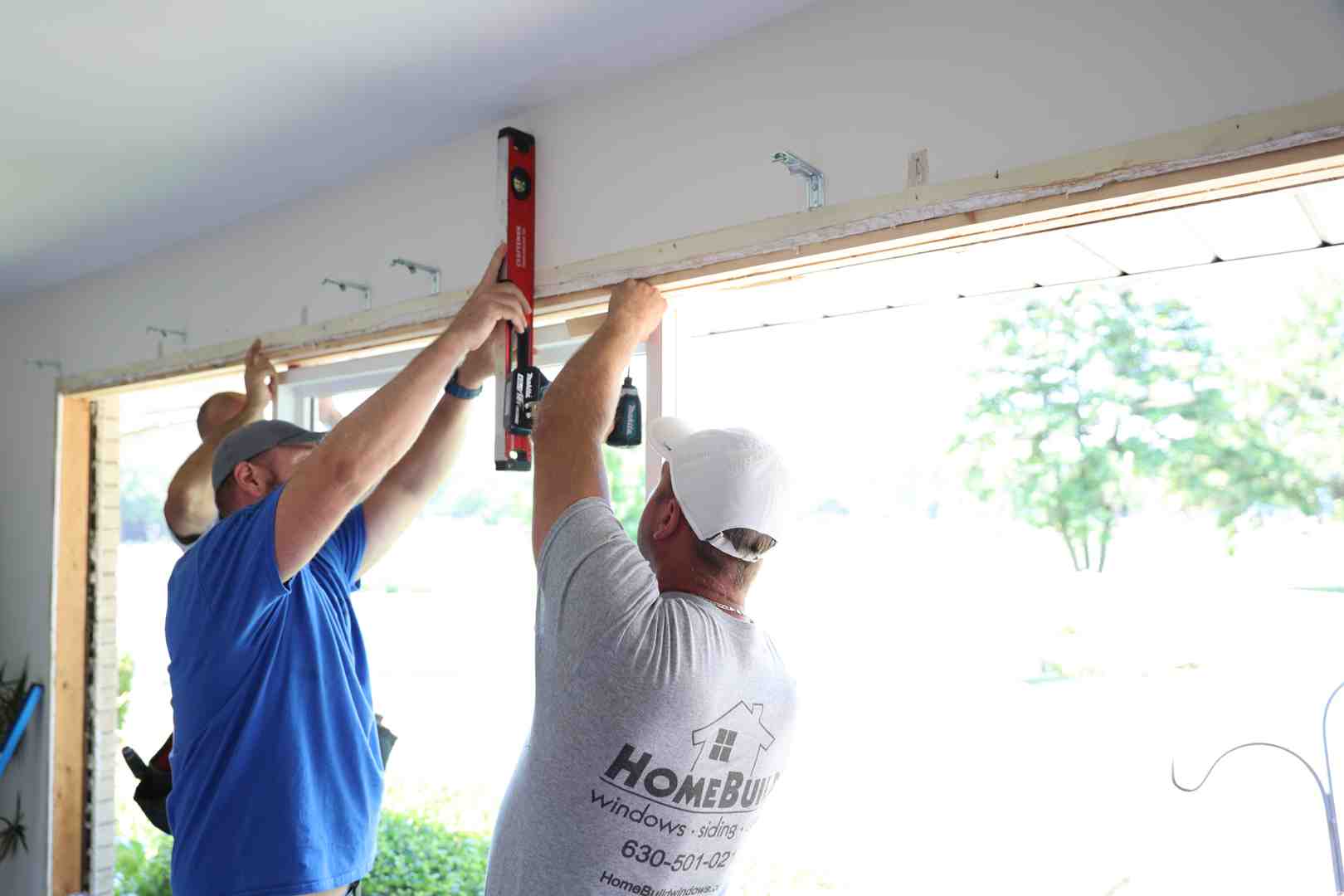
Replacing a patio door is a major undertaking. Because fully assembled panels often weigh well over 100 pounds, lifting and setting them requires multiple people to avoid injury or glass breakage. Homeowners attempting hands-on installations can review this step-by-step sliding door tutorial to understand the physical demands and tools required.
While basic hardware swaps—such as learning how to install a patio door handle—make manageable weekend projects, full frame tear-outs demand meticulous flashing integration to prevent water leaks behind your siding. Working with certified professionals guarantees that the unit is installed perfectly plumb, square, and weatherproofed.
Preparation, Tear-Out, and Weatherproofing Essentials
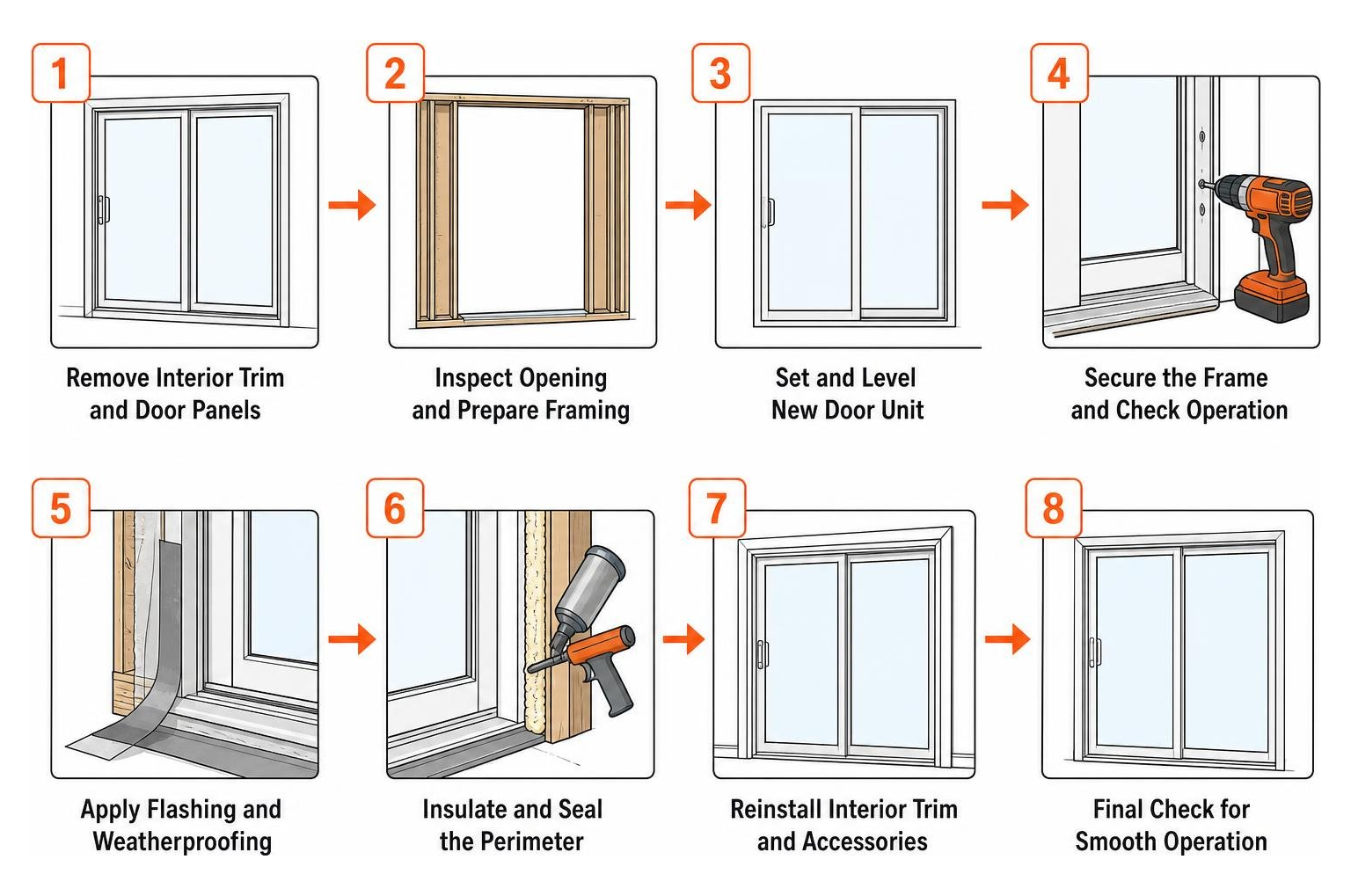
Executing a full frame replacement follows a meticulous structural sequence:
- Careful Removal: Carefully pry off interior casing and exterior trim. Unscrew and remove the movable door panels, cut through the existing fasteners holding the frame, and extract the old jamb assembly.
- Subfloor and Rough Opening Inspection: Check the exposed subfloor sill for rot or unevenness. Repair damaged framing and ensure the opening is level, plumb, and structurally sound.
- Sill Pan and Flashing Installation: Install a pre-formed or site-fabricated sill pan with an upward rear leg to catch and direct any stray water outdoors. Apply flexible flashing tape along the sill and up the rough jambs.
- Dry Fitting and Shimming: Place the new frame into the rough opening to verify clearances. Place composite shims underneath and behind hinge and latch points to achieve perfect squareness.
- Fastening and Sealing: Secure the frame through the pre-drilled jamb holes or structural installation flanges. Seal the interior perimeter gap with low-expansion foam to block air infiltration without bowing the frame.
- Adjustments and Finishing: Rehang the door panels, adjust the bottom roller screws for balanced movement and tight weatherstrip contact, and seal exterior joints with premium sealant.
Frequently Asked Questions About Patio Door Upgrades
Can I replace just the glass in a sliding patio door?
Yes. If the door frame, track, rollers, and locking mechanisms are in sound structural condition, you can replace only the insulated glass unit (IGU). A professional measures the precise height, width, and thickness of the existing glass package, orders a custom-fit factory-sealed unit, removes the retaining stops, and installs the new energy-efficient glass with fresh seals.
What are the main benefits of upgrading to an energy-efficient patio door?
Modern replacement doors feature dual-pane or triple-pane glass packages, Low-E coatings, argon gas fills, and advanced thermal breaks within the frames. These features dramatically reduce drafts, lower heating and cooling energy loss, minimize exterior noise, prevent interior condensation, and protect interior furnishings from UV fading.
How long does a professional patio door replacement take?
A standard residential patio door replacement typically takes between 4 and 8 hours to complete. This timeframe includes removing the old door system, inspecting and prepping the rough opening, installing the sill pan and new frame, weatherproofing, adjusting the panels for smooth operation, and reinstalling trim. Custom openings or structural subfloor repairs may require additional time.
Conclusion
Renovating your patio door is one of the most rewarding exterior home improvements you can make, instantly elevating everyday comfort, indoor climate control, natural light, and home security. Whether your home calls for a precise glass unit replacement or a high-performance sliding or French door upgrade, precision installation makes all the difference in enduring Midwest winters.
At HomeBuild Windows, Doors & Siding, we bring over 20 years of dedicated exterior remodeling experience to every project. As an Elite Platinum Pella® Certified Contractor, Andersen Certified Contractor, and recipient of the Angi Super Service Award with over 200 positive Google reviews, our licensed, owner-supervised team delivers meticulous craftsmanship across the Chicago area. We partner with industry-leading brands like Pella, Marvin, Alside, and Therma-Tru to ensure your home receives lasting weather protection and exceptional aesthetic appeal.
Ready to enhance your home’s entryway? Explore our comprehensive options for professional window and door replacement in Chicago or schedule your patio door replacement across the Northwest Suburbs by reaching out to our expert team for a consultation today.