
Key Factors That Determine Hardie Board Siding Projects
Planning an exterior renovation with fiber cement siding comes down to your home’s exterior square footage, architectural complexity, and installation standards. James Hardie siding combines Portland cement, sand, and cellulose fibers to create an ultra-durable exterior that resists moisture, pests, and severe weather.
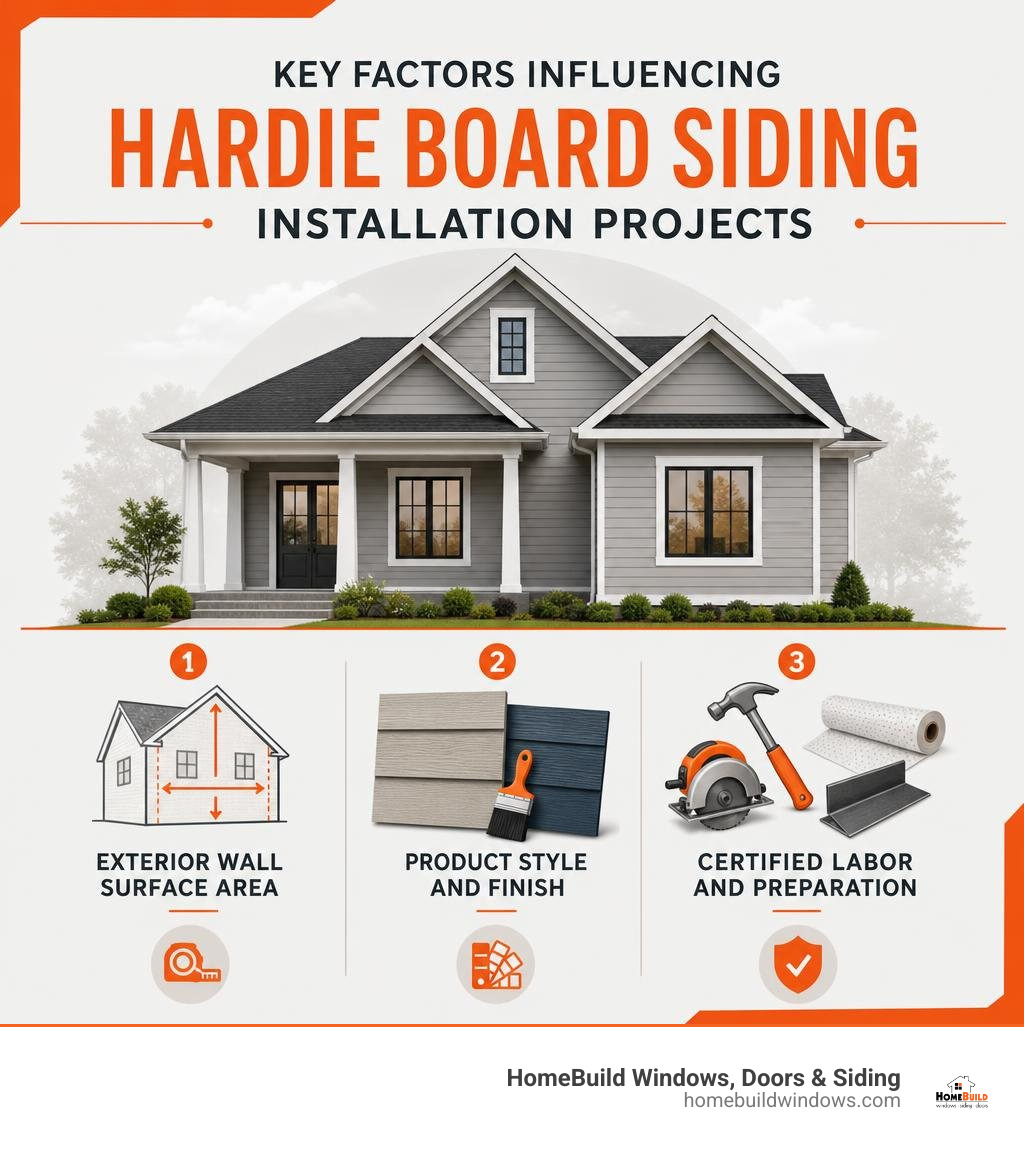
A standard installation project is shaped by three main elements:
- Exterior Wall Surface Area: Total wall square footage, story height, and features like dormers or gables determine overall material needs and staging requirements.
- Product Style and Finish: Choosing between primed boards or factory-applied ColorPlus® finishes changes the long-term maintenance needs and installation workflow.
- Certified Labor and Preparation: Proper installation requires specialized cutting tools, weather-resistive housewrap, precision flashing, and strict adherence to manufacturer specifications to protect warranty coverage.
For homeowners researching the cost to side a house with Hardie board, these same project details help explain why professional measurement, preparation, and installation standards matter before any exterior work begins.
I am Steve Mlynek, founder and CEO of HomeBuild, with over 20 years of hands-on experience guiding homeowners through exterior remodeling and managing high-performance installations across the Chicago area. Backed by elite manufacturer certifications and hundreds of five-star reviews, my focus is helping you understand every detail of your siding project before work begins.
Helpful exterior guides:
Factors Influencing Hardie Board Siding Installation
When planning an exterior renovation, several critical elements dictate how a siding project comes together. At HomeBuild Windows, Doors & Siding, we are a trusted, locally owned contractor with over 20 years of experience working closely with homeowners to deliver reliable exterior remodeling solutions. We understand that no two houses are identical, especially in the Chicago area and surrounding northwest suburbs like Arlington Heights, Glenview, Schaumburg, and Park Ridge.
Key variables that impact the overall installation scope include:
- Architectural Layout: The presence of turrets, bay windows, intricate gables, and dormers requires custom cuts, specialized flashing, and careful alignment.
- Story Count and Accessibility: Multi-story homes require extensive staging, scaffolding, and safety rigging to maneuver heavy fiber cement planks safely.
- Substrate Health: The condition of the underlying wall sheathing dictates whether repairs or structural adjustments are necessary prior to hanging new boards.
- Local Permitting: Municipal codes across Chicagoland ensure structural, wind-load, and fire-safety standards are rigorously met.
For a deeper look into project planning, review our comprehensive fiber cement siding guide for added context.
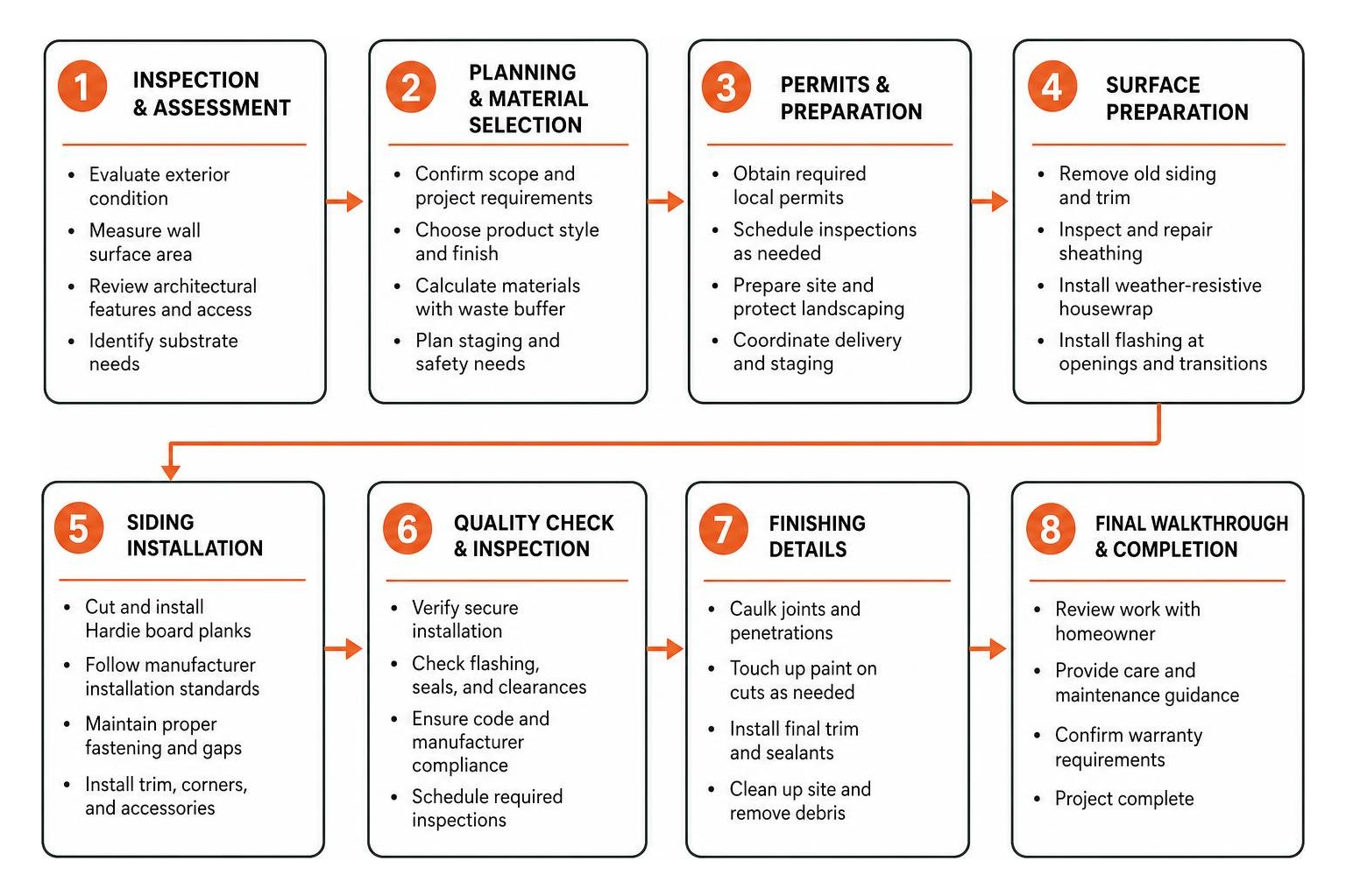
Evaluating Hardie Board Siding by Home Size and Geometry
Total wall surface area forms the baseline for any exterior project. Measuring gross square footage requires calculating wall lengths and heights while accounting for doors, windows, and trim transitions. Because fiber cement planks must be cut cleanly to fit angles and corners, a standard 10% material buffer is planned to ensure seamless coverage.
Multi-story structures introduce additional planning considerations. Maneuvering dense composite materials up ladders or staging platforms demands extra crew coordination and specialized safety equipment. Architectural details like steep gables and overhangs also require custom-cut transition flashings and specialized trim accessories to keep moisture out during severe Midwest storms.
Comparing Hardie Board Siding Across Finish and Style Options
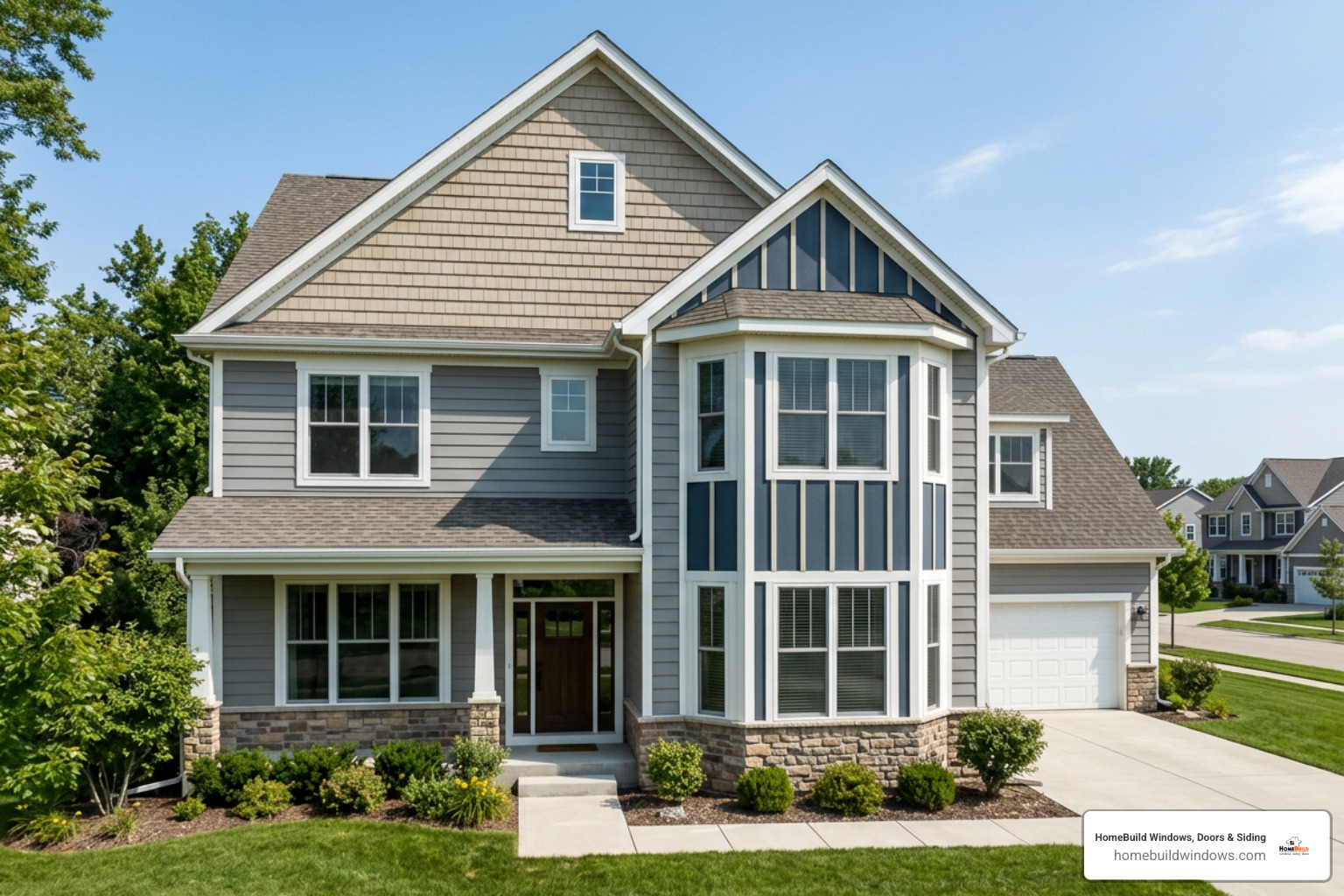
James Hardie provides an array of architectural styles, textures, and protective finishes designed to elevate curb appeal:
- HardiePlank® Lap Siding: The most popular profile, offering traditional horizontal lines in smooth or Cedarmill woodgrain finishes.
- HardieShingle® Siding: Replicates the timeless, handcrafted charm of cedar shingles without the vulnerability to rotting or warping.
- HardiePanel® Vertical Siding: Delivers a crisp, modern aesthetic and pairs naturally with batten strips for a clean board-and-batten appearance.
- Artisan® Luxury Profiles: Thicker, heavy-bodied boards with deep shadow lines for distinctive architectural impact.
Homeowners can select between factory-applied ColorPlus® Technology or primed boards for field painting. Factory-finished ColorPlus boards feature multiple coats of proprietary finish baked onto the composite substrate, delivering exceptional resistance to UV fading, chipping, and cracking throughout harsh freeze-thaw cycles.
Material Comparisons: Fiber Cement Versus Vinyl and Wood Siding
Choosing the right exterior cladding involves balancing durability, long-term maintenance, and resistance to seasonal weather extremes. Below is an overview of how fiber cement compares to other popular siding materials:
| Material Attribute | James Hardie Fiber Cement | Premium Vinyl Siding | Traditional Natural Wood |
|---|---|---|---|
| Material Composition | Portland cement, sand, cellulose fibers | Extruded PVC resin | Cedar, pine, or redwood |
| Fire Resistance | Class A Non-Combustible (ASTM E84) | Melts/burns under direct flame | Combustible |
| Pest & Rot Resistance | Impervious to termites and woodpeckers | Impervious to insects | Vulnerable to rot and insects |
| Expected Lifespan | 30 to 50 Years | 20 to 40 Years | 15 to 30 Years (with heavy upkeep) |
| Maintenance Frequency | Low (Occasional gentle wash) | Low to Moderate | High (Repaint/restain every 3–5 years) |
Fiber Cement vs Vinyl Siding Performance and Longevity
While standard vinyl siding installation is a widely used exterior solution, fiber cement offers noticeable structural differences. Vinyl can expand, contract, warp, or crack during dramatic Midwest temperature swings. In contrast, fiber cement maintains dimensional stability through bitter winter freezes and humid summer heat waves.
Furthermore, fiber cement holds a non-combustible Class A fire rating under ASTM E84 testing, meaning it will not ignite or feed a flame, providing enhanced peace of mind for residential neighborhoods.
Engineered Fiber Cement vs Traditional Natural Wood
Natural wood siding, such as cedar clapboard, offers classic visual appeal but requires significant long-term maintenance. Natural wood is naturally susceptible to rot, fungal decay, moisture absorption, and insect intrusion. It requires regular scraping, sealing, and staining every few years to prevent deterioration.
James Hardie fiber cement delivers authentic woodgrain textures while resisting rot, swelling, and wood-boring pests, keeping your home’s exterior looking fresh for decades without continuous upkeep.
Professional Installation, Structural Preparation, and Labor Breakdown
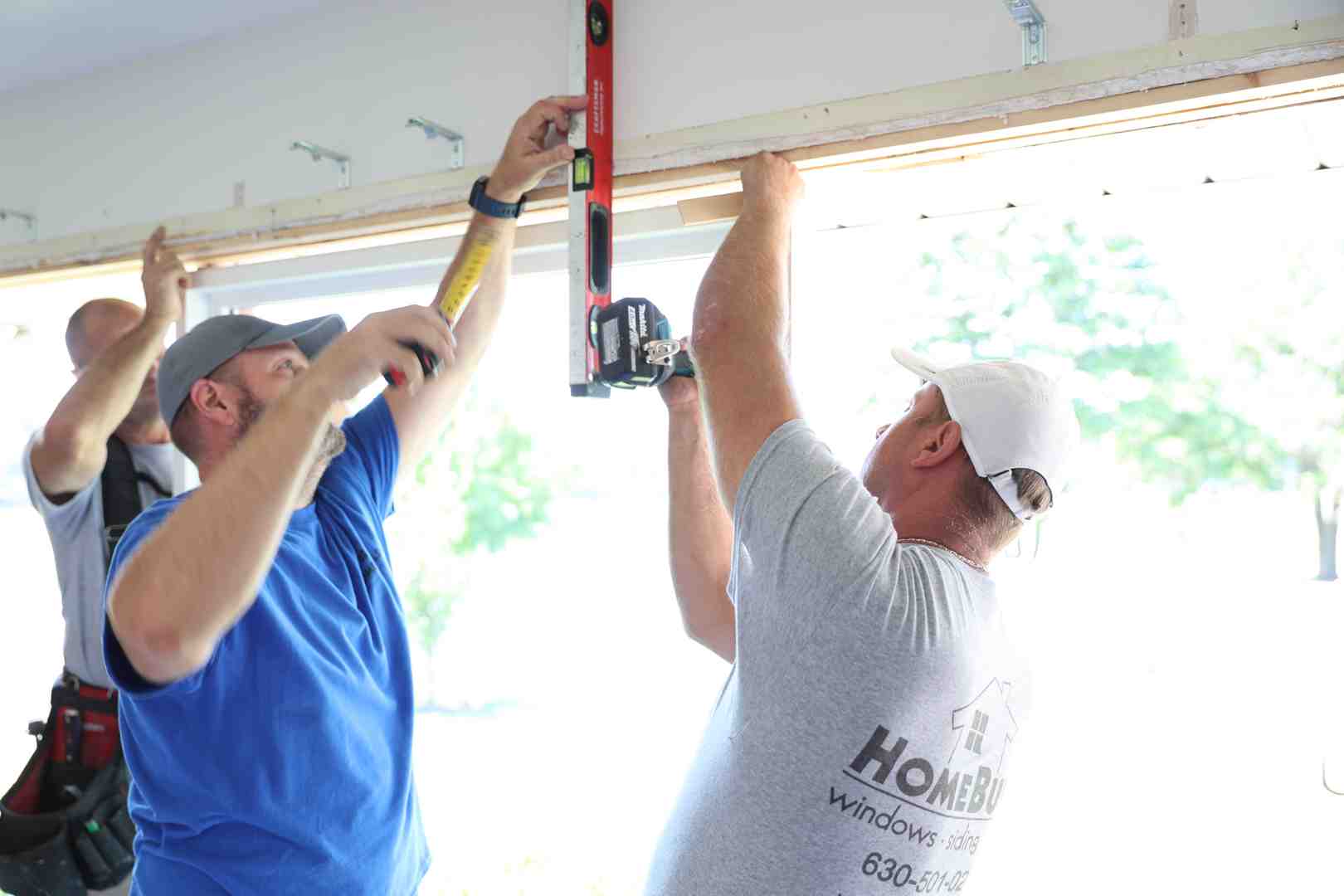
A successful exterior transformation depends on skilled workmanship and thorough structural preparation. When performing a complete siding replacement, the installation crew follows a rigorous sequence to ensure weather protection and long-lasting performance.
Fiber cement is substantially heavier than alternative claddings, weighing approximately 2.5 pounds per square foot. This density requires specialized handling, precision fastening, and careful wall preparation before the first plank is attached.
Substrate Inspection and Tear-Off Requirements
Proper preparation starts with the complete removal of existing siding. Stripping old layers down to the bare wall sheathing allows installers to:
- Inspect exterior framing for hidden moisture damage or structural rot.
- Replace damaged wood sheathing to establish a solid structural base.
- Install advanced weather-resistive housewrap to block liquid water while letting interior vapor escape.
- Apply self-adhering flashing tape around windows, doors, and corner transitions to prevent air and water leaks.
Specialized Tooling, Safety, and Manufacturer Standards
Installing fiber cement requires specialized equipment and safety practices. Crews utilize polycrystalline diamond-tipped saw blades and shears connected to HEPA dust collection vacuums to meet OSHA safety standards for respirable crystalline silica.
Contractors must also adhere to strict manufacturer guidelines, including blind nailing within specified tolerances, maintaining 6-inch clearances from grade level, and integrating joint flashing behind every plank butt joint. To understand these critical technical steps, explore how to install home siding and our guide on choosing a reliable siding contractor in Chicago.
Long-Term Maintenance, Lifespan, and Property Value Return
James Hardie fiber cement siding is engineered for multi-decade durability, backed by a 30-year non-prorated substrate warranty. In regions like Chicagoland, HardieZone® HZ5 products are specifically formulated to resist damage from freezing temperatures, heavy snow accumulation, and rapid seasonal thawing.
Upkeep Guidelines and ColorPlus Technology Durability
Maintaining fiber cement siding is straightforward:
- Annual Cleaning: Rinse surfaces using a garden hose and a soft, non-abrasive brush to remove surface dirt.
- Perimeter Checks: Inspect caulked transitions around window frames and door casings every few years, touching up high-grade exterior sealants as needed.
- Landscaping Clearances: Keep shrubs and tree branches trimmed back 6 to 12 inches to promote proper airflow along exterior walls.
With baked-on ColorPlus finishes, homeowners enjoy consistent color retention and superior UV protection, eliminating the frequent repainting cycles associated with conventional exterior wood siding.
Resale Value and Energy Efficiency Gains
Updating an aging exterior delivers substantial returns in curb appeal, energy efficiency, and home equity. Modernizing exterior walls with rigid insulation and high-performance weather barriers eliminates drafts, stabilizes indoor temperatures, and enhances thermal performance year-round. This visual and structural upgrade creates a strong first impression that stands out in the residential real estate market.
Frequently Asked Questions About Fiber Cement Siding
What Are the Potential Drawbacks of Choosing Fiber Cement Siding?
The primary considerations are material weight and specialized installation requirements. Because panels are heavy and rigid, installation demands experienced professional crews equipped with diamond-tipped cutting tools, dust extraction equipment, and multi-worker handling. Regular inspections of caulked perimeter seams are also recommended over the life of the home.
How Long Does Fiber Cement Siding Last Compared to Alternative Materials?
James Hardie siding is designed to last 30 to 50 years with basic maintenance. This easily outperforms traditional vinyl and unmaintained natural wood, which often require extensive repairs, board replacements, or full re-siding decades sooner.
Is Professional Siding Installation Necessary for Warranty Compliance?
Yes. James Hardie enforces strict installation specifications covering fastener depth, joint flashing, ground clearances, and framing attachments. Working with a certified, factory-trained contractor ensures that every step aligns with manufacturer requirements, keeping the 30-year product warranty fully intact.
Conclusion
Upgrading your home’s exterior cladding is one of the most rewarding investments you can make to enhance curb appeal, boost thermal performance, and protect your property from Midwest weather. At HomeBuild Windows, Doors & Siding, our team brings decades of field experience, meticulous craftsmanship, and dedicated customer care to every exterior project.
We are proud to be an Elite Platinum Pella® Certified Contractor, an Andersen Certified Contractor, and recipients of the Angi Super Service Award and Nextdoor Neighborhood Faves, supported by over 200 positive Google reviews. As a fully licensed and insured contractor serving Chicago and the surrounding northwest suburbs, we work closely with top manufacturers including James Hardie, Marvin, Alside, Therma-Tru, and Simpson to deliver outstanding results.
Contact our team today to schedule a free consultation and explore expert siding installation in Chicago tailored to your home.