


Understanding Bay vs. Bow Windows
When planning a bay window replacement, the first decision is choosing the right architectural style to match your home’s character and layout. While often grouped together, bay and bow windows offer distinct structural designs, projection profiles, and interior space opportunities.
Understanding these differences is key to improving your home with beautiful bay windows that truly fit your lifestyle.
| Feature | Bay Windows | Bow Windows |
|---|---|---|
| Number of Panels | 3 panels (typically) | 4 to 6 panels |
| Angle & Shape | Sharp, angular projection (25°, 30°, or 45°) | Gentle, sweeping curved profile |
| Projection Depth | Extends further outward (14 to 24 inches) | Shallower, more gradual projection |
| Ventilation | Usually features a fixed center with operable sides | Multiple panels can be configured to open |
| Best For | Creating deep sills, reading nooks, or plant shelves | Maximizing wide, panoramic views |
Key Differences in Structure and Appearance
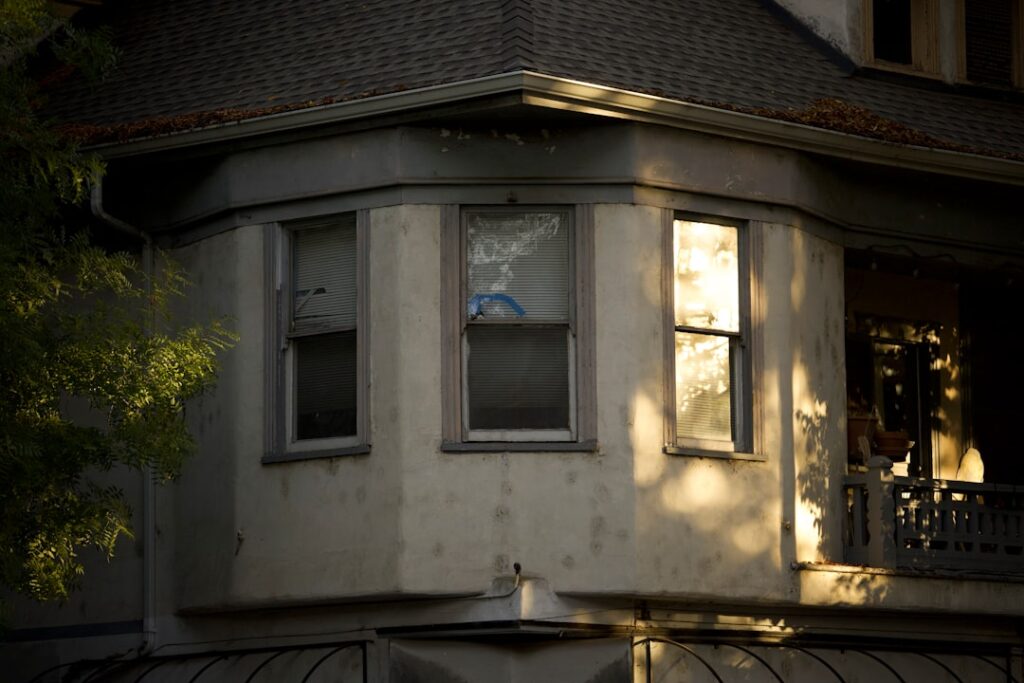
A classic bay window is made of three distinct glass panels. The center pane is typically a large, fixed picture window that sits parallel to your exterior wall, while two smaller flanker windows angle back toward the house. These side windows are usually set at 25, 30, or 45 degrees, creating a sharp, geometric alcove.
For homeowners looking for a clean, modern look, a box bay window utilizes a 90-degree angle to create a rectangular projection.
In contrast, bow windows use four, five, or six panels of equal size. Instead of sharp angles, they are arranged in a continuous, gentle curve that projects more subtly from your siding. Because bow windows consist of more individual lites, they require a larger overall footprint and more complex framing to achieve their signature curved appearance.
Choosing the Right Style for Your Midwest Home
In Chicago and the surrounding northwest suburbs, our homes have to withstand everything from blistering summer humidity to sub-zero winter wind loads off Lake Michigan. When selecting between a bay and a bow window, consider how the design will interact with your home’s exterior architecture and our local climate:
- Curb Appeal & Architecture: Angular bay windows are a natural fit for classic Chicago bungalows, Victorian homes, and Craftsman-style properties. A curved bow window, on the other hand, beautifully complements traditional colonial homes and Tudor-style estates.
- Wind and Weather Resistance: Because bay windows project further from the home (typically 14 to 24 inches), they are more exposed to wind and snow accumulation. Proper roof flashing and insulated seat boards are critical to preventing drafts. Bow windows have a shallower projection, which offers slightly less surface area to catch harsh winter winds.
- Interior Functionality: If you want to build a cozy window seat with custom cushions or a deep shelf for your favorite houseplants, a three-lite bay window is the ideal choice. The deep, flat ledge provides plenty of usable space. If your goal is simply to flood a dining room with natural light and enjoy a wide, unobstructed view of your yard, a bow window is unmatched.
Standard Configurations and Sizes for Bay Window Replacement
Before we begin ordering materials, we must carefully measure your existing wall opening. Bay windows are highly customizable, but they are generally built around standard size bands to ensure structural integrity and seamless installation.
Understanding these configurations will help you navigate our ultimate bay windows replacement guide and choose the right fit for your home.
3-Lite, 4-Lite, and 5-Lite Options
The number of “lites” or glass panels determines both the shape and width of your window assembly. For more details on how these dimensions translate to your home’s layout, you can consult the Bay Window Sizes and Prices: 2026 Buyer’s Reference.
- 3-Lite Bay Windows: This is the most common configuration. It features a large center picture window flanked by two operable double-hung or casement windows. Standard widths for 3-lite configurations generally range from 3’6″ to 7′ wide.
- 4-Lite Bay Windows: A step up in size, 4-lite configurations are often designed as box bays or gentle curves, spanning widths from 7′ to 10′ wide.
- 5-Lite Bay Windows: These expansive systems are perfect for grand living rooms or master suites, typically running from 9′ to 14′ wide. They offer an incredible amount of glass area and usually combine multiple fixed and operable panels.
Structural Considerations for Large Openings
Because a bay window literally hangs outside the main footprint of your home, it cannot rely solely on standard wall framing for support. It is a heavy, cantilevered structure that requires careful engineering. During a professional bay window replacement, our factory-certified installation teams pay close attention to several key structural elements:
- Header Replacement: The structural horizontal beam above the window (the header) must be strong enough to bear the weight of the ceiling and roof above the wide opening. If we are enlarging an existing opening, we will install a new, heavy-duty header.
- Support Systems: Depending on how far your window projects, it will need either bottom support brackets (corbels) anchored into your home’s foundation or an overhead cable support system. Cable systems are secured to the house framing above the window and run down through the window frame, allowing us to adjust and level the unit perfectly.
- Roof Skirts: Unless your bay window sits directly beneath a deep roof overhang, it will require its own custom roof skirt. This small roof must be properly shingled or capped with copper, and integrated with high-quality flashing to prevent rain and melting snow from seeping behind your siding.
Retrofit vs. Full-Frame Bay Window Replacement
When it comes to installing your new windows, we have two primary methods: retrofit (insert) installation or full-frame replacement. Choosing the right path depends entirely on the condition of your existing window frame and the structural health of your wall.
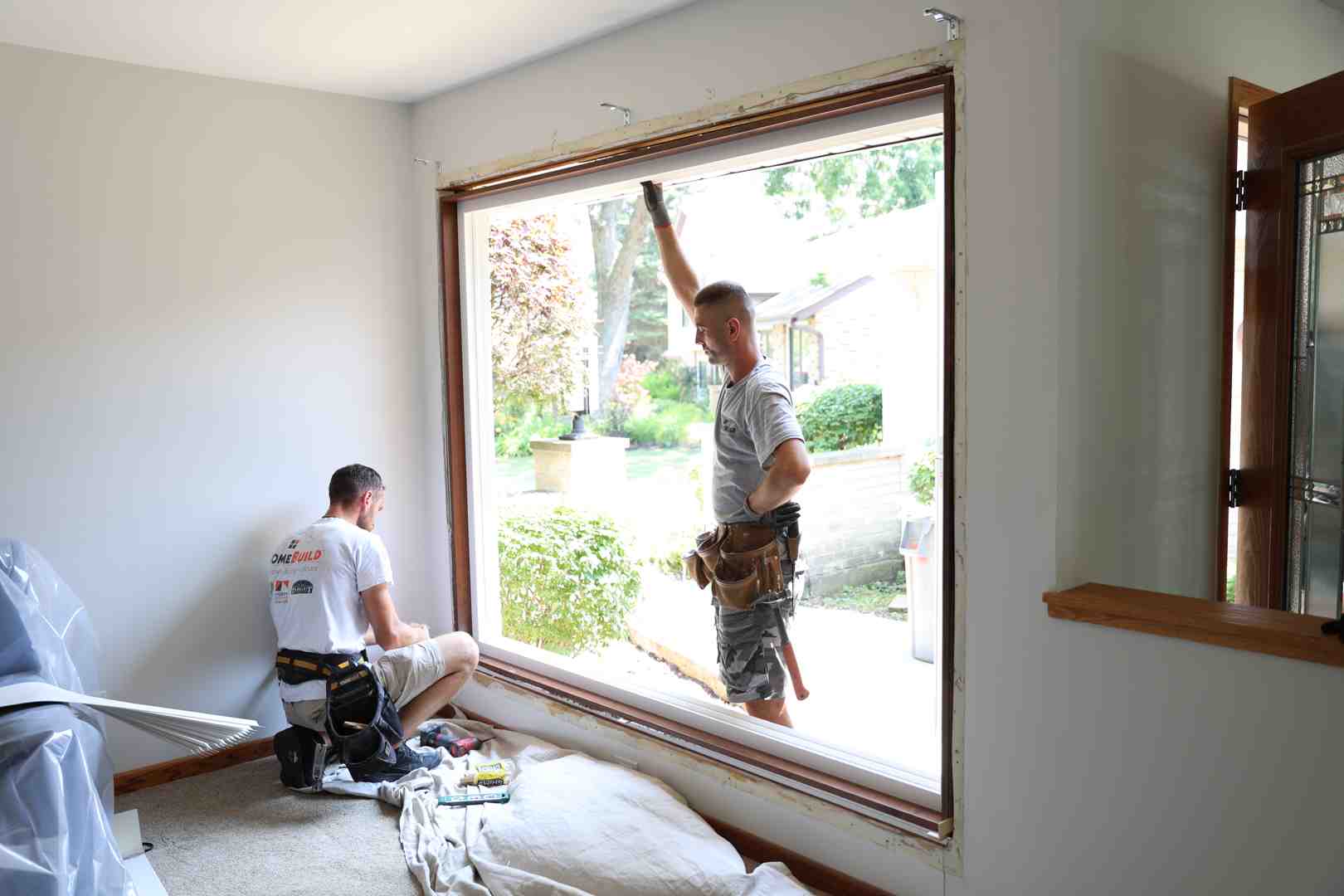
While general guides like this Retrofit Windows Explained: Right Call for Bay Area Homes outline the basic differences, Chicago’s extreme freeze-thaw cycles make the choice even more critical for local homeowners.
When to Choose Retrofit (Insert) Installation
A retrofit installation involves placing a new window unit directly inside your existing window frame. The original exterior trim, interior casing, and structural frame remain completely intact; only the old sashes, tracks, and glass are removed.
We only recommend a retrofit installation if your existing wood or vinyl frame is 100% structurally sound, perfectly square, and completely free of water damage.
The main drawback of a retrofit is that it slightly reduces your overall glass area. Because the new window frame must nest inside the old one, you will lose about 1 to 2 inches of visible glass around the perimeter. However, because retrofit installations require less labor and don’t disturb your interior plaster or drywall, they are a fast option when your existing frames are in pristine shape.
Why Full-Frame is Best for a Bay Window Replacement
For the vast majority of bay window replacement projects in Chicagoland, a full-frame replacement is the superior and highly recommended choice. In a full-frame installation, we strip the entire window system down to the rough wood opening. We remove the old window, the frame, the interior trim, the exterior brickmould, and the sill.
Here is why full-frame is almost always the right call for a projecting window:
- Uncovering Hidden Rot: Projecting windows are highly susceptible to moisture infiltration if the original flashing failed. A full-frame tear-out allows us to inspect the underlying wood studs for rot, mold, or insect damage, and repair any structural issues before installing the new window.
- Maximizing Insulation: Once the old frame is gone, we can pack the empty wall cavities around the window with high-performance insulation, sealing air leaks that a retrofit would simply cover up.
- Squaring the Opening: Older Chicago homes naturally settle over time. A full-frame replacement allows us to re-level and square the rough opening, ensuring your new window operates smoothly without sticking or binding.
- Preserving Glass Area: By installing the new window frame directly into the rough opening, you get to enjoy the maximum possible glass area and unobstructed outdoor views.
Material Selection and Energy Efficiency Features
The materials you choose for your replacement window will dictate its durability, maintenance requirements, and how well it keeps your home comfortable during our freezing winters and humid summers.
Comparing Vinyl, Fiberglass, and Wood Frames
We work closely with industry-leading manufacturers like Pella and Marvin to offer high-performance materials tailored to our local climate:
- Virgin Vinyl: Unlike cheap recycled vinyl, high-quality virgin vinyl frames are structurally superior, highly resistant to warping, and completely maintenance-free. They feature multi-chambered frames that trap air to create an excellent thermal barrier.
- Fiberglass: For ultimate strength and longevity, fiberglass is unmatched. It does not expand or contract during Chicago’s extreme temperature swings, meaning the seals around your glass remain tight and leak-free for decades. Brands like Marvin offer gorgeous fiberglass options that mimic the clean lines of wood without the upkeep.
- Wood and Wood-Clad: If you live in a historic Chicago home and want to preserve its architectural authenticity, solid wood or wood-clad windows from Pella are the gold standard. They offer the unmatched warmth of real wood interiors, protected by a durable, weather-resistant aluminum or fiberglass exterior cladding that never needs painting.
Energy Efficiency Features for Your Bay Window Replacement
A large bay window has a lot of surface area exposed to the elements. To prevent your living room from feeling like an icebox in January, look for these advanced energy efficiency features:
- Low-E Glass Coatings: Modern Low-E (low-emissivity) glass is treated with microscopic metal oxide layers that reflect heat. In the winter, it bounces your home’s furnace heat back inside. In the summer, it reflects outdoor heat away. Additionally, high-quality Low-E glass reflects up to 95% of harmful UV rays, protecting your hardwood floors, carpets, and furniture from sun-induced fading.
- Argon Gas Fills: The space between our double- or triple-pane glass units is filled with odorless, non-toxic Argon gas. Argon is much denser than regular air, significantly reducing the transfer of heat and cold through the glass.
- Multi-Chambered Frames & Fusion-Welded Corners: Our vinyl frames feature fusion-welded corners and internal chambers that block drafts, water infiltration, and outdoor street noise, ensuring your home remains a quiet, comfortable sanctuary.
What to Expect During Installation and Project Scope
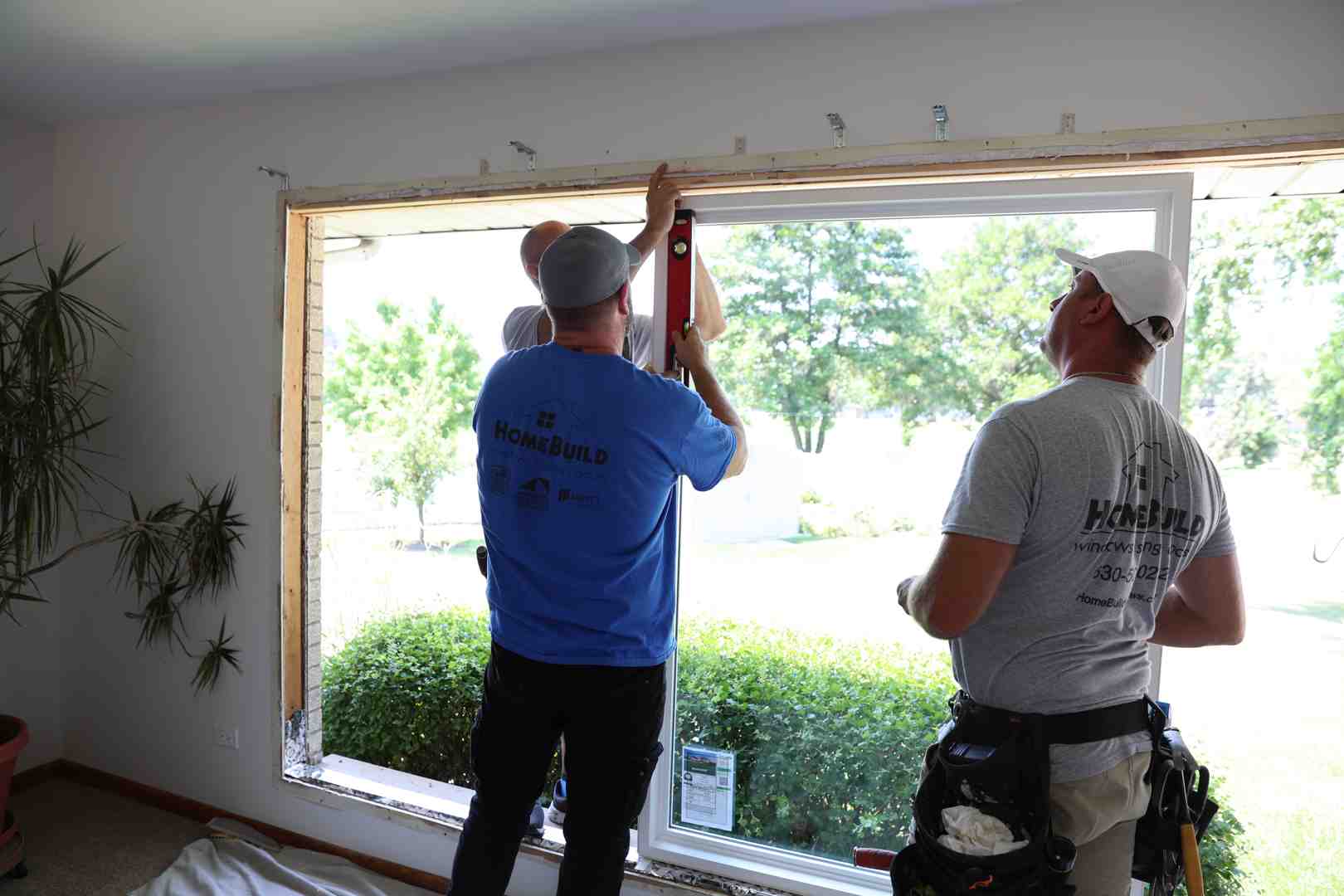
A successful window replacement relies just as much on the skill of the installers as it does on the quality of the window itself. At HomeBuild, our projects are owner-supervised to ensure the highest standards of workmanship and accountability from start to finish.
Typical Installation Timeline and Process
While replacing a standard flat window might only take an hour, a bay window replacement is a complex structural project. Here is what our typical process looks like:
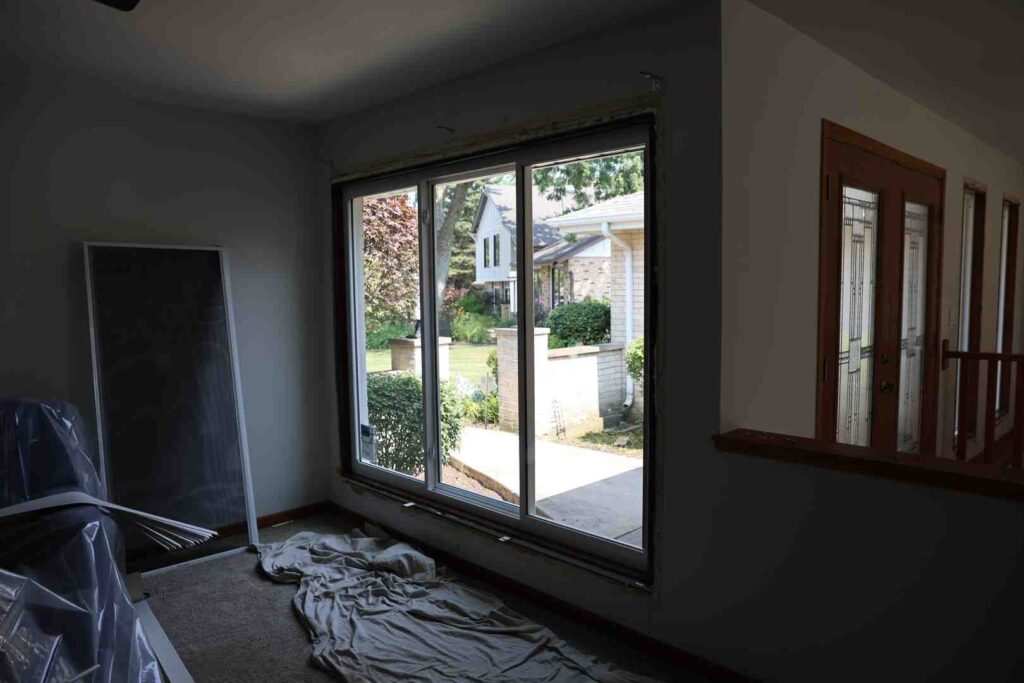
- Site Preparation: We protect your interior floors, walls, and furniture with drop cloths and plastic sheeting. On the exterior, we set up safe scaffolding or ladders.
- Careful Demolition: We gently remove the old window sashes, frame, and trim, taking care not to damage your home’s exterior siding or interior drywall.
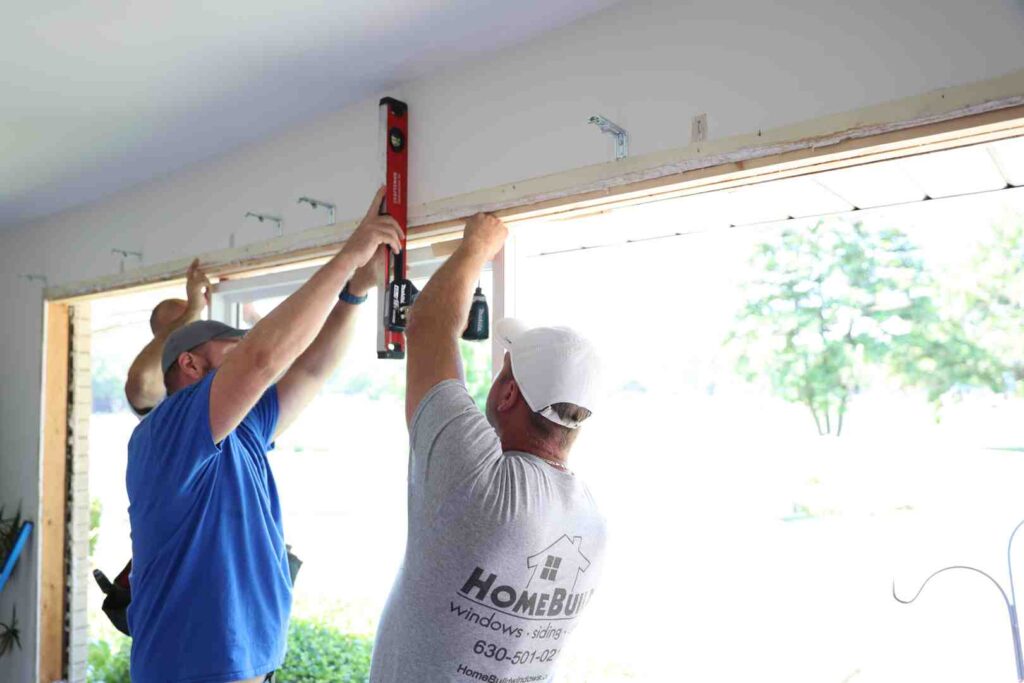
- Structural Reinforcement: We inspect the rough opening, repair any hidden water damage, reinforce the header if necessary, and install our structural support cables or brackets.
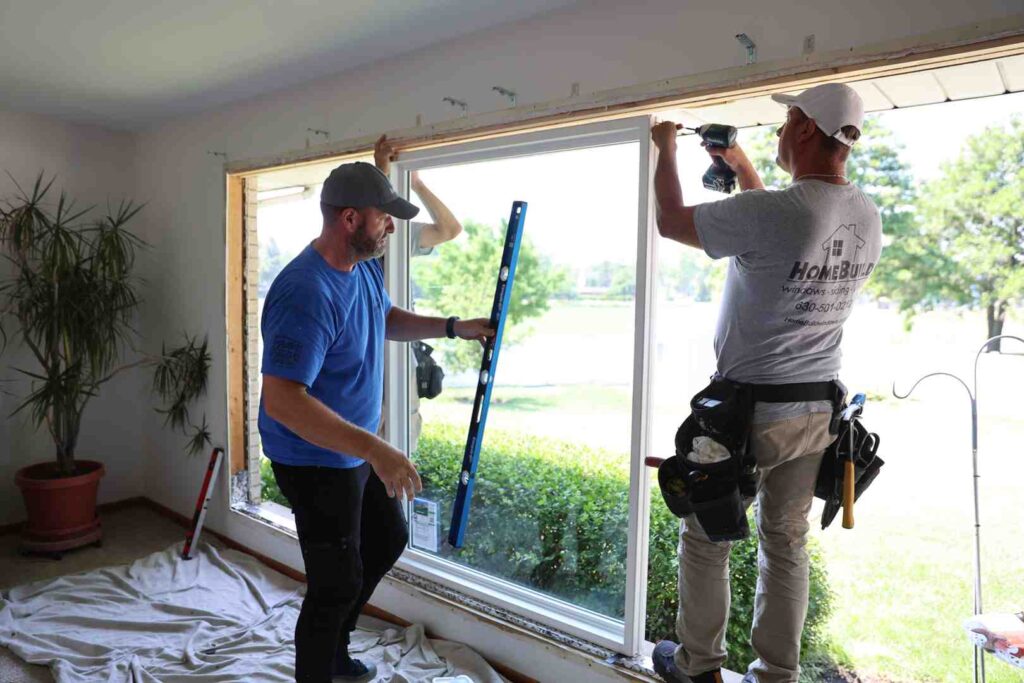
- Window Integration & Sealing: We hoist the new pre-assembled bay window into place, level it perfectly, and secure it to your home’s framing. We then apply expanding foam insulation around the perimeter and install advanced flashing systems to guarantee a watertight seal.
- Exterior and Interior Finishing: We install the custom roof skirt, exterior trim, and interior casing to match your home’s style.
- Thorough Cleanup: We clean the new glass, vacuum the work area, and haul away all old materials and debris.
For a standard, like-for-like bay window replacement, our experienced teams can typically complete the entire installation and cleanup within a single 6-to-8 hour shift. More complex projects involving structural wall modifications or custom roof construction may extend into a second day.
Common Exclusions in Window Replacement Quotes
To avoid unexpected surprises, it is important to know what is typically not included in a standard window replacement quote. Unless explicitly written into your contract, the following tasks are usually considered separate project scopes:
- Interior Painting or Staining: While we install beautiful new interior wood trim and casings, painting, staining, or varnishing them to match your existing walls is generally left to the homeowner or a professional painter.
- Drywall and Plaster Repair: If your old window had extensive water damage that rotted the surrounding interior drywall, repairing and painting that drywall is typically handled after the window installation is complete.
- Window Treatments: Re-hanging old blinds or installing custom-sized draperies inside the new, deeper bay opening is not part of a standard installation.
- HVAC Modifications: If your bay window seat covers an active heating vent, redirecting that ductwork requires a licensed HVAC technician.
Frequently Asked Questions about Bay Windows
Do bay and bow windows add value to a home?
Yes! Bay and bow windows are highly sought-after features for home buyers. They dramatically improve your home’s curb appeal, flood dark interior rooms with natural light, and create functional extra square footage. By replacing an old, drafty window with an elegant, energy-efficient bay window, you are making both a comfort upgrade and a valuable investment in your property’s long-term resale appeal.
Can bay windows be customized with different colors and grids?
Absolutely. We offer a wide range of customization options to match your home’s design. You can choose from classic white, elegant dark bronze, or modern black vinyl exterior colors. For the interior, we offer clean vinyl colors, custom painted finishes, and beautiful laminate woodgrains (like Warm Maple and Natural Oak) that deliver the rich look of real wood without the maintenance.
You can also customize your glass with decorative grid patterns, including Colonial, Prairie, or Queen Anne styles.
What warranty options are available for replacement windows?
We believe in standing behind our work. Our replacement windows come with comprehensive, transferable limited lifetime warranties from our manufacturing partners, which cover the frame materials, hardware, and glass seals against cracking, fogging, or peeling. Additionally, HomeBuild backs every installation with our own robust workmanship warranty, giving you complete peace of mind that your investment is protected for years to come.
Conclusion
Replacing a worn-out, drafty window with a beautiful, custom-built bay window is one of the best ways to elevate your home’s comfort, energy efficiency, and architectural style. But because these projecting windows require specialized structural support, precise leveling, and advanced weatherproofing, you need a contractor you can trust to get the job done right.
At HomeBuild Windows, Doors & Siding, we bring over 20 years of local exterior remodeling experience to every home in Chicago and the northwest suburbs. As an Elite Platinum Pella® Certified Contractor, an Andersen Certified Contractor, and a proud recipient of the Angi Super Service Award and Nextdoor Neighborhood Faves, we are committed to delivering top-quality products and owner-supervised installations that stand the test of time. With over 200 positive Google reviews, our reputation for professionalism and attention to detail speaks for itself.
Ready to transform your living space and enjoy a brighter, warmer home? Schedule a free consultation for your window replacement project with our expert team today!