
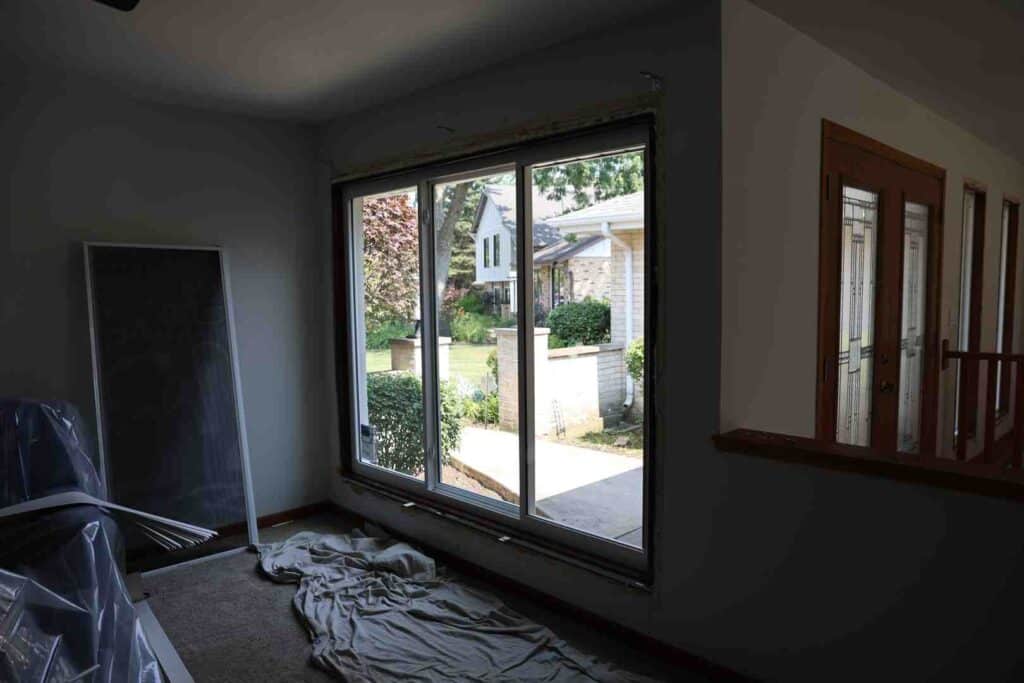
Guide to Replacing a Sliding Glass Door in 2026
If you’re planning a sliding glass door replacement, understanding the options available is the first step toward a successful home upgrade. The right door will enhance your home’s beauty, improve security, and significantly boost energy efficiency.
A drafty, sticking, or foggy sliding glass door is more than an annoyance. In Chicago’s harsh winters, it can quietly drain your energy budget month after month – older doors allow precious heat to escape, forcing your heating and cooling systems to work overtime. When planning your replacement, the options you choose – from frame materials to glass packages – will dictate the overall performance and longevity of your new entryway.
This guide breaks down exactly what to look for when selecting a new sliding glass door so you can make an informed decision for your home. For additional background on modern energy-saving glass technology, homeowners can also review the U.S. Department of Energy’s overview of energy-efficient windows, doors, and skylights.
I’m Steve Mlynek, CEO and founder of HomeBuild Windows, Doors & Siding. With over 20 years of experience helping Chicago-area homeowners select and install high-quality sliding glass doors, I’ve seen every scenario. Let’s walk through what you actually need to know before making this decision.
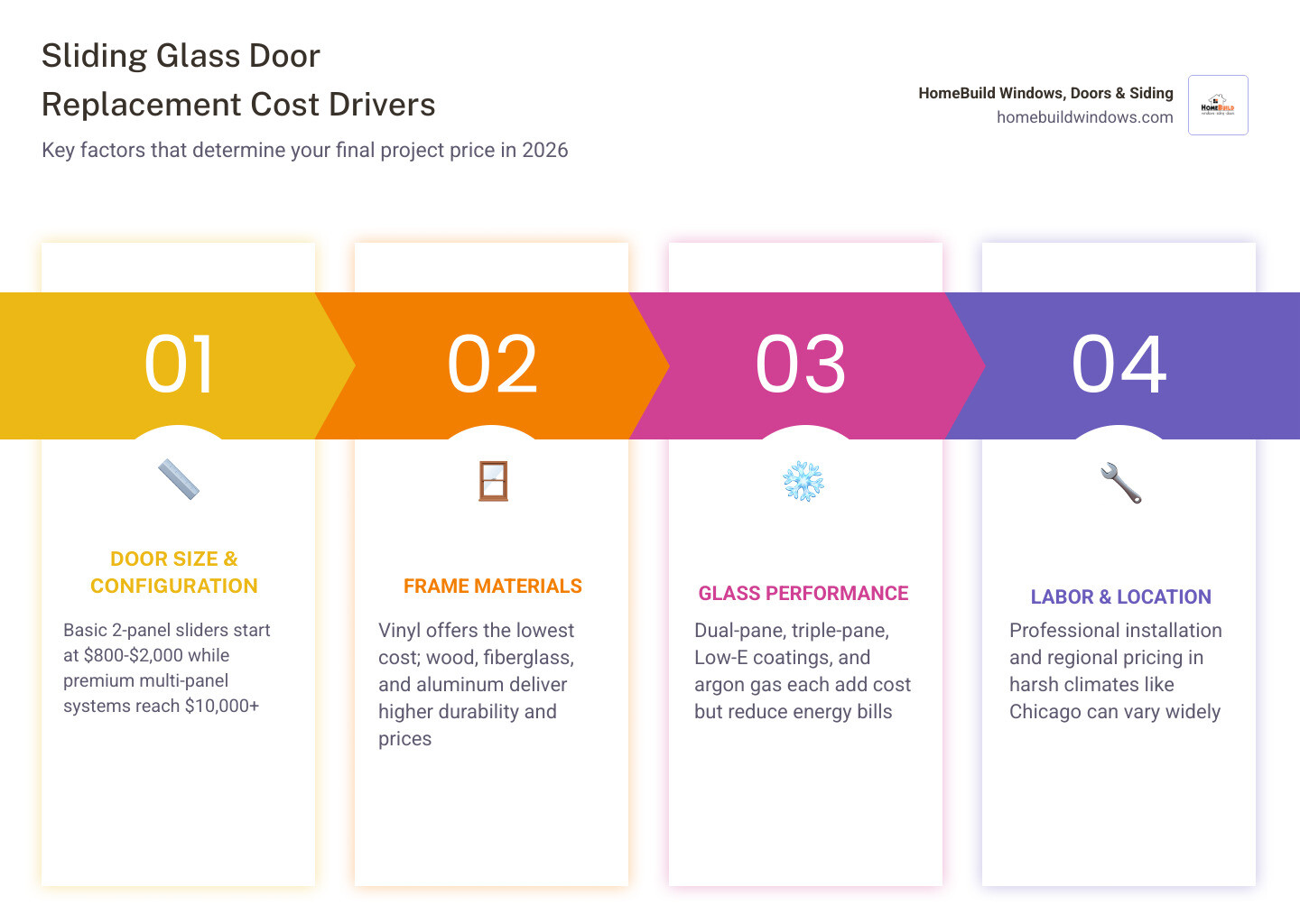
Quick look at sliding glass door replacement resources:
Key Factors in Sliding Patio Door Replacement
When planning a Sliding Patio Door Installation, it is crucial to recognize that a patio door is one of the largest structural openings in your home. It functions simultaneously as a giant window, a high-traffic entryway, and a major component of your home’s thermal envelope. Because it plays so many roles, several physical and structural factors dictate the scope of the project.
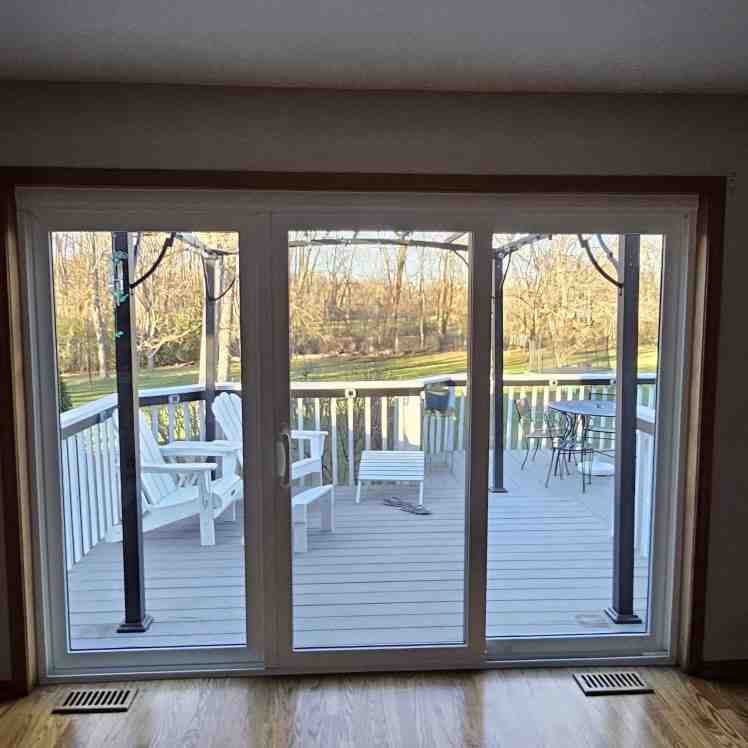
First and foremost is the physical size and panel configuration of the door. Standard openings typically use a two-panel configuration, which is highly efficient and fits standard rough openings. However, if you are looking to expand your view, three-panel or even four-panel multi-slide configurations are popular choices that can transform a room by maximizing natural light and creating a seamless transition to your outdoor space.
Beyond the physical dimensions, the choice of frame materials and glass performance ratings will directly influence the door’s long-term durability, structural integrity, and ability to withstand the extreme seasonal temperature swings of the Chicago area.
Frame Material Options and Durability
The frame material serves as the backbone of your sliding door. It affects how smoothly the door operates over the years, how much maintenance it will require, and how well it insulates your home.
- Vinyl Frames: Vinyl is the most popular residential choice for good reason. Modern vinyl frames feature fusion-welded corners and internal multi-chambered designs that trap air to provide excellent thermal insulation. They are highly resistant to moisture, meaning they will not rot, peel, or warp when exposed to heavy snow or spring rain. Vinyl requires virtually zero maintenance beyond occasional cleaning.
- Fiberglass Frames: If you are seeking ultimate durability, fiberglass is an exceptional option. Fiberglass frames expand and contract at virtually the same rate as the glass itself. This unique physical property minimizes stress on the perimeter seals, ensuring the door remains airtight and structurally sound for decades. Brands like Marvin utilize high-quality fiberglass that can be painted and offers incredible resistance to extreme temperatures.
- Wood Frames: For unmatched natural beauty and architectural elegance, wood frames remain a premium standard. Wood offers excellent natural insulating properties. However, because wood is a organic material, it requires regular painting or staining to protect it from moisture damage and warping. Many homeowners choose wood clad doors—such as those offered by Pella and Andersen—which feature a warm wood interior paired with a durable aluminum or vinyl exterior cladding to protect the door from the elements.
- Aluminum Frames: Aluminum is incredibly strong and lightweight, making it ideal for modern, minimalist designs with narrow sightlines and massive glass panels. While structurally superior, aluminum conducts heat rapidly. To prevent significant energy loss, high-quality aluminum frames must feature built-in thermal breaks—polyamide strips that separate the interior and exterior metal sections to block heat transfer.
Glass Upgrades and Energy Efficiency
Because a sliding glass door is primarily made of glass, the glass package you select has a massive impact on your home’s comfort and utility bills. Investing in high-performance glass is one of the smartest decisions a homeowner can make to protect their home from the biting winter winds and hot summer sun of the Midwest.
- Dual-Pane Glass: This is the modern baseline standard. Replacing an old, drafty single-pane door with a dual-pane unit immediately improves thermal performance. The dead air space between the two panes acts as a barrier against heat loss.
- Triple-Pane Glass: For maximum insulation, triple-pane glass adds a third layer of glass and a second insulating air chamber. This configuration dramatically reduces heat transfer and is highly recommended for northern climates where winters are long and severe.
- Low-E (Low-Emissivity) Coatings: Low-E is a microscopic, metallic layer applied to the glass surface. It reflects infrared heat back to its source. In the winter, it keeps your indoor furnace heat inside; in the summer, it blocks solar heat from entering your home, protecting your furniture from UV fading.
- Argon Gas Fill: Replacing the dry air inside the sealed glass unit with dense, non-toxic argon gas significantly improves the door’s overall insulation value (U-factor), reducing convective heat transfer within the glass unit.
| Frame Material | Durability | Maintenance Level | Insulating Performance | Recommended Brand Partners |
|---|---|---|---|---|
| Vinyl | High | Very Low | Excellent | Alside, Pella |
| Fiberglass | Maximum | Low | Outstanding | Marvin |
| Wood (Clad) | High | Medium | Excellent | Pella, Andersen |
| Aluminum | High | Low | Moderate (with thermal break) | Marvin |
Understanding the Value of a New Sliding Patio Door
Upgrading your patio door is a significant exterior home improvement. When evaluating the project, it helps to look beyond the initial installation and focus on the long-term returns. According to our Exterior Door Replacement Guide, replacing a worn, inefficient entryway is one of the most reliable ways to boost your home’s curb appeal, enhance security, and lower utility bills.
Modern sliding doors feature advanced multi-point locking systems that secure the door at multiple spots along the frame, making them significantly more secure than older models that relied on simple latch locks. Furthermore, the tight weatherstripping and high-performance glass packages eliminate drafts, creating a more stable and comfortable indoor environment year-round.
Structural Considerations for Sliding Door Replacement
A successful installation relies heavily on what lies behind your drywall and exterior siding. Before a new door can be installed, a professional must inspect the rough opening.
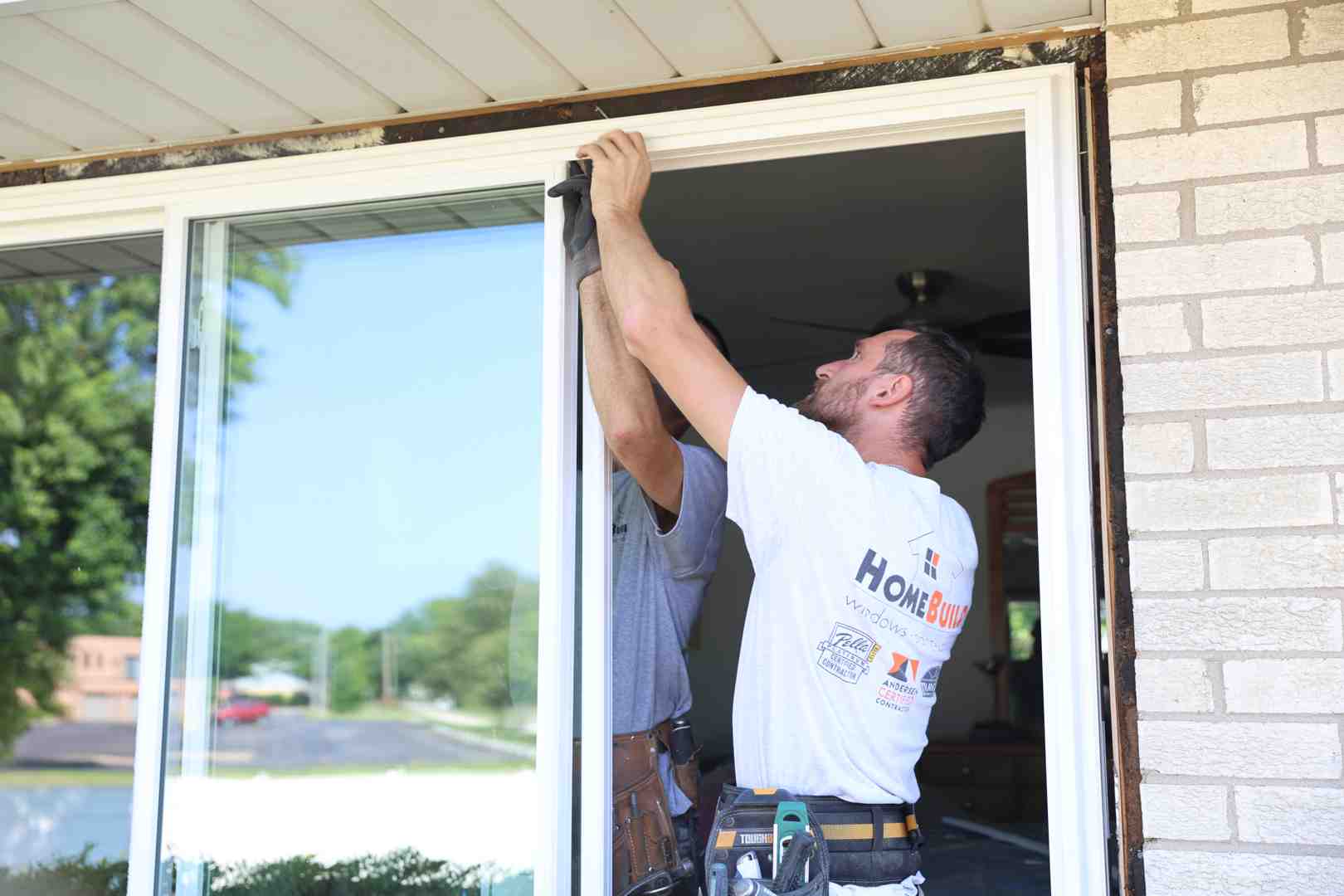
Over time, water leaking through a failing old door can rot the wood framing, subfloor, and jack studs beneath. This damaged wood must be completely replaced to create a structurally sound foundation for the new door. Additionally, if you are planning to widen your opening—such as converting a standard 6-foot door into an 8-foot or multi-panel system—structural modifications are required. This involves assessing load-bearing walls, installing a larger structural header to support the weight of the roof, and securing the necessary local building permits to ensure the home remains structurally safe and code-compliant.
Professional Installation vs. DIY: Ensuring Long-Term Performance
While DIY projects can be rewarding, replacing a sliding glass door is a complex undertaking that requires specialized skills. A sliding door must be perfectly level, plumb, and square to operate smoothly. If the frame is off by even a fraction of an inch, the heavy glass panels will drag along the track, the locks will not align, and the weather seals will fail to meet, leading to drafts and water leaks.
By partnering with a professional team, you ensure:
- Flawless Weatherproofing: Proper application of sill pans, flashing tapes, and industrial-grade sealants to prevent hidden water damage inside your walls.
- Warranty Protection: Many premium manufacturers only honor their product warranties if the unit is installed by a certified professional.
- Structural Integrity: Expert handling of load-bearing headers and structural modifications.
For a comprehensive look at the steps involved in professional exterior door work, explore our Door Replacement Service Complete Guide.
When to Repair vs. Fully Replace Your Patio Door
Before committing to a full replacement, it is wise to determine if your existing door simply needs a professional tune-up. Some common issues are easily repairable, while others indicate that the door has reached the end of its useful life.
- When to Repair: If your door is difficult to slide, the issue is often dirty, worn, or damaged rollers. Replacing the rollers and cleaning the tracks can restore smooth operation. Broken handles, missing latches, or torn screens are also simple, localized repairs. Homeowners in the Chicago suburbs can often find local repair services to address these specific hardware components.
- When to Replace: Full replacement is the superior long-term solution when the structural integrity of the door is compromised. If the frame has warped, bowed, or cracked, it can no longer hold a proper weather seal. Another clear sign for replacement is seal failure. If you see persistent condensation or “fogging” trapped between the double panes of glass, the insulating gas has escaped, and the glass unit is no longer providing thermal protection.
Frequently Asked Questions About Sliding Glass Doors
How long does a professional sliding glass door installation take?
For a standard replacement where the rough opening does not require structural modifications or rot repair, a professional crew can typically complete the installation in about 3 to 5 hours. This timeline includes carefully removing the old door, preparing the opening, flashing and sealing the new frame, hanging the panels, adjusting the hardware, and performing a thorough cleanup of the job site.
Can you replace just the glass panel of a sliding door?
Yes, it is physically possible to replace just the glass panel if the frame is in excellent condition and the manufacturer still supports the model. However, if the frame is old, warped, or drafty, replacing only the glass is often a temporary fix. A full door replacement ensures that you get a completely upgraded system with modern frame insulation, brand-new weatherstripping, and a comprehensive manufacturer warranty.
What are the best sliding glass doors for cold Midwest winters?
For the extreme Chicago climate, the best sliding doors feature multi-chambered vinyl or fiberglass frames paired with triple-pane or high-performance dual-pane glass (featuring Low-E coatings and Argon gas). Look for units with a low U-factor (which measures heat transfer—lower is better) and robust, multi-point locking systems that pull the door tightly against the weatherstripping to eliminate winter drafts.
Conclusion
Replacing a sliding glass door is a powerful way to transform your living space, flood your home with natural light, and insulate your living areas from the harsh, unpredictable Chicago weather. To ensure your investment stands the test of time, it is vital to work with a trusted, locally owned contractor who understands the unique demands of Midwest homes.
At HomeBuild Windows, Doors & Siding, we bring over 20 years of dedicated exterior remodeling experience to every project. As an Elite Platinum Pella® Certified Contractor and an Andersen Certified Contractor, we maintain the highest standards of craftsmanship. Our commitment to exceptional service is backed by our Angi Super Service Award, recognition as Nextdoor Neighborhood Faves, and more than 200 positive Google reviews.
Every project we undertake is fully licensed, insured, and owner-supervised, ensuring accountability and flawless execution from start to finish. We work closely with leading brands like Pella, Marvin, and Alside to deliver energy-efficient, beautiful solutions tailored to your home.
Ready to upgrade your home’s comfort and curb appeal? Contact us today to schedule your free consultation, or browse our comprehensive Window Replacement Guide to learn more about our high-performance exterior solutions.