


A Cracked Pane Doesn’t Mean a Ruined Window
Old window pane replacement is often simpler — and cheaper — than you think. Before you start pricing out full window replacements, here’s what you need to know at a glance:
Quick Answer: How to Replace an Old Window Pane
- Tape an X over the broken glass for safe handling
- Remove the broken glass, old glazing putty, and glazier’s points
- Clean and prep the rabbet groove with boiled linseed oil
- Measure the opening and order glass cut 1/8 inch smaller in both dimensions
- Bed the new pane in glazing putty and secure with glazier’s points every 6 inches
- Apply finish glazing compound at a 45-degree bevel and let cure 7-14 days
- Paint over the putty, slightly overlapping the glass, to seal against moisture
That cracked or foggy pane in your old wood-frame window isn’t just an eyesore. It’s a source of drafts, rising energy bills, and water damage that quietly rots the sash from the inside out. The good news? In most cases, you can replace just the glass — not the entire window — saving hundreds of dollars while preserving the character of your home.
Old windows, especially in Chicago-area homes built before 1960, often feature original wood sashes and wavy hand-drawn glass that simply can’t be replicated by modern units. Replacing just the pane protects that craftsmanship. As one restoration expert put it, “sometimes the smallest pane holds the biggest piece of history.”
Whether your pane was cracked by hail, a stray ball, or years of neglect, this guide walks you through the full process — from safe glass removal to glazing and finishing — so you can get it done right.
I’m Steve Mlynek, CEO and founder of HomeBuild Windows, Doors & Siding, with over 20 years of experience in window installation and old window pane replacement across Chicago and the surrounding suburbs. In that time, I’ve seen which DIY approaches work — and which ones lead to costly mistakes — so I’ll share both the hands-on steps and the warning signs that mean it’s time to call a pro.
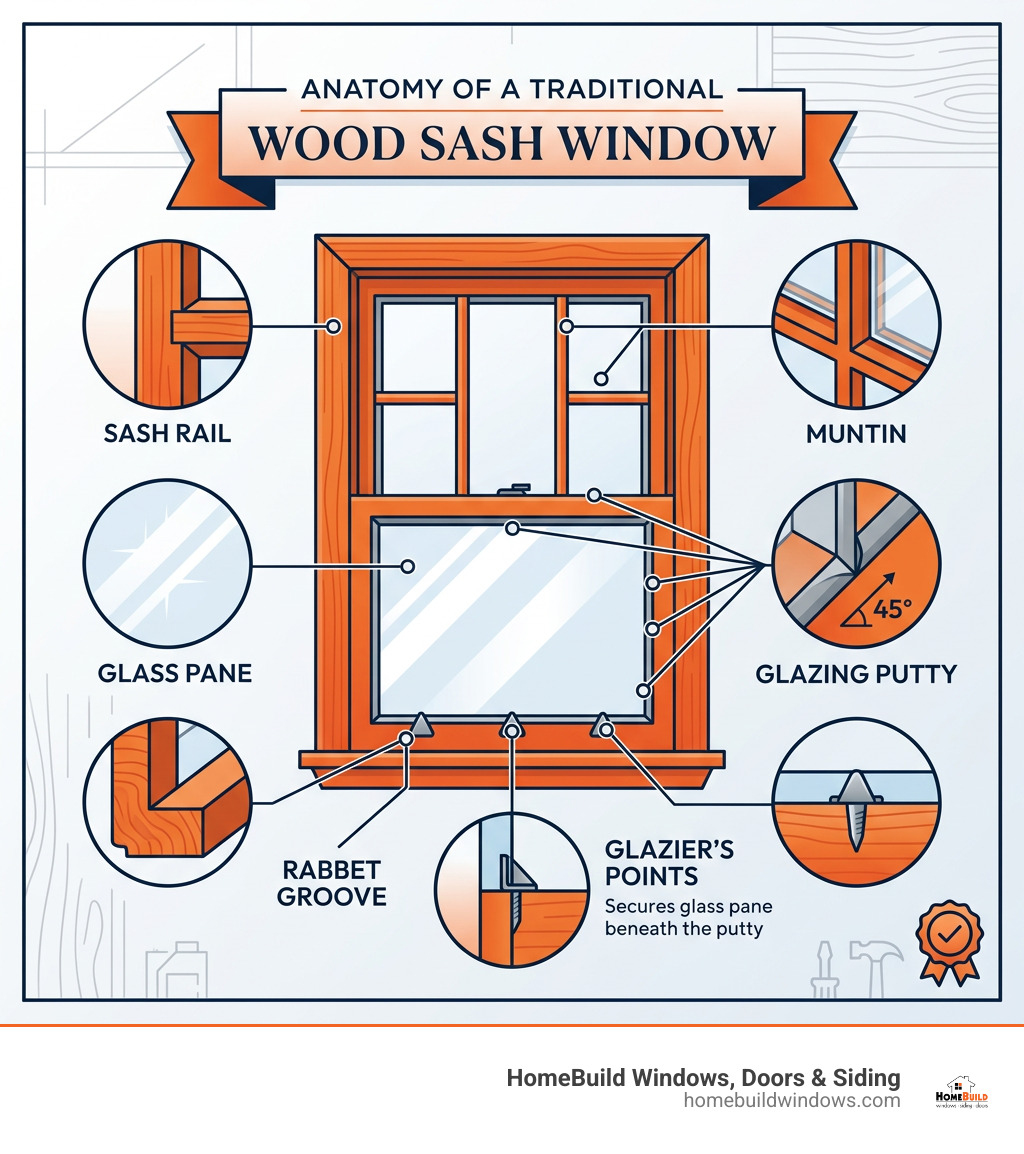
Terms related to old window pane replacement:
Identifying the Need for Old Window Pane Replacement

How do you know when it’s time to stop ignoring that “character-building” crack and actually perform an old window pane replacement? While a shattered pane is an obvious emergency, other signs are more subtle.
Common Signs You Need New Glass
- Stress Cracks: These often start at the edge of the frame and “spider” inward. They are usually caused by the house settling or extreme temperature swings—something we know all too well during Chicago winters.
- Foggy or Condensed Glass: If you have double-pane windows and see moisture trapped between the layers, the seal has failed. In this case, you likely need a Double Pane Window Replacement for the glass unit itself.
- Rattling Panes: If the glass moves when the wind blows or when you close the door, the glazing putty has likely become brittle and detached. This allows air and water to seep into the wood sash.
- Brittle or Missing Glazing: Traditional putty is designed to last 50 years or more, but once it starts cracking and falling out in chunks, the glass is no longer secure.
Repair vs. Full Replacement
We often get asked if it’s better to just buy a whole new window. If your wood frames are solid and made of “old-growth” timber, they are often more durable than modern cheap replacements. Refer to our Broken Window Replacement Chicago Ultimate Guide for a deep dive into local considerations.
| Factor | Pane Replacement (DIY) | Professional Pane Repair | Full Window Replacement |
|---|---|---|---|
| Average Cost | $20 – $50 | $50 – $200 | $500 – $1,200+ |
| Time Investment | 2–4 hours | 1 hour | Full day |
| Energy Impact | Moderate (seals leaks) | Moderate | High (with new frames) |
| Longevity | 20+ years | 30+ years | 20–50 years |
Essential Tools and Safety Precautions
Before you start swinging a hammer, you need the right kit. Using the wrong tools is the fastest way to crack your brand-new glass or, worse, injure yourself.
The Glazier’s Tool Kit
- Putty Knife: A stiff-blade knife is best for scraping, while a flexible one helps smooth the new putty.
- Heat Gun: Essential for softening rock-hard, century-old putty.
- Glazier’s Points: Small metal triangles that hold the glass in the wood.
- Glazing Putty: We highly recommend a high-quality oil-based option like Austin’s Glazier Putty.
- Boiled Linseed Oil: Used to “condition” old wood so it doesn’t suck the oil out of your new putty.
- Glass Cutter: Only needed if you aren’t having the shop cut the glass to size for you.
Safety First: Lead and Glass
If your home was built before 1978, those window sashes almost certainly contain lead-based paint. When you scrape or heat the old putty, you risk releasing lead dust. Always wear a NIOSH-approved respirator and use “wet” scraping techniques to keep dust down.
For the glass itself, wear cut-proof gloves and safety goggles. Even a small shard can cause a significant injury. For a detailed look at the mechanics of wood frames, check out How to Replace a Broken Glass Pane in a Wood-Frame Window.
Step-by-Step Guide to Old Window Pane Replacement
Replacing a pane is a bit like surgery. It requires patience and a steady hand. If you can, remove the window sash and work on a flat table—it’s much easier than trying to glaze while standing on a ladder in the Chicago wind.
Removing Broken Glass and Old Putty
- The Tape-X Pattern: Apply heavy-duty tape in an ‘X’ across the broken pane. This keeps the shards together so they don’t shower you when you pull them out.
- Soften the Putty: Use your heat gun to warm the old glazing. Be careful! Don’t point the heat directly at any nearby unbroken glass, or you’ll cause “thermal shock” and crack it too.
- Scrape and Pull: Use your putty knife to scrape away the softened compound. Once the glazier’s points are exposed, pull them out with pliers.
- Clean the Rabbet: The “rabbet” is the L-shaped groove where the glass sits. Use a wire brush or sandpaper to get it down to clean wood. If you’re working on a different window style, see our Awning Window Pane Replacement Guide.
Installing the New Glass Pane
- Measure Twice: Measure the height and width of the opening. Subtract 1/8 inch from both measurements. This gives the glass room to expand and contract as Chicago temperatures swing from -10°F to 90°F.
- Oil the Wood: Brush boiled linseed oil onto the bare wood. This prevents the wood from absorbing the oils from the putty, which would cause the putty to dry out and crack prematurely.
- Bedding Putty: Apply a very thin bead of putty into the corner of the rabbet. This creates a weather-tight seal behind the glass. For specific instructions on different window types, see How to Replace Glass in Awning Window.
- Set the Glass: Press the new pane firmly into the bedding putty.
- Insert Glazier’s Points: Use your putty knife to slide glazier’s points into the wood every 6 inches. They should be flat against the glass.
- Apply Finish Putty: Roll a “snake” of Austin’s Glazier Putty and press it into the groove. Use your putty knife at a 45-degree angle to create a smooth, beveled edge.
- The Cure and Seal: Let the putty “skin over” (usually 7–14 days). Once it’s firm to the touch, paint it. Crucial Tip: Extend the paint about 1/16th of an inch onto the glass itself. This creates the actual “seal” that keeps water out.
Choosing the Right Glass: Restoration vs. Modern Options
When performing an old window pane replacement, you have choices beyond standard “hardware store” glass.
- Annealed Glass: This is standard modern single-pane glass. It’s affordable and easy to cut.
- Restoration Glass: If you live in a historic Chicago bungalow or a Victorian-style home, you might want “wavy” glass. This is new glass manufactured to look like old cylinder or crown glass, complete with the slight distortions and bubbles found in 19th-century windows.
- Tempered Safety Glass: Required by building codes if the window is near a door or close to the floor. It crumbles into dull pebbles rather than sharp shards.
- Low-E Coatings: You can actually buy single-pane glass with Low-E coatings to help reflect heat, though the impact is smaller than in a double-pane unit.
For those considering a bigger jump in efficiency, our Window Replacement Guide Double Pane vs Triple Pane Windows explains the thermal differences. If you’re looking for local suppliers, searching for Glass Replacement Window Near Me can help you find specialized restoration glass shops in the Chicagoland area.
When to Call a Professional for Your Window Repairs
While we love a good DIY project, some situations require the pros at HomeBuild.
- Rotted Sashes: If your putty knife sinks into the wood like it’s butter, the sash is rotted. A new pane won’t help; the wood needs to be stabilized with epoxy or the sash replaced entirely.
- IGU Seal Failure: You cannot “DIY” the air inside a double-pane window. If it’s foggy, the whole Insulated Glass Unit (IGU) must be replaced by a professional to ensure a factory seal.
- High-Altitude Windows: If the broken pane is on the second or third story, don’t risk the ladder. Safety is paramount.
- Historic District Regulations: In certain parts of Chicago or suburbs like Barrington and Evanston, local ordinances may dictate exactly what materials you can use.
If you’re unsure, it’s always safer to look for Window Glass Fitting Near Me to get an expert assessment.
Frequently Asked Questions about Old Window Pane Replacement
How much does old window pane replacement cost?
For a DIY job, you’re looking at $20–$50 for the glass and putty. If you bring the sash to a glass shop, they typically charge about $35–$75 plus the cost of glass. A full on-site professional repair in the Chicago area usually ranges from $150 to $400 depending on the size and glass type.
Can you replace just the glass in a double-pane window?
Yes, but you aren’t just replacing one “sheet.” You are replacing the entire IGU (the two panes and the spacer between them). This requires precise measurement of the unit’s thickness (often 1/2″, 5/8″, or 7/8″) and usually requires a professional to ensure the new unit fits the existing vinyl or wood tracks.
How long does glazing putty take to cure?
Traditional oil-based putty is slow. It needs 7 to 14 days to form a “skin” before you can paint it. If you paint too early, the putty won’t cure properly and will sag or wrinkle. Latex-based putties dry faster (sometimes in 24 hours) but generally don’t last as long as the traditional oil-based versions.
Conclusion
Old window pane replacement is a rewarding way to maintain your home’s history while improving its performance. By taking the time to properly remove old materials, bed the new glass in quality putty, and wait for the proper cure time, you ensure your windows remain “shimmering” for decades to come.
However, we know that life in Chicago is busy. If you find yourself staring at a rotted sash, a failed double-pane seal, or a window that’s just too high to reach safely, we are here to help. At HomeBuild Windows, Doors & Siding, we specialize in everything from delicate historic restorations to modern, high-efficiency upgrades. We pride ourselves on expert installation and the kind of attention to detail that old windows deserve.
Don’t let a cracked pane lead to a rotted home. Schedule your professional window replacement service today and let us help you bring the light back into your home.