


Why Replacing Glass in Old Sash Windows Makes Sense
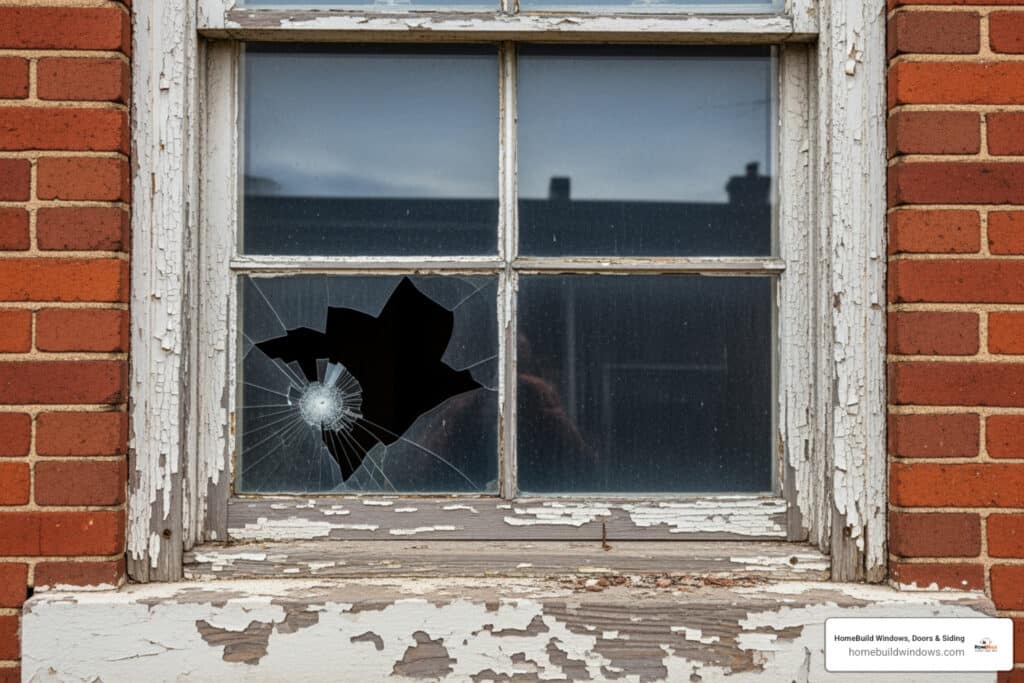
Replacing glass in old sash windows is a practical, cost-effective way to restore your home’s historic charm without the expense of full window replacement. Whether you’re dealing with a cracked pane from a stray baseball or deteriorating glass after decades of Chicago weather, you have options.
Quick Answer: Can You Replace Just the Glass in Old Sash Windows?
Yes, you can replace just the glass in old sash windows. Here’s what you need to know:
- In-Situ Replacement: You can often replace the glass without removing the entire sash from the frame
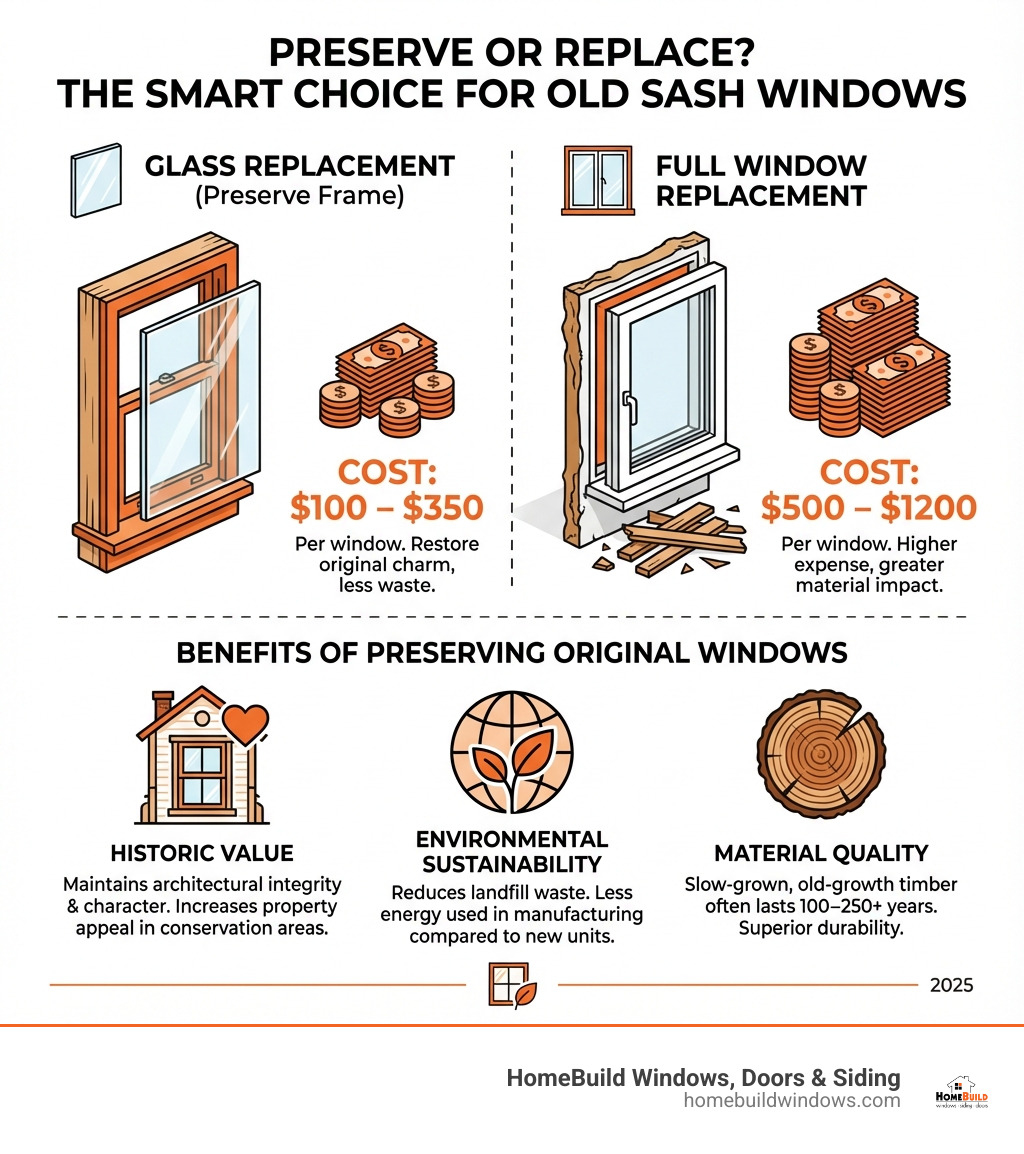
- Cost: DIY glass replacement costs $100-$350 per window vs. $500-$1,200 for full replacement
- Time: Expect 1-2 hours of active work, plus several days for putty to cure
- Requirements: Sound wood frame, basic tools, and safety precautions (especially for lead paint in pre-1980 homes)
- Glass Options: Single-pane replacement is straightforward; ultra-slim double-glazing available for better insulation
When to Replace vs. Repair the Whole Window:
- Replace just the glass if: Frame is solid, only glass is damaged, you want to preserve historic character
- Replace the entire window if: Severe frame rot, warped sash, operational problems, or energy efficiency is a priority
Old windows were built with high-quality, slow-grown timber that can last 100-250 years. Many windows considered “beyond repair” actually just need new glass and fresh glazing compound. Research shows that as much as 95% of original timber can often be retained, and homes with original features in conservation areas sell for 23% more on average.
I’m Steve Mlynek, founder of HomeBuild Windows, and I’ve spent over 20 years helping Chicago-area homeowners restore and replace windows in historic homes. Through countless projects replacing glass in old sash windows, I’ve learned that preservation is often the smartest choice—both financially and for maintaining your home’s character.
Before You Begin: Assessing the Job and Your Options
Before diving into the satisfying task of replacing glass in old sash windows, it’s crucial to assess the scope of work and decide if it’s a DIY project or if calling in the pros is the smarter move. This decision hinges on several factors, including the condition of your window frames, the type of glass, your comfort with tools, and, importantly, safety.
The average cost to replace window glass ranges from $180 to $409 per window, with an average of $300. Single-pane glass replacement can cost between $100 and $350. Compare this to full window replacement, which typically runs from $500 to $1,200 per window. This significant difference often makes glass replacement a very attractive option, especially when aiming to preserve the historical integrity of your Chicago home.
However, cost isn’t the only consideration. Improper DIY installation can lead to structural damage, like water leaks, or even void warranties. While a professional can often replace window glass in about 30 minutes, the process for a DIYer can extend to several hours of active work, plus days or even weeks for glazing compound to properly cure.
DIY Project Checklist
We’ve seen many homeowners in Chicagoland successfully tackle this project themselves. It’s often suitable for a DIY approach if:
- You’re dealing with single-pane glass: These are generally simpler to replace than double or triple-pane units.
- Your sash frame is in sound condition: Minimal to no rot, warping, or significant damage to the wood is key. We often encounter old windows built from first-growth, vertical-grain pine, which is remarkably stable and rot-resistant, making them excellent candidates for repair.
- You have basic tool skills: The process involves careful removal, measuring, and applying new materials.
- You have the time and patience: This isn’t a race! Taking your time ensures a better, more durable result.
- The window is easily accessible: Working on high or hard-to-reach windows increases safety risks.
If your window’s issues are primarily cosmetic, such as chipped paint or a broken pane, and the underlying structure is solid, then replacing glass in old sash windows yourself can be a fulfilling and cost-effective endeavor. For a broader understanding of window replacement costs, you can consult our Home Window Replacement Cost Guide.
When to Call a Professional
Sometimes, the charm of an old sash window comes with challenges best left to experts. We advise calling a professional for glass replacement if:
- There’s severe wood rot or a warped sash: Extensive frame damage compromises the window’s structural integrity and requires specialized repair techniques, often involving splicing in new wood and epoxy resins.
- You have double-pane or specialty glass: Modern insulated glass units (IGUs) or specialty options like argon-filled glass require precise measurements and handling, and their replacement can be complex.
- The windows are high or hard-to-reach: Safety is paramount. Don’t risk a fall for a DIY project.
- You suspect lead paint: Homes built before 1980 likely contain lead-based paint. Disturbing it requires strict safety protocols to prevent exposure, which professionals are equipped to handle.
- You lack the necessary tools or time: Investing in specialized tools for a one-off job might not be economical, and a rushed job can lead to costly mistakes.
For complex repairs, or if you simply prefer the peace of mind that comes with expert service, our team at HomeBuild Windows is ready to assist. We specialize in Window Repair Chicago, IL and throughout the Chicagoland area, ensuring your historic windows are restored with care and precision.
The Essential Toolkit: Tools and Materials for the Job
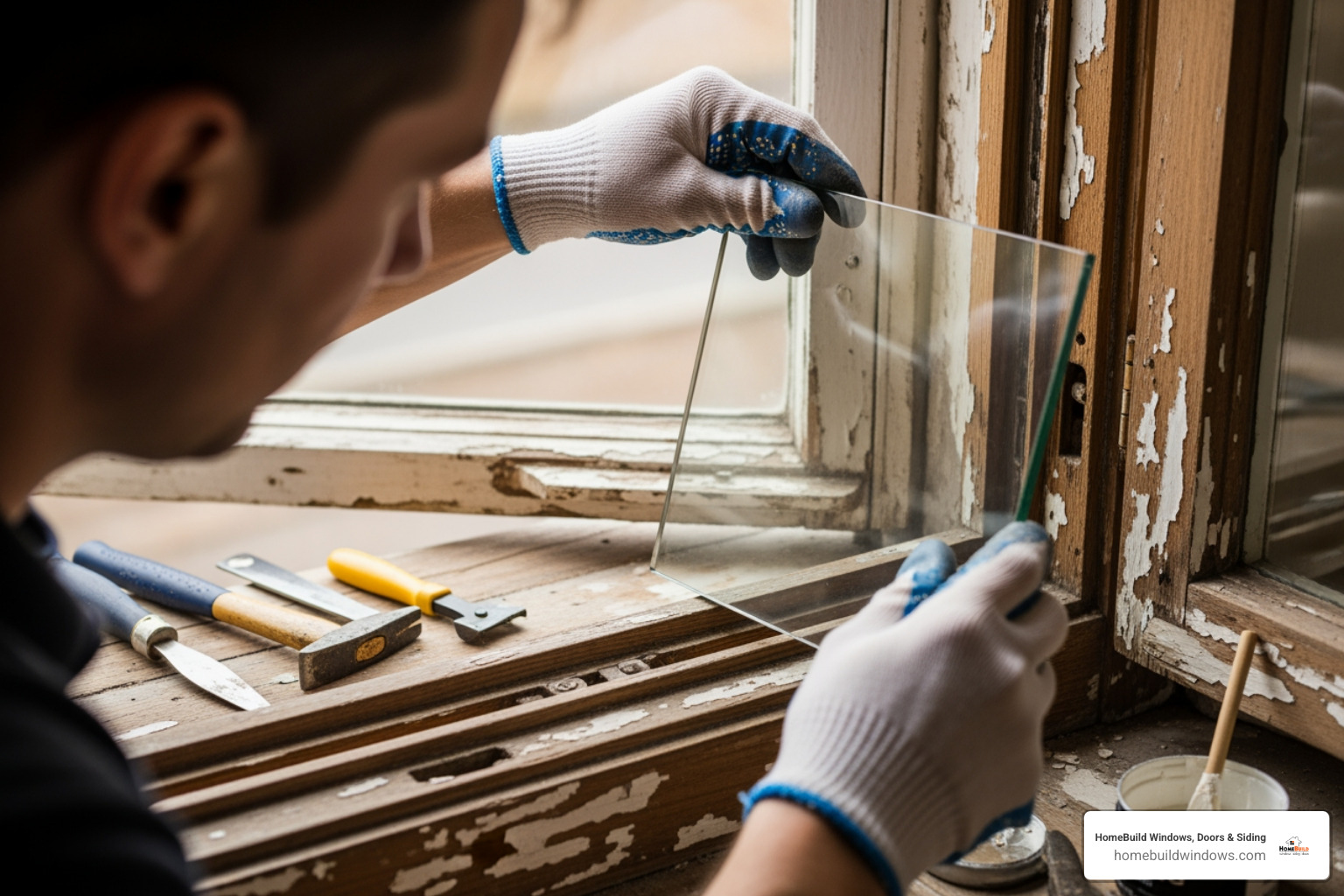
Before you begin replacing glass in old sash windows, gathering the right tools and materials is half the battle. Think of it as preparing for a culinary masterpiece – you wouldn’t start without your ingredients and utensils, right? This project requires a blend of safety equipment, specific tools for removal and installation, and the correct glazing materials to ensure a durable, weatherproof seal.
Tools You’ll Need
Safety first, always! Especially when dealing with broken glass and potentially old, brittle wood.
- Safety glasses: Non-negotiable for protecting your eyes from shards and dust.
- Heavy-duty gloves: To protect your hands from sharp glass and rough surfaces. Cut-proof gloves are a bonus!
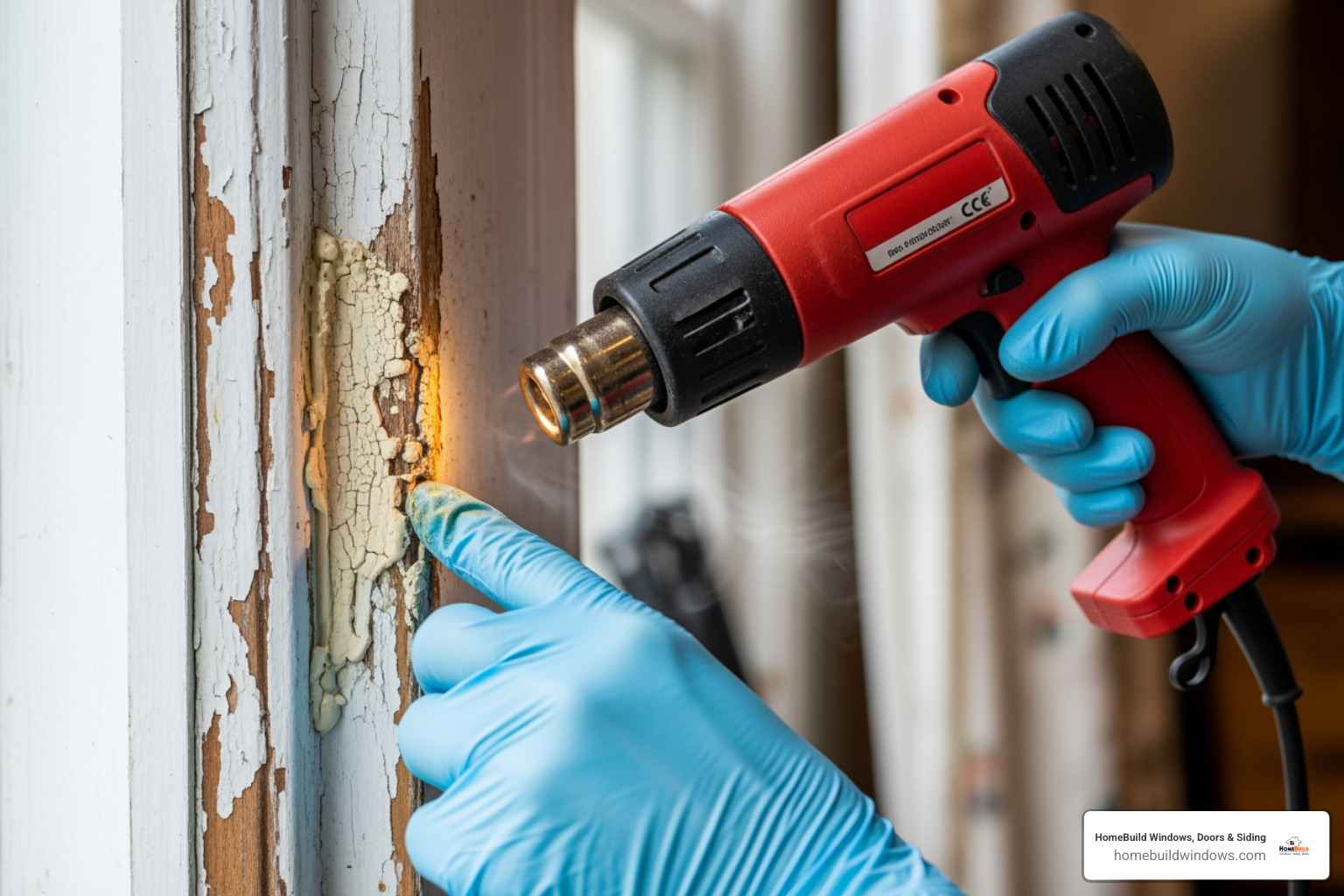
- Heat gun (or hairdryer): Essential for softening old, stubborn glazing compound.
- Putty knife (or stiff-bladed scraper): Your primary tool for removing old putty and applying new.
- Wood chisel: Useful for carefully prying out old putty and shaping new.
- Hammer: For tapping the chisel and installing glazing points.
- Needle-nose pliers: Handy for pulling out old glazing points or small nails.
- Measuring tape: For precise measurements of your glass opening.
- Utility knife: For scoring paint lines and trimming excess material.
- Sandpaper (various grits): To clean and smooth the wooden sash frame.
Materials for a Perfect Finish
The quality of your materials directly impacts the longevity and appearance of your repair.
- Replacement glass: This is the star of the show. We’ll discuss how to measure and source this shortly.
- Glazing compound (putty): This is the traditional material for securing glass in sash windows. Traditional window putty is a mixture of chalk dust and linseed oil. It’s pliable and forms a strong, durable seal. While modern alternatives exist, for old sash windows, traditional linseed putty is often recommended for its authentic look and performance.
- Glazing points (or glazier’s points): These small, triangular metal fasteners hold the glass in place while the glazing compound cures. Two or three on each side are usually sufficient.
- Wood primer or sealer: Crucial for protecting bare wood, especially before applying new glazing compound, to prevent the wood from absorbing the oil from the putty.
- Linseed oil: If using traditional putty, a small amount can be used to prime bare wood or to soften stiff putty.
- Mineral spirits: For cleaning tools and any excess putty from the glass.
- Painters tape: For neat painting lines after the putty cures.
Having these items ready will make the process of replacing glass in old sash windows much smoother and more enjoyable.
A Step-by-Step Guide to Replacing Glass in Old Sash Windows
Now for the fun part! This guide walks you through replacing glass in old sash windows right in place, without necessarily removing the entire sash. While some prefer to remove the sash for easier access, many find it perfectly feasible to work in situ, especially for smaller panes or if the sash is difficult to remove. Patience and precision are your best friends here. For a visual aid, you might find resources like How to Replace Window Glass helpful.
Step 1: Safely Remove the Broken Glass and Old Putty
Safety first! This step involves dealing with sharp edges and potentially brittle materials.
- Gear Up: Put on your heavy-duty gloves and safety glasses. We recommend cut-proof gloves for extra protection.
- Tape the Broken Glass: If the pane is shattered but still mostly in place, apply painter’s or duct tape in an “X” pattern across the glass. This helps hold the pieces together, making removal safer and easier.
- Remove Old Glazing Compound: This is where your heat gun (or hairdryer) comes in handy. Gently warm the old, hardened putty. As it softens, carefully chip it away with your putty knife or wood chisel. For particularly stubborn areas, a carbide scraper can be effective.
- Remove Glazing Points: Once the putty is mostly gone, you’ll likely expose small metal glazing points (or glazier’s points) that held the glass. Use your needle-nose pliers to carefully pull these out.
- Extract Broken Glass: With the putty and points removed, carefully lift out any remaining glass shards. Place them immediately into a sturdy container for safe disposal.
Step 2: Prepare the Sash Frame for New Glass
A clean, prepped frame ensures a good seal and a long-lasting repair.
- Clean the Rabbet: This is the groove where the glass sits. Use your putty knife and chisel to scrape away any remaining bits of old putty, paint, or debris from the rabbet. It needs to be as clean as possible for the new glass to sit flush.
- Inspect for Damage: Take a moment to inspect the wood for any signs of rot or damage. Small areas of rot can sometimes be repaired with epoxy wood filler, but extensive damage might warrant professional attention.
- Sand the Wood: Lightly sand the entire area where the new putty will adhere. This creates a better surface for the putty to bond to.
- Prime Bare Wood: If you’ve exposed any bare wood during cleaning or sanding, it’s crucial to prime it with a wood primer or sealer. This prevents the wood from absorbing the linseed oil from your new glazing compound, which can cause the putty to dry out prematurely and crack.
Step 3: Measure and Source Your Replacement Glass
Precise measurements are critical for a snug fit and proper sash operation.
- Measure the Opening: Using your tape measure, carefully measure the height and width of the glass opening (the rabbet) from edge to edge. This is often referred to as the “tight size.”
- Deduct for Putty: It’s essential that the new glass isn’t too tight, as this can lead to breakage when the wood expands or contracts. We recommend deducting a small amount from both the width and length. For sash windows, a common practice is to deduct 5mm (approximately 1/8 to 1/4 inch) from each dimension. So, if your tight size is 200mm x 400mm, order glass that is 195mm x 395mm.
- Consider Glass Thickness: For old sash windows, 3mm thick glass is usually recommended. This thickness helps maintain the delicate balance of the sash, which relies on counterweights. Matching the original thickness is important to ensure your window operates smoothly.
- Sourcing Specialty Glass: For antique or 100-year-old sash windows, you might want to preserve the aesthetic of wavy glass. Some specialty glass suppliers can provide new glass with manufactured imperfections to emulate original glazing. You can also sometimes find reclaimed wavy glass, though it might come with an upcharge for cutting. For more on glass options, check out our Replacement Window Buying Guide.
Step 4: Install and Glaze the New Window Pane
This is where your window starts to look whole again!
- Bedding Putty: Knead your glazing compound until it’s soft and pliable. Roll a thin bead of putty and press it into the rabbet groove where the glass will rest. This “bedding putty” provides a cushion for the glass and helps create a watertight seal.
- Setting the New Glass: Carefully place your new glass pane onto the bedding putty. Gently press it into place, ensuring it’s centered and fully seated against the putty. Be firm but gentle; you don’t want to crack your new pane!
- Inserting Glazing Points: With the glass in place, use your putty knife to gently push glazing points into the sash frame, securing the glass. Space them evenly around the perimeter, typically every 10 inches. For extra security on larger panes, small panel nails can also be used.
- Applying Face Putty: Now, apply another bead of glazing compound along the outside edge of the glass and frame. This is the “face putty” that you’ll see.
- Creating a Beveled Edge: Using your putty knife, smooth the face putty into a neat, angled (beveled) bead. This not only looks professional but also directs water away from the window, creating a weatherproof seal. It takes a little practice to get a perfectly smooth, consistent bevel, so don’t be discouraged if your first attempt isn’t flawless.
- Cleaning Excess Putty: As you smooth the putty, some will inevitably squeeze out onto the glass. You can dab this excess with a fresh piece of putty to lift it away, or carefully trim it with a utility knife once it has slightly stiffened. Clean any remaining smudges with mineral spirits.
Finishing Touches and Long-Term Care
You’re almost there! Once the glass is in, the final steps ensure your repair lasts and your sash window functions beautifully for years to come.
Curing and Painting
Glazing compound isn’t like regular caulk; it needs time to set.
- Curing Time: Traditional linseed oil putty needs to “skin over” before it can be painted. This typically takes about a week, though it can vary depending on temperature and humidity. The full curing process can take several weeks, or even months, especially in cooler conditions. Resist the urge to paint too soon, as this can trap moisture and prevent proper curing, leading to cracking.
- Painting the Putty: Once a firm skin has formed, you can prime and paint the putty. Use a good quality exterior paint. When painting, ensure you overlap the paint onto the glass by about 1/16 inch. This overlap is crucial as it creates a continuous seal between the paint, putty, and glass, preventing water from seeping behind the glazing and causing premature failure.
- Protecting the Seal: A well-painted and cured glazing compound is your window’s first line of defense against the elements. Regular inspection of the paint and putty will help you catch any issues before they become major problems.
Ensuring Proper Function and Longevity
Your newly repaired sash window should not only look good but also operate smoothly.
- Checking Sash Movement: After the paint has dried, carefully test the sash’s movement. Does it slide up and down easily? If it sticks, check for paint buildup in the tracks or around the edges of the sash. Old sash windows often require a 3mm gap for easy operation.
- Regular Cleaning: A simple wash and wax will keep your rustic windows looking their best.
- Annual Inspection: We recommend inspecting your sash windows annually, and thoroughly examining them for signs of rot or wear at least every five years. This proactive approach helps catch minor issues before they escalate.
- Addressing Minor Issues Promptly: Small cracks in the putty or flaking paint should be addressed quickly. Sand down the area, re-prime, and repaint to protect the timber. This simple maintenance can prevent future timber replacement and extend the life of your sash windows, which, as we know, can last for centuries! For more guidance on ensuring proper installation and functionality, refer to our Window Installation Guide. Traditional windows, with proper care, can truly stand the test of time. For comprehensive advice on maintaining historic windows, resources like Traditional Windows – Their Care, Repair and Upgrading are invaluable.
Frequently Asked Questions about Replacing Glass in Old Sash Windows
We get a lot of questions from Chicago-area homeowners about replacing glass in old sash windows. Here are some of the most common:
How long does it take to replace sash window glass?
The actual “active work” of replacing glass in old sash windows typically takes about 1 to 2 hours for a DIY enthusiast, or even as little as 30 minutes for a seasoned professional. However, the overall project timeline is largely dictated by the glazing compound’s curing time. Traditional linseed putty needs about a week to “skin over” before it can be painted, and full curing can take several weeks to months. So, while the hands-on part is quick, patience is key for a durable finish.
Can I use modern double-glazed units for replacing glass in old sash windows?
Yes, you can! Many companies now offer ultra-slim, sealed double-glazed units specifically designed to fit into traditional single-glazed openings. These units can significantly improve thermal performance (with U-values as low as 1.3 W/m²K) and acoustic performance (up to 38 dB Rw sound reduction), making your home cozier and quieter.
However, there are important considerations:
- Sash Weight and Balance: Double-glazed units are heavier than single panes. This added weight can throw off the delicate balance of your sash window’s counterweight system, potentially causing it to stick or become difficult to operate. Professional assessment of your sash’s capacity for heavier glass is crucial.
- Frame Modification: While slim units are designed to fit, some minor frame modification might still be necessary.
- Aesthetics: Ensure the new units maintain the historic character of your sash windows, especially if you have wavy or period glass.
For optimal results and to maintain the integrity of your historic Chicago home, we recommend a professional consultation for this type of upgrade. Our team at HomeBuild Windows can guide you through the options for Energy Efficient Window Replacement that respect your home’s heritage.
What’s the difference between replacing glass in a sash window vs. a modern vinyl window?
The primary difference lies in the glazing method and the frame material:
- Traditional Sash Windows (Wood Frame): These rely on glazing compound (putty) and glazing points to secure the glass within a wooden frame. The process involves carefully removing old putty, preparing the wood, bedding the new glass in fresh putty, securing it with points, and then “face puttying” to create a weather seal. This is a hands-on, multi-step process that often involves working with historic timber.
- Modern Vinyl Windows: Glass replacement in modern vinyl windows is typically much simpler. The glass (usually an Insulated Glass Unit or IGU) is often held in place by removable vinyl stops or a specialized gasket system. Once the stops are removed, the IGU can be lifted out and a new one inserted, with the stops then snapped back into place. There’s generally no putty or extensive frame preparation involved.
Replacing glass in old sash windows is a craft that preserves history, while replacing glass in a modern vinyl window is more of a straightforward component swap.
Conclusion
Replacing glass in old sash windows is more than just a repair; it’s an act of preservation, a nod to craftsmanship, and a smart investment in your home’s future. Whether you choose to tackle it as a rewarding DIY project or enlist the help of professionals, the benefits are clear: you maintain historic character, save money compared to full replacement, and extend the life of beautifully constructed windows.
We hope this guide empowers you to approach your sash window repair with confidence. Remember to prioritize safety, measure carefully, and allow adequate time for the glazing compound to cure. A well-executed glass replacement ensures your sash windows continue to function perfectly, keep your home comfortable, and improve its curb appeal for decades to come.
For extensive damage, complex glass types, or if you simply prefer a professional touch for your Chicago-area home, explore our Window Replacement Service. Our team at HomeBuild Windows is always ready to provide expert advice and high-quality service, ensuring your windows are a source of pride, not shattered dreams.