


What Are Ultra High-Efficiency Windows and Why They Matter
Ultra high efficiency windows are advanced systems with exceptional thermal performance, using technologies like triple-pane glass, multiple Low-E coatings, inert gas fills, and insulated frames. They typically have U-factors of 0.20 or lower and R-values from 5-11, making them almost as efficient as a well-insulated wall.
Key characteristics of ultra high-efficiency windows:
- U-factor of 0.20 or less (vs. 0.30-0.60 for standard double-pane)
- R-values from 5.3 to 11.1 (vs. R-3 for typical Energy Star windows)
- 30-40% reduction in heat loss compared to standard efficient windows
- Triple-pane construction with advanced coatings and gas fills
- Passive House or Energy Star Most Efficient certification
For Chicago homeowners with drafty windows and high energy bills, these windows are a game-changer. Upgrading from R-3 to R-5 windows can cut heat loss by 30-40%, leading to significant savings.
Beyond energy savings, ultra high efficiency windows dramatically improve home comfort by eliminating cold spots and drafts. They also provide superior noise reduction—crucial for urban Chicago homes—and protect furnishings from harmful UV rays.
I’m Steve Mlynek, founder of HomeBuild. With over 20 years in the window industry, I’ve seen how ultra high efficiency windows transform Chicago homes. My team has helped hundreds of homeowners upgrade, providing the expertise needed for our challenging climate.
What Makes a Window “Ultra High-Efficiency”?
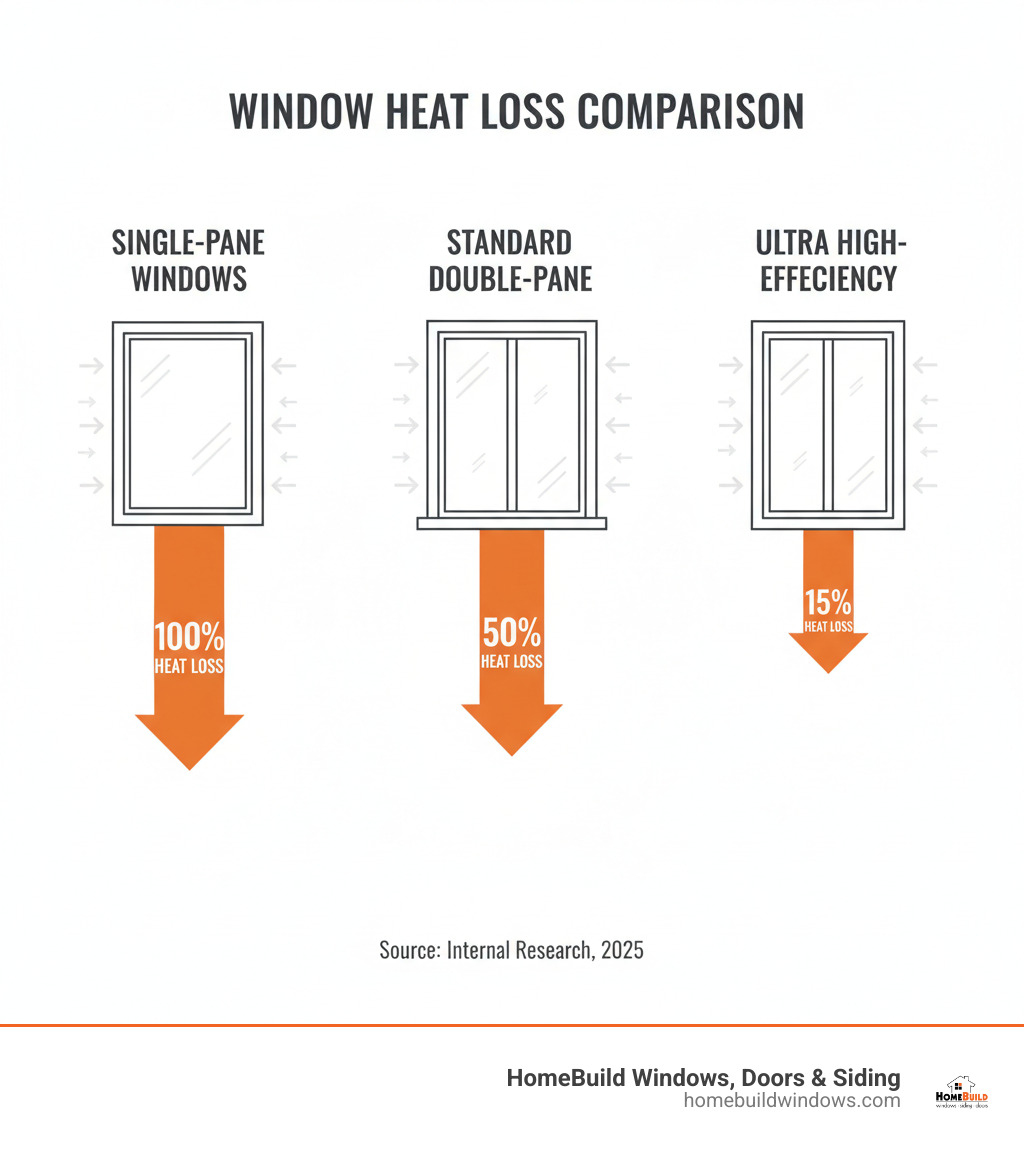
Ultra high efficiency windows are in a league of their own compared to standard “energy-efficient” options. If a standard ENERGY STAR window is a good winter coat, an ultra-high efficiency window is expedition-grade arctic gear.
The difference lies in verified performance metrics. Standard ENERGY STAR windows have U-factors between 0.30 and 0.60 and R-values around 3. While better than old single-pane windows, ultra high efficiency windows push these numbers much further.
These advanced windows achieve U-factors of 0.20 or lower and R-values from 5 to 11, making them nearly as insulating as your walls. The U.S. Department of Energy labels windows with U-factors of 0.20 or less as “highly insulating.” Upgrading from an R-3 to an R-5 window can reduce heat loss by 30-40%, leading to real savings and a more comfortable Chicago home.
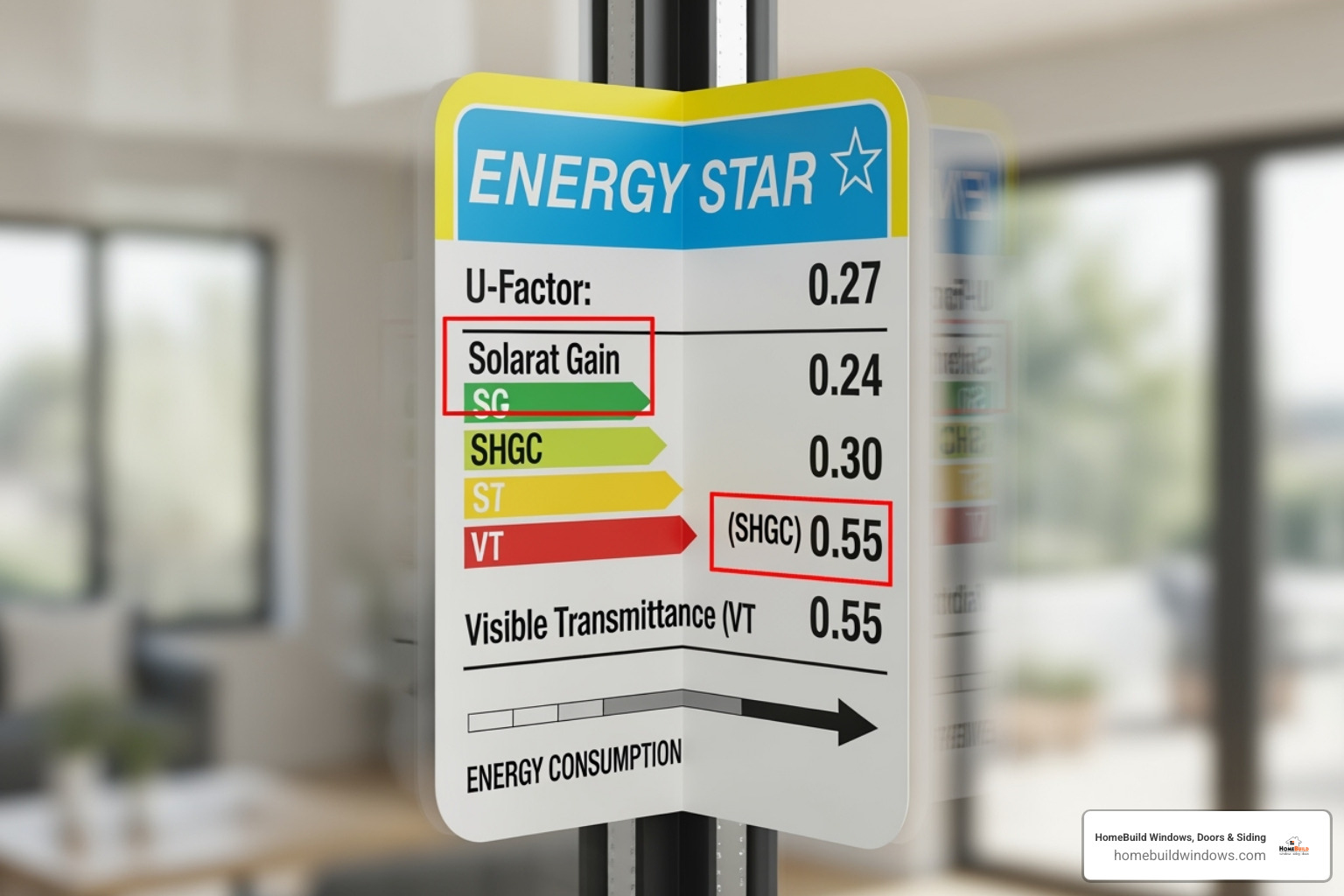
Every certified window has an NFRC label showing its performance in independent tests, allowing for fair comparisons. For ultra high efficiency windows, we often look for products with the ENERGY STAR Most Efficient designation, which recognizes the best performers on the market.
For a deeper dive, our comprehensive guide on Energy Efficient Replacement Windows: Everything You Need to Know covers all the details.
Understanding the Key Performance Ratings
Understanding a few key ratings helps you spot truly exceptional windows. These numbers are what separate good windows from ultra high efficiency windows.
The U-factor measures how well a window prevents heat escape (lower is better). For ultra-high efficiency, look for U-factors below 0.20. The best fixed windows can reach U-factors as low as 0.10.
R-value is the inverse, measuring heat flow resistance (higher is better). While standard ENERGY STAR windows have R-values around 3, ultra high efficiency windows achieve R-values of 5 to 11.
Solar Heat Gain Coefficient (SHGC) measures how much solar heat passes through. In Chicago, a higher SHGC can be good for south-facing windows in winter, while a lower SHGC is better for west-facing windows in summer.
Visible Transmittance (VT) measures incoming natural light (higher is brighter). Air Leakage (AL) shows draftiness (lower is better; aim for 0.30 or less). Condensation Resistance (CR) rates how well the window prevents condensation, crucial for Chicago’s climate.
You can verify any window’s performance using the NFRC’s searchable database.
How to Identify and Verify Performance
To verify performance when shopping for ultra high efficiency windows, use the NFRC label. It provides standardized, independently tested data on U-factor, SHGC, VT, and AL. Learning to read this label is crucial for comparing products. You can find a helpful guide on the NFRC’s Energy Performance Label resource.
Beyond the NFRC label, look for special certifications. ENERGY STAR Most Efficient windows represent the top tier of energy performance and often qualify as ultra high efficiency windows.
For the ultimate in performance, Passive House certified components meet extremely strict standards, often achieving U-factors of 0.15 or lower.
Good news: qualifying ultra high efficiency windows can earn you a 30% federal tax credit up to $600 through 2032. This incentive helps offset the higher upfront cost.
The Anatomy of Ultra High-Efficiency Windows
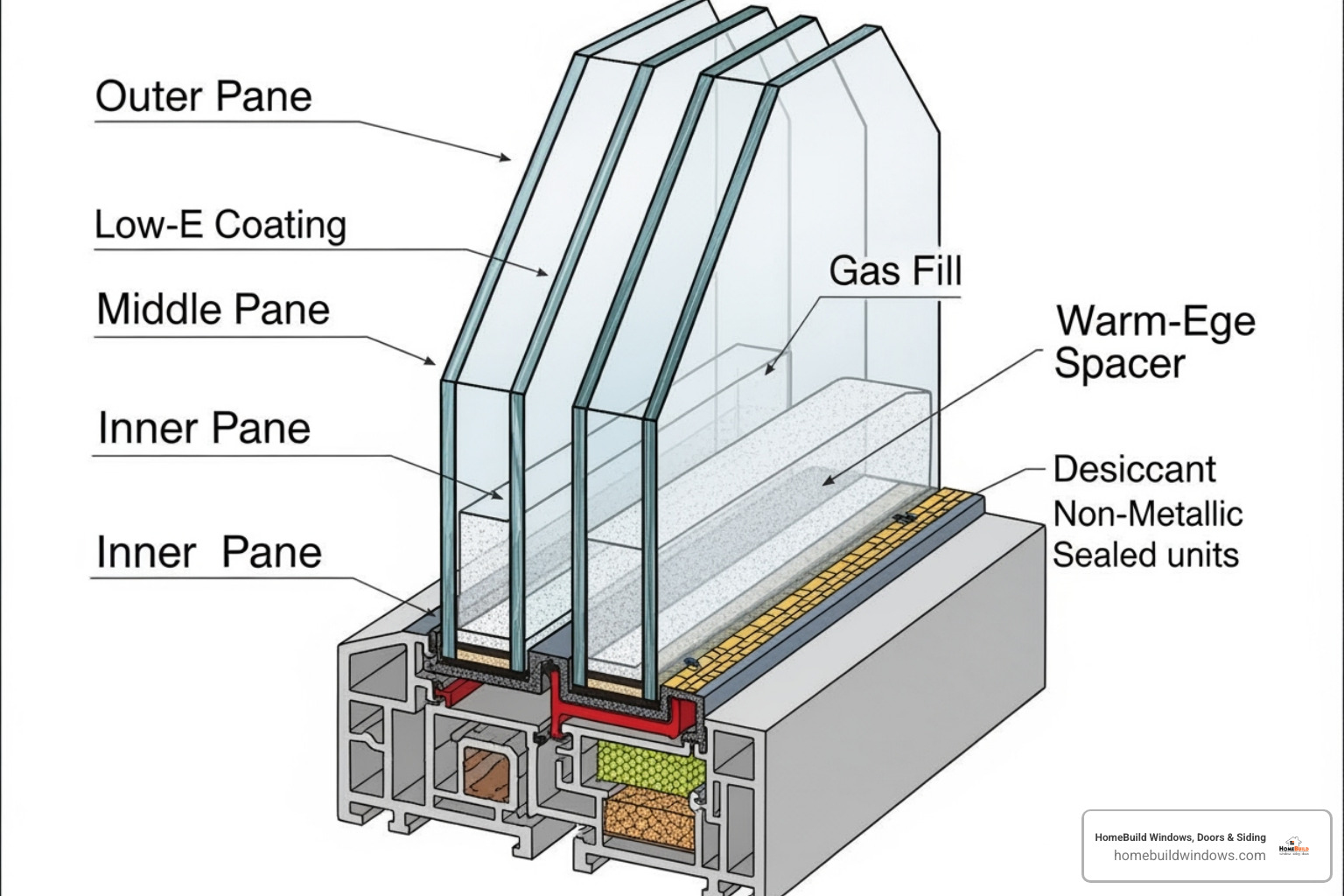
An ultra high efficiency window is a sophisticated system engineered for maximum thermal performance, where each component plays a specific role. The cross-section of these windows reveals complex engineering, with each part working in harmony to create an impressive thermal barrier that keeps your Chicago home comfortable year-round.
For a deeper understanding of how these glass technologies work together, explore our comprehensive guide on Energy Efficient Glazing.
Advanced Glazing and Glass Coatings
The glass unit is where the magic happens in ultra high efficiency windows.
Triple-pane glass is the foundation, creating two insulating chambers that dramatically reduce heat transfer compared to double-pane units. We’ve covered this technology in our article about Triple Pane Windows.
The real innovation is multiple Low-E coatings. These invisible, thin metallic layers reflect heat, keeping your home warmer in winter and cooler in summer. These coatings can reduce energy loss by 30% to 50% compared to clear glass.
Spectrally selective coatings take this further, blocking 40% to 70% of heat-causing infrared light while allowing natural daylight in. Some options can filter out 95% of harmful UV rays, protecting your furniture from fading.
For more on glazing, the Efficient Windows Collaborative offers excellent technical resources.
Insulating Gas Fills and Spacers
The spaces between glass panes are filled with inert gases, not air, to slow heat transfer.
Argon gas is the industry standard, offering excellent performance at a reasonable cost. For even better performance, some manufacturers use krypton gas, which is denser and works exceptionally well in thinner spaces.
Warm-edge spacers are also critical. Unlike old aluminum spacers that conduct heat, modern spacers made of foam, plastic, or stainless steel create a thermal break. This reduces heat loss and prevents condensation. Warm-edge spacers can significantly lower a window’s U-factor. You can learn more from the Efficient Windows Collaborative.
High-Performance Frames and Operating Styles
The frame is the foundation of your window’s thermal performance.
Insulated vinyl frames feature multiple insulated chambers for excellent thermal performance and are virtually maintenance-free.
Fiberglass frames are strong, stable, and excellent insulators that resist warping or cracking in Chicago’s weather. Their cavities can be insulated for better performance.
Composite frames blend materials like wood fibers and polymers for good insulation, stability, and moisture resistance.
Wood frames offer natural insulation and a classic look. Modern versions are often clad with aluminum or vinyl on the exterior for low maintenance.
The operating style also affects efficiency. Picture windows (fixed) are the most efficient because they don’t open. Among operable windows, casement and awning windows outperform sliders because their hinged design creates a superior seal when closed.
For details on frame materials, check out Window Technologies: Frame Types.
The Pros and Cons of Your Investment
Investing in ultra high efficiency windows is a major decision with compelling benefits and practical considerations. Let me walk you through what to expect.

The Major Benefits for Your Home
These windows are home comfort game-changers.
Significant energy savings are a primary benefit. Upgrading windows from an R-value of 3 to 5 can reduce heat loss by 30% to 40%. This means real money saved on your monthly energy bills as your HVAC system gets a break.
The improved home comfort is immediately noticeable. Chilly drafts and hot spots near windows disappear. Ultra high efficiency windows create consistent, comfortable temperatures throughout your home.
For those in busy Chicago neighborhoods, the superior noise reduction is a major plus. The triple-pane construction and gas fills act as acoustic barriers, creating a peaceful indoor sanctuary.
Your furniture and artwork will also benefit. Advanced Low-E coatings can block up to 95% of harmful UV rays, preventing your floors and upholstery from fading.
Financially, ultra high efficiency windows boost your home’s value. Energy-savvy buyers are willing to pay more for homes with lower utility bills and superior comfort.
For more ideas, check out our guide on Energy Efficient Home Upgrades.
Key Considerations and Potential Drawbacks
Let’s be honest about the practical aspects.
The higher upfront cost is a key consideration. Premium ultra high efficiency windows can cost $150 per square foot or more. However, this investment buys decades of comfort, energy savings, and peace of mind.
Window weight and thickness can be a challenge. Heavier, thicker triple-pane units might require adjustments to the window opening in older homes, which should be discussed during planning.
Professional installation is non-negotiable. An advanced window won’t perform if installed incorrectly. These windows demand precision, perfect air sealing, and proper flashing to prevent drafts and moisture issues, which is why it’s not a DIY project.
When calculating long-term ROI, we factor in energy savings, tax credits (currently 30% up to $600), and increased home value. Most homeowners find the payback period reasonable.
Maintenance and lifespan are bright spots. These windows are built to last 20-30 years or more with minimal care, making them more durable than standard windows.
Are Ultra High-Efficiency Windows Right for Your Project?
Homeowners often ask if ultra high efficiency windows are worth the investment. The answer depends on your goals. They are a smart upgrade for anyone wanting to dramatically improve home comfort and efficiency, not just for energy enthusiasts.
If you’re building to Passive House standards or aiming for a Net-Zero Energy home, these windows are essential. But even if you’re simply tired of drafts and high energy bills, they can transform your living experience. For comprehensive guidance, check out our Energy Efficient guide.
Choosing the Best Ultra High-Efficiency Windows for Your Climate
The ideal ultra high efficiency window depends on your climate. A window perfect for a hot climate would be wrong for Chicago, so selecting the right performance characteristics is key.
In cold climates like Chicago, the goal is preventing heat loss. We focus on windows with U-factors of 0.20 or lower and R-values of R-5 and above. This typically means triple-pane glass with Low-E coatings and gas fills. A moderate SHGC on south-facing windows can also capture free solar heat.
In hot climates, the focus is on blocking solar heat gain. This requires windows with very low SHGC values to keep cooling costs down.
Mixed climates need a balance, with good U-factors and moderate SHGC ratings.
Building orientation also matters. North-facing windows can focus on insulation, while south-facing windows need a strategic SHGC.
The Efficient Windows Collaborative offers excellent climate zone recommendations.
Identifying Top-Tier Ultra High-Efficiency Windows
When shopping for ultra high efficiency windows, the numbers tell the story. Look for U-factors of 0.20 or less; some premium models even reach 0.10.
Passive House certified components are the gold standard, meeting the world’s most stringent energy standards. The ENERGY STAR Most Efficient label is another reliable indicator of a top-tier product.
Here’s how standard windows compare to ultra-high performance models:
| Feature | Standard Double-Pane Window (ENERGY STAR) | Ultra High-Efficiency Window (ENERGY STAR Most Efficient / Passive House) |
|---|---|---|
| Panes | Double | Triple (occasionally Quad) |
| Gas Fill | Argon (sometimes Air) | Argon, Krypton, or Argon/Krypton Mix |
| U-Factor Range | 0.30 – 0.60 | 0.10 – 0.20 |
| R-Value Range | R-2 to R-3 | R-5 to R-11 |
| Frame Type | Vinyl, Wood, Fiberglass (basic insulation) | Insulated Vinyl, Fiberglass, Composite, Thermally Broken Wood/Aluminum |
The difference is dramatic. Ultra high efficiency windows can achieve R-11 or higher, making them nearly as insulating as a wall.
The Importance of Professional Installation
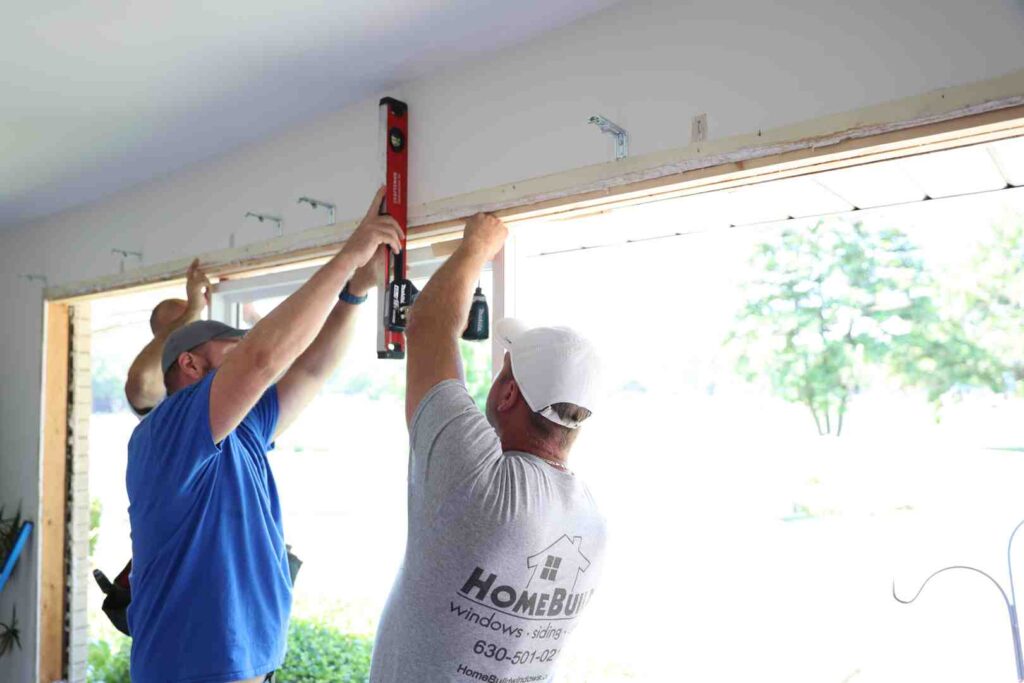
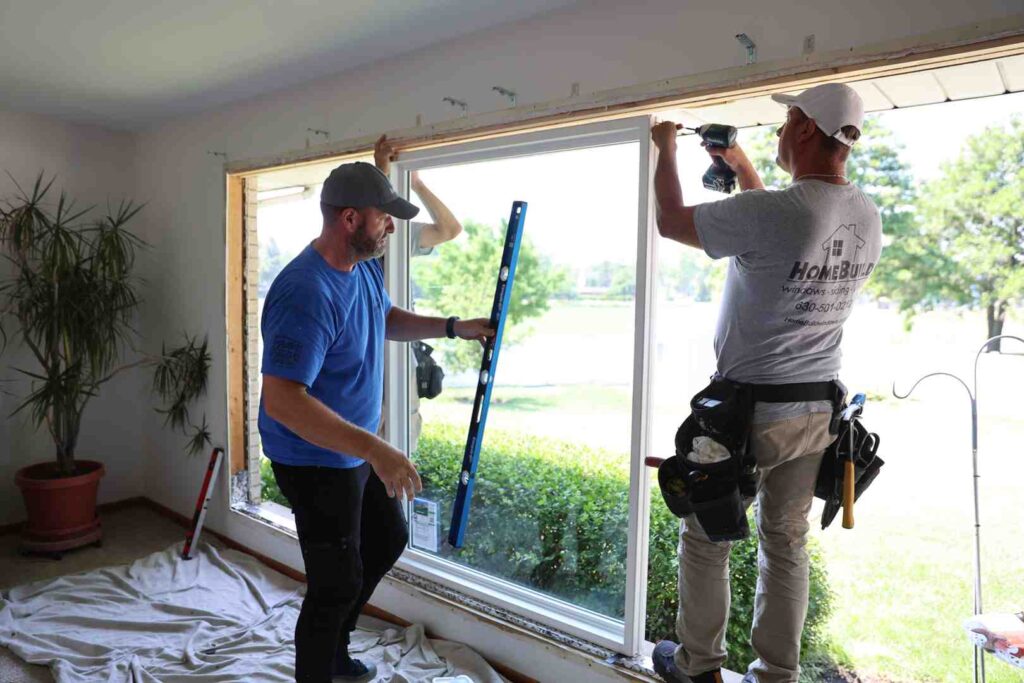
Even the best ultra high efficiency window will fail without proper installation. Maximizing performance requires precision sealing and insulation to prevent air and water leaks. The heavier construction of these windows demands expert installers to ensure the window is plumb, level, and square. This is critical for ensuring longevity, preventing seal failure, and protecting your warranty. Your investment only pays off with professional installation. For more insights, read our article on Energy Efficient Window Replacement.
Frequently Asked Questions about Ultra High-Efficiency Windows
Are triple-pane windows always considered “ultra high-efficiency”?
Surprisingly, not all triple-pane windows are ultra high-efficiency. While triple-pane glass is a key component, true ultra-high performance comes from a combination of technologies. It’s the triple-pane glass, multiple Low-E coatings, inert gas fills, and an insulated frame working together that achieves the necessary ratings. A basic triple-pane window might not reach the U-factors below 0.20 or R-values above 5 that define true ultra high efficiency windows. We’ve seen some exceptional double-pane windows with advanced technologies that come surprisingly close to this performance level.
How much more do ultra high-efficiency windows cost?
Ultra high efficiency windows can cost 15-30% more than standard ENERGY STAR double-pane windows. For example, a standard window might be $400-600, while a UHE window could be $500-800 or more. However, this investment is offset by long-term energy savings, improved comfort, and potential tax credits. The current federal tax credit offers 30% back (up to $600), which helps close the price gap. With monthly energy bill drops of $30-50, the savings over the window’s 20-30 year lifespan can exceed the initial extra cost.
Can I get ultra high-efficiency performance in any window style?
Window style does impact performance. While you can get good efficiency in most styles, some are naturally better for ultra high efficiency. Fixed (picture) windows offer the best performance as they are sealed and have no moving parts. Operable styles like casement and awning windows also achieve excellent ratings because their compression seals create a very tight barrier against air leakage when closed. We’ve installed casement models with U-factors as low as 0.15. Other styles like double-hung or sliding windows can be efficient, but their sliding design creates more potential for air leakage over time. We help homeowners balance performance goals with practical needs and aesthetics.
Upgrade to a More Comfortable and Efficient Home
Upgrading to ultra high efficiency windows is about changing how your home feels and performs. You’re creating a home that works smarter, not harder. Your HVAC system won’t struggle, cold spots will disappear, street noise will be reduced, and your furnishings will be protected from UV rays.
The energy savings alone are compelling, with potential heat loss reductions of 30-40%. But the daily comfort improvements are what truly make a difference, especially on a frigid Chicago morning. By reducing your home’s energy consumption, you’re also contributing to a healthier planet.
Crucially, even the best ultra high efficiency windows require expert installation to deliver on their promised performance. The precision needed to achieve low U-factors and high R-values demands professionals who understand proper sealing and flashing techniques.
At HomeBuild Windows, Doors & Siding, we’ve spent over 20 years perfecting this process. We know your investment deserves installation that matches its quality. Our team ensures your windows perform exactly as designed.
For Chicago-area homeowners ready to transform their home’s performance and comfort, professionally installed energy-efficient windows represent one of the smartest long-term investments you can make. We’re here to guide you through every step.