
Understanding Your Entry Door Replacement Costs
Thinking about swapping out your home’s front door? It’s one of the most impactful upgrades you can make, but you’re likely wondering, “How much will this cost?” Getting a clear, straightforward answer on the entry door replacement cost can feel tricky. Prices vary significantly based on the door’s material, style, size, and the complexity of the installation.
For a quick answer:
- The average entry door replacement cost in the U.S. typically ranges from $1,500 to over $5,000 for a professionally installed door.
- Many homeowners in the Chicago area spend around $2,500 to $3,500 for a high-quality, standard replacement that perfectly balances style, security, and energy efficiency.
Your entry door is far more than just a simple opening; it’s the centerpiece of your home’s facade. It’s the first impression you make on guests and a critical component of your home’s security and energy envelope. A new door can completely transform your home’s appearance, often leading to an excellent return on your investment. For homeowners in Illinois, a modern, well-sealed door means no more drafty entrances during brutal winters or letting cool air escape during humid summers. It provides peace of mind, knowing your family is protected by a secure, robust barrier.
I’m Steve Mlynek, CEO and founder of HomeBuild. With over 20 years of dedicated experience in the home improvement industry, my team and I at HomeBuild have earned a reputation as one of Chicago’s most trusted names in window and door replacement solutions. Our mission is simple: to provide homeowners in Chicagoland and the North-West Suburbs with superior door solutions, expert craftsmanship, and competitive pricing, all backed by comprehensive warranties that ensure your investment is protected for years to come.
Breaking Down the Average Entry Door Replacement Cost
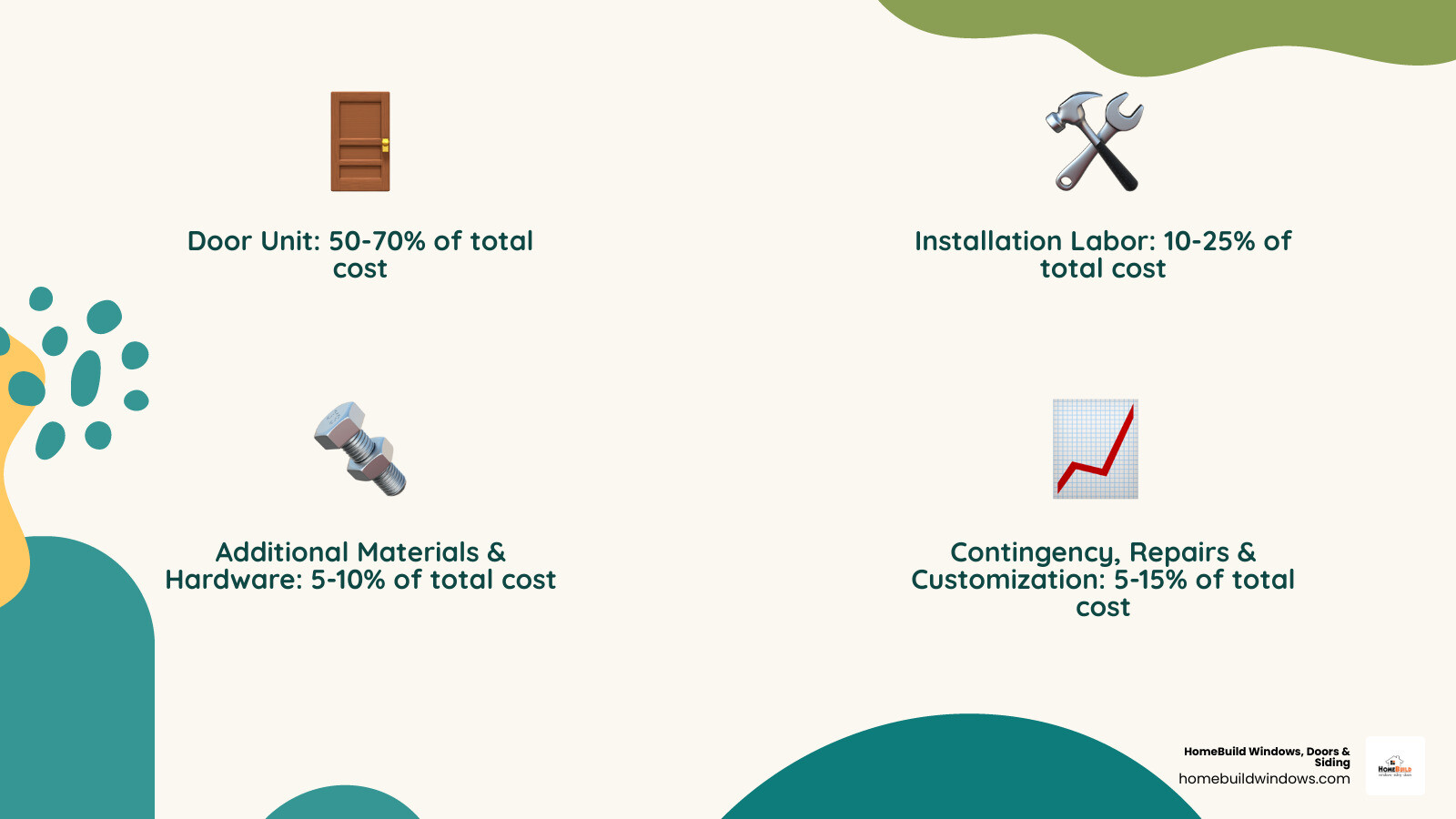
When we talk about the entry door replacement cost, it’s rarely just the price of the door itself. Think of it like buying a car – you don’t just pay for the vehicle; you consider the features, the installation, and even the “hidden” extras that ensure it runs perfectly. Several elements combine to form the total investment for your new front door. Understanding these components will help you budget effectively and make informed decisions for your Chicago-area home.
Key Factors Influencing Your Entry Door Replacement Cost
Just like a perfectly custom suit, an entry door is a blend of standard features and unique details. These details, along with other practical considerations, significantly influence the final price tag. It’s about finding the perfect fit for your home’s architecture, your lifestyle, and your wallet!
Here’s what plays a role:
First up, Door Size and Customization. A standard-sized single door (typically 36″ x 80″) will be the most affordable option. However, many older homes in Chicago have non-standard openings. If your entryway is taller, wider, or requires a unique shape like an arched top, expect the cost to increase due to the custom manufacturing involved. Custom features like decorative or privacy glass inserts, unique paneling designs, factory-applied custom paint colors, or specialty hardware also add to the price, but they are what make your entryway uniquely yours.
Then there’s your chosen Door Style. The type of door you select has a major impact. A simple, basic slab door (just the door itself) will be less expensive than a pre-hung unit (a door already mounted in its frame). A grand double-door entrance, neat French doors, or a single door flanked by sidelights (glass panels on the sides) or a transom (a glass panel above) will be more expensive. Adding sidelights can increase the cost by $500 to $1,500 per side, while a transom might range from $300 to over $1,000. These elements create a stunning, light-filled entryway and significantly boost curb appeal, but they represent a larger investment.
Labor Rates are a critical part of the equation, covering the professional installation that ensures your door functions perfectly. In the Chicago area, labor fees for a standard pre-hung exterior door installation typically range from $400 to $1,200. This cost covers the careful removal of the old door, precise installation of the new one, insulating and sealing against drafts, and installing the hardware and trim. More complex installations—such as those requiring modifications to the frame, custom cuts, or work on older brick homes—will naturally incur higher labor costs. Investing in expert installation is non-negotiable for ensuring longevity, security, and energy efficiency.
Your Geographic Location also impacts the price. Labor rates and material costs can vary widely across the country and even within a state. For instance, the entry door replacement cost in a major metropolitan area like Chicago will likely differ from costs in more rural parts of Illinois. This is due to factors like higher operational costs for businesses, local demand, and more stringent regional building codes. When budgeting, it’s crucial to get quotes from local, reputable installers who understand the specific market conditions and requirements in your area.
Finally, consider the Project Complexity and Frame Condition. An installer can’t just put a new door into a damaged frame. If the existing wood frame is warped, rotted from water damage, or has been damaged by pests, it will need to be repaired or replaced. Minor repairs might add an extra $150 to $500 to your entry door replacement cost. However, if extensive structural modifications are needed—like widening the opening to accommodate a larger door or converting a window into a door—the complexity and cost will increase significantly, often requiring permits and more extensive carpentry work.
The Price of Materials: Steel vs. Fiberglass vs. Wood
The material of your new entry door is one of the most significant factors determining its price, durability, and performance. Each material offers a unique blend of aesthetics, maintenance requirements, and cost, allowing you to find the perfect match for your home’s style and your family’s needs.
- Steel Doors: Often considered the workhorse of entry doors, steel provides best security and durability at a budget-friendly price point. They are energy-efficient, low-maintenance, and won’t warp or crack. The primary downside is that they can be dented, and scratches must be painted promptly to prevent rust, especially in a climate with rain and snow.
- Fiberglass Doors: Fiberglass is a versatile, all-around performer. It’s incredibly durable, resisting dents, scratches, and warping better than steel or wood. These doors offer excellent insulation, making them highly energy-efficient. Their biggest advantage is their design flexibility; they can come in a smooth, paintable finish or a textured, stainable wood-grain finish that convincingly mimics the look of real wood without the high maintenance. They represent a fantastic middle-ground in terms of cost.
- Wood Doors: For timeless, traditional beauty, nothing beats a solid wood door. They offer a high-end, luxurious appeal and can be customized in countless ways with different wood species (like oak, mahogany, or fir), stains, and designs. However, this premium aesthetic comes with the highest price tag and the most significant maintenance commitment. Wood doors must be regularly sealed, stained, or painted to protect them from moisture and prevent warping, cracking, or rotting.
| Material | Average Cost Range (Installed) | Pros | Cons |
|---|---|---|---|
| Steel | $700 – $3,000+ | Very secure, durable, low maintenance, good insulation | Can dent, prone to rust if not properly maintained, less aesthetic |
| Fiberglass | $1,500 – $5,500+ | Weather resistant, energy-efficient, versatile designs (can mimic wood), low maintenance, doesn’t dent easily | Higher initial cost than steel, can crack under extreme impact |
| Wood | $2,000 – $8,000+ | Natural beauty, high-end appeal, excellent customization potential, good insulation | Requires regular maintenance (painting/staining), susceptible to warping/rotting, highest cost |
Want to dive even deeper into door materials and their energy efficiency? Check out this helpful resource from the U.S. Department of Energy: More about door materials.
Additional & Hidden Costs to Consider
When planning your entry door replacement cost, it’s wise to budget for a few extra items that might not be included in the initial door price. These aren’t always obvious, but accounting for them will prevent surprises.
First, there’s Installation labor, which we’ve discussed. This is almost always a separate line item from the door unit itself and is essential for a proper, weather-tight fit. Then, don’t forget Hardware! This includes your locks, handleset, deadbolt, and hinges. While some pre-hung doors come with basic hardware, you’ll likely want to choose a style and finish that complements your home. This can range from $50 for a basic set to over $500 for a designer handle set with a smart lock. A smart lock installation is a popular security upgrade but is an extra expense to factor in.
Sometimes, your existing door frame needs more than a little TLC. If frame repair is necessary due to rot or damage, that’s an additional cost. Also, what happens to your old door? Most reputable installers, including HomeBuild, will handle old door disposal for you, but it’s good to confirm if there’s a small fee associated with this service.
Finally, think about personalization and permits. If you’re dreaming of beautiful custom glass inserts or unique decorative elements, these will add to the price. And occasionally, depending on your local regulations and the scope of work, you might need to account for permit fees. In the Chicago area, a permit is often required if you are altering the size of the door opening, which can add $100 to $300 to the project cost. It’s always a good idea to discuss all these potential extras with your installer during the consultation so you can budget with complete confidence!