

Why Understanding Roof Replacement Repair Matters for Your Home
Deciding on a roof replacement repair is a critical choice for any homeowner. When you spot a leak or missing shingles, you face a key question: repair or replace? Making the right call protects your family, belongings, and your home’s value, preventing wasted money on ineffective repairs or unnecessary replacements.
Quick Answer: Repair or Replace?
- Choose Repair if: Your roof is under 10-15 years old, damage is localized (a few missing shingles, small leak), and there’s no structural damage
- Choose Replacement if: Your roof is 20+ years old, damage is widespread across multiple areas, you have sagging or structural issues, or you’re experiencing multiple ongoing leaks
- Average Costs: Repairs typically run $300-$3,000, while full replacements range from $5,000-$16,000
Factors like roof age, damage extent, and budget influence this decision. In the Chicago area, our harsh winters with snow, ice, and freeze-thaw cycles accelerate roof wear, making a professional assessment even more critical.
I’m Steve Mlynek, and with over 20 years in home improvement, I’ve guided many Chicago homeowners through this process. Understanding your options is the first step to protecting your home, whether you need a small patch or a full overhaul.
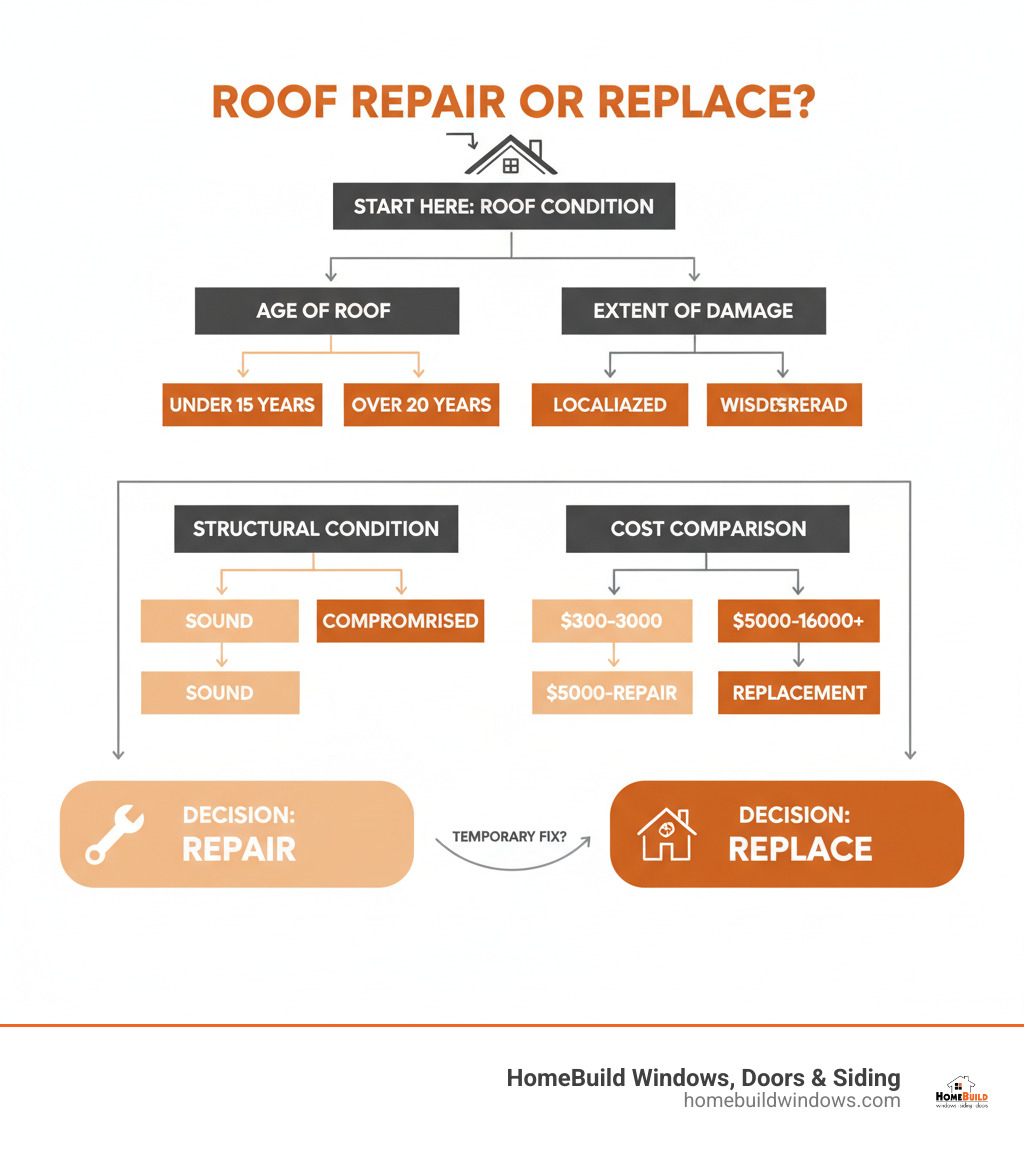
Deciding Between Repair and Replacement: Key Signs to Look For
The question I hear most often from homeowners is simple but loaded: “Do I need a repair, or am I looking at a full replacement?” The key is learning to read what your roof is telling you. Some signs whisper “quick fix,” while others practically shout “it’s time for a new roof.”
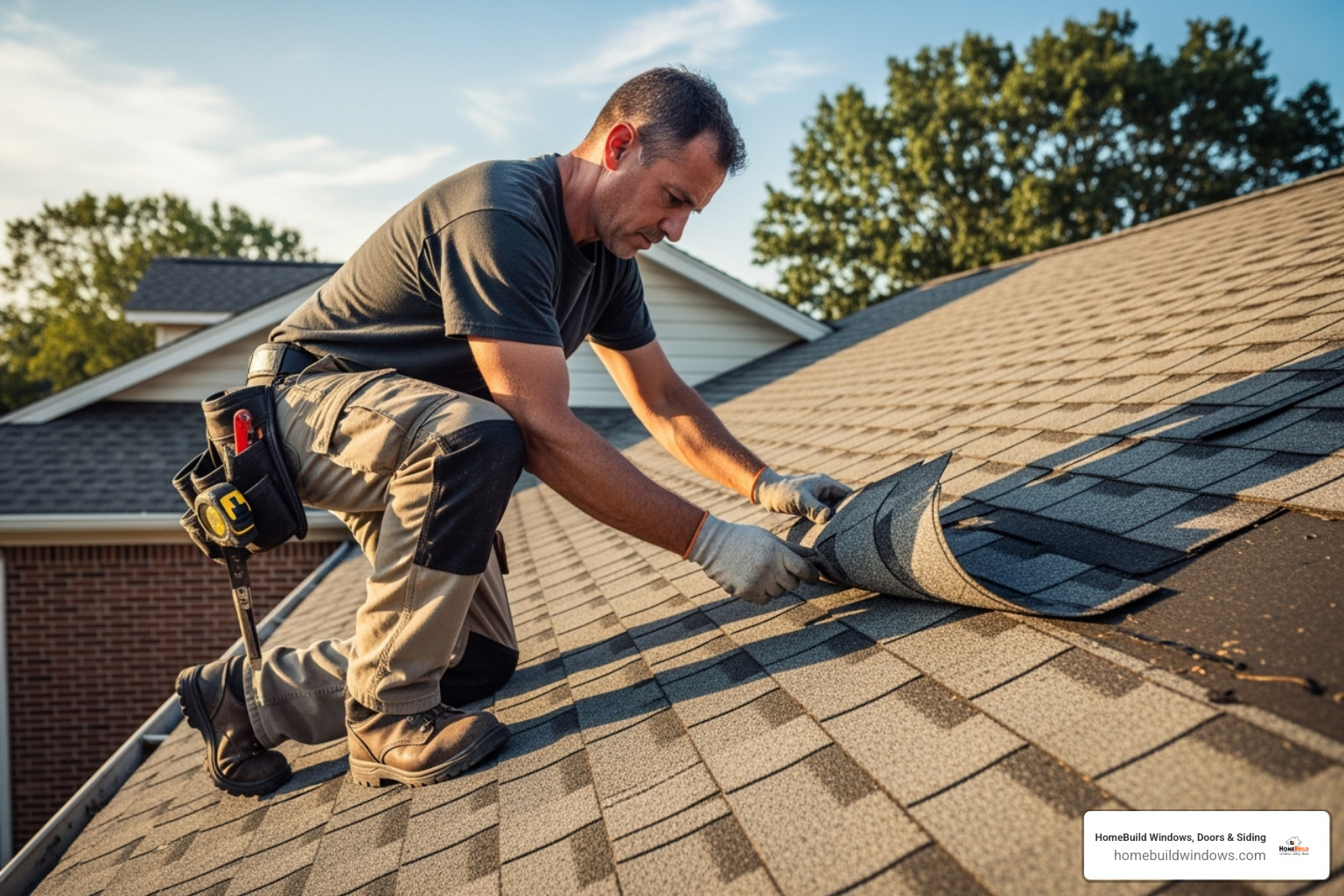
Here’s a breakdown of the primary signs that point you in one direction or the other:
| Sign Category | Indicates Repair | Indicates Replacement |
|---|---|---|
| Damage Extent | Isolated, localized to a small area | Widespread across multiple areas or entire roof |
| Shingle Condition | A few missing, cracked, or loose shingles | Curling, buckling, lifting, or widespread shingle loss |
| Leaks | Minor, infrequent, traceable to a specific point | Multiple, ongoing, or untraceable leaks |
| Granule Loss | Minor, noticeable in gutters but shingles still covered | Significant, bald spots, affecting protective layer |
| Structural | No visible sagging or structural issues | Sagging, soft spots, or compromised decking |
| Age | Roof is relatively young (under 10-15 years old) | Roof is old (20+ years for asphalt shingles) |
| Fascia/Soffit | Localized rot or damage to a small section of fascia | Extensive rot, widespread moisture damage |
| Algae Growth | Aesthetic issue, easily cleaned, no underlying damage | Persistent, indicates poor ventilation, or widespread |
Signs Your Roof Needs a Repair
When problems are caught early and limited to a specific area, a targeted repair is usually your most cost-effective option.
- Minor leaks: A small, contained water stain often points to a fixable issue like a cracked pipe boot or loose chimney flashing. Catching these early prevents major damage.
- Localized damage: If a storm damages a small section or winds lift a few shingles, a targeted repair is sufficient if the rest of the roof is sound.
- Missing shingles: A few missing shingles expose your roof deck, but replacing them is a straightforward repair.
- Early-stage granule loss: Finding some shingle grit in your gutters is normal. As long as shingles aren’t bare, it’s a sign to monitor, not necessarily replace.
- Fascia damage: Peeling paint or soft wood on the boards along your roofline often indicates gutter issues that need addressing but doesn’t always mean a new roof.
- Algae growth: Dark streaks are usually cosmetic and can be cleaned. However, persistent growth might signal ventilation problems.
For help with any of these common issues, check out more info about our roofing services.
Indicators for a Full Roof Replacement
Sometimes the signs are clear: your roof has reached the point where repairs are just postponing the inevitable. When you see these indicators, a full roof replacement repair is the smarter long-term investment.
- Widespread damage: When hail, wind, or sun has degraded shingles across multiple sections, replacement is more cost-effective than numerous small repairs.
- Roof age: An asphalt shingle roof over 20 years old is near the end of its life. At this point, repairs are often a temporary fix for a failing system.
- Extensive storm damage: If a storm damages more than 25% of a roof section, building codes often require a full replacement.
- A sagging roof deck: This is a serious structural and safety issue, often caused by water damage. It demands immediate attention and almost always requires a complete replacement.
- Structural issues: Soft spots, visible rot in the decking, or compromised framing go beyond the shingles and necessitate a full tear-off and replacement.
- Advanced granule loss: When you see large bald spots on shingles, their protective layer is gone, and they can no longer protect your home.
- Curling or buckling shingles: Shingles that are lifting, curling, or buckling can no longer shed water effectively. This is a clear sign that the roof has failed and needs replacement.
Understanding the Scope and Cost of Roof Replacement Repair
Let’s talk money. Understanding the financial side of roof replacement repair isn’t just about comparing price tags; it’s about making a smart investment that protects your home for years to come.
Comparing the Costs: Repair vs. Replacement
A typical roof repair costs between $300 and $1,000, while a full replacement ranges from $5,000 to $16,000. The lower repair cost is tempting, but repeatedly patching an old roof can be a poor investment. Spending thousands on repairs over a few years only to need a replacement anyway is a common pitfall.
A new roof, on the other hand, provides decades of protection and peace of mind. It can also add significant value and curb appeal if you plan to sell your home, as buyers see it as a major expense they won’t have to worry about.
Factors Influencing the Final Price
Several factors determine the final price of your roof replacement repair:
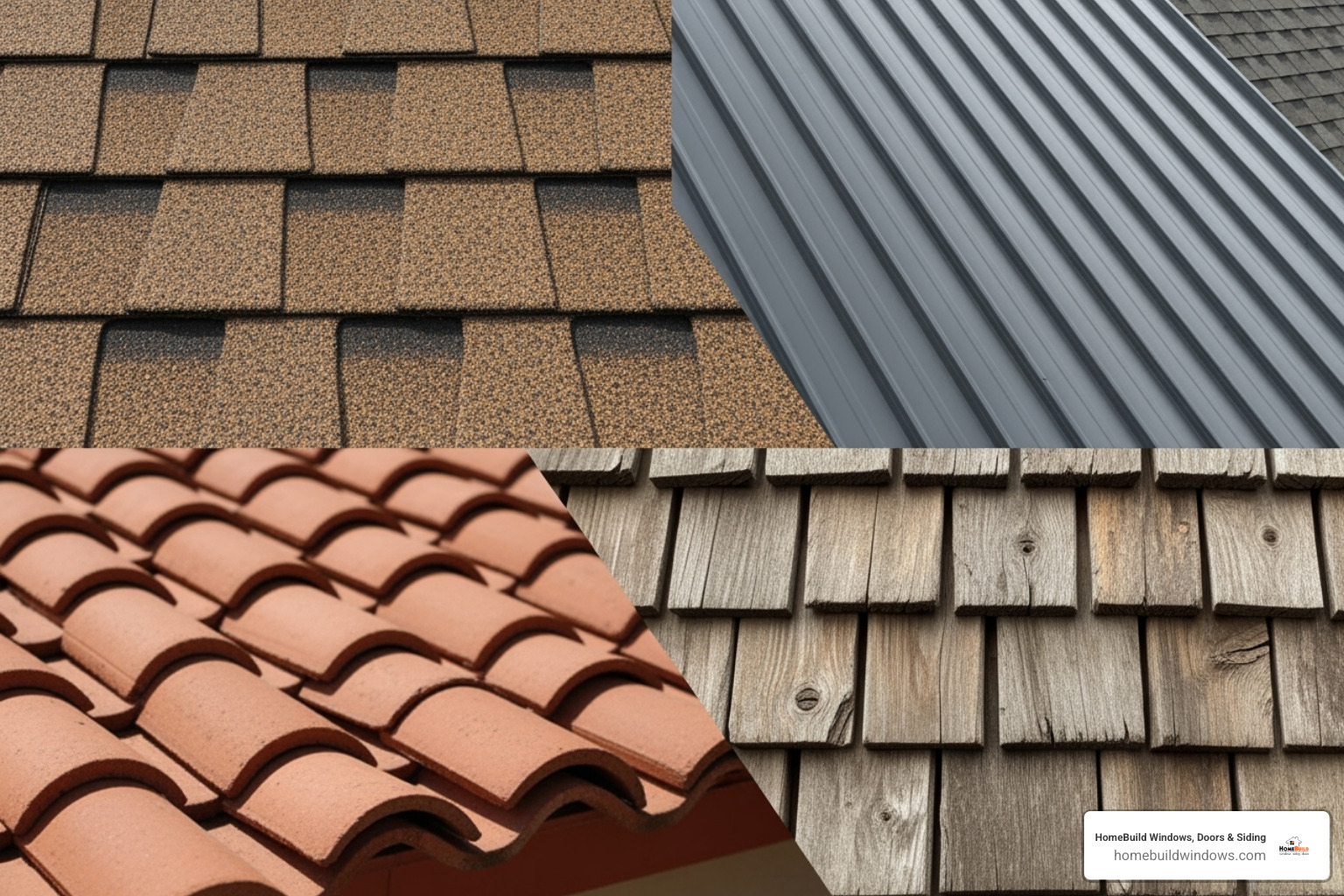
- Roofing Material: This is the biggest cost driver. Affordable asphalt shingles ($1-4/sq. ft.) last 15-30 years. More durable options like metal ($10-16/sq. ft.) last 30-50 years, while premium materials like tile or slate can last 50-100+ years but cost more upfront. We can also discuss Energy Efficient options to lower utility bills.
- Labor and Complexity: A simple gable roof is less expensive than a complex one with multiple dormers, skylights, and steep pitches, which require more time, skill, and safety precautions.
- Permits and Additional Costs: Most replacements require local building permits. The price also includes tearing off and disposing of old materials, new underlayment, flashing, and any necessary repairs to the roof deck.
The Role of Roof Age in Your Decision
Your roof’s age is often the clearest indicator for the repair-versus-replace decision.
- Under 15 Years: For a younger asphalt shingle roof with localized damage, a repair is almost always the most cost-effective choice. The roof still has significant life left.
- Over 15-20 Years: As a roof ages, materials become brittle and problems multiply. Patching a 20-year-old roof often leads to a cycle of recurring repairs. At this stage, the cost-effectiveness shifts toward replacement. Investing in a new roof provides a fresh 20-30 year lifespan and a new warranty, which is a smarter long-term financial decision than pouring money into a failing system.
Common Roofing Problems and Solutions
Understanding common roof problems helps you prevent issues and address them effectively. Catching problems early makes all the difference between a simple fix and a costly roof replacement repair.

Addressing Minor Leaks and Shingle Damage
Minor leaks are often fixable without a full replacement. Common sources include failing pipe boots around vent pipes, loose or rusted chimney flashing, or improperly driven nails. Identifying and sealing the source with roofing cement, replacing flashing, or re-sealing boots is a direct repair that can prevent thousands in water damage. Replacing a missing shingle is also a common, straightforward fix, especially when working with asphalt shingles.
The Impact of Attic Health: Ventilation and Moisture
Your attic’s health is critical to your roof’s lifespan. Proper attic ventilation regulates temperature and moisture, preventing major issues. Without it, you risk:
- Moisture Buildup: Warm air condenses in the attic, leading to mold and mildew that can damage wood structures and insulation.
- Ice Dams: In Chicago’s winters, poor ventilation causes snow to melt and refreeze at the eaves. This traps water, forcing it under shingles and into your home.
- Premature Aging: Trapped heat and moisture can “cook” shingles from below, causing them to curl and fail years ahead of schedule, often forcing an early roof replacement repair.
Shingle Rejuvenation: A Viable Alternative?
For a roof that’s aging but not yet failing, shingle rejuvenation can be a smart alternative. This process involves applying a plant-based oil that restores flexibility and waterproofing to asphalt shingles, extending their life by several years. It’s ideal for roofs 8-15 years old that are showing signs of drying out but are otherwise intact. Rejuvenation costs a fraction of a full replacement, offering a cost-effective way to delay a major expense while keeping your home protected. It’s also an environmentally friendly option that reduces landfill waste.
The DIY vs. Professional Roofer Debate
When faced with roof replacement repair, many homeowners wonder if they can handle it themselves. While some minor repairs are doable, your roof is your home’s first line of defense, and the stakes are high when it comes to safety, quality, and warranty protection. Knowing when to DIY and when to call a pro can save you from costly mistakes. For other exterior projects, you might find our guide to siding installation helpful.
DIY Roof Repair: Steps, Tools, and Safety
For a handy homeowner, minor repairs like replacing a few shingles or sealing a small crack are manageable.
- Basic Steps: To replace a shingle, you’ll need to pry up the surrounding shingles, remove the old nails, slide the damaged shingle out, slide the new one in, and secure it with roofing nails. Seal the nail heads and under the surrounding shingles with roofing cement.
- Essential Tools: You’ll need a hammer, flat pry bar, utility knife, caulk gun, a sturdy ladder, and safety gear.
- Safety First: Roof and ladder safety is non-negotiable. Always work with a partner, use a stable ladder, and wear footwear with good grip. For steep or high roofs, a safety harness is essential. If you’re not confident, call a professional.
When to Hire a Professional for Your roof replacement repair
While DIY can save money on small fixes, hiring a professional for your roof replacement repair is essential in these situations:
- Structural Damage: A sagging roof or soft spots are red flags that require an expert assessment.
- Large-Scale Repairs: If damage is widespread or involves multiple areas, a professional team is safer and more efficient.
- Safety Risks: Don’t risk working on a steep, high, or slippery roof. Professionals have the right safety equipment and training.
- Lack of Experience: An improper repair can cause more damage. If you’re unsure of the leak’s source or the correct fix, call for expert help.
- Warranty Protection: DIY work can void your roofing material’s warranty. Professional installation and repair keep it intact.
How to Choose a Trustworthy Roofing Contractor for roof replacement repair
Choosing the right contractor is crucial. Here’s what to look for:
- Honest Assessments: A trustworthy roofer provides a detailed inspection and explains all your options without high-pressure sales tactics.
- Licenses and Insurance: Verify the contractor is licensed and carries full liability and workers’ compensation insurance to protect you.
- Reviews and References: Check online reviews and ask for references to gauge their quality and professionalism.
- Compare Multiple Quotes: Get at least three quotes, but compare the scope of work, materials, and warranties—not just the price.
- Local Expertise: A local company understands Chicago’s climate challenges and building codes. If you’re in Des Plaines, for example, look for local Des Plaines Roofers with specific experience in your area.
- Contract Clarity: Insist on a detailed contract that outlines all materials, costs, timelines, and warranty information before signing.
Frequently Asked Questions about Roof Replacement and Repair
We often get questions from homeowners trying to understand the nuances of roof replacement repair. Here are some of the most common questions we address:
How long does a roof repair take compared to a replacement?
A minor repair, like replacing a few shingles, can often be done in a few hours. A full roof replacement is a larger project, typically taking 2-3 days for an average-sized home. Larger or more complex roofs can take a week or more, and the timeline is always dependent on weather conditions.
What are the risks of using temporary fixes for a roof leak?
Using tar or caulk for a quick patch is risky. These temporary fixes can trap moisture, leading to hidden rot and mold. They also mask the true source of the leak, delaying a proper diagnosis. By putting off a professional roof replacement repair, you risk turning a small problem into major structural and interior water damage. A temporary patch should only be used to buy a few days until a professional can perform a permanent repair.
How do local climate conditions in areas like Chicago affect my roof?
Chicago’s climate is tough on roofs. The extreme temperature swings cause materials to expand and contract, leading to premature aging and cracking. Heavy snow and ice create immense weight and lead to ice dams, which force water under shingles. High winds and hail cause direct damage like torn shingles and granule loss. All these factors accelerate wear, making regular inspections and timely repairs essential to protect your home in our region.
Conclusion: Making the Right Choice for Your Home
Your roof is your home’s primary shield against Chicago’s weather. Making the right call on roof replacement repair is vital. As we’ve covered, the decision depends on clear signs: a young roof with localized damage often needs a simple repair, while an old roof with widespread issues points to replacement.

The key is to act before a small problem becomes a catastrophe. Delaying a fix can lead to extensive water damage and mold, turning a minor expense into a major one. Your home is your biggest investment—protecting it should be a priority.
At HomeBuild Windows, Doors & Siding, we provide honest, thorough assessments without high-pressure sales. We’re here to help you understand your roof’s condition and choose the best option, whether it’s a repair, rejuvenation, or a full replacement. With decades of experience in the Chicago area, we know how to protect your home for the long haul.
If you’re unsure about your roof’s condition or see any warning signs, don’t wait. Get a professional assessment for your roofing needs today. We’ll provide an honest evaluation to ensure your home is protected.