


Why Replacing Your Windows is a Smart Investment for Your Chicago Home
Replace old windows to improve your home’s energy efficiency, comfort, and value. This guide will help you plan your project from start to finish.
Key Steps to Replace Old Windows:
- Check for warning signs – Drafts, foggy glass, high energy bills, or operational issues.
- Assess window age – Most last 15-25 years depending on quality and maintenance.
- Decide repair vs. replace – Minor issues can be fixed, but failed seals or frame rot usually require replacement.
- Measure accurately – Take width and height measurements at three points and use the smallest.
- Choose energy-efficient options – Look for ENERGY STAR certified windows with ratings suitable for Chicago’s climate.
- Budget and plan – Replace multiple windows at once for better pricing, or phase the project.
- Hire certified professionals – Proper installation is critical for performance and warranty coverage.
Windows account for a significant portion of your home’s heat gain or loss, directly impacting comfort and utility bills. When your windows are drafty, difficult to operate, or show condensation between panes, it’s time to pay attention.
The decision to replace old windows is an investment in your home’s future. New windows can improve home value, reduce energy costs, block outside noise, and make your home safer. However, the process requires careful planning.
I’m Steve Mlynek, founder of HomeBuild Window, Siding & Door Replacement Company. With over 20 years of experience helping Chicago-area homeowners, I’ll guide you through each step to ensure you make informed decisions and avoid costly mistakes.
Is It Time to Replace Your Windows? Key Signs and Lifespan

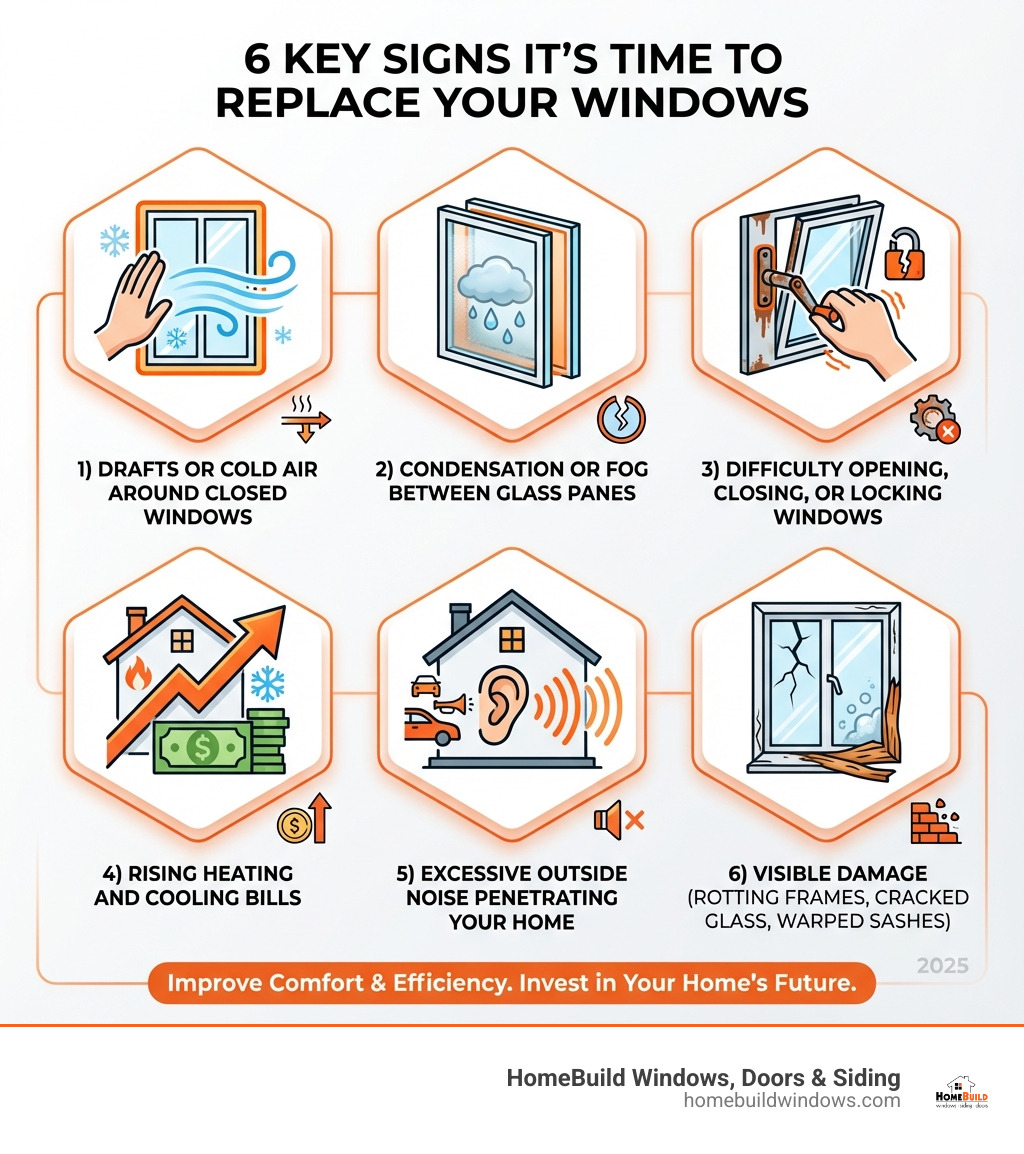
Do you feel a chill near a closed window or notice your energy bills creeping up? These are clear signals that it might be time to replace old windows. Your windows are critical to your home’s energy efficiency, comfort, and structural integrity. Delaying replacement is a common mistake that can cost you money and comfort. For more reasons to upgrade, explore our guide on 4 Reasons Your Home Needs Window Replacement.
Common Signs of Window Failure
Look for these red flags that indicate your windows are ready for retirement:
- Drafty Windows: If you feel air seeping in when windows are closed, it’s a sign of poor sealing. This forces your HVAC system to work harder, increasing energy bills.
- High Energy Bills: Consistently rising heating and cooling costs often point to old, inefficient windows that lack proper insulation.
- Difficult Operation: Windows that are hard to open, close, or lock are inconvenient and can be a safety hazard. This is often caused by warped frames or faulty hardware.
- Condensation Between Panes: Fog or moisture between the layers of a double-pane window means the seal has failed. The insulating gas has escaped, rendering the window inefficient.
- Rotting Frames or Sashes: Common in older wood windows, rot indicates water damage and compromises the window’s structure. If you see decay or can push a screwdriver into the frame, it’s time for replacement.
- Water Damage Around Windows: Peeling paint, stained drywall, or warped sills are signs of water infiltration that can lead to serious structural damage.
- Excessive Noise: If you hear too much outside noise, your windows are failing at sound insulation. Modern windows offer significant noise reduction.
- Single-Pane Glass: Still common in older Chicago homes, single-pane windows are poor insulators. Upgrading to double or triple-pane windows makes a huge difference in comfort and energy savings.
For more insights, see the ENERGY STAR guide: It May be Time to Replace Your Windows.
Understanding the Lifespan of Your Windows
Windows generally last 15 to 25 years, but several factors influence their longevity:
- Product Quality: High-quality materials and manufacturing lead to a longer-lasting window.
- Installation Quality: This is the most critical factor. Poor installation leads to drafts, leaks, and a shortened lifespan, negating the benefits of a good window.
- Maintenance: Regular care like cleaning and checking seals extends a window’s life. Find tips on Regular cleaning and care.
- Material Impact: Modern vinyl, fiberglass, or clad-wood options are low-maintenance and durable, unlike older wood windows that require constant upkeep.
- Climate Factors: Chicago’s harsh winters and humid summers accelerate wear and tear, making quality products and installation essential.
If your windows are approaching the 15-year mark, it’s a good time to evaluate them closely for signs of failure.
Repair vs. Replace: Making the Right Decision
Deciding whether to repair or replace old windows involves weighing the immediate cost of a fix against the long-term value of replacement. While minor issues can often be repaired, significant problems usually make replacement the smarter investment.
| Scenario | Repair Feasible? | Replacement Recommended? | Considerations |
|---|---|---|---|
| Single Broken Pane | Yes | No (unless old/inefficient) | If the frame is sound, replacing just the glass is an option. If it’s a single-pane window, consider replacement for energy savings. |
| Minor Frame Rot | Yes (small area) | Yes (extensive) | Small spots of rot can be repaired. Extensive rot compromises structural integrity and requires replacement. |
| Failed Seal (Foggy Glass) | No | Yes | A failed seal cannot be repaired. The entire glass unit or window must be replaced to restore energy efficiency. |
| Difficult Operation | Yes (minor) | Yes (major) | Worn hardware can be fixed. If the frame is warped or sashes are stuck, replacement offers a reliable, smooth-operating solution. |
| Drafts/Air Leaks | Yes (minor) | Yes (major) | New weatherstripping can fix minor drafts. For persistent leaks or single-pane windows, only replacement will significantly improve performance. |
| Historic Preservation | Yes | No (often) | For historic homes, specialists can repair original windows to maintain architectural integrity. We offer Window Repair Services by HomeBuild Windows to help you weigh the options. |
| Aesthetic Update | No | Yes | Repair won’t change a window’s look. Replacement allows for a complete style overhaul to boost curb appeal. |
| High Energy Bills | No | Yes | To see substantial savings on high energy bills caused by poor window performance, replacement with modern, efficient units is necessary. |
When to Consider Repairing Your Windows
Repair might be the right path for:
- Minor Issues: Small cracks in a single pane, loose hardware, or worn weatherstripping are often easy and affordable fixes.
- Preserving Historical Character: In older Chicago homes, repairing original windows maintains authentic character.
- Budget Constraints: If a full replacement isn’t in the budget, minor repairs can buy you time.
When Replacement is the Smarter Investment
Replacement is the better long-term choice for:
- Failed Seals (Foggy Glass): This is a non-repairable condition that severely compromises energy efficiency.
- Significant Frame Rot or Damage: Extensive rot or a warped frame requires replacement to ensure structural integrity.
- Poor Energy Performance: Upgrading from single-pane or old double-pane windows is the best way to reduce energy bills.
- Major Operational Failure: Windows that are stuck, hard to open, or have broken locks impact convenience and security.
- Boosting Home Value: New windows dramatically improve curb appeal and can Increase the resale value of your home, making it a smart financial move.
Your Guide to Choosing and Measuring New Windows
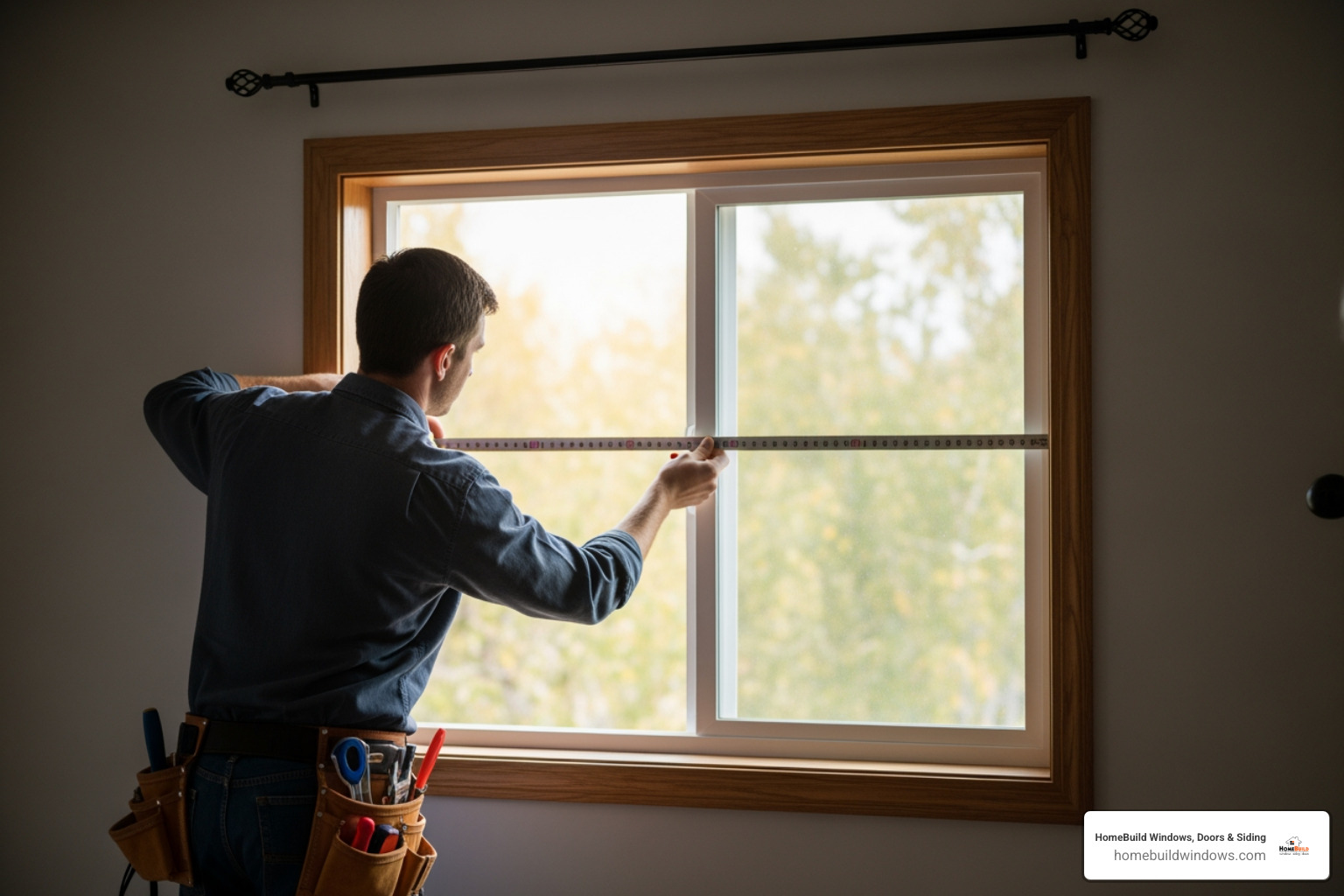
Once you decide to replace old windows, the next steps are choosing your options and getting accurate measurements. Selecting the right window type, material, and energy ratings is vital for performance and aesthetics. Explore your possibilities with our Window Replacement Options Near Me.
Understanding Replacement Window Types
There are three main replacement options:
- Insert Replacements (Pocket Windows): A self-contained window unit installed into the existing frame. This is a less invasive and more affordable option, ideal when your current frames are in good condition.
- Full-Frame Replacements: The entire window and frame are removed down to the rough opening. This method is necessary if the old frame is rotted or damaged, and it allows for changing the window size or style.
- Sash Kits: Replaces only the movable sashes in a double-hung window. This is a cost-effective way to improve performance while preserving the original frame, which must be in good condition.
We offer various styles, including Double Hung Windows Replacement and Casement Windows Replacement.
How to Measure Windows to Replace Old Windows
Accurate measurements are critical. An incorrectly sized window leads to costly delays and poor performance. While we recommend professional measurement, here is a basic guide:
- Measure Width: Measure horizontally at the top, middle, and bottom of the opening. Record the smallest measurement.
- Measure Height: Measure vertically on the left, middle, and right. Record the smallest measurement.
- Check for Squareness: Measure diagonally from corner to corner in both directions. If the measurements differ by more than 1/4 inch, the frame is out of square, and a full-frame replacement may be needed.
For a DIY visual, see this guide from Family Handyman: How to Install a Window.
Selecting Energy-Efficient and Aesthetically Pleasing Windows
Make smart choices for your home’s performance and appearance:
-
Energy Efficiency: Look for the ENERGY STAR label. For Chicago’s climate, prioritize a low U-Factor (better insulation for winter) and a low Solar Heat Gain Coefficient (SHGC) (reduces heat gain in summer). Features like Low-E coatings and argon gas fills are standard in Energy Efficient Window Replacement.
-
Frame Materials:
- Vinyl: Affordable, low-maintenance, and a good insulator.
- Wood: Offers classic beauty but requires more maintenance. Modern wood windows often have exterior cladding to reduce upkeep.
- Fiberglass: Extremely durable, stable, and energy-efficient. A premium, low-maintenance choice.
-
Window Styles: Consider the aesthetic that fits your home, such as double-hung, casement, awning, picture, or bay/bow windows.
-
Grids and Grilles: These decorative elements can mimic traditional multi-pane windows and significantly impact your home’s style. We can help with Custom Window Designs to achieve your desired look.
The Window Replacement Process: Budget, Phasing, and Installation
Planning the logistics of your window replacement involves budgeting, deciding on the project scope, and ensuring professional installation. A smooth process is key to a successful outcome. For an overview of the steps, see our Window Installation Guide.
Budgeting for Your Project: Costs and Incentives
The cost to replace old windows varies based on:
- Window Type and Material: Vinyl is most budget-friendly, while wood and fiberglass are more expensive.
- Glass Options: Upgrades like triple-pane glass or special coatings increase cost but improve efficiency.
- Installation Complexity: Full-frame replacements cost more than inserts due to higher labor.
- Number of Windows: Replacing more windows at once (e.g., 8-12) can lower the per-window cost.
For a detailed breakdown, see our Window Replacement Cost Guide. Also, look for potential savings from federal tax credits for ENERGY STAR windows and local utility rebates from providers like ComEd.
Phased vs. Full Replacement: What’s Best for You?
Deciding whether to replace windows all at once or in stages depends on your budget and goals.
- Full Replacement: Often provides better pricing, a consistent look, and immediate, maximum energy savings. However, it requires a larger upfront investment.
- Phased Replacement: Spreads the cost over time, making it more budget-friendly. You can prioritize the worst-performing windows first. The downside is a longer project timeline and potential for missed bulk discounts.
Why Professional Installation is Crucial When You Replace Old Windows
Installation quality is as important as window quality. An improper installation will cause even the best windows to underperform. Professional installation is essential for:
- Performance and Longevity: Certified installers ensure windows are properly fitted, sealed, and insulated to prevent leaks and guarantee smooth operation for years.
- Preventing Damage: Professionals use correct techniques to create a watertight barrier, preventing water infiltration that can lead to rot and structural damage.
- Warranty Validity: Many manufacturers require professional installation to validate their warranties. A DIY job could void your coverage.
- Lead Paint Safety: For homes built before 1978, certified installers must use lead-safe practices to protect your family from hazardous dust, as required by the EPA. Learn more about Protecting your family from lead.
- Expertise: Our Certified Window Installers have the specialized tools and training to handle any installation challenge, ensuring a perfect fit and lasting performance.
Frequently Asked Questions about Replacing Old Windows
Here are answers to common questions we hear from our Chicagoland customers.
What maintenance do new windows require?
Modern vinyl and fiberglass windows require significantly less maintenance than old wood windows. Key tasks include:
- Regular Cleaning: Clean glass with mild soap and water. Many new windows have tilt-in sashes for easy cleaning from inside.
- Inspecting Seals: Periodically check the exterior caulk and weatherstripping for cracks and reapply or replace as needed to maintain an airtight seal.
- Lubricating Parts: Once a year, lubricate moving parts like hinges and tracks to ensure smooth operation.
How do I find a reputable window contractor?
Choosing the right contractor is crucial. Here are key steps:
- Verify Licenses and Insurance: Ensure the contractor is properly licensed and insured to protect yourself.
- Read Reviews and Ask for References: Check online reviews and ask for local references to gauge their reputation and quality of work.
- Get Detailed Written Estimates: Obtain itemized estimates from multiple contractors. Be wary of unusually low bids.
- Understand the Warranty: Ask about both the manufacturer’s product warranty and the contractor’s installation warranty.
Our guide on How to Find the Perfect Window Repair and Installation Company offers more detailed advice.
What time of year is best for window replacement?
While windows can be replaced year-round, some seasons are better than others in Chicago:
- Spring and Fall: Mild weather makes these seasons ideal. Temperatures are comfortable for installers and optimal for sealants to cure properly.
- Summer: Longer daylight hours can speed up projects, but it can get hot inside during installation.
- Winter: It’s possible to replace old windows in winter, and you may find better availability or off-season pricing. Installers work on one window at a time to minimize heat loss.
A good contractor will take precautions to maintain comfort regardless of the season.
Conclusion
Deciding to replace old windows is a significant home improvement project that offers substantial rewards for Chicago-area homeowners. When you notice drafts, condensation, or climbing energy bills, it’s time for an upgrade.
Investing in new, energy-efficient windows improves your home’s comfort, reduces energy use, and boosts its value and curb appeal. The keys to success are careful planning, accurate measurements, and professional installation for long-lasting performance.
At HomeBuild Windows, Doors & Siding, we provide top-quality products and expert installation across Chicagoland. Our certified installers are dedicated to changing your home with precision and care.
Ready to experience the difference new windows can make? Don’t let inefficient windows compromise your comfort and wallet.
Contact us for a professional window replacement service today to start planning your project!