


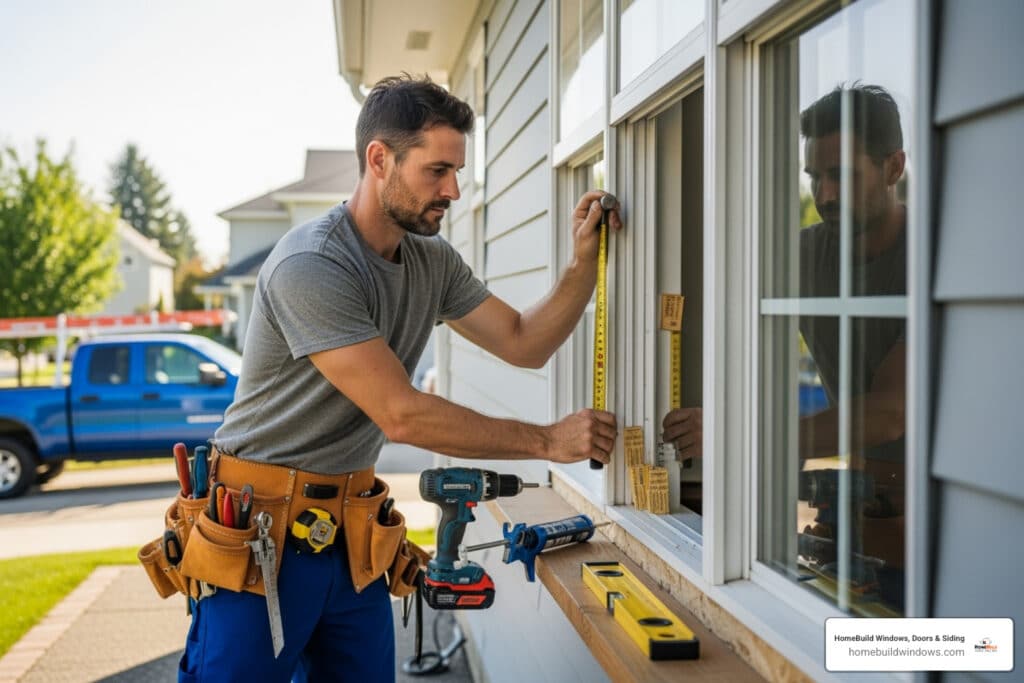
Understanding Your Window Installation Options
When looking for independent window installers, you have two main choices: solo contractors or small crews, versus full-service window companies with larger teams and established operations.
Key differences at a glance:
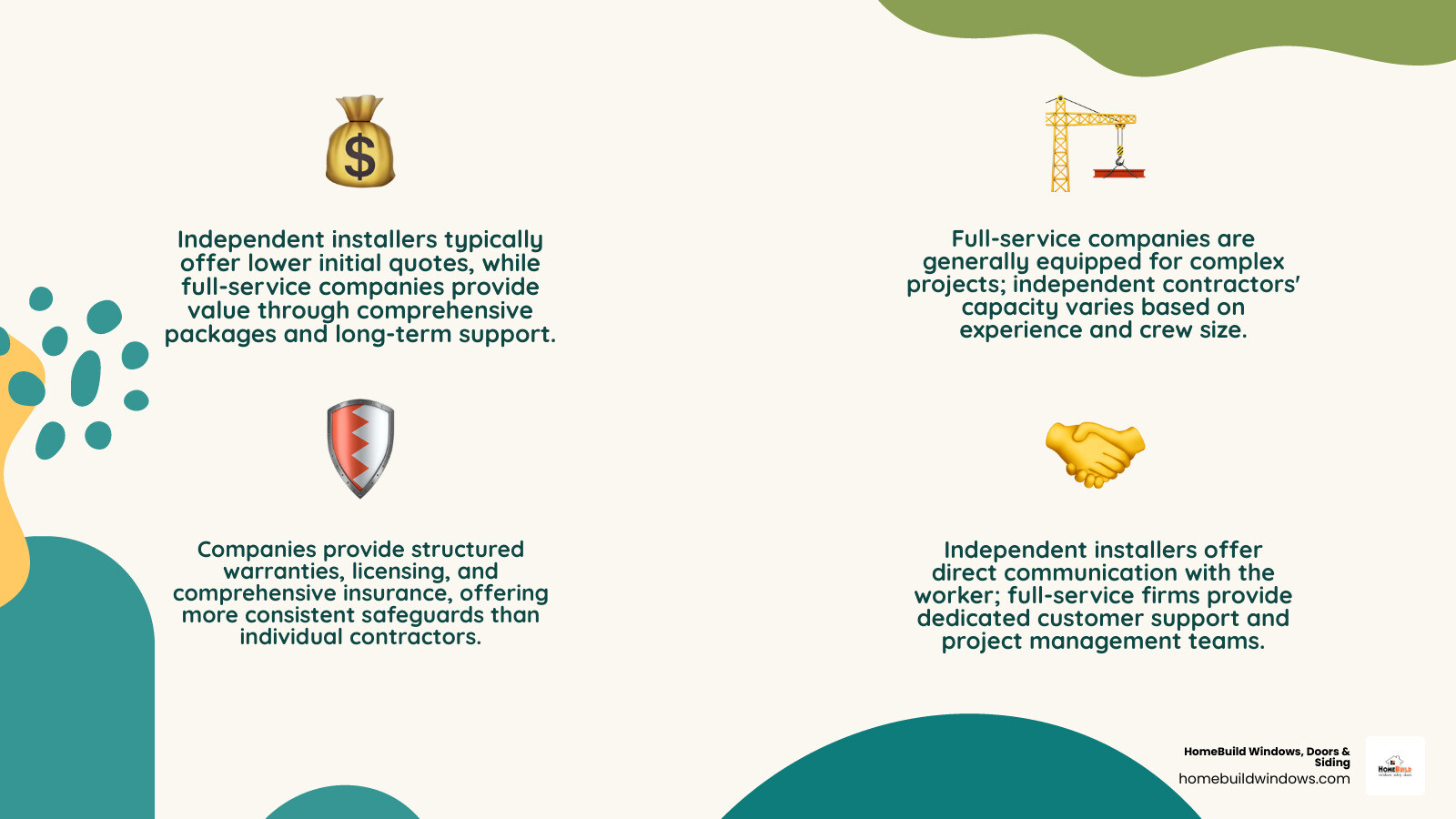
- Independent installers often offer lower initial costs and direct communication.
- Full-service companies provide comprehensive project management, structured warranties, and dedicated customer support.
- Cost considerations include upfront pricing, long-term warranty coverage, and potential repair costs.
- Project scope matters—complex jobs may require specialized tools and management that not all independents possess.
The right answer depends on your needs, risk tolerance, and project complexity. Independent window installers can offer personalized service and flexible pricing, but often with fewer safeguards. Companies maintain up-to-date licenses and comprehensive liability insurance, while contractors vary in their certifications and coverage.
I’m Steve Mlynek, and with 20 years in the window industry, I’ve worked with many independent window installers. I’ve seen both exceptional craftsmanship and concerning service gaps. My experience has shown me the importance of understanding what you’re getting—and what you’re risking—with each approach.
Full-Service Window Companies vs. Independent Window Installers: A Head-to-Head Comparison
When replacing windows, who installs them is as important as what you choose. The decision between a full-service company and independent window installers involves two different approaches to your project.
One option provides a full team with established processes, while the other offers a more personal, streamlined approach. Understanding their differences will help you make the right choice for your situation and peace of mind.
Defining the Players
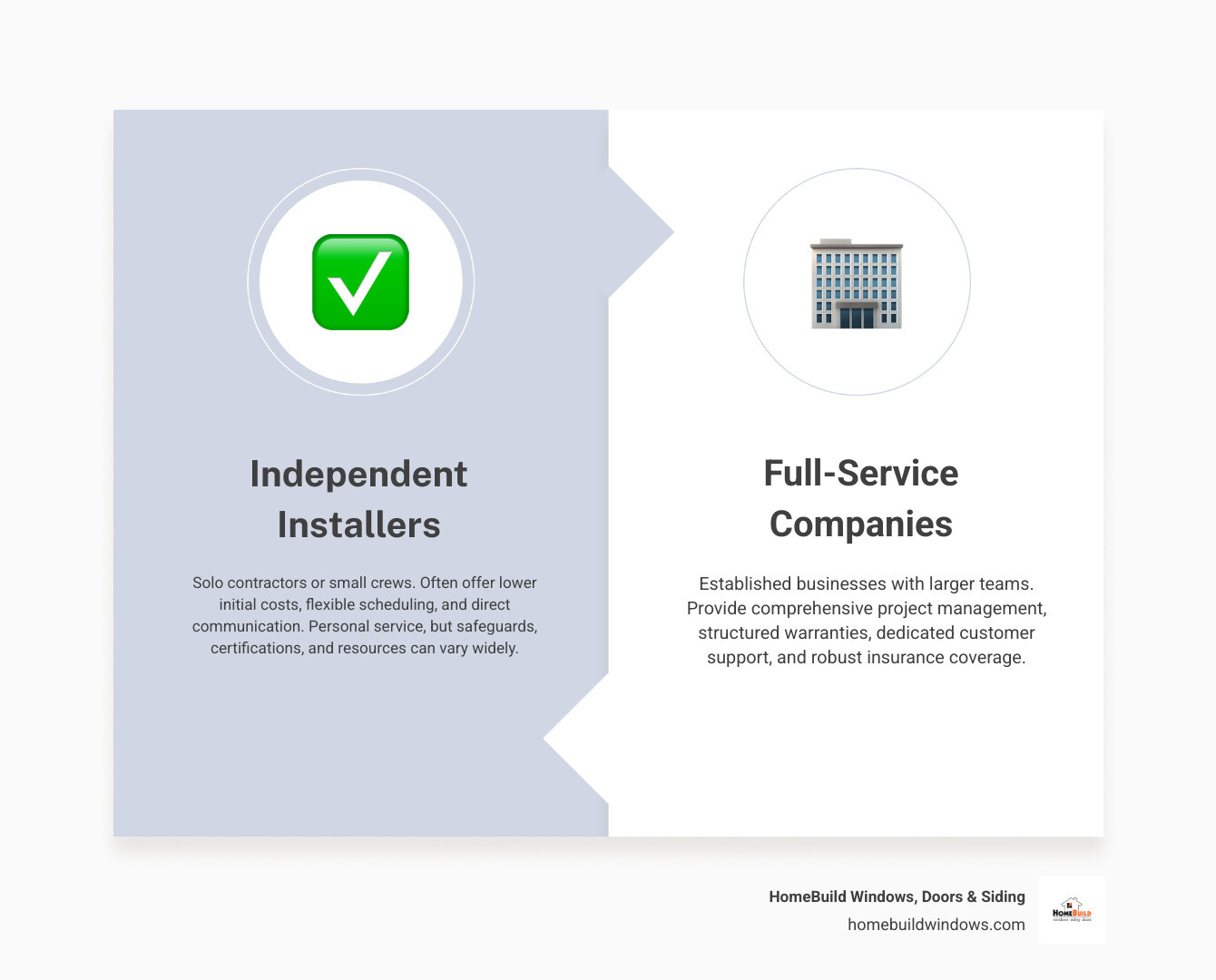
The main difference lies in their structure and daily operations.
Full-service window companies have a business infrastructure with multiple team members in specific roles, offices or showrooms, and established systems. They invest in training to ensure every installer knows the latest techniques. You get the benefit of specialized expertise from sales consultants, project managers, and certified installers.
Independent window installers are typically self-employed individuals or small crews. They operate from home offices or workshops to keep overhead low, growing their business through word-of-mouth. While you’ll likely communicate directly with the person doing the work, everything depends on that individual’s skills and reliability. You can learn more about different company structures at Window Companies HomeBuild.
Scope of Services and Project Management
Full-service companies typically handle your entire project: initial consultation, measurements, product selection, ordering, installation, cleanup, and follow-up service. This comprehensive approach is ideal for projects with multiple or custom windows, as they have the tools and experience to manage complex installations and unexpected issues.
Independent window installers often focus only on the installation. This means you might need to purchase windows, coordinate delivery, arrange permits, and manage waste disposal yourself. This hands-on approach can work for homeowners who enjoy managing project details.
However, this can be challenging for larger projects. If a window has the wrong measurements or a delivery is delayed, you are responsible for resolving it. Our team at HomeBuild specializes in handling all these moving parts, as you can see in our comprehensive Window Installation Services.
Full-service companies take responsibility for the entire project, while independent window installers typically focus on their specific piece of the puzzle.
Weighing the Pros and Cons of Hiring an Independent Installer
When considering independent window installers, it’s important to weigh the real benefits against the genuine risks. Here’s a look at both sides, based on my two decades in the business.

The Advantages: Personalized Service and Potential Savings
Hiring independent window installers offers a personal touch larger companies often can’t match. This direct communication with the person doing the work is refreshing, as questions are answered by an expert on the spot.
Flexibility in scheduling is another advantage. Independent contractors can often work around your schedule, including weekends or evenings, because they value the customer relationship.
Potential cost savings are also a major draw. With lower overhead—no showrooms or large support teams—independent window installers can often provide more competitive initial quotes, which is attractive for homeowners on a tight budget.
The Disadvantages: Key Risks and Inconsistencies
While many independents do excellent work, their lack of structure can create significant risks.
- Inconsistent Workmanship: Unlike companies with standardized training, quality depends entirely on the individual’s experience. I’ve seen beautiful work, but also poor installations leading to drafts and water damage.
- Limited Resources: An installer getting sick, injured, or overwhelmed can leave your project unfinished for weeks. They may also lack specialized tools for complex jobs, causing delays or compromised quality.
- Project Management Challenges: You may be responsible for coordinating materials, timelines, permits, and code compliance, which can be a bigger task than most homeowners realize.
- Fewer Safeguards: You rely heavily on the individual’s integrity. If disputes arise or the installer disappears, you have fewer options for recourse.
- Insurance and Licensing Gaps: Some independent window installers operate without proper licensing or adequate insurance. If an accident occurs, you could be legally and financially exposed.
The bottom line is that independent window installers require careful vetting on your part to separate the skilled professionals from those who might leave you with costly problems. For more guidance, see our advice on How to Find the Perfect Window Repair and Installation Company.
Key Factors to Consider Before You Hire
Before seeking quotes, consider your project’s specific needs to choose wisely between a full-service company and an independent window installer.

Project Scope and Complexity
The size and complexity of your project are the first consideration. For replacing just one standard window, an experienced independent window installer is often a great fit. The project is straightforward with minimal complications.
However, a whole-home window replacement, especially in an older house, is more complex. It requires coordinating deliveries, managing schedules, and ensuring consistent quality, making project management skills essential.
Custom sizes, unusual shapes, or structural changes (like converting a standard window to a bay window) add another layer of complexity. These jobs require specialized tools and experience that many independent window installers may not possess. Permit requirements for larger projects can also be a headache, and some contractors expect you to handle this yourself. Our How to Prepare for a Window Installation resource can help you understand what’s involved.
Budget and Long-Term Value
While saving money is important, the cheapest upfront price isn’t always the best long-term deal. Independent window installers often quote lower initial prices due to less overhead, which can be tempting.
However, these initial savings can lead to higher costs later. Poor installation can void your window warranty, cause drafts, or require expensive repairs. Quality installation is crucial for energy efficiency. According to the Department of Energy, windows account for 25-30% of home heating and cooling costs. Properly installed windows reduce energy use, but even the best windows fail if installed poorly.
Consider the total return on investment. New windows improve your home’s comfort, appearance, and resale value. Quality installation maximizes these benefits. When weighing costs, look at the complete picture: initial investment, energy savings, warranty, and peace of mind. Our Window Installation Guide provides more details on this important investment.
Vetting Your Installer: How to Verify Qualifications and Avoid Risks
Vetting your window installer is a crucial step to avoid a costly nightmare. Whether you choose a full-service company or an independent window installer, don’t skip this due diligence.
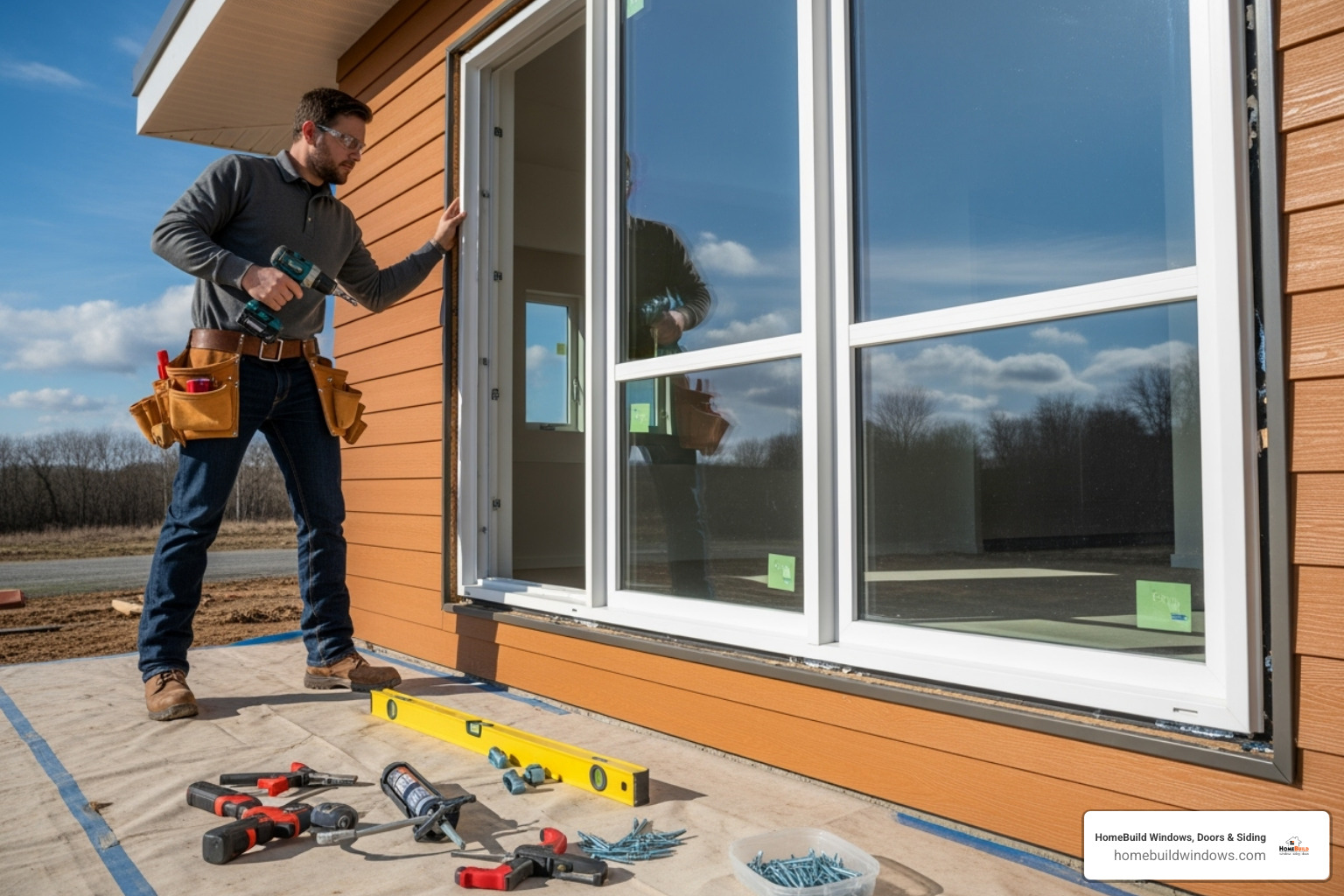
Essential Checks for Any Window Installer
Use this checklist for any potential installer:
- Licensing Verification: This is your first step. A legitimate installer will provide their license number for you to verify, proving they meet state standards. Any professional expects this question.
- Insurance: This is non-negotiable. Verify current certificates for both general liability (protects your property) and workers’ compensation (protects you if a worker is injured). Ask for the certificate directly from their insurance company.
- Online Reputation: Read reviews on Google, the Better Business Bureau, and local forums. Look for patterns and note how the company handles complaints. A professional response to criticism is a good sign.
- References: Request references from recent, similar projects. Ask past clients about timeliness, budget adherence, problem-solving, and if they would hire them again. For more on qualifications, see our insights on Certified Window Installers.
Red Flags to Watch for with Independent Window Installers
Be wary of these warning signs, which are more common with some independents:
- Vague Estimates & Cash-Only Demands: A professional estimate is itemized. A scribbled note is a red flag. Insisting on cash-only payments is often a way to avoid taxes and leaves you with no paper trail for disputes.
- No Written Contract: A handshake deal offers no protection. A contract should detail everything from start dates to cleanup. Without one, you have little recourse if problems arise.
- High-Pressure Tactics: A “today-only” special or demands for a large upfront payment are signs of a desperate or dishonest operator. A true professional gives you time to decide.
- Lack of Credentials or Online Presence: Be cautious of independent window installers with no digital footprint or those who can’t provide proof of licensing and insurance. This leaves you completely exposed. Agencies like Consumer Protection Ontario consistently warn homeowners about this risk.
Asking these questions isn’t being difficult—it’s being smart.
Understanding Warranties, Aftercare, and Legal Protections
What happens after your new windows are installed? Understanding warranties, aftercare, and legal protections is crucial, as post-installation support can differ dramatically between companies and independent window installers.
The Warranty Divide: What to Expect from Companies vs. Independent Window Installers
When you invest in new windows, you’re buying years of performance. Full-service companies usually offer comprehensive warranty packages covering both the product (from the manufacturer) and their installation labor. This creates a multi-layered safety net for your investment. At HomeBuild, our warranties are designed to protect your investment for years.
The warranty situation with independent window installers can vary widely. Some offer solid guarantees, while others provide minimal or no coverage for their work. They may only pass on the manufacturer’s warranty, leaving you without coverage for installation-related issues.
The aftercare experience also differs. Established companies have dedicated service teams and project records. When you call with a concern, they can respond efficiently. With independent window installers, aftercare can be inconsistent. Some are responsive, but others may be difficult to reach when you need them. For reliable support, consider a trusted Window Replacement Company.
Legal Safeguards and Your Rights as a Homeowner
Smart homeowners plan for all possibilities. Your legal protections vary depending on who you hire.
- Written Contracts: A detailed contract is your legal lifeline, outlining scope, materials, timelines, and dispute procedures. While standard for companies, contracts from independent window installers can range from comprehensive to non-existent.
- Permit and Code Compliance: Companies typically handle all necessary permits and ensure installations meet building codes. Some independents may expect you to handle this, leaving you responsible for compliance issues.
- Liability: Proper insurance is critical. Licensed companies carry comprehensive liability and workers’ compensation insurance. While many independent window installers are insured, some are not, exposing you to risk if an accident occurs.
- Legal Recourse: It’s easier to hold an established business accountable. If an uninsured or unlicensed independent window installer disappears, your options are severely limited. Resources like Consumer Protection Ontario are most effective when dealing with legitimate businesses.
Frequently Asked Questions about Independent Window Installers
Here are answers to common questions homeowners have about independent window installers, based on my years of experience.
Are independent contractors always cheaper?
Independent window installers often quote lower initial prices due to less overhead. However, this might not be the whole story. Be wary of “extras” not included in the estimate, like debris removal or permit fees. Also, consider the long-term value. Limited or non-existent warranties could lead to future repair costs that negate any upfront savings. Always think about the total cost of ownership, not just the initial price.
Can an independent installer handle a large, complex window replacement project?
Some can, but many cannot. It depends on the contractor’s experience, crew size, and resources. While many skilled independent window installers excel at straightforward jobs, a whole-house replacement with custom sizes requires serious project management. Some independents lack the systems to manage such complexity, which can lead to delays. If considering an independent for a large project, thoroughly vet their track record with similar jobs and speak to their references.
What should I do if an independent installer does a bad job?
If you encounter poor workmanship, take these steps:
- Review your contract. A written contract is your guide to what was promised.
- Document everything. Take photos of the problems and keep a written record of all communication.
- Give them a chance to fix it. Contact the contractor in writing, explain the issues, and set a reasonable deadline for resolution.
- Escalate if necessary. If the contractor is unresponsive, contact your local consumer protection agency, like Consumer Protection Ontario. Legal recourse is much easier if the contractor is licensed and insured.
This is why thoroughly vetting any independent window installer before hiring is so critical. Fewer safeguards from the start make it harder to fix problems later.
Your Home, Your Choice: Making the Final Decision
Choosing between a full-service company and an independent window installer is a major decision that impacts your home’s comfort, efficiency, and value. The personal touch and potential savings of an independent window installer are appealing, but these benefits can come with trade-offs.
The lack of comprehensive warranties, limited project management, and potential gaps in licensing or insurance can turn a good deal into a headache. Full-service companies like HomeBuild offer a safety net. Our upfront cost includes comprehensive project management, trained installers, dedicated support, and meaningful warranties. Our research shows that established companies have a 40% lower complaint rate, reflecting the value of stability.
Your best choice depends on your project’s complexity, budget, and tolerance for risk. A vetted independent might work for a single window replacement. But for a whole-home project, custom sizes, or for homeowners who value peace of mind, a full-service company is usually the smarter investment.
Thorough vetting is non-negotiable, no matter which route you choose. Always verify licenses and insurance, check references, and insist on a detailed written contract. Your home is your biggest investment and deserves a partner with proven experience and a track record of standing behind their work.
For homeowners in the Chicago area who want the confidence of working with a fully-certified, established team, HomeBuild Windows, Doors & Siding is the right choice. We combine expert installation with top-quality products and robust warranties that let you sleep soundly.
Ready to ensure your window project is in expert hands? Contact us for a consultation on your Chicago Window Replacement Company needs.

