

Why Your Windows are Key to Home Energy Savings
How to make windows energy-efficient is one of the most impactful home improvements you can make. Your windows might look beautiful, but they could be silently draining your wallet. Here are the main ways to improve window efficiency:
Quick DIY Solutions:
- Seal air leaks with caulk and weatherstripping (saves 5-10% on energy bills)
- Apply window film to reduce heat transfer
- Add insulating window coverings like cellular shades
Professional Upgrades:
- Replace single-pane windows with energy-efficient models
- Choose low-E coatings and gas-filled panes
- Select proper frame materials for your climate
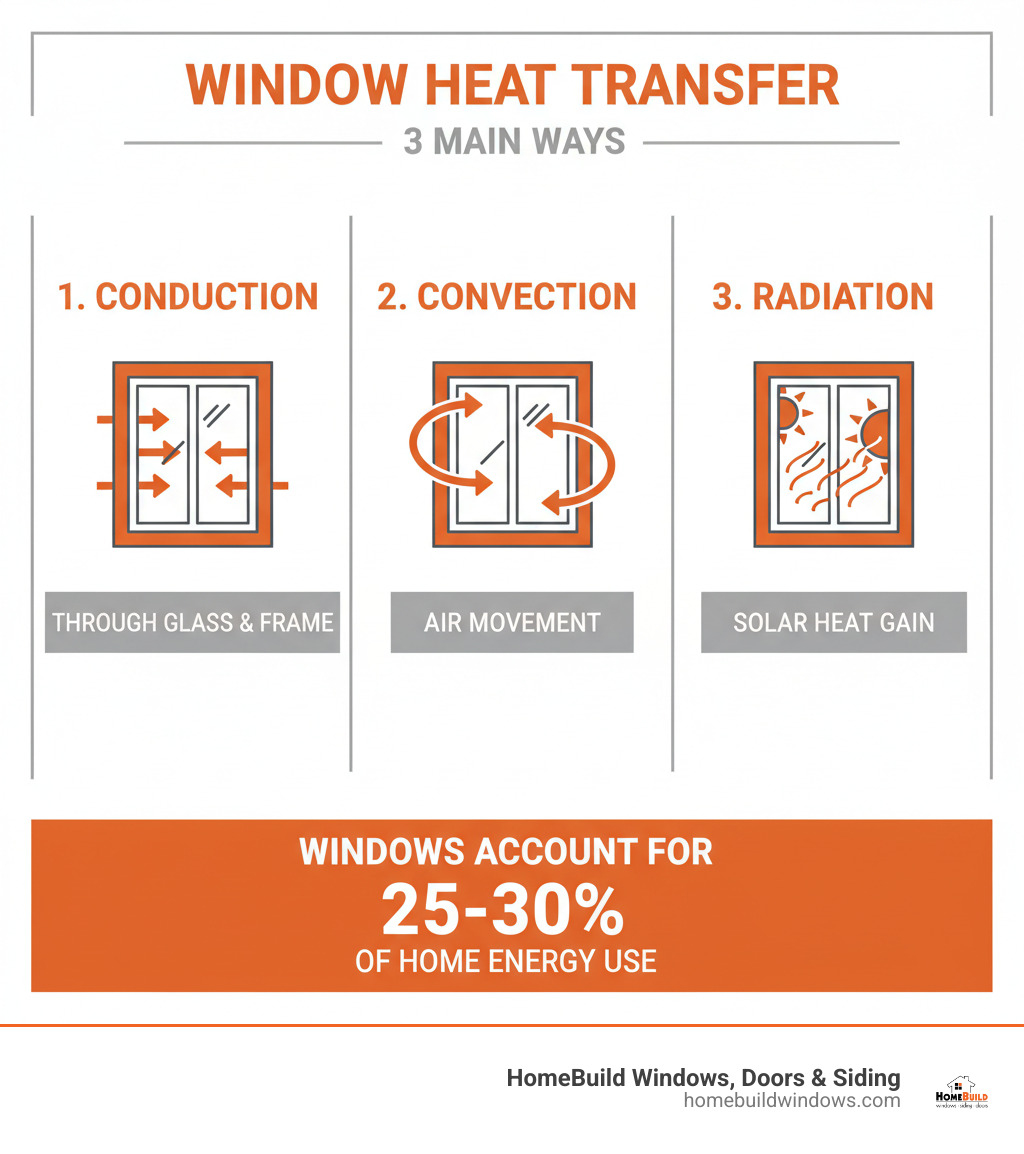
Heat gain and loss through windows account for 25-30% of residential heating and cooling energy use. This means nearly one-third of your energy costs could be going right out the window.
For Chicago-area homeowners, this is especially important. Our harsh winters and hot summers put extra stress on inefficient windows, leading to drafts and high energy bills. Single-pane windows lose 10 to 20 times as much heat as a properly insulated wall.
The good news is there are cost-effective ways to improve existing windows and smart strategies for choosing new ones.
I’m Steve Mlynek. Over the past 20 years, I’ve helped thousands of Chicago homeowners make their windows energy-efficient. My experience shows that the right combination of sealing, upgrading, and strategic replacement can dramatically reduce energy costs and improve home comfort.
Quick & Cost-Effective: DIY Fixes for Existing Windows
Before considering new windows, you can learn how to make windows energy-efficient without breaking the bank. Many homeowners can improve window performance with a modest budget and some DIY spirit. Simple fixes can save $300-500 annually on heating bills alone.
Sealing Air Leaks with Caulk and Weatherstripping
Tiny gaps around windows can sabotage your energy bills. Finding and sealing these air leaks is the first step.
To find drafts, try the incense stick test on a windy day. Close all windows and doors, turn on exhaust fans to create negative pressure, and light an incense stick. If the smoke wavers near a window frame, you’ve found a leak. The hand sanitizer trick also works: rub some on your hands, and as the alcohol evaporates, your skin becomes sensitive to air movement, revealing drafts.
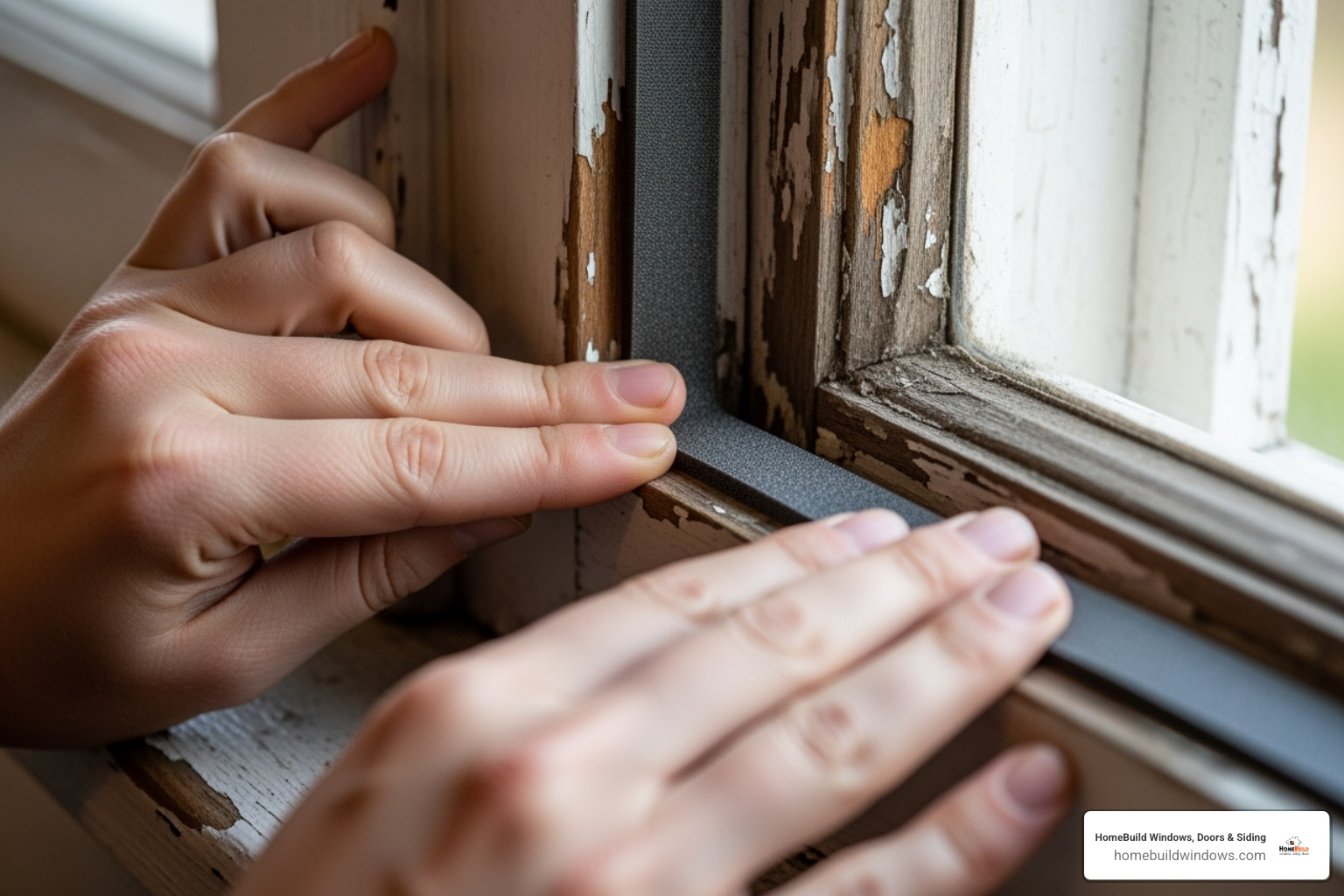
Caulking seals stationary gaps. Use tough, water-resistant silicone caulk for moisture-prone areas. For interior spots you plan to paint, use paintable acrylic latex caulk. For good results, clean surfaces, use a backer rod for large gaps, and apply a smooth bead. Never seal drip edges or weep holes, which are designed to let water drain.
Weatherstripping tackles moving window parts. V-channel weatherstripping is effective and nearly invisible for double-hung windows. The Department of Energy has a helpful Do-It-Yourself Savings Project: Weatherstrip Double-Hung Windows guide. For casement windows, use compression gasket weatherstripping. For historic windows, durable spring bronze weatherstripping is a classic choice that can last for decades.
This weekend project can save you 5-10% on your energy bills.
Adding Insulating Layers: Films and Window Coverings
After sealing leaks, address the glass itself by adding insulating layers.
Solar window film is easy to apply and blocks about 35% of solar heat. It’s ideal for south- and west-facing windows that get intense summer sun in Chicago. Low-E films are designed to prevent heat from radiating out during winter. Some films are seasonal, offering flexibility.
Window coverings combine function and style. Insulating cellular shades are highly effective; their honeycomb air pockets reduce heat transfer while allowing light and privacy control.
Blackout curtains and heavy drapes are also effective. In winter, close them at night to trap heat and open them on sunny days for passive solar heating. In summer, do the opposite: close them during the day to block heat. Regular drapes can reduce heat loss by 10%, but insulating cellular shades perform even better.
The Ultimate Upgrade: How to Make Windows Energy-Efficient with Replacement
Sometimes, the best answer to how to make windows energy-efficient is a fresh start. For single-pane windows or failing frames, Energy Efficient Window Replacement delivers the most dramatic results.
Replacing windows with ENERGY STAR® qualified models can cut annual energy bills by 7-15%. For Chicago homeowners, this means $101-$583 in yearly savings for single-pane replacements and $27-$197 for upgrading from older double-pane windows. Window upgrades also offer a strong 69.5% return on investment, boosting your home’s value.
Anatomy of an Energy-Efficient Window
Think of a modern energy-efficient window as a sophisticated system where every component has a job to do.
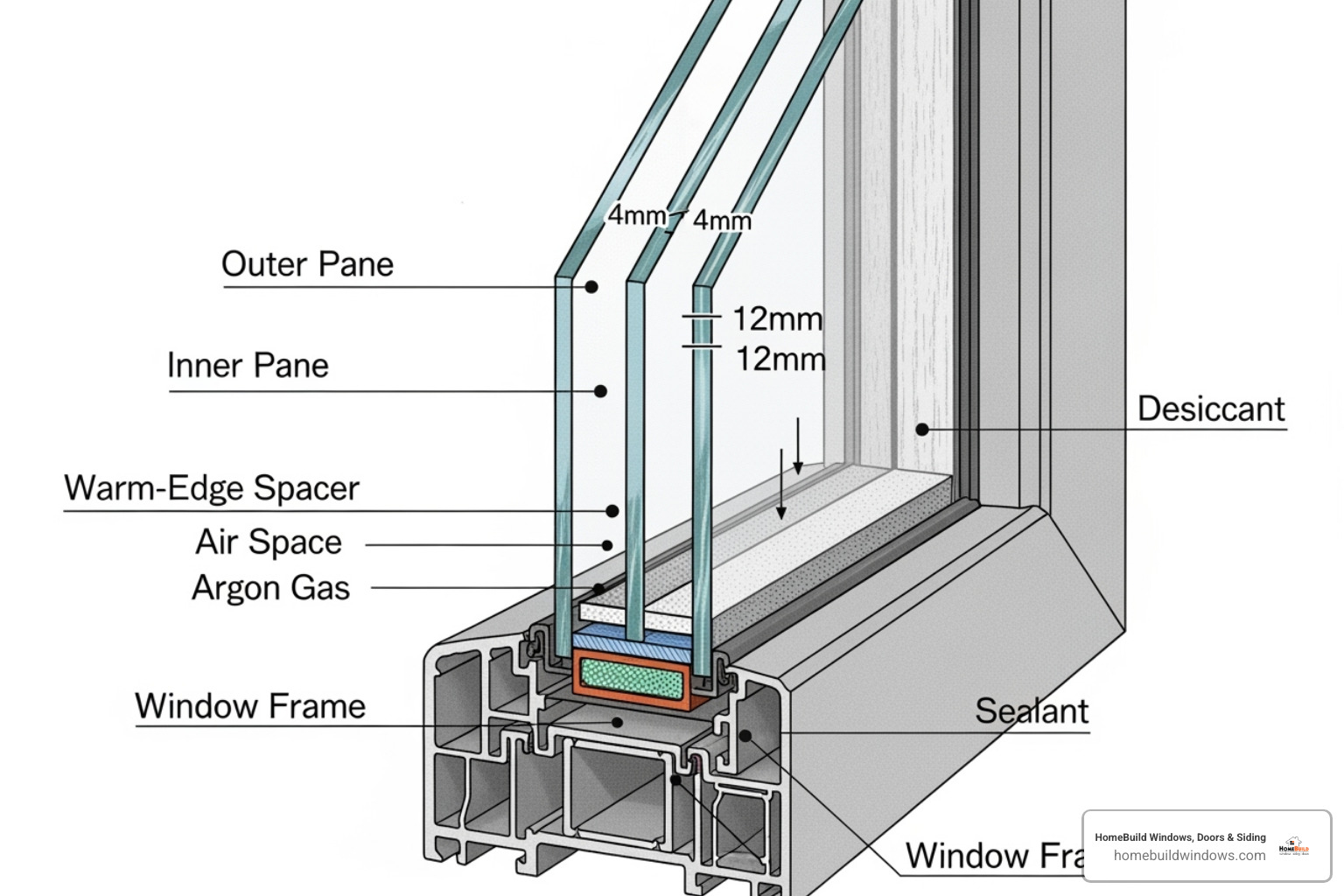
Glazing now features double or triple panes with insulating air spaces. Our Energy Efficient Glazing guide explains how these layers work. The real game-changer is the Low-E coating, a microscopic metallic layer that reflects heat. It can reduce heat loss by up to 50% and blocks up to 75% of UV rays, protecting furniture from fading.
Gas fills improve insulation. The spaces between panes are filled with dense argon or krypton gas, which are better insulators than air. Argon is cost-effective, while krypton is used for high-performance, narrower gaps in triple-pane units.
Spacers separate the glass panes and seal in the gas. Unlike traditional aluminum spacers that conduct heat, modern warm-edge spacers made of foam or composites prevent heat loss and condensation at the window’s edge.
Choosing the Right Frame Material
The frame material is a major factor in energy performance.
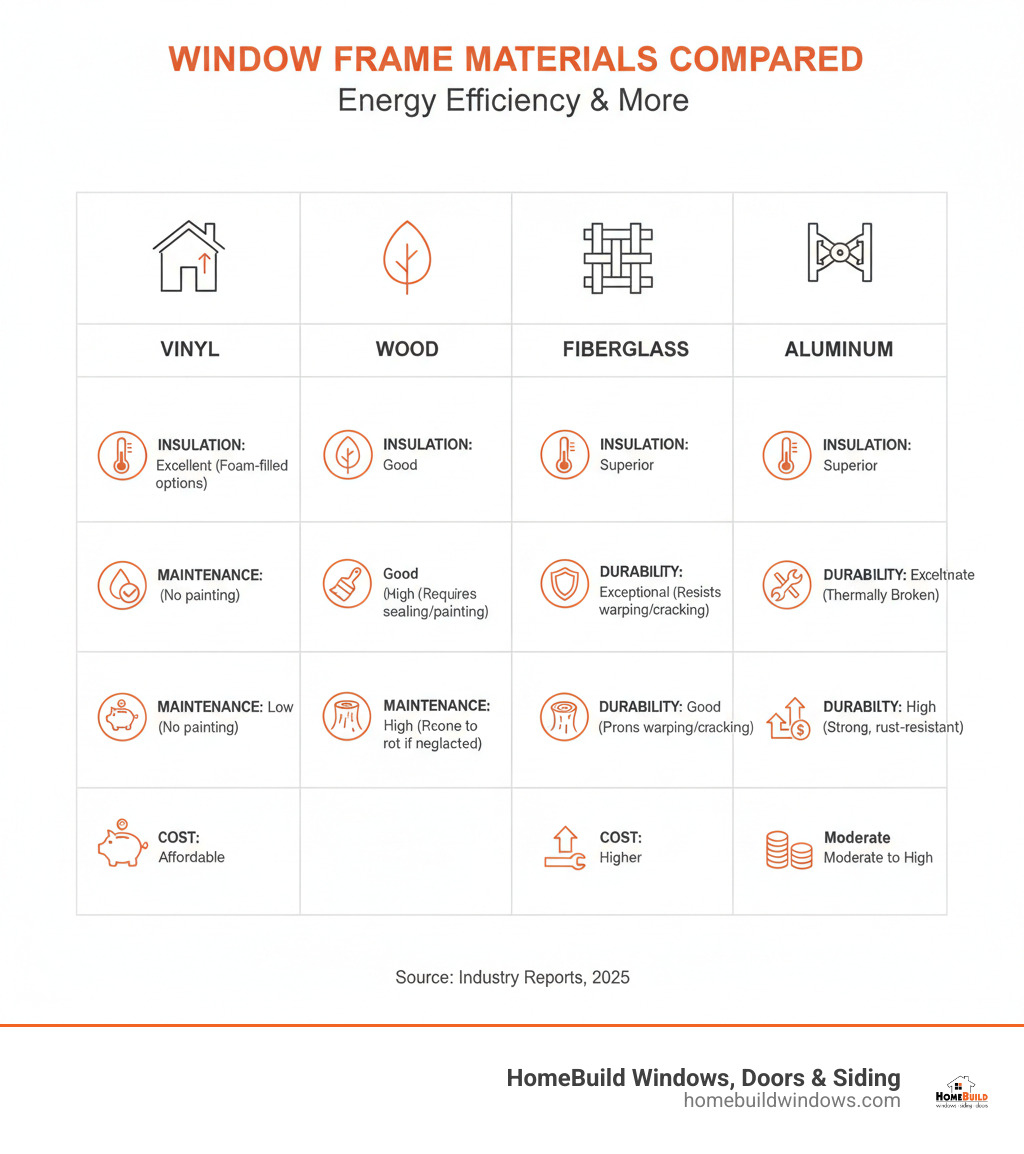
Vinyl frames offer excellent insulation, low maintenance, and affordability. Insulated vinyl frames include foam in their chambers for even better thermal performance.
Wood frames provide natural beauty and great insulation but require regular painting and sealing to prevent rot.
Fiberglass frames are durable, energy-efficient, and resistant to warping or rotting. Though more expensive than vinyl, their longevity can make them a worthwhile investment.
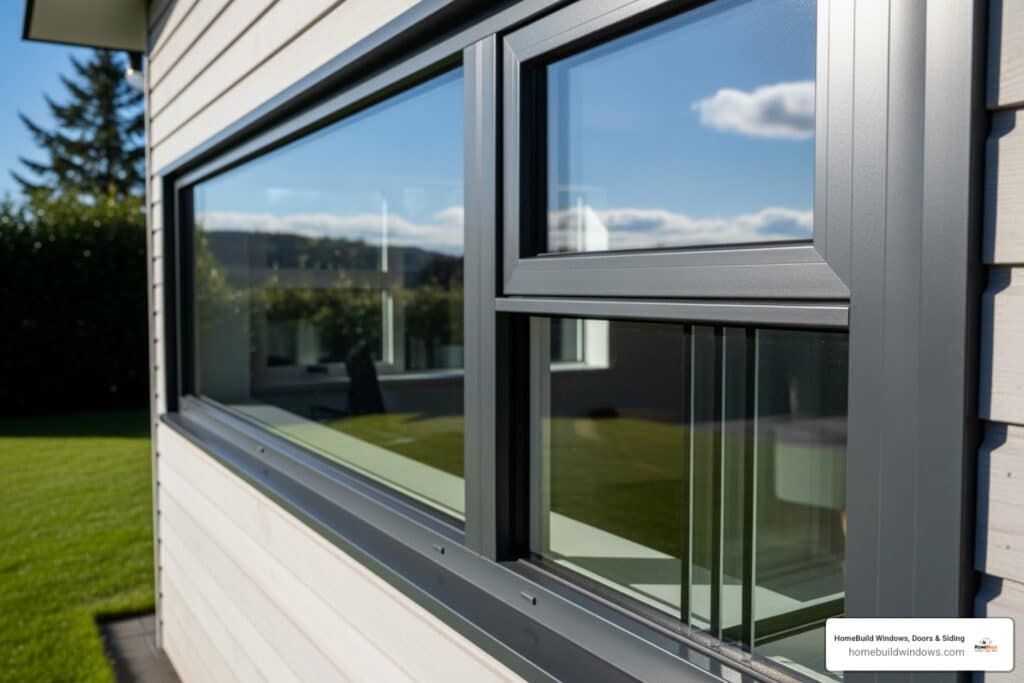
Aluminum frames have improved with thermally broken designs that use non-metallic barriers to improve insulation, though they typically don’t match the performance of vinyl or fiberglass.
The Future is Now: Advanced Window Technologies
Window technology continues to advance with exciting innovations.
Spectrally selective coatings are an advanced form of Low-E, effectively blocking heat while allowing maximum visible light.
Electrochromic smart glass changes tint on command or automatically, allowing you to control glare, heat, and privacy without blinds.
Photovoltaic windows generate electricity while providing insulation and light.
Vacuum-insulated glass offers superior insulation in a slimmer profile than triple-pane units.
Why Professional Window Replacement and Installation is Crucial
Even the best window will underperform if installed incorrectly. Proper installation is as important as the window itself.
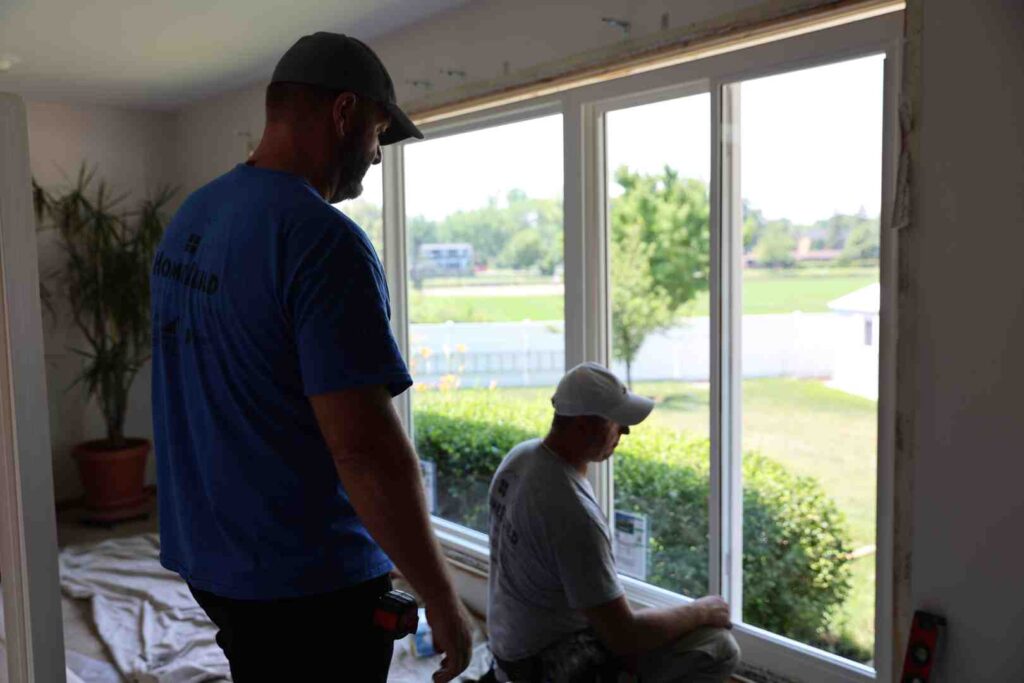
Our Certified Window Installers ensure every window is perfectly installed and sealed to prevent air and moisture infiltration, which can cause drafts, energy loss, and structural damage. Professional installation protects your warranty and prevents moisture damage that can lead to rot and mold.
For homes built before 1978, our installers follow EPA ‘Renovate Right’ guidelines for lead-safe practices. Our team at HomeBuild Windows understands Chicago’s climate demands and ensures every installation meets the highest standards for efficiency and longevity.
Decoding the Labels: How to Choose the Best Windows for Your Home
Shopping for new windows can be overwhelming. Understanding labels and ratings is the key to how to make windows energy-efficient.
First, look for the ENERGY STAR label. This EPA certification guarantees the product meets strict, independently tested energy performance standards. ENERGY STAR certified windows can save an average of 12% on annual energy bills.
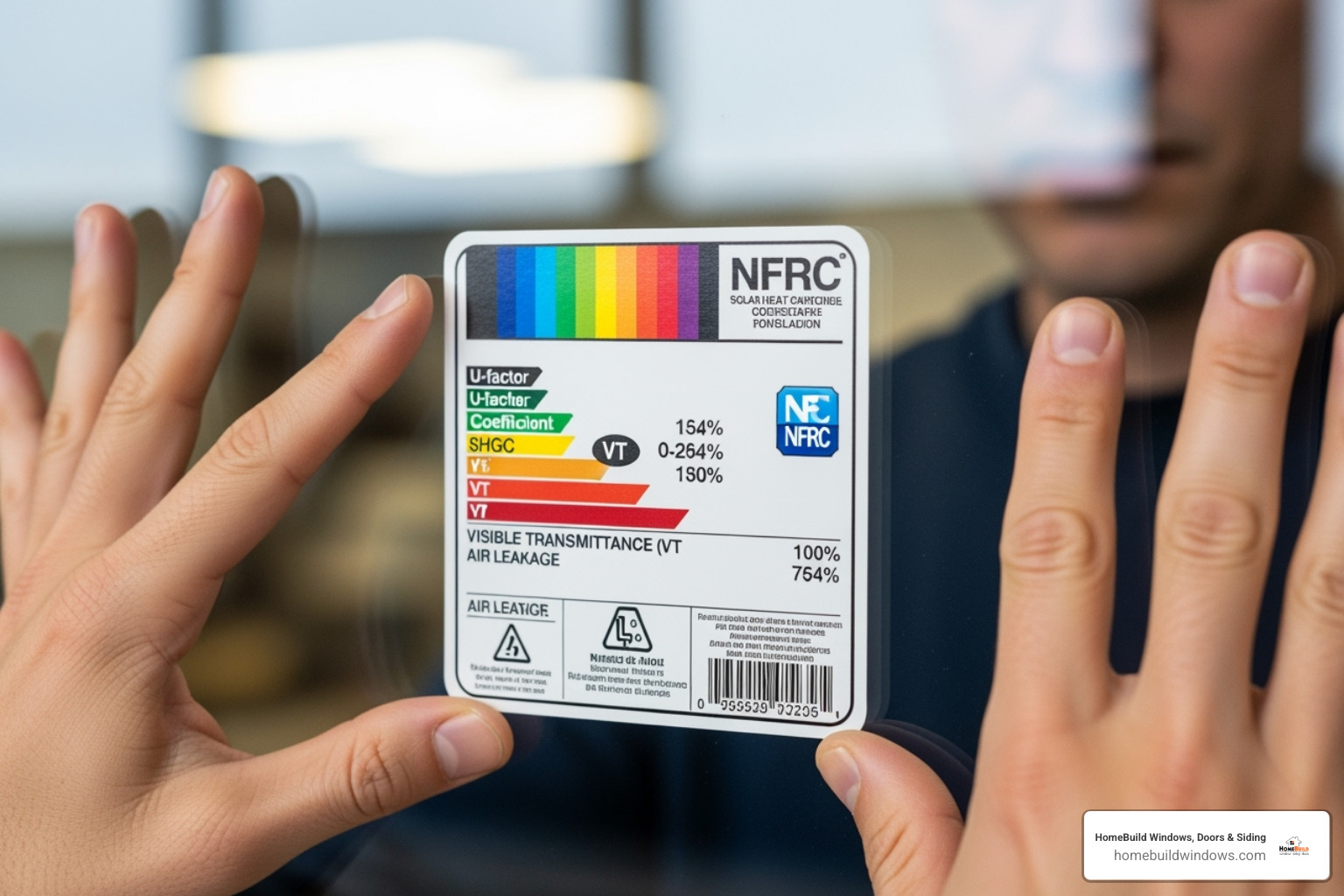
Next, check the National Fenestration Rating Council (NFRC) label, which provides standardized ratings for an apples-to-apples comparison. A missing NFRC label is a red flag, as performance claims are unverified. For a detailed breakdown, see How To Read The Label.
Understanding Key Performance Ratings
Understanding the NFRC label’s ratings is crucial for choosing efficient windows.
U-factor measures how well a window insulates. The lower the number (typically 0.20-1.20), the better. For Chicago’s cold winters, a low U-factor (0.30 or below is excellent) is crucial for keeping heat inside.
Solar Heat Gain Coefficient (SHGC) measures how much solar heat a window allows in. A lower number (0 to 1 scale) means less heat gain, which is important for reducing summer air conditioning costs in Chicago.
Visible Transmittance (VT) measures how much natural light passes through (0 to 1 scale). A higher number means more light. You’ll want to balance VT with other efficiency ratings.
Light-to-Solar Gain (LSG) is the ratio of VT to SHGC. A higher LSG means the window is efficient at letting in light without excess heat.
Air Leakage (AL) measures air infiltration through the window assembly. Look for a low number (0.30 or less is good), as even the best glass is useless if the frame is drafty.
How to make windows energy-efficient by matching them to your climate zone
The ideal window varies by climate. ENERGY STAR provides Climate Zone Recommendations.
For Northern climates like Chicago, the priority is preventing heat loss, making a low U-factor (0.30 or lower) essential. For SHGC, a higher value (around 0.35+) can provide passive solar heating in winter, while a lower value reduces summer cooling costs. Both are valid strategies for our climate.
Southern climates prioritize blocking heat, so a low SHGC (0.27 or lower) is most important.
Mixed climates need a balance of low U-factors and low SHGCs.
Matching these ratings to the Chicago climate ensures you buy the right window for your home, not just the most expensive one.
The Payoff: Benefits and Incentives of Energy-Efficient Windows
Investing in energy-efficient windows improves your quality of life, with benefits extending beyond utility savings. While planning, it’s helpful to review the potential Window Replacement Cost for budgeting.
Increased home comfort is the first benefit you’ll notice. Energy-efficient windows eliminate drafts and hot spots, maintaining consistent temperatures.
Another benefit is reduced noise. The multiple panes and gas fills in modern windows act as sound barriers, making your home more peaceful.
Low-E coatings also provide UV protection, blocking up to 75% of harmful rays that can fade furniture, rugs, and flooring. By reducing energy consumption, you also lowering your carbon footprint.
Calculating Your Savings and Return on Investment
The financial benefits of how to make windows energy-efficient are impressive.
ENERGY STAR certified windows save homeowners an average of 12% on energy bills. For those replacing single-pane windows, this means $101-$583 in yearly savings. Upgrading from older double-pane windows can save $27-$197 annually.
According to Remodeling Magazine, window upgrades deliver a strong 69.5% return on investment. The payback period for Chicago homeowners is typically 8-15 years, after which the savings continue for decades.
How to make windows energy-efficient and affordable with tax credits and rebates
Financial incentives can significantly reduce your upfront costs.
The Inflation Reduction Act offers a federal tax credit of 30% of the cost, up to $600, for qualifying ENERGY STAR “Most Efficient” windows.
Check for state and local incentives, as Illinois and various municipalities often offer grants or rebates for energy-efficient upgrades.
Local utility companies also offer rebates for installing ENERGY STAR products. Check the ENERGY STAR Rebate Finder online or ask our team about current incentives in the Chicago area.
These incentives can make a significant difference. For more information on high-performing window options and current incentives, visit High Performing Windows.
Frequently Asked Questions about Making Windows Energy-Efficient
What is the most cost-effective first step to improve window efficiency?
The most cost-effective first step in learning how to make windows energy-efficient is sealing air leaks. Significant savings can come from fixing tiny gaps.
Start with air leak detection using a method like the incense stick test. Once found, sealing those gaps with caulk and weatherstripping becomes your immediate priority. This DIY project costs under $50, can be done in a weekend, and provides immediate savings of 5-10% on energy bills. The payback period is often just 1-2 years, making it an ideal starting point before considering bigger investments.
Can historic or old windows be made energy-efficient?
Yes! Historic windows can be made energy-efficient without sacrificing character.
Restoration works well on pre-1940s windows made from dense, rot-resistant old-growth wood. With proper care, they can perform surprisingly well. The key is combining thorough weatherstripping with strategic upgrades like energy-efficient window coverings (insulating cellular shades or thermal drapes). This improves performance while maintaining the authentic look.
Keeping existing windows also reduces embodied carbon and preserves architectural character. Properly restored historic windows can perform very well and are a sustainable choice.
Are Triple Pane Windows worth the extra cost?
For Chicago’s climate, triple-pane windows are often worth the extra cost.
Triple-pane windows excel in extreme cold. The extra pane provides superior insulation (a lower U-factor), reducing strain on your heating system and improving comfort when temperatures drop below zero. They also provide exceptional noise reduction, a major benefit for those living on busy streets or who simply want a quieter home.
While not necessary for all climates, the long-term energy savings and increased comfort of triple-pane windows often justify the investment for Chicago winters, especially in older, poorly insulated homes.
For a detailed breakdown, check out our Window Replacement Guide: Double Pane vs. Triple Pane Windows. It’ll help you crunch the numbers for your home.
Conclusion: Take the Next Step Towards an Energy-Efficient Home
Now you have a roadmap for how to make windows energy-efficient. From sealing air leaks to installing new triple-pane windows, every step leads to a more comfortable, affordable home.
You don’t have to do everything at once. Start with the quick wins—seal drafts, add insulating shades, or apply window film. These steps can save you 5-10% on your energy bills.
When you’re ready for the ultimate upgrade—complete window replacement—you’ll see a major change: average energy savings of 12%, no more drafts, reduced noise, and an impressive 69.5% return on investment.
After 20 years in this business, I’ve learned the biggest benefit is the peace of mind from having a home that works efficiently. No more high energy bills, winter drafts, or summer hot spots.
In the Chicago area, our climate makes energy-efficient windows crucial. Consulting with experts at HomeBuild Windows ensures you get products and installation designed for our demanding weather. We understand our local climate and are committed to helping you achieve optimal efficiency.
The long-term benefits are clear: lower energy bills, improved year-round comfort, a reduced environmental impact, and increased home value.
Ready to transform your home? Explore Energy Efficient Windows in Chicago with HomeBuild Windows today. Let’s work together to make your home not just beautiful, but brilliantly efficient.