


Hail can really do a number on your roof. You might not even notice it at first, but those little impacts can add up. Ignoring them is a bad idea, leading to bigger problems down the road. This article is all about hail damage roof repair, what to look for, and how to get it fixed right.
Key Takeaways
- Hail can cause hidden damage to your roof that needs prompt hail damage roof repair to prevent further issues.
- A thorough inspection is the first step in assessing hail damage and planning the right repair strategy.
- Choosing impact-resistant materials can help your roof stand up better to future storms.
- Regular maintenance after hail damage roof repair is important for the roof’s long-term health.
- Sometimes, extensive hail damage means a full roof replacement is the best and most cost-effective solution.
Understanding Hail Damage and Its Impact on Your Roof
Hail might seem harmless at first, but when it strikes your roof, trouble can show up fast—sometimes in ways you don’t even notice right away. Left unresolved, hail damage doesn’t just mess with your shingles, it can threaten the entire safety and comfort of your home. Your roof is basically the shield protecting everything underneath, so understanding how hail can affect it is a must for any homeowner.
Identifying Common Signs of Hail Damage
You might expect giant dents or obvious holes, but hail leaves behind some sneaky damage, too. Here’s what to watch for:
- Bruised or dented shingles
- Granule loss that exposes the black shingle base
- Cracked, split, or missing shingles
- Dents on flashing, gutters, and vents
- Soft spots you can feel if you press gently on the shingles
It’s not always easy to spot these right away without climbing up yourself. If you’re not comfortable inspecting, it might be time to have a professional check things out. For a solid starting point, check out these tips for inspecting your roof after a storm.
| Feature | What Hail Often Damages |
|---|---|
| Shingles | Cracks, bruises, granule loss |
| Flashing/Metalwork | Dents, bending |
| Gutters/Downspouts | Dings, holes, loosening |
Why Immediate Hail Damage Roof Repair Matters
Don’t put off repairs. Water can work its way in through even small cracks, leading to:
- Leaks inside (stains on the ceiling, damp insulation)
- Mold or mildew growing in damp spaces
- Structural wood rot that slowly spreads through the roof or attic
Homeowners sometimes ignore the first signs because everything seems dry at first—until big problems pop up months down the line. Responding quickly will save time, money, and a lot of stress later.
Even when everything looks OK from the ground, underlying hail damage can shorten your roof’s lifespan and become an insurance headache if left untreated.
Risks of Ignoring Hail-Related Roof Issues
You might think, “It’s just a few new marks—no big deal.” But untreated hail damage can lead to:
- Continual leaks that get worse with rain or snow
- Higher energy bills because of poor insulation from roof gaps
- Decreased property value (nobody wants to buy a home with a damaged roof)
- Insurance troubles if claims aren’t reported promptly
If you’re active on LinkedIn or part of any homeowner groups there, you’ll see a lot of people posting about how they wish they’d called in a roofing company right after big storms. Don’t wait until water stains show up before you act.
The bottom line: even if the storm seems long gone, get your roof checked, document everything, and if there’s damage—fix it fast. Your home, your peace of mind, and your wallet will all be better off.
Expert Hail Damage Roof Repair Process
No one expects their roof to get hammered by hail, but in places like Chicago and all across Chicagoland, it’s almost a given every few years. If you’re hunting for “hail damage roof repair Chicago,” knowing what happens after a storm makes the process a little less stressful—YouTube videos help, but there’s nothing like a real crew on your roof. Here’s how true pros get your home back in shape:
Initial Roof Inspection and Assessment
A proper hail damage roof repair starts with a hands-on, up-close inspection.
- Roofing techs look for things you’d probably miss: pitted shingles, cracked tiles, and soft spots hidden from street view.
- They also check your gutters, flashing, vent boots, and attic for leaks or water trails.
- An honest assessment means you’ll know exactly what’s damaged—and what isn’t—before anyone talks repairs or insurance.
Even if the roof seems fine from below, small cracks or splits from hail can mean leaks a few months down the road. Catching all the hidden problems early prevents headaches after the next big rain.
Detailed Damage Documentation for Insurance
Filing a claim means details, photos, and paperwork. Good contractors help you build a clear case for your insurer. This step isn’t just paperwork—it’s how you prove your roof took a real hit.
| Documentation Needed | Why It Matters |
|---|---|
| Date/time of hail event | Confirms storm-related effect |
| Close-up damage photos | Shows actual impact |
| Full roof/area photos | Gives context to the adjuster |
| Written estimates | Guides the insurance settlement |
If you’re unsure about the claim steps, check this walk-through on filing a hail damage insurance claim.
Step-by-Step Roof Repair Solutions
After the claim gets greenlit, the work really begins. Most hail damage roof repair Chicagoland jobs follow a plan like this:
- Protect landscaping and driveways from falling debris.
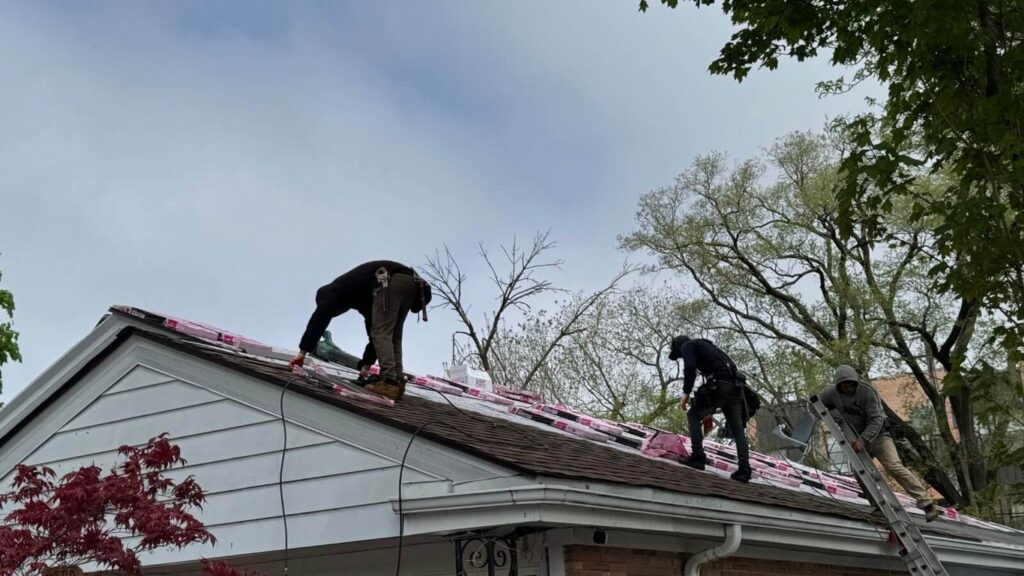
- Tear off old, damaged shingles or tiles—no half-measures.
- Inspect decking for hidden rot or soft spots; replace as needed.
- Put down new underlayment and flashing at valleys, around vents, and chimneys.
- Install new shingles (often impact-resistant, if you pick that option) using proper nailing patterns—don’t trust shortcuts.
- Clean up thoroughly; magnet for nails, haul away all debris.
- Final walk-through with you to make sure everything’s solid and tidy.
If you’re ever tempted to try a patch job on your own, remember those polished YouTube tutorials don’t show the six-hour slog or the mistakes that can void a warranty. Real pros don’t just make your roof look new—they make it last. That’s peace of mind you’ll appreciate when the next storm rolls through.
Choosing the Right Materials for Hail Damage Roof Repair
When it comes to fixing hail damage on your roof, picking the right materials is super important. It’s not just about making it look good again; it’s about making sure your roof can handle whatever the weather throws at it in the future. You want something that’s tough, lasts a long time, and maybe even helps with your energy bills.
Impact-Resistant Shingles and Roofing Options
After hail has done its thing, you’ll want to think about upgrading to materials that can take a hit. Standard shingles might have held up okay for a while, but hail can really test their limits. That’s where impact-resistant shingles come in. These are specifically designed to withstand the force of hail and other debris.
- Class 3 or Class 4 Impact Resistance: Look for shingles that have an official impact rating. Class 3 means they can take a couple of hits from a 1.75-inch steel ball without cracking, and Class 4 is even tougher. This is a big deal when you live in an area prone to hailstorms.
- Advanced Shingle Technology: Brands like Owens Corning offer shingles with features like SureNail® Technology. This basically means there’s a reinforced nailing strip that helps lock the shingles down extra tight, even in high winds. It also guides installers to nail them in the perfect spot, which is key for durability.
- Other Roofing Materials: While shingles are common, you might also consider metal roofing or other composite materials if your budget allows and your home’s style fits. These can offer even greater resistance to hail and last for decades.
Longevity and Weather Performance
Nobody wants to deal with roof repairs every few years. Choosing materials known for their longevity means you’re investing in peace of mind. Impact-resistant shingles, especially those with advanced features, are built to last. They hold up better against not just hail, but also strong winds, heavy rain, and the general wear and tear from changing seasons. This means fewer worries about leaks or damage down the line. It’s about getting a roof that performs well, year after year, and protects your home effectively. You can often find information about expected lifespans and performance ratings on manufacturer websites or through your roofing contractor. For example, some high-quality shingles are designed to last 20-30 years or even more, depending on the specific product and installation quality. This kind of durability is what you’re aiming for after a hail event.
Energy Efficiency and Curb Appeal
Beyond just protection, the materials you choose can also impact your home’s comfort and appearance. Some modern roofing materials offer improved energy efficiency. This can mean shingles with special coatings or colors that reflect more sunlight, helping to keep your attic cooler in the summer. This can lead to lower cooling costs, which is always a nice bonus. Plus, a new roof can seriously boost your home’s curb appeal. Materials come in a wide range of colors and styles, allowing you to pick something that complements your home’s architecture and your personal taste. Think about colors that mimic natural materials or offer a sleek, modern look. A good-looking roof not only makes your home more enjoyable to live in but can also increase its market value. You can even find shingles with features like algae resistance, which helps keep them looking clean and attractive for longer, reducing the need for frequent cleaning. It’s a win-win for both function and form. You can often see examples of different styles and colors on a contractor’s website or even on platforms like Instagram to get ideas.
Preventive Maintenance After Hail Damage Roof Repair
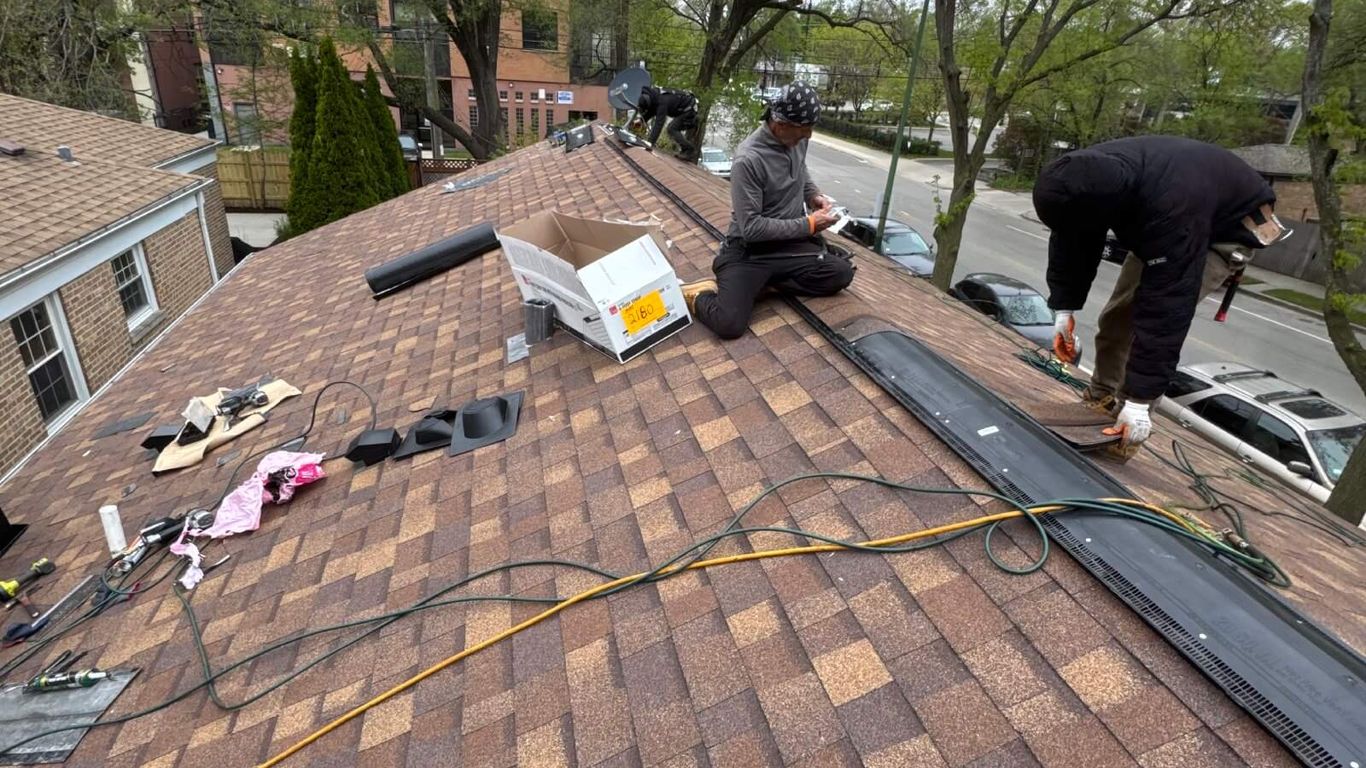
So, you’ve had your roof fixed after that nasty hailstorm. That’s great! But the work doesn’t stop there. Keeping your roof in good shape after repairs is super important to make sure it lasts and continues to protect your home.
Scheduled Roof Inspections
Think of regular inspections like check-ups at the doctor’s office for your roof. They help catch small problems before they turn into big, expensive headaches. We recommend getting your roof looked at by a professional at least twice a year, and also after any major weather events, like another big storm.
- Spring Inspection: Check for any winter damage and get ready for summer heat.
- Fall Inspection: Prepare your roof for the colder months and potential winter storms.
- Post-Storm Check: After any significant hail or wind event, it’s wise to have it inspected.
These inspections are key to catching issues early. It’s much easier and cheaper to fix a loose shingle or a small leak than to deal with water damage in your attic or walls later on.
Routine Gutter and Flashing Care
Your gutters and flashing might not seem like a big deal, but they play a huge role in keeping water away from your home’s foundation and structure. Clogged gutters can cause water to back up under your shingles or overflow, leading to damage. Flashing, those metal pieces around chimneys, vents, and valleys, is critical for sealing those vulnerable spots.
- Gutter Cleaning: Make sure your gutters are clear of leaves and debris, especially in the fall. This prevents water buildup and ice dams in winter.
- Flashing Checks: During inspections, we’ll look for any signs of rust, damage, or loose seals around flashing. Properly sealed flashing is vital.
Preventing Future Storm Damage
While you can’t stop the weather, you can take steps to make your roof more resilient. Choosing the right materials during repair is the first step, but ongoing care matters too. Keeping trees trimmed back from your roof can prevent branches from falling and causing damage. Also, keeping an eye on your neighbors’ roofs after a storm can sometimes give you a heads-up about potential issues in your area. You can even follow local weather news or roofing companies on Facebook for storm alerts.
Taking a proactive approach to roof maintenance after repairs is the best way to ensure its longevity and protect your investment. It’s not just about fixing what’s broken; it’s about building resilience for the future.
When Roof Replacement Is the Best Option
Sometimes, hail damage is more than just a few dings. When the damage is widespread or the roof is already getting old, patching it up might not be the best long-term solution. It’s like trying to fix a leaky boat with a tiny patch when the whole hull is riddled with holes – eventually, you just need a new one.
Assessing Extensive Hail Damage
If you’ve had a significant hailstorm, it’s worth taking a close look at your roof. A good rule of thumb is to check the number of hail impact marks in a specific area. If you find seven to 10 distinct dents within a 10-square-foot section, it’s a strong indicator that the damage might be too much for simple repairs. This level of impact can compromise the integrity of your shingles across a large part of your roof, making a full replacement the more sensible choice. It’s not just about the dents themselves, but what they mean for the overall health of your roofing system.
Signs You Need a Full Roof Replacement
Beyond just the number of dents, several other signs point towards needing a complete roof overhaul:
- Age of the Roof: Most roofs have a lifespan of about 20 to 30 years. If yours is nearing or past that mark, even minor hail damage can be the final straw. Look for shingles that are cracked, brittle, or have lost their color.
- Widespread Granule Loss: Hail can knock off a lot of the protective granules from your shingles. If you see large amounts of these granules in your gutters or on the ground, it means the shingles are wearing out faster.
- Visible Sagging or Soft Spots: If parts of your roof look like they’re dipping or feel soft when walked on (which you should only let professionals do!), this indicates underlying structural damage that repairs won’t fix.
- Persistent Leaks: Multiple leaks, especially in different areas of the house, suggest that the roof’s ability to shed water has been severely compromised. This can lead to rot and mold in your attic and walls.
Benefits of Upgrading to Modern Roofing Systems
Opting for a full roof replacement isn’t just about fixing hail damage; it’s an opportunity to upgrade. Modern roofing materials, like impact-resistant shingles, offer superior protection against future storms. These advanced shingles are designed to withstand more severe weather, including hail, reducing the likelihood of future damage. Plus, upgrading can improve your home’s energy efficiency, potentially lowering your utility bills. You might also find that a new roof significantly boosts your home’s curb appeal and overall value. When considering your options, checking out reviews on platforms like [Google My Business](https://www.angi.com/articles/how-much-hail-damage-to-replace-roof.htm) can help you find reputable contractors who offer these advanced solutions.
Navigating Insurance Claims for Hail Damage Roof Repair
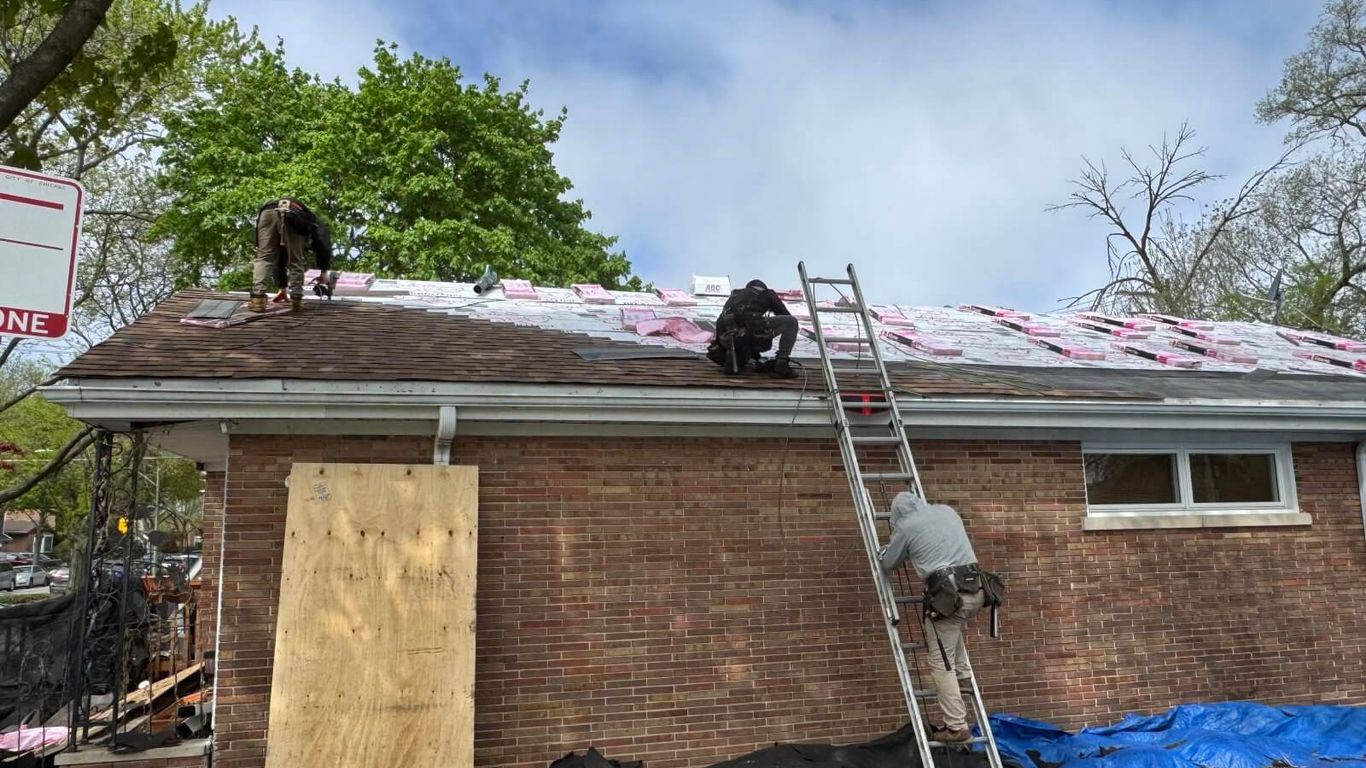
Dealing with your insurance company after hail damage can feel like a whole other storm. It’s not always straightforward, and knowing what to do can make a big difference in getting your roof fixed properly. The key is to be prepared and organized from the start.
Proper Documentation and Evidence Collection
Before you even call your insurance company, you need to gather as much information as possible. This means taking pictures of the damage – lots of them. Get close-ups of the dents on your shingles, any missing pieces, and damage to other parts of your property like gutters or siding. Also, note down the date and time of the storm if you can.
- Photos: Document all visible damage to the roof, gutters, siding, and windows.
- Notes: Write down the date of the storm, any immediate observations, and a list of damaged areas.
- Measurements: If possible, note the size and depth of hail dents.
This detailed record is your proof. It helps show the extent of the damage and why repairs are necessary. It’s like building a case for your claim.
Working with Insurance Adjusters
When the insurance adjuster comes out, you’ll want to be present. They’ll inspect the roof and compare their findings to your documentation. It’s a good idea to have a professional roofing contractor with you or have them provide their own assessment beforehand. This way, you have an expert opinion on your side. Sometimes, adjusters might miss things, or their initial assessment might not fully capture the damage. Having a contractor there can help ensure everything is accounted for.
It’s important to remember that your insurance policy is a contract. Understanding its terms regarding storm damage and deductibles will help you manage expectations and the claims process more effectively.
Choosing a Trusted Contractor to Maximize Your Claim
Selecting the right roofing contractor is super important when it comes to insurance claims. A good contractor knows how to properly assess hail damage and can help you understand what your insurance should cover. They can also help with the paperwork and communicate with the insurance company on your behalf. Look for contractors who have experience with storm damage and insurance claims. Getting multiple estimates is always a smart move, but make sure they are from reputable companies. A contractor who is familiar with the insurance process can help make sure you get the compensation you deserve for a full and proper repair, not just a quick patch job. This is especially true if you’re dealing with complex situations, similar to how one might handle property damage after an accident in Rancho Cucamonga.
Following these steps can help make the insurance claim process a bit less stressful and increase the chances of getting your roof repaired correctly after a hailstorm. It’s all about being informed and having the right people in your corner. You can find more details on how to start the roof insurance claim process with a contractor.
Why Trust Certified Professionals for Hail Damage Roof Repair
When your roof takes a beating from hail, it’s easy to feel overwhelmed. You want it fixed right, and fast. That’s where certified professionals come in. They’re not just roofers; they’re trained experts who know the ins and outs of storm damage repair.
Licensed and Insured Roofing Experts
First off, working with a certified company means they’re properly licensed and insured. This isn’t just paperwork; it’s protection for you. If something goes wrong on the job, their insurance covers it, not you. Plus, being licensed means they’ve met certain standards and are legally allowed to do the work. It’s a basic check that separates serious businesses from fly-by-night operations. Companies like Royco Roofing often highlight their certifications, which is a good sign they’re committed to professional standards.
Adherence to Safety and Building Codes
Certified professionals know the rules. They follow strict safety guidelines to keep their workers and your property safe. Think about it: working on a roof is dangerous. They have the right equipment and training to do it safely. They also know all the local building codes. This is super important because a repair that doesn’t meet code might cause problems down the road, or even be illegal. It ensures the work is done correctly and will pass any future inspections.
Transparent Project Timelines and Cleanup
What else makes them trustworthy? They’re usually upfront about how long the job will take and what it will cost. You’ll get a clear plan, not just a vague promise. They’ll explain the steps, from the initial inspection to the final cleanup. And speaking of cleanup, professionals always make sure to leave your property spotless. They haul away all the debris, sweep up, and make sure no nails are left lying around. It’s about respecting your home and making the whole process as smooth as possible for you.
When your roof takes a beating from hail, you need experts you can count on. Certified pros know exactly what to look for, ensuring every bit of damage is fixed right the first time. Don’t let small problems turn into big headaches. Get peace of mind and a secure home by choosing qualified professionals for your hail damage roof repair. Visit our website today to learn more and schedule your inspection!
Don’t Wait, Protect Your Home
So, hail damage can really mess up your roof, no doubt about it. But the good news is, you don’t have to deal with it alone. Getting a pro to check things out and fix what’s broken is super important. It’s not just about stopping leaks now, but also about making sure your roof can handle whatever else the weather throws at it down the road. Think of it as taking care of your house, which is a pretty big deal. Reach out to a roofing expert if you suspect any damage – it’s a smart move for keeping your home safe and sound.
Frequently Asked Questions
What are the first signs of hail damage on my roof?
Look for dents or dings on your shingles, which might look like bruises. You might also see small pieces of shingle material in your gutters or on the ground. Sometimes, the granules that protect your shingles can be knocked off, leaving bald spots. If you see these, it’s a good idea to get your roof checked out.
How long does a hail damage roof repair usually take?
The time it takes really depends on how bad the damage is and the size of your roof. A simple repair for a few damaged spots might only take a day. However, if there’s a lot of damage or we need to replace a large section, it could take a few days. We’ll give you a better idea of the timeline after we inspect your roof.
Do I need to be home during the roof repair?
Not necessarily. We’ll talk with you beforehand about how to access your roof and property safely. As long as we have what we need, our experienced team can get the work done efficiently. We’ll let you know if your presence is needed at any point.
What happens after the hail damage repair is done?
Once we’re finished fixing the hail damage, we make sure to clean up everything. This means we’ll remove all debris, like old shingles or nails, and sweep up any mess left behind. Our goal is to leave your property looking even better than we found it.
Can I use my homeowner’s insurance for hail damage repairs?
Yes, absolutely! Hail damage is typically covered by most homeowner’s insurance policies. We can help you with the process, including documenting the damage and working with your insurance adjuster to make sure you get the coverage you deserve for the repairs.
What if the hail damage is too severe for repairs?
Sometimes, hail can cause so much damage that repairing it isn’t the best option. In these cases, we’ll recommend a full roof replacement. This ensures you have a strong, reliable roof that will protect your home for many years to come. We can discuss modern roofing options that offer even better protection.