


Understanding Window Replacement Costs for Your Home Investment
The cost to replace a window varies significantly, but understanding the key factors helps you make a smart home investment. Here’s what most homeowners can expect:
Quick Cost Overview:
- Single window: $300-$1,200+ (including installation)
- Whole house (15-25 windows): $6,000-$17,500
- National average: $650 per window
Main Cost Factors:
- Frame material (vinyl, wood, fiberglass)
- Window style (double-hung, casement, bay)
- Glass type (single, double, or triple-pane)
- Installation complexity
- Energy efficiency features
As Steve Mlynek, CEO and founder of HomeBuild, I’ve learned from over 20 years in Chicago’s window industry that focusing on quality materials and professional installation delivers the greatest long-term value. While initial costs matter, this guide will help you steer your options to get the best return on your investment.
Average Window Replacement Costs at a Glance
There’s no one-size-fits-all answer for the cost to replace a window, as your final investment depends on the quality and scope of your project. This section breaks down typical costs to help you budget effectively.
| Project Tier | Cost Range Per Window | Typical Materials & Glass Types |
|---|---|---|
| Low-Cost | $150 – $400 | Basic vinyl frames, standard single or double-hung styles, single-pane glass. Ideal for budget-conscious projects or basic functionality needs. |
| Medium-Cost | $400 – $700 | Higher-quality vinyl or basic wood frames, popular styles like double-hung or casement, double-pane glass, and some energy-efficient features (e.g., basic Low-E coating). A great balance of cost and performance. |
| High-Cost | $700 – $1,200+ | Specialized designs (bay, bow, custom shapes), high-quality wood or fiberglass frames, triple-pane glass, advanced energy-efficient features (e.g., Low-E with argon gas fill), and premium hardware. Offers superior performance, aesthetics, and longevity. |
Single Window Replacement Cost
For single window projects, the cost to replace a window typically ranges from $300 to $1,200, with installation included. The national average is around $650 per window.
Your actual cost depends on several factors. A basic vinyl double-hung window might cost $400-$600 installed, while a premium wood casement window with triple-pane glass could reach $1,000 or more. Basic windows start around $300-$400, while premium windows with features like Low-E coatings and argon gas can cost $800-$1,200+.
The installation type also affects costs. An insert replacement (fitting a new window into the existing frame) is less expensive than a full-frame replacement (removing everything down to the rough opening). For detailed pricing, see our Window Replacement Cost guide.
Whole-House Projects: Estimating the Cost to Replace a Window Across Your Home
Replacing all your windows at once is a larger investment, but it offers substantial benefits. The total cost to replace a window throughout your home varies by size and window count.
- Small homes (15-20 windows): $6,000-$15,000
- Medium-sized homes (20-25 windows): $8,000-$18,000
- Large homes (30+ windows): $15,000-$30,000+
Whole-house projects offer significant advantages:
- Bulk discounts: Manufacturers often offer better pricing on large orders, reducing your per-window cost.
- Labor efficiency: Installation crews work more efficiently, saving time and money compared to multiple small jobs.
- Aesthetic consistency: All your windows will match perfectly, giving your home a cohesive, updated look.
If you’re considering a complete upgrade, our team can help you plan your New Windows Chicago project for maximum value.
Key Factors That Determine the Cost to Replace a Window
The cost to replace a window depends on several key decisions about materials, style, and features. Understanding these factors helps you make smart choices that fit your budget and home’s needs.
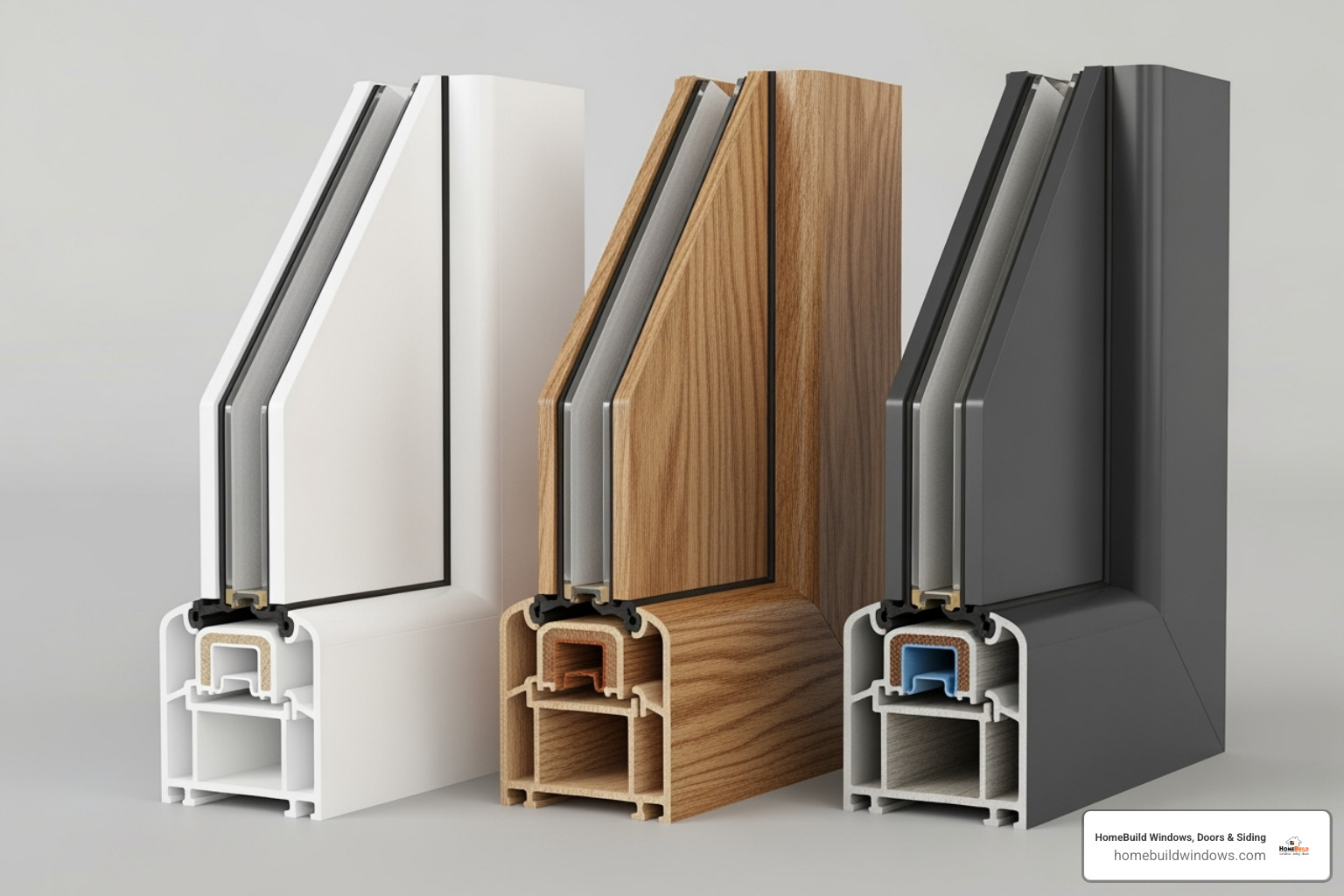
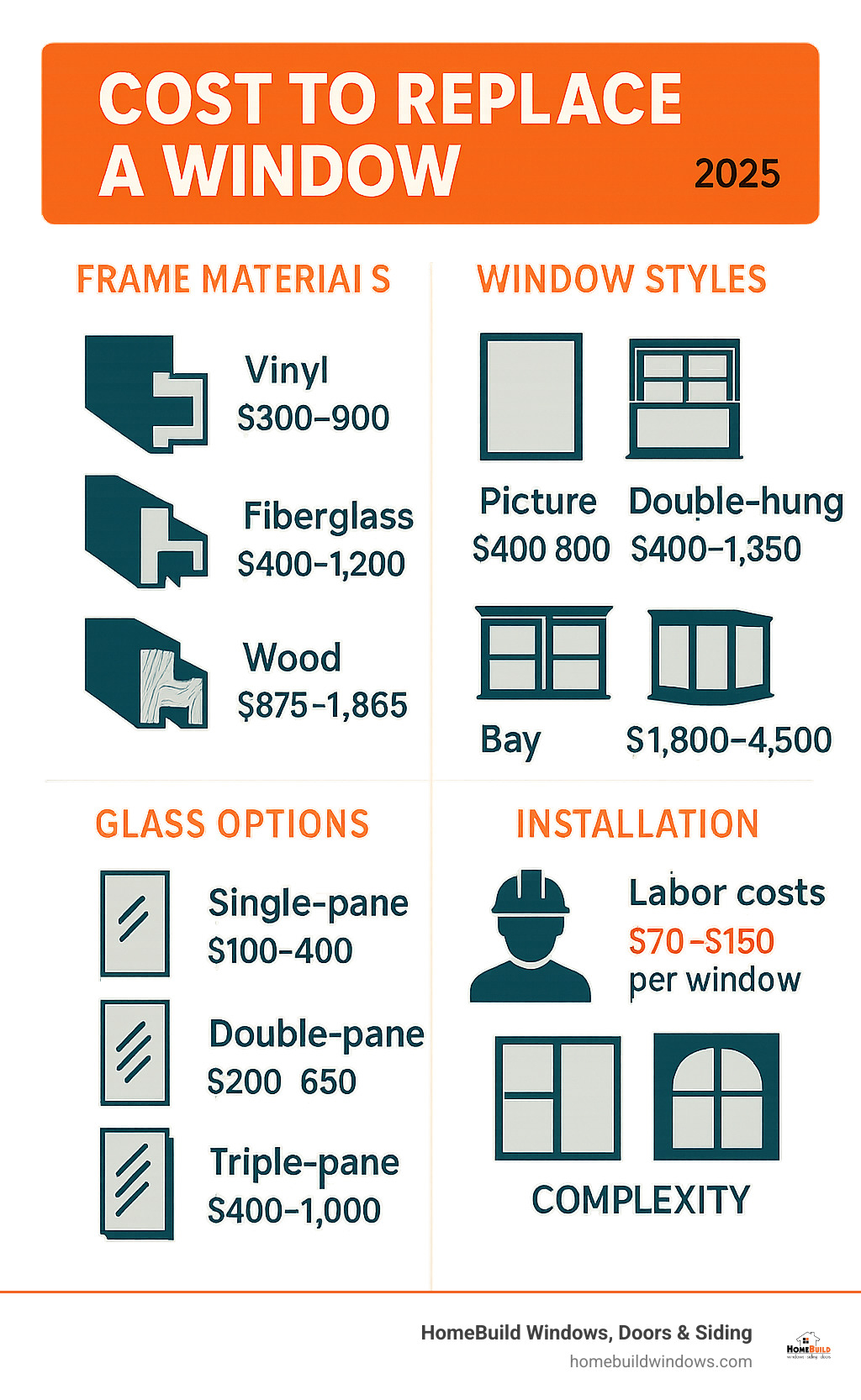
Frame Materials: How They Affect the Cost to Replace a Window
Your choice of frame material is a primary driver of your window’s price, performance, and maintenance needs.
- Vinyl windows ($100-$900): Budget-friendly, durable, and low-maintenance, offering solid energy efficiency.
- Wood windows ($150-$1,300): Offer timeless elegance and excellent natural insulation but require regular painting or staining.
- Fiberglass windows ($320-$1,500): Incredibly durable and low-maintenance, resisting warping, rotting, and swelling.
- Aluminum windows ($75-$1,200): Strong and sleek, but less energy-efficient unless they have thermal breaks.
- Composite windows ($300-$1,800): Combine wood fibers and polymers for the look of wood with less maintenance.
Our Replacement Window Buying Guide can help you choose the right material for your climate and home style.
Window Styles and Types
The style of window affects both cost and function. Popular options include:
- Single-hung and double-hung windows ($100-$650): Classic styles where one or both sashes move. Double-hung windows tilt in for easy cleaning.
- Picture windows ($65-$1,200+): Fixed windows that don’t open, ideal for maximizing views and light.
- Sliding windows ($150-$800): Glide horizontally, great for wide openings and easy operation.
- Casement windows ($150-$1,000): Swing outward to catch breezes and provide unobstructed views.
- Awning windows ($100-$1,000): Hinged at the top, they can be left open in light rain.
- Bay and bow windows ($400-$7,100): Extend outward, adding space and panoramic views, but are more complex to install.
- Custom Window Designs (starting at $1,000+): Made to fit unique shapes and sizes.
Glass and Glazing Options
The glass is your home’s barrier against weather and noise. Key options include:
- Single-pane glass ($100-$400): Basic and inexpensive but offers poor insulation.
- Double-pane glass ($150-$1,300): The current standard, offering good insulation with a sealed air space.
- Triple-pane glass ($400-$3,040): Provides superior insulation and noise reduction, ideal for harsh climates.
- Low-E coatings (add $50-$850): Reflect heat to keep your home comfortable year-round.
- Argon gas fills (add $375-$1,000): Denser than air, this gas improves insulation between panes.
- Tempered and Laminated Glass: Safety glass options required by code in certain areas (e.g., near doors) or for improved security and UV protection.
Labor and Installation
Professional installation is crucial for performance and adds $70-$150 per window for standard jobs, with complex installations costing more. Key factors include:
- Installation Type: A full-frame replacement (removing the entire window and frame) costs more but provides the best seal. An insert replacement (fitting a new window into the existing frame) is less expensive but only works if the old frame is sound.
- Complexity: Larger windows, upper-floor installations, and issues in older homes (non-standard openings, structural repairs) increase labor costs.
- Additional Costs: Budget for debris disposal ($14-$16 per window), permits ($50-$300), and potential structural repairs ($300-$1,100).
Our Window Installation Chicago team ensures your windows are installed correctly to protect your investment.
The Value of Energy-Efficient Windows: Cost vs. Long-Term Savings
While energy-efficient windows might increase the initial cost to replace a window, they are a smart investment that pays you back over time through lower utility bills and higher home value.
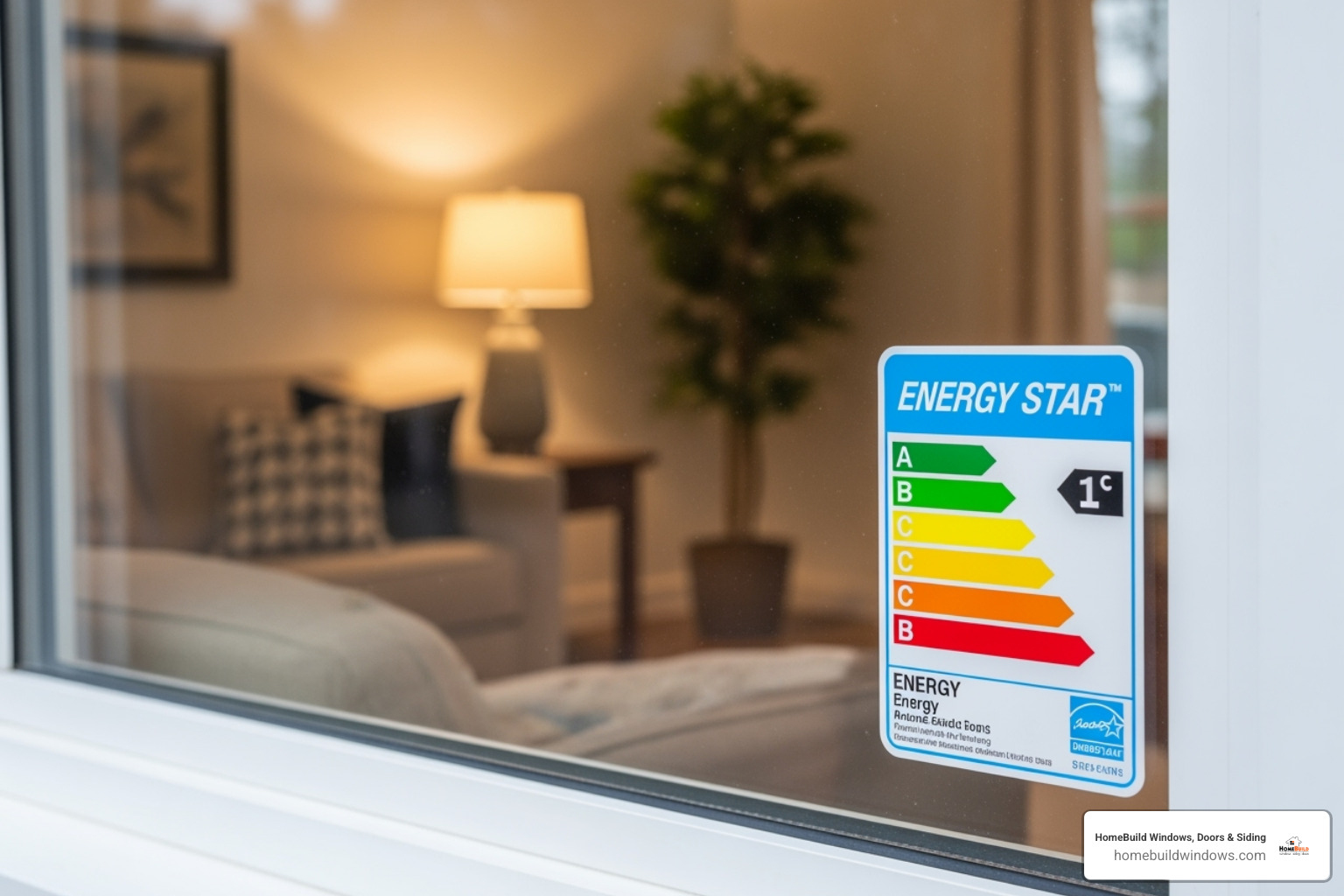
Understanding Energy Efficiency Ratings
Key ratings help you identify high-performing windows:
- ENERGY STAR certification: This EPA label signifies that a window meets strict energy efficiency standards, helping to cut heating and cooling costs.
- U-factor: Measures how well a window prevents heat from escaping. A lower number is better, with a U-factor of 0.27 or lower being ideal for Chicago’s climate.
- Solar Heat Gain Coefficient (SHGC): Measures how much solar heat a window blocks. Lower values help keep your home cooler in the summer.
- Low-E coatings: These invisible metallic layers reflect heat while letting in light, a key feature for efficiency. For more details, the Department of Energy explains what to know about energy-efficient windows.
Our Energy Efficient Windows Chicago are selected to perform in our local climate.
Calculating Your Return on Investment (ROI)
Energy-efficient windows provide a return on your investment in several ways:
- Lower Energy Bills: Upgrading from single-pane to ENERGY STAR windows can save a typical homeowner $125 to $350 annually.
- Increased Home Value: New windows are a major selling point. The 2024 Cost vs. Value report shows a 67.1% ROI for vinyl window replacement, adding over $14,000 to a home’s resale value.
- Improved Comfort: Say goodbye to drafts and cold spots. Energy-efficient windows maintain consistent indoor temperatures.
- Noise Reduction: Multiple panes and sealed air gaps significantly reduce outside noise from traffic, neighbors, and more.
These combined benefits make the investment in energy-efficient windows one of the smartest home improvements you can make.
How to Save Money on Your Window Replacement Project
The cost to replace a window can feel overwhelming, but with smart planning, you can significantly reduce your project costs without sacrificing quality.
Smart Shopping and Timing
- Get multiple quotes: Aim for three to four detailed estimates from reputable contractors. Compare not just the price, but the included materials and scope of work.
- Replace several windows at once: Grouping windows into a larger project often leads to bulk pricing from manufacturers and more efficient labor rates.
- Consider off-season installation: Demand is lower in fall and winter, which can lead to more competitive pricing from contractors.
- Choose cost-effective materials: Vinyl frames with double-pane glass and basic Low-E coatings offer excellent value, providing energy efficiency and durability without a premium price tag.
Learn more with our guide on How to find the perfect window installation company.
Rebates, Tax Credits, and Financing
Programs designed to offset the cost of energy-efficient windows can provide significant savings.
- Federal Tax Credits: The Inflation Reduction Act offers a tax credit of up to 30% of installation costs (maximum $600 for windows) through 2032. Check the latest ENERGY STAR tax credit details for current information.
- State and Local Rebates: Many utility companies offer cash rebates for installing ENERGY STAR-certified windows. Check with your local provider for available programs.
- DSIRE Database: The Database of State Incentives (DSIRE) is a comprehensive resource for finding incentives in your area.
- Financing: If the upfront cost is a concern, Financing options can make the project more manageable by spreading payments over time.
By planning strategically and using available incentives, you can make your window replacement project affordable and stress-free.
Frequently Asked Questions about Window Replacement Costs
Here are answers to the most common questions homeowners have about window replacement costs, timing, and process.
When should I replace my windows instead of repairing them?
While a simple repair can sometimes extend a window’s life, replacement is often the more economical choice for significant issues. Clear signs it’s time to replace include:
- Persistent drafts or rising energy bills.
- Condensation between the glass panes (a sign of a failed seal).
- Warped, cracked, or rotting frames.
- Difficulty opening, closing, or locking the window.
If you’re facing fundamental problems like broken seals or structural damage, investing in new, energy-efficient windows is a better long-term solution than repeated repairs. For more warning signs, see our guide on 4 Reasons Your Home Needs Window Replacement.
How long does a typical window installation take?
Professional window installation is faster than many people expect. A single, standard window can often be installed in 30 to 60 minutes. For a whole-house project, our crews can typically install 10 to 15 windows in a single day.
The entire project, from consultation to cleanup, usually takes 2 to 4 weeks, with most of that time dedicated to custom ordering your windows. The actual on-site installation for most homes is completed in 1-3 days. Factors like complex styles (bay windows), upper-floor locations, or issues in older homes can extend this timeline. Proper planning helps keep the project on track, which is why we offer tips on How to Prepare for a Window Installation.
Is it cheaper to replace all windows at once?
Yes, in almost all cases, replacing all your windows at once is more economical than doing them one by one. Here’s why:
- Bulk Pricing: Manufacturers offer better per-unit pricing on larger orders.
- Labor Savings: You pay for mobilization, setup, and cleanup costs only once, rather than multiple times for phased projects.
- Project Efficiency: Crews work more quickly and smoothly when tackling the entire house at once.
- Aesthetic Consistency: Replacing all windows ensures a perfect match in style, color, and hardware across your home.
While the upfront cost to replace a window for an entire house is higher, the per-window cost is typically 15-30% lower than individual replacements.
Get a Clear View on Your Window Replacement Investment
Understanding what goes into the cost to replace a window empowers you to make smart decisions for your home. While it’s a significant financial commitment, ranging from $300 for a single window to $35,000+ for a whole-house project, homeowners who plan carefully are almost always thrilled with the results.
Your final cost is shaped by key choices:
- Materials: From budget-friendly vinyl to neat wood, the frame material is a primary cost driver.
- Style: Simple double-hung windows cost less than complex bay or custom windows.
- Energy Efficiency: Features like Low-E glass and gas fills increase the initial cost but deliver long-term savings on energy bills and boost home value.
By shopping smart, replacing multiple windows at once, and using tax credits, you can make your project more affordable. For Chicago-area homeowners, choosing windows designed for our climate is crucial.
The bottom line: Window replacement is an investment in your comfort, efficiency, and property value. The energy savings, increased home value, and improved quality of life make it one of the best home improvements you can make.
Ready to get a clear view of your investment? Contact HomeBuild Windows today for a detailed, no-pressure window replacement and installation consultation. Let’s start planning your home’s change.