
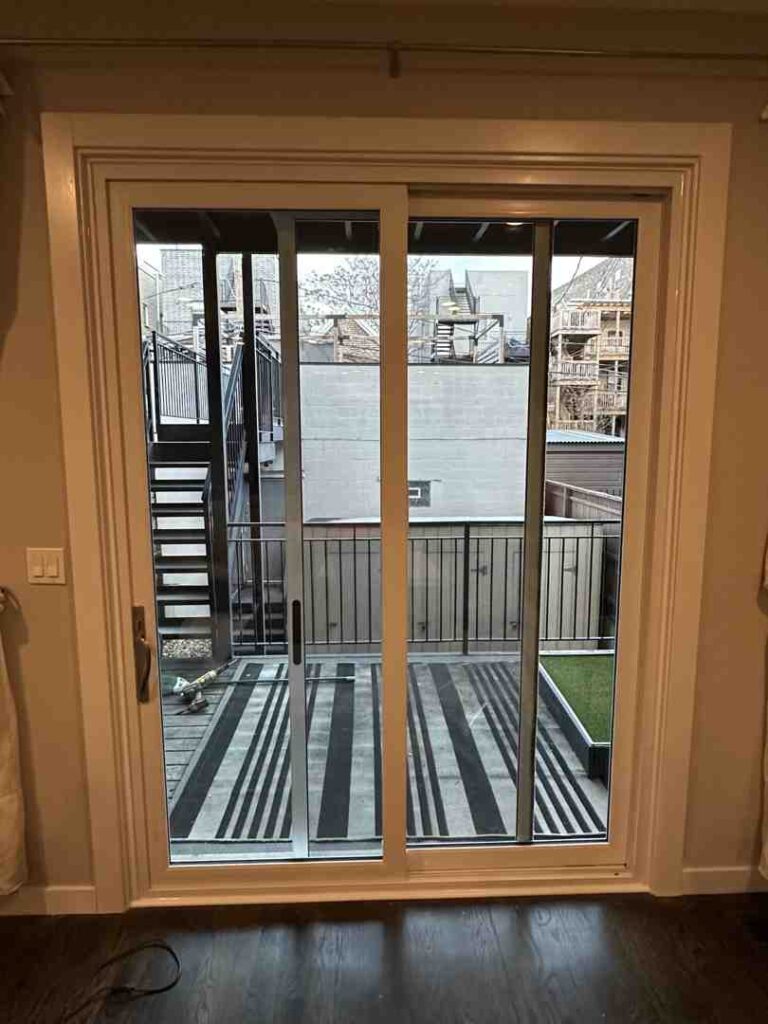
Upgrading Your Sliding Glass Door for Chicago Homes in 2026
If your current patio door is drafty, hard to slide, or fogging up between the panes, it is quietly compromising your home’s energy efficiency and comfort. An old, leaky sliding door can waste conditioned air all winter, let street noise in, and signal to buyers that your home needs exterior updates.
The good news? Replacing a sliding glass door is one of the most straightforward exterior upgrades you can make to improve your home’s insulation, security, and curb appeal.
Frame material, glass package, door width, and installation complexity all play a significant role in the performance of your new door. Whether you are doing a simple swap into an existing opening or creating a brand-new opening in a load-bearing wall, choosing the right materials and professional installation is key.
I’m Steve Mlynek, CEO and founder of HomeBuild Windows, Doors & Siding – a locally owned contractor with over 20 years of experience helping Chicago-area homeowners select the perfect sliding patio door for their homes. In the sections below, I’ll walk you through the key features and options so you can make an informed decision for your next home improvement project.
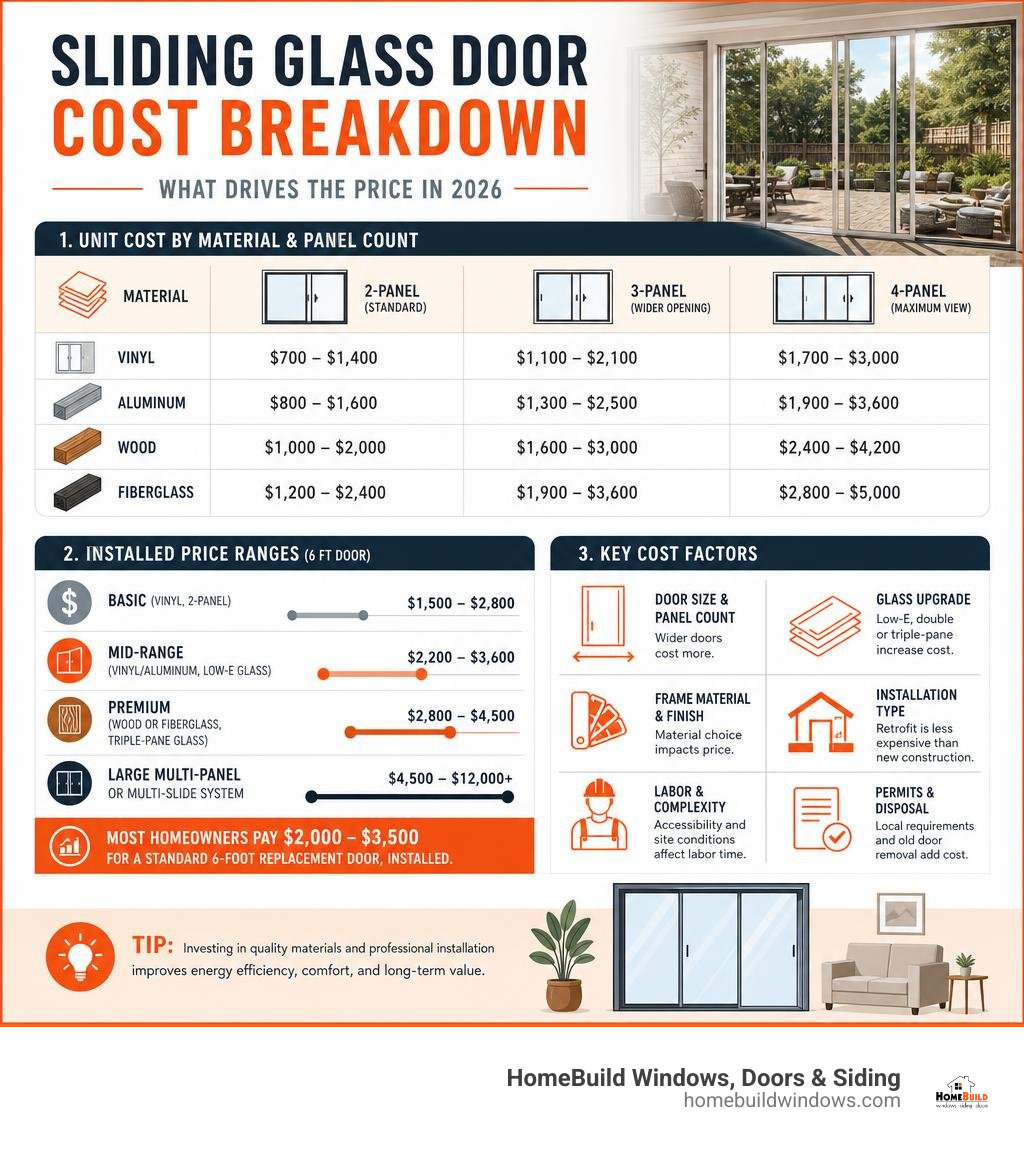
Useful resources for your project:
- sliding glass door replacement planning guide
- professional window installation guide
- new construction window installation overview
Understanding Sliding Patio Door Configurations and Materials
When planning a patio upgrade, the first major decision is selecting the right configuration and framing material. These choices directly impact the long-term performance, thermal efficiency, and visual appeal of your home.
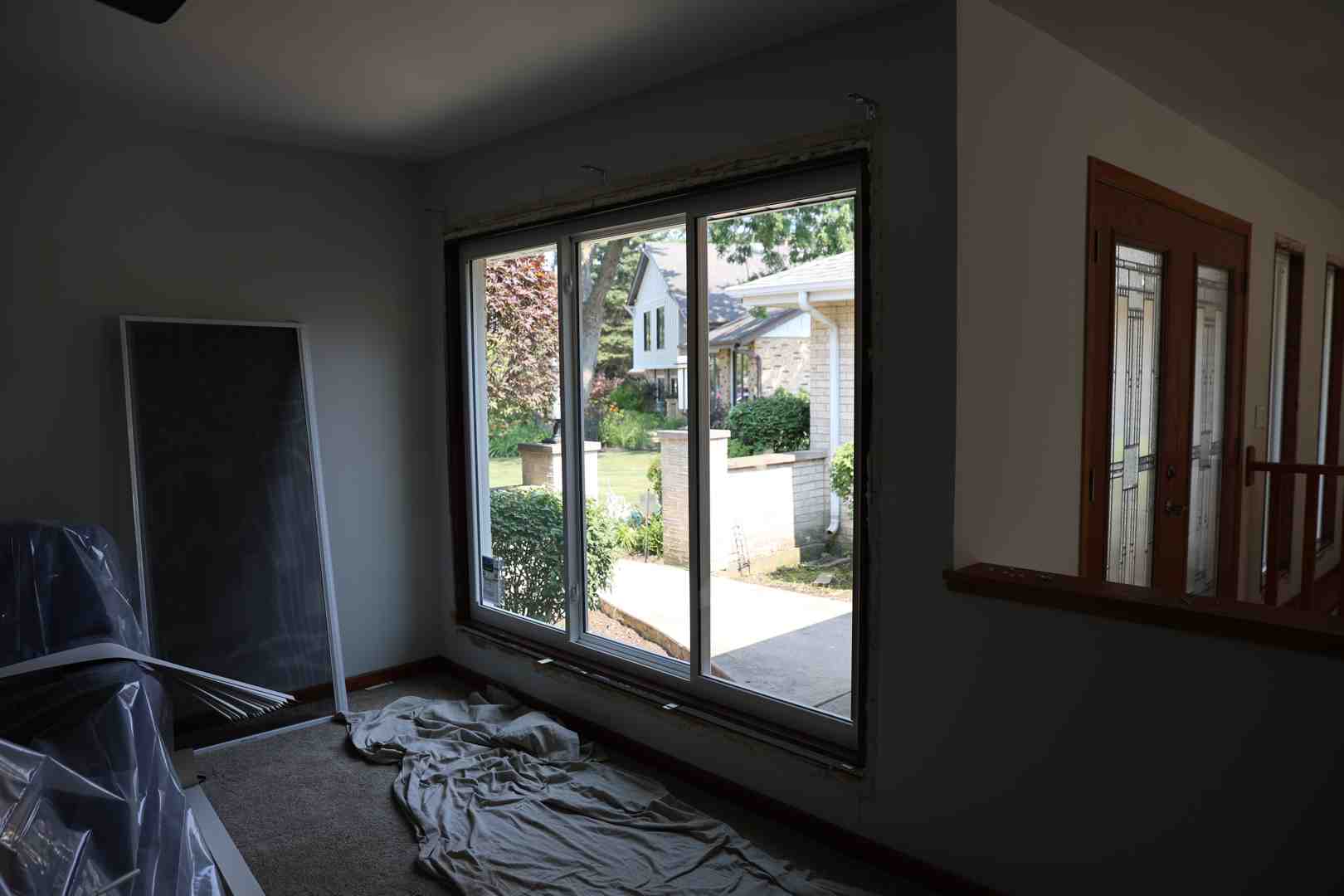
For homeowners throughout the Chicagoland area, matching the door style to your daily lifestyle is essential. Sliding glass doors are highly versatile, but they are not all built the same way.
Panel Configurations and Operational Styles
The layout of your glass panels determines how much natural light enters your home and how wide your physical walkway will be.
- 2-Panel Sliding Doors: This is the classic suburban standard. It features one fixed panel and one operating panel that glides horizontally on a track. It is highly space-efficient and works beautifully in smaller dining areas or kitchens leading out to a deck.
- 3-Panel Sliding Doors: A step up in design flexibility, these systems typically feature a central operating panel with two fixed side panels, or two operating panels that slide outward. This layout provides a wider glass surface to capture backyard views.
- 4-Panel Sliding Doors: Perfect for wider family rooms, a 4-panel system features two center panels that slide outward over two fixed outer panels, creating a grand, double-wide opening in the middle.
- Multi-Slide Systems: These systems feature multiple panels that slide and stack neatly on top of one another or tuck completely inside a wall pocket. They are designed for large architectural openings, creating a seamless connection between your indoor and outdoor living areas.
- Bi-Fold Patio Doors: Instead of sliding along a track, bi-fold panels fold accordion-style to one side. This completely eliminates the barrier between your home and your patio, though it requires clear floor space for the folded panels to stack.
If you are exploring different layout styles, our detailed guide on patio door replacement options offers an in-depth comparison of these configurations.
Choosing the Right Frame Material
The material of your door frame dictates how well the system resists seasonal temperature swings, how much maintenance it will require over its lifespan, and how it complements your home’s exterior design.
- Vinyl: Known for its outstanding thermal performance and low maintenance requirements, vinyl is highly resistant to rot, moisture, and fading. It is a reliable option for homeowners seeking long-term durability without the need for regular painting.
- Fiberglass: Engineered to be exceptionally strong, fiberglass expands and contracts at virtually the same rate as the glass itself. This stability protects the structural seals over decades of use, making it an excellent choice for the harsh freeze-thaw cycles of Northern Illinois.
- Wood-Clad: Featuring a warm, natural wood interior and a durable, weather-resistant aluminum or vinyl exterior cladding, wood-clad systems offer timeless beauty. We frequently install premium wood-clad systems from trusted manufacturers like Pella and Marvin to preserve the historic charm of homes in communities like Wilmette and Winnetka.
- Aluminum: Modern aluminum frames utilize advanced thermal breaks to prevent heat transfer. They feature incredibly slim profiles and maximum glass areas, making them popular for contemporary architectural styles.
Key Factors That Determine Sliding Door Performance and Value
Understanding the primary elements that influence your overall project scope is key to making an informed decision. Selecting the right physical door unit, structural framing, and glass specifications will shape the long-term value of your installation.
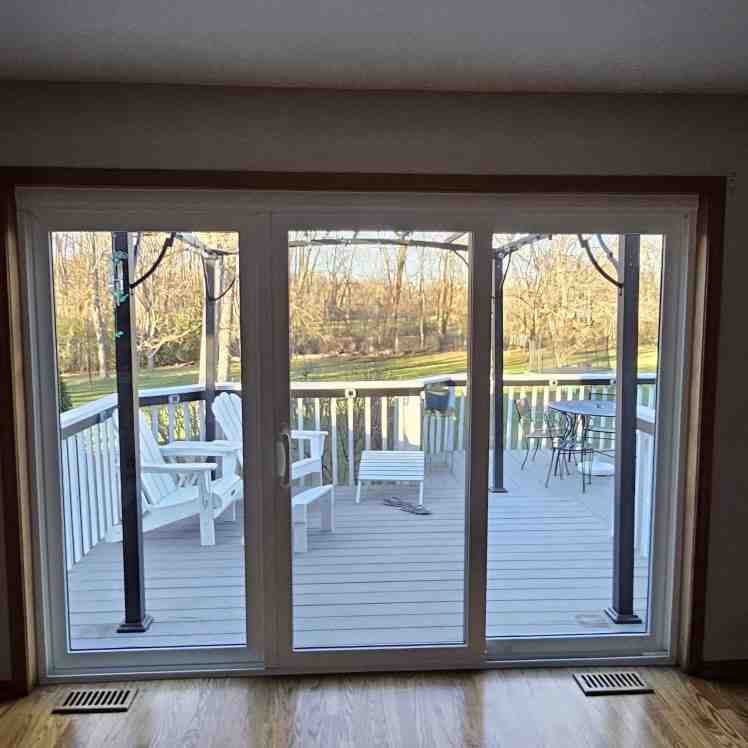
When we evaluate a project for a homeowner in Barrington or Lake Zurich, we look closely at the existing structural framing, the desired glass specifications, and any custom sizing requirements.
For a broader perspective on how these choices affect your property’s long-term value, you can read NerdWallet’s Guide to Sliding Door Value.
How Frame Materials Impact Performance
The frame material you select is one of the most significant variables in your project. Each option offers a unique balance of structural strength, thermal insulation, and maintenance needs.
- Vinyl Frames: Representing a large portion of residential installations, high-quality vinyl frames (such as those from Alside) offer exceptional energy efficiency. Because vinyl does not conduct heat or cold, it helps keep your home comfortable during bitter winter months. It requires virtually no upkeep beyond occasional track cleaning.
- Fiberglass Durability: If you are looking for maximum lifespan and structural integrity, fiberglass is a premier choice. Its superior strength allows for slimmer frame profiles and larger panes of glass, easily handling heavy wind loads and extreme temperature shifts.
- Wood Aesthetics: Wood frames offer unmatched natural beauty and can be stained or painted to match your interior decor. However, they require routine maintenance to protect the wood from moisture and rot. Wood-clad options mitigate this issue by shielding the exterior with weather-resistant materials.
- Thermal-Break Aluminum: Standard aluminum is a conductor of heat, but modern thermal-break aluminum frames feature an insulating barrier inside the frame. This design delivers the sleek, modern look of metal without compromising your home’s indoor comfort.
How Glass Packages and Custom Sizes Affect Your Installation
Because a sliding door is essentially a large wall of glass, the specific glass package you choose plays a vital role in both your initial project scope and your future energy bills.
- Double-Pane vs. Triple-Pane: Standard double-pane glass features two layers of glass with an insulating gas fill. Upgrading to triple-pane glass adds a third layer, creating two separate insulating chambers that significantly reduce heat loss and outdoor noise.
- Low-E Coatings and Gas Fills: Microscopically thin Low-E (low-emissivity) coatings reflect infrared and ultraviolet light, keeping indoor heat inside during the winter and blocking outdoor heat during the summer. Filling the space between the panes with dense argon gas further slows down thermal transfer.
- Impact-Rated and Safety Glass: Sliding doors are built with heavy tempered safety glass, which crumbles into small, dull pieces if broken. For enhanced security or wind resistance, laminated impact-rated glass features an inner polymer layer that holds the glass together even under severe impact.
- Standard vs. Custom Sizing: Standard rough openings—typically designed for 5-foot, 6-foot, or 8-foot wide doors—are highly efficient because the units are mass-produced. If your home has an unusual architectural opening, ordering a custom-sized door requires manual layout and custom glass tempering. In many cases, slightly modifying the wall framing to fit a standard size is a smart way to streamline the project.
To learn more about how advanced glass technology keeps your home comfortable, explore our guide on triple-pane window technology.
Energy Efficiency and Weather Protection for Midwest Climates
Living in the Chicago area means preparing your home for dramatic seasonal shifts. From humid, blazing summers to freezing, wind-swept winters, your exterior doors are your home’s primary shield against the elements.
An outdated, poorly sealed sliding door can easily become a major source of energy loss. Upgrading to a modern, high-performance system is one of the most effective ways to improve year-round comfort, reduce drafts, and help your HVAC system operate more efficiently.
To see how professional door upgrades fit into regional home improvement standards, check out Angi’s Chicago Door Installation Insights.
Key Energy Performance Metrics
When comparing different sliding doors, look for the National Fenestration Rating Council (NFRC) label and ENERGY STAR certification where applicable. These ratings provide verified performance information that helps you choose the right door for our local climate:
- U-Factor: This measures how well a door prevents heat from escaping. The lower the U-factor, the better the door insulates. In cold northern climates, a low U-factor is essential for keeping your living space warm.
- Solar Heat Gain Coefficient (SHGC): This measures how much solar radiation passes through the glass. In our region, a moderate SHGC is often ideal, as it allows for beneficial solar warmth during the winter while still blocking excessive summer heat.
- Air Leakage Rating: This rating indicates how much air infiltrates through the door’s seals and weatherstripping. High-quality interlocking seals are crucial for stopping cold winter drafts.
Double-Pane vs. Triple-Pane Glass Performance
For homeowners in communities like Arlington Heights and Palatine, upgrading to triple-pane glass is a highly effective way to combat extreme winter weather.
The extra layer of glass and second chamber of argon gas create an incredibly robust thermal barrier. This design not only keeps the interior glass surface warmer to the touch, but it also virtually eliminates condensation buildup along the bottom of the frame on freezing mornings.
Additionally, triple-pane glass provides outstanding sound dampening, which is a major benefit for homes located near busy suburban roads or train lines.
Professional Installation vs. DIY: Protecting Your Door Upgrade
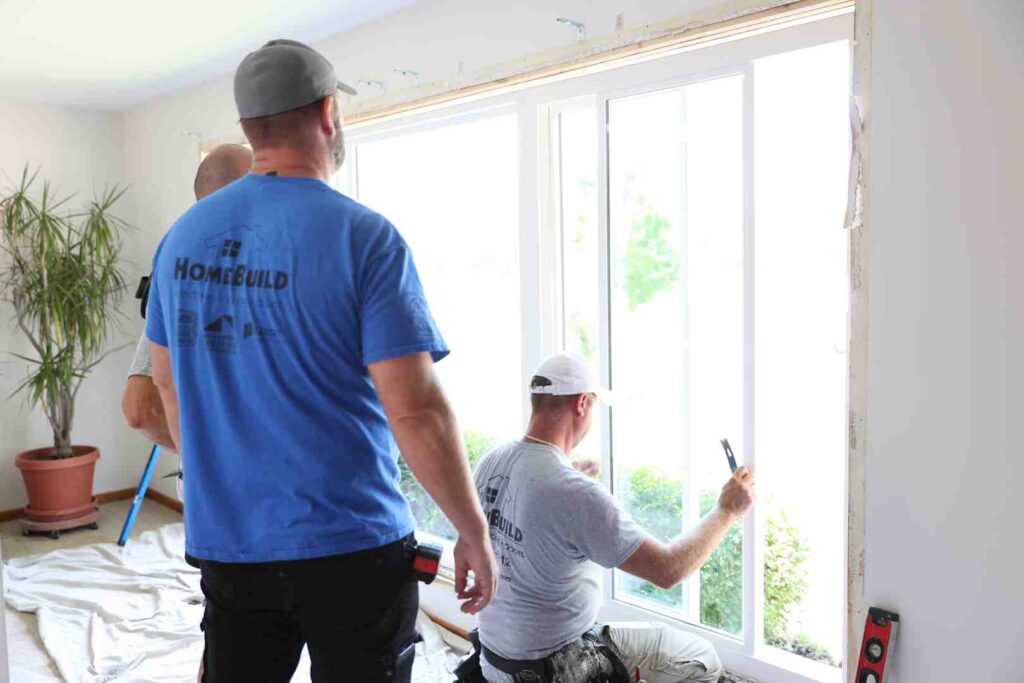
A high-performance sliding glass door is only as good as its installation. While experienced DIY enthusiasts may feel comfortable tackling standard projects, installing a large patio door involves unique structural and weatherproofing challenges.
Choosing professional installation ensures your door operates flawlessly, remains completely weather-tight, and retains its applicable manufacturer warranty.
The Risks of DIY Installation
Sliding glass doors are incredibly heavy and require precise alignment to function properly. Even a tiny error during installation can lead to long-term operational issues:
- Alignment and Squareness: If the rough opening is not perfectly square, level, and plumb, the heavy glass panels will bind, drag along the track, or fail to lock securely.
- Structural Integrity: If you are enlarging an opening or converting a window into a sliding door, you must install a properly sized, load-bearing header to support the weight of the wall above. Failing to do so can cause the ceiling to sag and crush the door frame.
- Warranty Protection: Many leading manufacturers, including Pella and Andersen, require their products to be installed in strict accordance with their guidelines. A DIY installation that leads to frame bowing or water leaks can affect warranty coverage.
For a step-by-step breakdown of what a professional installation involves, read our sliding glass door installation guide.
The Importance of Proper Flashing and Sill Pans
Water damage is one of the most serious issues a homeowner can face. Because patio doors sit flush with your outdoor decking or patio, they are highly vulnerable to wind-driven rain and melting snow.
- Sill Pans: A sloped sill pan must be installed beneath the door frame. This pan acts as a miniature gutter, catching any water that bypasses the exterior seals and directing it safely back outside.
- Flexible Flashing Tape: High-performance flashing tape must be applied around the rough opening using the “shingle principle.” This means layering the materials from the bottom up, ensuring water naturally sheds over the joints rather than seeping behind your home’s siding.
- Low-Expansion Foam: Standard expanding foam can easily bow a vinyl or wood door frame, preventing the panels from sliding. Professionals use specialized low-expansion foam to seal the perimeter without distorting the frame.
Frequently Asked Questions About Patio Door Replacements
What is the lifespan of a high-quality sliding glass door?
With proper maintenance, a high-quality sliding glass door typically lasts 20 to 30 years.
Vinyl and fiberglass frames generally offer the longest lifespans because they are completely impervious to moisture. Wood-clad doors can also last for decades, provided the exterior cladding remains intact and the interior wood is kept clean and dry.
To maximize the life of your door, we recommend vacuuming the bottom track monthly to remove dirt and debris, and checking the rollers annually to ensure they glide smoothly.
Can I replace a sliding door without replacing the frame?
If your existing door frame is structurally sound, square, and free of rot or water damage, it is sometimes possible to perform a glass-only replacement or swap out just the sliding panels.
However, if you are experiencing drafts, water leaks, or if the frame itself is warped or damaged, a full-frame replacement is highly recommended. Replacing both the frame and the door ensures that all weatherstripping, interlocking seals, and structural components work together as a cohesive, energy-efficient system.
How do sliding doors compare to French doors for patio openings?
Both styles offer distinct advantages depending on your home’s layout and architectural style:
- Space-Saving Design: Sliding doors glide parallel to the wall, making them ideal for tight spaces, small decks, or rooms with furniture placed near the opening.
- Traditional Aesthetics: French doors swing open on hinges, providing a classic, elegant look. They allow you to open both doors at once for a wide, unobstructed walkway, but they require clear floor space for the doors to swing inward or outward.
- Security and Ventilation: Modern sliding doors feature advanced multi-point locking systems and integrated sliding screens, allowing for secure, insect-free ventilation.
If you are considering a swinging option instead, take a look at our guide on French door alternatives.
Conclusion
Upgrading your home’s sliding glass door is a practical exterior improvement that supports daily comfort, enhanced security, and improved energy efficiency. By choosing the right frame materials, selecting a high-performance glass package, and insisting on professional installation, you can ensure your new door operates beautifully for decades to come.
At HomeBuild Windows, Doors & Siding, we are proud to be a trusted, locally owned contractor serving Chicago and the surrounding North-West Suburbs. With over 20 years of experience, we bring a level of professionalism and attention to detail that has earned us a reputation as a premier home exterior specialist.
- Elite Platinum Pella® Certified Contractor
- Andersen Certified Contractor
- Angi Super Service Award Winner
- Nextdoor Neighborhood Faves Recognition
- 200+ Positive Google Reviews
- Fully Licensed and Insured
Every project we handle is owner-supervised, ensuring our high standards of craftsmanship are met from the initial consultation to the final walkthrough. Whether you are replacing a drafty old door in Schaumburg, upgrading to a premium wood-clad system in Glenview, or installing energy-efficient windows in Crystal Lake, we are here to help.
Ready to transform your home’s connection to the outdoors? Explore our HomeBuild Window Replacement Services to learn more, or contact our team today to schedule your free consultation!